

P0016 on 2014-2021 GMC Sierra 1500: Crank/Cam Correlation Causes & Fixes
P0016 on a 2014-2021 Sierra most often points to a faulty camshaft actuator solenoid (VVT solenoid), a common and relatively easy fix. However, it can also indicate more serious issues like a stretched timing chain or a misaligned crankshaft reluctor wheel, requiring more extensive diagnosis and repair. Low or dirty oil is a frequent contributing factor that should be checked first.
- P0016 indicates a timing mismatch between the crankshaft and the Bank 1 intake camshaft.
- The most likely and easiest fix is replacing the Bank 1 intake VVT solenoid, especially if the engine oil is clean and at the proper level.
- Do not immediately replace the cam or crank sensors; they are rarely the cause of a correlation code.
- This code should be addressed immediately, as it can be a symptom of a serious mechanical issue like a stretched timing chain that could lead to severe engine damage.
- If you hear a rattling or ticking noise along with this code, it strongly suggests a mechanical timing component failure (chain guide, tensioner, or cam phaser).
What's Unique About the 2014-2021 Gmc SIERRA 1500

On the GM EcoTec3 engines (4.3L LV3, 5.3L L83, 6.2L L86) found in these Sierra models, the Variable Valve Timing (VVT) system is a frequent source of this code. 🎬 Watch: How this Sierra owner resolved a P0016 code. Camshaft actuator solenoids are a known failure point, often getting clogged with debris or failing electrically, as highlighted in GM's own service bulletins. Beyond this common issue, these trucks have documented cases of more severe mechanical faults, including stretched timing chains, improperly indexed crankshaft reluctor wheels (tone rings), and issues with the camshaft actuator (phaser) itself, making a thorough diagnosis critical. TSB PIP5554A specifically addresses P0016 setting after internal engine repair due to incorrect base timing procedures.
Diagnostic Flowchart

Tap your situation to follow the diagnostic path that matches what you're seeing on this vehicle.
Generation note: This range covers the end of the K2XX platform (2014-2018, and 2019 'Limited' models) and the beginning of the T1XX platform (2019-2021). While the core EcoTec3 engines (4.3L V6, 5.3L V8, 6.2L V8) are similar, some parts and procedures may differ. The cited TSBs cover vehicles from both generations, indicating the issue persists across platforms. For 2019+ models, the 5.3L L83 engine was updated to the L84, which uses a more complex Dynamic Fuel Management (DFM) system instead of Active Fuel Management (AFM), and the 6.2L L86 was updated to the L87. These newer engines have seen reports of lifter failures that can sometimes present with timing-related codes.
Symptoms You May Notice

- Check Engine Light is on
- Rough idle or engine vibration
- Engine rattles or makes ticking/clicking noises, especially on startup or from the front of the engine.
- Reduced engine power and poor acceleration
- Engine stalls, especially when coming to a stop or at low RPM.
- Engine cranks for a long time before starting, or fails to start.
- Increased fuel consumption
- In some cases, a low oil pressure warning may appear, as oil pressure is critical for the VVT system.
- Replacing the crankshaft or camshaft position sensors without diagnosing the mechanical timing system. The code indicates a *correlation* problem, meaning the sensors are likely reading a real mechanical discrepancy.
- Replacing only the VVT solenoid when the root cause is a more serious mechanical issue like a stretched chain or failing phaser.
Most Likely Causes

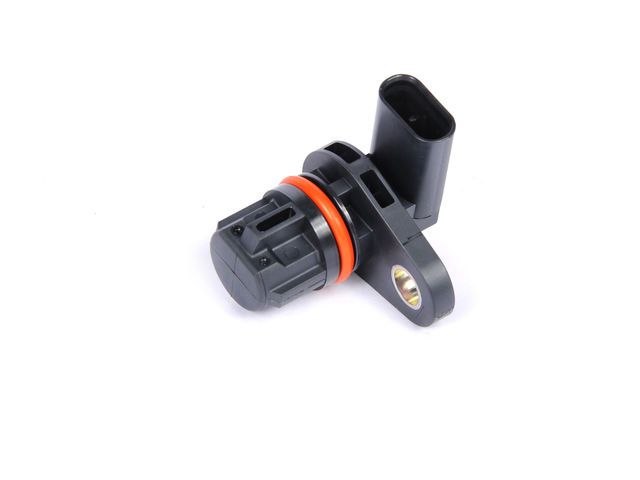
- Faulty Camshaft Position Actuator Solenoid (VVT Solenoid) 🔴 High Probability → Shop Engine Camshaft These solenoids control oil flow to the cam phasers. They are highly sensitive to oil contamination and can get clogged with sludge or debris, or fail electrically. GM has issued TSB #PIP5855 specifically pointing to this part as a common fix for P0016 and related codes.
How to confirm: Use a scan tool to command the solenoid on and off while monitoring camshaft position. A simpler method is to swap the Bank 1 intake and exhaust solenoids (if they are identical). If the code changes to P0017 (exhaust cam correlation), the solenoid is faulty. You can also test the solenoid's resistance with a multimeter; a healthy one should read between 6.9-7.9 Ohms.
Typical fix: Replace the Bank 1 intake camshaft position actuator solenoid. It is often recommended to replace both intake and exhaust solenoids at the same time.
Est. part cost: $25-$90 - Stretched Timing Chain 🟡 Medium Probability → Shop Engine Timing Chain Timing chains on the EcoTec3 engines can stretch over time, especially with extended oil change intervals or high mileage. An owner complaint for a 2020 model cited a stretched chain at 125,000 miles. A stretched chain creates slack, which allows the camshaft timing to lag behind the crankshaft, triggering the code.
How to confirm: This requires physical inspection by removing the timing cover to check for chain slack against the guides and verifying the timing marks on the crank and cam gears are perfectly aligned. This is a labor-intensive diagnostic step.
Typical fix: Replace the timing chain, tensioners, and guides as a complete kit. This is a major, labor-intensive job, often costing over $1,800 at a shop.
Est. part cost: $200-$400 for a kit - Low or Dirty Engine Oil 🟡 Medium Probability The entire VVT system, including the cam phasers and tensioners, is hydraulically operated by engine oil pressure. If the oil is low, old, the wrong viscosity, or sludged, it can't properly actuate the components, leading to a correlation code. Some owners report the code appearing after an oil change with the wrong oil type.
How to confirm: Check the oil level on the dipstick and review vehicle service records for oil change history. If the oil is low or appears dirty/sludgy, an oil change is the first and cheapest diagnostic step.
Typical fix: Perform an engine oil and filter change using the manufacturer-specified oil grade (typically SAE 0W-20 for these engines).
Est. part cost: $50-$100
Rare But Worth Checking
- Misaligned Crankshaft Reluctor Wheel: → Shop Engine Crankshaft A specific TSB (#PIP5183) was issued for this problem, where the press-fit reluctor wheel (tone ring) on the crankshaft can slip or move from its original position. This causes the crankshaft position sensor to send incorrect data, creating a phantom timing error. The fix requires either re-indexing the wheel with special tools or replacing the entire crankshaft. Some mechanics have reported successfully repositioning and tack-welding the wheel in place without removing the crank.
- Failing Camshaft Phaser (Actuator): → Shop Engine Camshaft TSB #PIP5921B points to issues with the intake cam actuator itself, such as screws backing out and causing noise or incorrect operation. The phaser can also get stuck mechanically due to internal debris or a failed locking pin, preventing it from returning to its base timing position at idle.
- Broken Timing Chain Guide or Failed Tensioner: → Shop Engine Timing Chain The plastic timing chain guides can become brittle and break, or the hydraulic tensioner can fail. A broken guide can cause the chain to slap and wear, while a failed tensioner allows excessive slack. Pieces of a broken guide can fall into the oil pan and potentially clog the oil pump pickup tube, leading to oil starvation.
- Faulty Crankshaft or Camshaft Position Sensor: → Shop Engine Camshaft Position Sensor While possible, it's uncommon for a sensor to fail in a way that produces a correlation code without setting a sensor-specific circuit code (e.g., P0335). Owners and technicians often replace these first, but it's rarely the correct fix for P0016 alone.
Diagnosis Steps
- Check the engine oil level and condition. If low, top up. If dirty or overdue for a change, perform an oil and filter change with the correct viscosity oil (Dexos approved 0W-20). This is the cheapest first step.
- Use an OBD-II scanner to confirm P0016 and check for any other related codes like P0011, P0017, or P06DD.
- Using a capable scan tool, monitor live data for the desired vs. actual camshaft angle for the Bank 1 intake cam. At idle, both should be at or near 0 degrees. If the actual angle is off, command the VVT solenoid on and off to see if the angle changes as expected.
- Check oil pressure with a mechanical gauge. At idle when warm, pressure should be at least 20-25 PSI. Low pressure points to bigger problems like a bad oil pump or clogged pickup tube.
- Inspect the wiring and connector for the Bank 1 intake VVT solenoid and camshaft position sensor for any damage or corrosion.
- Swap the Bank 1 intake VVT solenoid with the Bank 1 exhaust VVT solenoid. Clear the codes and drive the vehicle. If the code changes to P0017, the solenoid you moved is faulty and needs to be replaced.
- If the solenoid and wiring are good, the problem is likely mechanical. The next step is to inspect the timing chain system. This involves removing the engine's front/timing cover to check for a stretched chain, broken guides, or misaligned timing marks.
- If the timing chain is correct, investigate the camshaft phaser for damage or sticking, as noted in TSB #PIP5921B.
- As a last resort for persistent issues, investigate the crankshaft reluctor wheel for proper indexing per TSB #PIP5183. This may be possible to inspect with a borescope through the crankshaft position sensor hole.
Parts You'll Likely Need
- Camshaft Position Actuator Solenoid (VVT Solenoid)
Related Codes That Often Appear With This One
- P0011 — Intake Camshaft Position Timing - Over-Advanced (Bank 1). This code is often seen with P0016 as it relates to the same camshaft's timing being incorrect. TSBs #PIP5855 and #PIP5921B mention these codes occurring together.
- P0017 — Crankshaft Position - Camshaft Position Correlation (Bank 1, Sensor B). This is the same error as P0016 but for the exhaust camshaft. If both appear, it may point more strongly toward a base timing issue like a stretched chain or a problem with the crankshaft reluctor wheel.
- P06DD — Engine Oil Pressure Control Solenoid Valve Performance. This code can appear if oil pressure issues are the root cause of the VVT system malfunction. Low or erratic oil pressure can starve the phasers and tensioners, leading to timing correlation faults.
Technical Service Bulletins (TSBs) & Recalls
- PIP5183: P0016 may be caused by an improperly indexed crankshaft reluctor wheel.
- PIP5855: Advises replacing the camshaft position actuator magnet (solenoid) for P0016 and related codes.
- PIP5921B: Points to a rattle from the Intake Cam Actuator due to loose screws as a potential cause for P0016.
Platform-Specific Known Issues
- TSB #PIP5183: Notes that standard diagnostics may not find the cause, and directs technicians to inspect for an improperly indexed crankshaft reluctor wheel. This is a major mechanical repair requiring crankshaft replacement.
- TSB #PIP5855: Recommends replacing the Camshaft Position Actuator Magnet (solenoid) for a combination of codes including P0016. This points to the solenoid being a primary and common failure point.
- TSB #PIP5921B: Warns of a potential rattle or ticking noise from the intake cam actuator, possibly due to loose cover plate screws, which can lead to P0016. This highlights the phaser itself as a potential cause.
- TSB #PIP5554A: Specifically calls out P0016 setting after an internal engine repair, warning that the base timing is often set incorrectly. This is critical for anyone who has recently had engine work done.
- Owner Complaint #11641886: A 2020 model with 125,000 miles set code P0016, which was diagnosed as a stretched timing chain that had jumped a tooth, confirming this failure mode on newer models.
Mechanic-Grade Diagnostic Values
- Camshaft Position Actuator Solenoid (VVT Solenoid) Resistance — expected: 6.9 to 7.9 ohms at 68°F (20°C). Failure: A reading that is significantly higher, lower, or open-loop (OL) indicates a failed solenoid coil.
- Engine Oil Pressure (Hot Idle) — expected: 20-40 PSI. Failure: Pressure consistently below 20 PSI at hot idle can indicate oiling issues that affect the VVT system.
- Engine Oil Pressure (Cruising Speed, Warm) — expected: 40-60 PSI. Failure: Pressure that does not rise with RPM can indicate a weak oil pump or other lubrication system faults.
- Camshaft Position Sensor Connector Voltage (Key On, Engine Off) — expected: 12 volts at Pin 3 (power feed wire). Failure: No voltage suggests a wiring or ECM power supply issue.
Scan Tool Commands That Help
- GDS2 (or equivalent professional scan tool): Camshaft Position Actuator Control — Use this bidirectional command to manually activate the Bank 1 intake VVT solenoid. A lack of response (no click, no change in engine RPM or cam angle variance PID) strongly suggests a faulty solenoid, clogged oil passage, or a wiring/connector issue, helping to isolate the problem without disassembly.
- GDS2 (or equivalent professional scan tool): Crankshaft Position Variation Learn (CASE Relearn) — This procedure should be performed after replacing a crankshaft position sensor, timing chain, or ECM. While not a direct fix for a mechanical P0016 cause, failing to perform the relearn after related repairs can sometimes cause correlation codes to persist.
Wiring & Ground Locations
- G103 / G104 — On the front of the passenger side (Bank 1) cylinder head and driver's side (Bank 2) cylinder head, respectively.. These are primary engine block grounds for the ECM and various sensors. A loose or corroded G103 ground can cause erratic voltage and signal issues for the Bank 1 sensors, potentially contributing to or mimicking a P0016 fault.
- Camshaft Position Sensor Connector — On the front timing cover of the engine, below the Bank 1 (passenger side) cylinder head.. This 3-pin connector provides power, ground, and signal for the camshaft position sensor. Pin 3 is the 12V power feed, which should be verified during diagnosis. Damage to this connector or its wiring will cause a loss of signal and likely trigger codes.
Real Owner Repair Stories
- YouTube user 'Dylan Draper' (2007 GMC Sierra 5.3L (similar engine architecture and fault principle)) — Constant P0016 Check Engine Light, but the truck ran without major drivability issues.
❌ Tried (didn't work) Replacing the camshaft position sensor, Replacing the crankshaft position sensor
✅ What actually fixed it The timing chain tensioner had broken, causing the timing to jump by one tooth. The final fix was to remove the timing cover, replace the broken tensioner, and correctly reset the engine's mechanical timing. - Camaro5 Forums user 'secrethero89' (2011 Camaro V6 (different engine, but demonstrates a known GM reluctor wheel issue also cited in Sierra TSBs)) — P0016, P0008, P0009 codes, sluggish performance, extreme power loss.
❌ Tried (didn't work) Replacing the timing chain kit, Replacing all 4 camshaft position sensors, Replacing all 4 VVT solenoids, Replacing all 4 cam phasers (sprockets), Reflashing the ECM
✅ What actually fixed it The crankshaft reluctor wheel had slipped by 1.5 teeth. A mechanic was able to reposition the wheel and apply a small tack weld to secure it without removing the crankshaft from the engine.
OEM Part Supersession History
12674612, 12697047→12731637— Part has been updated by GM over time for improved reliability or manufacturing changes.
Heads up: These part numbers are generally for the 5.3L and 6.2L engines. Always verify the correct part number with the vehicle's VIN before ordering.12681018→12682000 (and others)— Standard part evolution and updates by the manufacturer.
Heads up: While many solenoids look similar, there can be internal differences. Using a part number not specified for the exact engine and year can lead to incorrect VVT operation.
Model Year Variations Within This Range
- 2019-2021: The 5.3L engine was updated from the L83 (with Active Fuel Management - AFM) to the L84 (with Dynamic Fuel Management - DFM). The 6.2L was updated from the L86 to the L87. DFM is a more complex cylinder deactivation system with 17 firing patterns. The L84/L87 engines have been noted for a higher incidence of lifter failures, which can sometimes cause misfires and other codes that might appear alongside a timing fault.
Helpful Videos
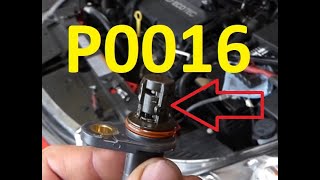
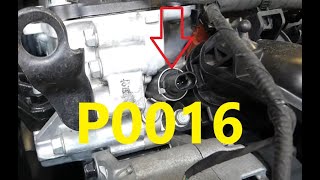
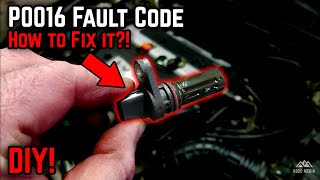

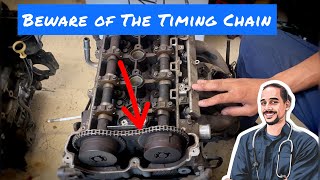

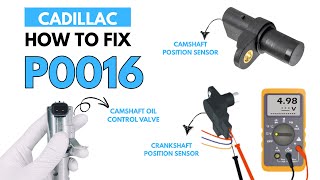
![How to Fix CADILLAC P0016 Engine Code in 6 Minutes [4 DIY Methods / Only $6.81]](https://img.youtube.com/vi/ifgKFu7bci4/mqdefault.jpg)

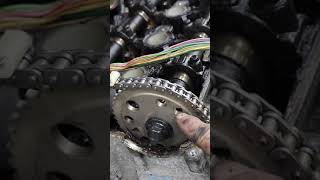
![Lifter Failures - Class Action Lawsuit Silverado [GM] AFM / DFM: 2014 - 2021 GM V8s](https://img.youtube.com/vi/M1BgCsxFdPM/mqdefault.jpg)
We Have This Part in Stock

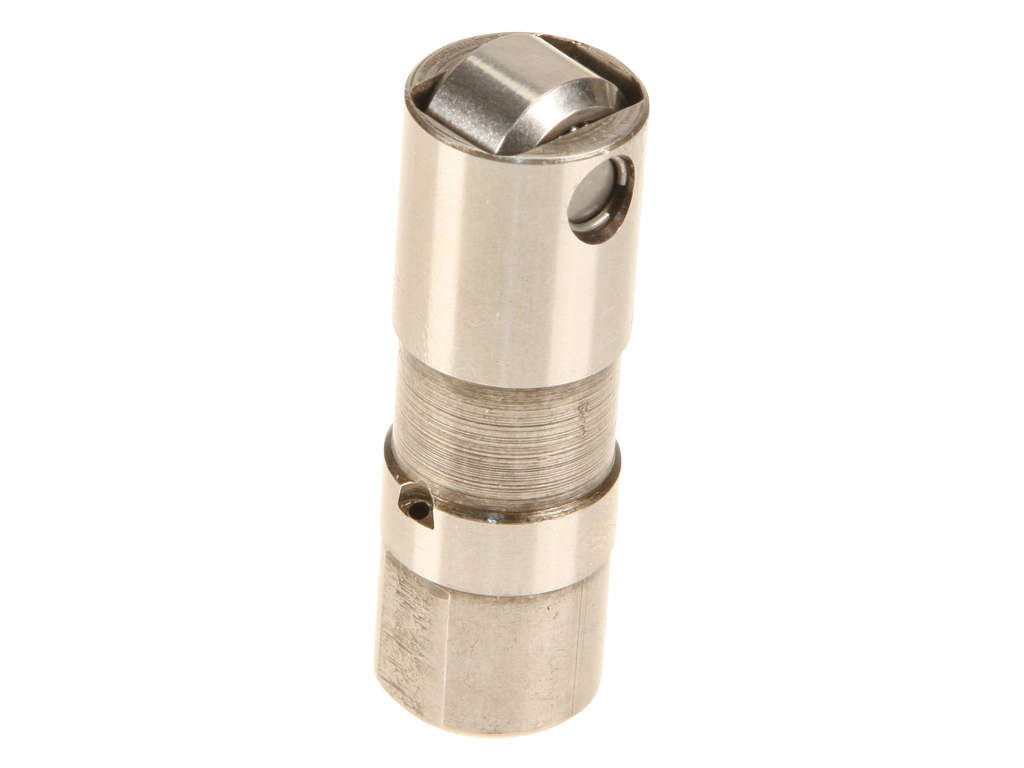
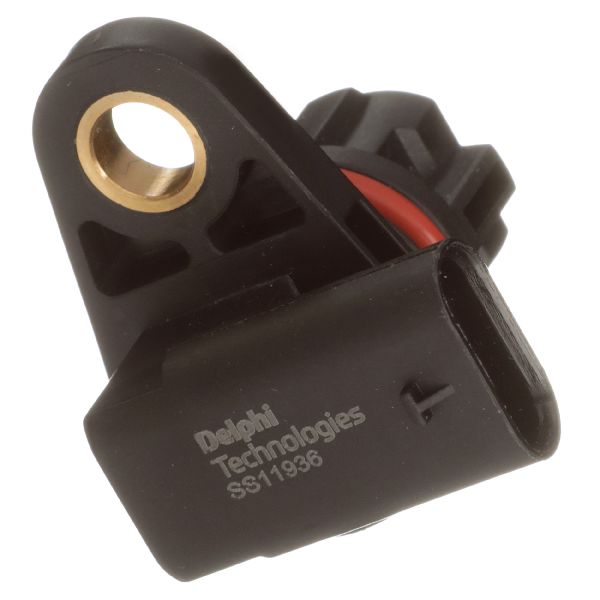
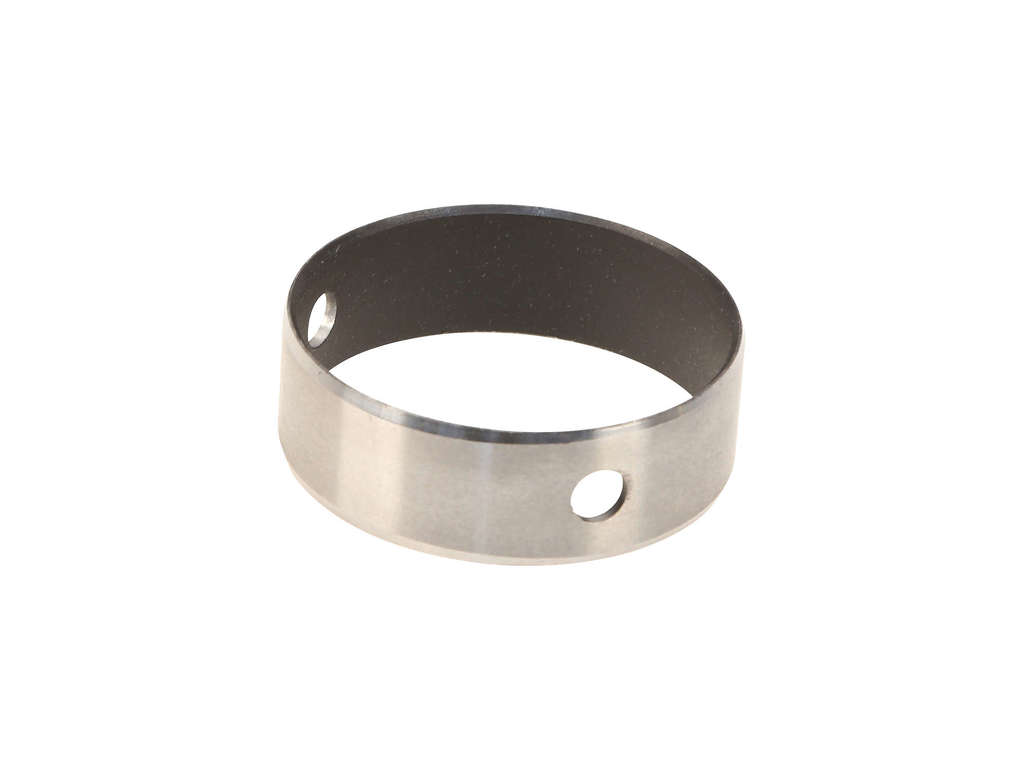

The information in this article is provided for general reference and educational purposes only. Vehicle specifications, procedures, and part compatibility can vary by production date, trim level, and region. Always consult your vehicle's factory service manual and verify part numbers before purchasing or performing repairs. Safety-critical components such as airbags, seat belts, and braking systems should be installed by a qualified professional.
- Gmc SIERRA 1500:
- 🧭 Diagnostic Flowchart
- 🎬 Helpful Videos
- 🛍️ Shop This Part
- What's Unique About the 2014-2021 Gmc SIERRA 1500
- Symptoms You May Notice
- Most Likely Causes
- Rare But Worth Checking
- Diagnosis Steps
- Parts You'll Likely Need
- Related Codes That Often Appear With This One
- Technical Service Bulletins (TSBs) & Recalls
- Platform-Specific Known Issues
- Mechanic-Grade Diagnostic Values
- Scan Tool Commands That Help
- Wiring & Ground Locations
- Real Owner Repair Stories
- OEM Part Supersession History
- Model Year Variations Within This Range
- 🎟️ Get 5% Off