

P0016 on 2007-2009 Lexus RX350: Crank/Cam Correlation Causes and Fixes
On the 2007-2009 RX350, code P0016 is most often caused by a failing VVT oil control valve (OCV) or a stretched timing chain. Always check engine oil level and condition first, as the VVT system is highly sensitive to oil pressure and cleanliness. Replacing the Bank 1 (firewall side) OCV can cost $200-$500, while a timing chain job can exceed $2,000.
- P0016 on your RX350 indicates a serious mechanical timing issue between the crankshaft and the rear (Bank 1) intake camshaft.
- Before any expensive repairs, check your engine oil. Low or dirty oil is a common and simple-to-fix cause.
- The most likely failed part is the Bank 1 intake Oil Control Valve (OCV), but it is difficult to access.
- If the OCV is not the cause, the timing chain has likely stretched, which is a very expensive and complex repair.
- Independently of this code, check if your vehicle has the updated all-metal VVT-i oil line to prevent a catastrophic oil leak.
What's Unique About the 2007-2009 Lexus RX350
The 2GR-FE engine in this RX350 relies heavily on its VVT-i (Variable Valve Timing with intelligence) system, which uses oil pressure to adjust timing via camshaft phasers. This system's components, specifically the oil control valves (OCVs) and the timing chain, are the most common culprits for a P0016 code. While the timing chains are generally robust, they can stretch at higher mileage (often over 120k miles), leading to this correlation fault. Accessing the Bank 1 (rear) components for diagnosis or replacement is notably difficult and requires removing the upper intake plenum (surge tank).
Symptoms You May Notice
- Check Engine Light is on
- Rough or unstable idle
- Engine is hard to start, or cranks but won't start
- Reduced engine power and poor acceleration
- Increased fuel consumption
- Rattling noise from the engine, especially near the timing chain cover on startup
- Replacing the camshaft or crankshaft position sensor before diagnosing the OCVs or checking for a stretched timing chain.
- Replacing the VVT phaser (cam gear) when the actual problem is a much cheaper and simpler clogged or faulty OCV.
Most Likely Causes
- Low or Dirty Engine Oil 🔴 High Probability The VVT-i system is hydraulic and highly sensitive to oil volume and cleanliness. Sludge, varnish, or low levels can prevent the camshaft phasers from operating correctly, causing them to stick.
How to confirm: Check the engine oil dipstick for proper level and inspect the oil's condition on the dipstick and under the oil cap.
Typical fix: Perform an oil and filter change using the manufacturer-recommended oil viscosity (SAE 5W-30). Clear codes and see if the issue returns.
Est. part cost: $40-$80 - Failing VVT Oil Control Valve (OCV) for Bank 1 Intake 🔴 High Probability → Shop Engine Variable Valve Timing (VVT) Solenoid These solenoids can become clogged with debris from infrequent oil changes or fail electrically, causing them to stick. This is a very common failure point in the 2GR-FE's VVT-i system.
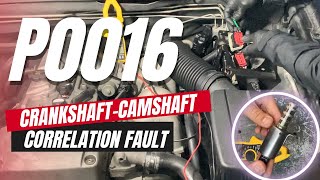
How to confirm: A common diagnostic technique is to swap the Bank 1 intake OCV with the easily accessible Bank 2 intake OCV. If the code changes to P0018 (Bank 2 correlation fault), the OCV is confirmed bad. This requires removing the intake plenum to access the Bank 1 OCV. Resistance should be 6.9-7.9 Ohms. 🎬 Watch: How to test and fix the P0016 correlation code
Typical fix: Replace the faulty Oil Control Valve. It is recommended to replace the gasket as well.
Est. part cost: $60-$150 - Stretched Timing Chain 🟡 Medium Probability → Shop Engine Timing Chain Over many miles (typically 120k+), the primary timing chain can stretch slightly due to normal wear or exacerbated by poor maintenance. This small amount of slack is enough to create a discrepancy between the cam and crank signals, triggering P0016.
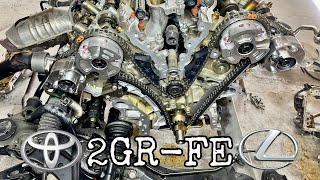
How to confirm: This is difficult to confirm without significant disassembly. If OCVs and sensors are ruled out, a stretched chain is the next logical cause. A mechanic can measure chain slack by removing the timing cover or a small inspection window on some 2GR-FE engines to view the tensioner plunger extension. 🎬 See this complete tutorial on replacing the timing chain
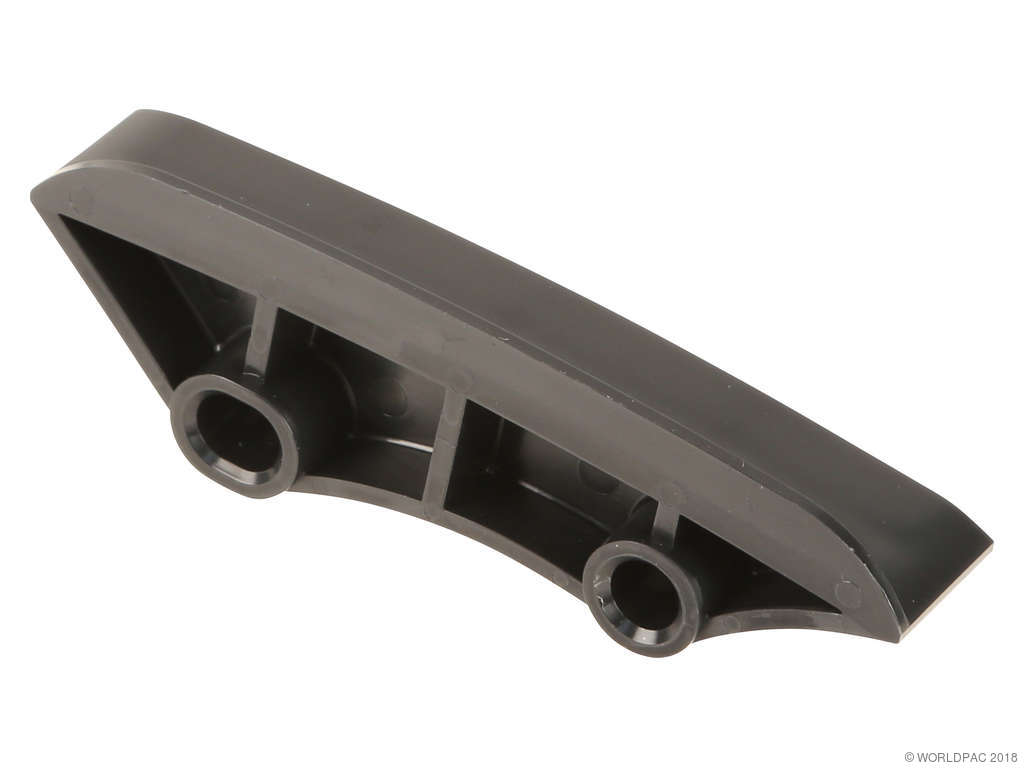
Typical fix: Replace the timing chain, tensioners, and guides. This is a major repair often requiring extensive access.
Est. part cost: $400-$800 for a full kit - Failed VVT-i Camshaft Gear (Phaser) ⚪ Low Probability → Shop Engine Camshaft The hydraulic actuator on the camshaft can fail internally, getting stuck in one position or developing excessive play. A TSB (T-SB-0094-09) was issued for some 2GR-FE engines for a ticking noise from the VVT-i gear area, which could be related to internal gear issues.
How to confirm: Requires a professional scan tool (like Toyota Techstream) to command the phaser and observe its response. If it doesn't respond correctly and the OCV is good, the phaser is likely faulty.
Typical fix: Replace the VVT-i gear assembly on the Bank 1 intake camshaft. This is typically done during a timing chain replacement job.
Est. part cost: $250-$500
Rare But Worth Checking
- Faulty Camshaft or Crankshaft Position Sensor: → Shop Engine Crankshaft Position Sensor While these sensors can fail, it's less common for them to cause a correlation code than a direct circuit code (e.g., P0340). They are often replaced unnecessarily when the true fault is mechanical or hydraulic.
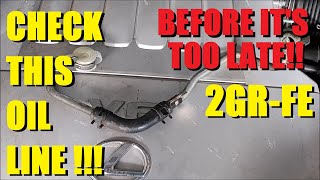
- Clogged OCV Filter: There is a small screen filter for the oil control valve that can become clogged with sludge, restricting oil flow to the VVT gear. It's inexpensive and should be checked or replaced when servicing the OCV. Some forum members note the 2GR-FE may not have this filter in the same way 🎬 Watch: How to check the VVT oil line on this engine as older engines like the 1MZ-FE.
- Faulty ECM or Wiring Issue: In rare cases, a problem with the Engine Control Module (ECM) or damage to the wiring harness for the cam/crank sensors or OCVs can trigger a P0016 code.
Diagnosis Steps
- Check the engine oil level and condition. If low or dirty, perform an oil change with the correct viscosity oil (5W-30) and filter, then clear the code to see if it returns.
- Use an OBD-II scanner to check for any other pending or active codes. Note any related VVT codes like P0011, P0014, etc.
- With an advanced scan tool (like Toyota Techstream), monitor the live data for 'Intake VVT Target Angle Bank 1' and 'Intake VVT Actual Angle Bank 1'. A significant and persistent difference between the two indicates a problem. Also check the 'VVT Learning Value'; if it is outside the range of 25-51°CA, it indicates a fault.
- If you have the mechanical ability, swap the Bank 1 (rear, firewall side) and Bank 2 (front, radiator side) intake oil control valves (OCVs). This requires removing the intake plenum and replacing the plenum gaskets.
- After swapping, clear the codes and drive the vehicle. If the code returns as P0018 (Bank 2), the OCV you moved is faulty and needs to be replaced.
- If the P0016 code returns after the swap, the issue is not the OCV. The problem is likely a stretched timing chain, a faulty VVT gear (phaser), or a wiring issue.
- At this point, a professional diagnosis is recommended to physically inspect the timing chain and VVT gears, which is a labor-intensive process.
Parts You'll Likely Need
- VVT Oil Control Valve (Bank 1 Intake)
(OEM #15330-31020)— This solenoid is a frequent failure point, getting stuck or clogged and preventing proper VVT operation.
Trusted brands: Denso, Aisin
OEM price range: $100-$160
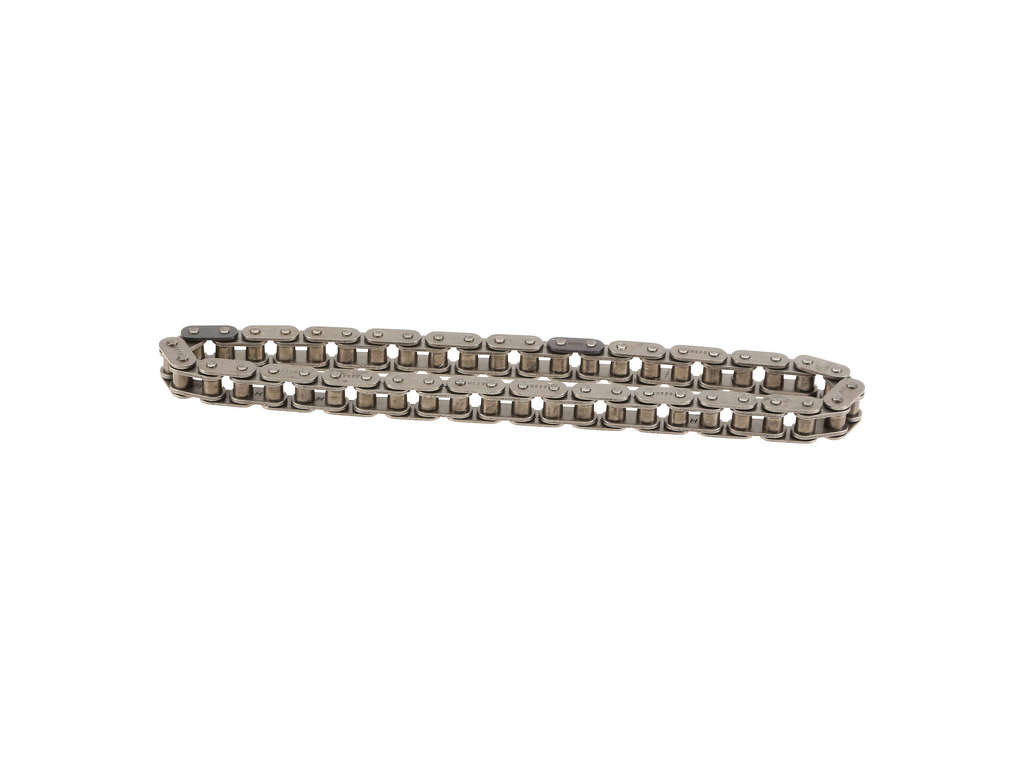
Aftermarket price range: $50-$90 - Timing Chain Kit — If the chain has stretched, it must be replaced along with its guides and tensioners to restore correct engine timing.
Trusted brands: Aisin, Cloyes
OEM price range: $600-$900
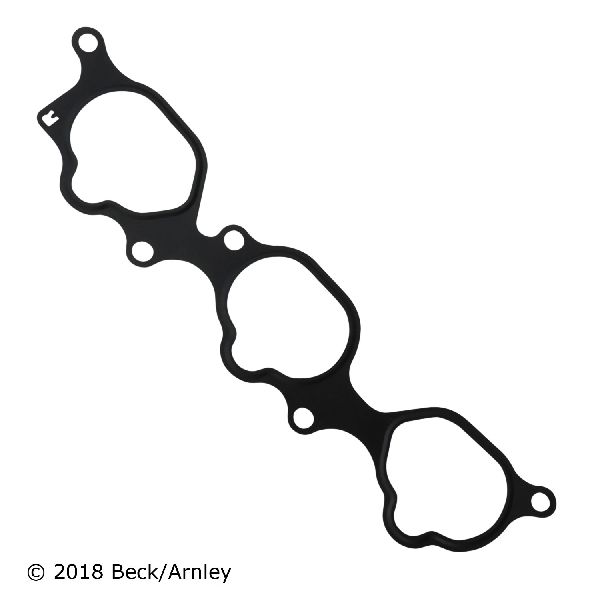
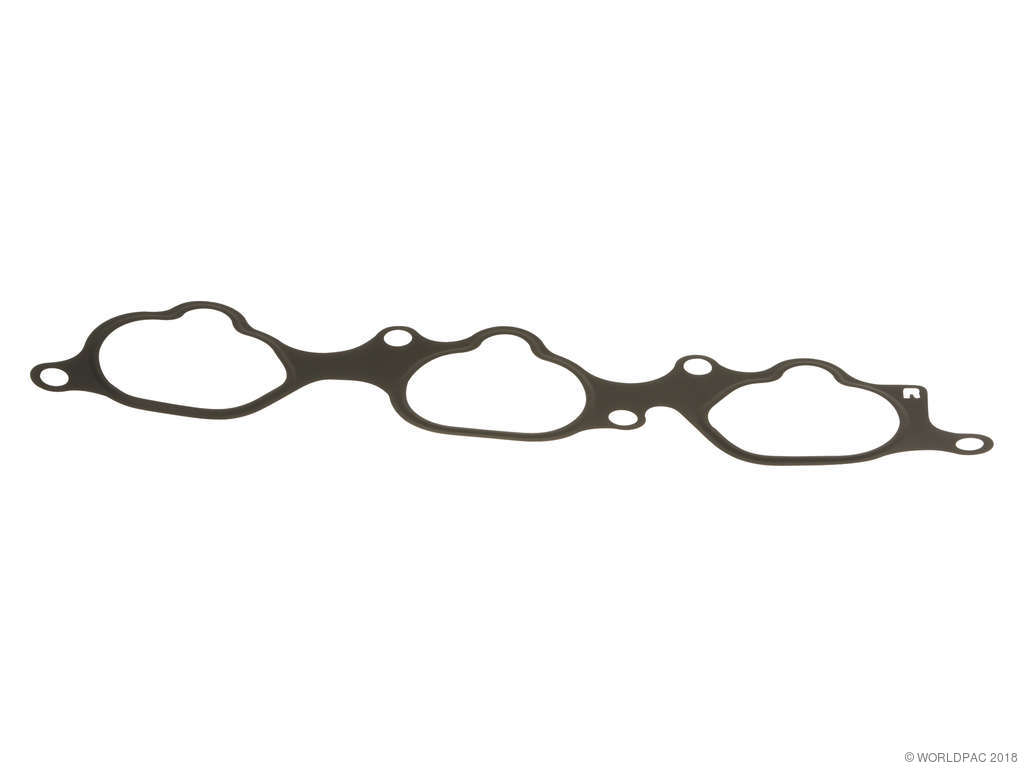
Aftermarket price range: $350-$500 - Intake Plenum Gasket Set
(OEM #17176-31050 (Surge Tank to Intake Manifold Gasket))— Required for reassembly after accessing the Bank 1 OCV or performing other work under the intake manifold. These are considered non-reusable.
Trusted brands: Fel-Pro, Mahle, OEM Toyota
OEM price range: $40-$60
Aftermarket price range: $20-$40
Related Codes That Often Appear With This One
- P0011 — 'Camshaft Position 'A' - Timing Over-Advanced (Bank 1)'. This code often appears with P0016 because the same underlying issues (stuck OCV, stretched chain) can cause both a correlation fault and an over-advanced condition.
- P0018 — 'Crankshaft Position - Camshaft Position Correlation (Bank 2, Sensor A)'. If this code appears after swapping the Bank 1 and Bank 2 OCVs, it confirms the OCV is the faulty component.
Technical Service Bulletins (TSBs) & Recalls
- T-SB-0094-09 (Rev2): Addresses a ticking/clicking noise from the VVT-i gear area and potential DTCs like P0017/P0018 on 2005-2009 2GR-FE engines, indicating known issues with the VVT gears.
- Lexus LSC (Multiple Phases, e.g., 90K for Toyota): Addresses the rupturing rubber VVT-i oil line. Not a recall, but a campaign to replace the faulty rubber hose with an all-metal part to prevent catastrophic oil loss.
Platform-Specific Known Issues
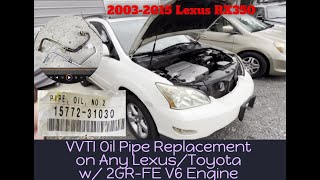
- Rupturing VVT-i Oil Line: Many 2GR-FE engines from this era were built with a rubber VVT-i oil supply line for Bank 1 (rear bank). This line is known to rupture without warning, causing rapid and catastrophic oil loss that can destroy the engine. While it doesn't directly cause P0016, any resulting low oil pressure can trigger VVT codes. An updated all-metal line (Part #15772-31030) is a critical preventative upgrade. Toyota/Lexus issued a Limited Service Campaign (LSC) for this issue, but many vehicles may not have had the repair performed.
Mechanic-Grade Diagnostic Values
- VVT Oil Control Valve (OCV) Resistance — expected: 6.9 to 7.9 Ω at 20°C (68°F). Failure: A reading outside this range indicates a faulty solenoid coil.
- Techstream VVT Learning Value (Bank 1) — expected: Between 25° and 51° Crankshaft Angle (CA). Failure: A learned value less than 25° CA or more than 51° CA will trigger DTC P0016 after the condition persists. Note: Some documentation for the same engine in other models may show slightly different thresholds (e.g., 18.5° to 43.5°).
- Camshaft Position Sensor Voltage (3-wire Hall effect type) — expected: With key on, engine off: Power wire = ~5V, Ground wire = 0V, Signal wire = ~5V.. Failure: When a piece of metal passes in front of the sensor, the signal wire voltage should drop to 0V. No change in voltage indicates a bad sensor.
Hidden / Shadow Codes Worth Checking
- VVT Learning Value: This is not a DTC, but a critical data PID visible in Techstream. The ECM performs a calibration at idle to determine the camshaft's base timing. If this learned value is outside of the predetermined range (e.g., <25° or >51°), the ECM flags a correlation fault and sets P0016. (see via Toyota Techstream scan tool, under Engine Live Data.)
Scan Tool Commands That Help
- Toyota Techstream: Active Test: 'Control the VVT System (Bank 1)' or 'Control the Intake VVT OCV' — This command allows the technician to manually activate the Bank 1 intake OCV solenoid. When activated at idle, a functioning OCV and VVT phaser will cause a noticeable change in engine operation (stumble, hesitation, or stall). If there is no change, it points to a stuck OCV, clogged oil passage, or a failed VVT phaser.
Wiring & Ground Locations
- ECM (Engine Control Module) — Behind the right side of the dashboard, typically behind the glove box.. This is the central computer that receives signals from the cam/crank sensors and sends control signals to the OCVs. All related wiring terminates here.
- Ground Points: ED, EE — ED is located on the rear of the engine; EE is on the top of the engine.. A poor engine ground can cause erratic sensor readings and trigger false correlation codes. These points should be clean and tight.
- Bank 1 Camshaft Sensor Connector — On the rear cylinder head (firewall side), under the intake plenum.. A forum user identified the typical wire functions for a 2GR-FE sensor: Yellow = Power, Black = Signal to ECM, White = Ground. Knowing this allows for accurate testing at the connector.
Real Owner Repair Stories
- ClubLexus Forum user 'adamdh1' (2007 Lexus RX350) — Stuttering, high idle, Check Engine Light with codes P0011 and P0016.
❌ Tried (didn't work) Initial thoughts pointed to sensors, but forum advice steered away from that as a first step.
✅ What actually fixed it The user replaced the Oil Control Valves (OCVs), which resolved the codes and symptoms. - PriusChat Forum user 'Prius92' (different vehicle, same code logic) (Toyota Prius with P0016) — Persistent P0016 code.
❌ Tried (didn't work) Replaced all timing components (chain, guides, etc.)., Replaced VVT solenoid (OCV).
✅ What actually fixed it The issue was unresolved in the thread, but another user commented that the *brand* of timing components can matter, as slight differences in aftermarket chain length can be enough to trigger P0016, suggesting OEM/Aisin parts are critical.
"I Checked Everything" — The Actual Cause
- For code P0016, the equivalent of a 'smoke test clean' scenario is when both the camshaft/crankshaft sensors and the VVT Oil Control Valves (OCVs) test perfectly fine (correct resistance, respond to active commands). In these cases, the root cause is almost always a mechanical timing issue that isn't immediately obvious. The two most likely culprits are a timing chain that has stretched just enough to exceed the ECM's tolerance but not enough to cause catastrophic failure, or a failing/stuck VVT phaser (cam gear) that isn't responding to the commands from the (good) OCV.
When the Usual Fixes Don't Work
- While replacing the Bank 1 intake OCV is a very common fix, it is not a guarantee. In cases of high mileage (>120k miles) or poor maintenance history, a stretched timing chain is an equally likely cause. Owners on forums have reported replacing OCVs with no change, only to find resolution after a full timing chain replacement. Furthermore, using non-OEM timing chain kits can sometimes fail to resolve the code due to minute tolerance differences, leading to a repeat of the P0016 code even with new parts.
OEM Part Supersession History
Rubber/Metal Combo VVT-i Oil Line (Bank 1)→15772-31030 (All-Metal Line)— The original rubber section of the line was prone to rupturing, causing sudden and catastrophic oil loss, leading to engine seizure.
Model Year Variations Within This Range
- 2007-2008 (Primarily): These model years were most likely to be equipped with the faulty rubber/metal hybrid VVT-i oil line for Bank 1. While a 2009 model could still have it, it's less likely. Any vehicle in this range that has not had the LSC performed to install the all-metal line (PN 15772-31030) is at risk of catastrophic engine failure from oil starvation.
Diagnostic Flowchart
Other Known Issues on This Vehicle
Issues unrelated to this code that are worth knowing about as an owner of this generation:
- Rupturing VVT-i Oil Line 🔴 High — Common on early 2GR-FE engines (approx. 2005-2010). Can fail without warning at any mileage. (Ref: Toyota LSC 90K / Lexus LSC (various phases).)
- Cracked or Melting Dashboard 🟡 Low — Very common on 2007-2009 models, especially in hot, high-humidity climates. (Ref: Lexus Warranty Enhancement Program ZLD.)
- Power Steering Rack Leaks 🟠 Medium — Frequently reported, often under 100,000 miles. Can be a slow or significant leak from the rack and/or hoses.
- Water Pump Failure 🟠 Medium → Shop Engine Water Pump — Considered a wear-and-tear item on the 2GR-FE, often failing between 80k-150k miles, leading to coolant leaks or overheating.
Used vs. New Parts: Buying Guide for This Vehicle
When a used part is the smart pick: For this specific repair, using used parts is highly discouraged for the core components. The only scenario where a used part might be considered is for a simple bracket or connector that was damaged during the repair. The key failure items (OCV, timing chain, phaser) are all wear-and-tear or sludge-sensitive parts.
Donor-vehicle mileage cap: roughly under 80000 miles for the part to have meaningful remaining life.
What to inspect on the donor part:
- If considering a used OCV or VVT phaser, insist on seeing the donor vehicle.
- Remove the oil cap from the donor engine. Any signs of thick, dark sludge or a varnish-like coating on the components underneath are a major red flag.
- Ask for the donor vehicle's VIN to check its maintenance history if possible.
OEM-only on this vehicle (don't cheap out):
- Timing Chain Kit: Aftermarket chains can have slight length/tolerance variations that are enough to trigger a P0016 code. Using an OEM kit (like Aisin) is critical.
- VVT Camshaft Gear (Phaser): This is a precision hydraulic part. The risk of getting a used one that is already clogged, worn, or failing is too high.
- Camshaft/Crankshaft Position Sensors: While not a common cause, if they must be replaced, use OEM (Denso) or an OEM supplier. Aftermarket sensors are notorious for causing compatibility issues.
Aftermarket brands forum-validated for this vehicle:
- Aisin: An OEM supplier to Toyota. Their timing kits and VVT components are considered equivalent to dealer parts.
- Denso: An OEM supplier to Toyota, especially for sensors and electronics.
- Fel-Pro / Mahle: Reputable brands for the necessary gaskets (intake plenum, etc.).
Brands owners have reported issues with on this vehicle:
- Avoid generic, unbranded 'white-box' electronic parts like OCVs or sensors from online marketplaces. The failure rate is high, and they can introduce new, confusing problems.
Real Owner Stories
Aggregated from forums and TSBs cited above. Mileages and costs reflect what owners reported in those sources.
2007 Lexus RX350 2GR-FE
Symptoms: Check engine light on with codes P0011 and P0016.
What fixed it: The diagnostic path involved checking oil levels and considering an OCV swap as suggested by community members.
Source hint: ClubLexus.com - '2007 rx350 p0011, p0016, cel'
Related OBD-II Codes
Frequently Asked Questions
Does T-SB-0094-09 apply to my 2007-2009 Lexus RX350 if I hear a ticking noise?
Is there a specific oil line I should check on my RX350 to prevent engine failure?
Can I swap parts to diagnose P0016 on this vehicle without buying new sensors?
What is the correct oil viscosity for my 2008 Lexus RX350 to ensure the VVT-i system works correctly?
Is the P0016 code related to the Lexus Limited Service Campaign for oil lines?
What are the VVT learning value specs I should look for on a scan tool for this Lexus?
Helpful Videos
We Have This Part in Stock


The information in this article is provided for general reference and educational purposes only. Vehicle specifications, procedures, and part compatibility can vary by production date, trim level, and region. Always consult your vehicle's factory service manual and verify part numbers before purchasing or performing repairs. Safety-critical components such as airbags, seat belts, and braking systems should be installed by a qualified professional.
- Lexus RX350:
- 🧭 Diagnostic Flowchart
- 🎬 Helpful Videos
- 🛍️ Shop This Part
- What's Unique About the 2007-2009 Lexus RX350
- Symptoms You May Notice
- Most Likely Causes
- Rare But Worth Checking
- Diagnosis Steps
- Parts You'll Likely Need
- Related Codes That Often Appear With This One
- Technical Service Bulletins (TSBs) & Recalls
- Platform-Specific Known Issues
- Mechanic-Grade Diagnostic Values
- Hidden / Shadow Codes Worth Checking
- Scan Tool Commands That Help
- Wiring & Ground Locations
- Real Owner Repair Stories
- "I Checked Everything" — The Actual Cause
- When the Usual Fixes Don't Work
- OEM Part Supersession History
- Model Year Variations Within This Range
- Other Known Issues on This Vehicle
- Used vs. New Parts: Buying Guide for This Vehicle
- Real Owner Stories
- 2007 Lexus RX350 2GR-FE
- Related OBD-II Codes
- Frequently Asked Questions
- 🎟️ Get 5% Off