

P0016 on 2020-2021 Lincoln Aviator: Crankshaft-Camshaft Correlation Causes and Fixes
On a 2020-2021 Lincoln Aviator, P0016 is most often caused by low or dirty engine oil, or a sticking Variable Camshaft Timing (VCT) solenoid. However, it can also indicate a more serious stretched timing chain, a known issue on the 3.0L EcoBoost engine family. Always check oil first; a VCT solenoid is a moderate repair, while a timing chain is a very expensive one. Continued driving is not recommended as a complete chain failure can cause catastrophic engine damage.
- P0016 is a serious timing code that should be addressed immediately to prevent potential engine damage.
- Always check the engine oil level and quality first; an oil change is the cheapest and easiest first step.
- A sticking VCT solenoid is a very common cause and is a much less expensive repair than a timing chain replacement.
- A rattling noise on startup is a strong indicator of a stretched timing chain, which is a known issue on this engine family and requires professional repair.
- Do not ignore this code. While the vehicle may drive, you risk catastrophic engine failure if the timing chain is the root cause and it breaks.
What's Unique About the 2020-2021 Lincoln AVIATOR
The 2020-2021 Aviator uses a sophisticated 3.0L twin-turbo (EcoBoost) V6 engine, part of Ford's 'Nano' engine family. Like many modern direct-injection, turbocharged engines, its Variable Camshaft Timing (VCT) system is highly dependent on clean oil and proper oil pressure to function. Ford/Lincoln has issued multiple service bulletins (like SSM 47170) noting that VCT solenoids can stick due to small debris in the oil, making oil condition a primary suspect for this code. Additionally, the 2.7L/3.0L EcoBoost engine families have a known history of timing chain stretch, which can present as a P0016 code, often with a tell-tale startup rattle. TSB 20-2166 specifically addresses a cold start rattle on similar engines due to worn VCT units, which can be a related symptom.
Diagnostic Flowchart
Tap your situation to follow the diagnostic path that matches what you're seeing on this vehicle.
Symptoms You May Notice
🎬 Watch: A quick breakdown of P0016 symptoms and common fixes.- Check Engine Light is on
- Rough idle or engine vibration, sometimes described as a misfire-like shake at idle.
- Reduced engine power and acceleration
- Engine may stall or have difficulty starting
- Rattling noise from the front of the engine lasting 2-5 seconds on cold startup. 🎬 Listen: Compare a normal cold start to a timing rattle.
- Poor fuel economy
- Extended crank time before the engine starts.
- Replacing the camshaft or crankshaft position sensors without first checking the oil condition or testing the VCT solenoids. Sensors are a less frequent cause than oil-related issues.
- Assuming a startup rattle is just a noisy engine without connecting it to a potential timing chain tensioner or VCT phaser issue, which can precede the P0016 code.
Most Likely Causes
- Low, Dirty, or Incorrect Viscosity Engine Oil 🔴 High Probability The VCT system uses hydraulic pressure from engine oil to adjust cam timing. Low, contaminated, or incorrect viscosity oil can impede the function of the VCT solenoids and phasers, causing a timing correlation error. Use of a faulty or poor-quality aftermarket oil filter has also been reported to cause this issue.
How to confirm: Check the engine oil level and condition on the dipstick. If the oil is below the minimum mark, dark, gritty, or smells of fuel, this is the first item to address. Ensure the correct oil filter is installed.
Typical fix: Perform an oil and filter change using the manufacturer-specified full synthetic SAE 5W-30 oil (check owner's manual for specifics) and a high-quality OEM (Motorcraft) filter. Clear the code and see if it returns.
Est. part cost: $50-$100 - Sticking or Failed VCT Solenoid 🔴 High Probability → Shop Engine Variable Valve Timing (VVT) Solenoid Manufacturer TSBs (like SSM 47170) explicitly state that small debris in the oil can cause the VCT solenoids to stick, triggering this code. The diagnostic procedure in the TSB even recommends cycling the solenoid with a scan tool 10 times to dislodge debris before authorizing replacement.
How to confirm: A professional scan tool can command the Bank 1 intake VCT solenoid to activate and monitor live data PIDs for desired vs. actual cam angle. If the timing angle doesn't change or responds slowly, the solenoid is likely faulty. They can also be tested for resistance with a multimeter (typically 6.9-7.9 ohms).
Typical fix: Replace the Bank 1 intake VCT solenoid. It is often recommended to replace both the intake and exhaust solenoids on the bank at the same time, and some mechanics advise replacing all four.
Est. part cost: $40-$120 - Stretched Timing Chain 🟡 Medium Probability → Shop Engine Timing Chain The 3.0L EcoBoost engine family, along with its 2.7L and 3.5L siblings, has a known history of timing chain stretch. This creates a permanent timing misalignment that the VCT system cannot correct. Long oil change intervals can accelerate wear.
How to confirm: A key symptom is a distinct rattle from the front of the engine lasting 2-5 seconds on a cold start. Confirmation requires a significant amount of labor to access the front engine cover and inspect the timing marks and chain tensioner play. A technician can also graph the cam and crank sensor signals to look for a timing discrepancy.
Typical fix: Replace the primary timing chain, tensioners, guides, and often the camshaft phasers (VCT units) as a complete kit. This is a major, labor-intensive repair.
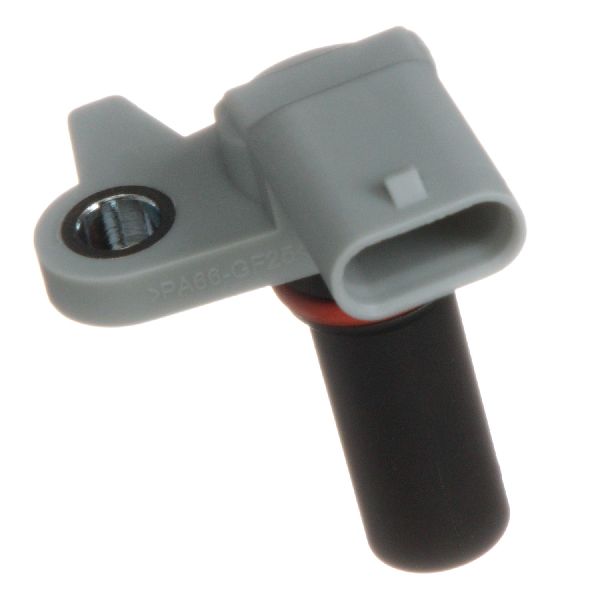
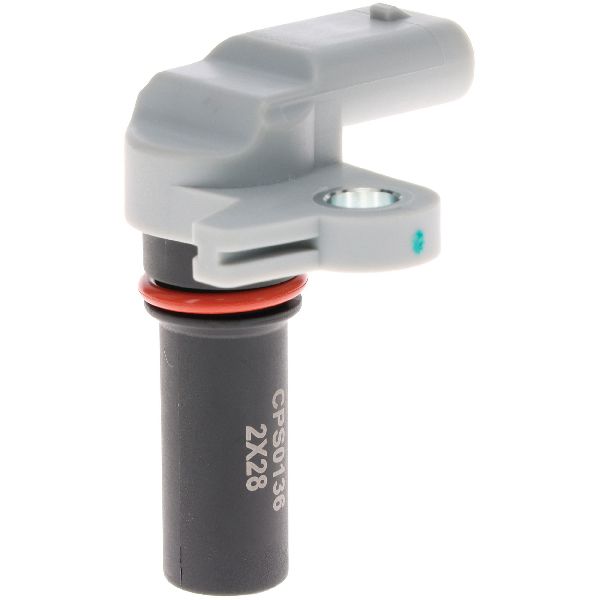
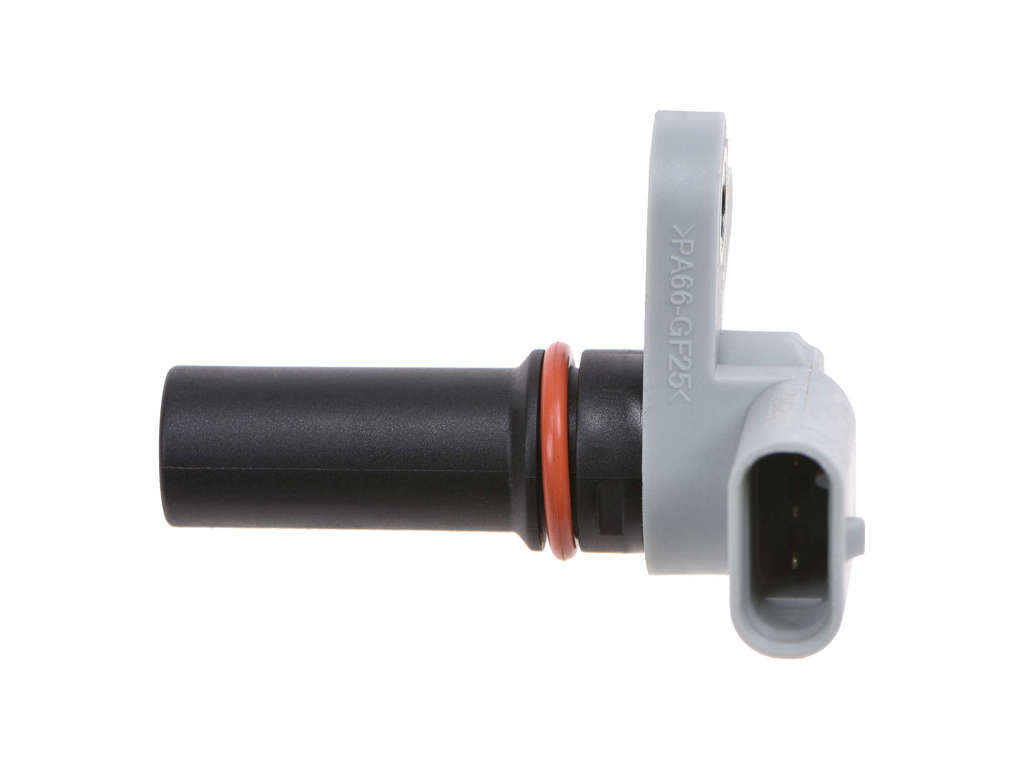
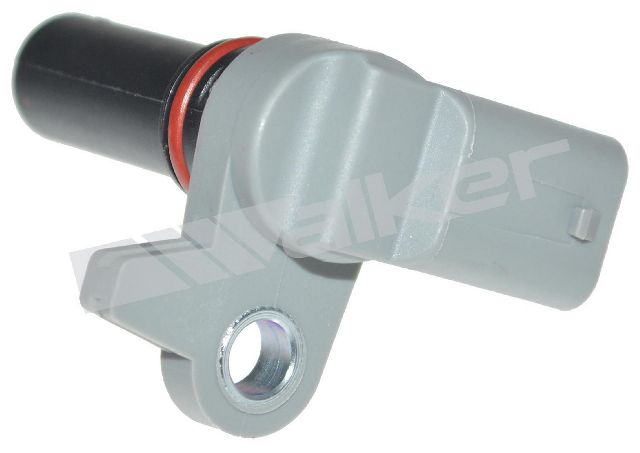
Est. part cost: $500-$1500 - Failed Camshaft Position Sensor (CMP) ⚪ Low Probability → Shop Engine Camshaft Position Sensor
How to confirm: Swap the Bank 1 intake CMP sensor with the Bank 2 intake CMP sensor (if accessible). Clear the codes and run the engine. If the code changes to P0018 (Bank 2 Correlation), the sensor is faulty. A more definitive test involves using an oscilloscope to check the sensor's signal pattern.
Typical fix: Replace the faulty camshaft position sensor.
Est. part cost: $30-$80
Rare But Worth Checking
- Failed Camshaft Phaser (VCT Unit): → Shop Engine Camshaft The phaser itself can fail mechanically, get clogged with sludge, or have a faulty locking pin, preventing it from adjusting timing correctly. TSB 20-2166 addresses replacing worn VCT units for a startup rattle. They are often replaced during a timing chain service as a preventative measure.
- Damaged Crankshaft Reluctor Wheel (Tone Ring): → Shop Engine Crankshaft The toothed ring that the crankshaft sensor reads can become damaged, slip, or have a sheared Woodruff key, sending incorrect data to the PCM. This is uncommon but can cause persistent timing codes that are difficult to diagnose.
- Failed Crankshaft Position Sensor (CKP): → Shop Engine Crankshaft Position Sensor While less common than a CMP sensor failure for this specific code, the crankshaft sensor can also fail, leading to correlation codes.
- Low Oil Pressure: A failing oil pump or other issues causing system-wide low oil pressure can starve the VCT system, leading to timing codes. An owner on a forum reported a failed oil pump led to engine failure.
Diagnosis Steps
- Check engine oil level and condition. If low, dirty, or the wrong type, perform an oil and filter change with OEM-spec full synthetic oil and a Motorcraft filter. Clear codes and re-test.
- Use a professional scan tool to view live data. Monitor PIDs for Bank 1 Camshaft Timing (desired vs. actual) and VCT error percentage (VCT_ADV_ERR). A persistent error indicates a problem.
- As per TSB SSM 47170, use the scan tool's bidirectional controls to command the Bank 1 intake VCT solenoid on and off 10 times to attempt to clear debris. Listen for a click and watch for a change in cam angle.
- If the solenoid is unresponsive or the code returns quickly, test the solenoid's resistance with a multimeter. Compare the reading to the specification (approx. 6.9-7.9 ohms). If out of spec, replace it.
- Swap the Bank 1 and Bank 2 intake camshaft position sensors. If the code moves to P0018, the sensor is bad and needs replacement.
- If the above steps do not resolve the issue, the problem is likely mechanical. Listen carefully for a 2-5 second rattle on a cold start, which strongly indicates a timing chain/tensioner/phaser issue.
- The final step is a physical inspection of the timing chain, guides, and tensioners. This is a labor-intensive step that requires removing the engine's front cover and should be performed by a professional.
Parts You'll Likely Need
- Variable Camshaft Timing (VCT) Solenoid
(OEM #FT4Z-6M280-A (Bank 1 Intake/Bank 2 Exhaust))— Often sticks due to oil debris, which is a common cause for this code on Ford/Lincoln engines as noted in TSBs like SSM 47170.
Trusted brands: Motorcraft, Dorman, Standard Motor Products
OEM price range: $60-$100
Aftermarket price range: $30-$70
Related Codes That Often Appear With This One
- P0011 — Indicates 'Camshaft Position Timing - Over-Advanced' on Bank 1. It often appears with P0016 as both can be caused by a VCT solenoid stuck open or other VCT system faults.
- P0017 — This is the correlation code for the exhaust camshaft on Bank 1. Seeing both P0016 and P0017 together strongly suggests a base timing issue, like a stretched chain or phaser problem affecting the entire bank.
- P0018 / P0019 — These are the equivalent correlation codes for Bank 2 (driver's side). If seen with P0016, it points to a global issue like severe oil contamination, low oil pressure, or a stretched primary timing chain affecting both banks.
Technical Service Bulletins (TSBs) & Recalls
- Advises that for various P00XX timing codes, small debris may cause the VCT solenoid to stick. Recommends using a scan tool to cycle the affected solenoid 10 times to clear debris before replacing it.
- A general bulletin for many 2015-2021 Ford/Lincoln vehicles that lists P0016 among a large group of VCT-related DTCs and points technicians to standard diagnostic procedures in the PC/ED manual.
- Addresses a cold start ticking/tapping or rattle noise lasting 2-5 seconds on some 2018-2019 Expedition/Navigator models with the 3.5L EcoBoost. It identifies the cause as worn VCT units (phasers) and prescribes replacement of all four.
- For very low mileage 2016 vehicles with 3.5L engines, this TSB addresses a list of timing codes including P0016 by recommending replacement of the affected VCT solenoid.
Platform-Specific Known Issues
- The provided TSB #SSM 54366 confirms that P0016 is a known code across many 2015-2021 Ford and Lincoln vehicles and points towards a standardized diagnostic procedure.
- Other TSBs for similar Ford/Lincoln engines (like SSM 47170 and SSM 48423) specifically call out that small debris in the oil can cause VCT solenoids to stick, and recommend cycling the solenoid with a scan tool before replacement.
- TSB 20-2166 addresses a cold start rattle noise from the engine in 2018-2019 models with the 3.5L (a related EcoBoost engine), pointing to worn VCT units (phasers) as the cause, a repair that takes over 10 labor hours.
- Owner forums for the Aviator and its platform-mate, the Ford Explorer ST, contain numerous discussions about early model year quality issues, though not all are engine-related.
Mechanic-Grade Diagnostic Values
- VCT Solenoid Internal Resistance — expected: 6.9 to 7.9 Ohms at 68°F (20°C). A broader acceptable range is 5-14 Ohms.. Failure: A reading of 0 Ohms (short), infinite/OL (open), or significantly outside the expected range indicates a faulty solenoid.
- VCT Solenoid Connector Voltage (KOEO) — expected: Greater than 10.5 Volts / Battery Voltage at the power supply pin.. Failure: Low or no voltage points to a wiring issue, blown fuse, or a problem with the PCM power relay.
- 3-Wire Camshaft Position Sensor (CMP) Signal Voltage — expected: With key-on, engine-off, the signal wire should read approximately 5 volts. When a metallic object passes in front of the sensor, the voltage should drop to 0V.. Failure: Voltage that does not change or is constantly at 0V indicates a failed sensor or wiring issue.
- Ford IDS Live Data PID: VCT_ADV_ERR (Camshaft Advance Error) — expected: The value should be close to 0 degrees at idle.. Failure: A persistent deviation of several degrees at idle or that doesn't respond correctly during a road test indicates a timing correlation problem.
Hidden / Shadow Codes Worth Checking
- Mode $06, TID $53: This is not a hidden code, but a non-continuous monitor result for misfires. Elevated misfire counts on Bank 1 cylinders can be an early indicator of the effects of the timing issue from P0016 before a dedicated P030x code is set. (see via An advanced scan tool (like FORScan) or a professional-grade scanner that can access OBD-II Mode $06 test results.)
- Mode $06, VCT System Monitor: Provides raw test data on VCT system performance, showing statistical timing deviations. This can help confirm a correlation problem that is intermittent or on the edge of the threshold for setting a P0016 code. (see via Requires a professional scan tool like Ford's IDS or an advanced tool like FORScan to access and interpret VCT-related Mode $06 Test IDs.)
Scan Tool Commands That Help
- Ford IDS / FORScan: VCT Solenoid On/Off Command (part of Pinpoint Test HK) — This is a bidirectional control used to cycle the VCT solenoid repeatedly (Ford suggests 10 times) to dislodge small debris that may be causing it to stick. It's a key diagnostic step before replacing the solenoid.
- Ford IDS: Datalogger with VCT Error PIDs (e.g., VCT_ADV_ERR) in Histogram Mode — Used during a road test, including wide-open throttle cycles, to graphically record any anomalies in camshaft timing advance. The histogram helps visualize the frequency and severity of the timing error.
Wiring & Ground Locations
- Camshaft Position Sensor Connector — Plugs directly into the camshaft position sensor, located on the top of the valve covers at the front of the engine.. The connector or its wiring can become damaged or corroded, leading to a loss of signal from the CMP sensor, which can contribute to a P0016 code. The OEM replacement connector pigtail is part number HU2Z-14S411-BA or WPT-1492.
- C175B — The main large connector at the Powertrain Control Module (PCM), typically located in the engine bay near the firewall.. The circuits for the camshaft and crankshaft position sensors all terminate at the PCM. A poor pin connection at this central connector could cause signal integrity issues for the timing sensors, though it is a rare cause.
OEM Part Supersession History
FT4Z-6M280-A→FT4Z-6M280-B— This is a routine part number update by the manufacturer, likely for minor revisions in manufacturing or materials.
Heads up: The new part number FT4Z-6M280-B fully replaces the old one and is the correct service part to use.
Helpful Videos
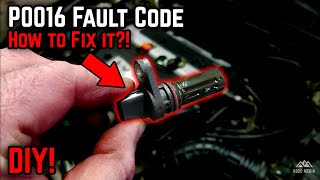

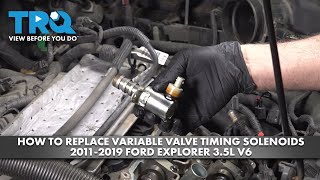
![How to Fix P0016 Engine Code in 6 Minutes [4 DIY Methods / Only $6.94]](https://img.youtube.com/vi/extiOvtV8_Y/mqdefault.jpg)
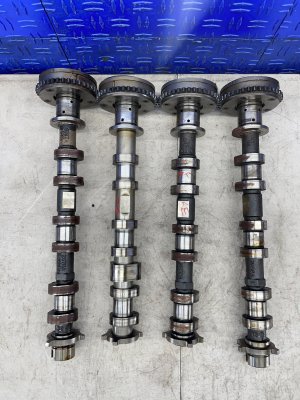
Used OEM Parts in Stock
New Aftermarket Parts Available


The information in this article is provided for general reference and educational purposes only. Vehicle specifications, procedures, and part compatibility can vary by production date, trim level, and region. Always consult your vehicle's factory service manual and verify part numbers before purchasing or performing repairs. Safety-critical components such as airbags, seat belts, and braking systems should be installed by a qualified professional.
- Lincoln AVIATOR:
- 🧭 Diagnostic Flowchart
- 🎬 Helpful Videos
- 🛍️ Shop This Part
- What's Unique About the 2020-2021 Lincoln AVIATOR
- Symptoms You May Notice
- Most Likely Causes
- Rare But Worth Checking
- Diagnosis Steps
- Parts You'll Likely Need
- Related Codes That Often Appear With This One
- Technical Service Bulletins (TSBs) & Recalls
- Platform-Specific Known Issues
- Mechanic-Grade Diagnostic Values
- Hidden / Shadow Codes Worth Checking
- Scan Tool Commands That Help
- Wiring & Ground Locations
- OEM Part Supersession History
- 🎟️ Get 5% Off