

P0016 on 2015-2018 Lincoln MKX: Crank/Cam Correlation Causes & Fixes
P0016 on a Lincoln MKX most often means the Bank 1 intake VCT solenoid is sticking due to dirty oil or debris. This is a known issue cited in Ford TSBs. An oil change with a quality filter is the first step. If that doesn't work, replacing the Bank 1 intake VCT solenoid (approx. $50-$150 for the part) is the most likely fix. If a cold-start rattle is present, suspect a stretched timing chain.
- P0016 on a 2015-2018 Lincoln MKX indicates a timing mismatch between the crankshaft and the Bank 1 intake camshaft.
- Before replacing any parts, check the engine oil level and condition. A simple oil change can sometimes resolve the issue.
- The most probable cause, backed by Ford TSBs, is a sticking VCT solenoid due to oil debris. Replacing this part is a common and effective fix.
- Do not ignore this code. While the initial fix may be simple, ignoring it can lead to poor performance and risks severe engine damage if the underlying cause is a failing timing chain.
- For 3.7L V6 models, be aware of the potential for a failing internal water pump, which can cause coolant to mix with oil, leading to this code and rapid engine destruction.
What's Unique About the 2015-2018 Lincoln MKX
For this generation of Lincoln MKX with the 3.7L or 2.7L V6 engines, P0016 is a very common code. The issue is so well-known that Ford has issued multiple Technical Service Bulletins (TSBs). These bulletins point directly to small debris in the engine oil causing the Variable Camshaft Timing (VCT) solenoids to stick, which disrupts the timing and triggers the code. This makes a sticking VCT solenoid a much more likely cause than a random sensor failure. Furthermore, the 3.7L V6 features a timing-chain-driven internal water pump; its failure can contaminate the oil with coolant, leading to P0016 and rapid timing component destruction.
Diagnostic Flowchart
Tap your situation to follow the diagnostic path that matches what you're seeing on this vehicle.
Generation note: The 2015 model year is the end of the first generation, while 2016-2018 models are the second generation. However, the primary V6 engines (3.7L and 2.7L EcoBoost) share similar VCT systems, and the manufacturer TSBs cover this entire year range, indicating the causes and fixes for P0016 are consistent across these models. The 3.7L V6 is part of the Ford Cyclone engine family, known for internal water pump issues that can cause this code.
Symptoms You May Notice
- Check Engine Light is on
- Rough or unstable idle
- Reduced engine power and poor acceleration
- Decreased fuel economy
- Engine may be hard to start or may stall
- Rattling noise from the engine on cold startups, lasting a few seconds (classic timing chain symptom)
- Replacing the camshaft or crankshaft position sensors without first checking the oil condition or testing the VCT solenoid. Given the TSBs for this vehicle, the issue is more likely hydraulic/mechanical than purely electrical.
- Replacing only the VCT solenoids when a cold-start rattle is present, indicating a stretched timing chain is the true root cause. The code will likely return.
Most Likely Causes
- Sticking/Failed VCT Solenoid 🔴 High Probability → Shop Engine Variable Valve Timing (VVT) Solenoid Manufacturer TSBs #SSM 48423 and #SSM 47170 specifically state that debris in the oil can cause the VCT solenoid to stick, leading to this code. This is the most common starting point for diagnosis.
How to confirm: Use a bidirectional scan tool to command the solenoid on and off while monitoring engine performance; a lack of change suggests a faulty solenoid. 🎬 Watch: How to test and fix the VCT solenoid TSB #SSM 48423 advises cycling the solenoid 10 times with a scan tool to attempt to clear debris before replacement. You can also swap the Bank 1 intake solenoid with the Bank 1 exhaust solenoid; if the code changes to P0017, the solenoid is confirmed bad.
Typical fix: Replace the Bank 1 intake VCT solenoid. It is often recommended to replace all four VCT solenoids (intake and exhaust for both banks) at the same time, especially on higher mileage vehicles. For the 3.7L and 2.7L V6, accessing the Bank 1 (rear) solenoids requires removing the upper intake manifold.
Est. part cost: $50-$150 - Low or Dirty Engine Oil 🔴 High Probability The VCT system is hydraulic and relies on clean oil at the proper pressure to function. Sludge from extended oil change intervals or low oil levels are the primary cause of VCT solenoid failure and are mentioned as the first check in TSBs.
How to confirm: Check the oil level on the dipstick and inspect its condition. If it's low, black, or sludgy, it needs to be changed. If the oil appears milky or frothy on the 3.7L V6, suspect coolant contamination from a failing internal water pump.
Typical fix: Perform a complete engine oil and filter change using the manufacturer-specified grade of oil (e.g., Motorcraft 5W-20 for 3.7L, 5W-30 for 2.7L) and a high-quality filter. Clear codes and drive to see if the issue returns.
Est. part cost: $50-$100 - Stretched Timing Chain or Failed Tensioner 🟡 Medium Probability → Shop Engine Timing Chain Timing chains can stretch over time, especially with extended oil change intervals or if oil is contaminated by a failing water pump (on the 3.7L). This is a known issue on the related 3.5L/3.7L Cyclone and 2.7L/3.5L EcoBoost engine families.
How to confirm: A distinct rattling noise on cold starts is a common symptom. Confirmation requires removing the valve cover to inspect the timing chain tensioner; if it is fully extended, the chain is stretched. An oscilloscope comparing cam and crank sensor patterns is the definitive non-invasive check.
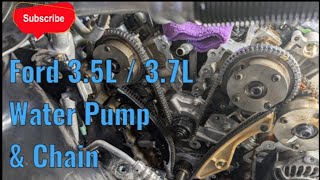
Typical fix: Replace the timing chain, tensioners, and guides as a complete kit. This is a labor-intensive job. If the vehicle has the 3.7L V6, the internal water pump must be replaced at the same time. 🎬 See this walkthrough for replacing the water pump and chain
Est. part cost: $400-$800 - Failed Camshaft or Crankshaft Position Sensor ⚪ Low Probability → Shop Engine Crankshaft Position Sensor
How to confirm: Test the sensor's output with a multimeter or oscilloscope. A common diagnostic technique is to swap the suspect sensor with an identical one from another bank (if applicable) and see if the code follows (e.g., swapping Bank 1 and Bank 2 intake cam sensors).
Typical fix: Replace the faulty sensor.
Est. part cost: $30-$80
Rare But Worth Checking
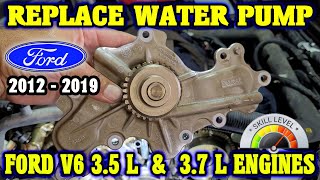
- Failing Internal Water Pump (3.7L V6 Only): → Shop Engine Water Pump On the 3.7L V6, the water pump is driven by the timing chain. If its seal fails, it can leak coolant directly into the engine oil. This contamination turns the oil to sludge, destroying timing components, causing chain stretch, and triggering P0016. If the oil appears milky or frothy, this is a critical issue that must be addressed immediately to prevent catastrophic engine failure.
- Damaged Camshaft Phaser/Actuator: → Shop Engine Camshaft The phaser is the gear at the end of the camshaft that the VCT solenoid controls. It can become clogged with debris or fail mechanically, preventing it from adjusting cam timing correctly. This is often replaced during a full timing chain job. 🎬 Watch: Important timing chain replacement tips to avoid P0016
Diagnosis Steps
- Check the engine oil level and condition. If it is low, dirty, or appears milky (coolant contamination), address this first. An oil and filter change is a recommended first step.
- Use an OBD-II scanner to check for any other pending or active trouble codes. Note codes that appear with P0016.
- With a capable scan tool, monitor the live data for the desired vs. actual camshaft position for Bank 1 (PID: VCT_ADV_ERR). A consistent error greater than +/- 5 degrees at warm idle points to a problem.
- Use the scan tool's bidirectional controls to command the Bank 1 intake VCT solenoid on and off 10 times, as recommended by TSB #SSM 48423, to try and clear debris. Listen for a change in engine RPM or a stumble; if the engine's operation doesn't change, the solenoid is likely stuck or has failed.
- Inspect the wiring and connector for the Bank 1 intake VCT solenoid and camshaft position sensor for any damage or corrosion.
- If the solenoid is suspected, perform a component swap. Swap the Bank 1 intake VCT solenoid with the Bank 1 exhaust solenoid. Clear codes and drive. If the code changes from P0016 to P0017, the solenoid is faulty.
- If the solenoid and oil are good, listen for a timing chain rattle on a cold start. If present, suspect a stretched timing chain.
- If all the above checks out, the issue is likely mechanical with the timing chain, tensioner, or phaser. This requires a more in-depth mechanical inspection, often involving engine disassembly.
Parts You'll Likely Need
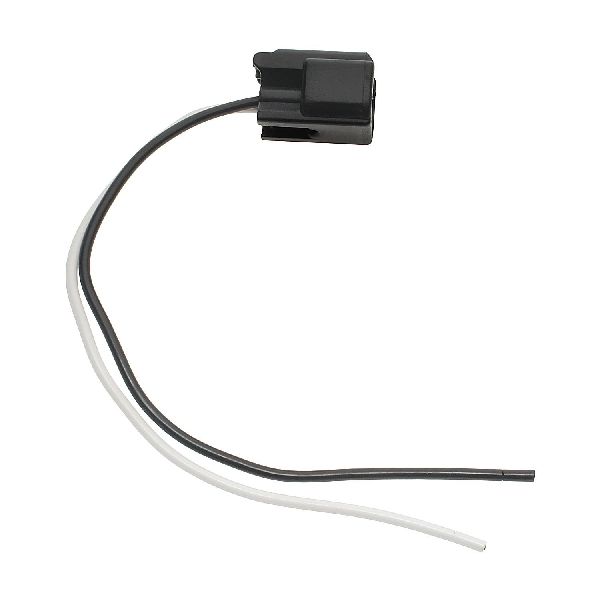
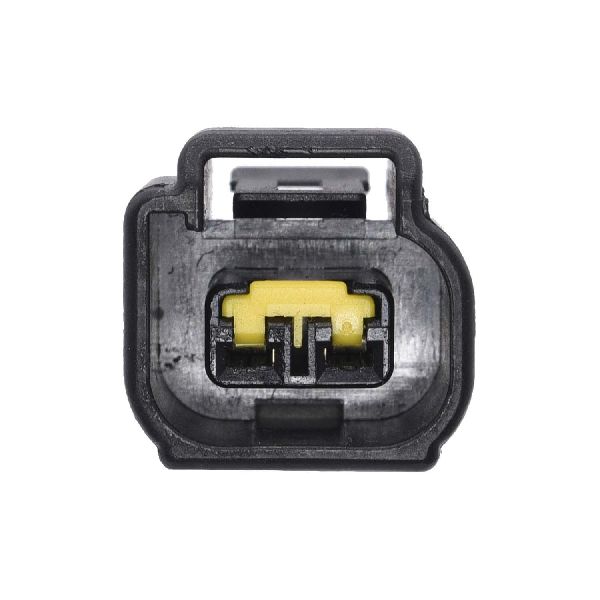
- Variable Camshaft Timing (VCT) Solenoid
(OEM #AT4Z-6M280-B)— This is the most common failure point according to manufacturer TSBs. Debris in the oil causes it to stick, leading to the timing correlation error. This part number fits the 3.7L V6.
Trusted brands: Motorcraft, Dorman, Gates
OEM price range: $60-$120
Aftermarket price range: $40-$90 - Engine Oil and Filter — Dirty or low oil is the root cause of most VCT issues. A fresh oil change with a high-quality filter is a critical first step in diagnosis and repair.
Trusted brands: Motorcraft, Mobil 1, Castrol
OEM price range: $60-$100
Aftermarket price range: $40-$80 - Timing Chain Kit
(OEM #Example: Cloyes 9-0738S for 3.7L V6)— If the chain has stretched or the tensioners have failed, a full kit is required to restore proper engine timing. This is a less common but more severe cause, often indicated by a cold-start rattle.
Trusted brands: Motorcraft, Cloyes, Melling
OEM price range: $500-$800
Aftermarket price range: $300-$600
Related Codes That Often Appear With This One
- P0017 — This is the correlation code for the exhaust camshaft on the same bank (Bank 1). If debris is affecting the intake VCT solenoid, it's likely affecting the exhaust one as well. Seeing P0016 and P0017 together points more strongly to a base timing issue on that bank.
- P0018 / P0019 — These are the correlation codes for Bank 2. If the engine has a systemic oil sludge or debris problem, it can affect both banks. Multiple correlation codes often indicate a stretched primary timing chain or severe oil contamination.
- P0011, P0012, P0014, P0015 — These codes indicate over-advanced or over-retarded timing for the camshafts and are often seen with P0016, as they are all related to VCT system faults. The provided TSBs list all these codes together as being caused by sticking VCT solenoids.
Technical Service Bulletins (TSBs) & Recalls
- SSM 54366: Addresses MIL illumination with various VCT codes including P0016 and refers to pinpoint test HK in the service manual.
- SSM 48423: States P0016 and other VCT codes may be due to debris causing the solenoid to stick. Recommends cycling the solenoid with a scan tool before replacement.
- SSM 47170: An earlier version of SSM 48423 with the same guidance regarding debris in VCT solenoids.
Platform-Specific Known Issues
- Ford Technical Service Bulletin (TSB) #SSM 48423 and #SSM 47170 note that on some 2015-2020 Ford and Lincoln vehicles, DTCs including P0016 may be caused by small debris causing the VCT solenoid to stick. The TSB advises using a scan tool to cycle the solenoid 10 times to attempt to clear it before replacement.
- TSB #SSM 54366 also lists P0016 among a group of VCT-related codes and directs technicians to a specific pinpoint test in the service manual.
- On the 3.7L V6, the internal, timing-chain-driven water pump is a major failure point. A failed seal leaks coolant into the oil, causing sludge that destroys the VCT system and timing components, leading to P0016. Any sign of milky oil requires immediate attention and likely a full timing job including the water pump.
Helpful Videos
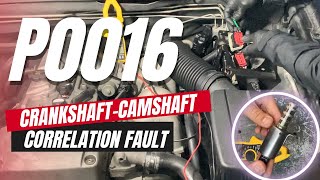
We Have This Part in Stock


The information in this article is provided for general reference and educational purposes only. Vehicle specifications, procedures, and part compatibility can vary by production date, trim level, and region. Always consult your vehicle's factory service manual and verify part numbers before purchasing or performing repairs. Safety-critical components such as airbags, seat belts, and braking systems should be installed by a qualified professional.
- Lincoln MKX:
- 🧭 Diagnostic Flowchart
- 🎬 Helpful Videos
- 🛍️ Shop This Part
- What's Unique About the 2015-2018 Lincoln MKX
- Symptoms You May Notice
- Most Likely Causes
- Rare But Worth Checking
- Diagnosis Steps
- Parts You'll Likely Need
- Related Codes That Often Appear With This One
- Technical Service Bulletins (TSBs) & Recalls
- Platform-Specific Known Issues
- 🎟️ Get 5% Off