

P0016 on 2008-2015 Scion xB 2.4L: Stretched Timing Chain Causes and Fixes
On a 2008-2015 Scion xB, code P0016 almost always means the timing chain has stretched, a problem directly linked to the 2AZ-FE engine's notorious oil consumption issue. Low oil levels damage the tensioner and guides, causing the chain to lose tension and wear out. The definitive fix is a full timing chain kit replacement, typically costing between $1,000 and $1,800 at a repair shop.
- P0016 on a 2nd Gen Scion xB is a serious code that points to a stretched timing chain.
- The root cause is almost always the engine's tendency to burn oil, leading to low oil levels that damage the timing components.
- Check your oil level immediately. If you hear a rattling noise on startup, stop driving the vehicle to avoid catastrophic engine failure.
- The correct fix is to replace the entire timing chain kit (chain, guides, tensioner, sprockets). Replacing only sensors will not solve the problem.
- This is not a DIY-friendly repair. Expect a professional repair to cost between $1,000 and $1,800.
What's Unique About the 2008-2015 Scion xB
The 2008-2015 Scion xB uses the 2AZ-FE engine, which is infamous for excessive oil consumption due to a piston ring design flaw. Toyota acknowledged this with Warranty Enhancement Program ZE7 (Scion TSB S-SB-0031-14). This oil burning is the primary driver for P0016 on this vehicle. Chronically low oil levels starve the hydraulic timing chain tensioner of pressure, causing chain slack. This slack leads to a rattling noise on startup and rapidly wears out the chain and its plastic guides, eventually causing a correlation fault between the cam and crank sensors.
Symptoms You May Notice
- Check Engine Light is on
- Rattling, scraping, or grinding noise from the passenger side of the engine, especially on a cold startup for a few seconds
- Reduced engine power and sluggish acceleration
- Rough or unstable idle
- Engine stalling, especially at low speeds or when coming to a stop
- In severe cases, the engine may crank but fail to start
- Noticeable decrease in fuel economy
- Replacing only the camshaft or crankshaft position sensor without verifying mechanical timing. The code is reporting a real correlation error, not usually a sensor error.
- Replacing only the timing chain tensioner. The rattling noise indicates slack that has likely worn the chain and guides, so replacing only the tensioner is a temporary fix at best.
- Performing an oil change and assuming the problem is fixed when the light goes out. The underlying mechanical wear is still present and the code will likely return.
Most Likely Causes
- Stretched Timing Chain and/or Failed Tensioner/Guides 🔴 High Probability → Shop Engine Timing Chain The 2AZ-FE engine's known oil consumption issue leads to low oil levels, which starves the hydraulic tensioner of pressure. This causes chain slack, which accelerates wear on the chain and the plastic guides, often causing pieces of the guides to break off.
How to confirm: Listen for a distinct rattle from the passenger side of the engine on cold starts. A mechanic can remove the valve cover to inspect for chain slack and look for broken pieces of the orange/brown plastic guides. An oscilloscope can also be used to compare cam and crank sensor signals to definitively confirm the timing deviation.
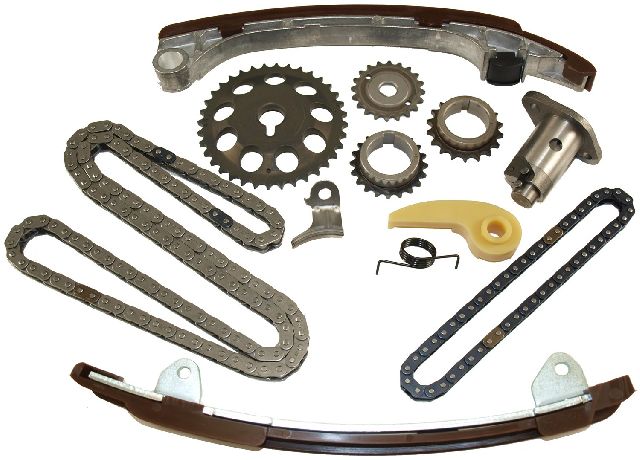
Typical fix: Replace the timing chain, tensioner, all guides, and both camshaft and crankshaft sprockets as a complete kit. It is also wise to drop the oil pan to clean out any broken guide material.
Est. part cost: $150-$450 - Low or Dirty Engine Oil 🟡 Medium Probability This is a direct contributor to the primary cause. The VVT system and timing chain tensioner are both operated by oil pressure. The 2AZ-FE's oil consumption makes it easy to run low without realizing it, leading to sludge buildup and component starvation.
How to confirm: Check the engine oil dipstick. The oil level should be between the two dots. Note the color and consistency of the oil; if it is black, thick, or gritty, it is overdue for a change. If the level is low, the car is consuming oil.
Typical fix: Perform an oil and filter change with the correct viscosity oil (5W-20 or 0W-20). If the code disappears and does not return, this may have been the issue. However, damage to the timing components may have already occurred and this is often a temporary fix.
Est. part cost: $40-$80 - Faulty VVT Solenoid (Oil Control Valve) ⚪ Low Probability Sludge from infrequent or delayed oil changes due to oil consumption can clog the small passages and filter screen on the solenoid, causing it to stick.
How to confirm: You can test the solenoid by applying 12V power to its terminals; you should hear a click. A professional scan tool can also command it to activate while observing engine performance; a working system should cause the engine to stumble or stall at idle. Swapping the intake and exhaust solenoids (if identical) to see if the code follows is another diagnostic step.
Typical fix: Remove and clean the solenoid and its filter screen. If cleaning doesn't work or the solenoid fails testing, replace it. The part is often updated by the manufacturer.
Est. part cost: $70-$130
Rare But Worth Checking
- Faulty Camshaft or Crankshaft Position Sensor: → Shop Engine Crankshaft Position Sensor While possible, it's uncommon for these sensors to fail in a way that produces a P0016 correlation code without other sensor-specific codes (like P0335 or P0340). They are often replaced unnecessarily when the real problem is mechanical timing.
- Damaged Reluctor Ring: The toothed wheel that the crankshaft or camshaft sensor reads can become damaged, sheared, or slip on the shaft, but this is very rare without other major engine work or a catastrophic failure.
- Failed VVT Camshaft Gear (Actuator): → Shop Engine Camshaft The VVT actuator itself can fail internally, getting stuck in one position. This will usually be accompanied by other codes like P0011 or P0012 and rattling noises.
Diagnosis Steps
- Check Engine Oil Level and Condition: This is the first and most important step. If the oil is low, top it off, clear the code, and see if it returns. If the oil is old or dirty, perform an oil and filter change. This is critical for the 2AZ-FE.
- Listen for Engine Noise: Start the engine when it's cold. A distinct rattling or scraping sound from the passenger side of the engine for the first few seconds is a classic sign of a worn timing chain system.
- Scan for Other Codes: Use an OBD-II scanner to check for any other pending or stored codes that could point to a specific part of the VVT system (like P0011, P0012) or sensor circuits.
- Inspect VVT Solenoid (Oil Control Valve): Locate the VVT solenoid on the front of the valve cover. Remove it and inspect its filter screen for sludge or debris. Test its operation by applying 12V power and listening for a click.
- Scope the Sensors (Professional): Use an oscilloscope to graph the signals from the crankshaft and camshaft position sensors. A trained technician can compare the waveforms to a known-good pattern to definitively confirm a timing misalignment, which is the most accurate diagnostic step before disassembly.
- Visual Inspection of Timing Chain (Professional): If timing is confirmed to be off, remove the valve cover. Check for excessive slack in the timing chain by pressing on it between the cam sprockets. Look for visible damage to the plastic chain guides (e.g., scoring, cracks, or missing pieces).
- Inspect Oil Pan (Professional): When performing the timing chain replacement, it is crucial to remove the oil pan and oil pump pickup tube to clean out any broken plastic debris from the failed guides, which can otherwise cause oil starvation.
Parts You'll Likely Need
- Engine Timing Chain Kit — This is the most probable fix. A complete kit ensures all worn components (chain, guides, tensioner, sprockets) are replaced at once for a long-term repair. Aisin kit TKT-025 is a popular OEM-quality choice, though it is for a different engine; the correct kit for the 2AZ-FE is Aisin TKT-021.
Trusted brands: Aisin (OEM Supplier), Cloyes, Gates
OEM price range: $350-$500
Aftermarket price range: $150-$300 - VVT Solenoid / Oil Control Valve (Intake)
(OEM #15330-28020 (superseded by 15330-28010))— A less common but possible cause. It can get clogged with sludge, especially if oil changes are neglected.
Trusted brands: Denso (OEM), Dorman
OEM price range: $100-$130
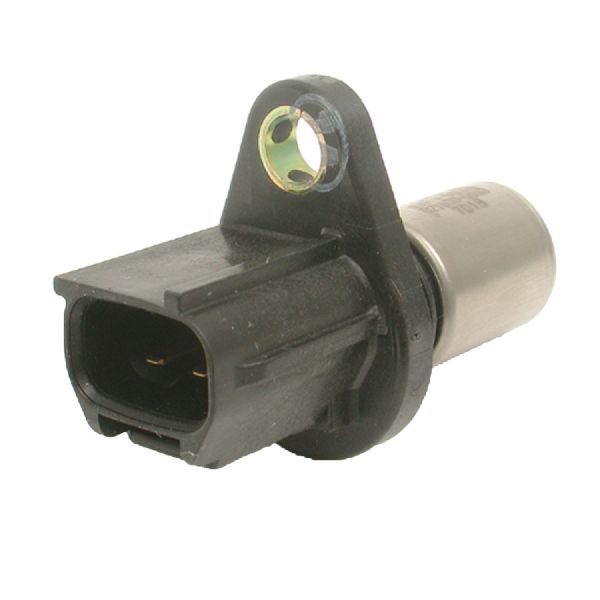
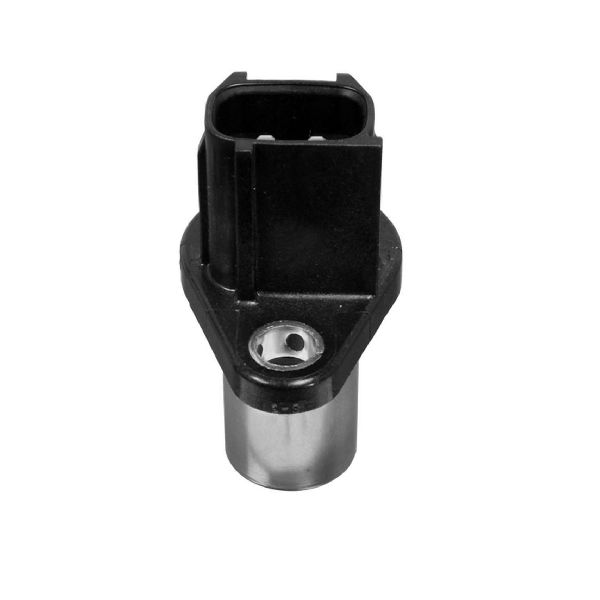
Aftermarket price range: $40-$80 - Crankshaft Position Sensor
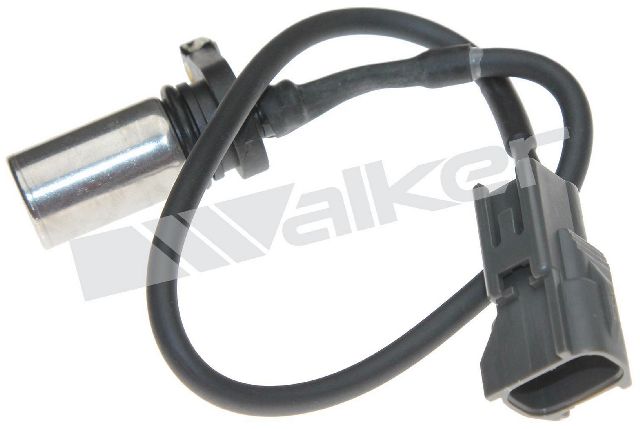
(OEM #90919-05067)— Rarely the cause, but listed for diagnostic purposes. It's often misdiagnosed as the problem.
Trusted brands: Denso (OEM), NGK, Walker
OEM price range: $110-$160
Aftermarket price range: $50-$90 - Camshaft Position Sensor
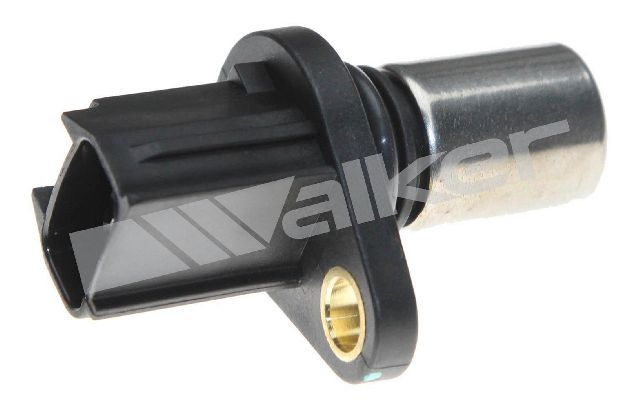
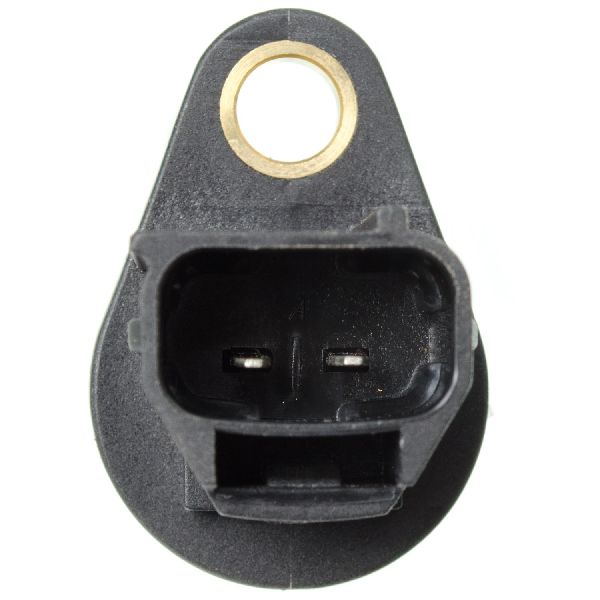
(OEM #90080-19014)— Rarely the cause, similar to the crankshaft sensor. The 2AZ-FE has two of these; this part number is for the intake side.
Trusted brands: Denso (OEM), NGK, Delphi
OEM price range: $75-$90
Aftermarket price range: $30-$60
Related Codes That Often Appear With This One
- P0011 — Indicates 'Camshaft Position 'A' - Timing Over-Advanced or System Performance (Bank 1)', which can be caused by a sticking VVT solenoid or issues with the VVT gear (cam phaser).
- P0012 — Indicates 'Camshaft Position 'A' - Timing Over-Retarded (Bank 1)', which can also point to a VVT system problem or a stretched timing chain.
- P0300, P0301-P0304 — Misfire codes can occur if the valve timing is off enough to affect combustion in one or more cylinders.
Technical Service Bulletins (TSBs) & Recalls
- S-SB-0031-14 (Scion) / T-SB-00158-14 (Toyota): Details the procedure for dealers to perform an engine oil consumption test to determine eligibility for repair under the ZE7 warranty enhancement.
- Warranty Enhancement Program (ZE7): Extended the warranty for excessive oil consumption to 10 years or 150,000 miles. It covered the replacement of pistons and piston rings for affected vehicles. While not directly for P0016, it addresses the root cause.
Platform-Specific Known Issues
- Excessive Oil Consumption: The 2AZ-FE engine in this vehicle is known for burning oil due to piston ring design. This was subject to Warranty Enhancement Program ZE7. Failure to keep the oil topped off is the leading cause of premature timing chain failure and the P0016 code on this platform.
- Real Owner Experience: A user on Reddit with a 2013 Scion xB at 296,000 miles reported code P0016 along with a lack of power. After an oil change didn't fix it, the final diagnosis was a failed timing chain that needed replacement.
Mechanic-Grade Diagnostic Values
- Crankshaft Position Sensor Resistance — expected: 985 to 1,600 Ω (cold) / 1,265 to 1,890 Ω (hot). Failure: A reading outside of these ranges, or an open circuit (infinite resistance), indicates a failed sensor.
- VVT Learning Value (via Techstream) — expected: Between 25°CA and 51°CA at idle.. Failure: If the learned value is less than 25°CA or more than 51°CA for 18 seconds, the ECM will set DTC P0016.
Scan Tool Commands That Help
- Toyota Techstream: Active Test: Control the VVT System (Bank 1) — This command allows a technician to manually operate the intake VVT solenoid. While monitoring live data for 'VVT Change Angle', activating the solenoid should cause the angle and engine RPM to change. If there is no change, it points to a stuck VVT gear, a clogged oil passage, or a failed solenoid.
- Toyota Techstream: Data List: VVT Learning Value — To check the ECM's learned value for the VVT system's base position at idle. A value outside the normal range (typically 25-51 degrees) is a direct indicator of a mechanical timing issue, such as a stretched chain, even before the code becomes permanent.
Real Owner Repair Stories
- Reddit user in r/ScionxB (2013 Scion xB with 296,000 miles) — Check engine light with code P0016, lack of power, and an oil leak.
❌ Tried (didn't work) An oil change was performed after the code appeared, but it did not resolve the issue.
✅ What actually fixed it The user confirmed the final diagnosis was a timing chain that was off and needed to be replaced. The car had reached 350,000 miles before being sold with the issue present.
OEM Part Supersession History
15330-28020→15330-28010— Part revision and update by the manufacturer.
Heads up: The new part number 15330-28010 is the correct replacement for the original. Using the old part number if found may lead to premature failure.
Model Year Variations Within This Range
- 2008 and later: In 2008, the 2AZ-FE engine was updated. The compression ratio was increased from 9.6:1 to 9.8:1, new camshafts were used, and piston oil squirters were added to cool the pistons. This may affect long-term wear characteristics but does not change the primary cause of P0016 (oil consumption leading to timing chain stretch).
Diagnostic Flowchart
Real Owner Stories
Aggregated from forums and TSBs cited above. Mileages and costs reflect what owners reported in those sources.
2013 Scion xB 2AZ-FE 2.4L — 296000 miles
Symptoms: Felt a lack of power, noticed an oil leak, and the check engine light came on throwing code P0016.
What fixed it: Replaced the stretched timing chain after an oil change failed to resolve the issue.
Source hint: Reddit r/ScionxB - 'Code P0016'
Scion tC (1st Gen) 2AZ-FE 2.4L — 242000 miles
Symptoms: Threw a P0016 code after completing an engine swap.
What fixed it: Community troubleshooting determined the issue was mechanical timing rather than faulty sensors.
Source hint: ScionLife.com - 'P0016 - Out Of Options'
Related OBD-II Codes
Frequently Asked Questions
Is the P0016 code related to the known oil consumption issue on my 2AZ-FE engine?
Does Warranty Enhancement Program ZE7 cover the P0016 timing chain repair?
I hear a rattling noise from the passenger side of my Scion xB on cold starts. Is this related to P0016?
Can I just replace the VVT solenoid to fix P0016 on my Scion xB?
If I have to replace the timing chain, what else should be done?
Are other Toyota or Scion models prone to this exact same P0016 issue?
We Have This Part in Stock

The information in this article is provided for general reference and educational purposes only. Vehicle specifications, procedures, and part compatibility can vary by production date, trim level, and region. Always consult your vehicle's factory service manual and verify part numbers before purchasing or performing repairs. Safety-critical components such as airbags, seat belts, and braking systems should be installed by a qualified professional.
- Scion xB:
- 🧭 Diagnostic Flowchart
- 🛍️ Shop This Part
- What's Unique About the 2008-2015 Scion xB
- Symptoms You May Notice
- Most Likely Causes
- Rare But Worth Checking
- Diagnosis Steps
- Parts You'll Likely Need
- Related Codes That Often Appear With This One
- Technical Service Bulletins (TSBs) & Recalls
- Platform-Specific Known Issues
- Mechanic-Grade Diagnostic Values
- Scan Tool Commands That Help
- Real Owner Repair Stories
- OEM Part Supersession History
- Model Year Variations Within This Range
- Real Owner Stories
- 2013 Scion xB 2AZ-FE 2.4L — 296000 miles
- Scion tC (1st Gen) 2AZ-FE 2.4L — 242000 miles
- Related OBD-II Codes
- Frequently Asked Questions
- 🎟️ Get 5% Off