

P0016 on 2009-2018 Toyota RAV4 2.5L: Crank/Cam Correlation Causes and Fixes
On the 2009-2018 RAV4 2.5L, P0016 is most often caused by a faulty intake Variable Valve Timing (VVT) solenoid, also called an Oil Control Valve (OCV). Always check your oil level and condition first, as low or dirty oil is a primary trigger. Replacing the intake OCV is a common, effective fix, costing around $40-$90 for an aftermarket part and is a 1/5 difficulty DIY job. A startup rattle often points towards a failing VVT gear, a more involved repair.
- P0016 on your RAV4 means the engine's crankshaft and intake camshaft are out of sync.
- Before buying any parts, check your oil level and condition. Low or dirty oil is a common cause.
- The most likely part to fail is the intake Oil Control Valve (VVT solenoid), which is relatively inexpensive and easy to replace.
- If the OCV and oil are fine, the next most likely cause, especially on higher mileage vehicles, is a stretched timing chain, which is a much larger repair.
- Do not immediately assume the cam or crank sensors are bad; they are less common failure points for this specific code.
What's Unique About the 2009-2018 Toyota RAV4
The 2AR-FE engine in this RAV4 range is generally reliable but is very sensitive to oil quality and level. The Variable Valve Timing (VVT) system, which adjusts the camshaft timing, is hydraulically operated by engine oil pressure. Therefore, the most frequent cause for P0016 is not a catastrophic failure but a problem with oil flow, often due to a failing Oil Control Valve (VVT solenoid) or, less commonly, dirty oil clogging the system. While a stretched timing chain can cause this code on many vehicles, it is a less frequent culprit on the 2AR-FE until higher mileage (150,000+ miles), especially if oil changes have been neglected. A cold start rattle accompanying the code often points to a failing VVT cam gear (phaser) rather than the chain itself.
Generation note: This guide covers the 2009-2018 Toyota RAV4, which includes two generations: the end of the third generation (XA30, 2009-2012) and the entire fourth generation (XA40, 2013-2018). Both generations used the 2.5L 2AR-FE engine, so the causes, symptoms, and fixes for code P0016 are consistent across this year range.
Symptoms You May Notice
- Check Engine Light is on
- Rough or unstable idle
- Engine is hard to start, or cranks but won't start
- Reduced engine power and poor acceleration
- Worse than usual fuel economy
- Rattling or knocking noise from the engine on cold startups, which may last for a few seconds
- Immediately replacing the camshaft or crankshaft position sensors. While they can be the cause, the issue is more frequently related to the oil-dependent VVT system (solenoid) or the timing chain itself. Always check oil and the OCV first.
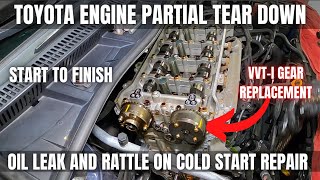
- Replacing the timing chain when the actual fault is a less-expensive VVT cam gear (phaser). The startup rattle is a key symptom pointing towards the phaser. 🎬 Watch: How to replace the intake cam gear and fix rattles.
Most Likely Causes
- Low or Dirty Engine Oil 🔴 High Probability The VVT system is entirely dependent on clean oil at the correct pressure to function. Old, sludgy, or low oil can't operate the VVT actuator or solenoid correctly, causing a correlation fault.
How to confirm: Check the engine oil dipstick. Note the level and the color/consistency of the oil. If it's low, top it off. If it's dark, sludgy, or past its change interval, replace it. This is the first and most important check. 🎬 See this video for common P0016 causes and quick fixes.
Typical fix: Perform an oil and filter change using the manufacturer-recommended 0W-20 synthetic oil.
Est. part cost: $30-$70 - Faulty Intake Oil Control Valve (VVT Solenoid) 🔴 High Probability → Shop Engine Variable Valve Timing (VVT) Solenoid This solenoid controls oil flow to the VVT actuator. It can get clogged with debris from dirty oil or fail electronically, making it the most common part to fail for this code.
How to confirm: Use a scan tool to command the solenoid on/off and watch for a change in engine performance. You can also remove the solenoid (one 10mm bolt) and test it by applying 12V to see if the plunger moves. Swapping the intake and exhaust solenoids (they are identical parts on the 2AR-FE) and seeing if the code changes to P0017 is a highly effective diagnostic step.
Typical fix: Replace the Bank 1 (intake) Oil Control Valve.
Est. part cost: $40-$90 - Stretched Timing Chain 🟡 Medium Probability → Shop Engine Timing Chain Over time, especially with poor oil change history, the timing chain can stretch. This creates slack and changes the physical timing between the crank and cam gears, triggering the code. This is more common on engines over 150,000 miles.
How to confirm: This is an advanced diagnosis. It requires removing the valve cover to inspect the timing chain tensioner extension and check for slack. A professional mechanic may use an oscilloscope to compare cam/crank sensor waveforms to a known-good pattern.
Typical fix: Replace the timing chain, tensioner, and guides. This is a labor-intensive job.
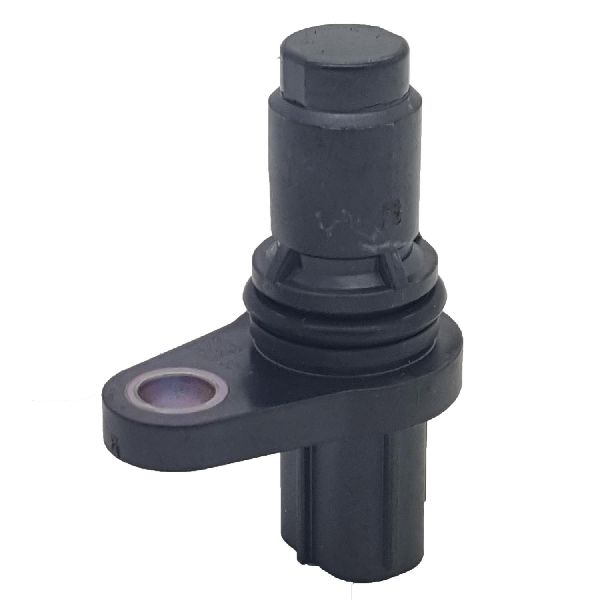
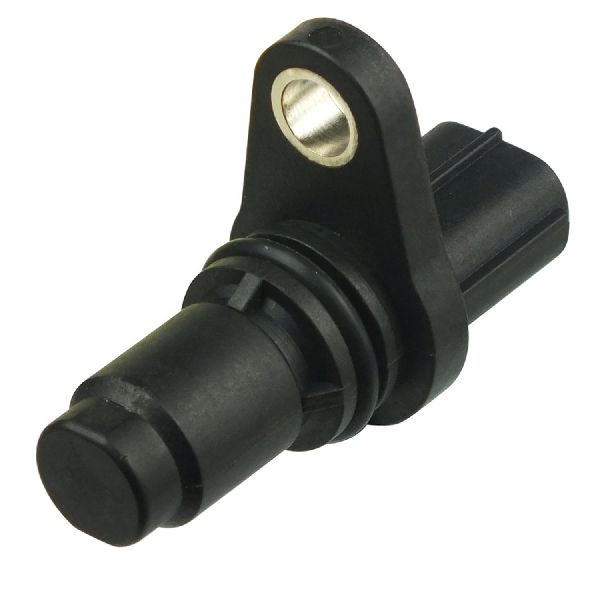
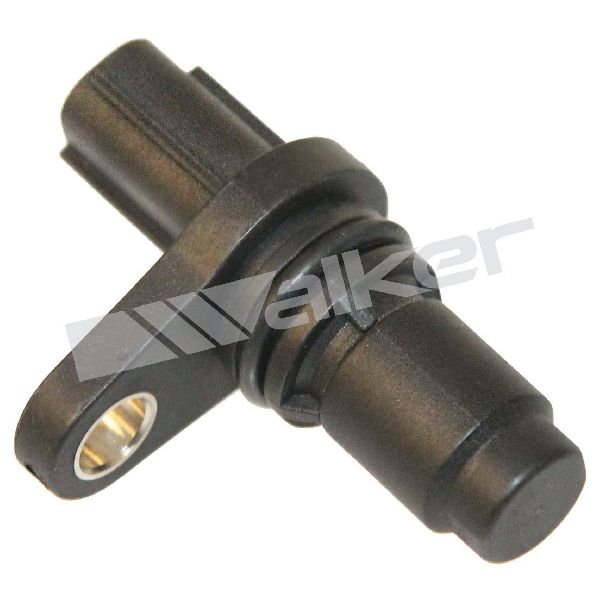
Est. part cost: $200-$400 - Faulty Camshaft or Crankshaft Position Sensor ⚪ Low Probability → Shop Engine Crankshaft Position Sensor While sensors can fail, it's less common for them to be the root cause of P0016 compared to mechanical or oil-related issues. The code indicates a correlation *problem* between the two, not necessarily a bad sensor.
How to confirm: A scan tool can view live data from the sensors. A definitive test requires an oscilloscope to analyze the sensor's waveform to check for dropouts or incorrect patterns.
Typical fix: Replace the specific sensor that is confirmed to be faulty.
Est. part cost: $50-$120
Rare But Worth Checking
- Failed VVT Actuator (Cam Phaser): The gear on the end of the camshaft can fail internally, often causing a distinct rattling noise on startup that goes away after a few seconds as oil pressure builds. This is more common if the vehicle has a history of infrequent oil changes. A TSB was issued for some Camry models with this engine for a similar issue.
- Clogged OCV Filter Screen: There is a small, thimble-shaped filter screen located in the cylinder head, often underneath the Oil Control Valve. It can become clogged with sludge, restricting oil flow to the solenoid and phaser. It can be removed (sometimes requiring removal of the valve cover) and cleaned or replaced.
Diagnosis Steps
- Check Engine Oil: Verify the oil level is correct and the oil is clean. An oil change is the cheapest and often most effective first step if the oil is old or low.
- Scan for Other Codes: Check for any other pending or active codes that could provide more clues (e.g., P0011, P0012, P0017). Troubleshoot other DTCs first.
- Inspect Wiring: Visually inspect the wiring and connectors for the camshaft sensor, crankshaft sensor, and the Oil Control Valve (OCV) for any damage, corrosion, or loose connections.
- Test the Oil Control Valve (OCV): The intake OCV is located on the top of the valve cover. You can test it by removing it (one 10mm bolt) and applying 12V power to its terminals to see if the internal plunger clicks. You can also test its resistance. 🎬 Watch: Step-by-step guide to replacing the VVT solenoid.
- Swap the OCVs: The 2AR-FE has an intake and an exhaust OCV that are interchangeable. Swap their positions, clear the codes, and drive. If the code changes to P0017 (for the exhaust cam), you have definitively identified a bad OCV.
- Inspect OCV Filter: If the OCV seems fine, inspect the small mesh filter for the OCV. It may be located directly under the OCV or nearby in the cylinder head. Check if it's clogged with sludge and clean or replace it.
- Inspect Timing Components: If the above steps do not resolve the issue, a more in-depth mechanical inspection is needed. This involves removing the valve cover to check for a stretched timing chain or a faulty tensioner. Listen carefully for a startup rattle, which strongly suggests a failing VVT cam gear (phaser). This step is best left to a professional if you are not an experienced DIYer.
Parts You'll Likely Need
- Intake Oil Control Valve / VVT Solenoid
(OEM #15330-0P020 (Supersedes 15330-31020))— This is the most common failure point for P0016 on the 2AR-FE engine. It gets stuck or fails electronically, preventing correct VVT operation.
Trusted brands: Denso (OEM supplier), Aisin, Dorman
OEM price range: $100-$150
Aftermarket price range: $40-$90 - Timing Chain Kit — If the chain is stretched, replacing the chain, guides, and tensioner is the only fix. This is a more involved repair for higher-mileage vehicles or those with a poor maintenance history.
Trusted brands: Aisin, Cloyes
OEM price range: $300-$450
Aftermarket price range: $150-$250 - VVT Camshaft Gear / Phaser
(OEM #13050-36011 (Intake))— If a startup rattle is present with code P0016, the internal locking pin mechanism of the VVT gear has likely failed. It must be replaced.
Trusted brands: Toyota (Genuine), Aisin
OEM price range: $150-$250
Aftermarket price range: $100-$180
Related Codes That Often Appear With This One
- P0011 — "A" Camshaft Position - Timing Over-Advanced. This code is also related to the intake camshaft timing and often points to the same set of problems, like a stuck VVT solenoid or oil flow issues.
- P0012 — "A" Camshaft Position - Timing Over-Retarded. Often appears with P0016, pointing directly to an issue with the intake cam's VVT system, such as a stuck OCV or failing phaser.
- P0017 — Crankshaft Position - Camshaft Position Correlation (Bank 1 Sensor B). This indicates a correlation issue with the *exhaust* camshaft. If you swap the intake and exhaust OCVs for diagnosis and the code changes from P0016 to P0017, you've confirmed the OCV is the faulty part.
Technical Service Bulletins (TSBs) & Recalls
- T-SB-0035-10: Some 2010-2011 Camry and 2009-2011 RAV4 vehicles with the 2AR-FE engine may exhibit a brief knock/rattle noise from the engine for a second after a cold soak startup. This TSB addresses replacing the VVT-i camshaft gear assembly.
Platform-Specific Known Issues
- Startup Rattle from VVT Gear: A well-documented issue on the 2AR-FE is a brief rattle or knock upon cold startup, which is often caused by a faulty VVT intake cam gear (phaser). The internal lock pin fails to engage when the engine is off, allowing the gear to rattle until oil pressure builds. This can be a direct cause of the P0016 code. Toyota issued a technical service bulletin (TSB) for this issue on earlier models.
Mechanic-Grade Diagnostic Values
- Crankshaft Position Sensor Resistance — expected: 985 to 1,600 Ω (cold) or 1,265 to 1,890 Ω (hot). Failure: A reading outside of the specified range indicates a faulty sensor.
- Camshaft Oil Control Valve (VVT Solenoid) Resistance — expected: 6.9 to 7.9 Ω at 68°F (20°C). Failure: A reading outside this range, or an open circuit (no reading), indicates a failed solenoid.
- Techstream VVT Learned Value at Idle — expected: Between 25 and 51 degrees of Crankshaft Angle (°CA). Failure: If the learned value is less than 25°CA or more than 51°CA for over 18 seconds, the ECM will set DTC P0016.
Scan Tool Commands That Help
- Toyota Techstream: Active Test: Control the VVT System (Bank 1) — This command allows you to manually operate the intake VVT solenoid. You can observe changes in engine RPM or listen for a click from the solenoid to confirm it is responding to commands. This is a direct way to test the functionality of the Oil Control Valve without removing it.
- Toyota Techstream: Utility: VVT Learning Value Reset — After replacing a timing chain, VVT gear, or OCV, the ECM's learned adaptive values for the old parts may be incorrect for the new ones. Performing a VVT learning value reset forces the ECM to relearn the baseline positions, which can resolve correlation codes that persist after a mechanical repair.
- Toyota Techstream: Data List: VVT Initial Position Learning Value — This allows you to view the specific learned value that the ECM has stored for the camshaft's home position at idle. Checking this value directly can confirm if it has fallen outside the 25-51 degree acceptable range, which is the direct trigger for the P0016 code.
Wiring & Ground Locations
- Engine Control Module (ECM) — On the 2AR-FE in the RAV4, the ECM is typically located in the engine compartment, often on the left side (driver's side in North America).. The ECM is the source of reference voltage for the cam and crank sensors and receives their signal inputs. All diagnostic wiring tests will originate or terminate at the ECM connector.
- Engine Ground Points — The 2AR-FE engine harness has primary ground points on the valve cover, which then connect to the chassis near the strut tower. One is near the front, and another is toward the rear of the valve cover.. A poor engine ground can cause erratic sensor readings and floating voltages, potentially leading to a false correlation code. Ensuring these grounds are clean and tight is a critical step in diagnosing electrical faults.
Real Owner Repair Stories
- PriusChat forum user (2007 Toyota Prius with 335,000 miles (uses a different engine, but the P0016 diagnostic principle is identical)) — P0016 code for crank/cam correlation.
❌ Tried (didn't work) The user did not report trying other fixes first.
✅ What actually fixed it The user assumed the high mileage pointed to a stretched timing chain. They proceeded to replace the timing chain, which resolved the P0016 code. This confirms that on high-mileage Toyotas, a stretched chain is a very real cause for this code. - CARspec auto repair blog (2010 Toyota Camry with 2AR-FE engine) — Check engine light with codes P0012 and P0016, stalling, and a cold start rattle.
❌ Tried (didn't work) The blog post directly identifies the common cause without detailing failed attempts.
✅ What actually fixed it The combination of the rattle and the correlation/over-retarded codes pointed to a failure in the VVT system. The fix involved replacing the intake VVT gear (phaser), which had failed internally, along with the timing chain and other components as part of a larger service. The startup rattle was the key indicator for the failed phaser.
OEM Part Supersession History
15330-31020→15330-0P020— Standard part revision and consolidation by Toyota.
Heads up: The new part number (15330-0P020) is a direct replacement for the old one and is fully compatible.13050-36011→13050-0V011 (also seen as 13050-0V010)— Part revision by Toyota for the intake camshaft VVT gear.
Heads up: The newer part numbers are the correct replacements for the original. Always verify with VIN, but these are the documented supersessions.
Model Year Variations Within This Range
- 2009-2018: While the core 2AR-FE long block remained consistent, there were minor revisions to emissions systems (PZEV/ULEV II) and accessory components. However, for the purposes of diagnosing P0016, the timing components, sensors, and VVT system are functionally identical across the entire 2009-2018 range for the RAV4.
Diagnostic Flowchart
Other Known Issues on This Vehicle
Issues unrelated to this code that are worth knowing about as an owner of this generation:
- Torque Converter Shudder 🟠 Medium — Common on 2013-2015 models. A shudder/vibration is felt under light acceleration between 25-50 mph. (Ref: T-SB-0023-15 (later revised) and Warranty Enhancement Program (ZH1) were issued. The fix involves replacing the torque converter and reprogramming the ECM.)
- Minor Excessive Oil Consumption 🟡 Low — While vastly improved over its 2AZ-FE predecessor, some 2AR-FE engines can consume oil, typically becoming noticeable at higher mileage (100,000+ miles). It's usually not severe enough to cause damage if the oil level is checked regularly.
- Water Pump Leaks 🟠 Medium → Shop Engine Water Pump — The water pump gasket can be prone to leaking coolant, typically after 60,000-100,000 miles. The pump itself is generally robust, but the leak requires replacement of the unit.
- Infotainment System Glitches 🟡 Low — On 2013-2018 models, owners report issues like unresponsive touchscreens, system reboots, and Bluetooth connectivity problems. Software updates from Toyota may resolve some glitches.
Used vs. New Parts: Buying Guide for This Vehicle
When a used part is the smart pick: For this repair, a used Oil Control Valve (VVT solenoid) from a low-mileage donor vehicle can be a cost-effective option, as they are generally reliable. Complete used engines are also a viable option if the original engine has catastrophic damage, as the 2AR-FE is known for its longevity.
Donor-vehicle mileage cap: roughly under 80000 miles for the part to have meaningful remaining life.
What to inspect on the donor part:
- For an OCV/solenoid, check that the screen is clean and the plunger moves freely.
- For a complete engine, ask for video of it running if possible, or at least a compression test.
- Check for signs of heavy oil sludge under the oil cap, which indicates poor maintenance and potential VVT system issues.
- Ensure the donor vehicle was not in a severe front-end collision that could have damaged the front of the engine.
OEM-only on this vehicle (don't cheap out):
- Timing Chain Kit: Given the critical nature and high labor cost, using an OEM (Toyota/Aisin) or top-tier aftermarket (like Cloyes) timing kit is strongly recommended to ensure longevity.
- Cam/Crank Sensors: These sensors are critical for engine operation. While aftermarket sensors exist, OEM (Denso) or genuine Toyota sensors are highly recommended to avoid compatibility issues and incorrect readings that can mimic other problems.
Aftermarket brands forum-validated for this vehicle:
- Denso (Often the OEM supplier for Toyota)
- Aisin (A Toyota group company, often OEM for VVT and timing components)
- Cloyes (For timing chain kits)
Brands owners have reported issues with on this vehicle:
- No-name, unbranded electronic sensors (cam/crank sensors, OCVs) from online marketplaces are a significant risk and often fail prematurely or are dead-on-arrival.
Real Owner Stories
Aggregated from forums and TSBs cited above. Mileages and costs reflect what owners reported in those sources.
2010 Toyota Camry 2AR-FE
Symptoms: P0012 and P0016 codes present along with a cold start rattle.
What fixed it: Diagnosis found a clogged OCV, but the ultimate fix required replacing the VVT camshaft gear.
Source hint: CARspec (carspec.com): '2010 Toyota Camry – P0012, P0016, cold start rattle'
2009 Toyota RAV4 2AR-FE — ~100000 miles
Symptoms: Owner noted the transition to the 2AR-FE engine and discussed potential oil consumption issues at higher mileage.
What fixed it: Regularly checking oil levels to prevent VVT system faults caused by low oil.
Source hint: Reddit (r/rav4club): '2009 2AR-FE Oil Consumption?'
2011 Toyota RAV4 2AR-FE
Symptoms: Brief knock/rattle noise from the engine for a second after a cold soak startup.
What fixed it: Replacing the VVT-i camshaft gear assembly as per the technical service bulletin.
Source hint: T-SB-0035-10
Related OBD-II Codes
Frequently Asked Questions
My 2011 RAV4 has a brief rattle when I start it in the morning. Does TSB-0035-10 apply to this?
Can I use 5W-30 oil in my 2AR-FE engine to stop the P0016 code?
Is there a way to test if the intake or exhaust VVT solenoid is bad without buying new parts?
My RAV4 is over 150,000 miles and has a P0016. Is it likely a sensor or something mechanical?
I'm seeing P0016 and also feeling a vibration between 25-50 mph. Are these related?
Helpful Videos
We Have This Part in Stock


The information in this article is provided for general reference and educational purposes only. Vehicle specifications, procedures, and part compatibility can vary by production date, trim level, and region. Always consult your vehicle's factory service manual and verify part numbers before purchasing or performing repairs. Safety-critical components such as airbags, seat belts, and braking systems should be installed by a qualified professional.
- Toyota RAV4:
- 🧭 Diagnostic Flowchart
- 🎬 Helpful Videos
- 🛍️ Shop This Part
- What's Unique About the 2009-2018 Toyota RAV4
- Symptoms You May Notice
- Most Likely Causes
- Rare But Worth Checking
- Diagnosis Steps
- Parts You'll Likely Need
- Related Codes That Often Appear With This One
- Technical Service Bulletins (TSBs) & Recalls
- Platform-Specific Known Issues
- Mechanic-Grade Diagnostic Values
- Scan Tool Commands That Help
- Wiring & Ground Locations
- Real Owner Repair Stories
- OEM Part Supersession History
- Model Year Variations Within This Range
- Other Known Issues on This Vehicle
- Used vs. New Parts: Buying Guide for This Vehicle
- Real Owner Stories
- 2010 Toyota Camry 2AR-FE
- 2009 Toyota RAV4 2AR-FE — ~100000 miles
- 2011 Toyota RAV4 2AR-FE
- Related OBD-II Codes
- Frequently Asked Questions
- 🎟️ Get 5% Off