

P0016 on 2007-2021 Toyota Tundra 5.7L V8: Crank-Cam Correlation Causes and Fixes
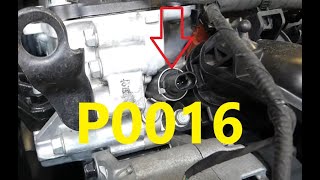
P0016 on a Toyota Tundra 5.7L V8 most often points to a failing oil control valve (VVT solenoid) or low/dirty engine oil. Replacing an oil control valve is a common DIY fix costing around $50-$150 per valve. Always check your oil level, condition, and filter integrity first, as a collapsed filter can also cause this code.
- Before buying any parts, check your engine oil level and condition. Low or dirty oil is a primary cause of P0016.
- The most likely failed part is the Oil Control Valve (OCV) for the Bank 1 intake camshaft (passenger side).
- A simple diagnostic step is to swap the passenger side OCV with the driver's side OCV and see if the code changes to P0018.
- While a stretched timing chain is a possible cause, it is much less likely than a bad OCV or sensor and should be considered a last resort after other diagnostics have failed.
- Do not ignore this code, as continued driving could lead to more significant engine problems.
What's Unique About the 2007-2021 Toyota Tundra
The Toyota 3UR-FE 5.7L V8 is a robust engine known for its reliability, but it is not immune to timing issues, especially at higher mileage. While a stretched timing chain can be the cause, as seen in some high-mileage forum discussions, the more frequent culprits for a P0016 code are the more accessible and less expensive oil control valves (OCVs). These valves control the oil flow to the VVT-i (Variable Valve Timing with intelligence) system, and can get clogged or fail electronically, leading to the timing correlation error. Owners often find success by first addressing the OCVs before suspecting a major mechanical issue like a timing chain. A unique and critical point for this platform is the cartridge-style oil filter; if the center support tube is missing or an aftermarket filter collapses, it can cause a drop in oil pressure, leading directly to VVT system malfunctions and a P0016 code.
Generation note: This guide covers the second-generation Toyota Tundra (2007-2021), which includes a significant refresh for the 2014 model year. The 3UR-FE 5.7L V8 engine and its VVT-i system remained largely consistent throughout this period, so the causes, diagnosis, and fixes for P0016 are generally applicable across the entire 2007-2021 year range. A flex-fuel version, the 3UR-FBE, was introduced in 2009, but it does not have different common causes for this code.
Symptoms You May Notice
- Check Engine Light is on
- Engine runs rough, especially at idle
- Reduced engine power and poor acceleration
- Engine may be hard to start or cranks but won't start
- Rattling or clattering noise from the front of the engine, particularly on cold startups, which may indicate a loose timing chain
- Decreased fuel economy
- Flashing check engine light and significant power reduction ('limp mode') in severe cases
- Replacing the crankshaft position sensor when the issue is with the Bank 1 camshaft sensor or OCV.
- Assuming a stretched timing chain without first diagnosing the less expensive and more common failures like the OCVs, sensors, or oil pressure issues.
Most Likely Causes
- Low or Dirty Engine Oil 🔴 High Probability The VVT-i system is highly dependent on oil pressure and cleanliness to function. Old, low, or incorrect viscosity oil can't properly operate the cam phasers.
How to confirm: Check the engine oil level on the dipstick and inspect its color and consistency. If it's low or appears dark and sludgy, it needs to be changed.
Typical fix: Perform an oil and filter change using the manufacturer-specified oil weight (e.g., 0W-20 or 5W-20, check your owner's manual).
Est. part cost: $40-$80 - Faulty Oil Control Valve (OCV) / VVT Solenoid 🔴 High Probability → Shop Engine Variable Valve Timing (VVT) Solenoid These solenoids are a common failure point. They can become clogged with sludge or fail electronically, preventing proper oil flow to the VVT actuators.
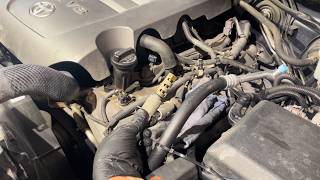
How to confirm: You can test the solenoid with a multimeter for proper resistance (typically 6.9-7.9 Ohms at 68°F). A common diagnostic trick is to swap the Bank 1 intake OCV with the Bank 2 intake OCV. 🎬 Watch: How to test and replace the oil control valve. If the code changes to P0018 (Bank 2), you've confirmed the OCV is bad. All four OCVs on the 3UR-FE are often the same part number, making them interchangeable for testing.
Typical fix: Replace the Oil Control Valve for Bank 1 (Intake).
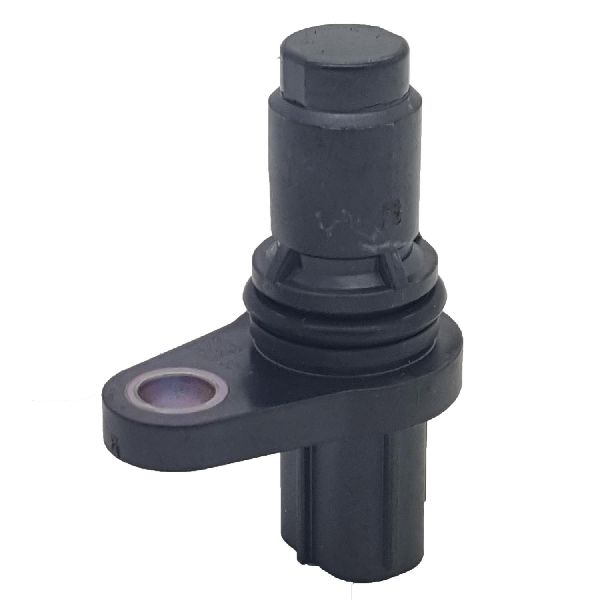
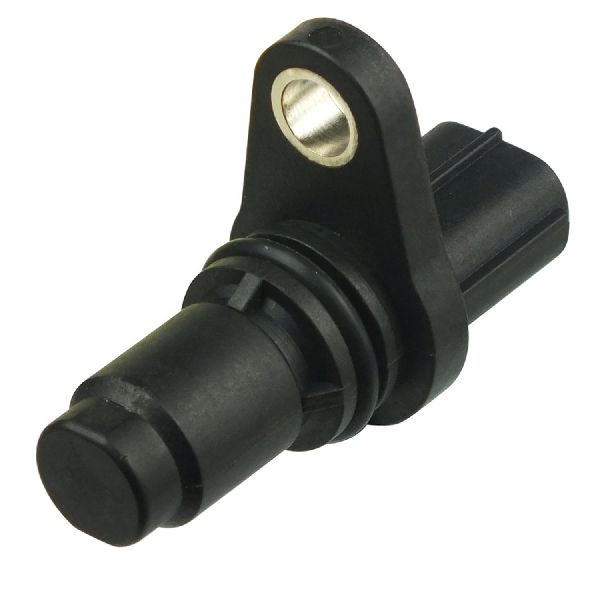
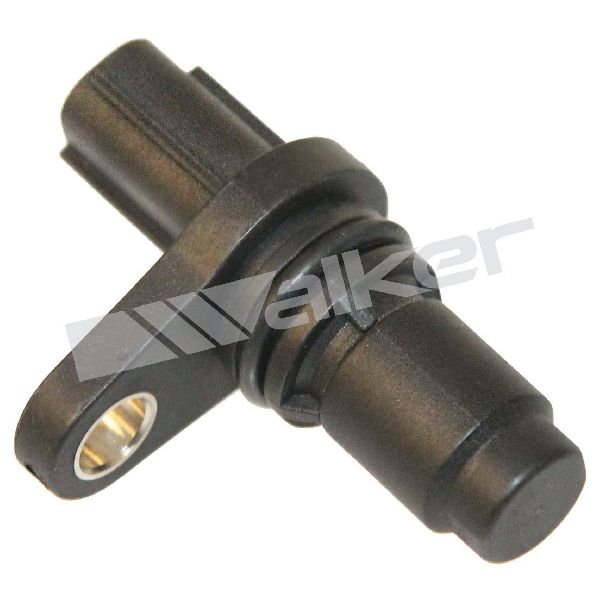
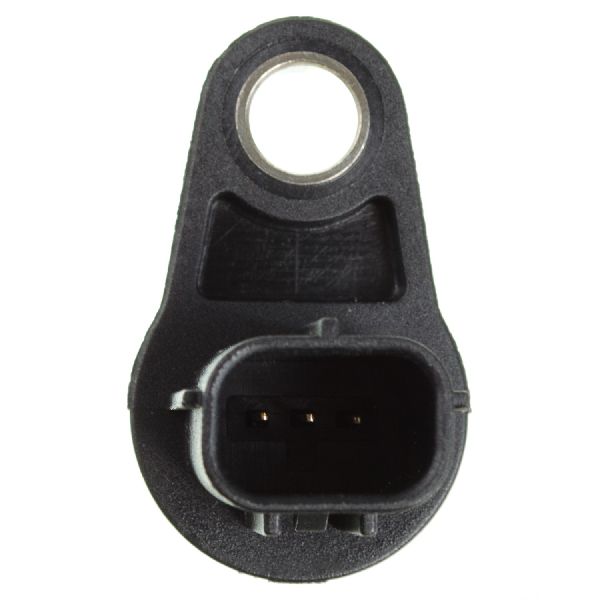
Est. part cost: $50-$150 - Faulty Camshaft Position Sensor 🟡 Medium Probability → Shop Engine Camshaft Position Sensor Sensors can fail over time due to heat and vibration, sending incorrect data to the ECM.
How to confirm: Test the sensor's output with a multimeter or oscilloscope. Swapping the sensor with an identical one from another position (if possible) can also help diagnose the issue.
Typical fix: Replace the Camshaft Position Sensor for Bank 1, Intake.
Est. part cost: $40-$120 - Stretched Timing Chain ⚪ Low Probability → Shop Engine Timing Chain While less common than on other engines, high mileage (>150,000 miles) and/or poor oil change intervals can lead to timing chain stretch, causing a permanent correlation mismatch. A startup rattle is a key symptom.
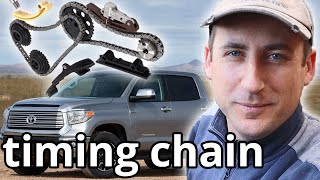
How to confirm: This is a complex diagnosis. A Toyota Master Technician on a forum noted that low oil pressure is a more likely cause for the code than actual chain stretch. Physical inspection for slack and worn guides is definitive but requires significant disassembly. 🎬 Watch this walkthrough of a Tundra timing chain replacement. An oscilloscope can also be used to compare cam and crank signals, which will show a timing lag.
Typical fix: Replace the timing chains, tensioners, and guides. This is a major, labor-intensive repair.
Est. part cost: $500-$1200
Rare But Worth Checking
- Clogged OCV Filter: There are small mesh filters that protect the OCVs from debris. These can become clogged with sludge, restricting oil flow even if the OCV itself is functional. They are inexpensive but can be difficult to access, located in the cylinder heads beneath the OCVs.
- Collapsed Oil Filter / Missing Center Tube: A highly specific but reported issue on the 3UR-FE. If the center support tube for the cartridge oil filter is missing after an oil change, the filter can collapse, severely restricting oil flow and causing low pressure, which in turn triggers VVT-related codes like P0016. Always verify the filter and housing are assembled correctly. 🎬 See why the oil filter center tube is so critical.
- Faulty Crankshaft Position Sensor: → Shop Engine Crankshaft Position Sensor While possible, it's less likely to be the cause than the camshaft sensor for a bank-specific code. A failing crankshaft sensor usually causes more severe running issues, a no-start condition, or codes for both banks.
- Damaged VVT-i Actuator (Cam Phaser): The gear on the end of the camshaft that actually changes the timing can fail, but this is less common than OCV or sensor failure. It often produces a distinct rattling noise on startup and can be a costly repair.
Diagnosis Steps
- Check Engine Oil & Filter: Verify the oil level is full and the oil is clean. Critically, ensure the cartridge oil filter has not collapsed and that the center support tube is in place within the filter housing. If oil is low/dirty or the filter is suspect, perform an oil and filter change, clear the code, and see if it returns.
- Scan for Other Codes: Use an OBD-II scanner to check for any other pending or stored codes that could provide more clues (e.g., P0017, P034x).
- Inspect Wiring: Visually inspect the wiring harnesses and connectors for the Bank 1 (passenger side) intake camshaft position sensor and oil control valve. Look for any signs of damage, corrosion, or loose connections.
- Swap the Oil Control Valve (OCV): This is the most effective DIY diagnostic step. Swap the Bank 1 (passenger) intake OCV with the Bank 2 (driver) intake OCV. They are the same part. Clear the codes and drive the vehicle. If the code changes to P0018 (the Bank 2 equivalent), the OCV is faulty and needs to be replaced.
- Test/Swap the Camshaft Position Sensor: Similar to the OCV, you can test the sensor or swap it with the sensor from Bank 2 to see if the code follows.
- Inspect OCV Filter: If accessible, remove and inspect the small OCV filter screen for clogging. It is located in the cylinder head, underneath the OCV.
- Mechanical Timing Check: If all else fails, suspect a mechanical timing issue. This involves using an oscilloscope to compare cam/crank signals or physically removing the timing cover to inspect the chain, guides, and tensioners. A startup rattle is a strong indicator of this. This step is best left to a professional mechanic unless you are very experienced.
Parts You'll Likely Need
- Cam Timing Oil Control Valve (VVT Solenoid)
(OEM #15330-0S010 (or superseded by 15330-38010))— This is the most common failure part for a P0016 code on this engine. It gets clogged or fails electronically, disrupting oil flow for the VVT system.
Trusted brands: Denso, Aisin, Genuine Toyota
OEM price range: $100-$180
Aftermarket price range: $40-$90 - Camshaft Position Sensor
(OEM #90919-A5004 (or 90919-05060))— This sensor provides the camshaft position data to the ECM. If it fails, the ECM cannot verify the cam timing, triggering the code.
Trusted brands: Denso, NTK, Genuine Toyota
OEM price range: $80-$150
Aftermarket price range: $40-$90
Related Codes That Often Appear With This One
- P0017 — Crankshaft Position - Camshaft Position Correlation (Bank 1 Sensor 'B' - Exhaust). If both intake and exhaust on Bank 1 are out of sync, it points more strongly to a base timing issue like a jumped or stretched chain affecting the entire bank.
- P0340-P0349 — These are specific circuit codes for the camshaft position sensors. If you have one of these alongside P0016, it strongly suggests the sensor or its wiring is the root cause.
- P0018 — Crankshaft Position - Camshaft Position Correlation (Bank 2 Sensor 'A' - Intake). This code appearing after swapping OCVs from Bank 1 to Bank 2 is a definitive sign that the OCV is the faulty component.
Technical Service Bulletins (TSBs) & Recalls
- While not directly for P0016, Toyota issued Customer Support Program ZKK (related to T-SB-0160-11) extending the warranty on the Secondary Air Injection Pumps and Valves for many 2007-2010 Tundras to 10 years/150,000 miles due to high failure rates. This is a critical known issue for the platform.
Platform-Specific Known Issues
- A Tundras.com forum member reported chasing a P0016 code and low oil pressure, which was ultimately caused by an incorrectly installed oil filter. The center support tube was missing, causing the filter element to collapse and starve the engine of oil. This highlights the importance of correct oil change procedure on this engine.
Mechanic-Grade Diagnostic Values
- VVT Learned Value at Idle (via Techstream) — expected: Between 25° and 51° Crankshaft Angle (CA).. Failure: A stored VVT learning value of less than 25° CA or more than 51° CA will trigger the DTC. Another source cites a range of 30° to 46° CA, indicating some variation exists.
- Cam/Crank Oscilloscope Waveform at Idle — expected: A specific alignment between the crankshaft and camshaft sensor signals.. Failure: The PCM expects the 17th signal pulse of the crankshaft sensor (after the missing tooth) to align with the high signal of the camshaft sensor. If this alignment is not present, a correlation fault is registered.
- Oil Control Valve (VVT Solenoid) Resistance — expected: 6.9 - 7.9 Ohms at 68°F (20°C). Failure: Resistance outside of this range indicates a faulty solenoid coil.
Hidden / Shadow Codes Worth Checking
- Pending DTC / All Readiness Check: Instead of a specific 'shadow code', Toyota's diagnostic procedure relies on checking for 'pending' DTCs after a drive cycle. The ECM may detect a fault in one drive cycle and store it as pending before illuminating the MIL on the second consecutive failure. (see via Using a scan tool like Toyota Techstream, navigate to 'Powertrain / Engine and ECT / Utility / All Readiness'. Input the DTC (P0016) and check the judgment result.)
- Freeze Frame Data: When the P0016 code is set, the ECM records a 'freeze frame' of all major sensor data at the exact moment of the fault. This data is critical for diagnosis, showing engine speed, load, temperature, and other parameters that can help determine the conditions under which the fault occurred. (see via Accessible with any advanced OBD-II scanner or Toyota Techstream under the 'Trouble Codes' or 'DTC' menu.)
Scan Tool Commands That Help
- Toyota Techstream: Perform Active Test (Operate OCV) — This command allows you to directly command the Bank 1 Intake OCV to activate while the engine is idling. If the OCV and oil passages are working, the engine should hesitate or stall. If there is no change in engine operation, it points to a faulty OCV, a clogged OCV filter, or a blocked oil passage.
- Toyota Techstream: DTC Check / Clear — After a repair, such as replacing an OCV or adjusting timing, it is critical to clear the DTCs. For VVT system faults, the ECM's learned values may also need to be reset to ensure the system operates correctly with the new components.
- Toyota Techstream: Data List (VVT Learned Value) — This allows you to view the specific learned value for the VVT system. Comparing this numerical value (in degrees) to the specified thresholds is a definitive way to confirm if the ECM sees a correlation problem, separate from any sensor circuit issues.
Wiring & Ground Locations
- Main Engine Grounds — The main engine-to-chassis grounds are reportedly located on the rear of the cylinder heads, one on each side, near where the engine mates to the transmission.. A poor engine ground can cause floating voltages and erratic signals from critical sensors like the camshaft and crankshaft position sensors, potentially leading to a false P0016 code. These grounds are in a location susceptible to corrosion and are difficult to access.
- ECM Connectors (D74, etc.) — The Engine Control Module (ECM) is located in the engine bay. Specific pin numbers for the cam and crank sensors can be found in the factory service manual wiring diagrams.. When diagnosing a persistent P0016 after replacing sensors, technicians must perform pin-to-pin continuity and voltage checks from the sensor connector back to the ECM connector to rule out a wiring harness issue.
Real Owner Repair Stories
- TundraTalk forum user 'KissMyAxe1' (Toyota Tundra with 3UR-FE, ~280,000 miles) — P0016, P0017, and multiple bank 1 misfire codes (P0300, P0301, P0303, etc.). Timing chain rattle on startup.
❌ Tried (didn't work) Initial diagnosis involved checking for wiring damage, which was not found.
✅ What actually fixed it Upon removing the valve cover, the timing chain was found to be extremely loose. The final fix was a complete timing job: replacing all timing chains, tensioners, and guides. The old driver's side chain guide was visibly worn, missing a significant amount of its plastic surface. - TacomaWorld forum user 'craigs1' (2007 Toyota 4Runner 4.0L V6 (1GR-FE) - *Note: Different engine, but a directly analogous and commonly cited example of P0016 cause.*) — Persistent P0016 code, especially when driving before the engine is fully warm.
❌ Tried (didn't work) The user noted that simply replacing sensors or OCVs would not fix the underlying mechanical issue.
✅ What actually fixed it The user confirmed the timing chain had stretched by observing the over-extended chain tensioner. The final resolution was replacing the timing chains, sprockets, guides, and tensioners. A photo comparison showed the old chain was visibly longer than the new OEM chain, which was enough to cause an 8-10 degree timing retard and trigger the code.
OEM Part Supersession History
15330-0S010→15330-38010— Standard part revision by the manufacturer for improvement or supplier change.
Heads up: The parts are interchangeable. 15330-0S010 is the VVT Solenoid (OCV) for the 4.6L and 5.7L engines.90919-05070→90919-A5004— Standard part revision by the manufacturer.
Heads up: This part number is for the Crankshaft Position Sensor. Note that some parts catalogs confusingly list 90919-A5004 as both a crank and cam sensor, so verify the specific application before purchasing.
Model Year Variations Within This Range
- 2009-2021: A Flex-Fuel capable version of the engine, the 3UR-FBE, was introduced for some Tundra and Sequoia models starting in 2009. However, the base engine architecture and VVT-i system are identical to the 3UR-FE, and the diagnostic procedure for P0016 is unchanged.
Diagnostic Flowchart
Other Known Issues on This Vehicle
Issues unrelated to this code that are worth knowing about as an owner of this generation:
- Cam Tower Oil Leak 🟠 Medium — Common, especially on earlier models, but can occur at any mileage (e.g., 60k-170k+ miles). Often a slow seep rather than a major leak. (Ref: No specific recall, but widely discussed. Repair is labor-intensive ($2,500-$5,000) as it requires removing timing components to reseal the towers.)
- Secondary Air Injection Pump (SAIP) Failure 🟠 Medium — Very common, particularly on 2007-2014 models. Moisture gets into the pumps, causing failure and putting the truck in 'limp mode'. (Ref: Toyota issued a warranty extension (Customer Support Program) for 2007-2010 models to 10 years/150,000 miles. A recall was also issued for some 2012-2014 models for an ECM software update to prevent failure.)
- Water Pump Failure 🟠 Medium → Shop Engine Water Pump — A relatively common failure item, typically occurring between 60,000 and 120,000 miles. Failure is usually a slow leak from the weep hole, not a catastrophic event.
- Cracked/Leaking Exhaust Manifolds 🟡 Low — Can occur over time, causing an audible ticking noise, especially on acceleration when the engine is cold.
Used vs. New Parts: Buying Guide for This Vehicle
When a used part is the smart pick: For electronic components like VVT solenoids (OCVs) and camshaft/crankshaft position sensors, a used OEM part from a reputable salvage yard can be a cost-effective option. These parts are not high-wear items and an OEM used part is often more reliable than a cheap new aftermarket part.
Donor-vehicle mileage cap: roughly under 100000 miles for the part to have meaningful remaining life.
What to inspect on the donor part:
- Look for a donor vehicle with a clean engine bay, suggesting good maintenance.
- Ask for a warranty or return period, even if it's just 30 days.
- Avoid parts from vehicles that show signs of sludge in the oil cap or valve cover.
- For sensors, ensure connectors are not cracked or corroded.
OEM-only on this vehicle (don't cheap out):
- Timing Chains
- Timing Chain Tensioners
- Timing Chain Guides
Aftermarket brands forum-validated for this vehicle:
- Aisin (often the OEM supplier for Toyota)
- Denso (often the OEM supplier for Toyota)
- Hitachi (reputed to be an OEM supplier for VVT solenoids)
- NTK (for sensors)
Brands owners have reported issues with on this vehicle:
- Unbranded, low-cost solenoids and sensors from online marketplaces like Amazon or eBay are a significant gamble and have been reported to fail or not resolve the code.
Real Owner Stories
Aggregated from forums and TSBs cited above. Mileages and costs reflect what owners reported in those sources.
2007-2021 Toyota Tundra 5.7L V8
Symptoms: P0016 code and low oil pressure.
What fixed it: Correcting the oil filter installation; the center support tube was missing, which had caused the filter element to collapse.
Source hint: Tundras.com: 'Timing chain stretch.'
2012 Toyota Tundra 5.7L V8 — 280000 miles
Symptoms: Multiple codes including P0016, P0017, and misfire codes P0300, 301, 303, 305, 307. Significant power reduction (limp mode) and flashing check engine light.
What fixed it: Replacement of very loose timing chains and worn guides.
Source hint: Tundras.com: 'Half my engine died, P0300, 301, 303, 305, 307, P0016, P0017'
2014 Toyota Tundra 5.7L V8 — ~100000 miles
Symptoms: Cold-start rattle and engine running poorly.
What fixed it: Replacement of a faulty timing chain tensioner.
Source hint: r/ToyotaTundra: 'My 2014 5.7 has been running on 7 cylinders for 100,000 miles!!'
2007-2021 Toyota Tundra 5.7L V8 — 60000 miles
Symptoms: P0016 code; dealer quoted $5k for timing chain replacement.
What fixed it: The diagnosis was challenged by a technician who identified low oil pressure/filter issues as the more likely cause than chain stretch at this mileage.
Cost: $5000-$5000
Source hint: Tundras.com: 'Timing chain stretch.'
Related OBD-II Codes
Frequently Asked Questions
Is there a TSB or warranty extension for my 2007-2010 Tundra that might be related to engine codes?
Can an incorrectly installed oil filter cause a P0016 code on my 5.7L V8?
I have a rattling noise on cold startup; does this mean I need a new timing chain?
How can I tell if my Oil Control Valve (OCV) is the problem without buying a new part?
What oil weight should I use in my 3UR-FE to prevent VVT-i issues?
Is there a filter for the VVT system I should check?
Helpful Videos

We Have This Part in Stock


The information in this article is provided for general reference and educational purposes only. Vehicle specifications, procedures, and part compatibility can vary by production date, trim level, and region. Always consult your vehicle's factory service manual and verify part numbers before purchasing or performing repairs. Safety-critical components such as airbags, seat belts, and braking systems should be installed by a qualified professional.
- Toyota Tundra:
- 🧭 Diagnostic Flowchart
- 🎬 Helpful Videos
- 🛍️ Shop This Part
- What's Unique About the 2007-2021 Toyota Tundra
- Symptoms You May Notice
- Most Likely Causes
- Rare But Worth Checking
- Diagnosis Steps
- Parts You'll Likely Need
- Related Codes That Often Appear With This One
- Technical Service Bulletins (TSBs) & Recalls
- Platform-Specific Known Issues
- Mechanic-Grade Diagnostic Values
- Hidden / Shadow Codes Worth Checking
- Scan Tool Commands That Help
- Wiring & Ground Locations
- Real Owner Repair Stories
- OEM Part Supersession History
- Model Year Variations Within This Range
- Other Known Issues on This Vehicle
- Used vs. New Parts: Buying Guide for This Vehicle
- Real Owner Stories
- 2007-2021 Toyota Tundra 5.7L V8
- 2012 Toyota Tundra 5.7L V8 — 280000 miles
- 2014 Toyota Tundra 5.7L V8 — ~100000 miles
- 2007-2021 Toyota Tundra 5.7L V8 — 60000 miles
- Related OBD-II Codes
- Frequently Asked Questions
- 🎟️ Get 5% Off