

P0016 on 2015-2016 Volkswagen Beetle: Timing Chain and Sensor Guide
On a 2015-2016 VW Beetle, code P0016 almost always points to a stretched timing chain or a failed tensioner. This is a critical issue that requires immediate attention. Do not replace sensors first; the most likely fix is a full timing chain service, which can cost between $1,200 and $2,500 at a shop. Diagnosis with a VW-specific scan tool is key to confirm stretch before starting repairs.
- P0016 on a 2015-2016 Beetle is a critical code that should be addressed immediately. Do not drive the vehicle.
- The most likely cause by a wide margin is a stretched timing chain and/or failed tensioner, not a bad sensor.
- The correct repair is almost always a full timing chain service, which is a complex and expensive job.
- Before any major repairs, verify the engine oil is at the correct level and is the correct type for your engine.
- Do not waste money replacing the camshaft or crankshaft sensors unless they have been specifically tested and proven to be faulty.
What's Unique About the 2015-2016 Volkswagen BEETLE
The 2015-2016 Beetle uses the 1.8T and 2.0T EA888 Gen 3 gasoline engines. While this generation saw improvements, it can still suffer from the timing chain and tensioner issues that plagued earlier EA888 versions. Unlike many other vehicles where P0016 might be a simple sensor fault, on this specific platform, it is a very strong indicator of a mechanical timing problem. Volkswagen has issued Technical Service Bulletins (TSBs) acknowledging camshaft position faults like P0016 on these models, underscoring that this is a recognized issue. [VIN-4-A-PIN APRI, TB011603] One TSB notes that a torn strainer screen in the camshaft bearing bracket can also cause this code.
Diagnostic Flowchart
Tap your situation to follow the diagnostic path that matches what you're seeing on this vehicle.
Symptoms You May Notice
- Check Engine Light is on
- EPC (Electronic Power Control) light may also be illuminated
- Engine rattles, especially on a cold start or a brief rattle when slowing down off-throttle
- Rough or unstable idle, sometimes described as a 'fish bite' sensation
- Engine misfires (may feel like it's stuttering)
- Reduced engine power and poor acceleration
- Engine cranks for a longer than usual time before starting, or fails to start at all
- Increased fuel consumption
- Replacing the Camshaft Position Sensor first. The code P0016 indicates a *correlation* issue, which is usually mechanical. The sensor is just reporting the problem, and is rarely the cause itself on this engine.
- Replacing the Crankshaft Position Sensor. This sensor is even less likely to be the cause than the camshaft sensor. A faulty crank sensor typically causes different codes or a no-start condition with no RPM reading on the tachometer.
Most Likely Causes
- Stretched Timing Chain / Failed Timing Chain Tensioner 🔴 High Probability → Shop Engine Timing Chain The EA888 engine family has a well-documented history of timing chain tensioner problems. While the Gen 3 version in the 2015-2016 Beetle is improved over previous generations, the chain can still stretch over time, causing this correlation fault.
How to confirm: Use a VW-specific scan tool (like VCDS or OBDeleven) to check 'Camshaft adaptation intake bank 1: phase position' (in VCDS this is IDE00182, or Measuring Block 93 in older versions). A deviation greater than -5.0 degrees at warm idle 🎬 Watch: How to check timing chain stretch using VCDS strongly indicates a stretched chain. Visually, you can remove the inspection plug (Part #: 06H115418AA) on the lower timing cover and use a mirror to inspect the tensioner. 🎬 See this DIY test to inspect your tensioner visually If the tensioner piston is extended showing more than 6 or 7 ribs, the chain is considered stretched and requires replacement.
Typical fix: Replace the timing chain, tensioner, and all associated guides and rails. This is typically done as a complete kit.
Est. part cost: $300-$500 - Faulty Camshaft Adjustment Solenoid (N205 Valve) 🟡 Medium Probability → Shop Engine Camshaft This solenoid controls the oil flow for the variable valve timing (VVT) system. It operates in hot oil and is a common failure point that can get stuck or fail electronically, causing timing correlation errors. Debris from a failing timing chain guide or a torn bridge screen can cause it to stick.
How to confirm: While the engine is idling roughly, unplug the electrical connector for the N205 valve on the upper timing cover. If the idle smooths out immediately, the solenoid is faulty. You can also test its resistance, which should be between 10 and 18 Ohms. In some cases, the internal pin of the valve breaks and remains stuck out.
Typical fix: Replace the N205 valve and its seal. It is held in by three T30 Torx screws. 🎬 Watch: Top 3 reasons for timing codes and solenoid issues The latest revision is generally recommended.
Est. part cost: $100-$200 - Low, Old, or Incorrect Engine Oil ⚪ Low Probability The timing chain tensioner and VVT system are both operated by hydraulic oil pressure. Low oil levels, oil that has lost its viscosity, or sludge can prevent these systems from working correctly and can accelerate timing chain wear.
How to confirm: Check the oil level on the dipstick. Check service records to see if the oil is the correct specification (e.g., VW 502 00) and if the change interval has been exceeded. Dirty, black oil is a sign of neglect which contributes to these failures.
Typical fix: Perform an oil and filter change using the manufacturer-specified oil.
Est. part cost: $70-$120
Rare But Worth Checking
- Clogged or Torn Camshaft Bridge Oil Screen: → Shop Engine Camshaft A small mesh screen on the camshaft bridge (under the upper timing cover) filters oil for the VVT system. A VW TSB notes this screen can tear, and the debris can travel downstream, clogging oil passages in the camshaft adjuster or the N205 solenoid, leading to P0016. This is a known failure point that can cause timing codes even if the chain and solenoid are new.
- Failed Camshaft Phaser / Adjuster Unit: → Shop Engine Camshaft The mechanical adjuster on the end of the camshaft can fail internally. This is less common than other causes but can produce the same code. It is often replaced during a full timing chain service as a preventative measure.
- Damaged Non-Return Valve in Cylinder Head/Cam Bracket: A TSB mentions that a non-return valve in the cylinder head or camshaft bearing bracket can fail. This can cause oil pressure to bleed down when the engine is off, leading to a rattle on startup and potential timing correlation issues. This is difficult to diagnose as it requires removing the camshaft bracket to test.
Diagnosis Steps
- Verify the engine oil level is correct and the oil is clean and of the proper VW specification.
- Scan the ECM for any other fault codes to see if P0016 is present with other related codes.
- Using a VW-specific scan tool (VCDS, OBDeleven), check the camshaft adaptation value (IDE00182 or Block 93). A value greater than -5 degrees is a strong indicator of a stretched timing chain.
- If a scan tool is not available, carefully remove the small plug (06H115418AA) on the lower timing cover to visually inspect the timing chain tensioner with a mirror and flashlight. If it is the old-style tensioner or is extended more than 6-7 'ribs', the chain is stretched.
- If the chain and tensioner are confirmed to be okay, test the N205 Camshaft Adjustment Solenoid. Unplug it while the engine is running to see if the idle changes. Test its internal resistance and inspect for a broken/stuck pin.
- If other steps do not reveal the cause, inspect the camshaft bridge screen for tears or blockages, as this requires significant disassembly.
- As a last resort, inspect the camshaft and crankshaft position sensors and their wiring for damage, but do not replace them unless they fail a specific electrical test.
Parts You'll Likely Need
- Timing Chain Kit — This is the most common cause of P0016. A complete kit ensures all wearable timing components (chain, tensioner, guides) are replaced at once.
Trusted brands: INA, FCP Euro, Iwis
OEM price range: $400-$600
Aftermarket price range: $250-$450 - Camshaft Adjustment Control Valve (N205)
(OEM #06L109257F)— This is the second most likely part to fail. The 'F' revision is the most updated version and recommended for replacement.
Trusted brands: Genuine VW/Audi, Pierburg
OEM price range: $150-$200
Aftermarket price range: $80-$130 - Camshaft Position Sensor
(OEM #06H905163B)— This part is rarely the actual cause but is sometimes replaced during diagnosis. Only replace if it fails a specific electrical test.
Trusted brands: Bosch, Hella
OEM price range: $70-$100
Aftermarket price range: $30-$60 - Timing Cover Inspection Plug
(OEM #06H115418AA)— This single-use plug must be replaced after visually inspecting the timing chain tensioner to prevent oil leaks.
Trusted brands: Genuine VW/Audi
OEM price range: $5-$15
Aftermarket price range: $3-$10
Related Codes That Often Appear With This One
- P0011 — Camshaft Position 'A' - Timing Over-Advanced or System Performance (Bank 1). This code is often seen with P0016 as it also points to a problem with the intake camshaft's timing control. The TSBs for this vehicle group P0011 and P0016 together. [TB011603]
- P0341 — Camshaft Position Sensor 'A' Circuit Range/Performance (Bank 1). This code can appear if the sensor's signal is erratic due to a skipping or loose timing chain, indicating a mechanical problem rather than a sensor failure.
- P0300-P0304 — Random or specific cylinder misfire codes. Incorrect cam timing disrupts the combustion process, leading to misfires as the valves open and close at the wrong time.
Technical Service Bulletins (TSBs) & Recalls
- VIN-4-A-PIN APRI (2016): Mentions 'MIL-ON, FAULT P0011 AND/OR P0016 IN THE ECM' as a known fault.
- TB011603 (2015): Notes 'MIL on camshaft position faults P0011 and/or P0016 stored in fault memory.'
Platform-Specific Known Issues
- The EA888 Gen 3 engine is known for timing chain tensioner failure, which can cause this code. Even though the design was updated from previous generations, it remains a key failure point.
- A user on golfmk7.com with a 2015 1.8T documented getting P0011 and P0341, followed by a rattling noise, which then turned into P0016. The issue was confirmed by an Audi tech to be 'timing chain slap' and required a full timing job. This highlights the typical progression of the fault. (Source: golfmk7.com, thread title: 'Documenting possible timing chain problem')
- A user on the Ross-Tech forums with a 2016 1.2L Polo (different engine, but same VAG family and code) showed VCDS data with a camshaft adaptation phase position of -15.67°, far exceeding the -5° limit, confirming severe timing deviation despite having had the timing belt, phaser, and gauze filter replaced. This underscores the importance of correct installation and comprehensive diagnosis. (Source: Ross-Tech Forums, thread title: 'VCDS DATA AND TERMINOLOGY')
Mechanic-Grade Diagnostic Values
- Camshaft Adaptation Intake Bank 1: Phase Position — expected: < -5.0 degrees (less than negative five) at warm idle. Failure: A value greater than -5.0 degrees (e.g., -6, -7, -8) indicates a stretched timing chain.
- Camshaft Adjustment Solenoid (N205) internal resistance — expected: 10 - 18 Ohms. Failure: A reading outside of this range indicates a faulty solenoid.
Scan Tool Commands That Help
- VCDS or ODIS: Output Test Mode (DTM) for N205 Valve — Use this to command the N205 solenoid to actuate. You should hear an audible click from the valve. If no click is heard, it indicates a failure in the valve, its wiring, or the ECM's driver circuit.
- VCDS (UDS protocol) or ODIS: Basic Setting IDE06716 - 'Timing Chain Elongation: reset after chain replacement' — This should be performed after replacing the timing chain. The ECM stores adaptation values to compensate for chain stretch over time. Resetting this tells the ECM to learn the new values for the new, unstretched chain.
- VCDS: Basic Settings - Group 094 — This function can be used to run a system test on the intake camshaft adjustment. The test will run and report 'Syst. OK' if the mechanical adjustment is performing within specification.
Real Owner Repair Stories
- Reddit user in r/Volkswagen (VW with EA888 engine, 230,000 km) — P0016 fault code, surging idle, engine rattle.
✅ What actually fixed it The user visually inspected the timing chain tensioner through the inspection port and found it was extended to 6 ribs. The community confirmed the specification is 7 teeth to the body of the tensioner, indicating the chain was stretched and due for replacement. The final fix was a timing chain service.
OEM Part Supersession History
06H109467N, 06H109467T, 06H109467AB→06K109467K— The original timing chain tensioner designs were prone to premature failure. The updated 'K' revision features a stronger ratchet mechanism to prevent the tensioner from backing off, which was a primary cause of chain slack and catastrophic failure in earlier EA888 engines.06H109257A, 06H109257C→06L109257F— Revisions to the Camshaft Adjustment Control Valve (N205) were made to improve reliability and resistance to failure from oil contamination and heat.
Heads up: Always use the latest revision available for your engine to ensure longevity.
Model Year Variations Within This Range
- 2015-2016: The 1.8T EA888 Gen 3 engine used in the 2015-2016 Beetle was a significant update from the 2.5L 5-cylinder used in earlier models. It features direct injection and an integrated exhaust manifold in the cylinder head. While the timing chain tensioner was an improved design over Gen 1 and Gen 2 EA888 engines, it is still the primary failure point for code P0016.
Helpful Videos
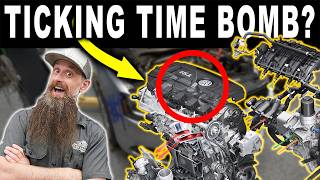
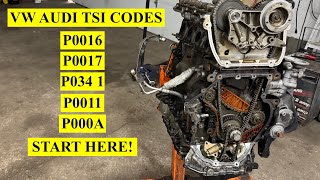
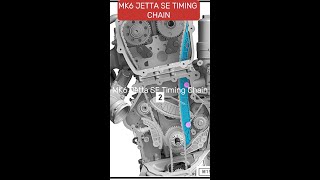
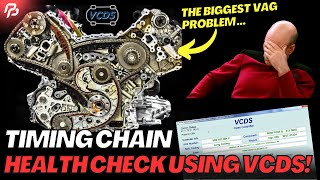
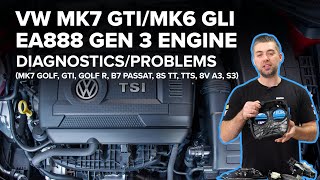
We Have This Part in Stock

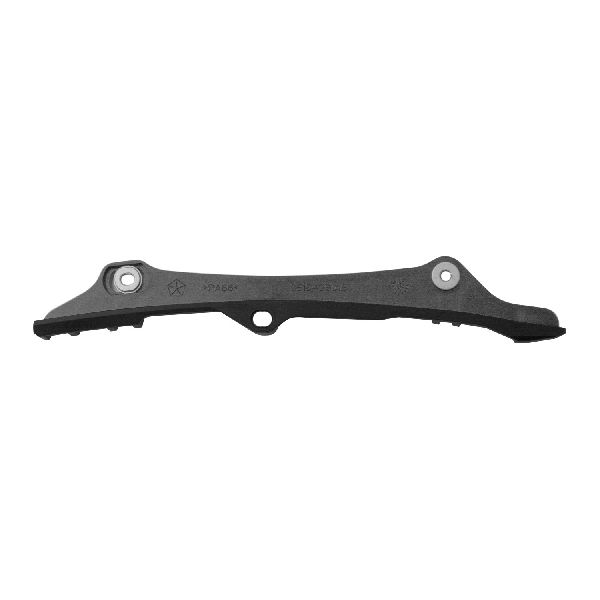
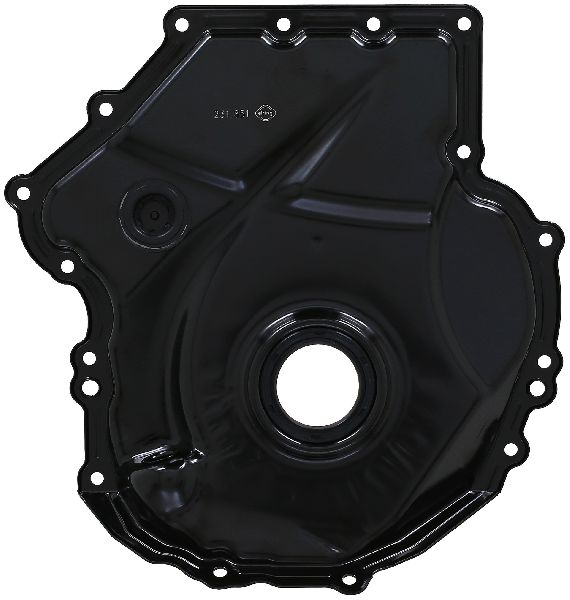
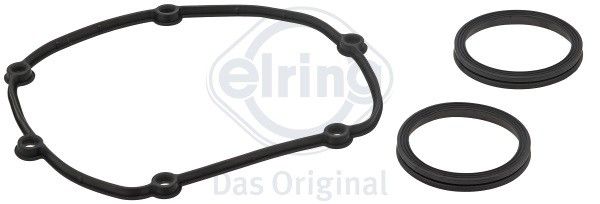

The information in this article is provided for general reference and educational purposes only. Vehicle specifications, procedures, and part compatibility can vary by production date, trim level, and region. Always consult your vehicle's factory service manual and verify part numbers before purchasing or performing repairs. Safety-critical components such as airbags, seat belts, and braking systems should be installed by a qualified professional.
- Volkswagen BEETLE:
- 🧭 Diagnostic Flowchart
- 🎬 Helpful Videos
- 🛍️ Shop This Part
- What's Unique About the 2015-2016 Volkswagen BEETLE
- Symptoms You May Notice
- Most Likely Causes
- Rare But Worth Checking
- Diagnosis Steps
- Parts You'll Likely Need
- Related Codes That Often Appear With This One
- Technical Service Bulletins (TSBs) & Recalls
- Platform-Specific Known Issues
- Mechanic-Grade Diagnostic Values
- Scan Tool Commands That Help
- Real Owner Repair Stories
- OEM Part Supersession History
- Model Year Variations Within This Range
- 🎟️ Get 5% Off