

P0016 on 2013-2015 Volkswagen Eos: Timing Chain & Sensor Guide
On a 2013-2015 VW Eos with the 2.0T engine, P0016 almost always points to a stretched timing chain and/or a failed timing chain tensioner. This is a serious, well-documented issue for the EA888 engine family that requires immediate attention to prevent catastrophic engine damage. Diagnosis often involves checking the tensioner's physical extension and using a scan tool to read camshaft adaptation values. Expect a repair cost of $1,300 - $1,800+ for a full timing kit replacement.
- P0016 on a 2013-2015 VW Eos is a serious code that should be addressed immediately.
- The most probable cause is a stretched timing chain due to a failing tensioner, a known issue with the 2.0T TSI engine.
- Do not continue to drive the vehicle, as a complete timing chain failure will lead to catastrophic and expensive engine damage.
- Diagnosis should begin with an oil check, but focus on inspecting the timing chain tensioner's extension.
- The correct fix is almost always a complete timing chain kit replacement, which is a job for a professional mechanic and costs upwards of $1,300.
What's Unique About the 2013-2015 Volkswagen EOS
The 2013-2015 Eos uses the 2.0L TSI (EA888 Gen 2) engine, which has a well-documented history of issues with its timing chain tensioner. While VW introduced an updated tensioner design (part number 06K109467K) to fix a prevalent issue in earlier models, failures can still occur. The 2013-2015 model years should have the updated tensioner from the factory, but it's not a guarantee, and even the new design can fail if the chain is sufficiently stretched or if oil pressure is compromised. This code is the classic warning sign that the timing system has developed slack, often due to a failing tensioner allowing the chain to stretch or jump a tooth. It's a platform-specific weakness that owners must be aware of across many VW and Audi models with this engine.
Diagnostic Flowchart
Tap your situation to follow the diagnostic path that matches what you're seeing on this vehicle.
Symptoms You May Notice
- Check Engine Light is on
- Engine rattling noise, especially on cold startup, that may sound like a diesel for a few seconds
- Rough idle or stalling
- Reduced engine power and sluggish acceleration
- Difficulty starting the engine or extended cranking time
- Poor fuel economy
- EPC (Electronic Power Control) light may also be illuminated
- Replacing only the camshaft or crankshaft sensor without diagnosing the timing chain system. If the chain is stretched, a new sensor will not fix the problem.
- Replacing the VVT Solenoid (N205 valve) when the underlying issue is a stretched chain or failed tensioner.
Most Likely Causes
- Stretched Timing Chain / Failed Timing Chain Tensioner 🔴 High Probability → Shop Engine Timing Chain The EA888 2.0T engine is notorious for premature timing chain tensioner failure. The original design used a ratchet-and-pawl mechanism that could fail, allowing the tensioner to retract and create slack. While 2013+ models should have the improved tensioner, chain stretch from mileage and wear is still the primary cause for P0016.
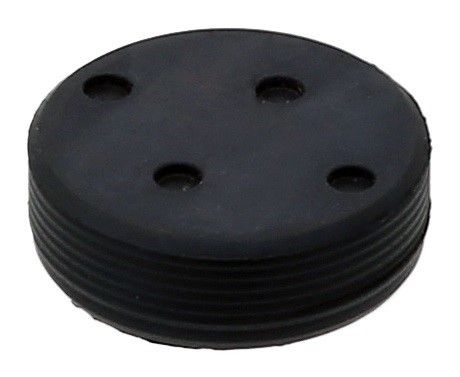
How to confirm: A technician can remove a small inspection plug on the lower timing cover 🎬 Watch: A mechanic shows you how to inspect the tensioner extension. to visually inspect the timing chain tensioner's extension with a mirror. If it is extended past 6-7 ridges, the chain is stretched. A more definitive method is using a diagnostic tool like VCDS or OBDeleven to check Measuring Block 093, 'Camshaft Adaptation Intake'. A value more negative than -5.0° is a strong indicator of a stretched chain.
Typical fix: Replacement of the timing chain, tensioner, all related guides, and seals. This is typically done as a complete kit. The updated tensioner part number is 06K109467K.
Est. part cost: $389-$443 - Low or Dirty Engine Oil 🟡 Medium Probability The variable valve timing (VVT) system and the hydraulic timing chain tensioner rely on clean oil at the correct pressure to function. Low oil level or using oil that does not meet the VW 502 00 specification can lead to accelerated wear and operational faults. A low oil condition can cause a P0016 code even with an updated tensioner.
How to confirm: Check the engine oil level on the dipstick and inspect its condition. If the oil is very dark, gritty, or below the minimum mark, this could be a contributing factor. Ensure the correct oil viscosity (e.g., 5W-40 synthetic meeting VW 502 00 spec) is being used.
Typical fix: Perform an oil and filter change using the correct OEM-specified oil. Clear codes and see if the fault returns. This should be the first step in any diagnosis.
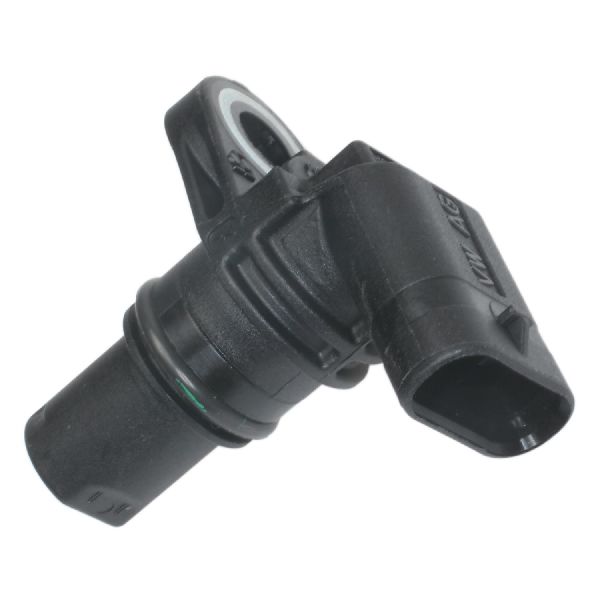
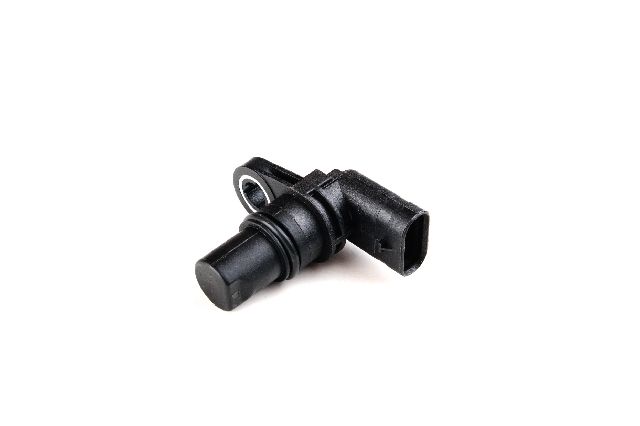
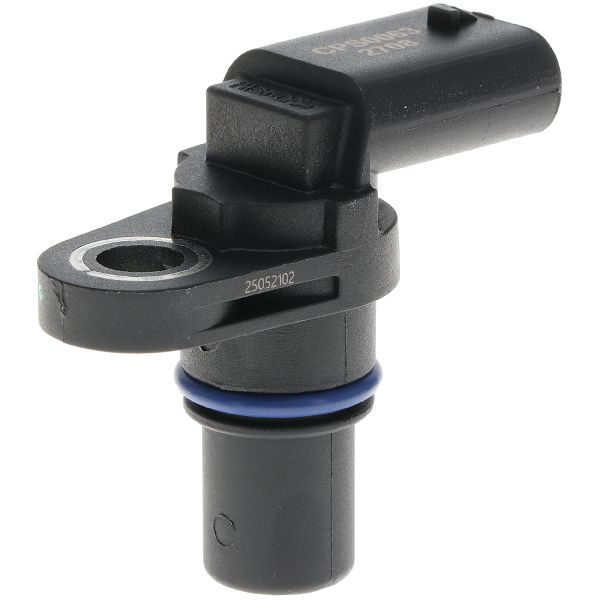
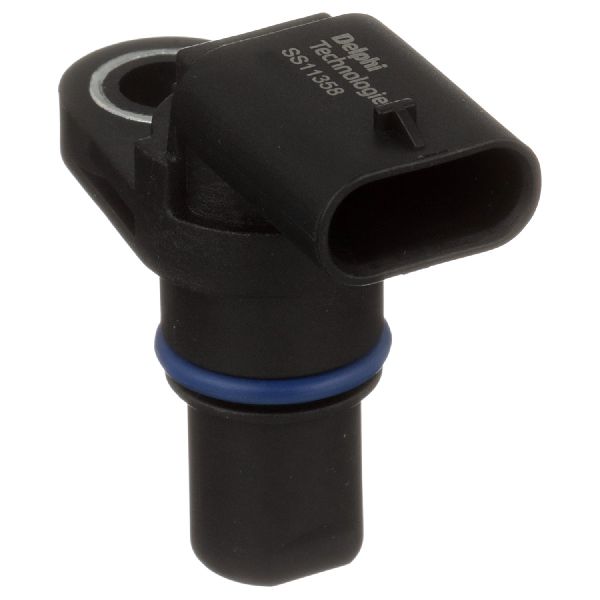
Est. part cost: $50-$100 - Faulty Camshaft Position Sensor (G40) ⚪ Low Probability → Shop Engine Camshaft Position Sensor While less common than timing chain issues, the sensor that reads the camshaft's position can fail, sending incorrect data to the ECM. However, this is often replaced unnecessarily when the root cause is mechanical timing. 🎬 See this guide on diagnosing P0016 and changing the sensors.
How to confirm: A technician can use a scan tool to monitor the sensor's output. The sensor and its wiring can also be tested with a multimeter for proper voltage and resistance. Swapping the sensor is a relatively cheap diagnostic step if the timing chain has been verified as okay.
Typical fix: Replace the camshaft position sensor.
Est. part cost: $30-$80 - Faulty Crankshaft Position Sensor (G28) ⚪ Low Probability → Shop Engine Crankshaft Position Sensor Similar to the camshaft sensor, the crankshaft position sensor can fail and cause a correlation code, though it's a less frequent point of failure for this specific code.
How to confirm: Test the sensor's output and wiring with a multimeter and scan tool.
Typical fix: Replace the crankshaft position sensor.
Est. part cost: $40-$90
Rare But Worth Checking
- Faulty VVT Solenoid (Camshaft Adjuster Magnet / N205 Valve): A sticking or failed VVT solenoid (also called the Camshaft Adjuster Magnet or N205 valve) can prevent the camshaft from adjusting its timing correctly, leading to a correlation fault. It can sometimes be cleaned, but replacement is often necessary. The OEM part number is typically 06H109257A or its successor, 06L109259D.
- Slipped Timing Reluctor Ring: The reluctor ring (or tone ring) on the crankshaft or camshaft, which the sensors read, can slip or become damaged, causing incorrect readings. This is a rare mechanical failure but can happen.
- Broken Camshaft Bridge Screen: → Shop Engine Camshaft A small oil screen on the camshaft bridge can break apart, sending debris into oil passages. This can clog the VVT solenoid or other components, leading to oil starvation and timing faults. A TSB was issued regarding this strainer screen tearing. Many mechanics recommend removing this screen preventatively during a timing job.
Diagnosis Steps
- Check engine oil level and condition. If low or dirty, perform an oil and filter change with VW 502 00 spec oil, clear codes, and re-test.
- Use a professional scan tool (like VCDS or OBDeleven) to check for other fault codes and to view live data. Specifically, check Measuring Block 093 for 'Camshaft Adaptation Intake'. A value greater than -5.0 degrees indicates significant chain stretch.
- Listen for a rattling noise from the engine's passenger side during a cold start. A distinct rattle lasting a few seconds strongly suggests a timing chain tensioner/slack issue.
- Have a qualified technician visually inspect the timing chain tensioner's extension. This involves removing a small green or black inspection plug on the lower timing cover and using a mirror to count the exposed ridges on the tensioner piston. More than 6-7 ridges visible means the chain is stretched.
- If the tensioner and chain are confirmed to be okay (adaptation value is near 0 and tensioner is not over-extended), test the camshaft (G40) and crankshaft (G28) position sensors and their wiring.
- Inspect the VVT solenoid (N205 valve) for proper function. It can be removed and tested.
- During a timing job, inspect the camshaft bridge for a broken or missing oil screen.
Parts You'll Likely Need
- Timing Chain Kit
(OEM #06K109158AD (Chain), 06K109467K (Tensioner))— This is the most common cause of P0016 on the 2.0T TSI engine. A complete kit ensures all wear-and-tear components (chain, tensioner, guides) are replaced at once.
Trusted brands: INA, Iwis, FCP Euro (Kit), ECS Tuning (Kit)
OEM price range: $350-$450
Aftermarket price range: $200-$300 - Camshaft Position Sensor
(OEM #06H905163B)— If the timing chain system is confirmed to be in good condition, the sensor itself could be faulty. It's a common part to replace during diagnosis, though often not the root cause.
Related Codes That Often Appear With This One
- P0011 — Camshaft Position 'A' - Timing Over-Advanced or System Performance (Bank 1). This code is often seen with P0016 as they both relate to incorrect intake camshaft timing. The provided TSB VIN-4-A-PIN APRI explicitly groups them.
- P0341 — Camshaft Position Sensor 'A' Circuit Range/Performance (Bank 1). This code points more directly to a problem with the sensor or its circuit, but can appear alongside P0016 if the timing is erratic or has jumped.
- P0328 — Knock Sensor 1 Circuit High Input. A stretched timing chain can create engine rattle that the knock sensor picks up, sometimes triggering this code.
- P0300, P0301, etc. — Random or specific cylinder misfire codes. If the cam/crank timing is off, it will directly impact combustion and can cause misfires.
Technical Service Bulletins (TSBs) & Recalls
- VIN-4-A-PIN APRI: Mentions MIL-ON with fault P0011 and/or P0016 in the ECM for 2015 models.
- TSB 2024454 / 15-12-01 / TPI 2028302: Addresses no-start conditions and timing chain problems.
- Technical Tip 01-15-08: Discusses intake camshaft, adjuster bridge, and spool valve issues.
- Technical Bulletin 2045454: Mentions MIL ON with P0016 due to a torn strainer screen in the camshaft bearing bracket.
Platform-Specific Known Issues
- A Technical Service Bulletin (TSB), #VIN-4-A-PIN APRI, was issued for 2015 models, noting that fault code P0016 can appear alongside P0011, potentially related to engine noise.
- VW TSB 2024454 (also listed as 15-12-01 or TPI 2028302) addresses no-start or rattle noises related to timing chain issues on these engines.
- A VW Technical Tip (TT 01-15-08) discusses issues with the intake camshaft, adjuster bridge, and spool valve (N205) that can cause timing faults.
- A known failure point is the oil screen in the camshaft bearing bracket, which can tear and cause issues with the camshaft adjuster, leading to P0016.
Mechanic-Grade Diagnostic Values
- N205 (Camshaft Adjustment Valve) Solenoid Resistance — expected: Normal Position: -3.0 to 6.0 KW. Shifted position: 16.0 KW to 25.0 KW.. Failure: Readings outside of these ranges indicate a faulty solenoid.
- Distance between Intake Cam mark and Top Timing Chain Guide mount — expected: 61 to 64mm. Failure: Readings outside this range with the engine at TDC indicate incorrect timing.
- Camshaft RPM vs Crankshaft RPM — expected: Camshaft RPM should be exactly half of the Crankshaft RPM.. Failure: Any deviation from the 2:1 ratio points to a sensor or signal issue.
Scan Tool Commands That Help
- VCDS (VAG-COM): Advanced Measuring Blocks > Search for 'phaser' > Select 'Camshaft adaptation intake bank one phaser angle' — This is the primary method to digitally measure timing chain stretch. A value more negative than -5.0° is a strong indicator of a stretched chain. The reading should be taken when the engine is fully warmed up, as it will show 0° on a cold start.
Wiring & Ground Locations
- Main Engine Bay Ground Point — On the bulkhead behind the battery, typically with several brown wires attached.. A poor main ground can cause a variety of erratic electrical issues, including incorrect readings from the camshaft and crankshaft sensors, which rely on a stable ground reference.
- Ignition Coil Ground — The ignition coils ground through their mounting studs on the aluminum camshaft cover.. While not a direct cause of P0016, a poor ignition coil ground can cause misfires (P0300-P0304) which can occur alongside timing codes. The soft aluminum threads can be damaged, leading to a weak ground. Aftermarket kits are available to create a separate, more reliable ground path to the chassis.
- G28 Crankshaft Position Sensor Connector — The G28 sensor is located on the engine block, and its wiring runs up to a connector on the main engine harness.. Damage or corrosion to the sensor's wiring or connector can interrupt the signal to the ECM, causing a correlation fault. A wiring diagram is needed to test for 5V reference, signal, and ground at the connector.
- G40 Camshaft Position Sensor Connector — The G40 sensor is located on the front of the upper timing cover, and its connector is easily accessible.. Like the crank sensor, any issue with the G40's wiring or connector can cause the P0016 code. It's crucial to inspect the harness for chafing or damage.
Real Owner Repair Stories
- Ross-Tech Forums user (2010 VW Passat 2.0T CCTA) — P0016, abnormal chain noise, misfires on all cylinders.
❌ Tried (didn't work) Full timing chain service was performed., Timing was re-checked and verified to be correct., The original cam bridge screen was checked and found to be clean.
✅ What actually fixed it The problem was a faulty aftermarket (Chinese-made) camshaft bridge. It had a loose ball bearing in the oil tract that would restrict oil flow to the intake cam phaser above idle. Reinstalling the original OEM cam bridge (with the screen removed as a precaution) solved the P0016 code and running issues. - Ross-Tech Forums user (2011 VW GTI (2.0T TSI)) — P0016 code appeared after a cylinder head rebuild due to a previous timing tensioner failure.
❌ Tried (didn't work) Disassembled to double-check timing marks, which were correct., Replaced the cam bridge due to heat damage from oil starvation on the exhaust cam., A professional shop also attempted rebuilds which did not clear the code.
✅ What actually fixed it The P0016 code eventually cleared itself and stopped returning after several months of driving. The owner conjectured that the aftermarket timing chain may have needed a 'break-in' period to settle. This highlights that sometimes, if all mechanicals are verified correct, the code may resolve over time, though this is not a guaranteed fix.
OEM Part Supersession History
06H109259A, 06H109259C, 06L109259A→06L109259D— Updated design for the N205 Camshaft Adjuster Magnet (VVT Solenoid).
Heads up: 06L109259D is the latest revision and is backward compatible with Gen 1, 2, and 3 EA888 engines. When replacing, it is recommended to use this latest part number.
Helpful Videos

We Have This Part in Stock


The information in this article is provided for general reference and educational purposes only. Vehicle specifications, procedures, and part compatibility can vary by production date, trim level, and region. Always consult your vehicle's factory service manual and verify part numbers before purchasing or performing repairs. Safety-critical components such as airbags, seat belts, and braking systems should be installed by a qualified professional.
- Volkswagen EOS:
- 🧭 Diagnostic Flowchart
- 🎬 Helpful Videos
- 🛍️ Shop This Part
- What's Unique About the 2013-2015 Volkswagen EOS
- Symptoms You May Notice
- Most Likely Causes
- Rare But Worth Checking
- Diagnosis Steps
- Parts You'll Likely Need
- Related Codes That Often Appear With This One
- Technical Service Bulletins (TSBs) & Recalls
- Platform-Specific Known Issues
- Mechanic-Grade Diagnostic Values
- Scan Tool Commands That Help
- Wiring & Ground Locations
- Real Owner Repair Stories
- OEM Part Supersession History
- 🎟️ Get 5% Off