

P0017 on 2009-2017 Audi Q5 2.0T: Exhaust Cam/Crank Correlation Causes and Fixes
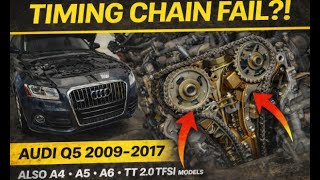
On the Audi Q5 2.0T, P0017 almost always means the timing chain has stretched due to a failed tensioner, a known factory defect. This is a critical issue requiring immediate attention. Do not drive the vehicle. The fix involves replacing the timing chain, tensioner, and guides with updated parts, costing $1,500-$3,000+.
- P0017 on a 2009-2017 Audi Q5 2.0T is a critical code that almost always indicates a stretched timing chain due to a failed tensioner.
- The most telling symptom is a metallic rattle from the engine for a few seconds right after a cold start.
- Do not drive the vehicle. A timing chain failure can destroy the engine, turning a costly repair into a complete engine replacement.
- The correct fix is to replace the entire timing chain system (chain, tensioner, guides) with updated parts. Simply replacing sensors will not solve the problem.
What's Unique About the 2009-2017 Audi Q5
The EA888 Gen2 2.0T engine used in this generation of the Q5 is notorious for a specific design flaw in its timing chain tensioner. Early versions of the tensioner were prone to failing without warning, losing hydraulic pressure and allowing the timing chain to become slack. This slack causes the chain to stretch prematurely. Because this is such a common and well-documented failure, confirmed by multiple class-action lawsuits, a P0017 code on this specific vehicle is rarely a simple sensor issue and almost always points directly to a stretched timing chain that requires a major service.
Symptoms You May Notice
- A metallic rattling or scraping noise from the front of the engine for 1-3 seconds on a cold start. This is the classic sign of a failing tensioner.
- Check Engine Light and/or EPC (Electronic Power Control) light illuminated.
- Rough, unstable idle.
- Engine misfires, which may trigger other codes like P0300, P0301, etc.
- Noticeable loss of power or hesitation during acceleration.
- Engine stalls unexpectedly or is hard to start.
- Replacing the camshaft position sensor
- Replacing the crankshaft position sensor
- Changing the engine oil without investigating the mechanical timing system
- Replacing only the VVT solenoid (N205 valve) without checking chain stretch
Most Likely Causes
- Failed Timing Chain Tensioner & Stretched Timing Chain 🔴 High Probability → Shop Engine Timing Chain The original tensioner design in many EA888 Gen2 engines was faulty and prone to premature failure, losing hydraulic pressure. This allows the chain to become slack, wear out quickly ('stretch'), and throw off the engine's mechanical timing. This issue was the subject of multiple class-action lawsuits.
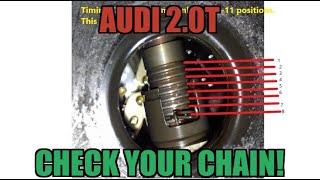
How to confirm: A mechanic can remove an inspection plug on the lower timing cover to visually check the extension of the tensioner's piston. If it is extended past 6-7 'ribs' or 'clicks', it confirms the chain is stretched. The most accurate method is using a VAG-specific scan tool (like VCDS or OBDeleven) to check 'Camshaft Adjustment Adaptation' in Measuring Value Block 93. 🎬 Watch: How to check timing chain stretch using VCDS. A value more negative than -5 degrees at warm idle confirms a stretched chain.
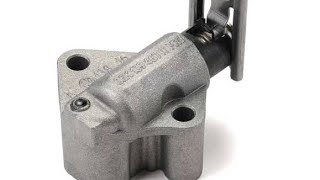
Typical fix: Replace the timing chain, timing chain tensioner, all timing chain guides, and often the crankshaft sprocket. It is critical to use the latest revised part number for the tensioner (06K109467K).
Est. part cost: $300-$600 for a complete timing kit from a quality OEM supplier like IWIS or a comprehensive kit from FCP Euro. - Clogged Camshaft Bridge Screen ⚪ Low Probability → Shop Engine Camshaft The camshaft bridge, which controls oil flow to the VVT system, has a small integrated screen. This screen can become clogged with debris, especially if oil changes are neglected or if other parts (like chain guides) are deteriorating. This starves the VVT system of oil, affecting timing adjustment and potentially triggering a correlation code.
How to confirm: Remove the upper timing cover and the camshaft bridge to visually inspect the screen for blockage or damage. Some owners proactively remove the screen during a timing service to prevent future issues, though this is debated. Audi issued TSB 2045732 advising technicians to remove the screen if the bridge is accessed for any repair.
Typical fix: Replace the camshaft bridge with the updated part (06H103144K). Do not just clean the old one, as the bridge itself can wear. TSB 2046377/1 addresses a related issue of a worn bridge thrust surface.
Est. part cost: $150-$250 for an OEM camshaft bridge. - Faulty VVT Solenoid (N205 Valve) ⚪ Low Probability The solenoid that controls oil flow to the camshaft phaser can get stuck or fail electronically. While less common than mechanical failure, it can happen, especially on higher mileage vehicles or those with poor oil quality.
How to confirm: A mechanic can command the solenoid with a diagnostic tool to see if it responds with an audible click. It can also be removed and tested for resistance (typically 6.9-7.9 ohms) and function.
Typical fix: Replace the VVT control solenoid.
Est. part cost: $50-$100
Rare But Worth Checking
- Faulty Camshaft or Crankshaft Position Sensor: → Shop Engine Crankshaft Position Sensor While a sensor can fail, it is very rarely the cause of P0017 on this engine. Do not replace sensors without first ruling out the highly common mechanical timing issues, as it will likely be a waste of money. Many forum posts show owners replacing sensors with no effect before discovering the true timing chain issue.
- Low Engine Oil Level/Pressure: The entire timing system, including the tensioner and VVT phasers, is dependent on oil pressure. Severely low oil levels due to the engine's known oil consumption issues can accelerate wear on all timing components and contribute to setting this code.
Diagnosis Steps
- Confirm the code with an OBD-II scanner. Note any other codes present, especially P0016.
- Listen for a distinct metallic rattle from the front of the engine during a cold start. If present, this strongly suggests a tensioner/chain issue.
- Check the engine oil level and condition. Low or dirty oil can contribute to timing system problems.
- Using a VAG-specific scan tool (like VCDS or OBDeleven), check the measuring block for 'Camshaft Adjustment Adaptation' (MVB 93 on older tools, or search for 'phase' in newer ones). A value more negative than -5 degrees at warm idle typically confirms a stretched chain.
- Have a professional visually inspect the timing chain tensioner's extension through the inspection port in the lower timing cover. 🎬 Watch: How to perform a visual inspection for chain stretch. This is a definitive check. If more than 6-7 ribs are showing, the chain and tensioner must be replaced.
- Only after confirming the mechanical timing is correct should you investigate the VVT solenoid, camshaft bridge, or sensors.
Parts You'll Likely Need
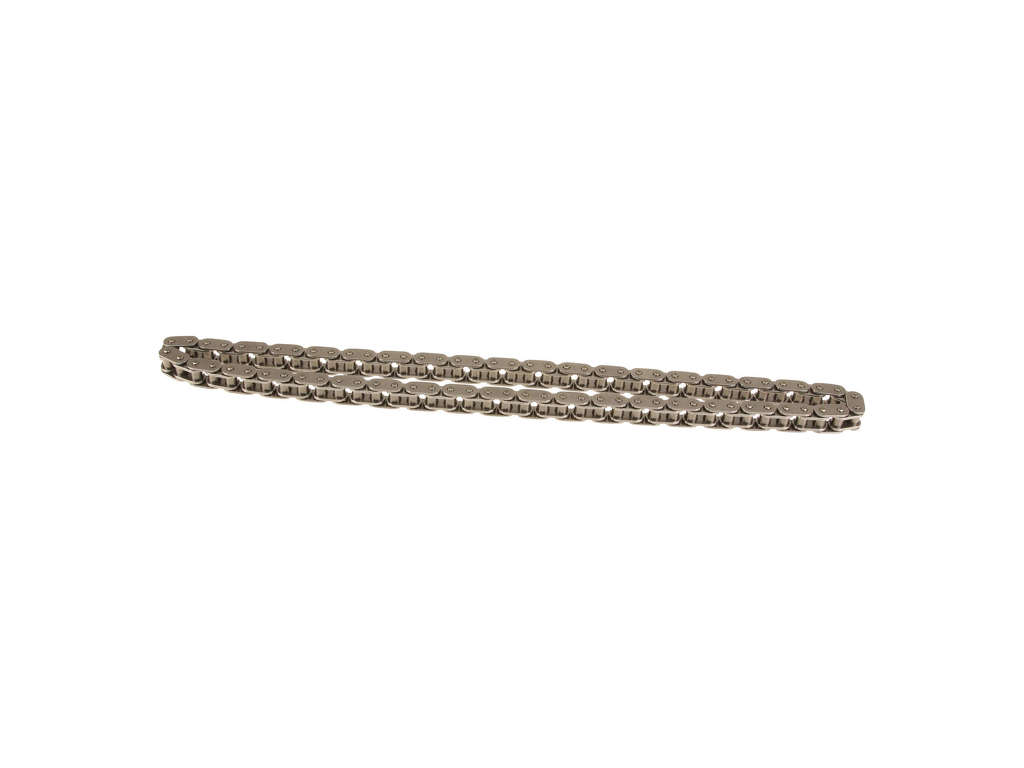
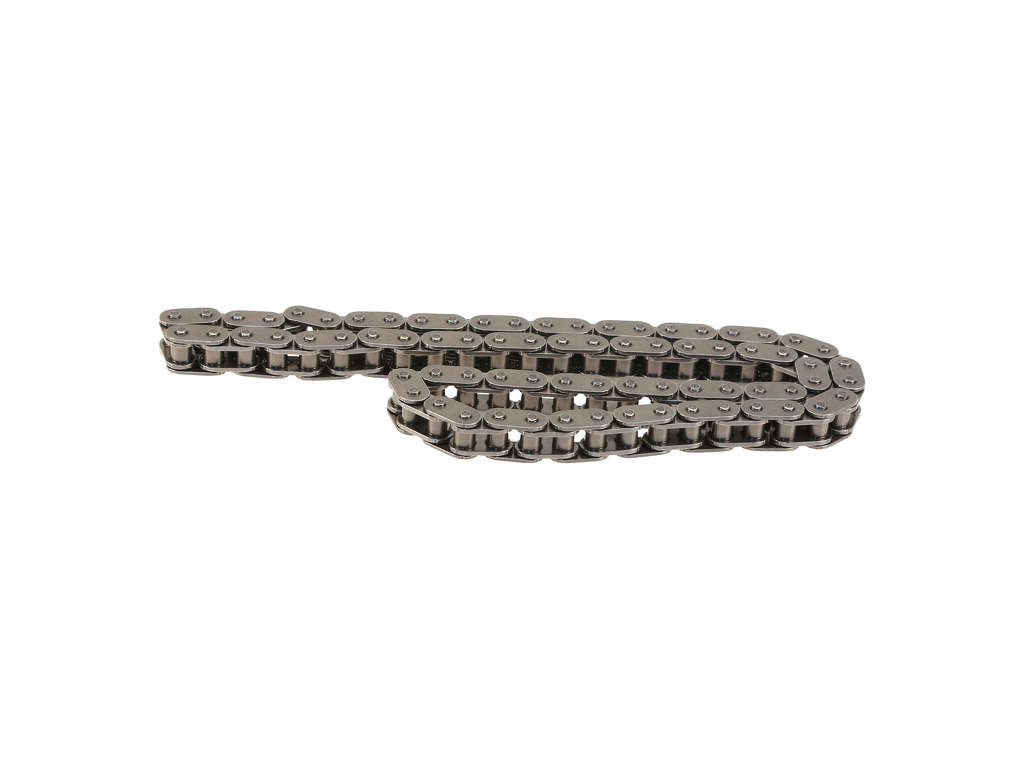
- Timing Chain Kit — This is the primary failure point. A complete kit ensures all worn components (chain, guides, tensioner) are replaced at once with updated designs.
Trusted brands: IWIS (often the OEM supplier), FCP Euro (comprehensive kits), INA
OEM price range: $500-$700
Aftermarket price range: $300-$500 - Timing Chain Tensioner (Updated Version)
(OEM #06K109467K)— This is the root cause of the failure. It is critical to replace the old, faulty tensioner with the latest revised part to prevent a repeat failure. The 'K' revision is the most current and widely used update.
Trusted brands: Volkswagen/Audi Genuine
OEM price range: $80-$120
Aftermarket price range: $50-$80 - Lower Timing Cover
(OEM #06H109210QG)— The lower timing cover is often a one-time-use part with a sealant that must be replaced when doing a timing chain job. It also contains the inspection port for the tensioner.
Trusted brands: Volkswagen/Audi Genuine
OEM price range: $100-$150
Aftermarket price range: $70-$120 - Crankshaft Pulley Bolt
(OEM #WHT001760)— This is a one-time-use, torque-to-yield bolt and MUST be replaced anytime it is removed.
Trusted brands: Volkswagen/Audi Genuine
OEM price range: $10-$20
Aftermarket price range: $5-$10
Related Codes That Often Appear With This One
- P0016 — This is the same correlation error but for the intake camshaft ('Sensor A'). When both P0016 and P0017 are present, it's an extremely strong indicator of a base timing problem (stretched chain) affecting both cams.
- P0341 — This code for 'Camshaft Position Sensor 'A' Circuit Range/Performance' can be triggered when the timing deviation is so severe that the sensor's signal becomes erratic or implausible to the ECM.
- P0300, P0301, P0302, P0303, P0304 — These are misfire codes. Incorrect valve timing from a stretched chain leads to poor combustion, causing the engine to misfire.
- P000A — This code indicates a slow response from the intake camshaft position adjuster and often points to the same underlying oil pressure or VVT system issues that can cause P0017.
Technical Service Bulletins (TSBs) & Recalls
- Audi TSB 2046377 / 01 17 00: Addresses DTC P001600 on some 2016-2017 2.0T engines caused by a worn intake-side camshaft bearing bridge thrust surface, leading to excessive camshaft end play. The fix is to replace the bridge with an improved part (06H 103 144 K). While for a later model, it highlights known issues with the camshaft bridge.
- Audi TSB 2025424: While the full text is not publicly available, this TSB is frequently referenced in forums in relation to timing chain stretch and tensioner failure on EA888 engines, outlining diagnostic procedures.
Platform-Specific Known Issues
- A class-action lawsuit was filed regarding the timing chain tensioner failure in these EA888 engines, highlighting how widespread the issue is. The settlement provided an extended warranty for some owners, but most vehicles now exceed the age and mileage limits of the program.
Mechanic-Grade Diagnostic Values
- Camshaft Adjustment Adaptation (Phase Position) — expected: Between 0 and -5.0 degrees at warm idle.. Failure: A value more negative than -5.0 degrees (e.g., -6.0, -8.0) strongly indicates a stretched timing chain.
- VVT Solenoid (N205 Valve) Resistance — expected: 5.0 to 15.0 Ohms. Some sources specify a tighter range of 6.9 to 7.9 Ohms.. Failure: A reading outside the specified range (open circuit or short) indicates a faulty solenoid.
- Engine Oil Pressure at Hot Idle (~80°C) — expected: 1.2 to 2.1 bar (17.4 - 30.5 psi).. Failure: Pressure below 1.2 bar (17.4 psi) can starve the VVT system and tensioner, causing timing codes.
- Engine Oil Pressure at 2000 RPM (Hot) — expected: 1.6 to 2.2 bar (23.2 - 31.9 psi) or higher.. Failure: Pressure not rising significantly with RPM suggests an oil pump or pickup tube issue.
- Camshaft Position Sensor (G40/G163) Voltage Supply — expected: At least 4.5V with ignition on.. Failure: Voltage below 4.5V at the sensor connector points to a wiring or ECU power supply issue.
Scan Tool Commands That Help
- VCDS (VAG-COM) or ODIS: Read Measuring Value Block 93 (Camshaft Adaptation Phase Position) — This is the primary diagnostic step to quantify timing chain stretch. It shows the live deviation in degrees between the crankshaft and the exhaust camshaft.
- VCDS (VAG-COM) or other advanced scan tool: VVT Solenoid (N205) Output Test — After confirming base timing is good (Block 93 is within spec), this test commands the solenoid to activate. A technician can listen for an audible click to confirm the solenoid is not mechanically seized.
Wiring & Ground Locations
- Main Engine Ground — A primary ground strap connects the engine block/cylinder head to the chassis, often on the left side of the engine compartment near the suspension strut tower or frame rail.. A poor engine ground can cause erratic behavior from all engine sensors, including the camshaft and crankshaft position sensors, leading to false correlation codes.
- G40 Camshaft Position Sensor Connector — On the upper timing cover, providing the connection to the exhaust camshaft position sensor. It is a 3-pin connector.. This is the direct connection for the sensor in question. Technicians test for power (Pin 1), ground (Pin 3), and signal (Pin 2) at this connector to diagnose sensor or wiring faults.
- Battery Ground Point — Under the boot floor covering, next to the starter battery on the right side.. While not in the engine bay, the main battery ground is the foundation of the vehicle's entire electrical system. Corrosion here can cause widespread, difficult-to-diagnose electrical issues.
- Jump Start Terminals — Under the hood, there is a positive (+) terminal under a red cover near the center of the cowl and a negative (-) grounding post on the driver's side strut tower.. These points are often used for diagnostic voltage checks. The negative post is a known-good grounding point for testing sensor circuits in the engine bay.
Real Owner Repair Stories
- Ross-Tech Forums user (VW with EA888 engine (similar to Q5)) — P0017 code present.
❌ Tried (didn't work) Initial diagnosis based on the code alone.
✅ What actually fixed it The user reported a P0017 code but their camshaft phase position (Block 93) was only -1.8°, well within the acceptable -5.0° limit. This indicates that while Block 93 is a primary indicator, a value within spec does not completely rule out a VVT system problem. The issue in such cases could still be a clogged N205 solenoid, a failing cam phaser, or a broken camshaft bridge screen, requiring further diagnosis beyond just the chain stretch value. - YouTube video by 'Fix it Angel' (Audi Q7 3.6L (different engine, but demonstrates a relevant failure mode)) — P0017, rough running, timing chain noise at idle.
❌ Tried (didn't work) The presenter notes that many would jump to replacing the timing chain, tensioners, and guides.
✅ What actually fixed it The root cause was a stuck plastic/composite oil control valve in the cylinder head that directs oil to the phaser. The valve was sticking in its bore, causing oil to bleed off, which starved the tensioner of pressure (causing the rattle) and over-advanced the cam (causing the misfire and P0017). Replacing the valve fixed all symptoms without a full timing job.
OEM Part Supersession History
Various older timing chain tensioner part numbers→06K109467K— The original tensioner design was prone to hydraulic pressure loss and catastrophic failure. The 'K' revision is the latest, most robust design intended to solve this problem.06H103144J (and earlier versions)→06H103144K— The updated camshaft bearing bridge (06H103144K) features an improved design with a 50% larger thrust surface to combat premature wear that could cause timing correlation codes as described in TSB 2046377/1.
Model Year Variations Within This Range
- 2009-2012: These early models of the Q5 (Typ 8R) were most commonly fitted with the original, failure-prone timing chain tensioner from the factory. The probability of P0017 being caused by the tensioner is extremely high in this range.
- 2013-2017: Later models received an updated tensioner design and other minor revisions as part of the EA888 Gen 2 evolution. While more reliable, the tensioner and chain are still considered wear items and can fail, especially with high mileage or extended oil change intervals. Some very late models (2016-2017) may be susceptible to camshaft bridge wear.
Diagnostic Flowchart
Other Known Issues on This Vehicle
Issues unrelated to this code that are worth knowing about as an owner of this generation:
- Excessive Oil Consumption 🔴 High — Extremely common in 2009-2012 models. Can occur as early as 50,000 miles. Caused by defective piston ring design. (Ref: Subject of a class-action lawsuit. The only true fix is expensive engine work to replace pistons and rings.)
- Water Pump / Thermostat Housing Failure 🔴 High → Shop Engine Water Pump — Very common failure item, typically between 60,000-100,000 miles. The plastic housing becomes brittle and cracks, causing coolant leaks. (Ref: A class-action lawsuit led to an extended warranty for some vehicles. Failure can cause rapid overheating.)
- PCV Valve Failure 🟠 Medium — Common failure, often after 60,000 miles. The internal diaphragm tears, causing a loud squealing noise, rough idle, and increased oil consumption.
- Turbocharger Wastegate Failure 🟠 Medium — Occurs on higher mileage vehicles. The wastegate actuator arm can seize or the linkage can develop excessive play, causing boost problems and fault codes. (Ref: Subject of a class-action lawsuit (Kimball v. Volkswagen Group of America) for some model years.)
- Carbon Buildup on Intake Valves 🟠 Medium — An inherent issue with all direct-injection engines. Requires cleaning every 60,000-80,000 miles to prevent misfires and performance loss.
Used vs. New Parts: Buying Guide for This Vehicle
When a used part is the smart pick: For this specific P0017 repair, buying used parts is generally not recommended for the core components. However, a used VVT solenoid (N205 valve) or a complete, inspected camshaft bridge from a low-mileage, reputable salvage yard could be a cost-effective option if the new OEM part is prohibitively expensive. Avoid used parts from any engine known to have suffered a timing failure.
Donor-vehicle mileage cap: roughly under 60000 miles for the part to have meaningful remaining life.
What to inspect on the donor part:
- For a camshaft bridge, visually inspect the bearing surfaces for scoring or excessive wear.
- Check the camshaft bridge for the presence of the oil screen; if it's missing, the donor engine may have had a failure.
- Verify the VIN of the donor vehicle to ensure it wasn't part of a major accident or flood.
- Ask for maintenance records if possible, specifically looking for regular oil changes.
OEM-only on this vehicle (don't cheap out):
- Timing Chain
- Timing Chain Tensioner
- Timing Chain Guides
- Crankshaft Pulley Bolt (Torque-to-Yield)
Aftermarket brands forum-validated for this vehicle:
- IWIS (Timing Chains - often the original supplier)
- INA (Tensioners, Guides)
- FCP Euro (Comprehensive kits that bundle quality components)
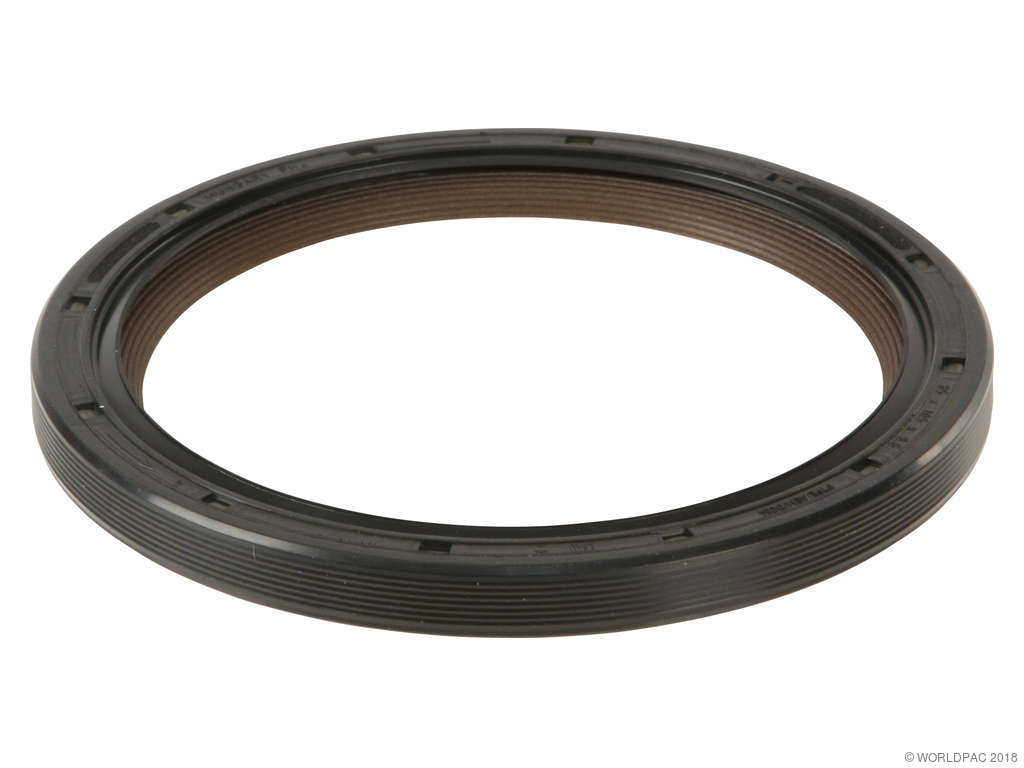
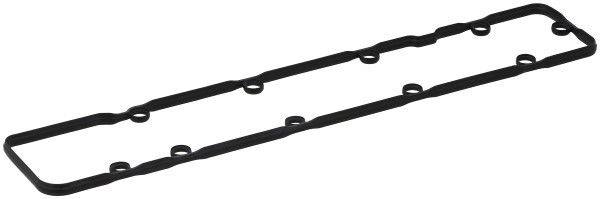
- Elring (Gaskets and Seals)
Brands owners have reported issues with on this vehicle:
- Unnamed, no-brand 'white box' timing kits from online marketplaces. The quality of the tensioner and chain metallurgy is critical, and failure of a cheap component can destroy the engine.
Real Owner Stories
Aggregated from forums and TSBs cited above. Mileages and costs reflect what owners reported in those sources.
2013 Audi Q5 2.0T
Symptoms: The owner was faced with a massive repair quote from a dealership for a timing chain replacement after the vehicle experienced timing-related issues.
What fixed it: Replacement of the timing chain at an independent shop for a more reasonable price ($2000-$3000) compared to the dealer quote.
Cost: $2000-$3000
Source hint: Reddit r/Audi: $8000 for a timing chain job on a 2013 Q5?
2013 Audi Q5 2.0T (Engine Swap)
Symptoms: Dealing with a P0016 correlation code, checking adaptation values, and investigating the role of the camshaft bridge screen.
What fixed it: Technical diagnosis involving checking the camshaft bridge screen and monitoring VAG-specific adaptation values to ensure proper timing correlation.
Source hint: AudiWorld Forums: Help 2011/2013 A4 Timing Problem!
Documented NHTSA Reports
Audi Q7 (Cross-Manufacturer Reference)
Symptoms: An owner reported a catastrophic engine failure while driving on the highway. The vehicle displayed error codes DTC P054A, DTC P0301, and DTC P0017 and became undrivable despite regular oil and filter changes at authorized service intervals.
Source hint: NHTSA ODI #11708802
Related OBD-II Codes
Frequently Asked Questions
I have a 2013 Audi Q5 and was quoted $8,000 for a timing chain job. Is this a normal price?
Is there a specific TSB for the camshaft bridge issue on my 2016-2017 2.0T engine?
How can I check if my timing chain is stretched without taking the whole engine apart?
Wasn't there a lawsuit regarding the timing chain tensioner on the EA888 Gen2 engine?
Should I replace or clean the camshaft bridge screen if it's clogged?
What is the specific part number for the revised timing chain tensioner I should use?
Diagnostic Flowchart
Helpful Videos

Used OEM Parts in Stock
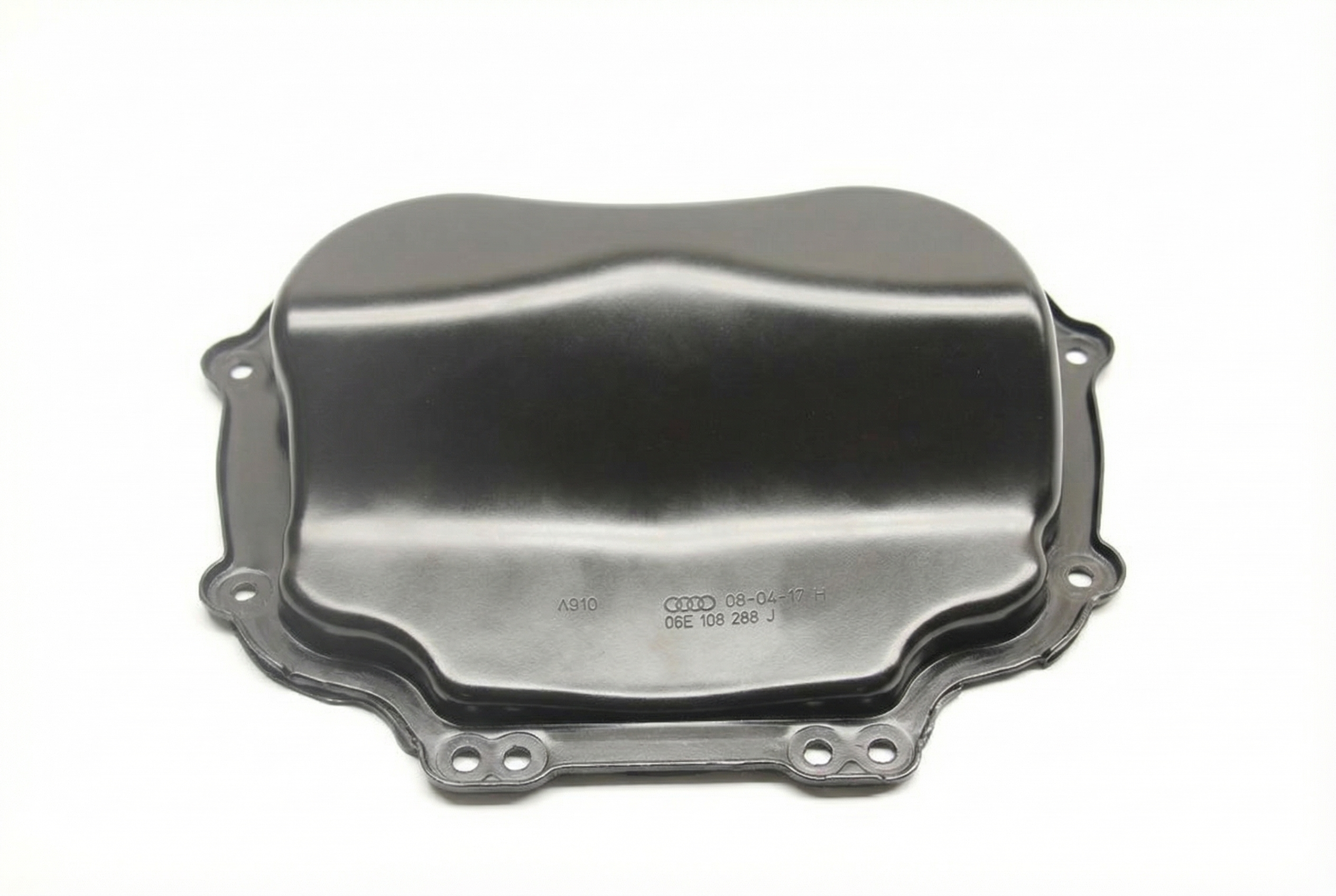
New Aftermarket Parts Available
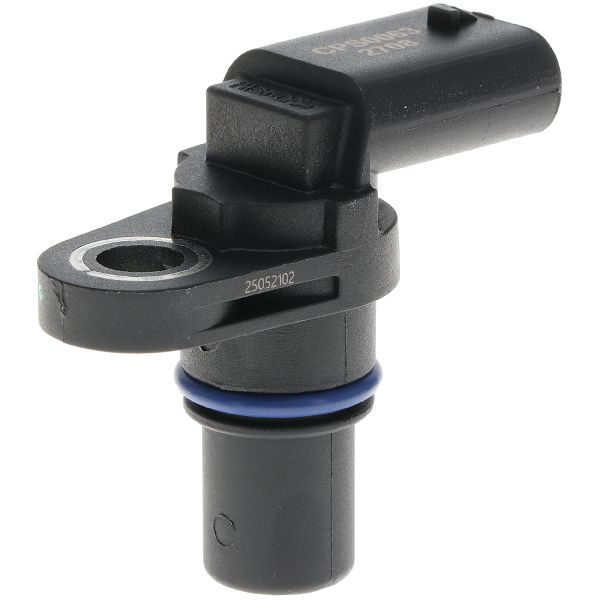

The information in this article is provided for general reference and educational purposes only. Vehicle specifications, procedures, and part compatibility can vary by production date, trim level, and region. Always consult your vehicle's factory service manual and verify part numbers before purchasing or performing repairs. Safety-critical components such as airbags, seat belts, and braking systems should be installed by a qualified professional.
- Audi Q5:
- 🧭 Diagnostic Flowchart
- 🎬 Helpful Videos
- 🛍️ Shop This Part
- What's Unique About the 2009-2017 Audi Q5
- Symptoms You May Notice
- Most Likely Causes
- Rare But Worth Checking
- Diagnosis Steps
- Parts You'll Likely Need
- Related Codes That Often Appear With This One
- Technical Service Bulletins (TSBs) & Recalls
- Platform-Specific Known Issues
- Mechanic-Grade Diagnostic Values
- Scan Tool Commands That Help
- Wiring & Ground Locations
- Real Owner Repair Stories
- OEM Part Supersession History
- Model Year Variations Within This Range
- Other Known Issues on This Vehicle
- Used vs. New Parts: Buying Guide for This Vehicle
- Real Owner Stories
- 2013 Audi Q5 2.0T
- 2013 Audi Q5 2.0T (Engine Swap)
- Documented NHTSA Reports
- Audi Q7 (Cross-Manufacturer Reference)
- Related OBD-II Codes
- Frequently Asked Questions
- 🎟️ Get 5% Off