

P0017 on 2011-2016 Buick Regal: Crank/Cam Correlation Causes and Fixes
On a 2011-2016 Buick Regal, P0017 usually means a stretched timing chain or a bad exhaust camshaft actuator solenoid. The 2.4L engine is known for high oil consumption which starves timing components, making chain failure common. A solenoid is a cheap, easy fix (~$150), while a timing chain is a major, expensive repair (~$1000-$1800). Always check your oil level first, as low oil is a primary trigger for this code.
- P0017 on your Regal indicates a serious timing issue between the crankshaft and exhaust camshaft. Do not ignore it.
- Always check your engine oil level and condition first; a simple oil change can sometimes resolve the issue if it's related to the VVT system.
- The two most likely causes are a cheap-to-fix faulty exhaust VVT solenoid or an expensive-to-fix stretched timing chain.
- If code P0016 is also present, a stretched timing chain is the almost certain culprit.
- Misdiagnosing this code by replacing sensors first is a common and costly mistake. Proper diagnosis is key.
What's Unique About the 2011-2016 Buick REGAL

The Ecotec engines (2.0L Turbo and 2.4L) in this generation of Buick Regal are known to be susceptible to timing chain issues. Stretched timing chains are a very common cause for P0017, often appearing alongside P0016. These issues are frequently accelerated by a known oil consumption problem in the 2.4L engine, which was subject to class-action lawsuits. Low oil levels or dirty oil starve the timing system's hydraulic tensioners and phasers of the pressure needed to operate correctly, leading to chain slack and correlation codes.
Diagnostic Flowchart

Tap your situation to follow the diagnostic path that matches what you're seeing on this vehicle.
Symptoms You May Notice
- Check Engine Light is on
- Rough or unstable idle
- Loss of engine power and poor acceleration
- Engine rattling noise, especially on cold starts, sounding like it's coming from the passenger side of the engine.
- Engine may crank but fail to start.
- Stalling at low speeds
- Noticeable issues with automatic transmission shifting [ODI #10937265]
- Reduced fuel economy.
- Replacing the camshaft or crankshaft position sensors when the actual problem is a stretched timing chain or a faulty VVT solenoid. This is a waste of money as the code will return because the sensors are accurately reporting a mechanical issue.
- Replacing the VVT solenoids when the timing chain has already stretched. If the solenoid screens are covered in plastic debris, the chain guides have failed, and the chain needs replacement.
Most Likely Causes

- Stretched Timing Chain 🔴 High Probability → Shop Engine Timing Chain The Ecotec engines in these Regals have a documented history of premature timing chain wear, often caused by oil starvation from excessive oil consumption on the 2.4L models. The plastic timing chain guides can also become brittle, break, and fall into the oil pan, which can clog the oil pickup tube and cause further oiling issues.
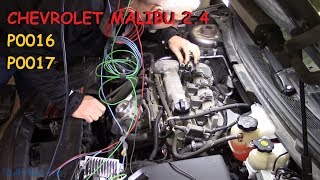
How to confirm: A definitive test requires removing the timing cover to physically inspect the chain for slack and verify timing marks. A rattling noise on startup is a strong audible clue. The presence of codes P0016 and P0017 together is a very strong indicator of a stretched chain. A professional can use an oscilloscope to compare cam and crank signals against a known-good waveform 🎬 Watch: A professional diagnosis of P0016 and P0017 codes to confirm without major disassembly.
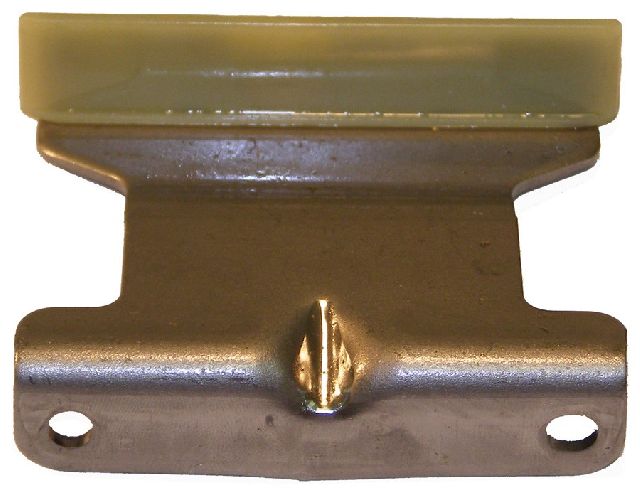
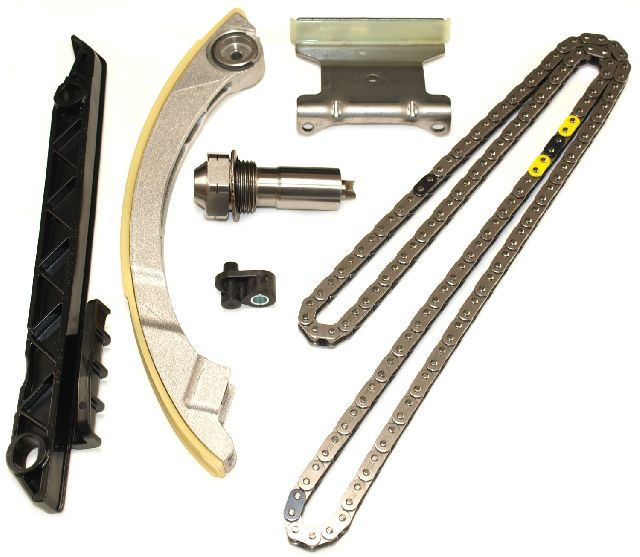
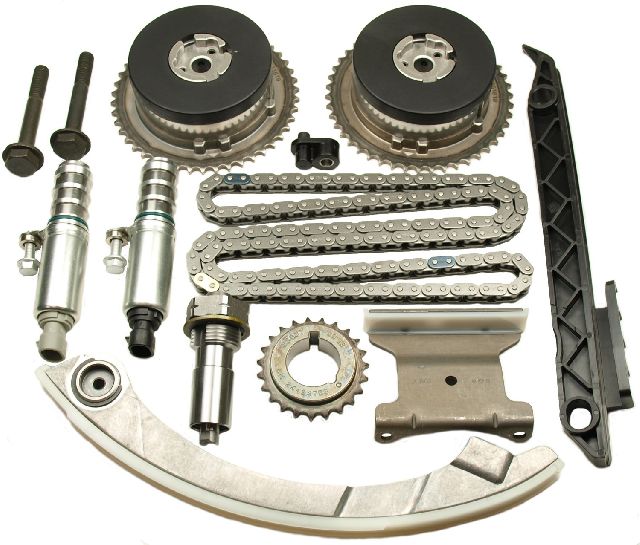
Typical fix: Replace the timing chain, tensioners, and guides as a complete kit. It is highly recommended to also replace the balance shaft chain and water pump at the same time, as they are driven by the timing system. Crucially, the oil pan must be removed and the oil pickup tube screen cleaned of any broken guide debris.
Est. part cost: $150-$450 - Faulty Exhaust Camshaft Position Actuator Solenoid 🟡 Medium Probability → Shop Engine Camshaft These solenoids (also called oil control valves) manage oil flow to the cam phasers. They can become clogged with sludge from dirty or low oil, or fail electrically. Debris from failing timing chain guides can also clog the solenoid's screens.
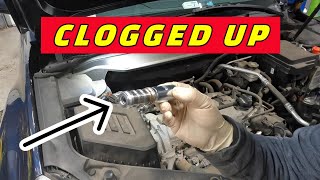
How to confirm: Remove the solenoid and inspect its screens for metal shavings or pieces of plastic, which indicate a larger timing chain problem. If clean, swap the exhaust solenoid (black connector) with the intake solenoid (gray connector). If the code changes to P0016 (Intake Cam Correlation), the solenoid is faulty. You can also test its resistance with a multimeter (should be between 8-12 ohms).
Typical fix: Replace the exhaust camshaft position actuator solenoid. It is best practice to replace both intake and exhaust solenoids 🎬 See this walkthrough on replacing your VVT solenoids at the same time.
Est. part cost: $30-$80 - Low or Dirty Engine Oil 🟡 Medium Probability The Variable Valve Timing (VVT) system is entirely dependent on oil pressure. The 2.4L Ecotec engine is known for consuming oil due to piston ring issues, making low oil levels a frequent problem. This starves the hydraulic tensioner and cam phasers, causing timing correlation faults.
How to confirm: Check the engine oil dipstick for level and inspect the oil's condition. If it is low, black, or sludgy, this is a likely contributor. An engine flush may be recommended before an oil change in cases of heavy sludge.
Typical fix: Perform an oil and filter change using the manufacturer-specified oil (ACDelco dexos1). This is a critical first step, but if the chain has already stretched due to oil starvation, this will not solve the problem.
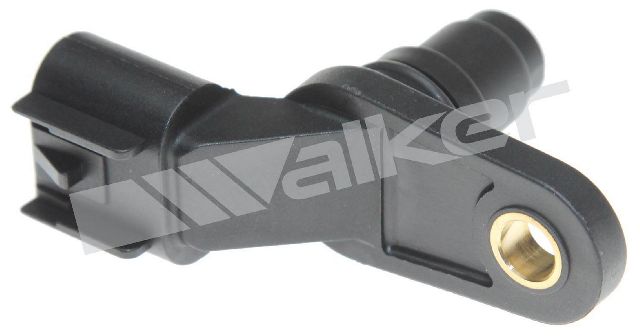
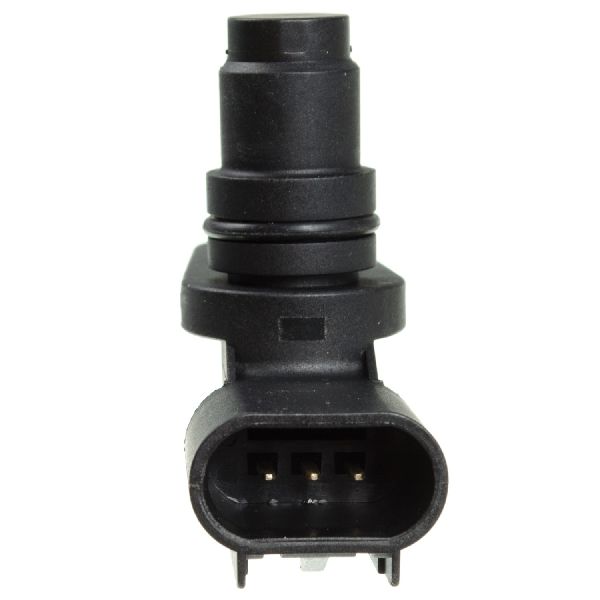
Est. part cost: $40-$90 - Faulty Camshaft or Crankshaft Position Sensor ⚪ Low Probability → Shop Engine Crankshaft Position Sensor
How to confirm: Test the sensor's signal with an oscilloscope. This is a common misdiagnosis; sensors rarely fail. The code indicates a correlation *problem*, not necessarily a bad sensor. The sensor is usually reporting the mechanical fault correctly.
Typical fix: Replace the failed sensor (either the exhaust camshaft position sensor or the crankshaft position sensor).
Est. part cost: $25-$70
Rare But Worth Checking
- Spun Camshaft Reluctor Ring: → Shop Engine Camshaft GM Technical Service Bulletin #PIP4548F describes how the reluctor ring (a toothed wheel the cam sensor reads) can spin on the camshaft. It is press-fit without a keyway and can move, especially after an engine overheat. This causes a persistent P0016/P0017 code even with perfect mechanical timing. The fix is to replace the entire camshaft, as the ring cannot be repositioned.
- Failed Camshaft Phaser (Actuator): → Shop Engine Camshaft The gear assembly at the end of the camshaft, which is controlled by the VVT solenoid, can get stuck, break, or fail internally. This prevents it from adjusting timing correctly. This is less common than a solenoid failure but can happen, especially if the engine has been run with dirty oil.
Diagnosis Steps
- Check the engine oil level and condition immediately. If low or dirty, perform an oil and filter change with full synthetic dexos1 spec oil, clear the code, and see if it returns.
- Use a scan tool to read freeze frame data and check for other related codes like P0016, P0014, or P0011.
- Inspect the wiring and connectors for the crankshaft sensor, exhaust camshaft sensor, and both VVT solenoids for any damage or corrosion.
- Remove, inspect, and swap the VVT solenoids. The exhaust solenoid (black connector) is toward the firewall, and the intake (gray connector) is at the front. Check the screens for debris. If they are clean, swap their positions. Clear codes and drive. If P0017 returns as P0016, the solenoid is bad.
- If solenoids are good, use a scan tool with live data to monitor desired vs. actual cam angles while running the engine. If the ECM commands a change and the angle doesn't move, it points to a stuck phaser or oil pressure issue. Note: The ECM may disable VVT control if a hard fault like P0017 is present.
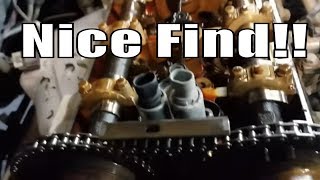
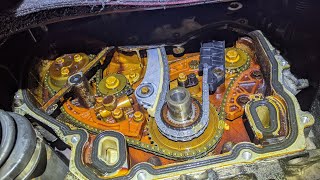
- If all electronic components test good, a mechanical timing issue is highly likely. The next step is a physical inspection of the timing chain, guides, and tensioners, which requires significant disassembly. 🎬 Watch: How to fix timing correlation by replacing the chain
Parts You'll Likely Need
- Timing Chain Kit — This is the most common high-probability cause of P0017 on this platform, especially if P0016 is also present or if there is a startup rattle. A full kit ensures all worn components (chain, guides, tensioners) are replaced.
Trusted brands: ACDelco (OEM), Cloyes (High-quality aftermarket, e.g., kit #9-4201SAVVT1 or 9-4201SAWP with water pump)
OEM price range: $250-$450
Aftermarket price range: $150-$350 - Exhaust Camshaft Position Actuator Solenoid
(OEM #12655421)
Related Codes That Often Appear With This One
- P0016 — This is the correlation code for the intake camshaft. When P0016 and P0017 appear together, it strongly indicates a base timing issue, like a stretched timing chain affecting both camshafts. [17, 30, ODI #11354914, ODI #10937265]
- P0014 — This code means 'Exhaust Camshaft Position Timing - Over-Advanced'. It points more specifically to a problem with the exhaust cam phaser or solenoid, which can also cause the P0017 correlation error. [2, ODI #11354914]
- P0011 — This is the 'Intake Camshaft Position Timing - Over-Advanced' code. It may appear if VVT system issues are affecting both cams, often due to widespread oil sludge or low pressure.
- P0299 — This code indicates 'Turbocharger/Supercharger Underboost'. On 2.0L turbo models, severe timing issues can affect engine performance enough to impact turbo operation, as seen in at least one owner complaint. [ODI #11208170]
Technical Service Bulletins (TSBs) & Recalls
- PIP4548F: Advises technicians on diagnosing P0016/P0017 codes, suggesting that a spun camshaft reluctor ring could be the cause on a properly timed engine. This TSB applies to a wide range of GM vehicles with Ecotec engines, including the Regal.
- Special Coverage Adjustment #14159D: While not for the Regal specifically, this was issued for the identical 2.4L engine in the GMC Terrain/Chevy Equinox to address the root cause of oil consumption (piston rings), which is a major contributor to the timing chain failures that set P0017.
Platform-Specific Known Issues
- Stretched Timing Chains & Oil Consumption: The 2.4L Ecotec engine is infamous for excessive oil consumption which starves the timing components, leading to stretched chains and broken guides. Multiple NHTSA complaints for the 2011-2013 Regal cite codes P0016 and P0017 leading to a diagnosis of a failed timing chain. [ODI #11354914, ODI #10937265]
- Spun Camshaft Reluctor Ring: TSB #PIP4548F is critical for this platform. It warns that after diagnosing a P0016/P0017 code, if the timing is found to be correct, the technician must inspect the camshaft reluctor ring. It can spin on the camshaft, causing a persistent timing correlation fault that can only be fixed by replacing the entire camshaft.
- Broken Plastic on Solenoid Screens: Owners on forums frequently report pulling the VVT solenoids to find the mesh screens covered in small black plastic fragments. This is a tell-tale sign that the timing chain guides are disintegrating and a full timing chain job is required.
Mechanic-Grade Diagnostic Values
- VVT Actuator Solenoid Resistance — expected: 8 - 13 Ohms. Failure: A reading outside this range, or a wildly fluctuating reading when wiggling the terminals, indicates a faulty solenoid.
- ECM Ground Circuit Resistance — expected: < 1.0 Ohm. Failure: Higher resistance points to a poor ground connection, which can cause erratic sensor readings and phantom codes.
- Camshaft Position Sensor (3-wire Hall effect) Power Supply — expected: ~5V or ~12V DC (Key On, Engine Off). Failure: No voltage indicates a wiring or ECM power supply issue.
Scan Tool Commands That Help
- GDS2 / Tech2 or equivalent professional scan tool: Crankshaft Position Variation Relearn — This procedure is required after replacing the crankshaft position sensor, and sometimes after replacing the ECM or performing major engine work. Failure to perform the relearn can leave a persistent check engine light on even if the mechanical repair was successful.
- GDS2 or equivalent bidirectional scan tool: VVT Solenoid Actuator Test — This command allows a technician to activate the exhaust VVT solenoid while the engine is running. A functional solenoid will cause the engine to hesitate or stall. If there is no change in engine operation, it confirms a problem with the solenoid, its wiring, or oil flow.
Wiring & Ground Locations
- ECM/PCM Connectors and Grounds — The Engine Control Module (ECM) is typically located in the engine bay. Specific ground points (G-points) are distributed throughout the engine bay and chassis, often bolted directly to the engine block, firewall, or inner fenders.. A poor ground connection to the ECM or at a sensor ground point can cause incorrect voltage readings from the cam and crank sensors, leading to a false correlation code. Verifying ground integrity (less than 1.0 Ohm resistance) is a critical step in diagnosing electrical faults. A full wiring diagram for the specific model year is essential for tracing circuits.
Real Owner Repair Stories
- Reddit user spr1980 (2012 Buick Regal (engine not specified, but likely 2.0T or 2.4L)) — Rough idle, stalling after starting, check engine light with P0017.
❌ Tried (didn't work) Initial diagnosis pointed towards timing chain, but the user tried a simpler fix first.
✅ What actually fixed it Replacing both the intake and exhaust VVT solenoids resolved the starting and stalling issues and cleared the P0017 code. The user notes this was a separate issue from a later timing chain failure at 250,000 miles. - YouTube channel 'Flat Rate Mechanic' (2011 Chevrolet Malibu 2.4L (same engine and system as Regal)) — P0016 and P0017 codes, low engine oil, excessive timing chain play visible with valve cover removed.
❌ Tried (didn't work) Topping up the engine oil did not fix the codes.
✅ What actually fixed it The root cause was a failed timing chain guide; the nylon was missing, causing chain slack and metal debris. The fix was a complete timing chain kit replacement. The VVT solenoid screens showed metal debris, which was a key indicator of the mechanical failure.
OEM Part Supersession History
12655421 (Exhaust), 12655420 (Intake)→12679100 (Exhaust), 12679099 (Intake)— Standard part revision and improvement by the manufacturer.
Heads up: The new parts are direct replacements for the old ones. It is often recommended to replace both solenoids as a pair even if only one has failed.
Model Year Variations Within This Range
- 2010-2019 (Engine Range): The 2.4L Ecotec engine had several versions during this period. Early models (2011) likely used the LAF (port-injected) or LEA (direct-injected, FlexFuel) versions. Later models may have used the LUK version with eAssist. While the core timing system design is similar, the introduction of direct injection (LAF/LEA) around 2010-2012 brought changes to pistons and cylinder heads to increase the compression ratio. These changes do not significantly alter the diagnosis of P0017, which remains primarily a timing chain or VVT solenoid issue across all versions.
Helpful Videos
We Have This Part in Stock


The information in this article is provided for general reference and educational purposes only. Vehicle specifications, procedures, and part compatibility can vary by production date, trim level, and region. Always consult your vehicle's factory service manual and verify part numbers before purchasing or performing repairs. Safety-critical components such as airbags, seat belts, and braking systems should be installed by a qualified professional.
- Buick REGAL:
- 🧭 Diagnostic Flowchart
- 🎬 Helpful Videos
- 🛍️ Shop This Part
- What's Unique About the 2011-2016 Buick REGAL
- Symptoms You May Notice
- Most Likely Causes
- Rare But Worth Checking
- Diagnosis Steps
- Parts You'll Likely Need
- Related Codes That Often Appear With This One
- Technical Service Bulletins (TSBs) & Recalls
- Platform-Specific Known Issues
- Mechanic-Grade Diagnostic Values
- Scan Tool Commands That Help
- Wiring & Ground Locations
- Real Owner Repair Stories
- OEM Part Supersession History
- Model Year Variations Within This Range
- 🎟️ Get 5% Off