

P0017 on 2012-2015 Chevrolet Captiva: Crank/Cam Correlation Causes and Fixes
On a 2012-2015 Captiva, P0017 usually means a timing chain problem. For the 2.4L engine, this is often caused by low engine oil due to consumption. For the 3.0L V6, it's typically a stretched timing chain. Always check oil level first; a full timing chain job can cost $1,500-$2,500.
- P0017 is a serious code indicating a mechanical timing problem. Do not continue to drive the vehicle.
- Your first action should always be to check the engine oil level and condition. This is a very common cause on the 2.4L engine and is the easiest thing to fix.
- On the 3.0L V6, this code is a very strong indicator of stretched timing chains, which is a known issue and a major repair.
- Do not replace sensors as a first step. They are usually correctly reporting a real mechanical fault.
- The repair can range from a simple oil change to a complex and expensive timing chain replacement costing over $2,000.
What's Unique About the 2012-2015 Chevrolet CAPTIVA
The Chevrolet Captiva uses two different engines with distinct weaknesses that both lead to code P0017. The 2.4L Ecotec four-cylinder engine is known for excessive oil consumption due to issues with piston rings and the PCV system. This starves the timing components of lubrication, causing chain wear and VVT system faults. GM acknowledged a related PCV issue in TSB 14882 which could lead to low oil levels. In contrast, the 3.0L V6 is part of a GM engine family known for prematurely stretching its timing chains, which directly causes this correlation error. 🎬 Watch: A simple V6 sensor check to try before expensive repairs. A less common but critical issue for these engines, documented in GM Technical Service Bulletin #PIP4548F, is the potential for the press-fit reluctor rings on the camshafts to slip, causing a timing code even when the chain itself is perfectly aligned.
Diagnostic Flowchart
Tap your situation to follow the diagnostic path that matches what you're seeing on this vehicle.
Symptoms You May Notice
- Illuminated Check Engine Light
- Engine rattling or buzzing noise, especially on cold startup
- Rough or unstable idle
- Poor acceleration and reduced engine power
- Engine stalling
- Engine cranks but will not start
- Increased oil consumption (on 2.4L engine)
- Replacing the camshaft and crankshaft position sensors when the actual fault is a mechanical timing issue (stretched chain or slipped reluctor). The sensors are often correctly reporting a problem.
- Replacing only the VVT solenoid when the root cause is a stretched timing chain or severe oil sludge.
- Performing a complete timing chain replacement on a 2.4L engine without addressing the underlying excessive oil consumption issue, which will cause the new components to fail prematurely.
Most Likely Causes
- Stretched Timing Chain / Failed Tensioner 🔴 High Probability → Shop Engine Timing Chain On the 3.0L V6, the chains are known to stretch prematurely. On the 2.4L I4, chain and tensioner failure is a direct result of oil starvation from known oil consumption issues.
How to confirm: A rattling noise on startup is a strong indicator. A mechanic must perform a physical inspection by removing the engine front cover, which is a labor-intensive job. A scan tool can also show cam/crank deviation that is consistently out of spec.
Typical fix: Replace the entire timing chain kit, including all chains, guides, and tensioners. This is a major repair with labor costs often exceeding $1,000.
Est. part cost: $250-$500 - Low or Dirty Engine Oil 🔴 High Probability The 2.4L Ecotec engine is notorious for consuming oil between changes due to piston ring and PCV system design flaws. When the oil level is low, the hydraulic tensioner loses pressure, causing chain slack. Dirty or sludgy oil clogs the VVT solenoids.
How to confirm: Check the oil dipstick. If the level is low or the oil is dark and thick, this is a likely contributor. This should be the very first check performed.
Typical fix: Perform an oil and filter change using the correct grade of full synthetic oil (5W-30 dexos-approved). In cases of heavy sludge, an engine flush may be attempted before the oil change. This may not be a permanent fix if mechanical wear has already occurred.
Est. part cost: $40-$80 - Faulty Exhaust Camshaft Position Actuator Solenoid (VVT Solenoid) 🟡 Medium Probability → Shop Engine Camshaft The solenoids have fine mesh screens that can become clogged by debris from dirty oil or disintegrated plastic from timing guides, causing them to stick.
How to confirm: A mechanic can command the solenoid with a scan tool. A common DIY method is to swap the exhaust solenoid with the intake solenoid (they are identical). If the code changes to P0016 (intake correlation), the solenoid is confirmed bad. Inspect the screens for debris upon removal.
Typical fix: Replace the Bank 1 exhaust camshaft position actuator solenoid. Many owners report that using only OEM ACDelco solenoids prevents the code from returning.
Est. part cost: $30-$70 - Faulty Camshaft or Crankshaft Position Sensor ⚪ Low Probability → Shop Engine Crankshaft Position Sensor
How to confirm: Test the sensor's output with a multimeter or oscilloscope. A scan tool can also show live data to see if the sensor is reporting erratically. However, these sensors usually report a real mechanical problem correctly.
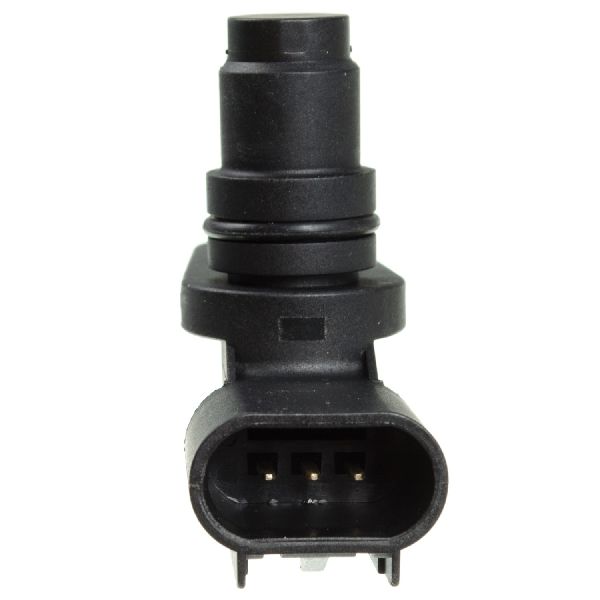
Typical fix: Replace the failed sensor. P0017 points to the Bank 1 exhaust camshaft position sensor ('Sensor B'). It is highly recommended to use OEM ACDelco sensors, as some owners report issues with aftermarket brands.
Est. part cost: $25-$60
Rare But Worth Checking
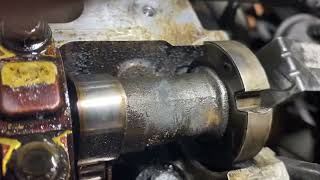
- Slipped Camshaft Reluctor Ring: → Shop Engine Camshaft GM TSB #PIP4548F specifically calls this out for the 2.4L engine. The reluctor ring that the camshaft sensor reads is press-fit and can move slightly on the camshaft. This will set a P0017 code even with a new, perfectly timed chain, leading to misdiagnosis. The fix is to replace the entire camshaft as the ring is not serviced separately. This issue is often discovered after a timing chain job fails to clear the code. 🎬 Watch: How a slipped reluctor ring causes persistent timing codes.
Diagnosis Steps
- Check Engine Oil Level and Condition: This is the first and most critical step. If low, top off and see if the noise/code subsides. If dirty, perform an oil and filter change with 5W-30 dexos-approved oil.
- Scan for Other Codes: Check for other related codes like P0016, P0008, or P0009 to help determine the scope of the problem. Multiple codes strongly point to a base timing issue.
- Inspect and Swap VVT Solenoids: Locate the Bank 1 VVT solenoids. Check wiring and connectors. Remove the exhaust solenoid (rear position on 2.4L) and inspect for sludge. Swap it with the intake solenoid. Clear codes and drive. If the code changes to P0016, the solenoid is bad.
- Listen for Noise: Listen for a distinct rattling or scraping noise from the front of the engine (passenger side) during a cold start. This is a classic sign of a loose timing chain.
- Professional Mechanical Inspection: If the above steps do not resolve the issue, the vehicle must be inspected by a professional. This involves removing the valve cover and/or engine front cover to physically check the timing chain for slack and verify the timing marks.
- Check Reluctor Rings: If the timing chain is confirmed to be good but the code persists, the mechanic should follow the procedure in TSB #PIP4548F to inspect the camshaft reluctor rings for movement, which would require camshaft replacement.
Parts You'll Likely Need
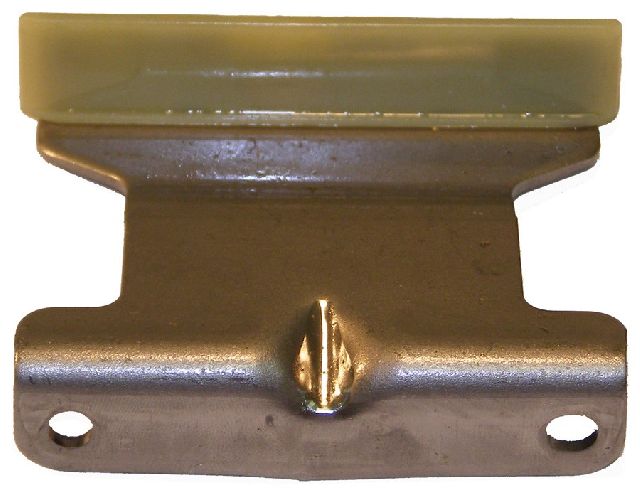
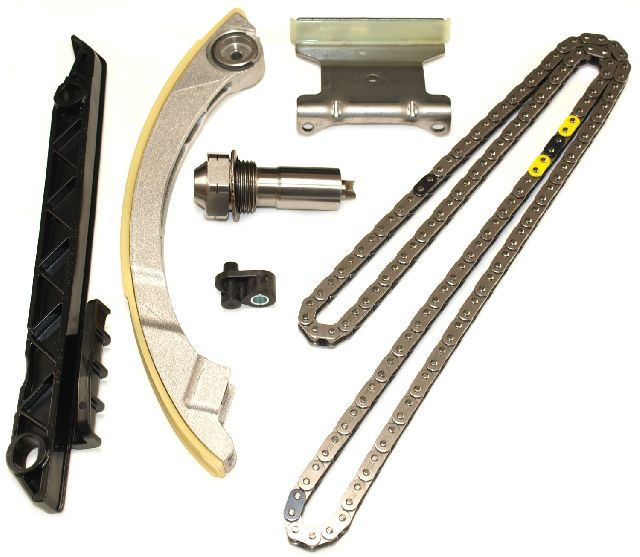
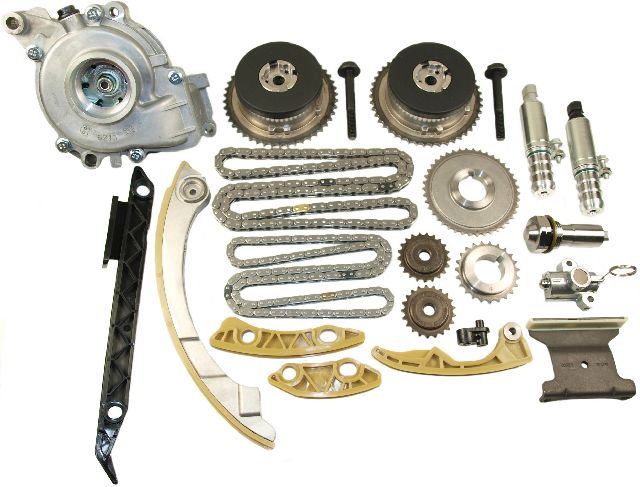
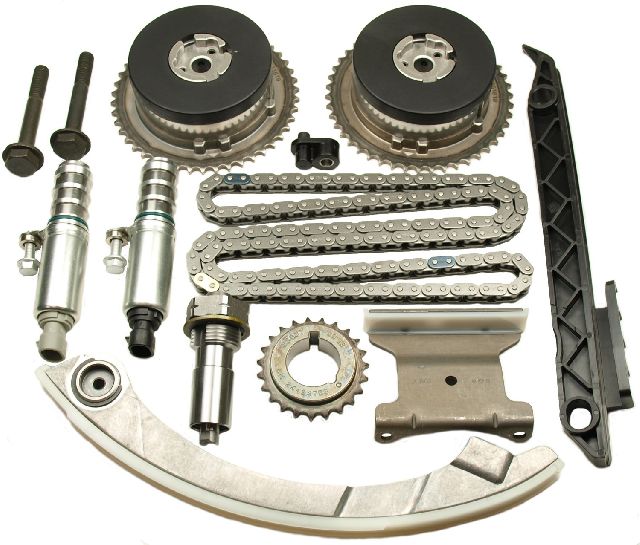
- Timing Chain Kit
(OEM #12680750 (For 2.4L Ecotec), 9-0753S (Kit reference for 3.0L V6))— This is the most common definitive fix for both the 2.4L (due to oil issues) and 3.0L (due to stretching) engines when P0017 appears.
Trusted brands: ACDelco, Cloyes
OEM price range: $350-$500
Aftermarket price range: $200-$350 - Camshaft Position Actuator Solenoid (Exhaust)
(OEM #12655421)— Often gets clogged with debris from poor oil condition, causing it to stick and trigger the code. It's a common point of failure and relatively easy to replace.
Trusted brands: ACDelco, Delphi
OEM price range: $50-$80
Aftermarket price range: $25-$50 - Exhaust Camshaft — Only needed in the rare case of a slipped reluctor ring, as documented in TSB PIP4548F. The reluctor is not serviced separately.
Trusted brands: ACDelco
OEM price range: $200-$350
Aftermarket price range: $150-$250
Related Codes That Often Appear With This One
- P0016 — This is the correlation code for the intake camshaft. If both P0016 and P0017 are present, it strongly suggests a base timing issue, like a jumped or stretched timing chain affecting the entire engine.
- P0008 / P0009 — These are engine position system performance codes, common on the V6 engine. They are a very strong indicator of stretched timing chains and often appear before P0016/P0017.
Technical Service Bulletins (TSBs) & Recalls
- PIP4548F: Advises technicians to inspect the camshaft reluctor ring for movement if P0016/P0017 codes are present on a correctly timed engine. Requires camshaft replacement if the ring has spun.
- 14882: Special coverage for 2.4L engines addressing a frozen/plugged PCV system in cold weather, which can cause high crankcase pressure, oil leaks, and subsequent low oil levels that lead to engine noise and timing issues.
- PIP3535: Referenced in another TSB, this bulletin likely contains diagnostic information related to engine noises, possibly including those from the balance shaft or timing chains after a repair.
Platform-Specific Known Issues
- 2.4L Ecotec Engine Oil Consumption: These engines are subject to a known issue of high oil consumption due to piston ring design, which can lead to low oil levels that cause timing system failure and set this code. TSB 14882 also addresses a related PCV issue.
- 3.0L V6 Timing Chain Stretch: These V6 engines are known for premature timing chain stretching, which is a primary cause of P0017 and related codes like P0008/P0009.
- Slipped Camshaft Reluctor Rings: Per TSB PIP4548F, the press-fit reluctor on the camshaft can move, causing a correlation code even if the timing chain is in good condition.
- Aftermarket Sensor Incompatibility: Owners on forums frequently report that using non-OEM (ACDelco) cam
Mechanic-Grade Diagnostic Values
- Camshaft Position Actuator (VVT) Solenoid Resistance — expected: 8 to 13 Ohms. Failure: A reading outside this range, or an open circuit (OL), indicates a faulty solenoid.
- Camshaft Position Actuator (VVT) Solenoid Voltage Supply — expected: ~12.6V (Battery Voltage). Failure: Lack of voltage at the solenoid connector with the ignition on points to a wiring or fuse block issue.
- Crankshaft Position Sensor Resistance (Inductive Type) — expected: ~590 Ohms. Failure: A significant deviation from this value suggests a failing sensor.
- Scan Tool: Desired vs. Actual Camshaft Position Angle — expected: Values should match closely while the engine is running above 1500 RPM.. Failure: If a P0017 code is active, the ECM may disable VVT operation, causing the 'Desired' angle to read zero. This points towards the ECM recognizing a base mechanical fault rather than a command issue. If the values do not match and the system is active, it points to a VVT solenoid, oil pressure, or phaser problem.
Scan Tool Commands That Help
- GDS2 (GM Global Diagnostic System 2): Camshaft Position Actuator Solenoid Test / Output Control — This bidirectional control allows a technician to command the exhaust VVT solenoid on and off to verify electrical function and listen for a mechanical click. It helps isolate a failed solenoid from a wiring or mechanical phaser problem without removal.
- GDS2 (or equivalent professional scanner): Crankshaft Position Variation Learn — This procedure should be performed after replacing a crankshaft or camshaft position sensor. It allows the ECM to learn the electronic variations of the new sensor to prevent false correlation codes.
Wiring & Ground Locations
- G103 — On the left side of the engine compartment, on the cowl above the brake booster.. This is a primary ground for the Body Control Module (BCM) and Instrument Panel Cluster (IPC), and poor grounding here can cause numerous phantom electronic issues. While not a direct ground for the ECM, it's a critical chassis ground to check.
- G105 — On the left rear of the engine block.. This is a primary engine block ground. A poor connection here can affect the reference ground for various engine sensors, including the camshaft and crankshaft position sensors.
- Exhaust Camshaft Position Sensor Connector — On the back of the cylinder head (firewall side) on the 2.4L engine.. The wiring harness to this sensor can become brittle from heat, and the connector pins can become loose or corroded, leading to an erratic signal that can trigger P0017. The connector is a 3-terminal female plug.
- Primary ECM Ground (2.4L) — On a stud on the engine block, located under the alternator.. This is the main ground connection for the Engine Control Module. A loose or corroded connection here can directly cause erratic sensor readings and false trouble codes, including P0017.
Real Owner Repair Stories
- YouTube user 'IRV' (GM vehicle with 2.4L Ecotec engine, 160,000 miles) — P0017 code (Crankshaft to exhaust cam not plausible), running poorly, audible timing chain noise.
❌ Tried (didn't work) Replaced the entire timing chain and balance chain set., Disassembled and re-timed the engine three separate times., Replaced the exhaust camshaft position sensor., Verified all wiring using AllData.
✅ What actually fixed it The reluctor wheel (tone ring) on the end of the exhaust camshaft had physically slipped/rotated on the shaft. Since it is press-fit, it caused a timing correlation error even though the chain and sprockets were perfectly aligned. The final fix was to replace the exhaust camshaft. - YouTube channel 'MiracleMAX' (2013 Holden Captiva 7 (equivalent to Chevrolet Captiva) with 2.4L Petrol Engine) — Check Engine Light with codes P0010, P0013, P0014.
❌ Tried (didn't work) The diagnosis immediately focused on testing components rather than replacing parts.
✅ What actually fixed it The mechanic tested the resistance of the VVT solenoids. The intake read 46 K-Ohms and the exhaust read 2.7 M-Ohms, both drastically out of the expected 5-9 Ohm range. Replacing both faulty solenoids resolved the codes. - Ask Scotty Community / CarKiller (2012 Chevy Equinox 2.4L with 125,000 miles) — P0017 code persists after major repairs. Vehicle was run out of oil, was not drivable.
❌ Tried (didn't work) Replaced timing chain., Replaced both Camshaft sensors., Replaced both VVT solenoids., Replaced the Crankshaft sensor.
✅ What actually fixed it The story is unresolved, but highlights a common and frustrating scenario where replacing all associated components does not fix the code. This strongly points to either an incorrect timing chain installation (off by a tooth) or a rare issue like the slipped reluctor ring mentioned in other case studies.
"I Checked Everything" — The Actual Cause
- A persistent P0017 code after a timing chain replacement, where all timing marks align perfectly, is a classic symptom of a slipped camshaft reluctor ring on the 2.4L Ecotec engine. Standard diagnostic procedures, including visual inspection of the timing chain, will not find this fault. The issue is only confirmed by inspecting the reluctor ring itself for movement, as documented in TSB PIP4548F and confirmed by mechanic repair stories.
OEM Part Supersession History
12655421→12679100— Likely an internal revision for improved reliability or manufacturing process.
Heads up: The new part number, 12679100, is a direct replacement for 12655421 and is fully compatible. Note that the intake solenoid is a different part number (originally 12655420).
Model Year Variations Within This Range
- 2012: A minor model year update in July 2012 introduced flex-fuel (E85) capability for the 2.4L and 3.0L petrol engines. This involved software changes but did not fundamentally alter the mechanical components related to the P0017 code.
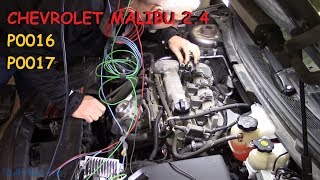
Helpful Videos

We Have This Part in Stock


The information in this article is provided for general reference and educational purposes only. Vehicle specifications, procedures, and part compatibility can vary by production date, trim level, and region. Always consult your vehicle's factory service manual and verify part numbers before purchasing or performing repairs. Safety-critical components such as airbags, seat belts, and braking systems should be installed by a qualified professional.
- Chevrolet CAPTIVA:
- 🧭 Diagnostic Flowchart
- 🎬 Helpful Videos
- 🛍️ Shop This Part
- What's Unique About the 2012-2015 Chevrolet CAPTIVA
- Symptoms You May Notice
- Most Likely Causes
- Rare But Worth Checking
- Diagnosis Steps
- Parts You'll Likely Need
- Related Codes That Often Appear With This One
- Technical Service Bulletins (TSBs) & Recalls
- Platform-Specific Known Issues
- Mechanic-Grade Diagnostic Values
- Scan Tool Commands That Help
- Wiring & Ground Locations
- Real Owner Repair Stories
- "I Checked Everything" — The Actual Cause
- OEM Part Supersession History
- Model Year Variations Within This Range
- 🎟️ Get 5% Off