

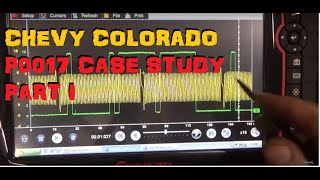
P0017 on 2012 Chevrolet Colorado: Causes and Fixes for Cam/Crank Correlation
P0017 on a 2012 Colorado usually indicates a problem with the exhaust camshaft actuator solenoid, often due to low or dirty oil. Start by checking your oil. If that's fine, replacing the solenoid (around $30-$60 for an ACDelco part #12615873) is the most likely fix. Owners and TSBs strongly recommend using the OEM part, as aftermarket versions are known to fail. If the problem persists, a stretched timing chain or a loose crankshaft balancer bolt are other known issues specific to these Atlas en
- Always check your oil level and condition first when you see a P0017 code; it's the easiest and cheapest potential fix.
- The most common failed part is the exhaust camshaft actuator solenoid (VVT solenoid). It's a relatively inexpensive part and simple to replace for a DIYer.
- Do not immediately assume the camshaft or crankshaft sensors are bad. They are usually just reporting a mechanical timing problem.
- If you hear a rattling noise along with the P0017 code, pay special attention to TSB PIP4581B, which points to a loose crankshaft balancer bolt.
- If a new solenoid and fresh oil do not resolve the code, the issue is likely a more serious mechanical problem like a stretched timing chain, which requires professional service.
What's Unique About the 2012-2012 Chevrolet COLORADO
The inline-four (2.9L) and inline-five (3.7L) engines in the first-generation Colorado, part of the GM Atlas family, are known for a few specific issues that directly cause the P0017 code. While faulty sensors are a possibility on any vehicle, these trucks are particularly prone to problems with the camshaft actuator solenoids getting clogged or failing. More seriously, they can suffer from stretched timing chains and, as noted in GM Technical Service Bulletin PIP4581B, a loose crankshaft balancer bolt can also create a timing correlation error, often after a previous repair required its removal. A unique issue for this platform is the location of the crankshaft position sensor, which makes its connector vulnerable to oil contamination during oil changes.
Diagnostic Flowchart
Tap your situation to follow the diagnostic path that matches what you're seeing on this vehicle.
Symptoms You May Notice
- Check Engine Light is on
- Rough or unstable idle
- Engine stalling, especially when coming to a stop or after 🎬 See how this stalling symptom looks and is diagnosed. the engine has warmed up
- Rattling or knocking noise from the engine, particularly at idle
- Reduced engine power and acceleration
- Worse-than-usual fuel economy
- Engine may crank but not start in severe cases
- Replacing the camshaft and crankshaft position sensors when the actual fault is mechanical (timing chain, solenoid, oil pressure).
- Replacing the VVT solenoid with a cheap aftermarket part, which often fails again quickly, leading the owner to believe the solenoid was not the problem.
- Assuming the timing chain is the cause without first checking the VVT solenoid and oil, leading to an unnecessarily expensive repair.
Most Likely Causes
- Low or Dirty Engine Oil 🔴 High Probability The camshaft phasing system (VVT) uses oil pressure to adjust timing. If the oil is low, old, or contaminated with sludge, the actuators cannot function correctly. TSB PIP4913A specifically directs technicians to check oil level and pressure if other diagnostics fail.
How to confirm: Check the engine oil dipstick for level and inspect the oil's condition. If it is low or very dark and gritty, this is a likely contributor.
Typical fix: Top off the oil or perform a complete oil and filter change. An engine flush may be beneficial if sludge is suspected. 🎬 Watch: Why clean oil is critical for fixing this code.
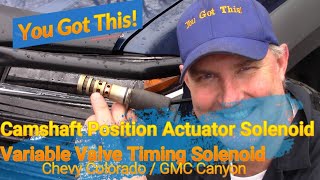
Est. part cost: $30-$70 - Faulty Exhaust Camshaft Actuator Solenoid 🔴 High Probability → Shop Engine Camshaft These solenoids have fine mesh screens that can become clogged with debris from engine oil, or the screens can break, causing the solenoid to stick or fail. This is a very common failure point, and many owners on forums like 355Nation report this as the fix.
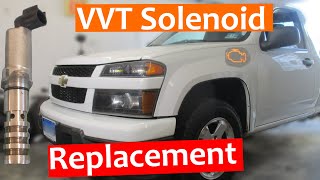
How to confirm: Remove the solenoid (held by one 10mm bolt 🎬 Watch: A quick walkthrough of the VVT solenoid replacement process.) and inspect its screens for debris or damage. You can also test its resistance with a multimeter (expected 8-12 ohms). A visual inspection is often sufficient to see torn or clogged screens.
Typical fix: Replace the exhaust camshaft actuator solenoid. It is highly recommended to use an OEM ACDelco part (#12615873), as aftermarket versions are widely reported to fail prematurely.
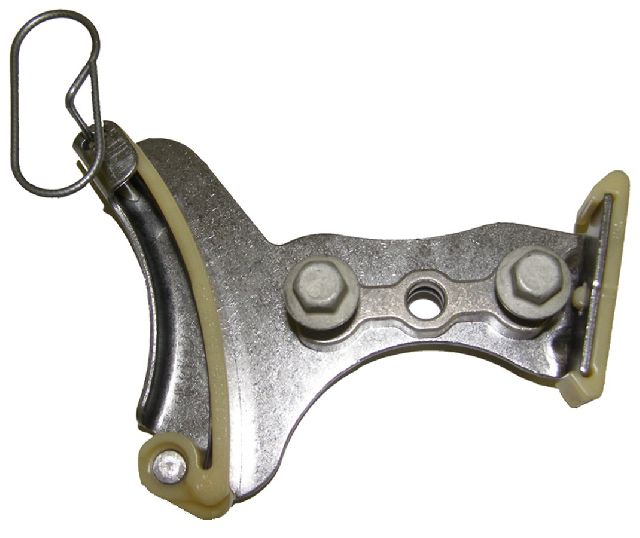
Est. part cost: $30-$60 - Stretched Timing Chain 🟡 Medium Probability → Shop Engine Timing Chain The timing chains on the Atlas family of engines (2.9L, 3.7L) are known to stretch over time, causing slack that leads to correlation codes. This is especially true on higher-mileage engines.
How to confirm: This is a complex diagnosis that requires removing the engine's front cover to physically inspect the chain, guides, and tensioner for slack and wear. A rattling noise at idle that goes away with throttle can be an audible symptom. This is best left to a professional.
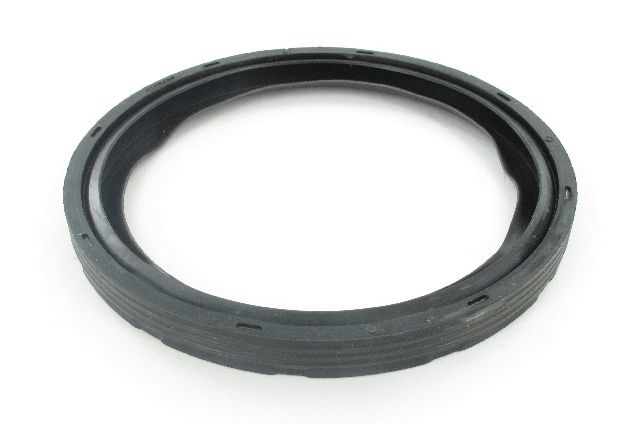
Typical fix: Replace the timing chain, tensioner, guides, and related sprockets/phasers as a complete kit.
Est. part cost: $250-$500 - Loose Crankshaft Balancer Bolt ⚪ Low Probability → Shop Engine Crankshaft As documented in TSB PIP4581B, if the crankshaft balancer bolt was not properly torqued after a previous repair, it can allow for play in the crankshaft timing gear (reluctor wheel), causing a rattle and setting P0017.
How to confirm: This should only be checked if other, more common causes have been ruled out. The TSB advises re-torquing the bolt. The proper specification for the 2.9L/3.7L engines is a first pass to 150 Nm (110 lb ft), followed by an additional 180 degrees. This requires a special tool to hold the flywheel.
Typical fix: Re-torque or replace the crankshaft balancer bolt. The bolt is torque-to-yield and should be replaced if removed.
Est. part cost: $10-$25
Rare But Worth Checking
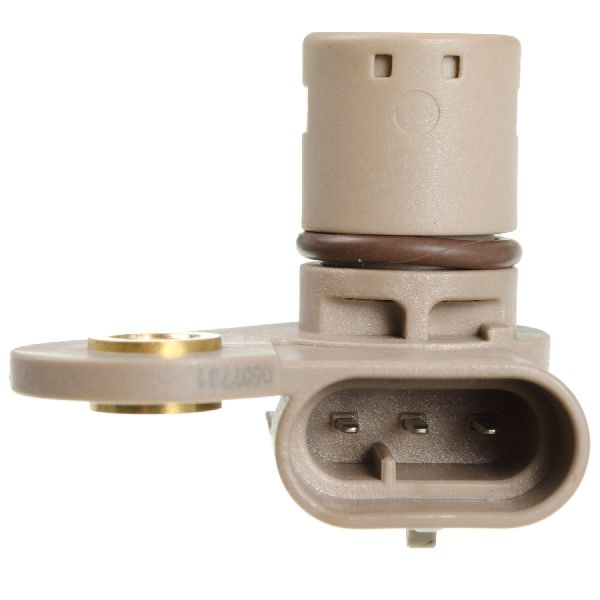
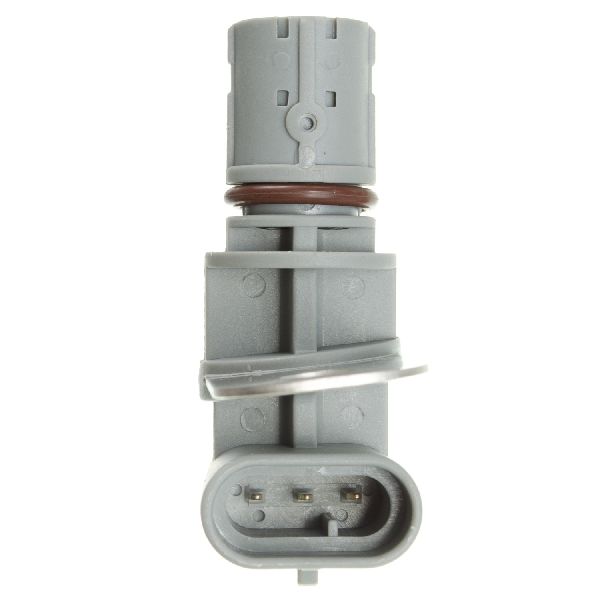
- Faulty Camshaft or Crankshaft Position Sensor: → Shop Engine Crankshaft Position Sensor While often blamed, these sensors are more likely to be accurately reporting a mechanical problem. However, they can fail. A user on Reddit also noted that spilling oil into the crankshaft position sensor connector during an oil change caused the code on their truck.
- Worn Camshaft Actuator (Phaser): → Shop Engine Camshaft The gear at the end of the camshaft that the solenoid controls can fail internally or become stuck due to debris, but this is less common than the solenoid itself. TSB PIP4913A mentions this as a possibility.
- Excessive Crankshaft End Play: → Shop Engine Crankshaft Mentioned in TSB PIP3694F, excessive forward and backward movement of the crankshaft can disrupt the timing signal, though this indicates a severe internal engine problem like worn thrust bearings. A measurement of .050 inches or more is considered obviously out of specification.
Diagnosis Steps
- Check Engine Oil: Verify the oil level is correct and the oil is clean. If low, top it off. If dirty or overdue, perform an oil and filter change. This simple step resolves the issue in many cases.
- Scan for Other Codes: Check for other codes (like P0014, P0016) that can help pinpoint the issue.
- Inspect the Exhaust Camshaft Actuator Solenoid: Unplug the electrical connector and remove the single 10mm bolt holding the solenoid in the valve cover.
- Examine the Solenoid: Carefully pull the solenoid out, expecting a small amount of oil to spill. Inspect the three screens for tears, blockages, or missing pieces. Even if it looks clean, it may be failing electrically.
- Test or Replace the Solenoid: If the solenoid is dirty, you can try cleaning it, but replacement with a new OEM ACDelco part (#12615873) is the most reliable fix. Avoid aftermarket solenoids.
- Inspect Sensor Connectors: Check the connectors for both the camshaft and crankshaft position sensors for oil contamination or corrosion. A Reddit user fixed their P0017 by cleaning oil out of the crank sensor connector, which is located below the oil fill cap.
- Clear Codes and Test Drive: After reinstallation, clear the DTCs and drive the vehicle to see if the code returns.
- Professional Diagnosis: If the code returns, the next steps involve checking the crankshaft bolt torque (per TSB PIP4581B) and inspecting the timing chain, which should be done by a qualified mechanic.
Parts You'll Likely Need
- Exhaust Camshaft Position Actuator Solenoid
(OEM #12615873)— This is the most common failure part for P0017 on this vehicle. It gets clogged or fails electrically, preventing correct cam phasing. Owner forums are filled with stories of aftermarket parts failing quickly; using the ACDelco OEM part is strongly advised.
Trusted brands: ACDelco (GM Genuine)
OEM price range: $40-$60
Aftermarket price range: $25-$50 - Timing Chain Kit — If the solenoid and oil are good, a stretched timing chain is the next most likely cause, requiring a full kit for replacement.
Trusted brands: ACDelco, Cloyes
OEM price range: $300-$500
Aftermarket price range: $150-$300 - Crankshaft Balancer Bolt
(OEM #11570163)— This is a one-time-use, torque-to-yield bolt that must be replaced if removed, as per TSB PIP4581B.
Trusted brands: GM Genuine Parts
OEM price range: $15-$30
Related Codes That Often Appear With This One
- P0014 — This code is for "Camshaft Position B - Timing Over-Advanced or System Performance (Bank 1)" and is often seen with P0017 as they both relate to the exhaust camshaft timing. TSB PIP3694F mentions them appearing together.
- P0016 — This code is for the Intake camshaft correlation. If both P0016 and P0017 appear, it strongly suggests a base timing issue, like a jumped or stretched timing chain, or a loose crankshaft reluctor, affecting both camshafts.
- P0106 — This code relates to the Manifold Absolute Pressure (MAP) sensor. TSB PIP3694F notes it can appear alongside P0017, likely because incorrect valve timing can cause erratic pressure readings in the intake manifold.
Technical Service Bulletins (TSBs) & Recalls
- PIP4913A: SES Lamp on, P0017 stored, advises monitoring oil pressure.
- PIP3694F: Engine belt noise, rough idle, SES lamp on, with DTC P0014 and/or P0017.
- PIP4945B: SES Lamp on, P0017 may be set, follow all published diagnostics and TSBs.
- PIP4581B: Rattle noise with P0016 or P0017, advises re-torquing the crankshaft balancer bolt.
Platform-Specific Known Issues
- TSB #PIP4581B: Notes that an engine rattle accompanied by P0017 can be caused by an improperly torqued crankshaft balancer bolt from a previous repair. Re-torquing the bolt is the recommended diagnostic step before tearing into the timing system.
- TSB #PIP4913A: Advises that if standard diagnostics don't find the cause for P0017, oil pressure should be monitored. It points to an intermittently sticking camshaft actuator (phaser) due to oil sludge or debris as a primary cause.
- TSB #PIP4945B: This is a cumulative bulletin that acknowledges the wide variety of causes for P0017 on Atlas engines and serves as a guide to other, more specific TSBs. It confirms the code sets when the cam is out of sequence by more than 16.31 degrees.
Mechanic-Grade Diagnostic Values
- Exhaust VVT Solenoid Internal Resistance — expected: 8 to 12.8 ohms. Failure: A reading of infinity (open circuit), very high resistance, or an inconsistent/fluctuating reading when wiggling the connector.
- Crankshaft Position Sensor (CKP) Internal Resistance — expected: ~0.29 kΩ (290 Ohms). Failure: A significantly different reading, or an open/short circuit.
- VVT Solenoid Connector Power Supply — expected: Battery Voltage (~12V) with key on. Failure: No voltage, which points to a wiring issue, blown fuse, or problem with the ECM or power relay.
- Crankshaft End Play — expected: Less than 0.050 inches. Failure: Movement of 0.050 inches or more when prying the crankshaft back and forth, indicating worn thrust bearings.
- Crankshaft Position Sensor Bolt Torque — expected: 89 inch-lbs. Failure: N/A - This is an installation specification.
Scan Tool Commands That Help
- GDS2 / Tech2 or equivalent professional scan tool: VVT Solenoid Control / Actuator Test — This bidirectional command allows a technician to manually activate the exhaust VVT solenoid to verify its mechanical operation. You should hear an audible click from the solenoid, and see a change in camshaft angle data on the scanner if the system is responding.
- GDS2 / Tech2 or equivalent professional scan tool: Crankshaft Position (CKP) Variation Learn / CASE Re-Learn — This procedure is required after replacing the crankshaft position sensor, or the Engine Control Module (ECM). Failure to perform the re-learn can cause the PCM to incorrectly interpret timing data and may set false correlation codes like P0017.
Wiring & Ground Locations
- G102 / G103 — On the lower left side of the engine block.. These are primary engine block grounds. A poor connection at these points can cause erratic behavior from sensors and the ECM, potentially leading to false codes. The ECM and ignition coils rely on these grounds.
- Engine Control Module (ECM) — Right rear of the engine compartment.. The ECM is the source of the 5V reference and control signals for the cam/crank sensors and VVT solenoid. All diagnostic wiring tests will lead back to its connectors.
- Crankshaft Position (CKP) Sensor — On the driver's side of the engine block, below the starter motor, accessed through the driver's side wheel well.. Its location below the oil filler cap makes its electrical connector highly susceptible to contamination from spilled oil during an oil change, which is a known cause of P0017 on this truck.
- Exhaust Camshaft Position (CMP) Actuator Solenoid — On the top right (passenger side) front of the engine, mounted in the valve cover.. This is the component most likely to fail. Knowing its exact location is key for inspection and replacement.
Real Owner Repair Stories
- Reddit user in r/chevycolorado (2006 Chevy Colorado (similar Atlas engine platform)) — Persistent P0017 code, engine going into limp mode.
❌ Tried (didn't work) Replacing the camshaft position sensor, Checking the timing chain
✅ What actually fixed it The user discovered oil had gotten into the electrical connector for the crankshaft position sensor, which is located directly below the oil filler cap. Cleaning the oil out of the connector with electrical cleaner and using a funnel for subsequent oil changes permanently resolved the code. - Reddit user in r/chevycolorado (Chevy Colorado (year not specified, but first generation)) — P0017 code.
❌ Tried (didn't work) Using aftermarket VVT solenoids.
✅ What actually fixed it Replacing the VVT solenoid with a genuine OEM part from a GM dealer. The user noted the OEM replacement part had been updated with a spring that wraps around and protects the delicate filter screens, a feature missing from the aftermarket parts they had seen.
"I Checked Everything" — The Actual Cause
- While a smoke test is not applicable for P0017, a similar diagnostic dead-end can occur. A technician may perform a full timing chain replacement and verify the timing marks on the sprockets are perfectly aligned, yet the P0017 code immediately returns. The hidden cause, documented in GM bulletin PIP4548G for other engines, can be a slipped camshaft reluctor ring. The reluctor is press-fit onto the camshaft without a keyway and can rotate slightly, especially after an engine overheat event. This makes the sensor's readings inaccurate even though the mechanical valve timing is correct. The fix requires comparing the reluctor position to a known-good camshaft and potentially replacing the camshaft itself.
When the Usual Fixes Don't Work
- While the most common fixes for P0017 are the VVT solenoid or the timing chain, there are documented cases where neither was the root cause. In one instance, a 2006 Colorado owner chased the code for years, even after a timing chain replacement. The final solution was cleaning engine oil that had spilled into the crankshaft position sensor's electrical connector. The sensor's location on the engine block is directly below the oil fill cap, making it vulnerable to contamination during routine maintenance. This highlights the importance of checking simple, external factors before committing to major engine work.
OEM Part Supersession History
12568078, 12576768, 12597025, 12602516→12615873— Part has been updated over time for improved reliability. A Reddit user noted a visible design change, with a spring added to protect the screens on newer OEM parts.11589178→11570163— Part number consolidation and/or minor design update.
Helpful Videos
We Have This Part in Stock



The information in this article is provided for general reference and educational purposes only. Vehicle specifications, procedures, and part compatibility can vary by production date, trim level, and region. Always consult your vehicle's factory service manual and verify part numbers before purchasing or performing repairs. Safety-critical components such as airbags, seat belts, and braking systems should be installed by a qualified professional.
- Chevrolet COLORADO:
- 🧭 Diagnostic Flowchart
- 🎬 Helpful Videos
- 🛍️ Shop This Part
- What's Unique About the 2012-2012 Chevrolet COLORADO
- Symptoms You May Notice
- Most Likely Causes
- Rare But Worth Checking
- Diagnosis Steps
- Parts You'll Likely Need
- Related Codes That Often Appear With This One
- Technical Service Bulletins (TSBs) & Recalls
- Platform-Specific Known Issues
- Mechanic-Grade Diagnostic Values
- Scan Tool Commands That Help
- Wiring & Ground Locations
- Real Owner Repair Stories
- "I Checked Everything" — The Actual Cause
- When the Usual Fixes Don't Work
- OEM Part Supersession History
- 🎟️ Get 5% Off