

P0017 on 2018-2023 Chevrolet Traverse 3.6L: Timing Chain and Sensor Guide
On the 2018-2023 Traverse 3.6L, P0017 almost always points to a stretched timing chain, a serious and expensive repair costing $2,000-$3,500+. Before assuming the worst, always check your engine oil level and condition, as low or dirty oil can also trigger this code. On this newer LGX engine, a faulty VVT solenoid is also a very common cause that is much cheaper to fix.
- P0017 is a serious code on your Traverse that should not be ignored; continued driving risks catastrophic engine failure.
- Always check your engine oil level and condition first. A simple oil change can sometimes resolve the issue.
- The most likely cause is a stretched timing chain, which is a complex and expensive repair best left to a professional.
- Do not replace the camshaft or crankshaft sensors as a first step; they are rarely the cause and are usually reporting a real mechanical problem.
- If other codes like P0008 or P0016 are also present, it makes a stretched timing chain an almost certain diagnosis.
What's Unique About the 2018-2023 Chevrolet Traverse
The 2018-2023 Traverse uses the 3.6L LGX V6 engine. While its predecessor (the LFX V6) was famous for premature timing chain stretching that caused this code, the LGX features an updated and more durable timing chain design. Despite the improvement, timing chain wear remains a possible cause for P0017. However, issues with the camshaft actuator solenoids (VVT solenoids) due to oil condition or failure are also very common culprits that should be investigated before concluding a timing chain replacement is needed. 🎬 Watch: Try this simple diagnostic before replacing your timing chains. Real-world owner experiences on the related LGZ engine show that even with meticulous maintenance, VVT solenoids can be a primary point of failure for this code, more so than the timing chains themselves.
Symptoms You May Notice
- Check Engine Light is on
- Rough or unstable idle
- Engine stalling, especially at low speeds or during light throttle application.
- Reduced engine power and poor acceleration
- Rattling noise from the engine, particularly on startup or acceleration
- Increased fuel consumption
- Replacing the camshaft or crankshaft position sensors without confirming they are faulty. These sensors are usually just reporting the mechanical timing error.
Most Likely Causes
- Stretched Timing Chain(s) 🔴 High Probability → Shop Engine Timing Chain Despite design improvements in the LGX engine, the 3.6L V6 family has a long, well-documented history of timing chain issues. Extended oil change intervals can accelerate wear and contribute to premature stretching.
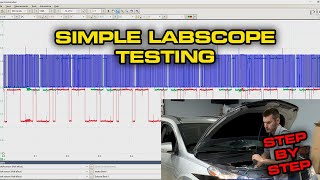
How to confirm: A mechanic can use a scan tool to view camshaft deviation data. If the deviation angles are high (e.g., over 8-10 degrees), it confirms 🎬 Watch: How to use a labscope to confirm timing chain stretch. a timing discrepancy. A deviation greater than 4-6 degrees between desired and actual camshaft position can point to a mechanical timing problem. The ultimate confirmation is a physical inspection of the chains, guides, and tensioners, which is a labor-intensive process requiring engine disassembly.
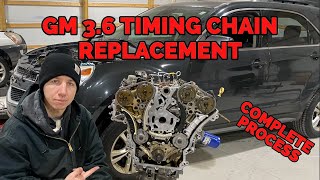
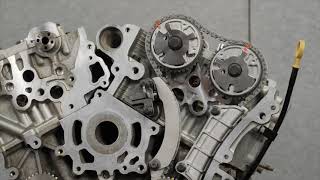
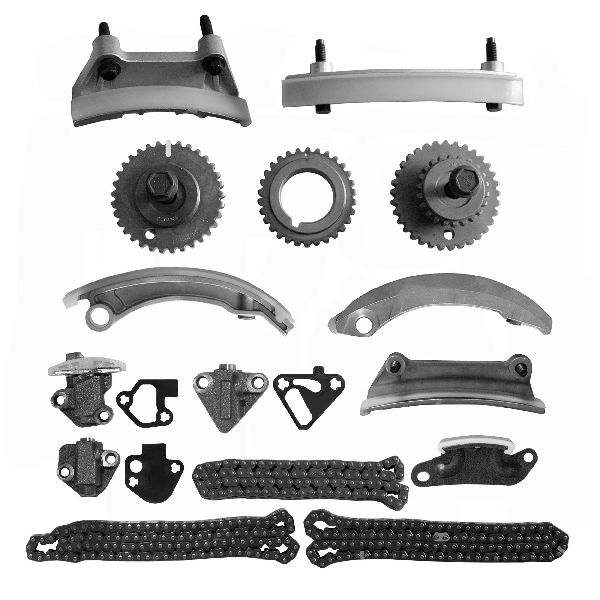
Typical fix: Replace all three timing chains, the tensioners, and the guides. This is a major repair, often costing $1,600-$2,500.
Est. part cost: $400-$800 - Low or Dirty Engine Oil 🟡 Medium Probability The camshaft phasing system (VVT) is hydraulic and relies on clean oil at the correct pressure. Sludge or low levels can prevent the actuators and tensioners from functioning correctly. Some owners have reported resolving the code, at least temporarily, with an engine flush and oil change.
How to confirm: Check the oil level on the dipstick and inspect its color and consistency. If it's low, black, or sludgy, this is a likely contributor.
Typical fix: Perform an engine oil and filter change using the correct viscosity oil (typically SAE 5W-30 synthetic). In some cases, an engine flush may be recommended by a professional.
Est. part cost: $40-$90 - Failed Camshaft Position Actuator Solenoid (VVT Solenoid) 🟡 Medium Probability → Shop Engine Camshaft On the LGX/LGZ engine, VVT solenoids are a known failure point, sometimes more common than timing chain issues. They have fine mesh screens that can get clogged with debris from oil, causing them to stick or respond slowly.
How to confirm: The easiest way is to swap the Bank 1 exhaust solenoid with another one (e.g., the intake solenoid on the same bank or the exhaust solenoid from Bank 2). Clear the codes and drive the vehicle. If the code changes to follow the solenoid (e.g., P0016, P0018, or P0019), the solenoid is bad.
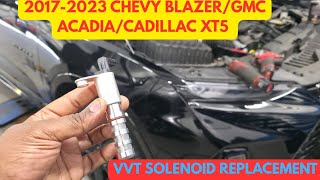
Typical fix: Replace the faulty solenoid. They are located on the front of the cylinder heads and are typically held in by a single bolt.
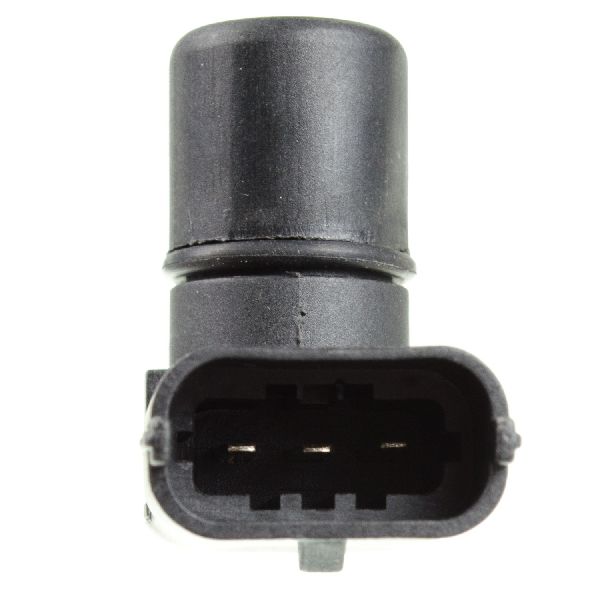
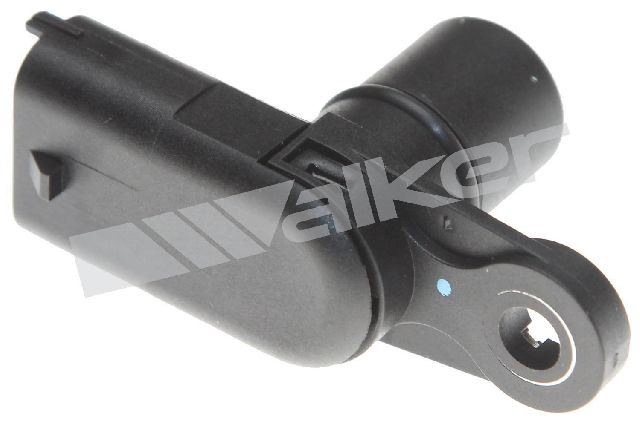
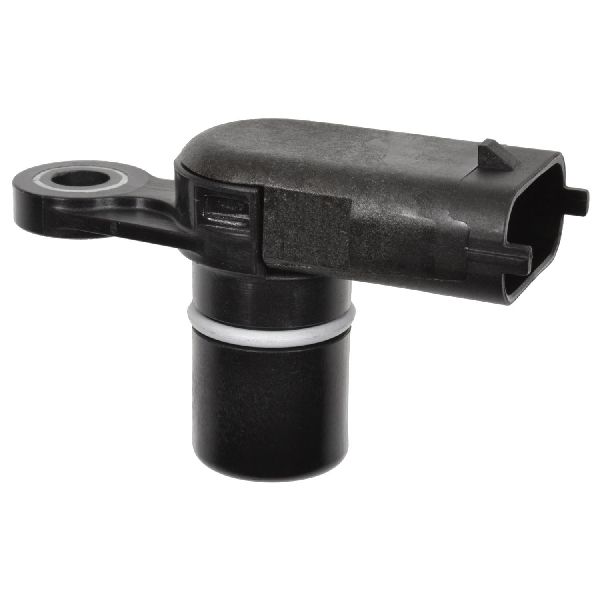
Est. part cost: $30-$80 - Failed Camshaft Position Sensor (CMP) ⚪ Low Probability → Shop Engine Camshaft Position Sensor While possible, sensor failure is less common than mechanical or oil-related issues. The sensor is often replaced mistakenly when it is accurately reporting a real timing problem.
How to confirm: Test the sensor's circuit for proper voltage and ground. A scan tool can monitor the sensor's output to check for an erratic signal.
Typical fix: Replace the Bank 1 exhaust camshaft position sensor.
Est. part cost: $25-$70
Rare But Worth Checking
- Failed Camshaft Phaser: → Shop Engine Camshaft The phaser is the mechanical gear on the end of the camshaft that actually does the rotating. It can fail internally or get clogged with debris, but this is less common than a solenoid failure.
- Clogged Oil Passages: Severe engine sludge can block the small oil passages leading to the VVT solenoids and cam phasers, preventing them from functioning even if the parts themselves are good.
- Slipped Crankshaft Reluctor Wheel: → Shop Engine Crankshaft A very rare but possible cause noted in TSBs for older 3.6L engines (like PIP3423P). The reluctor wheel on the crankshaft, which the crank sensor reads, can physically move, causing a permanent timing mismatch. This requires crankshaft replacement to fix.
Diagnosis Steps
- Check Engine Oil: Verify the oil level is full and the oil is clean. If low or dirty, perform an oil and filter change, clear the code, and see if it returns. This is the easiest and most important first step.
- Scan for Other Codes: Check for related codes like P0008 or P0016, which increase the likelihood of a timing chain issue.
- Inspect Solenoids: Inspect the wiring and connectors for the Bank 1 (firewall side) exhaust camshaft actuator solenoid.
- Swap Solenoids: Swap the Bank 1 exhaust solenoid with the Bank 1 intake solenoid. Clear the codes. If the code changes to P0016, you have confirmed a bad solenoid. This is a highly effective diagnostic step before suspecting major mechanical failure.
- Check Sensor Wiring: Inspect the wiring and connector for the Bank 1 exhaust camshaft position sensor.
- Advanced Diagnostics: If the above steps do not resolve the issue, the problem is likely a mechanical timing fault. A technician will need to use a professional scan tool to monitor cam/crank correlation data. If the data shows a significant deviation (over 4-6 degrees), it confirms a stretched timing chain or failed phaser.
- Physical Inspection: The final step is to physically access the timing components to inspect for stretched chains, broken guides, or failed tensioners. This is a highly labor-intensive job.
Parts You'll Likely Need
- Timing Chain Kit
(OEM #12713649)— This is the most probable root cause for P0017 on the 3.6L V6 engine family. A kit includes all chains, tensioners, and guides.
Trusted brands: ACDelco, Cloyes
OEM price range: $270-$500
Aftermarket price range: $250-$450 - Camshaft Position Actuator Solenoid (Exhaust)
(OEM #12684805)— These solenoids control oil flow to the cam phasers and can fail or get clogged, causing timing correlation faults. This is a common failure on the LGX engine.
Trusted brands: ACDelco, Delphi, Dorman
OEM price range: $50-$90
Aftermarket price range: $30-$60 - Engine Oil and Filter — Low or dirty oil is a primary cause of VVT system faults and contributes to timing chain wear.
Trusted brands: ACDelco, Mobil 1, Pennzoil
OEM price range: $60-$100
Aftermarket price range: $40-$70
Related Codes That Often Appear With This One
- P0008 — This is a more general 'Engine Positions System Performance (Bank 1)' code. When seen with P0017, it strongly reinforces that a stretched timing chain is the likely cause.
- P0016 — This is the correlation code for the intake camshaft on the same bank (Bank 1). If both P0016 and P0017 are present, it points to a timing issue affecting the entire bank, most likely a stretched timing chain.
Technical Service Bulletins (TSBs) & Recalls
- TSB #PIP3423P: While for older 3.6L engines (LFX/LLT), this TSB is relevant as it links codes P0016, P0017, P0018, P0019 to either loose timing chains or a rare condition where the crankshaft reluctor wheel has slipped. A manufacturer service bulletin notes that technicians will need to inspect for loose timing chains or tensioners when these codes are set.
- TSB #12-06-01-009F: Also for older 3.6L engines, this bulletin acknowledges timing chain stretch issues and provides updated part numbers for more durable replacement kits, highlighting the history of this problem in the engine family.
Platform-Specific Known Issues
- The GM 3.6L V6 engine family (including the LFX and LGX) has a well-documented history of issues with timing chain stretching, which can lead to codes like P0017, P0008, and P0016.
- While the LGX engine in the 2018+ Traverse has an improved timing chain design over its LFX predecessor, VVT solenoid failure has emerged as a very common cause for P0017 that should be ruled out before condemning the timing chains.
Mechanic-Grade Diagnostic Values
- VVT (Camshaft Actuator) Solenoid Resistance — expected: 7 to 12 Ohms (some sources cite 8-12 Ohms or 6.9-13 Ohms). Failure: A reading of infinite resistance (Open), near 0 Ohms (Short), or significantly outside the expected range.
- Camshaft Position Sensor (CMP) Resistance — expected: Approximately 1.2 kΩ. Failure: A significant deviation from the expected resistance, or an open/short circuit reading.
- Scan Tool Camshaft Position Variance — expected: The 'Actual' position should closely track the 'Desired' position on a scan tool.. Failure: A consistent deviation greater than 4-6 degrees between desired and actual camshaft position angles at idle or 2500 RPM points to a mechanical timing problem like a stretched chain.
- Engine Oil Pressure at Idle (Warm) — expected: At least 25 PSI. Failure: Pressure significantly below 25 PSI can starve VVT components and trigger timing codes.
Scan Tool Commands That Help
- GDS2 (GM): Camshaft Position Actuator Test — This bidirectional command allows a technician to manually command the VVT solenoids to activate and deactivate. By observing the change (or lack thereof) in camshaft angle data on the scanner, a technician can confirm if the solenoid is responding to commands and if the cam phaser is mechanically able to move. This helps isolate a faulty solenoid from a stuck phaser or oil pressure issue.
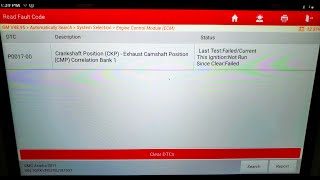
- GDS2 (GM): Camshaft Position vs. Crankshaft Position Data — This live data parameter is the primary diagnostic screen for P0017. It shows the desired vs. actual camshaft angle for Bank 1 Exhaust. A large and persistent deviation (e.g., >4-6 degrees) that does not correct itself when the VVT system is commanded on or off strongly indicates a base mechanical timing issue (stretched chain).
Wiring & Ground Locations
- G103 — Located at the left rear of the engine compartment on the cowl, often above the brake booster.. This is a major ground point for the Engine Control Module (ECM). A poor connection here can cause unpredictable ECM behavior and a wide range of false codes, including correlation codes like P0017, as it can affect sensor reference voltages.
- G110 — A primary engine ground on Bank 1 (firewall side).. A loose or corroded G110 could directly impact the reference voltage or signal integrity for the Bank 1 camshaft sensors and VVT solenoids, potentially causing erratic readings and triggering a P0017 fault.
- Bank 1 Camshaft Sensor Connector — On the top of the rear valve cover (firewall side). Bank 1 has two sensors (intake and exhaust). The exhaust sensor is 'Sensor B'.. This is the primary connector to inspect for the sensor involved in the P0017 code. Check for corrosion, pushed-out pins, or harness damage near the connector.
Real Owner Repair Stories
- Reddit user in r/MechanicAdvice (Vehicle not specified, but symptoms match GM engine issues.) — Car ran badly, P0017 code present. Found timing had jumped 2 teeth.
❌ Tried (didn't work) Replacing the crankshaft position sensor.
✅ What actually fixed it The user replaced the timing chain, tensioners, both CVVT sprockets, and the exhaust camshaft (due to a broken dowel pin). After the full timing job, the car ran well, but the code remained. The community suggested cleaning and testing the oil control valve (VVT solenoid) for any remaining sludge that could cause a persistent code even after mechanical repair. - BobIsTheOilGuy Forum User (GM vehicle with 3.6L LGZ engine (closely related to LGX)) — Light throttle stumble, RPMs drop for a second, then gone. Pending P0017 code.
❌ Tried (didn't work) The user maintained 5k mile oil change intervals with high-quality synthetic oil, so poor maintenance was not the cause.
✅ What actually fixed it The consensus from other forum members was that the VVT solenoids are one of the most common failure points on the LGX/LGZ engines for this code, far more likely than a timing chain issue given the improved design and the owner's good maintenance history. The recommended fix was to replace the VVT solenoid before considering more invasive repairs. - NHTSA ODI #11184580 — An owner reported the car began running extremely rough with a lack of power. The check engine light showed codes P0016 and P0017, and the vehicle had a bad timing chain which required replacement.
- NHTSA ODI #10899234 — An owner experienced a check engine light for code P0017. A camshaft sensor was replaced, but the light returned two weeks later with multiple codes.
- NHTSA ODI #10863342 — A report describes a vehicle where the timing chain was stretched and needed replacement after codes P0008, P0009, and P0017 appeared.
- NHTSA ODI #10853187 — An owner reported repeatedly getting code P0017; the dealer identified the issue as a crankshaft-related component.
OEM Part Supersession History
12661007→12684805— This is the part number for the Camshaft Phaser. Supersession often indicates a design or material improvement for better durability or performance.
Model Year Variations Within This Range
- 2018-2023: While the core LGX engine design is consistent through this period, minor changes in ECM software calibrations occurred. For some codes, like P0128, a specific TSB for 2021 models points to a software update as the fix. While no such specific TSB for P0017 on the 2021 Traverse is noted, it highlights that software-related causes should not be entirely ruled out, especially on a single model year.
Diagnostic Flowchart
Real Owner Stories
Aggregated from forums and TSBs cited above. Mileages and costs reflect what owners reported in those sources.
2021 GMC Canyon 3.6L LGZ
Symptoms: Pending P0017 code accompanied by a slight engine stumble.
What fixed it: Diagnosed as a faulty VVT solenoid, which is a much more likely cause than a stretched timing chain on this newer engine design, especially given a history of regular synthetic oil changes.
Source hint: Bob Is The Oil Guy forum thread titled 'GM 3.6L LGZ - P0017. Camshaft Position. Thoughts?'
Related OBD-II Codes
Frequently Asked Questions
Is the P0017 code on my 2018-2023 Traverse 3.6L LGX definitely a stretched timing chain?
How can I easily test if a VVT solenoid is causing the P0017 code on my Traverse?
Do the older GM TSBs like PIP3423P or 12-06-01-009F apply to my 2018+ Traverse?
Can low oil cause the P0017 code on the 3.6L LGX engine?
How much does it cost to fix a stretched timing chain on the Traverse 3.6L?
I have a P0017 code and a rattling noise on startup. What does this mean for my Traverse?
Helpful Videos

We Have This Part in Stock


The information in this article is provided for general reference and educational purposes only. Vehicle specifications, procedures, and part compatibility can vary by production date, trim level, and region. Always consult your vehicle's factory service manual and verify part numbers before purchasing or performing repairs. Safety-critical components such as airbags, seat belts, and braking systems should be installed by a qualified professional.
- Chevrolet Traverse:
- 🧭 Diagnostic Flowchart
- 🎬 Helpful Videos
- 🛍️ Shop This Part
- What's Unique About the 2018-2023 Chevrolet Traverse
- Symptoms You May Notice
- Most Likely Causes
- Rare But Worth Checking
- Diagnosis Steps
- Parts You'll Likely Need
- Related Codes That Often Appear With This One
- Technical Service Bulletins (TSBs) & Recalls
- Platform-Specific Known Issues
- Mechanic-Grade Diagnostic Values
- Scan Tool Commands That Help
- Wiring & Ground Locations
- Real Owner Repair Stories
- OEM Part Supersession History
- Model Year Variations Within This Range
- Real Owner Stories
- 2021 GMC Canyon 3.6L LGZ
- Related OBD-II Codes
- Frequently Asked Questions
- 🎟️ Get 5% Off