

P0017 on 2011-2017 Chrysler 200 3.6L: Exhaust Cam Timing Causes and Fixes
On the 3.6L Pentastar, P0017 is most often caused by low/dirty oil or a failed oil filter. If oil maintenance is good, suspect a faulty camshaft position sensor or VVT solenoid. However, this code is also a strong indicator of deeper engine issues like a stretched timing chain, loose oil galley bolts, or failing rocker arms, which are more costly repairs specific to this engine family.
- Always check your oil level, condition, and filter type first. This is the easiest and most common fix.
- P0017 on a 3.6L Pentastar should be taken seriously as it can be an early warning for a stretched timing chain.
- A simple diagnostic step is to swap the Bank 1 intake and exhaust camshaft sensors to see if the code changes to P0016, which isolates a faulty sensor.
- If you hear a rattling noise from the engine for a few seconds on a cold start, suspect a failing timing chain tensioner.
- If you or a mechanic are removing the valve cover, make sure to inspect the oil galley bolts for tightness.
What's Unique About the 2011-2017 Chrysler 200
The 3.6L Pentastar V6 is a sophisticated engine, but it's known for specific issues that directly cause the P0017 code. Unlike many engines where this code points to a simple sensor failure, on the Pentastar it is frequently a warning sign for oil pressure problems or mechanical wear. Three widely documented failure points are: 1) loose oil galley bolts under the valve covers causing a loss of oil pressure to the cam phasers, 2) stretched timing chains, and 3) failing rocker arm bearings ('Pentastar Tick') which can shed debris, clog oil passages, and potentially damage camshafts. These platform-specific problems make a thorough diagnosis more critical than on other vehicles.
Generation note: The 2011-2017 Chrysler 200 spans two generations: the JS (2011-2014) and the UF (2015-2017). Both used the 3.6L Pentastar V6. However, for the 2016 model year, the engine was updated, which included changes to the Variable Valve Timing (VVT) system. While the common causes are similar, a TSB (09-009-16) specifically addresses VVT solenoid issues on some 2016 engines. Early models (2011-2013) are also noted for a left-bank cylinder head defect, though this typically causes misfires on cylinders 2, 4, and 6, it highlights the valvetrain sensitivity of early Pentastars.
Symptoms You May Notice
- Check Engine Light is on
- Rough or uneven idle
- Engine stalling, especially at low speeds or when stopping
- Loss of power and poor acceleration
- Increased fuel consumption
- Rattling noise from the engine, especially on cold startup
- Ticking noise from the upper engine ('Pentastar Tick')
- Engine may crank but fail to start in severe cases
- Immediately replacing the camshaft phaser without checking for oil pressure issues, loose galley bolts, or a stretched timing chain.
- Replacing sensors without first checking oil level, quality, and filter condition.
- Replacing only the camshaft position sensor when the root cause is a stretched timing chain or failing rocker arms.
- Mistaking the rough running and low power for a transmission problem.
Most Likely Causes
- Low, Dirty, or Incorrect Engine Oil 🔴 High Probability The Pentastar's Variable Valve Timing (VVT) system is hydraulically operated and extremely sensitive to oil pressure and cleanliness. Even overfilled oil can cause aeration and pressure loss.
How to confirm: Check the oil level on the dipstick and examine its condition. Ensure the correct viscosity (typically 5W-20 or 5W-30, check owner's manual) is being used. Note the date/mileage of the last oil change.
Typical fix: Perform an oil and filter change using high-quality, OEM-spec oil and a Mopar or equivalent filter. Clear codes and re-test.
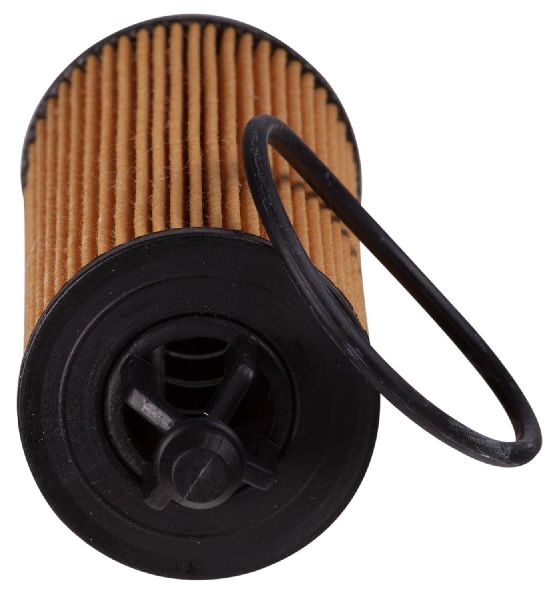
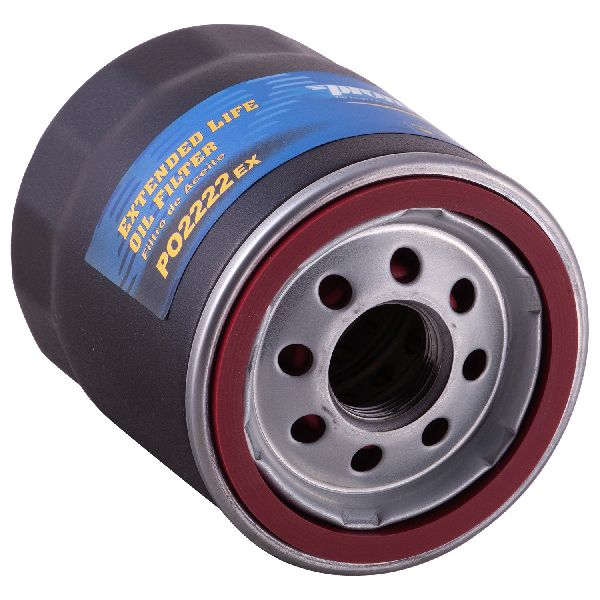
Est. part cost: $40-$80 - Collapsed or Incorrect Oil Filter 🔴 High Probability → Shop Engine Oil Filter Adapter The Pentastar oil filter housing is known to be problematic with some aftermarket filters, which can collapse or disintegrate, starving the top end of the engine of oil and triggering timing codes.
How to confirm: Remove the oil filter cap and inspect the filter for any signs of collapse, tearing, or blockage. Ensure the center support cage is present and intact.
Typical fix: Replace the oil filter with a high-quality OEM Mopar or equivalent filter (e.g., Mopar 68191349AB). Perform an oil change.
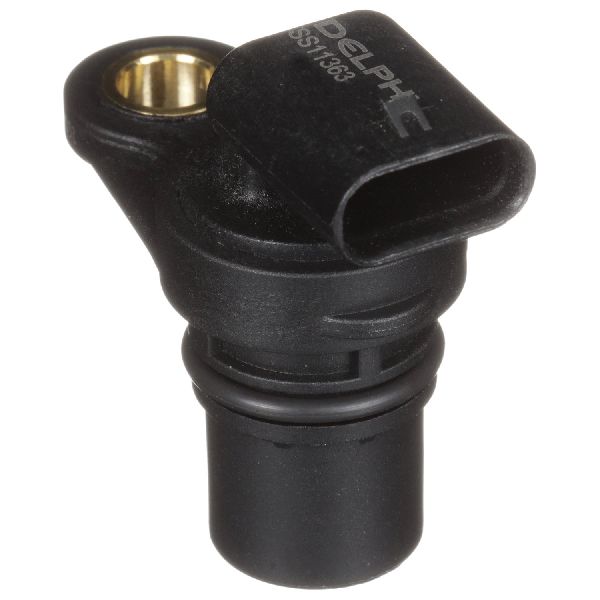
Est. part cost: $15-$30 - Faulty Camshaft Position Sensor (Bank 1, Exhaust) 🟡 Medium Probability → Shop Engine Camshaft Position Sensor Sensors can fail from heat cycles and age. On the 200, the Bank 1 sensors are at the rear of the engine, making access tighter.
How to confirm: Swap the Bank 1 exhaust camshaft sensor with the Bank 1 intake sensor. Clear codes and drive. If the code changes to P0016 (Intake Correlation), the sensor is confirmed bad. The OEM part number is typically 5149141AF.
Typical fix: Replace the faulty camshaft position sensor.
Est. part cost: $25-$70 - Faulty VVT Solenoid / Oil Control Valve (OCV) 🟡 Medium Probability → Shop Engine Variable Valve Timing (VVT) Solenoid The solenoid can get clogged with sludge from poor oil maintenance or fail electrically. TSB 09-009-16 addresses issues with these solenoids on 2016 models.
How to confirm: A scan tool can command the solenoid to actuate while monitoring cam timing error PIDs. You can also remove it and test for resistance (typically 7.0-8.0 ohms) and apply 12v to check for mechanical operation.
Typical fix: Replace the Bank 1 exhaust VVT solenoid. The OEM part number is typically 5184101AG.
Est. part cost: $30-$90 - Stretched Timing Chain or Failed Tensioner 🟡 Medium Probability → Shop Engine Timing Chain This is a known weakness in some Pentastar engines, often indicated by a startup rattle. Wear over time can cause enough slack to throw off cam/crank correlation by more than the 8-10 degrees the PCM allows.
How to confirm: This is an advanced diagnosis requiring removal of the timing cover to inspect chain slack, guide wear, and tensioner position. A rattling noise on cold starts is a strong symptom. A scan tool showing correlation error consistently over 8 degrees is also a strong indicator.
Typical fix: Replace the primary and secondary timing chains, tensioners, and guides. This is a labor-intensive job.
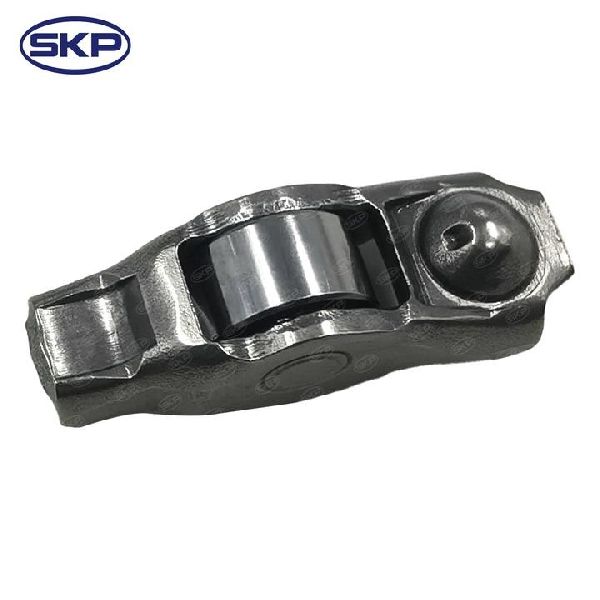
Est. part cost: $300-$600 - Failing Rocker Arms / Lifters ('Pentastar Tick') 🟡 Medium Probability A widely documented failure where the needle bearings in the rocker arms fail, causing a ticking noise. This can lead to camshaft lobe damage and metal debris contaminating oil, which can clog VVT components and cause timing codes.
How to confirm: Listen for a distinct, rhythmic ticking sound from the valve cover area. Requires removing the valve cover and intake manifold to inspect rocker arms for play and camshaft lobes for scoring.
Typical fix: Replace all rocker arms and lifters on the affected cylinder head. If the camshaft is damaged, it must also be replaced. This is often done as a preventative measure on the other head at the same time. A common rocker arm part number is 5184296AH.
Est. part cost: $200-$700 (for parts, depending on camshaft replacement) - Loose Oil Galley Bolts ⚪ Low Probability A specific design issue where 13mm bolts inside the cylinder head can back out, causing a localized oil pressure drop to the cam phasers.
How to confirm: Requires removing the Bank 1 (rear) valve cover and visually inspecting the oil galley bolts located between the camshafts to see if they are loose. This is often checked during a rocker arm or timing chain job.
Typical fix: Tighten the loose bolts to the proper torque specification (consult service manual, typically around 106 in-lbs or 12 Nm). The valve cover gasket should be replaced at the same time.
Est. part cost: $40-$100 (for gasket)
Rare But Worth Checking
- Failed Camshaft Phaser: → Shop Engine Camshaft The phaser itself can fail mechanically, getting stuck in one position due to a broken internal lock pin or debris. This is less common than being starved of oil but is a possibility, especially on higher mileage engines.
- Damaged Crankshaft Reluctor Wheel: → Shop Engine Crankshaft Though more commonly associated with GM engines, it's possible for the toothed wheel that the crankshaft sensor reads to slip or be damaged, causing incorrect readings.
- Damaged Camshaft Tone Wheel: → Shop Engine Camshaft The reluctor wheel on the camshaft itself can be damaged or slip, though this is very rare. There are special tools to check its alignment relative to the camshaft.
Diagnosis Steps
- Check Engine Oil: Verify the oil level is full and the oil is clean. Critically, remove the oil filter and inspect it for collapse or debris. Note the brand of filter used; prefer Mopar.
- Scan for Codes: Use an OBD-II scanner to confirm P0017 and check for any other related codes, especially P0016, P06DD, or misfire codes. Note any pending or history codes.
- Analyze Scan Tool Live Data: Monitor the 'Cam/Crank Correlation' PID. A value consistently exceeding 8-10 degrees at idle or during a snap throttle test is a strong indicator of a mechanical timing issue.
- Test the VVT Solenoid: Use a scan tool with bidirectional controls to command the Bank 1 exhaust VVT solenoid on and off. The engine's idle should change noticeably. If not, the solenoid or its circuit is suspect. Alternatively, swap the exhaust solenoid with the intake solenoid on the same bank. If the code changes to P0016, the solenoid is bad.
- Test the Camshaft Position Sensor: Check for a 5-volt reference signal at the sensor connector with the key on. A more definitive test is to swap the Bank 1 exhaust sensor with the intake sensor. If the code changes to P0016, the sensor is faulty.
- Inspect for Mechanical Faults: If all else fails, this is the next step. Listen for a startup rattle (timing chain) or a persistent tick (rocker arms). This requires removing the valve cover to inspect for loose oil galley bolts, worn rocker arms, and scored camshaft lobes. If those are okay, the final step is removing the timing cover to inspect the timing chain, guides, and tensioners for wear and slack.
Parts You'll Likely Need
- Camshaft Position Sensor
(OEM #5149141AF)— This sensor provides the reading that the PCM uses to track cam position. It's a common failure point and relatively easy to replace. - VVT Solenoid (Oil Control Valve)
(OEM #5184101AG)— This solenoid controls oil flow to the cam phaser. It can get clogged with debris or fail electrically. - Engine Oil Filter
(OEM #68191349AB)— A collapsed or incorrect aftermarket filter is a very common cause of oil starvation to the VVT system. - Rocker Arm and Lifter Kit
(OEM #5184296AH (Rocker Arm))— Failing rocker arms are a known pattern failure ('Pentastar Tick') that can cause this code by creating debris or damaging the camshaft. - Timing Chain Kit — For higher-mileage engines or those with a startup rattle, a stretched timing chain is a likely mechanical cause.
Related Codes That Often Appear With This One
- P0016 — This is the correlation code for the intake camshaft on the same bank. Seeing P0016 and P0017 together strongly points to a base timing issue affecting the entire bank, like a stretched chain or a major oil pressure loss to that head.
- P06DD — This code means 'Engine Oil Pressure Control Circuit Stuck Off'. It indicates a base oil pressure problem (like a failing dual-stage oil pump) that is starving the VVT system, directly causing timing codes like P0017.
- P0300, P0301, P0303, P0305 — These are random or specific misfire codes for Bank 1. If the cam timing is off far enough, it will cause misfires on the affected cylinders. Misfires can also be caused by the 'Pentastar Tick' from failing rocker arms, which is a related root cause.
- P0019 — This is the same correlation code (P0017) but for Bank 2 (front bank). Seeing both P0017 and P0019 together points to a global issue affecting both banks, such as a collapsed oil filter, severe oil sludge, or a failing oil pump.
Technical Service Bulletins (TSBs) & Recalls
- TSB 09-009-16: For some 2016 models with the 3.6L engine, this TSB addresses rough running and multiple DTCs, including P0017, by replacing both intake VVT solenoids.
Platform-Specific Known Issues
- Repair Story: Timing Chain Replacement: → Shop Engine Timing Chain A user on 200forums.com with a 2012 Chrysler 200 reported getting both P0016 and P0017 codes. After trying sensor swaps with no change, the consensus from the community was a stretched timing chain. The owner eventually confirmed that a full timing chain, guide, and tensioner replacement resolved the codes.
- Repair Story: Rocker Arm Failure Leading to Codes: On a 2015 Jeep Wrangler with the same 3.6L engine, a mechanic diagnosed a cylinder 3 misfire. Upon inspection, he found a failed rocker arm with collapsed bearings. He noted that if left untreated, the debris and camshaft damage could easily lead to VVT system clogs and trigger timing correlation codes like P0017.
Mechanic-Grade Diagnostic Values
- VVT Solenoid / Oil Control Valve (OCV) Internal Resistance — expected: 7.0 to 8.0 Ohms at 68°F (20°C). Failure: A reading of infinity (OL) indicates an open circuit; a reading near zero indicates a shorted solenoid.
- Camshaft Position Sensor Signal Voltage (Hall-Effect Sensor) — expected: Switches between 5V and 0V as the engine is rotated manually or a magnet is passed over the sensor tip.. Failure: Voltage does not switch, or is stuck high or low, indicating a failed sensor.
- Camshaft Position Sensor Supply Voltage — expected: ~5V at the sensor connector with key on, engine off.. Failure: No voltage or low voltage points to a wiring or PCM issue, not a sensor failure.
- Scan Tool Cam/Crank Correlation Error PID — expected: Less than +/- 8 degrees at idle and under load.. Failure: A consistent deviation greater than 8-10 degrees strongly suggests a mechanical timing issue (e.g., stretched chain).
- Engine Oil Pressure (Dual-Stage Pump) — expected: Stage 1 (Idle to ~3,000 RPM): ~30 PSI. Stage 2 (>3,000 RPM): ~75 PSI.. Failure: Significantly lower pressure, especially at idle, will starve the VVT system and cause timing codes. Often accompanied by P06DD.
Scan Tool Commands That Help
- wiTECH (or advanced aftermarket scanner): VVT Solenoid Actuation Test — To command a specific VVT solenoid on and off while monitoring engine RPM or timing PIDs. A lack of change in engine idle or timing angle points to a faulty solenoid, clogged oil passage, or bad wiring.
- wiTECH (or advanced aftermarket scanner): Cam Phaser Cleaning Procedure — As a diagnostic step when a sticky cam phaser is suspected due to dirty oil or sludge. The PCM will cycle the phaser through its full range of motion to try and dislodge debris. This is often recommended before replacing expensive phaser components.
Wiring & Ground Locations
- G300 — Located at the base of the driver's side 'B' pillar, under the interior trim.. This is a major chassis ground point. While not directly for the cam sensor, a poor connection here can introduce electrical noise and unstable voltages to various modules, including the PCM, potentially causing phantom sensor codes.
- Camshaft Position Sensor Connector — On the 3.6L, there is one sensor per cylinder head, each reading both the intake and exhaust cams for that bank. Bank 1 (rear/firewall side) sensor is difficult to access. The connector has 4 pins.. The 4-wire sensor serves both intake and exhaust cams. Wires for the exhaust cam (Sensor B) can be specifically tested for 5V supply and signal. Damage or corrosion at this connector is a common point of failure.
Real Owner Repair Stories
- YouTube channel 'ProMasters Only' (Ram Promaster with 3.6L Pentastar (same engine family)) — Persistent P0016 and P0017 codes, indicating both intake and exhaust cams on one bank were out of time by about 10 degrees.
❌ Tried (didn't work) Initial diagnosis pointed towards a stretched timing chain or bad tensioner because both cams on one bank were affected.
✅ What actually fixed it The root cause was a loose oil galley bolt under the valve cover for the affected bank. The bolt had backed out, causing a localized loss of oil pressure to both cam phasers on that bank. Tightening the bolt resolved both codes without needing a timing chain replacement. - Forum user experience compilation (2014 Jeep Grand Cherokee with 3.6L Pentastar) — Check Engine Light with P0016 and P0017 codes, intermittent rough running, especially on the highway or uphill.
❌ Tried (didn't work) Replaced both VVT solenoids/actuators on the advice of a dealer, which had no effect on the symptoms or codes.
✅ What actually fixed it The actual cause was failing rocker arms ('Pentastar Tick'). The inconsistent valve lift caused by the worn rocker arms was creating enough of a timing discrepancy to trigger the correlation codes. Replacing the rocker arms resolved the codes and rough running.
OEM Part Supersession History
5184296AD, 5184296AE, 5184296AF, 5184296AG→5184296AH— Updated design to improve the longevity of the rocker arm's roller bearing, which was a common failure point causing the 'Pentastar Tick'.
Heads up: While earlier versions will fit, installing the latest 'AH' revision is highly recommended for any rocker arm replacement job to prevent repeat failures.None specified→5149141AF— This is the current, widely available Mopar part number for the camshaft position sensor for this application.
Heads up: This part number is specified for the 3.6L V6 across many Chrysler/Dodge/Jeep models from 2011-2017 and beyond.
Model Year Variations Within This Range
- 2016-2017: For the 2016 model year, the 3.6L Pentastar V6 was significantly updated. Changes included a new two-step variable valve lift (VVL) system, an increased VVT operating range (from 50 to 70 degrees), and a higher compression ratio. While the root causes of P0017 are similar, the VVT solenoids and internal phaser mechanics are different, which is important to note when ordering parts.
- 2011-2015 vs 2016+: The timing chains and sprockets were updated for some 2016 models. When ordering a timing chain kit, it is critical to verify which version the specific vehicle requires, as the earlier and later designs are not interchangeable.
Diagnostic Flowchart
Other Known Issues on This Vehicle
Issues unrelated to this code that are worth knowing about as an owner of this generation:
- Cracking Oil Filter Housing / Cooler Assembly 🔴 High → Shop Engine Oil Filter Adapter — Very common across all model years. The original plastic housing becomes brittle with heat cycles and cracks, causing significant oil and/or coolant leaks.
- Rocker Arm / Lifter Failure ('Pentastar Tick') 🔴 High — Extremely common, often starting as a light ticking noise around 60,000-100,000 miles and getting progressively worse.
- Left Cylinder Head Defect 🔴 High — Specific to 2011-2013 models, particularly those built before mid-2012. (Ref: TSB 09-002-14 / Extended Warranty X56)
- Engine Stalling While Driving 🔴 High — Commonly reported on 2011-2013 models, leading to an NHTSA investigation.
- Transmission Failure (2015-2017 UF Models) 🔴 High — A significant number of owners of the second-generation Chrysler 200 reported issues with the ZF 9-speed automatic transmission.
Used vs. New Parts: Buying Guide for This Vehicle
When a used part is the smart pick: For this specific repair, sourcing used parts is generally not recommended due to the high failure rate of the key components. The only exception might be a low-mileage, complete cylinder head assembly from a reputable salvage yard if the original head is severely damaged, but even then, inspection of the rocker arms and camshafts is critical.
Donor-vehicle mileage cap: roughly under 50000 miles for the part to have meaningful remaining life.
What to inspect on the donor part:
- Verify the donor vehicle's mileage is low.
- Ask for maintenance records if available, specifically looking for regular oil changes with synthetic oil.
- If buying a cylinder head, remove the valve cover to inspect for any sludge buildup, which indicates poor maintenance.
- Manually check for play in the rocker arms on a donor head.
OEM-only on this vehicle (don't cheap out):
- Timing Chain Kit (Chains, Guides, Tensioners)
- Rocker Arms / Lifters
- Camshaft Position Sensors
- VVT Solenoids (Oil Control Valves)
Aftermarket brands forum-validated for this vehicle:
- Cloyes (For timing chain kits)
Brands owners have reported issues with on this vehicle:
- Unbranded, no-name timing kits and electronic sensors from online marketplaces.
- Aftermarket oil filters that do not meet OEM specifications, as they are a known cause of oil pressure issues and engine failure.
Real Owner Stories
Aggregated from forums and TSBs cited above. Mileages and costs reflect what owners reported in those sources.
2012 Chrysler 200 3.6L
Symptoms: The vehicle was throwing both P0016 and P0017 codes. The owner attempted to swap sensors, but the codes remained.
What fixed it: A full replacement of the timing chain, guides, and tensioners resolved the correlation codes.
Source hint: Repair Story: Timing Chain Replacement (200forums.com)
2015 Jeep Wrangler 3.6L Pentastar V6
Symptoms: Cylinder 3 misfire and a failed rocker arm with collapsed bearings.
What fixed it: Replacement of the failed rocker arm; the mechanic noted this prevents debris from clogging VVT components and triggering P0017.
Source hint: Repair Story: Rocker Arm Failure Leading to Codes
Related OBD-II Codes
Frequently Asked Questions
Does TSB 09-009-16 apply to my 2016 Chrysler 200 with the 3.6L engine?
What is the 'Pentastar Tick' I hear on my Chrysler 200, and can it cause a P0017 code?
Can using the wrong oil filter cause a P0017 code on the 3.6L Pentastar?
Is there a specific part number for the camshaft position sensor if I need to replace it?
I have a rattling noise on cold startup; is this related to the P0017 code?
Are there loose bolts inside the cylinder head that I should check?
Helpful Videos
We Have This Part in Stock


The information in this article is provided for general reference and educational purposes only. Vehicle specifications, procedures, and part compatibility can vary by production date, trim level, and region. Always consult your vehicle's factory service manual and verify part numbers before purchasing or performing repairs. Safety-critical components such as airbags, seat belts, and braking systems should be installed by a qualified professional.
- Chrysler 200:
- 🧭 Diagnostic Flowchart
- 🎬 Helpful Videos
- 🛍️ Shop This Part
- What's Unique About the 2011-2017 Chrysler 200
- Symptoms You May Notice
- Most Likely Causes
- Rare But Worth Checking
- Diagnosis Steps
- Parts You'll Likely Need
- Related Codes That Often Appear With This One
- Technical Service Bulletins (TSBs) & Recalls
- Platform-Specific Known Issues
- Mechanic-Grade Diagnostic Values
- Scan Tool Commands That Help
- Wiring & Ground Locations
- Real Owner Repair Stories
- OEM Part Supersession History
- Model Year Variations Within This Range
- Other Known Issues on This Vehicle
- Used vs. New Parts: Buying Guide for This Vehicle
- Real Owner Stories
- 2012 Chrysler 200 3.6L
- 2015 Jeep Wrangler 3.6L Pentastar V6
- Related OBD-II Codes
- Frequently Asked Questions
- 🎟️ Get 5% Off