

P0017 on 2007-2010 Chrysler Sebring 2.4L: Cam/Crank Correlation Causes and Fixes
For a P0017 code on a 2007-2010 Chrysler Sebring 2.4L, the most likely causes are low or dirty engine oil, a faulty exhaust VVT solenoid, or a bad exhaust camshaft position sensor. Start by checking the oil; if it's clean and full, the VVT solenoid is the next most probable fix, costing around $25-$60 for an aftermarket part. In some cases, a PCM software update may be required per a technical service bulletin.
- Always check your engine oil level and condition first. A simple oil change is the most common and cheapest fix for P0017 on this engine.
- If the oil is fine, the exhaust VVT solenoid is the next most likely culprit. It's relatively inexpensive and easy to replace.
- Do not immediately assume you need a costly timing chain replacement. Thoroughly diagnose the sensors and solenoids first.
- If both P0017 (exhaust) and P0016 (intake) codes are present, the likelihood of a stretched timing chain increases significantly.
What's Unique About the 2007-2010 Chrysler Sebring
The 2.4L 'World Engine' in your Sebring was a joint project between Chrysler, Mitsubishi, and Hyundai, and its variable valve timing (VVT) system is highly sensitive to oil quality and pressure. Unlike some engines where this code points directly to a stretched timing chain, on the 2.4L, issues with the oil control valves (VVT solenoids) getting clogged with sludge or failing are very common culprits. A Technical Service Bulletin (TSB 18-018-07 REV. A) was issued for 2.4L engines in this family, suggesting a PCM software update combined with the replacement of the VVT solenoids to resolve P0016/P0017 codes.
Symptoms You May Notice
- Check Engine Light illuminated
- Rough or uneven idle
- Difficulty starting the engine, or it cranks but won't start
- Noticeable loss of power and poor acceleration
- Engine stalling, especially at low speeds
- Increased fuel consumption
- Rattling noise from the engine, particularly on startup
- Engine RPM limited (e.g., will not go above 4,000 RPM)
- Replacing the crankshaft position sensor when the issue is actually the camshaft sensor or VVT solenoid.
- Replacing sensors when the root cause is low or dirty engine oil.
- Assuming a timing chain replacement is needed before thoroughly testing the VVT solenoids and checking for related TSBs, which are a much more common and cheaper fix.
Most Likely Causes
- Low, Dirty, or Incorrect Viscosity Engine Oil 🔴 High Probability The VVT system uses oil pressure to adjust cam timing. Low or dirty oil is the most common reason for the system to malfunction and trigger this code, as sludge can clog the small passages in the VVT solenoids.
How to confirm: Check the engine oil dipstick. The oil should be within the full range and have a clean, amber appearance. If it is low, black, or thick like sludge, this is likely the cause.
Typical fix: Perform an oil and filter change using the manufacturer-specified oil weight (typically 5W-20).
Est. part cost: $30-$60 - Faulty Exhaust VVT Solenoid (Oil Control Valve) 🔴 High Probability These solenoids can get clogged with oil sludge or fail electrically, preventing them from correctly directing oil flow to the cam phaser. This is a very common failure point on the 2.4L World Engine.
How to confirm: The solenoid is located on the top of the valve cover. You can test its resistance with a multimeter (should be around 6.9-7.9 ohms) or swap the exhaust solenoid with the intake solenoid. If the code changes to P0016 (Intake Cam Correlation), the solenoid is confirmed bad.
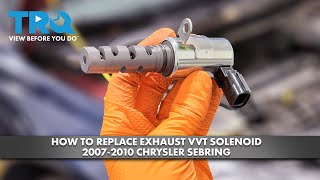
Typical fix: Replace the exhaust VVT solenoid. It is held in by a single 10mm bolt. 🎬 Watch: How to locate and replace your VVT solenoids. The OEM part number is 04884483AC.
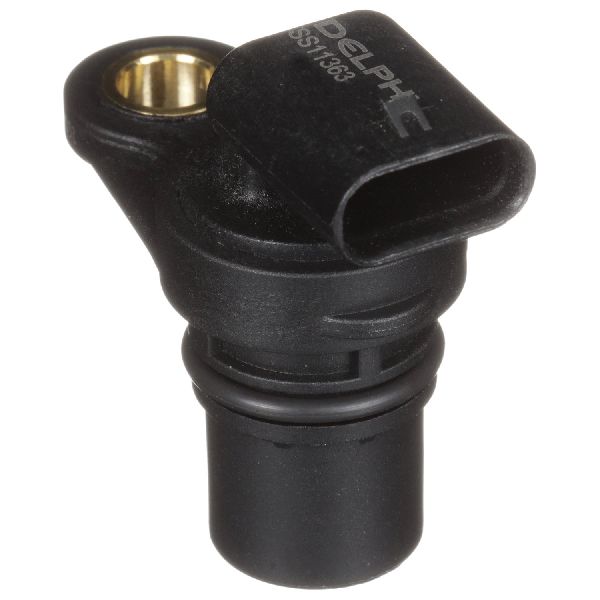
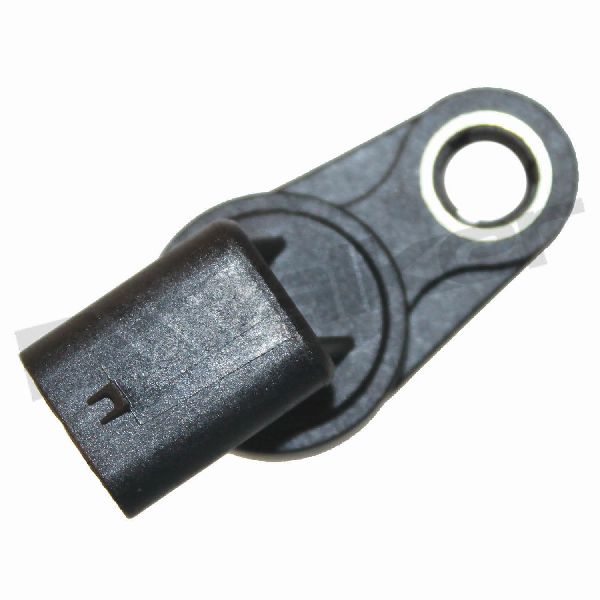
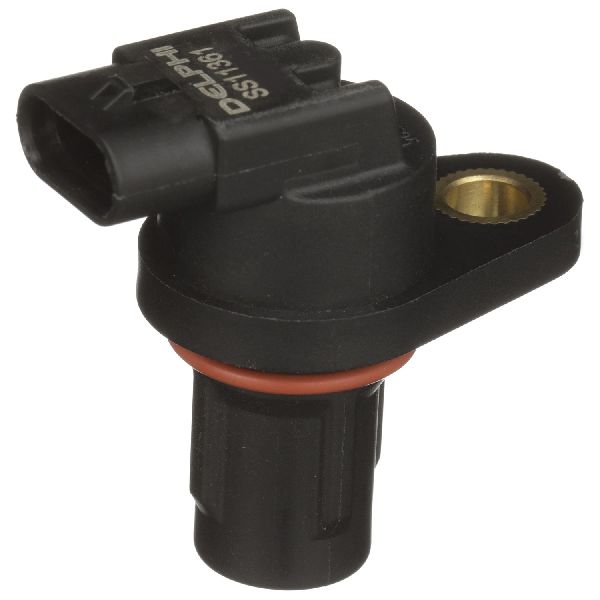
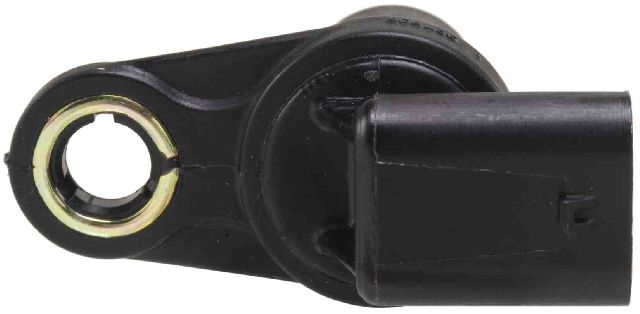
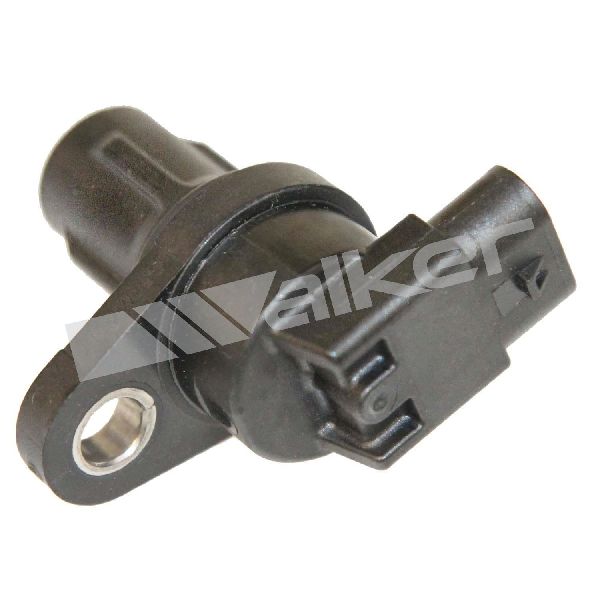
Est. part cost: $25-$60 - Faulty Exhaust Camshaft Position Sensor 🟡 Medium Probability → Shop Engine Camshaft Position Sensor The sensor that reads the exhaust camshaft's position can fail due to heat and age, sending incorrect data to the PCM.
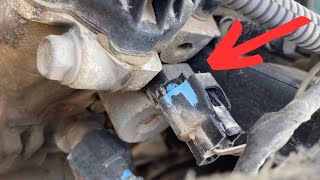
How to confirm: The exhaust cam sensor is located on the rear side of the cylinder head, often partially obscured by a heat shield. You can test it with a multimeter or swap it with the intake cam sensor (they are the same part) to see if the code changes to P0016.
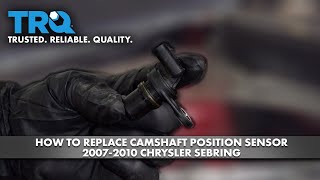
Typical fix: Replace the exhaust camshaft position sensor. 🎬 See this walkthrough on replacing the camshaft position sensor. The OEM part number is often cited as being shared with the intake sensor.
Est. part cost: $20-$50 - Stretched Timing Chain or Failed Tensioner 🟡 Medium Probability → Shop Engine Timing Chain While less common than on other engines, the timing chain can stretch over time, or the hydraulic tensioner can fail, causing slack in the system and allowing the cam/crank timing to drift out of sync. This is more likely at higher mileage (over 100k miles).
How to confirm: This is a mechanical issue requiring removal of the valve cover and timing cover to physically inspect the chain, guides, and tensioner for slack or damage. A rattling noise on startup is a strong indicator. This is an advanced diagnostic step.
Typical fix: Replace the timing chain, tensioner, and all guides. This is a labor-intensive job.
Est. part cost: $150-$300 - Faulty Crankshaft Position Sensor ⚪ Low Probability → Shop Engine Crankshaft Position Sensor While less common than the cam sensor, the crankshaft position sensor can also fail, providing an incorrect signal that causes a correlation fault. Failure often presents as stalling when the engine is warm.
How to confirm: The sensor is located on the front of the engine block. It can be tested with a multimeter for resistance against specifications. A common related code is P0335.
Typical fix: Replace the crankshaft position sensor.
Est. part cost: $20-$50
Rare But Worth Checking
- Slipped or Damaged Camshaft Reluctor Ring: → Shop Engine Camshaft The reluctor ring is what the camshaft sensor reads. In rare cases, this ring can spin on the camshaft itself. Even if the mechanical timing is perfect, the sensor will get a bad reading. This typically requires replacing the entire camshaft.
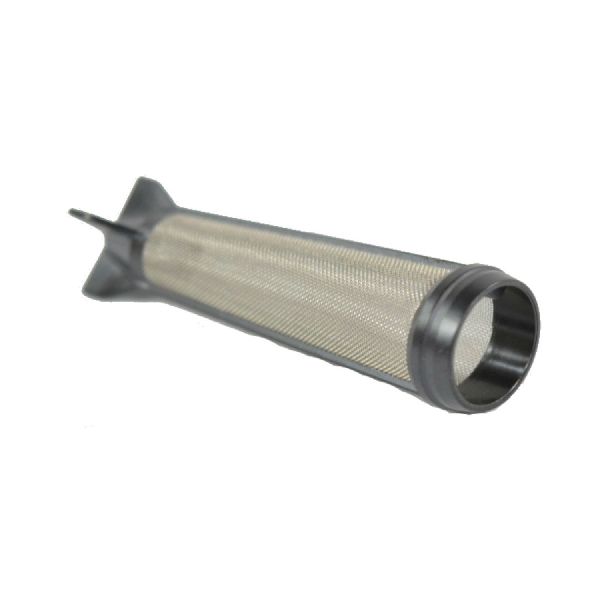
- Clogged VVT Solenoid Filter Screen: Underneath the VVT solenoid, there is often a small, cylindrical filter screen. This screen can become completely clogged with sludge, starving the solenoid of oil pressure even if the solenoid itself is functional. It can be removed and cleaned.
- Faulty Powertrain Control Module (PCM): → Shop Engine Control Module (ECM) In very rare instances, the PCM itself can be the source of the problem, but this should only be considered after every other possible cause has been eliminated. A recall (08V152000) was issued for some 2009 models for a PCM manufacturing defect.
Diagnosis Steps
- Check Engine Oil: Pull the dipstick. Is the oil level full? Is the oil clean? If not, perform an oil and filter change with 5W-20 oil, clear the code, and see if it returns. This is the most common fix.
- Scan for Other Codes: Use an OBD-II scanner to check for other codes. If P0016 is also present, suspect a base mechanical timing issue (e.g., timing chain). If P0010 is present, focus on the VVT solenoid circuit.
- Inspect Wiring: Visually inspect the wiring and connectors for the exhaust camshaft position sensor, crankshaft position sensor, and exhaust VVT solenoid for any signs of damage, corrosion, or loose connections.
- Test the VVT Solenoid: Locate the exhaust VVT solenoid on the valve cover. You can swap it with the intake solenoid. Clear the codes and drive the vehicle. If the code changes to P0016, you have a bad solenoid. The exhaust solenoid is OEM part #04884483AC. 🎬 Watch: Step-by-step guide to replacing the VVT solenoid.
- Test the Camshaft Position Sensor: If the solenoid swap doesn't change the code, you can perform a similar swap with the camshaft position sensors (if they are identical parts). If the code moves to P0016, the sensor is bad. The exhaust sensor is on the rear of the head.
- Check for TSBs: Ask a dealer or use an online service to check if TSB 18-018-07 REV. A applies to your vehicle's VIN. This TSB may require a PCM reflash in addition to replacing the VVT solenoids.
- Mechanical Inspection: If all sensors and solenoids test good and the oil is clean, the next step is a mechanical inspection. This involves removing the valve cover to inspect the timing chain for slack. This step is best left to a professional if you are not experienced.
- Advanced Diagnostics: If mechanical timing appears correct, a technician may use an oscilloscope to compare the live waveform patterns from the cam and crank sensors to identify subtle issues like a slipped reluctor ring.
Parts You'll Likely Need
- Exhaust Variable Valve Timing (VVT) Solenoid
(OEM #04884483AC)— This part is a very common failure point on the 2.4L World Engine. It gets clogged with oil debris or fails electrically, causing the timing correlation fault.
Trusted brands: Dorman, SKP, Standard Motor Products (SMP), Mopar
OEM price range: $50-$90
Aftermarket price range: $25-$60 - Exhaust Camshaft Position Sensor
(OEM #PC748 (aftermarket reference))— This sensor provides the camshaft position signal to the PCM. It can fail from heat and age, sending incorrect data and causing a correlation fault.
Related Codes That Often Appear With This One
- P0016 — This is the correlation code for the intake camshaft. If P0016 and P0017 appear together, it strongly points to a base timing issue like a stretched timing chain, as it's unlikely both VVT solenoids or sensors would fail at once.
- P0520 — This code is for the Engine Oil Pressure Sensor circuit. Since the VVT system is entirely dependent on oil pressure to function, an oil pressure problem can directly cause timing correlation codes like P0017.
- P0010 — This code indicates a circuit fault for the intake VVT solenoid. If present, it points directly to an electrical issue with the solenoid or its wiring, which would in turn cause the P0017 correlation fault.
Technical Service Bulletins (TSBs) & Recalls
- 18-018-07 REV. A - For some 2.4L engines, this TSB addresses P0016/P0017 codes by recommending a PCM software update (reflash) along with the replacement of the VVT solenoids (oil control valves).
Mechanic-Grade Diagnostic Values
- VVT Solenoid Resistance — expected: 8-15 Ohms. Failure: A reading outside this range indicates an internal electrical failure in the solenoid.
- Camshaft Position Sensor Power Supply (Key On, Engine Off) — expected: 5 Volts DC. Failure: No voltage indicates a wiring or PCM issue, not a bad sensor.
- Camshaft Position Sensor Ground — expected: Continuity to ground (near 0 Ohms).. Failure: High resistance indicates a bad ground connection.
- Camshaft Position Sensor Signal Wire (while manually turning engine) — expected: Voltage should switch between approximately 0V and 5V.. Failure: No switching voltage indicates a failed sensor.
Scan Tool Commands That Help
- wiTECH or equivalent professional scanner: Cam/Crank Relearn (or Sync) — This function should be performed after replacing the crankshaft position sensor, camshaft position sensor, or any timing components. It allows the PCM to learn the new sensor's signal characteristics and the precise relationship between the cam and crank sensors. Failure to perform this can result in persistent correlation codes or a new P0315 code.
Wiring & Ground Locations
- Camshaft Position Sensor Connector (Exhaust) — Located on the rear side of the cylinder head. For a 2008 model, it is a 3-pin gray connector.. This is the primary connection point for testing the sensor. Pin 1 should have 5V supply, Pin 2 is ground, and Pin 3 is the signal wire back to the PCM.
- G111 — A key ground point located on the left (driver's side) shock tower in the engine bay.. Multiple engine sensors share this ground point. A loose or corroded G111 can cause erratic sensor readings, leading to false correlation codes.
- Powertrain Control Module (PCM) — Located in the left rear of the engine compartment.. All sensor signals and solenoid control wires terminate here. Verifying signal integrity at the PCM connector is the final step before condemning the module itself.
Real Owner Repair Stories
- EUrbanAutoTech on YouTube (2012 Hyundai Santa Fe 2.4L (similar World Engine architecture)) — Engine stalls unless constantly on the throttle, P0017 code present.
❌ Tried (didn't work) Initial diagnosis pointed towards a complex timing chain issue due to the severity of the stalling.
✅ What actually fixed it The exhaust VVT solenoid was replaced. The screen on the old solenoid was found to be clogged with debris and had pieces blown out, which restricted oil flow and caused the correlation fault. - Commenter on a YouTube video (2010 GM vehicle with 2.4L engine) — Persistent P0016 and P0017 codes.
❌ Tried (didn't work) Initial diagnosis and testing of solenoids.
✅ What actually fixed it The cause was a spun reluctor ring on the intake camshaft, which had happened after a previous overheat event. The reluctor rings are only press-fit and can lose their position. The entire camshaft had to be replaced.
OEM Part Supersession History
4884483AA, 4884483AB→04884483AC— Part revision and improvement by the manufacturer.
Heads up: The latest part number, 04884483AC, is the correct replacement for all previous versions for the 2.4L World Engine exhaust VVT solenoid. Using older stock is not recommended.
Model Year Variations Within This Range
- 2007-2010: The 2.4L I4 engine was standard, paired with a 4-speed automatic transmission. While minor running changes may have occurred, the core engine architecture, VVT system, and common causes for P0017 remained consistent throughout this period for the 2.4L engine.
Diagnostic Flowchart
Other Known Issues on This Vehicle
Issues unrelated to this code that are worth knowing about as an owner of this generation:
- Electronic Throttle Body Failure 🔴 High — Common issue. Can cause the vehicle to enter 'limp mode' with no warning, resulting in a sudden loss of power.
- Premature Alternator Failure 🟠 Medium — A widely reported problem where the alternator fails, causing the battery not to charge and leading to stalling. The voltage regulator is integrated into the PCM, which can sometimes complicate diagnosis.
- Front Wheel Bearing Failure 🟠 Medium — Front wheel bearings are known to wear out prematurely, causing a humming or grinding noise that changes with speed or when turning.
- Clogged A/C Condensation Drain 🟡 Low — The A/C drain tube can become clogged, causing water to back up and leak onto the passenger side floor, leading to musty smells and potential mold growth.
- Occupant Restraint Control (ORC) Module Failure 🔴 High — Subject to a recall (NHTSA ID: 16V668000), the ORC module can short circuit, preventing airbags and seatbelt pretensioners from deploying in a crash. (Ref: Recall 16V668000)
Used vs. New Parts: Buying Guide for This Vehicle
When a used part is the smart pick: Used parts are generally not recommended for this repair due to the nature of the common failure points. VVT solenoids and sensors are relatively inexpensive new, and their failure is often due to internal wear, electrical faults, or contamination that would be impossible to assess on a used part.
Donor-vehicle mileage cap: roughly under 60000 miles for the part to have meaningful remaining life.
What to inspect on the donor part:
- If considering a used part is unavoidable, source it from a vehicle with documented low mileage.
- Avoid parts from engines that show signs of heavy oil sludge or poor maintenance.
- For sensors and solenoids, ensure connectors are not cracked, and wiring pigtails are not brittle.
OEM-only on this vehicle (don't cheap out):
- Crankshaft Position Sensor: The PCM can be very sensitive to the signal quality of this sensor. Many forum and mechanic accounts suggest that aftermarket crank sensors for this platform have a high failure rate, either immediately or shortly after installation.
- Timing Chain Kit: Given the labor-intensive nature of a timing chain job, using a high-quality OEM or reputable OEM-supplier kit is critical to avoid premature failure and having to do the job twice.
Aftermarket brands forum-validated for this vehicle:
- Dorman (for VVT Solenoid, P/N 917-290): Widely available and generally considered a reliable and cost-effective alternative to OEM.
- Standard Motor Products (SMP)
- NTK
Brands owners have reported issues with on this vehicle:
- No-name, unbranded sensors and solenoids from online marketplaces should be avoided. The savings are minimal compared to the risk of premature failure and repeated diagnostic time.
Real Owner Stories
Aggregated from forums and TSBs cited above. Mileages and costs reflect what owners reported in those sources.
2010 Chrysler Sebring 2.4L
Symptoms: The owner experienced a persistent P0017 code and attempted an extensive parts-swapping journey, including replacing both cam sensors, the crank sensor, and cleaning the VVT solenoids.
What fixed it: The source indicates the code persisted even after these replacements, highlighting the difficulty of the diagnosis which may require deeper mechanical inspection or a PCM reflash per TSB 18-018-07.
Source hint: https://www.chryslerforum.com/forum/chrysler-sebring-25/sebring-p0017-63594/
Related OBD-II Codes
Frequently Asked Questions
Is there a Technical Service Bulletin for P0017 on the 2.4L World Engine?
Can I test if the Exhaust VVT Solenoid is bad without buying a new part?
What is the specific OEM part number for the Exhaust VVT Solenoid on my Sebring?
Why is my Sebring limited to 4,000 RPM when this code is active?
Is the camshaft position sensor the same for both intake and exhaust sides?
What oil weight should I use to prevent VVT issues in my 2.4L engine?
Helpful Videos
We Have This Part in Stock

The information in this article is provided for general reference and educational purposes only. Vehicle specifications, procedures, and part compatibility can vary by production date, trim level, and region. Always consult your vehicle's factory service manual and verify part numbers before purchasing or performing repairs. Safety-critical components such as airbags, seat belts, and braking systems should be installed by a qualified professional.
- Chrysler Sebring:
- 🧭 Diagnostic Flowchart
- 🎬 Helpful Videos
- 🛍️ Shop This Part
- What's Unique About the 2007-2010 Chrysler Sebring
- Symptoms You May Notice
- Most Likely Causes
- Rare But Worth Checking
- Diagnosis Steps
- Parts You'll Likely Need
- Related Codes That Often Appear With This One
- Technical Service Bulletins (TSBs) & Recalls
- Mechanic-Grade Diagnostic Values
- Scan Tool Commands That Help
- Wiring & Ground Locations
- Real Owner Repair Stories
- OEM Part Supersession History
- Model Year Variations Within This Range
- Other Known Issues on This Vehicle
- Used vs. New Parts: Buying Guide for This Vehicle
- Real Owner Stories
- 2010 Chrysler Sebring 2.4L
- Related OBD-II Codes
- Frequently Asked Questions
- 🎟️ Get 5% Off