

P0017 on 2015-2018 Ford C-MAX: Crank/Cam Correlation Causes and Fixes
On a 2015-2018 Ford C-MAX, P0017 is most often caused by low or dirty engine oil, or a sticking Variable Camshaft Timing (VCT) solenoid. Always check your oil first, as the VCT system is highly sensitive to oil condition and quality. A stretched timing chain is a less common but more serious possibility.
- Always check your engine oil first. Low or dirty oil is the most common and cheapest-to-fix cause of P0017 on a Ford C-MAX.
- The next most likely culprit is a sticking exhaust VCT solenoid, a known issue acknowledged by Ford.
- Do not immediately replace the camshaft position sensor; it is often correctly reporting a mechanical or hydraulic problem.
- If you hear a rattling noise from the engine, a stretched timing chain becomes a much higher probability, which is a significantly more expensive repair.
- Due to the multiple potential causes, a systematic diagnosis is crucial to avoid wasting money on unnecessary parts.
What's Unique About the 2015-2018 Ford C-MAX
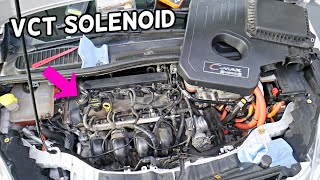
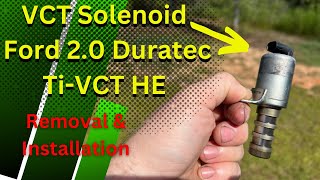
The 2.0L Atkinson cycle engine in the Ford C-MAX Hybrid is designed for maximum efficiency, which relies heavily on precise variable valve timing. Its Variable Camshaft Timing (VCT) system is crucial for this, but it's also sensitive to oil quality and pressure. Ford has issued multiple Technical Service Bulletins (TSBs) for similar engines, noting that small debris in the oil can cause VCT solenoids to stick, triggering this code. This makes regular, high-quality oil changes more critical than on many other vehicles. The VCT solenoids on this engine are located under the valve cover, making 🎬 Watch: See exactly where the VCT solenoids are located and replaced. their replacement more labor-intensive than on some other engines where they are externally accessible.
Diagnostic Flowchart
Tap your situation to follow the diagnostic path that matches what you're seeing on this vehicle.
Symptoms You May Notice
- Check Engine Light is on
- Rough or uneven idle
- Engine hesitates or loses power during acceleration
- Engine may stall at low speeds or when stopping
- Reduced fuel economy
- Rattling noise from the engine, especially on startup, which could indicate a loose timing chain
- Replacing the camshaft position sensor when the root cause is low/dirty oil or a sticking VCT solenoid.
- Replacing the crankshaft position sensor, which is rarely the cause for this specific correlation code.
- Assuming a timing chain replacement is needed before thoroughly diagnosing the VCT solenoids and checking oil pressure.
Most Likely Causes
- Low or Dirty Engine Oil 🔴 High Probability The VCT system uses oil pressure to adjust cam timing. Low, old, or contaminated oil can't operate the VCT phasers and solenoids correctly, leading to a correlation error. Ford TSBs specifically mention debris in oil as a cause for sticking VCT solenoids. This is the most common cause and should always be the first check.
How to confirm: Check the oil level on the dipstick and inspect its condition. If it's low, dark, sludgy, or past its recommended change interval, this is the likely cause.
Typical fix: Perform a complete oil and filter change using the manufacturer-specified grade of oil (typically SAE 5W-20 Synthetic Blend for this engine). Clear the codes and test drive.
Est. part cost: $40-$80 - Failing Variable Camshaft Timing (VCT) Solenoid 🔴 High Probability → Shop Engine Camshaft As highlighted in Ford TSBs #SSM 48423 and #SSM 47170, these solenoids can stick due to small debris in the oil. The solenoid is an electronic valve that directs oil flow to the cam phaser; if it's stuck, it can't adjust timing properly. On this specific 2.0L engine, the solenoids are located under the valve cover, requiring more labor to access.
How to confirm: A mechanic can use a scan tool to command the solenoid on and off to check for response (as suggested in TSB 48423). Resistance can also be checked with a multimeter; a typical reading is between 6.9 and 7.9 ohms. Cleaning the solenoid may resolve the issue temporarily, but replacement is often the permanent fix.
Typical fix: Replace the Bank 1 exhaust VCT solenoid. Since the valve cover must be removed, it's often recommended to replace both intake and exhaust solenoids at the same time, along with the valve cover gasket.
Est. part cost: $40-$100 - Stretched Timing Chain 🟡 Medium Probability → Shop Engine Timing Chain Over time, especially with extended oil change intervals, the timing chain can stretch. This creates slack and physically alters the timing between the crankshaft and camshafts, which the sensors will correctly report as a correlation fault. This is a known issue on many modern engines with long service lives.
How to confirm: This is a complex diagnosis usually suspected after ruling out oil and VCT solenoid issues. A rattling noise on startup is a strong indicator. Definitive confirmation requires significant engine disassembly to inspect the chain, guides, and tensioner.
Typical fix: Replace the timing chain, tensioners, and guides. This is a labor-intensive job.
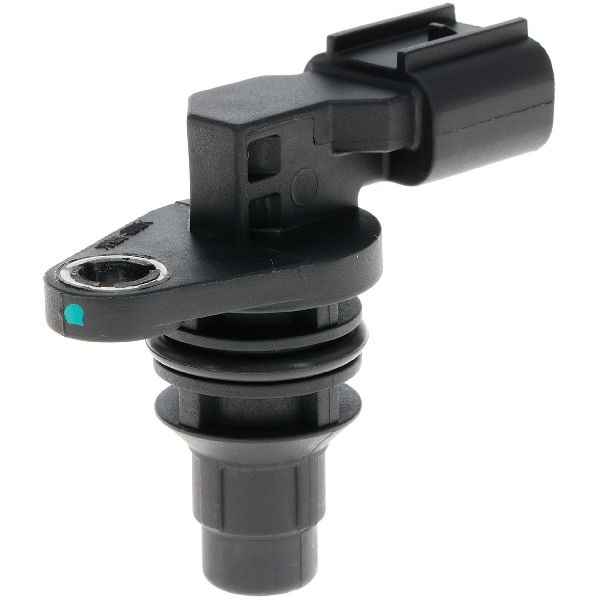
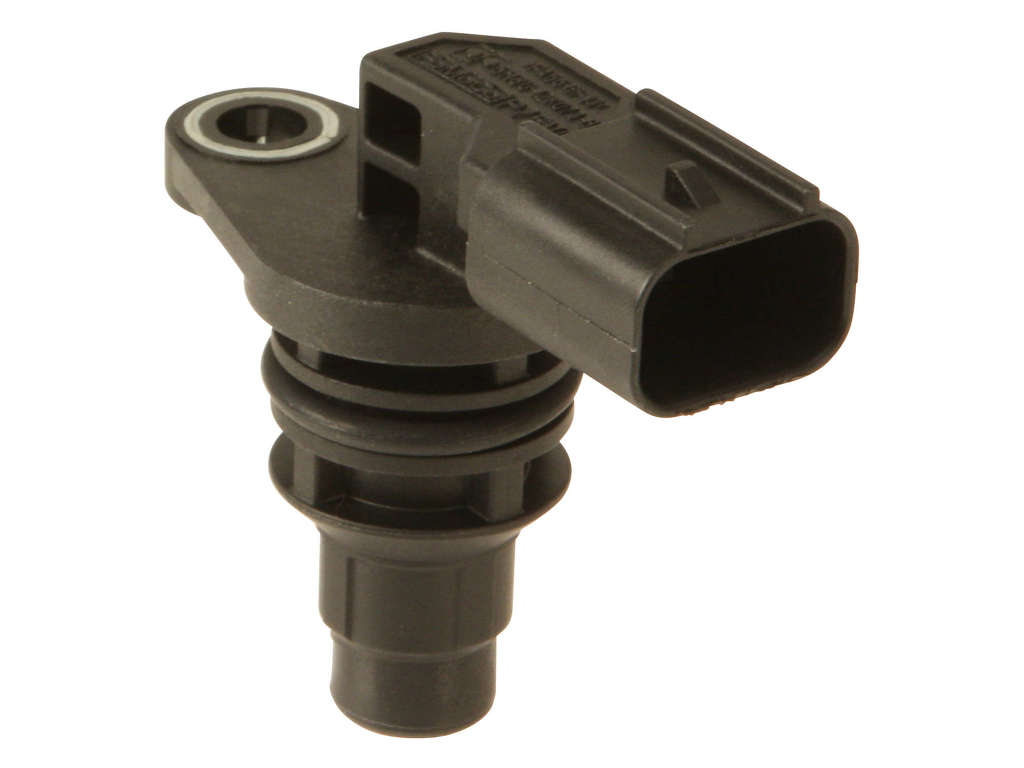
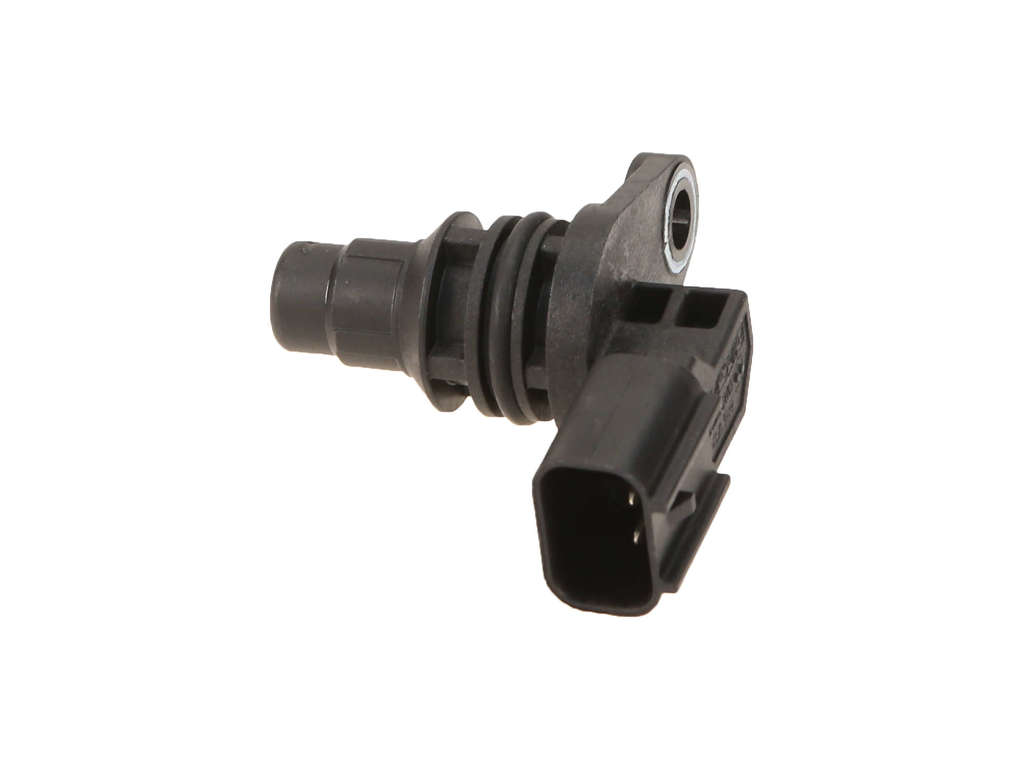
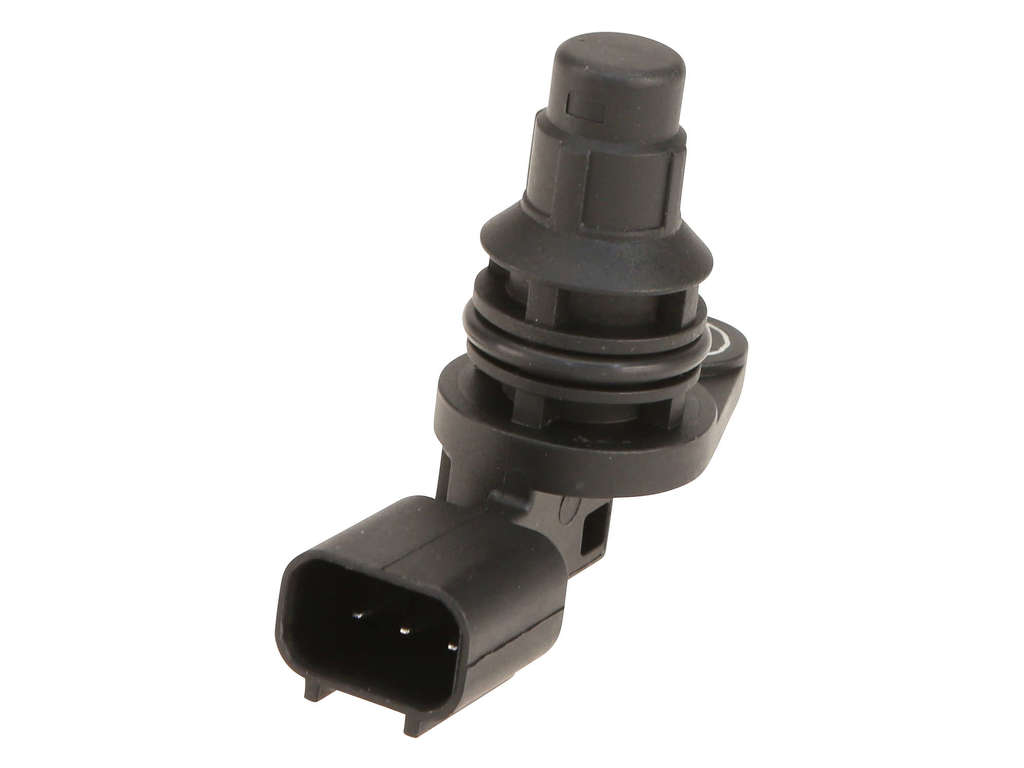
Est. part cost: $300-$600 - Faulty Camshaft Position Sensor ⚪ Low Probability → Shop Engine Camshaft Position Sensor While possible, the sensor itself is less likely to fail than the mechanical or hydraulic components it monitors. The sensor is often replaced mistakenly when the actual problem is oil-related or a VCT solenoid issue. As one user on a Reddit forum noted, replacing the sensor did not fix the code that was ultimately caused by a jumped timing chain.
How to confirm: Swap the exhaust camshaft sensor with the intake sensor (if they are identical parts) and see if the code changes to P0016. If it does, the sensor is bad. A multimeter can also be used to test the sensor's output.
Typical fix: Replace the Bank 1 exhaust camshaft position sensor.
Est. part cost: $45-$105
Rare But Worth Checking
- Failed Camshaft Phaser: → Shop Engine Camshaft The phaser (or VCT unit) is the gear on the end of the camshaft that the VCT solenoid controls. It can fail mechanically or become clogged with sludge, but this is less common than a solenoid failure. This is usually diagnosed after all other common causes have been eliminated.
- Clogged Oil Passages: Severe engine sludge can block the small oil passages leading to the VCT solenoids and cam phasers, preventing them from operating even if the components themselves are good. This usually indicates a history of severely neglected maintenance and may require an engine flush or more significant teardown to clean.
- Incorrectly Installed Timing Chain: → Shop Engine Timing Chain If the P0017 code appears immediately after a timing chain replacement, it's highly probable that the chain was installed incorrectly, with one or more components being off by a tooth.
Diagnosis Steps
- Check engine oil level and condition. If low, dirty, or overdue for a change, perform an oil and filter change with the correct spec oil (SAE 5W-20 Synthetic Blend), clear the code, and test drive.
- Scan for other DTCs. Note any other codes, as they can help pinpoint the issue (e.g., P0016 appearing with P0017).
- Inspect the wiring and connectors for the camshaft position sensor (Bank 1, exhaust) and the VCT solenoid for any damage or corrosion.
- Using a capable scan tool, monitor the desired vs. actual camshaft position PIDs. Per TSB 48423, use the scan tool's bidirectional controls to cycle the exhaust VCT solenoid on and off at least 10 times to attempt to dislodge any debris. If the timing angle changes as commanded, the solenoid is likely functional.
- If the solenoid doesn't respond, test its resistance with a multimeter. It should be between 6.9 and 7.9 ohms. If it's out of spec, it needs replacement.
- If the solenoid tests good electrically but does not function, the issue may be oil pressure related or the solenoid is mechanically stuck. Accessing the solenoid requires removing the valve cover.
- If the problem persists after confirming good oil, a working solenoid, and a good sensor, the issue is likely mechanical. Investigate for a stretched timing chain or a faulty cam phaser. This step typically requires professional service and partial engine disassembly.
Parts You'll Likely Need
- Variable Camshaft Timing (VCT) Solenoid
(OEM #CM5Z-6M280-C)— This part is frequently the cause due to sticking from oil debris, as noted in Ford TSBs. It controls oil flow to the cam phaser to adjust timing. This part number supersedes CM5Z-6M280-A.
Trusted brands: Motorcraft, Dorman, Standard Motor Products (SMP)
OEM price range: $60-$90
Aftermarket price range: $30-$60 - Camshaft Position Sensor
(OEM #6M8Z-6B288-D)— Though less common to be the root cause, it can fail and send incorrect data to the PCM. It's a relatively inexpensive part to replace during diagnosis.
Trusted brands: Motorcraft, Bosch, NTK
OEM price range: $70-$105
Aftermarket price range: $45-$75 - Timing Chain Kit — If the chain has stretched, it must be replaced to restore correct mechanical timing. Kits typically include the chain, guides, and tensioners. This is a major repair.
Trusted brands: Motorcraft, Cloyes
OEM price range: $400-$600
Aftermarket price range: $250-$450
Related Codes That Often Appear With This One
- P0016 — P0016 is the same correlation error but for the intake camshaft (Sensor 'A'). If both appear together, it more strongly suggests a base timing issue, like a stretched timing chain, or a problem affecting both VCT solenoids, rather than a single faulty sensor.
- P0011, P0012, P0014, P0015 — These codes relate to camshaft timing being over-advanced or over-retarded. They often accompany correlation codes and point towards issues within the VCT system (solenoids, phasers, oil pressure). The cited TSBs list all these codes together as being potentially caused by sticking VCT solenoids.
Technical Service Bulletins (TSBs) & Recalls
- source — Advises that various VCT codes, including P0017, on 2015-2020 Ford/Lincoln vehicles can be caused by small debris sticking in the VCT solenoid. Recommends using a scan tool to cycle the solenoid 10 times to clear it before replacement.
- source — An earlier version of SSM 48423, also pointing to debris in the oil causing VCT solenoids to stick and trigger codes like P0017.
- source — A general diagnostic bulletin for a wide range of VCT codes (P0011-P0025) on 2015-2021 Ford/Lincoln vehicles, directing technicians to the standard diagnostic procedures in the PC/ED manual.
Platform-Specific Known Issues
- Ford has issued multiple Technical Service Bulletins (e.g., SSM 47170, SSM 48423, SSM 54366) indicating that P0017 and other related VCT codes can be caused by small debris in the engine oil.
- TSB 48423 specifically advises technicians to use a scan tool to cycle the affected VCT solenoid 10 times to attempt to clear debris before replacing the part.
- The VCT solenoids on the 2.0L I4 engine are located under the valve cover, making replacement a more involved job than on engines with externally mounted solenoids.
Mechanic-Grade Diagnostic Values
- VCT Solenoid Internal Resistance — expected: 6.9 to 7.9 Ohms at 68°F (20°C). Some sources state a broader range of 7 to 14 Ohms is acceptable.. Failure: A reading of OL (Open Loop/infinite) indicates a broken internal coil. A reading significantly below the expected range indicates a shorted coil.
- VCT Solenoid Connector Voltage (KOEO) — expected: ~12V (Battery Voltage) on the power supply pin.. Failure: No voltage or significantly low voltage points to a problem in the wiring harness, fuse (F16 in battery junction box), or PCM power relay, not the solenoid itself.
- Scan Tool PID: VCT Advanced Error (VCTADVERR) — expected: Should be near 0° at steady idle in closed-loop operation.. Failure: Significant deviation from 0° indicates the PCM is detecting a correlation error between the commanded and actual cam position.
- Engine Oil Pressure at Idle — expected: Minimum of 15-20 PSI at normal operating temperature.. Failure: Pressure below this threshold can prevent the VCT system from functioning correctly, even if all components are good.
Hidden / Shadow Codes Worth Checking
- Mode $06, TID $53: While not a shadow code, Mode $06 data can reveal misfire counts per cylinder before a DTC is set. For correlation issues, monitoring the VCT PIDs is more direct, but underlying misfires can sometimes be related. (see via A scan tool capable of displaying Mode $06 data.)
Scan Tool Commands That Help
- Ford IDS (or FORScan): Output State Control (OSC) for VCT Solenoid — This bidirectional command manually cycles the VCT solenoid on and off. Per TSBs SSM 47170 and SSM 48423, cycling the solenoid multiple times (e.g., 10 times) can dislodge small debris and may resolve the fault without part replacement. It also confirms the PCM's ability to control the solenoid circuit.
Wiring & Ground Locations
- Camshaft Position Sensor (CMP) 'B' Connector — On the 2.0L Hybrid engine, the camshaft position sensors are located on the top of the valve cover, near the passenger side of the engine.. This is the primary sensor for the P0017 code. Checking its connector for corrosion, damage, or oil intrusion is a key diagnostic step.
- VCT Solenoid 'B' (Exhaust) Connector — Located under the valve cover on the 2.0L engine, making direct access difficult without disassembly. The connector for the harness is on the exterior of the valve cover.. The wiring to this solenoid is critical. A fault in the external harness can mimic a failed solenoid. Testing would occur at the main harness connector outside the valve cover.
Real Owner Repair Stories
- Reddit user in r/MechanicAdvice (Vehicle with oil consumption issue, leading to low oil level.) — Car started running badly. P0017 code was present.
❌ Tried (didn't work) Cleaned and tested both oil control valves (solenoids)., Replaced the crankshaft position sensor.
✅ What actually fixed it The user discovered the timing had jumped by two teeth. The final fix involved replacing the timing chain, tensioners, both CVVT sprockets (phasers), and the exhaust camshaft because its dowel pin had broken off. The code was resolved after the mechanical timing was corrected.
OEM Part Supersession History
CM5Z-6M280-A→CM5Z-6M280-C— Part revision by the manufacturer. Newer versions often include improvements to address known failure modes, such as better resistance to debris.
Heads up: The parts are interchangeable, with the newer 'C' revision being the recommended replacement.6M8Z-6B288-B, 6M8Z-6B288-C, DU-96, DU-85→6M8Z-6B288-D— Consolidation and revision of the camshaft position sensor part number over time.
Heads up: 6M8Z-6B288-D is the current service part for a wide range of Ford vehicles, including the 2015-2018 C-MAX.
Model Year Variations Within This Range
- 2015-2018: The 2.0L I4 Atkinson Cycle Hybrid engine and its core components, including the Ti-VCT system, remained fundamentally the same throughout the 2015-2018 model years for the C-MAX in North America. No significant variations affecting the diagnosis of P0017 have been noted.
Helpful Videos

![How to Fix P0017 Engine Code in 6 Minutes [4 DIY Methods / Only $6.81]](https://img.youtube.com/vi/Vcj-f_J2hyo/mqdefault.jpg)
We Have This Part in Stock


The information in this article is provided for general reference and educational purposes only. Vehicle specifications, procedures, and part compatibility can vary by production date, trim level, and region. Always consult your vehicle's factory service manual and verify part numbers before purchasing or performing repairs. Safety-critical components such as airbags, seat belts, and braking systems should be installed by a qualified professional.
- Ford C-MAX:
- 🧭 Diagnostic Flowchart
- 🎬 Helpful Videos
- 🛍️ Shop This Part
- What's Unique About the 2015-2018 Ford C-MAX
- Symptoms You May Notice
- Most Likely Causes
- Rare But Worth Checking
- Diagnosis Steps
- Parts You'll Likely Need
- Related Codes That Often Appear With This One
- Technical Service Bulletins (TSBs) & Recalls
- Platform-Specific Known Issues
- Mechanic-Grade Diagnostic Values
- Hidden / Shadow Codes Worth Checking
- Scan Tool Commands That Help
- Wiring & Ground Locations
- Real Owner Repair Stories
- OEM Part Supersession History
- Model Year Variations Within This Range
- 🎟️ Get 5% Off