

P0017 on 2018-2021 Ford EcoSport: Exhaust Cam Timing Causes and Fixes
On the 2018-2021 Ford EcoSport, P0017 most often points to a faulty exhaust VCT (Variable Camshaft Timing) solenoid or an oil-related issue. For the 1.0L EcoBoost engine, this is frequently caused by a degrading 'wet' timing belt contaminating the oil and clogging passages. For the 2.0L, it is commonly a stuck solenoid or a timing chain issue. A VCT solenoid replacement costs around $40-$100 for the part, with the Motorcraft OEM part number for the 2.0L being CM5Z-6M280-C.
- P0017 on a Ford EcoSport means the exhaust camshaft timing is out of sync with the crankshaft.
- Always check the engine oil level and condition first; low or dirty oil is a common cause.
- The most likely failed part is the exhaust VCT solenoid, which can get stuck from oil debris.
- If you have the 1.0L EcoBoost engine, be aware that a failing 'wet' timing belt is a significant potential root cause for this code.
- If both P0016 (intake) and P0017 (exhaust) codes are present, suspect a more serious base timing issue like a jumped timing belt or chain.
What's Unique About the 2018-2021 Ford ECOSPORT
The 2018-2021 EcoSport was offered with two distinct engines, and the cause of P0017 can differ significantly between them. The 1.0L EcoBoost engine uses a timing belt that runs inside the engine and is lubricated by engine oil (a 'wet belt'). These belts have been known to degrade over time, releasing rubber material that clogs the oil pump pickup screen, oil passages, and VCT solenoids, directly causing timing correlation codes due to low oil pressure. 🎬 Watch: See how a failing wet belt clogs the oil system. The 2.0L engine uses a more traditional timing chain, where P0017 is more likely related to common issues like a faulty VCT solenoid, low/dirty oil, or timing chain stretch.
Diagnostic Flowchart
Tap your situation to follow the diagnostic path that matches what you're seeing on this vehicle.
Symptoms You May Notice
- Check Engine Light is on
- Rough or unstable idle
- Reduced engine power and poor acceleration
- Engine may be hard to start or crank without starting
- Increased fuel consumption
- Rattling noise from the engine, especially at startup
- Replacing the camshaft position sensor when the actual fault is with the VCT solenoid, an oil flow problem, or base timing.
- Replacing the crankshaft position sensor when the issue is mechanical timing or VCT system related.
- On the 1.0L EcoBoost, replacing VCT solenoids or sensors without first checking for low oil pressure caused by a clogged oil pickup screen from a degrading wet belt.
Most Likely Causes
- Low, degraded, or incorrect viscosity engine oil 🔴 High Probability The Variable Camshaft Timing (VCT) system is hydraulically operated by engine oil pressure. Low levels, dirty oil, or using oil that doesn't meet Ford's specific viscosity requirements directly impedes the VCT phasers' and solenoids' ability to function correctly.
How to confirm: Check the oil level on the dipstick and inspect its condition and smell. Ensure the oil meets Ford's specifications (e.g., WSS-M2C948-B for the 1.0L EcoBoost). An oil change is often the first and most cost-effective diagnostic step.
Typical fix: Perform an oil and filter change using the correct grade of Motorcraft oil and a new filter.
Est. part cost: $40-$80 - Faulty Exhaust VCT Solenoid 🔴 High Probability → Shop Engine Variable Valve Timing (VVT) Solenoid Ford TSBs SSM 48423 and SSM 50067 specifically state that small debris in the oil can cause the VCT solenoid to stick, triggering this code. This debris can be from normal wear or, in the 1.0L, from the timing belt degrading.
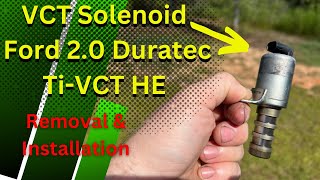
How to confirm: A technician can command the solenoid on and off with a scan tool to check its response (Pinpoint Test HK11). It can also be removed, inspected for debris on its screens, and tested for mechanical binding or electrical failure (resistance check, typically 7-14 ohms).
Typical fix: Replace the Bank 1 exhaust VCT solenoid. Ford's initial diagnostic step per TSB 48423 is to cycle the solenoid 10 times with a scan tool to try and clear the debris before replacement.
Est. part cost: $40-$100 - Degrading Wet Timing Belt (1.0L EcoBoost Engine) 🟡 Medium Probability → Shop Engine Timing Chain The 1.0L engine's timing belt runs in oil. Over time, especially with incorrect oil or extended change intervals, it can shed rubber material. This debris clogs the oil pump pickup screen, starving the engine of oil pressure and causing the VCT system to fail and set timing codes.
How to confirm: This is a complex diagnosis. The definitive method is to check oil pressure with a mechanical gauge; if it's low, the oil pan must be removed to inspect the oil pickup tube and pan for black rubbery debris. This is usually diagnosed after simpler causes are ruled out.
Typical fix: Requires replacement of the timing belt, oil pump belt, and tensioners. The oil pan, pickup tube, and VCT solenoids must be thoroughly cleaned or replaced. This is a labor-intensive job.
Est. part cost: $300-$600 - Stretched Timing Chain or Worn Guides (2.0L Engine) ⚪ Low Probability → Shop Engine Timing Chain While more durable than a belt, the timing chain on the 2.0L can stretch over high mileage, and its plastic guides can wear or break. This introduces slack into the system, altering the cam/crank correlation enough to trigger P0017.
How to confirm: This is confirmed by measuring the timing chain deflection or by removing the timing cover for a visual inspection of the chain and guides. It's typically a labor-intensive diagnosis performed after ruling out oil and VCT solenoid issues.
Typical fix: Replace the timing chain, guides, and tensioners as a kit.
Est. part cost: $250-$500
Rare But Worth Checking
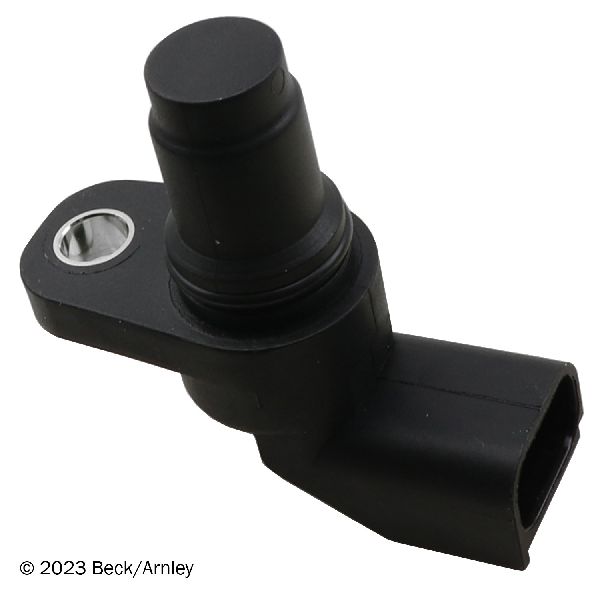
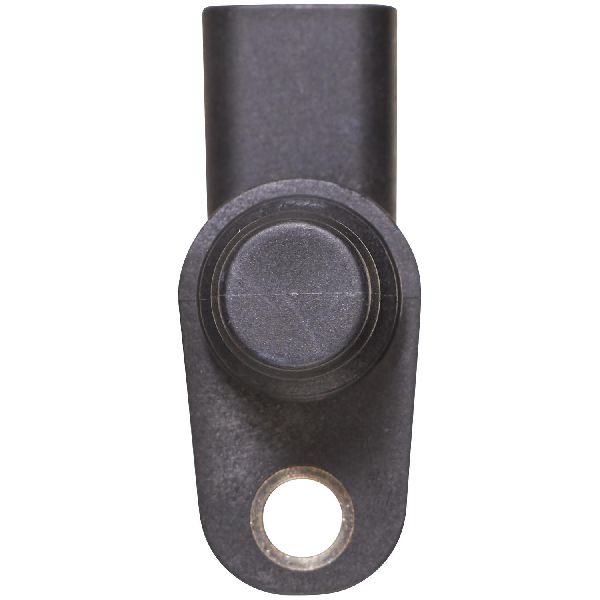
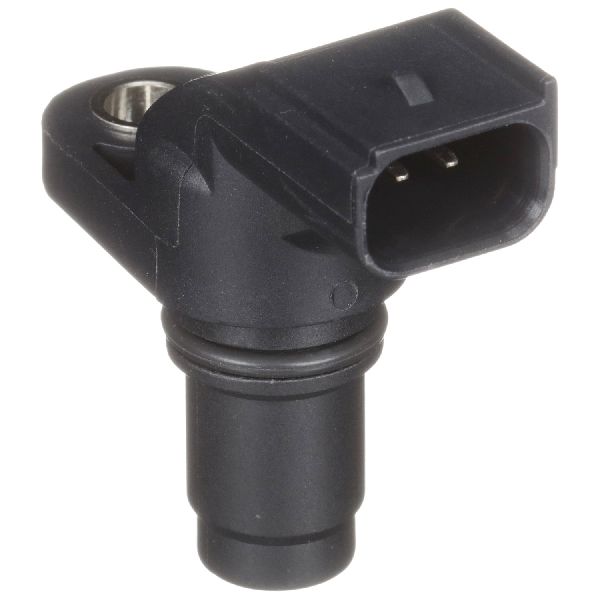
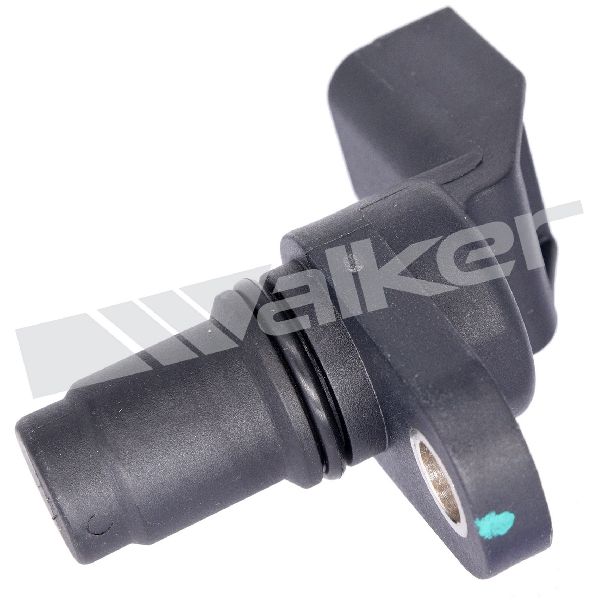
- Faulty Camshaft Position Sensor: → Shop Engine Camshaft Position Sensor While possible, the sensor itself is less likely to fail than the VCT solenoid that it monitors. The code indicates a correlation error, not necessarily a sensor failure. Swapping the intake and exhaust sensors can be a quick diagnostic test.
- Faulty Crankshaft Position Sensor: → Shop Engine Crankshaft Position Sensor A failing crankshaft sensor often causes more severe issues like no-start conditions or stalling and may be accompanied by other codes.
- Damaged Camshaft Phaser/Actuator: → Shop Engine Camshaft The gear on the end of the camshaft that is controlled by the VCT solenoid can fail mechanically (e.g., broken lock pin, clogged passages), but this is less common than a solenoid or oil issue.
Diagnosis Steps
- Check Engine Oil: Verify the oil level is correct and the oil is clean and of the correct Ford-specified viscosity. An oil change is a cheap and easy first step if the oil is old or dirty.
- Scan for Other Codes: Use an OBD-II scanner to check for any other pending or active codes that could provide more context (e.g., P0016, oil pressure codes).
- Inspect Sensor and Solenoid Wiring: Visually inspect the wiring harnesses and connectors for the crankshaft sensor, camshaft sensor (exhaust side), and VCT solenoid for any signs of damage, corrosion, or loose connections.
- Test the VCT Solenoid: Using a capable scan tool, command the exhaust VCT solenoid on and off to check for a response in engine idle (per TSB 48423). If it doesn't respond, or if a scan tool is unavailable, remove the solenoid. Check its resistance with a multimeter (should be ~7-14 ohms) and test for actuation by applying 12V power. Inspect its screens for metallic or rubbery debris.
- (1.0L EcoBoost Specific) Check Oil Pressure: If VCT tests are inconclusive, use a mechanical gauge to test engine oil pressure at hot idle. If it is below specification, assume the oil pump pickup is clogged and the oil pan must be removed for inspection before proceeding.
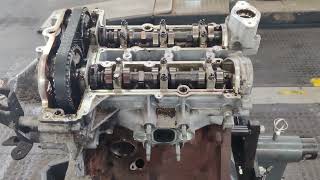
- Verify Mechanical Timing: If all electronic components and oil pressure are good, the final step is to verify the base mechanical timing. This involves accessing the timing belt/chain and ensuring the timing marks on the crank and cam gears are perfectly aligned. This is an advanced step requiring special tools and may require professional help.
Parts You'll Likely Need
- Variable Camshaft Timing (VCT) Solenoid (Exhaust)
(OEM #CM5Z-6M280-C (For 2.0L Engine))— This is the most common point of failure, often due to sticking from oil debris, as noted in Ford TSBs.
Trusted brands: Motorcraft, Dorman
OEM price range: $60-$120
Aftermarket price range: $40-$80 - Engine Oil and Filter — Correct oil level, cleanliness, and viscosity are critical for the VCT system to function. Using the specified Ford-recommended oil (e.g., Motorcraft Synthetic Blend) is essential.
Trusted brands: Motorcraft
OEM price range: $50-$90
Aftermarket price range: $40-$70 - Timing Belt Kit (1.0L EcoBoost) — If the 'wet belt' is found to be degrading and clogging the oil system, it must be replaced along with the oil pump belt to prevent catastrophic oil starvation and timing failure.
Trusted brands: Motorcraft, Gates
OEM price range: $300-$500
Aftermarket price range: $200-$350 - Timing Chain Kit (2.0L Engine) — If the timing chain is stretched or the guides are broken, the entire kit including the chain, tensioner, and guides should be replaced to restore correct timing.
Trusted brands: Motorcraft, Cloyes
OEM price range: $250-$450
Aftermarket price range: $150-$300
Related Codes That Often Appear With This One
- P0016 — Crankshaft/Camshaft Correlation (Bank 1 Sensor A - Intake). If both P0016 and P0017 are present, it strongly suggests a base timing issue (e.g., jumped timing belt/chain) or a systemic oil pressure problem affecting both camshafts, rather than an issue with a single sensor or solenoid. [ODI #11681954, 14]
- P0524 — Engine Oil Pressure Too Low. This code directly supports the theory of clogged oil passages, a failing oil pump, or a clogged pickup tube (especially on the 1.0L), which are root causes of VCT system failure and timing correlation codes.
Technical Service Bulletins (TSBs) & Recalls
- SSM 48423: Notes that various VCT codes including P0017 can be caused by small debris causing the solenoid to stick. Recommends cycling the solenoid with a scan tool to attempt to clear it before replacement.
- SSM 50067: Supersedes and reiterates the advice from SSM 48423 for a wider range of model years, confirming the ongoing issue with debris affecting VCT solenoids.
Platform-Specific Known Issues
- On 1.0L EcoBoost engines, the timing-belt-in-oil ('wet belt') design is a known point of failure. Belt degradation contaminates the engine oil with debris, which clogs the oil pickup tube and VCT solenoids, directly leading to code P0017.
- Ford Technical Service Bulletins SSM 48423 and SSM 50067 apply to a wide range of Ford vehicles, including the EcoSport, and identify sticking VCT solenoids due to small debris as a potential cause for a group of codes including P0017.
Mechanic-Grade Diagnostic Values
- VCT Solenoid Internal Resistance — expected: 7 to 14 Ohms. Failure: A reading outside this range, or an open/short circuit, indicates a faulty solenoid.
- Camshaft Position Sensor (Hall-effect type) Signal Voltage — expected: Switches between approximately 0V and 5V (or 4.8V) as a metal object passes by it.. Failure: Voltage that does not switch, or is stuck at 0V or 5V, indicates a failed sensor.
- VCT Solenoid Power Supply Voltage — expected: Battery Voltage (approx. 12.6V) with Key On, Engine Off.. Failure: No voltage or low voltage points to a wiring issue, blown fuse, or problem with the PCM power relay.
Scan Tool Commands That Help
- Ford IDS (or equivalent professional scan tool): VCT Solenoid Actuator Test / Bidirectional Control — This command allows a technician to manually cycle the VCT solenoid with the engine running. If the engine stumbles, hesitates, or stalls when the solenoid is commanded ON, it confirms the solenoid is mechanically working and the oil passages are likely clear. If there is no change in engine operation, it points to a stuck/clogged solenoid or an oil pressure delivery problem.
Wiring & Ground Locations
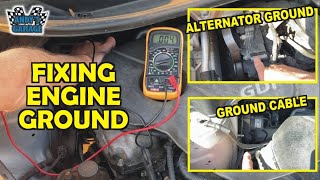
- GN1Z-14324-B — For the 2.0L engine, this is the main engine ground strap (earth strap) that connects the transmission to the frame rail.. A poor engine ground can cause a host of electrical issues and erratic sensor readings. While not a direct cause of P0017, verifying the integrity of main ground points is a crucial step in diagnosing any electronic engine control fault, as it ensures the PCM and its sensors have a stable reference.
- Ground Point behind Intake Manifold (1.0L EcoBoost) — A ground point is located behind the intake manifold on the 1.0L engine.. An owner reported that after an engine rebuild, this ground was improperly connected, resulting in a no-spark condition. This highlights the importance of ensuring all grounds are clean and secure after major engine work, as it can affect ignition and sensor systems required for the engine to start and run correctly.
- C175B — This is a main connector for the Powertrain Control Module (PCM).. The signals from the camshaft and crankshaft position sensors, as well as the control signal to the VCT solenoid, all route through the PCM connectors. Any corrosion or pin damage at this connector could interrupt these critical signals and cause correlation codes like P0017.
Real Owner Repair Stories
- Ford Owners Club forum user 'jeranio' (2015 Ford EcoSport 1.0L EcoBoost (Note: Pre-dates the specified range but engine is the same)) — Engine turned over smoothly but would not start after an engine rebuild.
❌ Tried (didn't work) Initially had a no-crank condition, which was fixed by moving the main ground from the gearbox to the engine block. The no-start condition persisted.
✅ What actually fixed it A no-spark condition was discovered. The cause was an improperly located ground point behind the intake manifold. Moving the ground to its correct position restored spark, allowing the engine to run.
OEM Part Supersession History
CM5Z-6M280-A→CM5Z-6M280-C— Part revision by the manufacturer. Later revisions often include improvements for durability or performance.
Heads up: CM5Z-6M280-C is the correct replacement for the original -A part for the 2.0L engine.N/A→CM5Z-6M280-G— This is the specified VCT Solenoid for the 1.0L EcoBoost engine in the 2018-2022 EcoSport.
Heads up: This part is specific to the 1.0L engine and is not interchangeable with the 2.0L engine's solenoid.
Helpful Videos
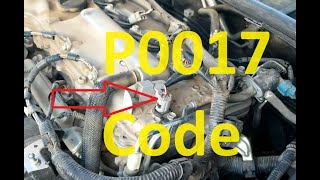
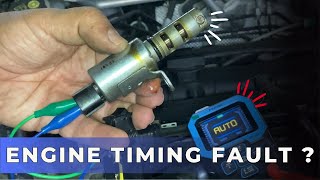
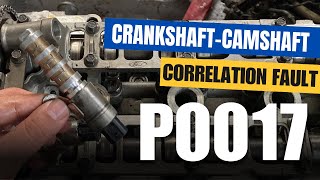

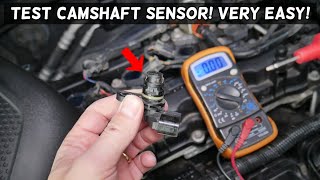
We Have This Part in Stock


The information in this article is provided for general reference and educational purposes only. Vehicle specifications, procedures, and part compatibility can vary by production date, trim level, and region. Always consult your vehicle's factory service manual and verify part numbers before purchasing or performing repairs. Safety-critical components such as airbags, seat belts, and braking systems should be installed by a qualified professional.
- Ford ECOSPORT:
- 🧭 Diagnostic Flowchart
- 🎬 Helpful Videos
- 🛍️ Shop This Part
- What's Unique About the 2018-2021 Ford ECOSPORT
- Symptoms You May Notice
- Most Likely Causes
- Rare But Worth Checking
- Diagnosis Steps
- Parts You'll Likely Need
- Related Codes That Often Appear With This One
- Technical Service Bulletins (TSBs) & Recalls
- Platform-Specific Known Issues
- Mechanic-Grade Diagnostic Values
- Scan Tool Commands That Help
- Wiring & Ground Locations
- Real Owner Repair Stories
- OEM Part Supersession History
- 🎟️ Get 5% Off