

P0017 on 2006-2010 Ford Explorer 4.6L V8: Crank/Cam Correlation Causes and Fixes
On a 2006-2010 Explorer with the 4.6L 3V V8, code P0017 is most often caused by a faulty Variable Camshaft Timing (VCT) solenoid or low/dirty engine oil. Replacing a VCT solenoid is a common DIY fix costing around $30-$90 for the part. If rattling noises are present, suspect a more serious timing chain issue.
- Before any other repairs, check your engine oil. Low or dirty 5W-20 oil is a primary cause of P0017 on this engine.
- The most common failed part is the Bank 1 (passenger side) exhaust VCT solenoid. It is a DIY-friendly fix, but requires removing the valve cover.
- Do not replace the camshaft or crankshaft sensors unless you have specifically tested them and found them to be faulty. They are usually not the cause of this code.
- A rattling or diesel-like chatter from the engine indicates a more serious problem with the cam phasers or timing chain, which requires a much more involved and expensive repair.
What's Unique About the 2006-2010 Ford Explorer
The Ford 4.6L 3-valve V8 engine is notorious for issues within its Variable Camshaft Timing (VCT) system. This system relies heavily on clean engine oil and stable oil pressure to function. Consequently, problems like sludgy oil, failing VCT solenoids, and worn cam phasers are exceptionally common causes for timing correlation codes like P0017 on this specific engine. Unlike some vehicles where a sensor is the first suspect, on the 4.6L 3V, the mechanical and hydraulic VCT components are the primary area of concern. Low oil pressure at hot idle, a common trait of higher-mileage engines, exacerbates this problem, starving the VCT system and leading to timing errors.
Symptoms You May Notice
- Check Engine Light is on
- Rough or shaking idle
- Engine stalling, especially at low speeds or when put in reverse
- Reduced engine power and hesitation
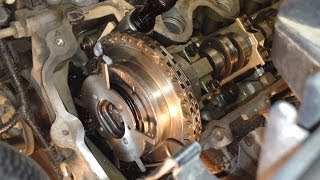
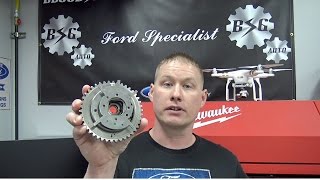
- Ticking, rattling, or diesel-like chatter from the engine, particularly when warm at idle 🎬 Watch: Understanding the cause of that diesel-like engine knock
- Engine is hard to start or has extended crank times
- Replacing the camshaft or crankshaft position sensors first. These sensors are rarely the cause of a correlation code; they are simply reporting the timing error they detect.
- Replacing only the VCT solenoid when a rattling noise is present. The noise indicates a mechanical timing issue (chain/phaser), and a new solenoid will only be a temporary fix, if any.
Most Likely Causes
- Low or Dirty Engine Oil 🔴 High Probability The VCT system uses pressurized oil to adjust cam timing. The system's small passages and solenoid screens are easily clogged by sludge or debris from old oil, preventing proper operation. Using a non-Motorcraft oil filter can also be a problem, as some aftermarket filters have less effective anti-drainback valves, contributing to startup rattle and VCT issues.
How to confirm: Check the oil level on the dipstick and inspect its condition. If the level is low or the oil is dark, thick, or past its change interval, this is the most likely starting point. An oil change has been reported by owners to solve the code on its own.
Typical fix: Perform an oil and filter change using the correct viscosity oil (Ford specifies 5W-20 for this engine) and a high-quality oil filter, preferably a Motorcraft FL-820S.
Est. part cost: $40-$80 - Faulty Variable Camshaft Timing (VCT) Solenoid 🔴 High Probability → Shop Engine Camshaft These solenoids are a known failure point, acknowledged in Ford TSBs. The internal screens can get clogged with debris, or the solenoid can fail electronically, preventing it from directing oil flow to the cam phaser correctly.
How to confirm: Swap the Bank 1 exhaust VCT solenoid with the Bank 1 intake solenoid. Clear the codes and drive the vehicle. If the code changes to P0016 (Intake Cam Correlation), the solenoid is confirmed bad. A scan tool can also command the solenoid on/off to check for an audible click and a change in idle quality.
Typical fix: Replace the faulty VCT solenoid. This requires removing the valve cover for access. The updated OEM part is 8L3Z-6M280-B.
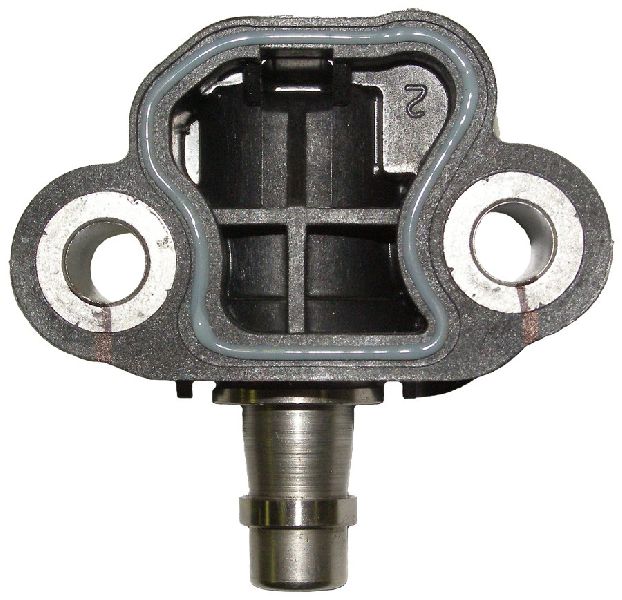
Est. part cost: $30-$90 - Worn Timing Components (Cam Phaser, Timing Chain, Guides, Tensioners) 🟡 Medium Probability The original cam phasers and plastic timing chain tensioners on the 3V engines are known weak points that can lead to timing issues and rattling noises. As tensioners wear, the chain develops slack, causing timing correlation errors that the PCM detects.
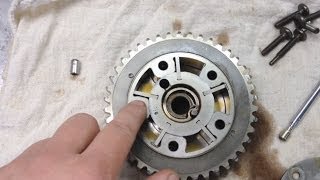
How to confirm: Listen for a distinct diesel-like chatter or knocking from the front of the engine, especially at hot idle. Confirmation requires removing the valve cover to inspect the cam phaser for excessive play and the timing chain/guides for wear or damage. A fully extended tensioner is a clear sign of a stretched chain. 🎬 See how to inspect your cam phasers for failure
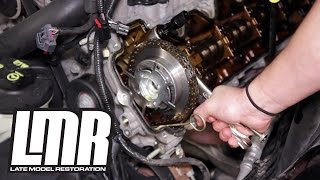
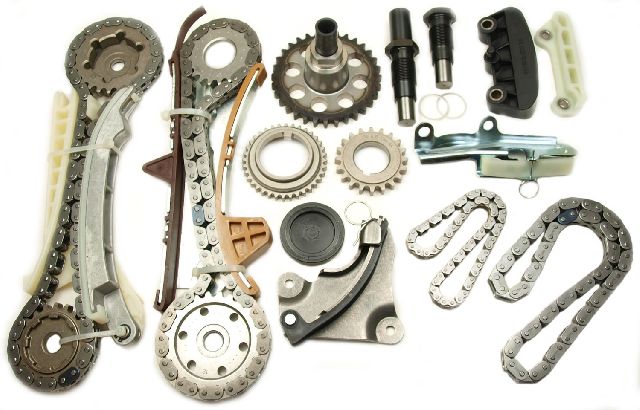
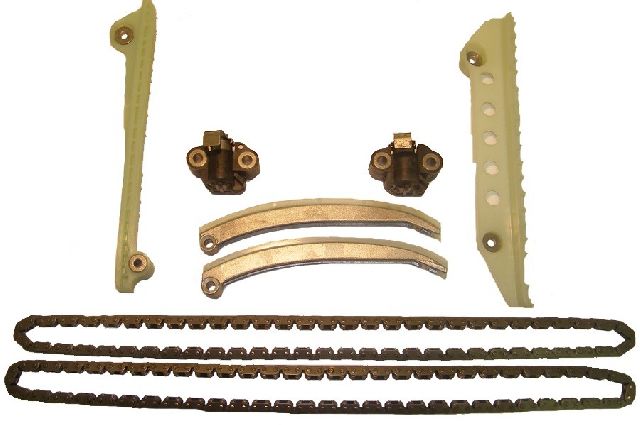
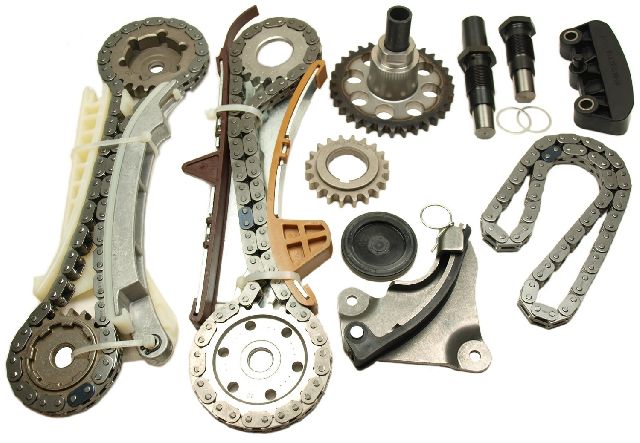
Typical fix: This is a major repair that involves replacing the cam phasers, timing chains, tensioners, and guides as a complete kit. 🎬 Watch: Step-by-step guide to replacing the timing chains Many technicians strongly recommend installing a high-volume oil pump (like the Melling M360HV) at the same time to improve oil pressure and prevent future VCT issues.
Est. part cost: $400-$1500
Rare But Worth Checking
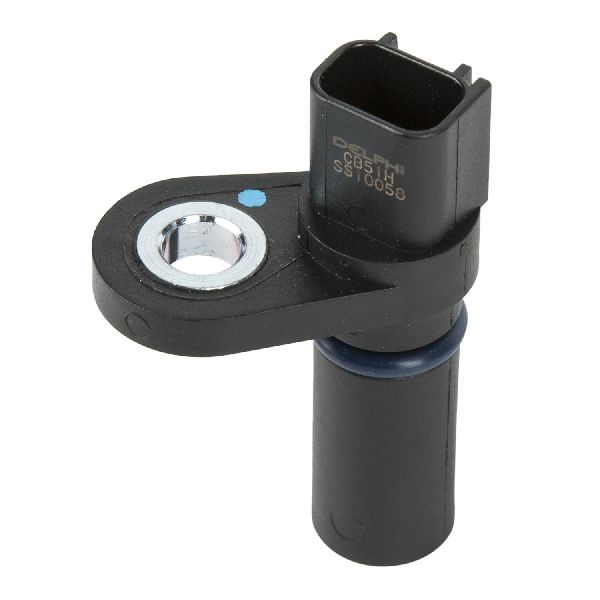
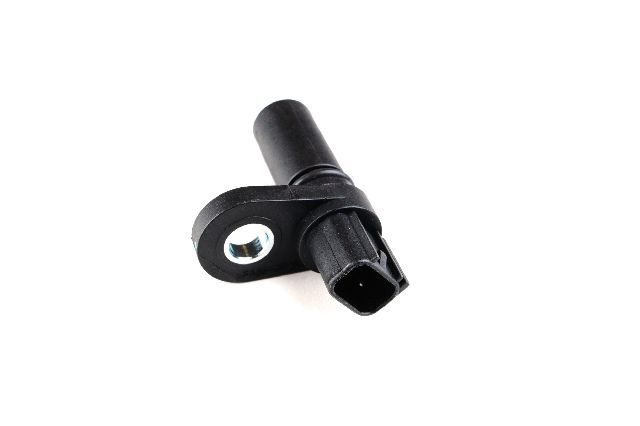
- Failed Camshaft Position Sensor: → Shop Engine Camshaft Position Sensor While possible, the sensor itself is far less likely to fail than the VCT solenoids or other mechanical timing components. It should only be replaced after other causes are ruled out. A sensor circuit fault would typically set a different code, like P0365.
- Damaged Camshaft Reluctor Wheel: → Shop Engine Camshaft The sensor reads a toothed wheel on the camshaft. If this wheel is damaged or has slipped, it can cause a correlation code. This is rare and usually only occurs during other engine work or a catastrophic timing failure.
- Clogged Oil Passages: In cases of severe engine sludge from neglected maintenance, the oil passages within the cylinder head that feed the VCT system can become blocked. This may require significant engine teardown to clean.
Diagnosis Steps
- Verify the engine oil level and condition. Top off or change the oil and filter if necessary. Use 5W-20 oil and a Motorcraft FL-820S filter.
- Use a capable OBD-II scanner (like FORScan) to check for any other accompanying trouble codes and to view live data.
- Monitor the VCT-related PIDs: VCT_ADV1 (desired angle), RCAM (actual angle), and VCT_ERR1 (error). For P0017, you would monitor the exhaust cam PIDs for Bank 1. A large, persistent error value confirms the fault is active.
- Listen for any unusual engine noises, such as ticking, rattling, or knocking, especially from the front of the engine near the valve covers when the engine is warm.
- Perform a VCT solenoid swap. The VCT solenoids are located under the valve covers. Swap the Bank 1 exhaust solenoid with the Bank 1 intake solenoid. Clear the codes and see if the fault moves to the intake cam (P0016). If it does, the solenoid is faulty.
- If the solenoid swap does not isolate the problem, inspect the wiring and connector for the Bank 1 exhaust VCT solenoid and the Bank 1 exhaust camshaft position sensor for damage or corrosion.
- If all other steps fail to identify the issue, the problem is likely mechanical. This requires removing the valve cover to inspect the cam phaser, timing chain, guides, and tensioner for wear, damage, or slack.
Parts You'll Likely Need
- Variable Camshaft Timing (VCT) Solenoid
(OEM #8L3Z-6M280-B)— This is the most common failure part for code P0017 on this engine. It gets clogged with oil debris or fails electronically. The part number 8L3Z-6M280-B is an updated design that supersedes 8L3Z-6M280-A and 3L3Z-6M280-EA.
Trusted brands: Motorcraft, Standard Motor Products (SMP)
OEM price range: $60-$90
Aftermarket price range: $30-$60 - Timing Chain Kit — If the timing chain is stretched or the guides/tensioners are broken, a full timing job is required. Kits usually include chains, phasers, guides, tensioners, and sprockets. It is critical to replace all components as a set.
Trusted brands: Motorcraft, Melling, Cloyes
OEM price range: $800-$1200
Aftermarket price range: $300-$600 - High-Volume Oil Pump
(OEM #Melling M360HV)— Not a required part, but a highly recommended upgrade when performing a timing chain replacement. It provides 20% more oil flow, which helps maintain proper oil pressure for the VCT system, especially at hot idle, preventing recurrence of timing codes.
Trusted brands: Melling
OEM price range: N/A
Aftermarket price range: $100-$150 - Cam Phaser
(OEM #3R2Z-6A257-DA)— The original phasers are a known weak point and can fail internally, causing rattling noises and setting timing codes. They should always be replaced during a timing chain service.
Related Codes That Often Appear With This One
- P0016 — Crank/Cam Correlation for Bank 1 Intake. If seen with P0017, it points to a problem affecting the entire bank, like a jumped timing chain or a major oil pressure issue, making a base timing fault much more likely.
- P0018 — Crank/Cam Correlation for Bank 2 Intake. This is the equivalent code for the other side of the engine.
- P0019 — Crank/Cam Correlation for Bank 2 Exhaust. This is the direct counterpart to P0017 for the driver's side bank.
- P0345 / P0349 — Camshaft Position Sensor Circuit codes for Bank 2. While P0017 is for Bank 1, seeing any sensor circuit codes suggests checking wiring and connections as part of the diagnosis.
Technical Service Bulletins (TSBs) & Recalls
- SSM 48423 / SSM 47170: While not exclusively for this vehicle, these widely referenced TSBs state that various timing codes (including P0017) can be caused by small debris in the oil causing a VCT solenoid to stick. The official diagnostic procedure advises using a scan tool to cycle the solenoid up to 10 times to attempt to clear the debris before replacing the part. This confirms that a sticking solenoid is a very common, officially recognized issue.
- SSM 54366: This bulletin notes that vehicles may exhibit an illuminated MIL with diagnostic trouble codes including P0017, and directs technicians to pinpoint test HK in the Powertrain Control and Emissions Diagnosis (PC/ED) manual.
- TSB-16-0093: A manufacturer service bulletin indicates that engines with less than 3200 km (2000 miles) may exhibit an illuminated MIL with DTCs including P0017 stored in the PCM memory.
Platform-Specific Known Issues
- The 4.6L 3V engine is highly sensitive to oil viscosity and cleanliness. Using an oil other than the specified 5W-20 or extending oil change intervals dramatically increases the risk of VCT system problems.
- The original equipment cam phasers were prone to failure, leading to the infamous 'phaser knock' or 'diesel sound' at hot idle. This is a clear indicator of worn timing components.
- Plastic timing chain tensioners can fail, allowing the seals to blow out, which causes a significant loss of oil pressure to the timing system and leads to chain slack and noise.
Mechanic-Grade Diagnostic Values
- VCT Solenoid Internal Resistance — expected: 7.0 to 14.0 ohms. A common reading for a good solenoid is between 6.9 and 7.9 ohms.. Failure: A reading of zero ohms (short circuit) or infinite ohms (open circuit).
- Camshaft Position (CMP) Sensor Resistance — expected: 205 to 579 Ohms for a typical Ford 3V sensor.. Failure: A reading outside of the specified range indicates a faulty sensor.
- VCT Solenoid Connector Voltage (KOEO) — expected: Battery voltage (approx. 12.6V) at the power supply pin.. Failure: No voltage or significantly low voltage points to a wiring or fuse issue.
- Camshaft Position (CMP) Sensor Connector Voltage (KOEO) — expected: Should have a 5V or 12V reference wire, a ground wire (<0.1V), and a signal wire. A test at the plug should show greater than 10V on the power wires.. Failure: Voltage below 10V on the power wires suggests a wiring issue between the connector and the PCM.
- FORScan VCT Error PID (e.g., VCT_ERR1) — expected: Should hover around 0° at a stable hot idle.. Failure: A persistent difference of more than +/- 5° for an excessive amount of time indicates a correlation fault is actively occurring.
- Alternator AC Ripple Voltage — expected: Less than 0.5V (500mV) AC at the battery terminals with the engine at 1500 RPM.. Failure: A reading higher than 500mV AC suggests failing alternator diodes, which can create electrical noise that interferes with the CMP sensor signal, a known issue on some Fords.
Scan Tool Commands That Help
- FORScan or Ford IDS: VCT Solenoid On/Off State Control (Bidirectional Test) — This command manually cycles the VCT solenoid, which should produce an audible click and a noticeable change in engine idle quality. It's used to verify if the solenoid is mechanically stuck or electrically unresponsive. It can sometimes clear minor debris causing the solenoid to stick.
- FORScan or Ford IDS: Datalogger for VCT PIDs (VCT_ADV, RCAM, VCT_ERR) — Used during a test drive to monitor the commanded vs. actual camshaft angle and the resulting error. Graphing these PIDs helps visualize if the timing error occurs under specific conditions (e.g., load, RPM) and confirms the fault is active.
Wiring & Ground Locations
- G102 / G103 — These are primary engine bay ground points, typically located on the chassis/fender aprons in the engine compartment.. The PCM and its sensors rely on clean ground connections. A corroded or loose ground at G102 or G103 can introduce electrical noise or voltage drops, potentially causing erratic sensor readings and triggering false correlation codes.
- VCT Solenoid Connector — On top of the valve cover, connected to the VCT solenoid.. This connector is the direct interface for controlling the solenoid. It should be checked for oil contamination, corrosion, or loose pins. A poor connection here will prevent the PCM's signal from actuating the solenoid correctly.
- Camshaft Position Sensor Connector — On the front of the valve cover for the respective bank.. This connector sends the camshaft's position back to the PCM. It should be inspected for damage or corrosion. Wiggling this harness while the engine is running can help identify intermittent shorts or opens in the circuit.
Real Owner Repair Stories
- OnAllCylinders Project Vehicle (Ford Mustang 4.6L 3V with 116,000 miles) — Chain rattle on startup, ticking from cam phasers, and audible chain movement noise.
❌ Tried (didn't work) The owner identified the multiple noises as being beyond a simple solenoid or sensor fix.
✅ What actually fixed it A complete timing job was performed, replacing the timing chains, cam phasers, chain tensioners, and guides using a Ford Performance replacement kit (PN M-6004-463V). This resolved all timing-related noises and issues. - NHTSA ODI #11725963 — An owner reported the vehicle turning off and on, which was initially diagnosed with code P0018 and later produced code P0017. The report notes the ECM detected the camshaft was out of sync with the crankshaft.
OEM Part Supersession History
3L3Z-6M280-EA→8L3Z-6M280-A, then 8L3Z-6M280-B— The part has been updated by Ford to improve reliability and prevent sticking issues that were common with the original design.
Heads up: The latest part, 8L3Z-6M280-B, is the recommended replacement for all 2006-2010 4.6L 3V engines and is backward compatible.
Diagnostic Flowchart
Real Owner Stories
Aggregated from forums and TSBs cited above. Mileages and costs reflect what owners reported in those sources.
4.6L 3V Engine
Symptoms: The P0017 code appeared after the vehicle had been sitting for a period of time.
What fixed it: A simple engine oil and filter change resolved the code, highlighting the VCT system's sensitivity to oil condition.
Source hint: Motor Vehicle Maintenance & Repair Stack Exchange: P0017 after oil change
4.6L 3V Ford Explorer
Symptoms: Experienced P0017 along with other timing correlation codes (P0016, P0018).
What fixed it: Timing chain replacement to address worn timing components.
Source hint: ExplorerForum.com: Discussion on P0016, P0017, and P0018
Ford Modular 3V Engine
Symptoms: Low oil pressure at hot idle leading to VCT system issues and timing codes.
What fixed it: Upgrading to the Melling M360HV high-volume oil pump during a complete timing job.
Source hint: FordTechMakuloco YouTube: Ford 5.4L 3v Engine Melling M360 Oil Pump Upgrade
Related OBD-II Codes
Frequently Asked Questions
Does TSB SSM 48423 or SSM 47170 apply to my 2006-2010 Ford Explorer 4.6L 3V?
What oil and filter should I use to prevent P0017 on my 4.6L 3V Explorer?
I hear a diesel-like chatter at hot idle. Is this related to the P0017 code?
How can I test if the VCT solenoid is causing my P0017 code?
If I need to replace the timing chain, are there any recommended upgrades for the 4.6L 3V?
What scan tool data should I look at for P0017 on my Explorer?
Helpful Videos
We Have This Part in Stock

The information in this article is provided for general reference and educational purposes only. Vehicle specifications, procedures, and part compatibility can vary by production date, trim level, and region. Always consult your vehicle's factory service manual and verify part numbers before purchasing or performing repairs. Safety-critical components such as airbags, seat belts, and braking systems should be installed by a qualified professional.
- Ford Explorer:
- 🧭 Diagnostic Flowchart
- 🎬 Helpful Videos
- 🛍️ Shop This Part
- What's Unique About the 2006-2010 Ford Explorer
- Symptoms You May Notice
- Most Likely Causes
- Rare But Worth Checking
- Diagnosis Steps
- Parts You'll Likely Need
- Related Codes That Often Appear With This One
- Technical Service Bulletins (TSBs) & Recalls
- Platform-Specific Known Issues
- Mechanic-Grade Diagnostic Values
- Scan Tool Commands That Help
- Wiring & Ground Locations
- Real Owner Repair Stories
- OEM Part Supersession History
- Real Owner Stories
- 4.6L 3V Engine
- 4.6L 3V Ford Explorer
- Ford Modular 3V Engine
- Related OBD-II Codes
- Frequently Asked Questions
- 🎟️ Get 5% Off