

P0017 on 2015-2020 Ford Fusion: Causes and Fixes for Crank/Cam Correlation
On a 2015-2020 Ford Fusion, P0017 is most often caused by low or dirty engine oil, or a sticking Variable Camshaft Timing (VCT) solenoid. A stretched timing chain is another common but more expensive possibility. Always check your oil first before replacing parts, as the VCT system is highly sensitive to oil condition.
- P0017 indicates a timing mismatch between the crankshaft and the exhaust camshaft.
- Before any repairs, check your engine oil. Low or dirty oil is a primary cause and an easy fix.
- A sticking VCT solenoid is a very common cause on Ford Fusions, as noted in official Ford TSBs.
- If you hear a rattling noise from the engine, suspect a stretched timing chain, which is a more serious and expensive repair.
- Due to the complexity of diagnosis, professional service is recommended to avoid replacing unnecessary parts.
What's Unique About the 2015-2020 Ford FUSION

For this generation of Ford Fusion, Ford has issued multiple Technical Service Bulletins (TSBs) acknowledging that P0017 and related codes can be caused by small debris contaminating the engine oil and causing the Variable Camshaft Timing (VCT) solenoids to stick. This points to a known pattern where a relatively simple component, the VCT solenoid, is a primary suspect. The TSBs specifically advise technicians to attempt clearing the debris by cycling the solenoid with a scan tool before replacing it, confirming it's a frequent and recognized issue.
Diagnostic Flowchart

Tap your situation to follow the diagnostic path that matches what you're seeing on this vehicle.
Symptoms You May Notice
- Check Engine Light is on
- Rough or shaky idle
- Engine stalling, especially at low speeds or when stopping
- Loss of power and poor acceleration
- Increased fuel consumption
- Rattling noise from the engine area, especially on startup
- Replacing the camshaft or crankshaft position sensor when the actual problem is a stretched timing chain or a sticking VCT solenoid. The sensor is often just accurately reporting a mechanical problem. 🎬 Watch: A breakdown of P0017 causes and diagnostic steps.
- Immediately replacing the VCT solenoid without first performing an oil change, as dirty oil is a primary cause of the solenoid sticking.
Most Likely Causes

- Low or Dirty Engine Oil 🔴 High Probability The VCT system is hydraulically operated by engine oil. Low levels or contaminated oil can't provide the necessary pressure or can clog passages, preventing the cam phasers from operating correctly. This is the first thing to check as it's the simplest fix.
How to confirm: Check the oil dipstick for level and clarity. If the oil is low, black, or sludgy, this is a likely contributor. This should be the first step in any diagnosis for this code.
Typical fix: Perform an oil and filter change using the manufacturer-specified grade of oil (e.g., Motorcraft SAE 5W-20 or 5W-30 depending on the engine).
Est. part cost: $40-$80 - Sticking or Failed VCT Solenoid 🔴 High Probability → Shop Engine Variable Valve Timing (VVT) Solenoid Ford TSBs #SSM 47170 and #SSM 48423 explicitly state that small debris can cause the VCT solenoid to stick, triggering this code. The TSBs even suggest a diagnostic procedure to cycle the solenoid 10 times to try and dislodge debris before replacement.
How to confirm: A mechanic can use a scan tool to command the solenoid and monitor its response. Swapping the exhaust solenoid with the intake solenoid and seeing if the code changes to P0016 is also a common diagnostic trick. You can also remove and test the solenoid for mechanical movement.
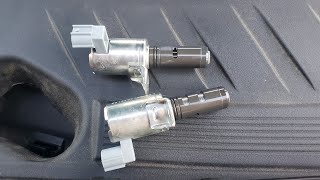
Typical fix: Replace the Bank 1 exhaust VCT solenoid. 🎬 See this walkthrough on how to replace the VVT solenoid. The Motorcraft part number varies by engine, but a common example is 7T4Z-6M280-C, which supersedes older versions.
Est. part cost: $30-$100 - Stretched Timing Chain 🟡 Medium Probability → Shop Engine Timing Chain Over time, timing chains can stretch. This creates slack and changes the physical timing between the crank and cams, which the sensors will accurately report as a correlation error. This is a known issue on many modern engines, not just Ford's.
How to confirm: This is a complex diagnosis. It often involves listening for a rattling noise on startup and requires significant disassembly to visually inspect timing marks and tensioner position. Getting a P0017 code immediately after a timing chain replacement is a strong indicator the timing was set incorrectly.
Typical fix: Replace the timing chain, tensioners, and guides. This is a labor-intensive job.
Est. part cost: $200-$500 for a kit - Failed Camshaft or Crankshaft Position Sensor ⚪ Low Probability → Shop Engine Crankshaft Position Sensor
How to confirm: Test the sensor's output with a multimeter or oscilloscope to see if it's sending a consistent signal. Check for related sensor-specific codes. Often, the sensor is working correctly and reporting a mechanical issue.
Typical fix: Replace the faulty sensor (Bank 1 exhaust camshaft position sensor is the most likely suspect for P0017).
Est. part cost: $25-$90 - Failed Camshaft Phaser ⚪ Low Probability → Shop Engine Camshaft
How to confirm: This is usually diagnosed after solenoids and sensors have been ruled out. A scan tool may show the phaser is not reaching its commanded position. A knocking noise at idle after the engine is warm can also point to a phaser issue.
Typical fix: Replace the camshaft phaser, which often requires timing chain removal.
Est. part cost: $100-$300
Rare But Worth Checking
- Damaged wiring or connectors: A visual inspection of the wiring harness to the VCT solenoid and cam/crank sensors can save a lot of time and money. Look for frayed wires, oil contamination in the connectors, or corroded pins.
- Faulty PCM: This is extremely rare. The Powertrain Control Module should only be considered after all other possibilities have been exhaustively tested by a professional. Sometimes a software update is required.
Diagnosis Steps
- Check the engine oil level and condition. If low or dirty, perform an oil and filter change, clear the code, and see if it returns. This is the most critical first step.
- Use an OBD-II scanner to check for any other pending or stored codes, especially P0016 or other VCT-related codes.
- Inspect the wiring and connectors for the camshaft position sensor, crankshaft position sensor, and VCT solenoid for any visible damage, corrosion, or loose connections.
- Using a capable scan tool, monitor the live data for the commanded vs. actual camshaft position to see if the PCM is detecting a discrepancy. Also monitor VCT PIDs at hot idle. 🎬 Watch: How to test and fix the cam/crank correlation.
- As per Ford TSBs SSM 48423 and 47170, use a scan tool to command the Bank 1 exhaust VCT solenoid on and off (cycle it 10 times) to check for a change in engine idle and attempt to clear debris. A lack of change suggests a stuck solenoid.
- If accessible, swap the exhaust VCT solenoid with the intake VCT solenoid. Clear the codes and drive the vehicle. If the code changes to P0016, the solenoid is bad.
- If other tests are inconclusive, a physical inspection of the timing chain, guides, and tensioner is necessary to check for stretching or damage. This is a labor-intensive step and usually performed by a professional.
Parts You'll Likely Need

- Variable Camshaft Timing (VCT) Solenoid
(OEM #7T4Z-6M280-C (Supersedes 7T4Z-6M280-B, verify by VIN))— Ford TSBs identify this as a high-probability failure item due to sticking caused by oil debris. It's relatively inexpensive and easy to access.
Trusted brands: Motorcraft, Dorman
OEM price range: $50-$120
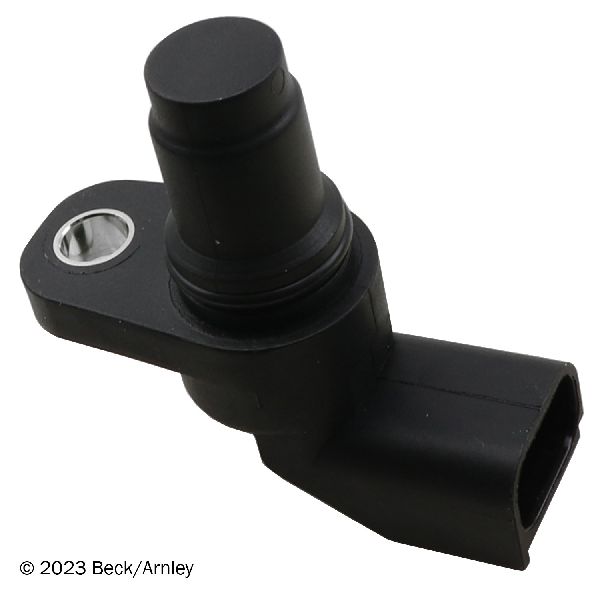
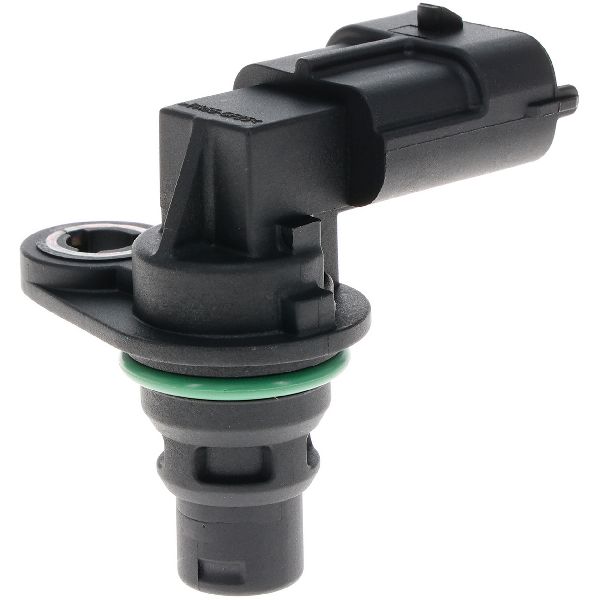
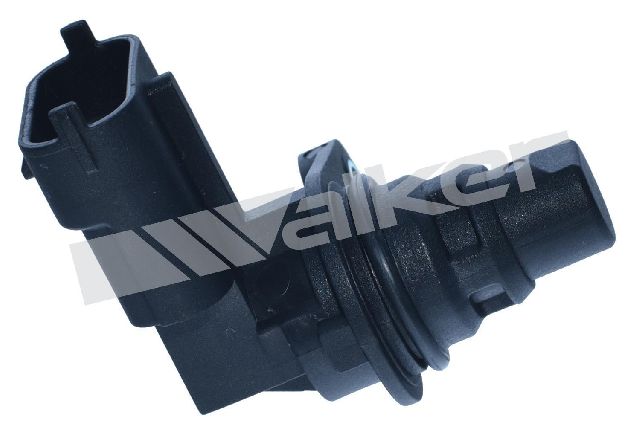
Aftermarket price range: $30-$80 - Camshaft Position Sensor
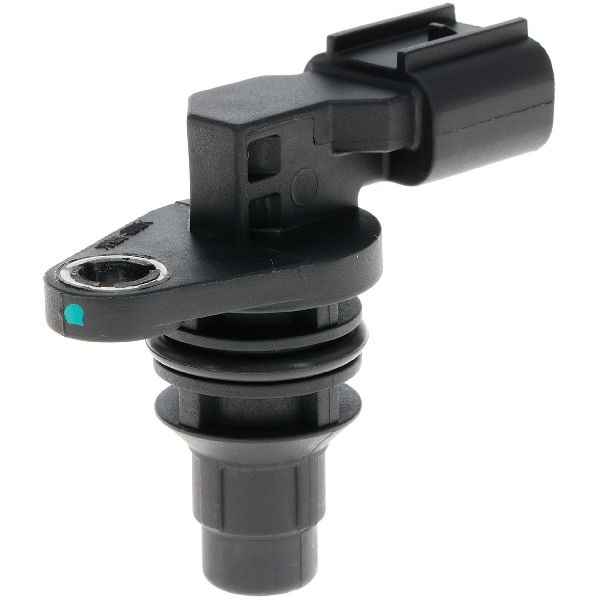
(OEM #AG9Z-6C315-A (Example, verify by VIN))— While less common than a solenoid or timing issue, the sensor itself can fail and is a relatively inexpensive part to replace during diagnosis.
Trusted brands: Motorcraft, Bosch, Delphi
OEM price range: $40-$100
Aftermarket price range: $25-$70 - Timing Chain Kit
(OEM #Varies by engine (e.g., for 2.0L EcoBoost may include parts like CJ5Z-6268-A))— If the chain has stretched, a full kit including the chain, tensioner, and guides is required to restore proper engine timing.
Trusted brands: Motorcraft, Cloyes
OEM price range: $300-$600
Aftermarket price range: $150-$400
Related Codes That Often Appear With This One
- P0016 — P0016 is the same correlation error but for the intake camshaft. Seeing both P0016 and P0017 together strongly suggests a base timing issue, like a stretched chain or incorrect timing job, affecting both cams on Bank 1.
- P0011, P0012, P0014, P0015 — These codes relate to cam timing being over-advanced or over-retarded. They often point towards issues within the VCT system (solenoids, phasers) and are listed in the same Ford TSBs as P0017, reinforcing the VCT system as a common trouble area.
Technical Service Bulletins (TSBs) & Recalls
- SSM 47170: Notes that various VCT codes including P0017 may be due to small debris causing the VCT solenoid to stick. Recommends cycling the solenoid to clear debris before replacement.
- SSM 48423: Reiteration of SSM 47170, pointing to debris causing a sticking VCT solenoid as a potential cause for P0017 and providing diagnostic guidance.
- SSM 54366: Recommends following Pinpoint test HK in the official service manual for diagnosing a list of VCT codes including P0017, indicating an updated diagnostic procedure.
Platform-Specific Known Issues
- Per Ford Technical Service Bulletins SSM 47170 and SSM 48423, this code is frequently caused by small debris in the engine oil causing the VCT solenoid to stick. The TSBs recommend cycling the solenoid with a scan tool to attempt to clear it before replacement.
Mechanic-Grade Diagnostic Values
- VCT Solenoid Internal Resistance — expected: 5.0 - 15.0 Ohms. Failure: A reading of 0 Ohms (short circuit) or infinite/OL (open circuit).
- Camshaft Position Sensor (3-wire) Voltage Test — expected: With key on, engine off: ~5V on the reference wire and ~5V on the signal wire (relative to ground).. Failure: No voltage on the reference wire points to a PCM or wiring issue. If reference voltage is good but the signal wire does not drop to ~0V when a piece of metal is passed in front of the sensor, the sensor itself is likely faulty.
- Ford Scan Tool Live Data PID: CAMERRR — expected: At a stable, warm idle, the value should be close to 0 degrees.. Failure: A consistent, non-zero value (e.g., hanging at 5+ degrees) indicates the PCM is seeing a persistent difference between the commanded and actual cam position, strongly suggesting a mechanical timing issue (stretched chain, phaser problem) or a stuck solenoid.
Hidden / Shadow Codes Worth Checking
- Mode $06, Monitor ID: VVT Monitor Bank 1, Component ID: $31: This non-continuous monitor test checks the variable camshaft timing system's response. A failure here can indicate an emerging problem with the VCT system (solenoid, phaser, or oil flow) even if a hard DTC like P0017 has not set or will not clear. (see via A capable OBD-II scanner that can display Mode $06 test results. A failure was reported when the test value exceeded the maximum limit (e.g., a value of 101 when the max was 100).)
Scan Tool Commands That Help

- Ford IDS (or equivalent professional scanner): VCT Solenoid On/Off State Command / Output State Control — This bidirectional command is used to manually cycle the VCT solenoid. A technician can command the solenoid on and off while listening for a clicking sound and observing a change in engine idle. If there's no click or change in idle, the solenoid is likely stuck or has failed electrically. This is a primary diagnostic step recommended in Ford TSBs.
Real Owner Repair Stories
- Commonly reported pattern on forums like ford-fusion.net and 2gfusions.net (2015-2020 Ford Fusion, typically with 2.0L or 2.5L engine, often over 80,000 miles.) — Check Engine Light with P0017, sometimes accompanied by P0016. May have a slight rattle on cold starts but can also have no other noticeable symptoms.
❌ Tried (didn't work) Performing an oil change., Replacing the Bank 1 exhaust camshaft position sensor., Replacing the Bank 1 exhaust VCT solenoid.
✅ What actually fixed it After the less expensive fixes failed to resolve the code, the definitive repair was replacing the timing chain, tensioner, and guides. The original chain was found to be stretched when compared to the new one, causing the correlation error that the sensors were correctly reporting.
"I Checked Everything" — The Actual Cause
- A common diagnostic dead-end for P0017 occurs when both the camshaft position sensor and the VCT solenoid test perfectly fine (correct resistance, proper voltage, and the solenoid clicks when commanded). In these cases, the root cause is almost always mechanical. The sensors and solenoids are functioning correctly, but they are reporting a real timing discrepancy caused by a stretched timing chain or a damaged reluctor ring.
OEM Part Supersession History
7T4Z-6M280-B→7T4Z-6M280-C— Ford often updates parts to improve reliability or address known failure modes. For VCT solenoids, this can include improved resistance to debris or stronger internal components.
Model Year Variations Within This Range
- 2017-2020: The 2017 model year introduced a significant refresh with new trim levels (Sport with a 2.7L V6, Platinum), a rotary gear shifter, and Sync 3 infotainment. However, the core inline-4 engines (1.5L, 2.0L, 2.5L) did not undergo major mechanical revisions that would change the fundamental causes or diagnostic procedures for code P0017 within the 2015-2020 range.
Helpful Videos

We Have This Part in Stock


The information in this article is provided for general reference and educational purposes only. Vehicle specifications, procedures, and part compatibility can vary by production date, trim level, and region. Always consult your vehicle's factory service manual and verify part numbers before purchasing or performing repairs. Safety-critical components such as airbags, seat belts, and braking systems should be installed by a qualified professional.
- Ford FUSION:
- 🧭 Diagnostic Flowchart
- 🎬 Helpful Videos
- 🛍️ Shop This Part
- What's Unique About the 2015-2020 Ford FUSION
- Symptoms You May Notice
- Most Likely Causes
- Rare But Worth Checking
- Diagnosis Steps
- Parts You'll Likely Need
- Related Codes That Often Appear With This One
- Technical Service Bulletins (TSBs) & Recalls
- Platform-Specific Known Issues
- Mechanic-Grade Diagnostic Values
- Hidden / Shadow Codes Worth Checking
- Scan Tool Commands That Help
- Real Owner Repair Stories
- "I Checked Everything" — The Actual Cause
- OEM Part Supersession History
- Model Year Variations Within This Range
- 🎟️ Get 5% Off