

P0017 on 2015-2019 Ford Fusion Energi: Crank-Cam Correlation Causes and Fixes
On a 2015-2019 Fusion Energi, P0017 is most often caused by low/dirty engine oil or a sticking exhaust Variable Camshaft Timing (VCT) solenoid due to debris, an issue noted by Ford in a TSB. Start by checking your oil; if the level and quality are good, the next step is likely replacing the exhaust VCT solenoid, which costs about $40-$80 for the part. This is a common issue on the 2.0L hybrid platform shared with the C-Max and Lincoln MKZ Hybrid.
- Always check your engine oil level and condition first when you see a P0017 code; it's the easiest and cheapest fix.
- The most likely failed part for this code on your Fusion Energi is the exhaust VCT solenoid, due to a known issue with debris outlined by Ford.
- P0017 indicates an issue with the EXHAUST camshaft timing ('Sensor B').
- If you also have a P0016 code (for the intake cam), the problem is almost certainly a larger mechanical issue like a stretched timing chain.
- While a DIYer can replace the VCT solenoid or camshaft sensor, diagnosing and replacing a timing chain should be left to a professional.
What's Unique About the 2015-2019 Ford FUSION ENERGI
For this generation of Ford vehicles, including the Fusion Energi, the manufacturer issued a Technical Service Bulletin (TSB SSM 50067) that directly addresses this code. The TSB states that P0017 (among others) can be caused by small debris in the engine oil, which makes the Variable Camshaft Timing (VCT) solenoids stick. The TSB advises technicians to first attempt clearing the debris by cycling the solenoid with a scan tool 10 times before replacing it. This makes a sticking solenoid a higher-probability cause on this platform compared to others where a stretched timing chain might be the immediate primary suspect.
Diagnostic Flowchart
Tap your situation to follow the diagnostic path that matches what you're seeing on this vehicle.
Symptoms You May Notice
- Check Engine Light is on
- Rough or erratic idle
- Difficulty starting the engine, or extended cranking time
- Reduced engine power and poor acceleration
- Decreased fuel economy
- Rattling or ticking noise from the engine, especially on a cold start
- Engine stalling at low speeds
- Replacing the crankshaft or camshaft position sensors immediately without first checking the oil level and condition or inspecting the VCT system. The code points to a 'correlation' issue, which is often mechanical or hydraulic, not a primary electrical sensor failure.
Most Likely Causes
- Low or Dirty Engine Oil 🔴 High Probability The VCT system, which controls camshaft timing, is hydraulically operated by engine oil. Low levels or contaminated oil can impede the function of the VCT solenoids and phasers, which is the most common cause of this code.
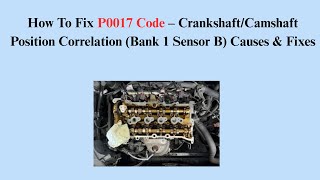
How to confirm: Check the engine oil level on the dipstick and inspect its color and consistency. If the oil is low or appears dark and sludgy, it needs to be changed. This should always be the first step. 🎬 Watch: A breakdown of common causes and fixes for P0017.
Typical fix: Perform an engine oil and filter change using the manufacturer-specified grade (5W-20 Synthetic Blend). Clear the code and test drive to see if it returns.
Est. part cost: $30-$60 - Sticking or Failed Exhaust VCT Solenoid 🔴 High Probability → Shop Engine Variable Valve Timing (VVT) Solenoid Ford TSB SSM 50067 explicitly mentions that debris can cause VCT solenoids to stick, leading to this code. The exhaust solenoid ('Sensor B') is the specific one implicated by P0017 and is located toward the rear of the valve cover, closer to the firewall.
How to confirm: After checking the oil, this is the next logical step. A diagnostic scan tool can be used to command the solenoid on and off to check for a response, as outlined in TSB SSM 50067. An audible click should be heard. Resistance can also be tested with a multimeter and should be between 7 and 14 Ohms. 🎬 Watch: How to test and fix the P0017 correlation code.
Typical fix: Replace the exhaust VCT solenoid. It is located on the valve cover. Lubricate the new solenoid's O-ring with clean engine oil before installation.
Est. part cost: $40-$100 - Stretched Timing Chain or Failed Tensioner 🟡 Medium Probability → Shop Engine Timing Chain While less common than VCT issues, timing chains can stretch over time, especially with extended oil change intervals. This causes a permanent correlation fault that a VCT solenoid replacement won't fix.
How to confirm: This is a more involved diagnosis. A mechanic may listen for a characteristic rattling noise on startup or remove the valve cover to inspect for chain slack. Verifying timing marks with an oscilloscope or via significant disassembly is the definitive test.
Typical fix: Replace the timing chain, guides, and tensioners. This is a labor-intensive job.
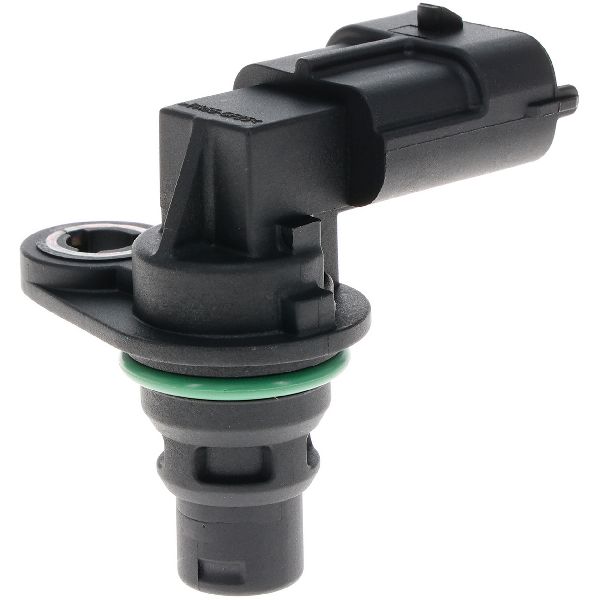
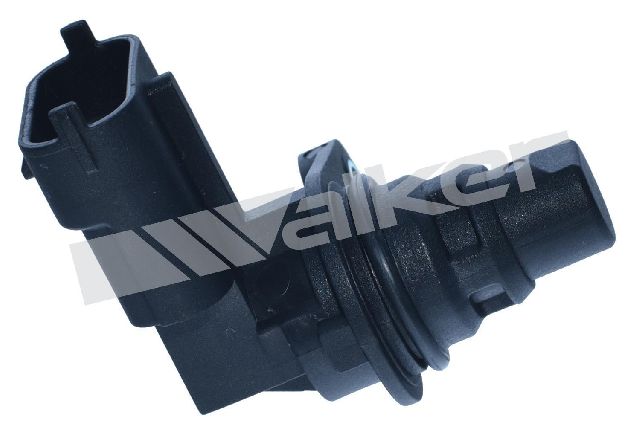
Est. part cost: $200-$400 - Failed Exhaust Camshaft Position Sensor ⚪ Low Probability → Shop Engine Camshaft Position Sensor
How to confirm: The sensor can be tested with a multimeter for proper resistance, or swapped with the intake sensor (if they are identical) to see if the code changes to P0016. However, a correlation code is more often a mechanical or hydraulic issue than a sensor failure.
Typical fix: Replace the exhaust camshaft position sensor.
Est. part cost: $35-$75
Rare But Worth Checking
- Damaged Camshaft Phaser/Actuator: → Shop Engine Camshaft The phaser is the gear on the end of the camshaft that actually adjusts the timing. It can fail mechanically or become clogged with sludge, but this is less common than a solenoid failure.
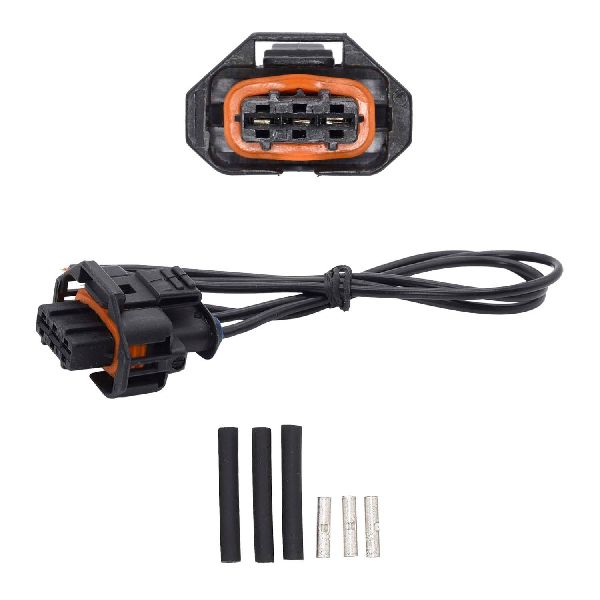
- Damaged Wiring or Connectors: Check the wiring harness and connectors for the crankshaft sensor, camshaft sensor, and VCT solenoid for any visible damage, corrosion, or loose connections.
Diagnosis Steps
- Check Engine Oil: Verify the oil level is correct and the oil is clean. If low or dirty, perform an oil and filter change, clear the code, and see if it returns. This simple step can sometimes resolve the issue.
- Scan for Other Codes: Check for any other related DTCs that could provide more clues (e.g., P0016, P0014, VCT solenoid circuit codes).
- Inspect Wiring: Visually inspect the wiring and connectors for the exhaust camshaft position sensor and the exhaust VCT solenoid for any signs of damage, fraying, or corrosion.
- Test the VCT Solenoid: Using a capable scan tool, follow the procedure in TSB SSM 50067 by commanding the exhaust VCT solenoid on and off 10 times to attempt to clear debris. Listen for an audible click and observe changes in engine idle. Alternatively, test the solenoid's resistance with a multimeter; it should be between 7-14 Ohms.
- Replace the Exhaust VCT Solenoid: Given the TSB and high probability, replacing the exhaust VCT solenoid is a common and effective next step. The solenoid is on the valve cover, towards the firewall, and held by one 8mm bolt. Clear the codes and test drive.
- Test/Replace the Camshaft Position Sensor: If the code persists, test the exhaust camshaft position sensor. 🎬 See this walkthrough for locating and replacing the sensor. You can check its resistance or swap it with the intake sensor to see if the code follows to P0016.
- Inspect Mechanical Timing: If all else fails, the issue is likely with the base engine timing. This requires removing the valve cover to inspect the timing chain for slack and verifying the timing marks, a job often best left to a professional.
Parts You'll Likely Need
- Engine Oil and Filter — The VCT system relies on clean oil at the proper level. This is the first and most crucial step in troubleshooting.
Trusted brands: Motorcraft
OEM price range: $40-$60
Aftermarket price range: $30-$50 - Exhaust Variable Camshaft Timing (VCT) Solenoid
(OEM #HL3Z-6M280-A)— This part is frequently the cause, as it can get stuck from oil debris, a known issue cited in Ford TSB SSM 50067. The exhaust solenoid is located toward the firewall.
Trusted brands: Motorcraft, Dorman, NTK
OEM price range: $60-$100
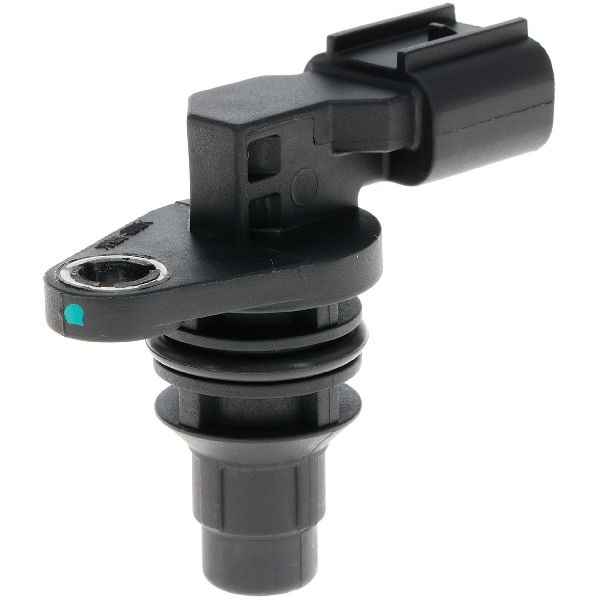
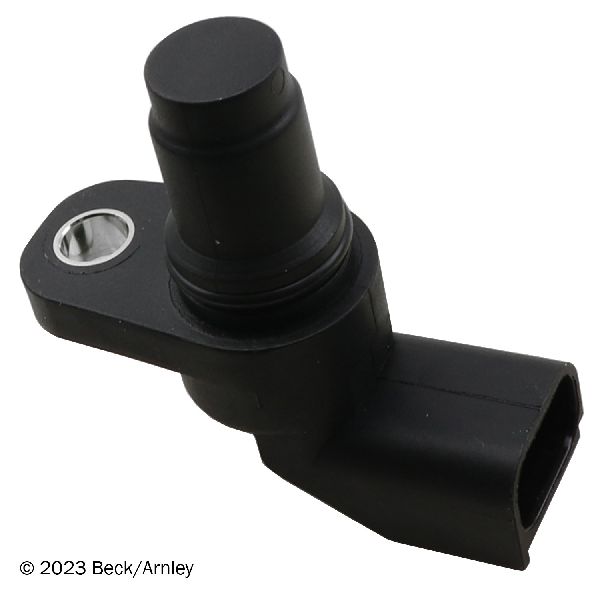
Aftermarket price range: $40-$80 - Exhaust Camshaft Position Sensor
(OEM #BM5Z-6B288-A)— If the VCT solenoid doesn't fix the issue, a faulty sensor could be sending incorrect data to the PCM. It's a less common cause for this specific correlation code.
Trusted brands: Motorcraft, Bosch, Denso, NGK
OEM price range: $50-$75
Aftermarket price range: $35-$60
Related Codes That Often Appear With This One
- P0016 — Crankshaft/Camshaft correlation error for the intake camshaft ('Sensor A'). If both P0016 and P0017 are present, it strongly suggests a base timing issue like a stretched timing chain affecting the entire engine, rather than a single faulty component on one camshaft.
- P0014 — Camshaft Position 'B' Timing Over-Advanced (Bank 1). This code can accompany P0017 and points specifically to the exhaust cam timing being too far advanced, often caused by a stuck VCT solenoid or oil flow problem.
Technical Service Bulletins (TSBs) & Recalls
- SSM 50067: Addresses multiple timing codes (P0011-P0025) that may be caused by debris in the VCT solenoid. Recommends cycling the solenoid with a scan tool to dislodge debris before replacement.
Platform-Specific Known Issues
- Ford Technical Service Bulletin SSM 50067 notes that various timing-related DTCs, including P0017, may be caused by small debris causing the VCT solenoid to stick. The diagnostic procedure involves attempting to clear the debris by cycling the solenoid with a scan tool before recommending replacement.
- Owner experiences on forums for the Fusion, C-Max, and MKZ hybrids confirm that the first steps of an oil change followed by VCT solenoid replacement often resolve the P0017 code, avoiding more costly timing chain repairs.
Mechanic-Grade Diagnostic Values
- VCT Solenoid Internal Resistance — expected: 7 to 14 Ohms. Failure: A reading of OL (infinite resistance) indicates an open coil. A reading under 5 Ohms suggests a shorted coil.
- VCT Solenoid Connector Voltage (Key On, Engine Off) — expected: ~12V (Battery Voltage). Failure: No voltage on the power supply pin indicates a wiring issue, blown fuse, or problem with the PCM power relay.
- Camshaft Position Sensor Signal Wire Voltage (Key On, Engine Off) — expected: ~5V reference voltage. Failure: No voltage on the reference wire points to a PCM or wiring issue. If reference voltage is present, the signal should toggle when metal passes the sensor; if not, the sensor is likely faulty.
- Ford Scan Tool PID: VCTADVERR (Camshaft Timing Over/Under-Retard Error) — expected: Close to 0 degrees at idle. Failure: A consistent, non-zero value (e.g., hanging at 5+ degrees) indicates a persistent difference between commanded and actual cam position, suggesting a mechanical timing issue or stuck solenoid.
Hidden / Shadow Codes Worth Checking
- Mode $06, Monitor ID: VVT Monitor Bank 1, Component ID: $31: This non-continuous monitor test checks the variable camshaft timing system's response. A failure here can indicate an emerging problem with the VCT system (solenoid, phaser, or oil flow) even before a hard DTC like P0017 is set. (see via A capable OBD-II scanner that can display Mode $06 test results. A failure is reported when the test value exceeds the manufacturer's maximum limit.)
Scan Tool Commands That Help
- Ford IDS / FORScan: VCT Solenoid On/Off State Command / Output State Control — This bidirectional command is the primary diagnostic step recommended in Ford TSBs for a sticking solenoid. A technician can command the solenoid on and off while listening for a click and observing a change in engine idle. No click or no change in idle points to a failed or stuck solenoid.
- FORScan: Reset All Adaptations / Clear Transmission Adaptive Tables — While not directly for the VCT system, after any repair affecting engine operation, resetting adaptations can help the PCM relearn parameters with the new components, ensuring smoother operation. This is especially relevant if other transmission-related work was done.
Wiring & Ground Locations
- Engine Ground Strap/Point — On many Ford Fusion models, a primary engine-to-chassis ground is located under the battery tray, attached to the frame rail.. A poor ground connection at this point can cause floating grounds and erratic voltage for all engine sensors, including the Crankshaft and Camshaft Position Sensors, leading to false correlation codes.
- PCM Power Fuses/Relay — In the engine compartment fuse box. For a 2017 Fusion Energi, specific fuses include F24, F25, F27, F28 (PCM Vehicle Power) and relay R10 (PCM Relay).. Loss of power to the PCM or its sensor circuits will prevent the VCT and sensor systems from functioning, immediately setting codes. Verifying these fuses and the relay is a key step in diagnosing a no-communication or multiple-code scenario.
OEM Part Supersession History
CJ5Z-6M280-A→HL3Z-6M280-A— Part revision/update by Ford. The HL3Z part number is the current recommended replacement for many 2.0L applications that originally used the CJ5Z prefix.
Helpful Videos
We Have This Part in Stock


The information in this article is provided for general reference and educational purposes only. Vehicle specifications, procedures, and part compatibility can vary by production date, trim level, and region. Always consult your vehicle's factory service manual and verify part numbers before purchasing or performing repairs. Safety-critical components such as airbags, seat belts, and braking systems should be installed by a qualified professional.
- Ford FUSION ENERGI:
- 🧭 Diagnostic Flowchart
- 🎬 Helpful Videos
- 🛍️ Shop This Part
- What's Unique About the 2015-2019 Ford FUSION ENERGI
- Symptoms You May Notice
- Most Likely Causes
- Rare But Worth Checking
- Diagnosis Steps
- Parts You'll Likely Need
- Related Codes That Often Appear With This One
- Technical Service Bulletins (TSBs) & Recalls
- Platform-Specific Known Issues
- Mechanic-Grade Diagnostic Values
- Hidden / Shadow Codes Worth Checking
- Scan Tool Commands That Help
- Wiring & Ground Locations
- OEM Part Supersession History
- 🎟️ Get 5% Off