

P0017 on 2015-2019 Ford Transit 3.5L EcoBoost: Timing Chain and VCT Solenoid Fixes
On a 2015-2019 Transit with the 3.5L EcoBoost, P0017 almost always indicates a stretched timing chain or a faulty VCT solenoid. A brief rattle on cold startup strongly suggests a stretched chain, a major repair costing $2,000-$4,000+. If there's no rattle, a sticking VCT solenoid is likely, a much cheaper fix.
- P0017 on this vehicle is a serious code that points to a mechanical timing issue, not a simple sensor fault.
- Listen for a rattling noise from the engine on a cold start. This sound is the key indicator of a stretched timing chain, which requires an expensive repair.
- If there is no rattle, the problem is likely a much cheaper and easier to fix VCT solenoid. Always check your oil level and condition first.
- Do not ignore this code. Driving with a P0017 can lead to catastrophic engine failure if the timing chain breaks.
What's Unique About the 2015-2019 Ford Transit
The 3.5L EcoBoost engine, particularly the first generation used in this year range, is well-known for premature timing chain stretching. The very long, single primary timing chain is a known weak point that wears over time, causing it to elongate. While on many other vehicles P0017 might point to a simple sensor failure, on the Transit with this engine, the code is a very strong indicator of a mechanical timing problem, most often the chain itself. Ford has issued multiple service bulletins acknowledging related issues with the Variable Camshaft Timing (VCT) system, which can also trigger this code. For example, TSB SSM 48423 notes that debris in the oil can cause VCT solenoids to stick, a common cause for this code across many Ford platforms.
Symptoms You May Notice
- Check Engine Light is on
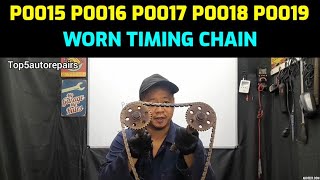
- A brief 'chain rattle' noise on cold startup that lasts for 2-5 seconds.
- Rough, unstable, or uneven idle.
- Noticeable loss of engine power and poor acceleration.
- Engine may stall at low speeds or when coming to a stop.
- Decreased fuel economy.
- Engine may be hard to start or have extended crank times.
- Strong smell of fuel from the exhaust at idle.
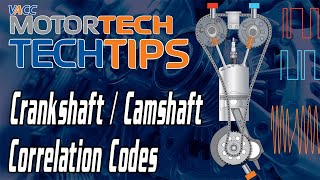
- Replacing the camshaft position sensor first. The sensor is almost never the root cause for this code on this engine; it is simply reporting the correlation fault. 🎬 Watch: Understanding cam and crank correlation codes
- Replacing only the VCT solenoid when a startup rattle is present. The rattle is a clear sign of a mechanical timing chain issue, and while a new solenoid might provide a temporary fix, the code will return as the chain continues to wear.
- Incorrectly performing the timing chain replacement. Forum users report getting a P0017 or P0018 code immediately after the job, indicating the timing is likely off by a tooth, requiring the job to be redone.
Most Likely Causes
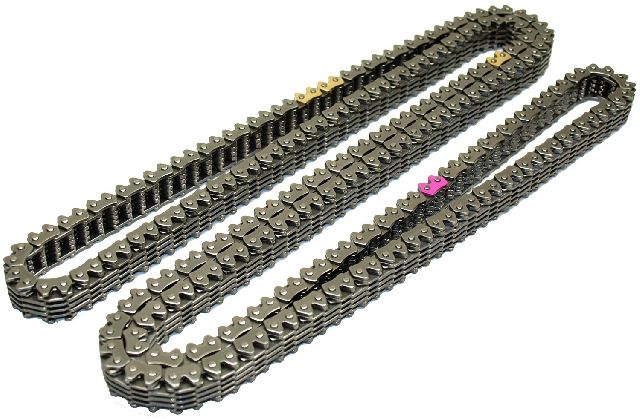
- Stretched Timing Chain 🔴 High Probability → Shop Engine Timing Chain The first-generation 3.5L EcoBoost engine has a very long primary timing chain that is known to stretch prematurely, causing the cam and crank signals to fall out of correlation. This is considered the primary failure point for this code on this engine, especially if a startup rattle is present.
How to confirm: A definitive sign is a brief rattling noise from the front of the engine during a cold start. A mechanic can also use an oscilloscope to compare cam and crank sensor signals or perform a physical inspection, which requires significant engine disassembly. The presence of codes for both banks (e.g., P0018/P0019) along with P0017 is a strong indicator of a primary chain issue.
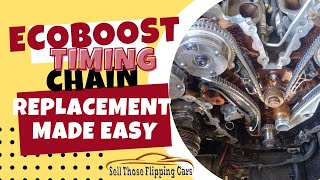
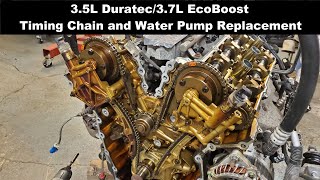
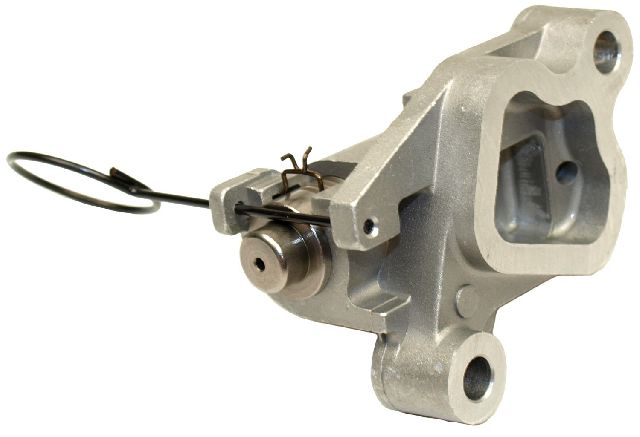
Typical fix: Replace the timing chain, tensioners, guides, and often the cam phasers and water pump at the same time. This is a major and expensive repair. Using a complete OEM kit is highly recommended.
Est. part cost: $400-$800 for a complete OEM kit. - Faulty Variable Camshaft Timing (VCT) Solenoid 🟡 Medium Probability → Shop Engine Camshaft Ford TSBs (like SSM 48423) note that small debris in the engine oil can cause the VCT solenoid (also called an oil control valve) to stick, preventing it from properly controlling oil flow to the cam phaser. This is a very common cause if no startup rattle is heard.
How to confirm: A technician can use a high-end scan tool to command the solenoid on and off to check its response. You can also test the solenoid's function by applying 12V to see if it actuates, as described by owners on forums. A popular diagnostic step is to swap the exhaust solenoid with the intake solenoid on the same bank (Bank 1) and see if the code changes from P0017 to P0016.
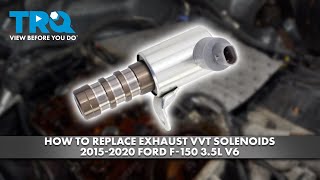
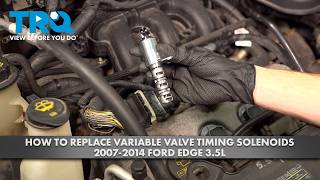
Typical fix: Replace the Bank 1 exhaust VCT solenoid. It is located on the valve cover and is relatively accessible. 🎬 See how to replace the exhaust VCT solenoid It is often recommended to replace all four VCT solenoids during a timing job.
Est. part cost: $30-$70 - Low or Dirty Engine Oil 🟡 Medium Probability The entire VCT system is hydraulic and relies on clean oil at the correct pressure. The high temperatures from the turbochargers can cause oil to break down faster, making regular oil changes with full synthetic oil critical. Neglected oil changes lead to sludge and debris that can clog VCT solenoids and oil passages, directly causing this code.
How to confirm: Check the oil level on the dipstick and inspect its condition. If the oil is low, black, or sludgy, this is a likely contributing factor. An oil change should be the very first step in diagnosis.
Typical fix: Perform an engine oil and filter change using the correct OEM-specified viscosity oil (Motorcraft 5W-30 Synthetic Blend or equivalent is recommended).
Est. part cost: $50-$100
Rare But Worth Checking
- Failed Camshaft Phaser: → Shop Engine Camshaft The gear on the end of the camshaft can fail mechanically or become clogged with debris. Phaser failure is another common issue on the 3.5L EcoBoost, often causing a startup rattle. They are typically replaced as part of a full timing chain job.
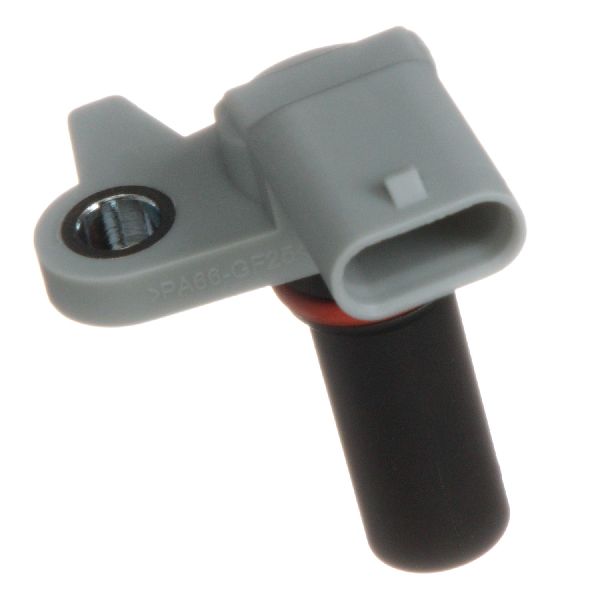
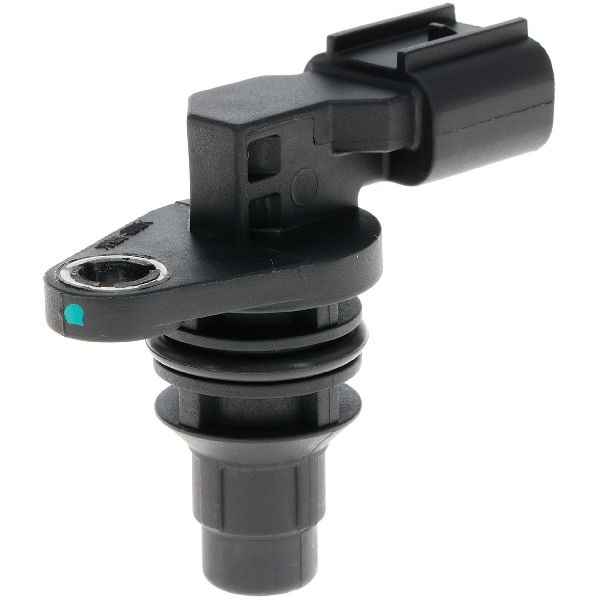
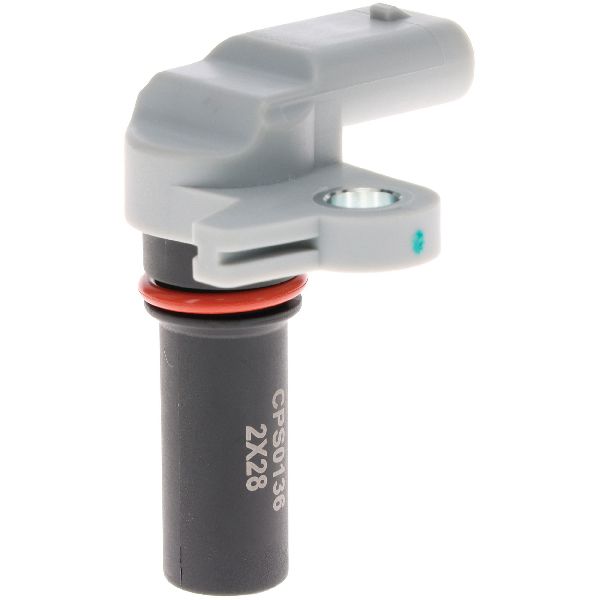
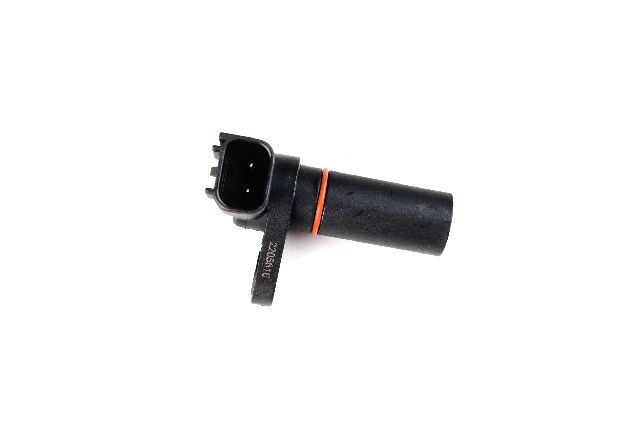
- Faulty Camshaft Position Sensor: → Shop Engine Camshaft Position Sensor It is rare for the sensor itself to be the root cause on this engine. The sensor is usually just accurately reporting the timing problem. Replacing the sensor without addressing the mechanical issue will not fix the problem.
- Damaged Wiring or Connectors: A damaged wire or corroded connector for the camshaft position sensor or VCT solenoid can cause an intermittent signal. A visual inspection of the harness near the Bank 1 valve cover is warranted.
Diagnosis Steps
- Check Engine Oil: Verify the oil level is full and the oil is clean. If low or dirty, perform an oil and filter change with the correct viscosity oil (5W-30). Clear the code and see if it returns. This is the cheapest and easiest first step.
- Listen for Startup Rattle: When the engine is cold (has been sitting for 6+ hours), start it and listen for a distinct rattling or chain-slapping noise from the front of the engine that lasts 2-5 seconds. If this noise is present, a stretched timing chain is highly probable.
- Scan Tool Analysis: Use a professional scan tool to monitor the cam/crank correlation data. The tool can also be used to command the Bank 1 exhaust VCT solenoid to cycle, checking for a response, as suggested by Ford's TSB SSM 48423.
- Inspect VCT Solenoid: If there is no startup rattle, the VCT solenoid is the next suspect. Remove the solenoid from the Bank 1 (passenger side) valve cover. Inspect its screens for debris. You can test its function by applying 12V to see if it actuates.
- Swap Solenoids (for diagnosis): As a diagnostic test, you can swap the exhaust VCT solenoid with the intake VCT solenoid on the same bank. Clear the codes. If the code changes from P0017 to P0016, you have confirmed the solenoid is faulty. This is a common and effective DIY diagnostic technique.
- Mechanical Timing Inspection: If all else fails, a mechanical inspection is necessary. This involves removing the valve cover and potentially the front engine cover to physically check the timing marks and chain tension. This is a labor-intensive step and is best left to a professional.
Parts You'll Likely Need
- Timing Chain Kit
(OEM #HL3Z-6268-A (Chain), ML3Z-6C525-A (Phaser))— This is the most common high-probability cause of P0017 on the 3.5L EcoBoost, especially if a startup rattle is present. A complete kit should be used. Part numbers can vary, so verifying with VIN is critical. A full OEM kit includes chains, guides, tensioners, and phasers.
Trusted brands: Motorcraft, Cloyes
OEM price range: $500-$800
Aftermarket price range: $250-$450 - Variable Camshaft Timing (VCT) Solenoid (Bank 1 Exhaust)
(OEM #7T4Z-6M280-C, HL3Z-6M280-A)— A sticking VCT solenoid is a high-probability cause if there is no startup rattle. Ford has updated this part multiple times. It's recommended to replace all four solenoids if one fails.
Trusted brands: Motorcraft, Dorman
OEM price range: $40-$70
Aftermarket price range: $25-$50
Related Codes That Often Appear With This One
- P0016 — This is the same correlation code but for the intake camshaft (Sensor A) on Bank 1. Seeing P0016 and P0017 together strongly suggests a base timing issue, like a stretched chain, affecting the entire bank.
- P0018 / P0019 — These are the corresponding correlation codes for Bank 2 (driver's side). If codes for both banks are present, it almost certainly confirms a problem with the primary timing chain affecting the entire engine.
- P0015 — This code indicates 'B' Camshaft Position - Timing Over-Retarded (Bank 1). It often appears with P0017 and points to the same set of potential causes: VCT solenoid, oil issues, or timing chain problems.
Technical Service Bulletins (TSBs) & Recalls
- SSM 48423: Notes that VCT DTCs like P0017 can be caused by small debris. Recommends using a scan tool to cycle the suspect VCT solenoid 10 times to try and clear the debris before replacing the part.
- TSB 16-0028: While this TSB is primarily about aluminum body panel corrosion, it is sometimes mistakenly referenced in forums regarding engine issues. It is not relevant to P0017.
- TSB 20-2121: This TSB is for a different issue and not directly related to P0017 on this platform.
- TSB 16-0038: Specifically mentions P0017 on 2016 Transit vehicles with the 3.5L GTDI engine at very low mileage (under 2000 miles), pointing towards potential early component failure or assembly issues from the factory.
Platform-Specific Known Issues
- Cold Start Rattle is the Smoking Gun: Across multiple forums for the Transit, F-150, and Explorer, owners and technicians agree: a 2-5 second rattle on a cold start is the definitive symptom of a stretched timing chain. If this sound is present with P0017, the diagnosis is almost certainly a timing chain job, not just a solenoid.
- Oil Change Interval is Critical: Due to the hydraulic nature of the VCT system and the extra heat generated by the turbos, the 3.5L EcoBoost is very sensitive to oil quality. Owners who extend oil change intervals beyond 5,000-7,500 miles report a higher incidence of VCT-related codes and eventual timing chain failure. Using full synthetic 5W-30 oil is highly recommended.
Mechanic-Grade Diagnostic Values
- VCT Solenoid Internal Resistance — expected: 6.9 to 7.9 Ohms at 68°F (20°C). A broader acceptable range is 5-15 Ohms.. Failure: A reading of 0 Ohms (short circuit) or OL/infinity (open circuit) indicates a failed solenoid.
- VCT Solenoid Connector Voltage (KOEO) — expected: Battery voltage (approx. 12V) on the power supply pin.. Failure: No voltage or significantly low voltage points to a wiring issue, blown fuse, or PCM power relay fault.
- Camshaft Position (CMP) Sensor Voltage (3-wire Hall Effect) — expected: With key on, one wire should have ~5V (VREF from PCM), one should be ground (0V), and the signal wire should read ~5V.. Failure: When the engine is running or cranked, the signal wire voltage should produce a square wave, fluctuating between 0V and 5V. A static or absent signal indicates a failed sensor or circuit issue.
- Scan Tool PID: VCT Exhaust Angle Error (VCT_EXH_ERR1) — expected: Should be close to 0 degrees (+/- 5 degrees) at idle and during steady-state driving.. Failure: A consistent, large error value indicates the PCM cannot achieve the desired cam timing, pointing to a mechanical or hydraulic issue (chain, phaser, solenoid).
Hidden / Shadow Codes Worth Checking
- Mode 6, Test ID $81: This test in a generic OBD-II scanner's Mode 6 data monitors VCT system performance. Component IDs $11 through $14 track statistical data on camshaft timing errors, which can show a developing problem before a hard code is set. (see via A professional scan tool or an advanced consumer OBD-II scanner with Mode 6 capabilities.)
Scan Tool Commands That Help
- Ford IDS (Integrated Diagnostic System) or equivalent: VCT Solenoid Bidirectional Control / Output State Control — This command allows a technician to manually cycle a specific VCT solenoid on and off while the engine is running at idle. A functional solenoid will cause a noticeable change in engine idle quality or may cause it to stall. Ford TSBs recommend cycling the solenoid multiple times to dislodge potential debris.
Wiring & Ground Locations
- Bank 1 Exhaust Camshaft Position Sensor (CMP) — On the passenger side (Bank 1) of the engine, located on the valve cover, typically towards the rear of the engine near the firewall. It is a 3-wire sensor.. This is the specific sensor ('Sensor B') that provides the camshaft position data to the PCM for this code. Damage to its wiring or connector is a direct cause.
- Bank 1 VCT Solenoids — On the front of the passenger side (Bank 1) valve cover. Access requires removing the valve cover itself on this engine.. These solenoids control oil flow to the phasers. A bad connection or damaged wire to the exhaust solenoid will prevent it from actuating, causing a correlation fault.
- Engine Block Ground — General locations include the engine block, cylinder head, or chassis near the front of the engine bay. A wiring diagram is needed for the exact location (e.g., G100/G105).. The PCM, CMP sensors, and VCT solenoids all rely on clean ground connections. A corroded or loose ground can introduce electrical noise or voltage drops, leading to incorrect sensor readings and false correlation codes.
Real Owner Repair Stories
- YouTube user LETMELIVE (2015 F-150 3.5L EcoBoost (same engine and VCT system)) — Power loss, rough idle, codes P0015 and P0017.
❌ Tried (didn't work) Oil change with full synthetic., Replaced camshaft position sensors.
✅ What actually fixed it The owner removed the VCT solenoids, found them to be sticking, and manually applied 12V from a small battery to their terminals to make them actuate. After cycling them manually to free them up and reinstalling, the codes were cleared and did not return. The engine ran like new again. - YouTube user Cobra Strikes Back (2013 F-150 3.5L EcoBoost) — Check engine light with codes P0369 and P0365 (Camshaft Position Sensor B Circuit Bank 1).
❌ Tried (didn't work) Initially, just pushing on the connector did not clear the codes.
✅ What actually fixed it The electrical connector for the Bank 1 exhaust camshaft position sensor had wiggled loose. The final fix was cleaning the pins with contact cleaner and firmly pushing the connector on until it made an audible click. This resolved the codes.
OEM Part Supersession History
7T4Z-6M280-B (and -A, -AA)→7T4Z-6M280-C— Likely for improved reliability and to prevent sticking, which is a common failure mode.
Heads up: These parts are generally interchangeable for the first-generation 3.5L engine, but it is always best practice to use the latest revision. Always verify fitment with the vehicle's VIN.BL3Z-6268-A (Example for Gen 1)→HL3Z-6268-A (Gen 2 Chain)— Updated design for improved durability.
Heads up: The second-generation 3.5L EcoBoost (2017+ F-150, 2020+ Transit) uses a completely different timing system with two shorter primary chains. While part numbers get updated, using a Gen 2 chain on a Gen 1 engine is incorrect. VIN verification is critical to get the correct parts for the specific engine architecture.
Model Year Variations Within This Range
- 2015-2019: The Ford Transit continued to use the first-generation 3.5L EcoBoost V6 through the 2019 model year. This is important because the F-150, which shares the engine, switched to the second-generation 3.5L EcoBoost in 2017. Therefore, diagnostic information and parts related to the timing system for a 2017-2019 F-150 may not apply to a 2017-2019 Transit.
Diagnostic Flowchart
Real Owner Stories
Aggregated from forums and TSBs cited above. Mileages and costs reflect what owners reported in those sources.
Ford F-150 3.5L EcoBoost
Symptoms: Experienced a P0017 code and suspected a stuck VCT solenoid rather than a stretched timing chain.
What fixed it: Successfully freed the stuck VCT solenoid by applying 12V power to it, avoiding a costly repair.
Source hint: https://www.f150forum.com/f38/f150-3-5l-ecoboost-camshaft-crankshaft-correlation-p0016-p0017-p0018-p0019-344168/
2011 Ford F-150 3.5L EcoBoost
Symptoms: Triggered a P0017 code immediately after having a full timing chain replacement job completed.
What fixed it: Concluded that the mechanical timing was likely off by one tooth during reassembly, illustrating the extreme precision required for this repair.
Source hint: https://www.f150forum.com/f38/2011-3-5-p0017-immediately-after-timing-replacement-466038/
Ford Transit 3.5L EcoBoost
Symptoms: Noticed a distinct cold start rattle coming from the engine.
What fixed it: Identified that the timing chain tensioner was losing pressure before the engine oil could come up, confirming a primary timing chain issue.
Source hint: https://www.fordtransit.org/forum/viewtopic.php?f=5&t=163017
2016 Ford Transit 3.5L GTDI — ~1500 miles
Symptoms: Triggered a P0017 code at very low mileage (under 2000 miles).
What fixed it: Addressed as a potential early component failure or factory assembly issue per Ford's technical service bulletin.
Source hint: TSB 16-0038
Related OBD-II Codes
Frequently Asked Questions
Does TSB 16-0028 apply to the P0017 code on my Ford Transit?
I have a 2016 Transit with under 2,000 miles and got a P0017. Is this normal?
What does Ford SSM 48423 recommend for fixing P0017?
I hear a 2-5 second rattle on cold startup. Does this mean I just need a new VCT solenoid?
How can I test if the Bank 1 exhaust VCT solenoid is the cause without buying a new one?
What type of oil should I use to prevent P0017 on my 3.5L EcoBoost?
Helpful Videos

We Have This Part in Stock

The information in this article is provided for general reference and educational purposes only. Vehicle specifications, procedures, and part compatibility can vary by production date, trim level, and region. Always consult your vehicle's factory service manual and verify part numbers before purchasing or performing repairs. Safety-critical components such as airbags, seat belts, and braking systems should be installed by a qualified professional.
- Ford Transit:
- 🧭 Diagnostic Flowchart
- 🎬 Helpful Videos
- 🛍️ Shop This Part
- What's Unique About the 2015-2019 Ford Transit
- Symptoms You May Notice
- Most Likely Causes
- Rare But Worth Checking
- Diagnosis Steps
- Parts You'll Likely Need
- Related Codes That Often Appear With This One
- Technical Service Bulletins (TSBs) & Recalls
- Platform-Specific Known Issues
- Mechanic-Grade Diagnostic Values
- Hidden / Shadow Codes Worth Checking
- Scan Tool Commands That Help
- Wiring & Ground Locations
- Real Owner Repair Stories
- OEM Part Supersession History
- Model Year Variations Within This Range
- Real Owner Stories
- Ford F-150 3.5L EcoBoost
- 2011 Ford F-150 3.5L EcoBoost
- Ford Transit 3.5L EcoBoost
- 2016 Ford Transit 3.5L GTDI — ~1500 miles
- Related OBD-II Codes
- Frequently Asked Questions
- 🎟️ Get 5% Off