

P0017 on 2019-2024 Genesis G70 3.3T: Exhaust Camshaft Position Correlation Causes and Fixes
On the Genesis G70 3.3T, P0017 is most often caused by low or dirty engine oil, or a faulty passenger-side (Bank 1) exhaust Oil Control Valve (OCV). Before buying parts, check your oil level and condition. An OCV replacement is a common fix, costing around $60-$90 for the part and is a relatively simple DIY. If oil and the OCV are good, the Camshaft Position Sensor is the next suspect.
- First, check your engine oil. P0017 on the G70 3.3T is most often caused by low or dirty oil.
- The most likely failed part is the Bank 1 (passenger side) exhaust Oil Control Valve (OCV), part number 24360-3CAA2.
- A simple and free diagnostic step is to swap the suspect sensor or OCV with an identical one from another position on the engine to see if the code follows the part.
- Do not immediately assume you need a major timing chain repair; that is a rare cause for this code on this engine and should only be considered after ruling out oil, sensor, and OCV issues.
What's Unique About the 2019-2024 Genesis G70
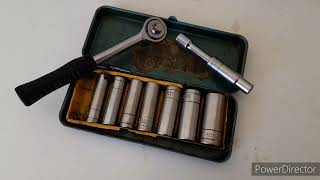
The Genesis G70's 3.3T Lambda II V6 is shared with the Kia Stinger, Genesis G80 Sport, and G90, making diagnostic information from those communities highly relevant. For this engine, timing correlation codes like P0017 are very frequently traced back to oil-related issues rather than immediate mechanical failure. The engine's Continuously Variable Valve Timing (CVVT) system, which adjusts cam timing, is highly dependent on clean oil at the correct pressure. 🎬 See how to replace the oil pressure switch on this engine. While a recall exists for a cracking turbo oil feed pipe on this engine (NHTSA 24V-191), it affects Bank 2 (driver's side); however, a significant leak could lower the overall oil level enough to trigger codes on Bank 1 as a symptom of the oil starvation.
Symptoms You May Notice
- Check Engine Light illuminated
- Rough engine idle
- Reduced engine power and sluggish acceleration
- Engine hesitation or stalling
- Increased fuel consumption
- Rattling noise from the engine on startup, which could indicate a timing chain issue
- Immediately replacing the Camshaft Position Sensor without first checking the engine oil level and condition. P0017 is a correlation code, meaning the sensor is often working correctly by reporting a mechanical timing discrepancy.
- Replacing the Crankshaft Position Sensor. This sensor is rarely the cause of a single-bank camshaft correlation code.
Most Likely Causes
- Low or Dirty Engine Oil 🔴 High Probability The CVVT system uses oil pressure to adjust cam timing and is extremely sensitive to oil level, viscosity, and cleanliness. Sludge or low levels can prevent proper operation, and this is the number one cause of timing correlation codes.
How to confirm: Check the engine oil dipstick for level and inspect the oil's color and consistency. If the oil is low, dark, gritty, or past its service interval, this is the most likely cause. Also inspect for leaks, particularly around the driver's side turbo oil feed line.
Typical fix: Perform an oil and filter change using a high-quality, manufacturer-specified 5W-30 full synthetic oil and an OEM filter. Address any oil leaks found.
Est. part cost: $60-$120 - Faulty Bank 1 Exhaust Oil Control Valve (OCV) 🔴 High Probability → Shop Engine Variable Valve Timing (VVT) Solenoid The OCV (also called a VVT solenoid) is an electronic part that can become clogged with oil debris or fail electrically, causing it to get stuck. It's a very common failure point on the Lambda II engine platform.
How to confirm: Swap the Bank 1 exhaust OCV with the Bank 1 intake OCV. They are identical and accessible. Clear the codes. If the code changes to P0016 (Intake correlation), the OCV is faulty. You can also test its resistance with a multimeter (should be 6.9-7.9 ohms).
Typical fix: Replace the Bank 1 (passenger side) exhaust Oil Control Valve. It is held by a single 10mm bolt.
Est. part cost: $60-$90 - Faulty Bank 1 Camshaft Position Sensor (CMP) 🟡 Medium Probability → Shop Engine Camshaft Position Sensor While less common than oil issues, the sensor itself can fail due to heat cycles and vibration, sending incorrect data to the ECM. This is a common diagnostic step after ruling out oil and OCV issues.
How to confirm: Swap the Bank 1 exhaust CMP sensor with the Bank 2 exhaust CMP sensor. They are identical parts. Clear the codes. If the code changes to P0019 (Bank 2 exhaust correlation), the sensor is confirmed to be faulty.
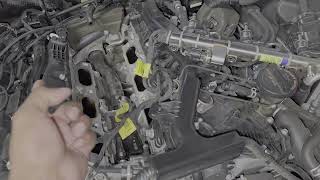
Typical fix: Replace the Bank 1 (passenger side) exhaust Camshaft Position Sensor. 🎬 Watch: This walkthrough shows how to replace the camshaft sensors.
Est. part cost: $40-$80
Rare But Worth Checking
- Stretched Timing Chain or Failed Tensioner: → Shop Engine Timing Chain This is a more serious mechanical issue. It should be suspected if you hear a distinct rattling or chain-slapping noise on cold startups for 1-3 seconds, and if oil/OCV/sensor checks do not resolve the code.
- Damaged or Clogged Camshaft Phaser (CVVT Actuator): → Shop Engine Camshaft The mechanical gear that the OCV controls can become clogged with sludge or fail mechanically. This is an expensive repair and should be considered only after all other common causes are ruled out.
- Wiring Harness or Connector Issue: Damage or corrosion to the wiring or connector for the OCV or CMP sensor can disrupt the signal. A visual inspection of the harness is a wise step during diagnosis.
Diagnosis Steps
- Check Engine Oil: Verify the oil level is full and the oil is clean. If low or dirty, perform an oil and filter change using OEM-spec full synthetic 5W-30 oil, clear the code, and drive to see if it returns. This is the most common fix.
- Scan for Other Codes: Check if any other codes are present that could point to a related issue, such as P0014.
- Inspect Wiring: Check the connectors and wiring for the Bank 1 exhaust Camshaft Position Sensor and Oil Control Valve for any visible damage, looseness, or corrosion.
- Diagnose the Oil Control Valve (OCV): Swap the Bank 1 exhaust OCV with the Bank 1 intake OCV. They are identical and easy to access. Clear the codes. If the fault code changes to P0016, the OCV is bad and needs to be replaced.
- Diagnose the Camshaft Position Sensor (CMP): If the OCV swap did not move the code, swap the Bank 1 exhaust CMP sensor with the Bank 2 exhaust CMP sensor. Clear the codes. If the fault code changes to P0019, the sensor is bad and needs to be replaced.
- Advanced Mechanical Diagnosis: If the code P0017 returns after all of the above steps, the issue is likely mechanical. This could be a stretched timing chain, a failed tensioner, or a faulty cam phaser. Listen for startup rattles. This level of diagnosis and repair should be performed by a professional.
- Check for Recalls: Ensure NHTSA recall 24V-191 (Genesis recall 019G) for the Bank 2 turbo oil feed pipe has been performed. A major oil leak from this known issue could be the root cause of low oil pressure triggering the code.
Parts You'll Likely Need
- Bank 1 Exhaust Oil Control Valve (OCV)
(OEM #24360-3CAA2)— This solenoid is a very common failure point. It gets clogged with oil debris or fails electrically, preventing proper adjustment of the exhaust camshaft. It is used for the exhaust position on the Lambda II V6.
Trusted brands: Hyundai/Kia Genuine
OEM price range: $60-$90
Aftermarket price range: $40-$70 - Camshaft Position Sensor
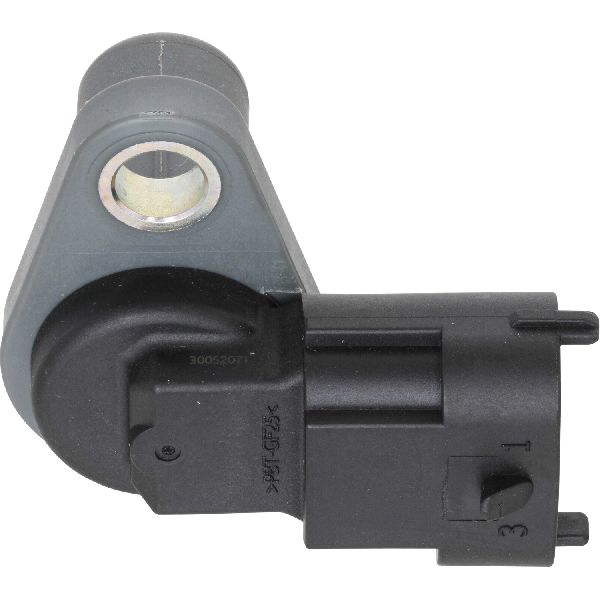
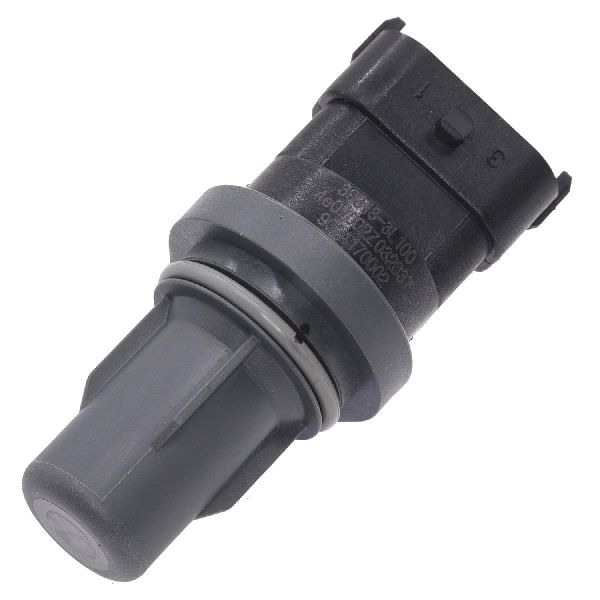
(OEM #39318-3L100)— If the OCV and oil are fine, the sensor itself may have failed. This part is used in multiple locations (intake/exhaust on both banks), making it easy to diagnose by swapping.
Trusted brands: Hyundai/Kia Genuine, Bosch, Delphi
OEM price range: $60-$80
Aftermarket price range: $30-$50
Related Codes That Often Appear With This One
- P0016 — This is the correlation code for the intake camshaft on the same bank (Bank 1). If you swap a faulty exhaust OCV with the intake OCV during diagnosis, this code may appear, confirming the OCV is the problem.
- P0019 — This is the equivalent exhaust correlation code for Bank 2 (driver's side). This code may appear if you swap a faulty Bank 1 exhaust camshaft position sensor to Bank 2 during diagnosis.
- P0014 — This code means 'Exhaust Camshaft Position Timing - Over-Advanced (Bank 1)'. It often appears with P0017 as it points to the same system (exhaust cam timing) and can be caused by the same failures, like a stuck OCV.
Technical Service Bulletins (TSBs) & Recalls
- NHTSA 24V-191 / Genesis Recall 019G - While this TSB/Recall is for the Bank 2 turbo oil feed line, it is relevant as a potential cause of low engine oil, which is a primary trigger for P0017.
Platform-Specific Known Issues
- note: The Lambda II 3.3T engine is shared with the Kia Stinger, and both platforms exhibit the same common causes for P0017, primarily related to oil maintenance and OCV function.
- note: A safety recall (NHTSA 24V-191 / Genesis Recall 019G) was issued for a cracking turbocharger oil feed pipe on the left side (Bank 2) of the engine. A significant oil leak from this defect can lead to low engine oil levels, which can trigger timing codes for either bank as a secondary symptom.
Mechanic-Grade Diagnostic Values
- Oil Control Valve (OCV) Solenoid Resistance — expected: 6.9 - 7.9 Ohms at 68°F (20°C).. Failure: A reading of infinity (open circuit) or near zero (short circuit) indicates a failed solenoid coil that requires replacement.
- Camshaft Position Sensor (CMP) Signal Voltage (Key On, Engine Off) — expected: Approximately 5V on the signal wire.. Failure: No voltage or significantly lower voltage may indicate a wiring issue or a failed sensor.
Scan Tool Commands That Help
- Hyundai GDS (Global Diagnostic System): CVVT (OCV) Actuator Test — This bidirectional command allows a technician to manually activate the Bank 1 exhaust OCV while the engine is running. If the engine stumbles or stalls when the solenoid is activated, it confirms the solenoid is mechanically capable of actuating and that oil pressure is present. If the engine operation does not change, it points to a faulty OCV, clogged oil passage, or low oil pressure.
- Hyundai GDS (Global Diagnostic System): Reset Adaptive Values — After replacing a major timing component like a cam phaser or performing a timing chain service, this function should be used to clear the learned values in the ECM. This forces the system to re-learn the new component's timing characteristics from a baseline state.
Wiring & Ground Locations
- Bank 1 Exhaust OCV Connector — On the front of the passenger side (Bank 1) valve cover, connected to the CVVT solenoid.. This 2-pin connector provides the power and control signal from the ECM to the OCV. Damage to the connector or its wiring (chafing, corrosion) can prevent the valve from actuating, causing a P0017 code even if the OCV itself is functional.
- Bank 1 Exhaust CMP Sensor Connector — On the passenger side (Bank 1) valve cover, typically towards the rear of the cylinder head.. This 3-pin connector sends the camshaft's rotational data to the ECM. A loose connection, oil contamination, or damaged wiring here will cause a loss of signal and trigger correlation codes.
Real Owner Repair Stories
- Mechanics Stack Exchange user (2011 Mercedes-Benz W204 (demonstrates the principle on a VVT engine)) — P0017 code, engine choke at idle, vibration, misfire at max temperature.
❌ Tried (didn't work) Replaced cam and crankshaft position sensors, Checked solenoids, Checked timing chain, Checked vacuum lines
✅ What actually fixed it An oil and oil filter change. The vehicle had been sitting for a year, causing the oil to lose its lubricating properties, which in turn affected the VVT system's operation.
OEM Part Supersession History
24360-3CAA1→24360-3CAA2— Standard part revision for improved reliability or manufacturing process change. The parts are functionally identical and interchangeable.
Diagnostic Flowchart
Other Known Issues on This Vehicle
Issues unrelated to this code that are worth knowing about as an owner of this generation:
- Sunroof / Headliner Rattle 🟡 Low — Very common across all model years. Often occurs in warm weather or on rough roads. Dealer fixes may not be permanent. (Ref: TSB 19-BD-001H exists for some models, involving lubrication and adjustment. Many owners resort to DIY fixes with foam tape.)
- Turbo Wastegate Actuator Rattle/Squeak 🟠 Medium — A noticeable issue for some owners, presenting as a squeak or rattle when accelerating or coming to a stop. Ignoring it can lead to turbo failure. (Ref: No specific TSB, but often replaced under warranty.)
- High Pressure Fuel Pump (HPFP) Failure 🔴 High — Common enough to warrant a recall. Can cause stalling and loss of drive power. (Ref: NHTSA Recall 24V528 / Genesis Campaign 023G. Involves a software update and potential replacement of the fuel pump.)
- Brake Judder / Warped Rotors 🟡 Low — Common complaint, especially on early models. Owners report vibration during braking due to premature rotor warping.
- Harsh Downshifting 🟡 Low — Many owners report jerky or hard downshifts, particularly from 3-2 and 2-1, in stop-and-go traffic.
- Carbon Buildup on Intake Valves 🟠 Medium — As a gasoline direct injection (GDI) engine, it is inherently susceptible to carbon buildup over higher mileage (60k+ miles), which can cause misfires and performance loss.
Used vs. New Parts: Buying Guide for This Vehicle
When a used part is the smart pick: For this vehicle and code, buying used parts is generally not recommended for the primary electronic components. The cost savings on a used Oil Control Valve (OCV) or Camshaft Position Sensor (CMP) are minimal compared to the risk of receiving a part that is near the end of its service life. A used part may carry the same internal sludge or wear that caused the original failure.
Donor-vehicle mileage cap: roughly under 40000 miles for the part to have meaningful remaining life.
What to inspect on the donor part:
- Verify the donor vehicle had no timing-related codes.
- Inspect the OCV's filter screen for any sludge, debris, or tears before purchase.
- For a CMP sensor, check for any physical cracks in the plastic housing or corrosion on the pins.
OEM-only on this vehicle (don't cheap out):
- Oil Control Valve (OCV) / VVT Solenoid: While aftermarket options exist, the price difference is often small, and the OEM part has the highest likelihood of performing to the ECM's expectations without issue. Given the sensitivity of the CVVT system, using a genuine Hyundai/Kia part is a smart investment.
- Engine Oil Filter: Always use a genuine Hyundai/Kia OEM oil filter. They contain the correct internal bypass valve pressure settings required for the CVVT system to function properly. Using an incorrect aftermarket filter is a known cause of oil pressure issues that can lead to timing codes.
Aftermarket brands forum-validated for this vehicle:
- Bosch (for Camshaft Position Sensor)
- Delphi (for Camshaft Position Sensor)
Brands owners have reported issues with on this vehicle:
- Unnamed, no-brand 'white box' electronic sensors from online marketplaces. These often have high failure rates and may not meet the precise specifications required by the ECM, leading to persistent codes.
Real Owner Stories
Aggregated from forums and TSBs cited above. Mileages and costs reflect what owners reported in those sources.
2019 Genesis G70 3.3T
Symptoms: Check engine light with P0017 and P0014 codes; engine felt sluggish during acceleration.
What fixed it: Swapping the Bank 1 exhaust OCV with the intake OCV caused the code to change, confirming a faulty Oil Control Valve which was then replaced.
Source hint: r/GenesisG70
2018-2023 Kia Stinger GT 3.3T
Symptoms: Timing correlation codes appearing; owner noted the engine shares the same Lambda II platform as the G70.
What fixed it: Replacing the VVT solenoid (Oil Control Valve) after diagnosing it as a common failure point for the 3.3T engine.
Source hint: kiastinger.org / r/kiastinger
Related OBD-II Codes
Frequently Asked Questions
Could the Genesis recall for the turbo oil feed pipe be related to my P0017 code?
What specific oil should I use in my 3.3T G70 to prevent CVVT issues?
Is there a simple way to test if my Oil Control Valve is the cause of P0017?
My G70 has a rattling noise on startup along with the P0017 code; what does this mean?
Can I swap sensors between banks to diagnose a faulty Camshaft Position Sensor?
Are there any other major recalls for the 2019-2024 G70 3.3T I should check while fixing this?
Helpful Videos

We Have This Part in Stock

The information in this article is provided for general reference and educational purposes only. Vehicle specifications, procedures, and part compatibility can vary by production date, trim level, and region. Always consult your vehicle's factory service manual and verify part numbers before purchasing or performing repairs. Safety-critical components such as airbags, seat belts, and braking systems should be installed by a qualified professional.
- Genesis G70:
- 🧭 Diagnostic Flowchart
- 🎬 Helpful Videos
- 🛍️ Shop This Part
- What's Unique About the 2019-2024 Genesis G70
- Symptoms You May Notice
- Most Likely Causes
- Rare But Worth Checking
- Diagnosis Steps
- Parts You'll Likely Need
- Related Codes That Often Appear With This One
- Technical Service Bulletins (TSBs) & Recalls
- Platform-Specific Known Issues
- Mechanic-Grade Diagnostic Values
- Scan Tool Commands That Help
- Wiring & Ground Locations
- Real Owner Repair Stories
- OEM Part Supersession History
- Other Known Issues on This Vehicle
- Used vs. New Parts: Buying Guide for This Vehicle
- Real Owner Stories
- 2019 Genesis G70 3.3T
- 2018-2023 Kia Stinger GT 3.3T
- Related OBD-II Codes
- Frequently Asked Questions
- 🎟️ Get 5% Off