

P0017 on 2017-2020 Genesis G80 3.3T: Crankshaft-Camshaft Correlation Causes and Fixes
On the Genesis G80 3.3T, code P0017 is most often caused by low or dirty engine oil, or a faulty Bank 1 (passenger side) exhaust Oil Control Valve (OCV). Always check your oil level and condition first. An OCV is a relatively inexpensive part (around $70-$120) and a common fix before suspecting more serious timing chain issues. This engine is also under recall for a leaky turbo oil feed pipe which can cause oil loss and trigger this code.
- Before buying any parts, check your engine oil. Low or dirty oil is the #1 cause of P0017 on this engine.
- If the oil is clean and full, the Bank 1 (passenger side) exhaust Oil Control Valve (OCV) is the next most likely culprit and is a relatively inexpensive fix.
- Owners of 2018-2020 models should verify if their vehicle is affected by the turbo oil feed pipe recall (NHTSA #24V-191), as an oil leak is a known issue that can directly cause this code.
- Do not immediately replace the camshaft sensor; it is usually just reporting a mechanical or hydraulic problem. Use diagnostic swaps to confirm if a sensor is truly faulty.
What's Unique About the 2017-2020 Genesis G80
While P0017 is a generic code, on the Genesis 3.3T engine it demands an immediate oil level check. This engine's timing system (CVVT) is highly dependent on oil pressure. More critically, a recall for a potentially leaky left-hand turbocharger oil feed pipe (NHTSA #24V-191) on 2018-2020 models makes this platform particularly sensitive to oil loss. An oil leak can starve the timing components, triggering P0017 as a first symptom of a larger problem that could pose an engine fire risk if oil drips onto the hot exhaust manifold. The remedy for this recall involves replacing the original pipe with a more durable stainless steel version.
Symptoms You May Notice
- Check Engine Light illuminated
- Rough or unstable idle
- Engine hesitation or loss of power during acceleration
- Increased fuel consumption
- Engine stalling at low speeds
- Rattling noise from the engine on cold startup that lasts for 1-3 seconds, which strongly indicates a timing chain tensioner issue.
- Replacing the camshaft or crankshaft position sensors immediately. These sensors are often just doing their job by reporting the timing error. The root cause is more commonly oil-related or a faulty OCV.
Most Likely Causes
- Low or Dirty Engine Oil 🔴 High Probability The CVVT system is hydraulic and highly sensitive to oil volume, viscosity, and cleanliness. The NHTSA recall #24V-191 for a leaky turbo oil feed pipe on this engine significantly increases the risk of low oil levels, making this the primary suspect.
How to confirm: Check the oil level on the dipstick and inspect its condition. If the level is low or the oil is dark and sludgy, this is the most likely cause.
Typical fix: Top off the oil to the correct level or perform a complete oil and filter change using a manufacturer-specified oil (e.g., 5W-30) and a quality OEM filter.
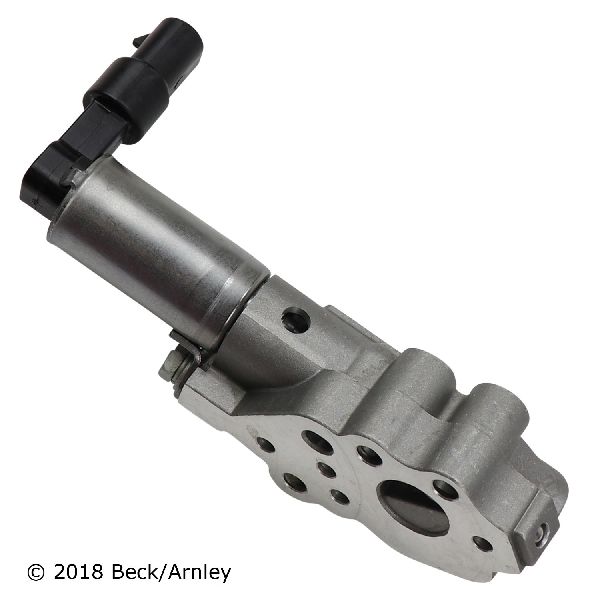
Est. part cost: $40-$100 - Faulty Bank 1 Exhaust Oil Control Valve (OCV) 🔴 High Probability → Shop Engine Variable Valve Timing (VVT) Solenoid The OCV solenoid is a common failure point in the CVVT system. It can become clogged with oil sludge or fail electrically, preventing it from correctly regulating oil flow to the cam phaser. This is the most common parts-based failure after ruling out oil issues.
How to confirm: After confirming the oil is good, swap the Bank 1 exhaust OCV with the Bank 2 exhaust OCV. Clear the codes and drive. If the code returns as P0019 (the equivalent for Bank 2), the OCV is faulty.
Typical fix: Replace the Bank 1 exhaust Oil Control Valve.
Est. part cost: $70-$120 - Stretched Timing Chain or Failed Tensioner 🟡 Medium Probability → Shop Engine Timing Chain While generally robust, high mileage or infrequent oil changes can lead to timing chain stretch or failure of the hydraulic tensioner, causing timing to jump. A TSB (19-EM-001HG) was issued regarding changes to the timing chain and sprockets for 2017-18 models, suggesting revisions were made.
How to confirm: This requires advanced diagnosis. A key indicator is a persistent rattling noise on cold startups that goes away after a few seconds. A mechanic can use a scan tool to view live cam/crank deviation data or perform a physical inspection by removing the engine's front cover.
Typical fix: Replace the timing chain, tensioners, and guides. This is a major, labor-intensive repair.
Est. part cost: $400-$900
Rare But Worth Checking
- Faulty Camshaft Position Sensor: → Shop Engine Camshaft Position Sensor The sensor is more likely to be accurately reporting a problem than to have failed itself. However, swapping the Bank 1 exhaust sensor with the Bank 2 exhaust sensor is a valid diagnostic step. If the code changes to P0019, the sensor is bad.
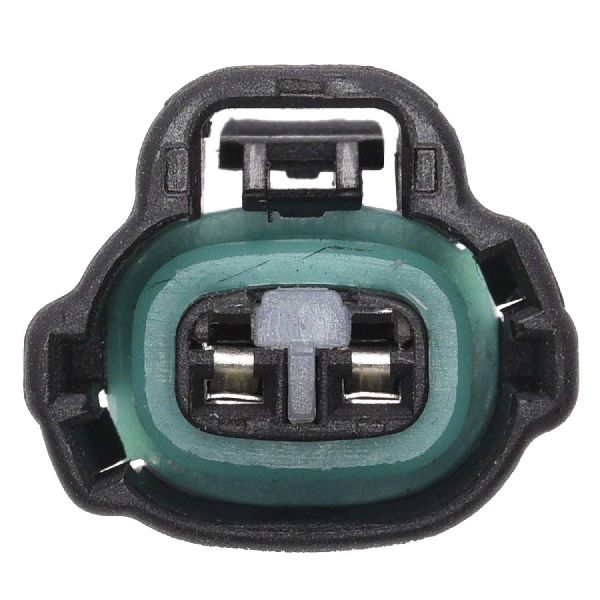
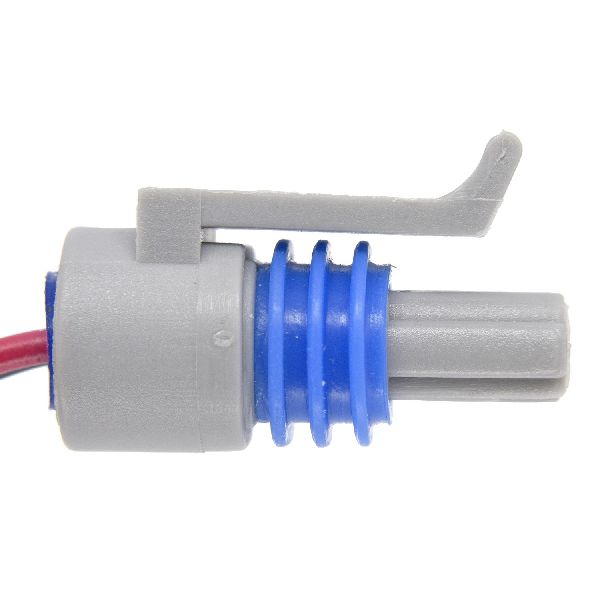
- Damaged Wiring or Connectors: Rodents can chew wires, or connectors can become corroded or loose. A visual inspection of the wiring to the OCV and camshaft position sensor is worthwhile. A diagnostic video showed chewed wires on a G80 3.3T OCV.
Diagnosis Steps
- Check Engine Oil Level and Condition: This is the first and most important step. Ensure the oil is full, clean, and of the correct viscosity (5W-30).
- Check for Recalls: Verify that NHTSA recall 24V-191 (Genesis campaign 019G) for the left turbo oil feed pipe has been completed. An active oil leak from this component is a likely cause.
- Scan for Other Codes: Check for related codes like P0016, which could point to a larger timing issue affecting the entire bank.
- Inspect Wiring: Visually inspect the wiring harnesses and connectors for the Bank 1 (passenger side) exhaust camshaft position sensor and Oil Control Valve (OCV). Look for damage, corrosion, or loose connections.
- Test the Oil Control Valve (OCV): Swap the Bank 1 exhaust OCV with the Bank 2 (driver's side) exhaust OCV. Clear codes and see if the fault moves to Bank 2 (P0019). If it does, the OCV is the problem.
- Test the Camshaft Position Sensor: If the OCV swap yields no results, perform a similar swap with the camshaft position sensor from Bank 2. If the code moves, the sensor is faulty.
- Professional Diagnosis: If the above steps do not identify the issue, the problem is likely mechanical (timing chain, phaser). This requires professional diagnosis, including checking oil pressure with a gauge and inspecting the timing components.
Parts You'll Likely Need
- Engine Oil and Filter — Low or contaminated oil is the most common cause of this code due to the oil-pressure-driven CVVT system and the risk of leaks from the turbo oil feed line.
Trusted brands: Quaker State (OEM recommended), Mobil 1, Castrol
OEM price range: $60-$90
Aftermarket price range: $40-$70 - Oil Control Valve (VVT Solenoid), Bank 1 Exhaust
(OEM #24375-3L300)— This solenoid frequently gets clogged or fails, preventing correct camshaft timing adjustment. It's the second most likely part to fail after checking the oil. Verified as the correct part number across multiple sources.
Trusted brands: Hyundai/Genesis Genuine, Delphi, Dorman
OEM price range: $70-$120
Aftermarket price range: $40-$80 - Camshaft Position Sensor, Bank 1 Exhaust
(OEM #39350-3L100)— While less common, the sensor can fail. It's replaced if diagnostic swaps prove it's faulty. Verified as the correct part number.
Trusted brands: Hyundai/Genesis Genuine, NGK, Bosch
OEM price range: $50-$90
Aftermarket price range: $30-$60
Related Codes That Often Appear With This One
- P0016 — Crank/Cam Correlation for Bank 1 Intake. If both P0016 and P0017 are present, it strongly suggests a base timing issue, like a jumped timing chain, affecting the entire bank.
- P0019 — Crank/Cam Correlation for Bank 2 Exhaust. This code would typically only appear if a faulty Bank 1 OCV or sensor was swapped to Bank 2 during diagnosis, confirming the original part was bad.
Technical Service Bulletins (TSBs) & Recalls
- NHTSA #24V-191 / Genesis #019G: Recall for potential oil leak from the left turbocharger oil feed pipe.
- Genesis TSB #19-EM-001HG: Provides information on changes to the timing chain and crankshaft sprocket parts for 2017-18 G80 models with the 3.3T engine, indicating an area of revision by the manufacturer.
Platform-Specific Known Issues
- Recall NHTSA #24V-191 (OEM #019G): Affects 7,372 2018-2020 G80 3.3T models. The left turbocharger oil feed pipe may crack due to heat and deteriorate, leaking oil onto the exhaust manifold. A significant oil leak can lead to low engine oil levels, causing CVVT codes like P0017 and increasing the risk of an engine fire. The fix is a replacement pipe made of more durable stainless steel.
Mechanic-Grade Diagnostic Values
- Bank 1 Exhaust Oil Control Valve (OCV) Coil Resistance — expected: 6.9 - 7.9 Ohms at 68°F (20°C). Failure: A reading of infinity (open circuit) or near zero (short circuit) indicates a failed solenoid coil that requires replacement.
- Engine Oil Pressure (at hot idle) — expected: Above 11 PSI at 650 RPM. Failure: Pressure significantly below the specification indicates a mechanical oil pump issue, severe oil leak, or internal engine problem, which will starve the CVVT system and cause timing codes.
Scan Tool Commands That Help
- Hyundai GDS (or equivalent advanced scanner): Active Test: CVVT Oil Control Valve — To manually cycle the OCV while the engine is running. A corresponding change in engine idle and live cam angle data confirms the OCV is mechanically responding, helping to isolate a bad OCV from a wiring, ECM, or oil pressure issue.
- Hyundai GDS (or equivalent advanced scanner): Special Function: Resetting Adaptive Values — After replacing a CVVT component like an OCV or cam phaser, this function should be used to clear the old learned values from the ECM, forcing it to re-adapt to the new component's performance characteristics.
Wiring & Ground Locations
- Bank 1 Exhaust OCV Connector — On the front of the passenger side (Bank 1) valve cover. It is the lower of the two OCVs on that bank.. This is the primary connection point for testing the OCV solenoid's resistance and for receiving the control signal from the ECM. The connector and its wiring are a common point of failure due to heat and vibration, and should be inspected for corrosion or damage.
- Engine Block Ground Strap — Typically located on the passenger side of the engine block, connecting the block to the vehicle's chassis/frame rail.. A poor engine ground can cause erratic behavior in multiple sensors, including the camshaft and crankshaft position sensors. While it would likely cause other codes as well, ensuring this connection is clean and tight is a fundamental step in diagnosing any electronic engine fault.
OEM Part Supersession History
Timing Chain: 24312-3CGA2, Crank Sprockets: 23121-3CGA3 (LH) / 23122-3CGA1 (RH)→Timing Chain: 24312-3L100, Crank Sprockets: 23121-3L100 (LH) / 23122-3L100 (RH)— Part of a design update to the timing chain and crankshaft sprockets to improve durability.
Heads up: CRITICAL: Per TSB 19-EM-001HG, old and new part numbers for the chain and sprockets cannot be interchanged. They must be replaced as a complete, matched set. Installing a new chain on old sprockets (or vice-versa) will cause immediate timing issues.
Model Year Variations Within This Range
- 2017-2018: These models were subject to TSB 19-EM-001HG, which details a change in the part numbers for the timing chains and crankshaft sprockets. When performing a timing chain replacement, it is critical to use the new, matched set of parts and not mix old and new designs.
- 2018-2020: These model years are specifically cited in NHTSA recall #24V-191 for the potentially cracking left-hand turbocharger oil feed pipe. While a P0017 can occur on any year, models in this range have a known defect that is a primary and immediate diagnostic suspect for oil-loss-related timing codes.
Diagnostic Flowchart
Other Known Issues on This Vehicle
Issues unrelated to this code that are worth knowing about as an owner of this generation:
- Carbon Buildup on Intake Valves 🟠 Medium — Common on all Gasoline Direct Injection (GDI) engines over 60,000 miles. Can cause misfires and rough idle. (Ref: A former Hyundai technician on Reddit recommends a dealer-performed induction service every 30,000 miles to mitigate this.)
- Low-Pressure Fuel Pump Failure 🔴 High — Widespread enough to trigger a major recall. Can cause sudden stalling and loss of motive power. (Ref: NHTSA Recall #23V-630, expanded by #022G. Affects 2022-2023 models, where the fuel pump impeller can deform and cause the pump to shut down.)
- High-Pressure Fuel Tube Leak 🔴 High — Affects some 2021 models with the 2.5T but also noted on other models. A leak in the high-pressure fuel system poses a fire risk. (Ref: Hyundai Recall #008G. The fuel tube connecting the high-pressure pump to the fuel rail may not seal properly.)
- Panoramic Sunroof Creak/Rattle 🟡 Low — A common complaint on G80 and G70 models, often reported on owner forums. (Ref: A Reddit user mentions this is a common issue for 2020 and earlier G80s.)
- Oxidation on Exterior Window Trim 🟡 Low — Affects the 'Sport' trim on G80 and G70 models. The black trim can develop a whitish, oxidized appearance. (Ref: A TSB exists for the G70, and the issue is reported by G80 Sport owners.)
- Electrical Gremlins in High-Mileage Vehicles 🟠 Medium — One owner of a high-mileage 2018 G80 3.3T Sport reported multiple module failures requiring an engine wiring harness replacement. (Ref: A Reddit user on r/GenesisG80 described the car as having 'a ton of electrical gremlins' and recommended an extended warranty.)
Used vs. New Parts: Buying Guide for This Vehicle
When a used part is the smart pick: Generally not recommended for key timing components. A used sensor (cam/crank) from a low-mileage donor is a viable option for diagnosis (to swap and test) but not for permanent replacement. A complete, low-mileage engine assembly from a reputable salvage yard can be a cost-effective alternative to a dealership timing chain job.
Donor-vehicle mileage cap: roughly under 50000 miles for the part to have meaningful remaining life.
What to inspect on the donor part:
- Check for a clean oil fill cap (no signs of milky sludge)
- Ask for maintenance records or a CARFAX report if possible
- Ensure no visible damage to wiring harnesses or connectors
- For a complete engine, request a video of it running or a compression test before purchase
OEM-only on this vehicle (don't cheap out):
- Timing Chain
- Timing Chain Tensioners and Guides
- Oil Control Valves (OCVs). Aftermarket OCVs are a known source of repeat failures on this platform.
- Turbocharger Oil Feed Pipe (Recall Part)
Aftermarket brands forum-validated for this vehicle:
- Bosch and NGK are generally reliable for Camshaft/Crankshaft Position Sensors if OEM is unavailable.
Brands owners have reported issues with on this vehicle:
- No-name, unbranded 'VVT solenoids' or 'OCVs' from online marketplaces like Amazon or eBay. Failure rates are extremely high and can lead to repeat diagnostics.
Real Owner Stories
Aggregated from forums and TSBs cited above. Mileages and costs reflect what owners reported in those sources.
2018 Genesis G80 3.3T Sport — ~110000 miles
Symptoms: Significant electrical issues and a bad oil pressure sensor; owner noted the engine's torque remained a highlight despite these long-term ownership hurdles.
What fixed it: Replacement of the engine wiring harness.
Source hint: Reddit r/GenesisG80 - Thread 'How reliable are 2018 genesis g80 3.3t sport with over 100k miles?'
2018 Genesis G80 3.3T
Symptoms: Rattling noise from the engine on cold startup lasting for 1-3 seconds.
What fixed it: Replacement of the timing chain, tensioners, and guides as part of a major mechanical repair.
Source hint: Genesis TSB #19-EM-001HG and forum consensus from GenesisOwners.com
Related OBD-II Codes
Frequently Asked Questions
How does NHTSA recall #24V-191 affect my G80's P0017 code?
My 2017 G80 3.3T has a cold start rattle; does TSB #19-EM-001HG address this?
Can I swap parts between banks to diagnose a P0017 on the 3.3T V6?
What oil viscosity should I use to prevent CVVT issues on my Genesis G80?
Is the P0017 code related to the fuel pump recall on my G80?
Does the 'Sport' trim have unique issues that could lead to a P0017?
We Have This Part in Stock


The information in this article is provided for general reference and educational purposes only. Vehicle specifications, procedures, and part compatibility can vary by production date, trim level, and region. Always consult your vehicle's factory service manual and verify part numbers before purchasing or performing repairs. Safety-critical components such as airbags, seat belts, and braking systems should be installed by a qualified professional.
- Genesis G80:
- 🧭 Diagnostic Flowchart
- 🛍️ Shop This Part
- What's Unique About the 2017-2020 Genesis G80
- Symptoms You May Notice
- Most Likely Causes
- Rare But Worth Checking
- Diagnosis Steps
- Parts You'll Likely Need
- Related Codes That Often Appear With This One
- Technical Service Bulletins (TSBs) & Recalls
- Platform-Specific Known Issues
- Mechanic-Grade Diagnostic Values
- Scan Tool Commands That Help
- Wiring & Ground Locations
- OEM Part Supersession History
- Model Year Variations Within This Range
- Other Known Issues on This Vehicle
- Used vs. New Parts: Buying Guide for This Vehicle
- Real Owner Stories
- 2018 Genesis G80 3.3T Sport — ~110000 miles
- 2018 Genesis G80 3.3T
- Related OBD-II Codes
- Frequently Asked Questions
- 🎟️ Get 5% Off