

P0017 on 2017-2022 Genesis G90 3.3T: Exhaust Cam Timing Causes and Fixes
P0017 on a Genesis G90 3.3T most often points to low or dirty engine oil, or a failing Bank 1 (passenger side) exhaust Oil Control Valve (OCV). Always check your oil level first, as a known turbo oil pipe leak (Recall 24V-191) can cause oil loss. An OCV replacement costs around $150-$250 for the part and is a common DIY fix.
- First, check your engine oil level. A leaking turbo oil feed pipe is a known recall issue on this car and can cause oil loss, which is the #1 trigger for P0017.
- If the oil level and condition are good, the next most likely cause is a faulty Bank 1 (passenger side) exhaust Oil Control Valve (OCV), part number 24360-3CAA2.
- A simple way to diagnose a bad sensor or OCV is to swap it with an identical part from another location on the engine and see if the trouble code follows the part.
- Do not ignore this code. While often a simple fix, it can also be a symptom of a serious mechanical timing problem that could lead to severe engine damage.
What's Unique About the 2017-2022 Genesis G90
The Lambda II 3.3T twin-turbo engine in the G90 is shared with the Kia Stinger and other Genesis models, and it is known for its CVVT system being highly sensitive to oil level and quality. A critical issue for this specific vehicle is a recall for a deteriorating left turbocharger oil feed pipe (NHTSA 24V-191), which can cause significant oil leaks. This oil starvation is a direct and common cause for timing correlation codes like P0017, making an oil level check the most crucial first step. The widespread use of this engine provides a large pool of data from owners of platform mates, confirming the diagnostic patterns.
Symptoms You May Notice
- Check Engine Light is illuminated
- Rough or unstable engine idle
- Reduced engine power and sluggish acceleration
- Engine is difficult to start
- Increased fuel consumption
- Rattling or ticking noise from the engine for 1-3 seconds on a cold start, which is a strong indicator of a timing chain tensioner or guide issue.
- Replacing the crankshaft position sensor. This sensor is part of the equation, but it is far less likely to fail than the camshaft sensor or OCV for this specific code.
- Replacing the camshaft position sensor without checking the oil first. Many sensors are replaced unnecessarily when the root cause is simply a low oil level or sludgy oil, often due to the leak addressed in recall 24V-191.
Most Likely Causes
- Low or Dirty Engine Oil 🔴 High Probability The CVVT system is hydraulic and requires clean oil at the proper level to function. A critical recall (NHTSA 24V-191 / Genesis 019G) for a leaking turbo oil feed pipe on this exact engine makes oil loss a significant risk. The remedy part is made of more durable stainless steel.
How to confirm: Check the engine oil dipstick. The oil level should be full, and the oil should be amber/brown, not black and sludgy. Ensure the recall work has been completed.
Typical fix: Perform an engine oil and filter change using a high-quality full synthetic oil that meets manufacturer specifications (ACEA A5 or API SP, typically 5W-30). Inspect for and repair any oil leaks, especially ensuring the 24V-191 recall has been performed.
Est. part cost: $60-$110 - Faulty Bank 1 Exhaust Oil Control Valve (OCV) 🟡 Medium Probability → Shop Engine Variable Valve Timing (VVT) Solenoid These solenoids control oil flow to the cam phasers and can become clogged with oil sludge or fail electrically over time, which is a common issue on Hyundai/Genesis V6 engines.
How to confirm: Swap the Bank 1 exhaust OCV with the Bank 2 exhaust OCV. If the trouble code changes to P0019 (Bank 2 Exhaust Correlation), the OCV is faulty. You can also test its internal resistance with a multimeter; it should be between 6.9-7.9 ohms. 🎬 Watch: How to test and fix the Bank 1 exhaust sensor. Applying 12V power should make the internal plunger click.
Typical fix: Replace the Bank 1 (passenger side) exhaust Oil Control Valve. OEM Part #24360-3CAA2. 🎬 See this quick walkthrough for replacing the oil control valve.
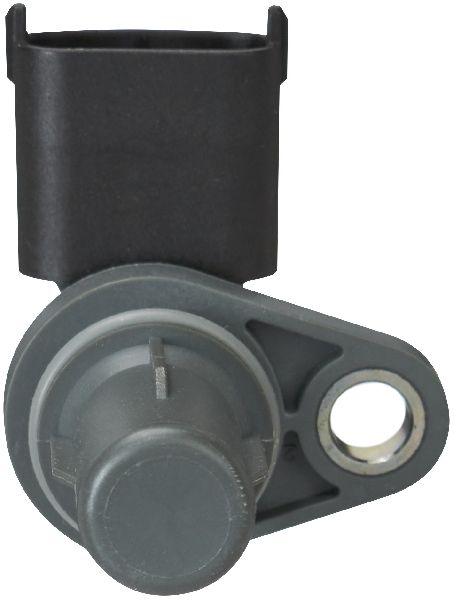
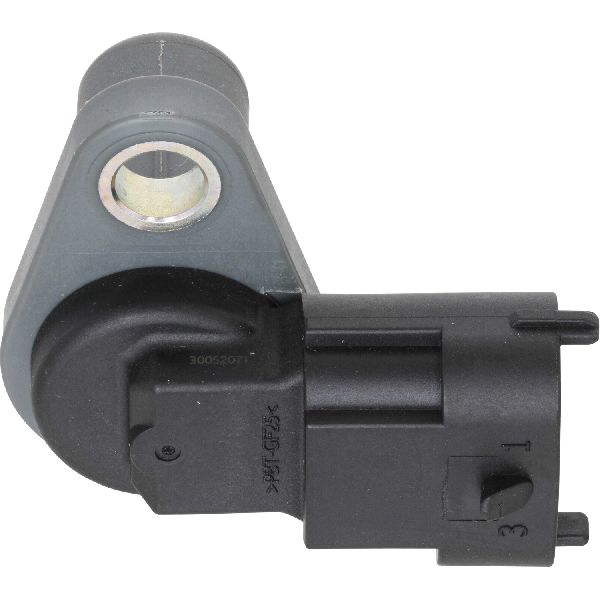
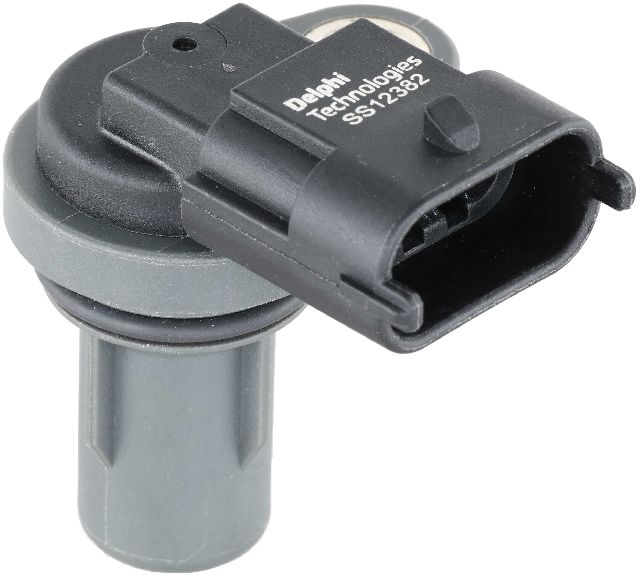
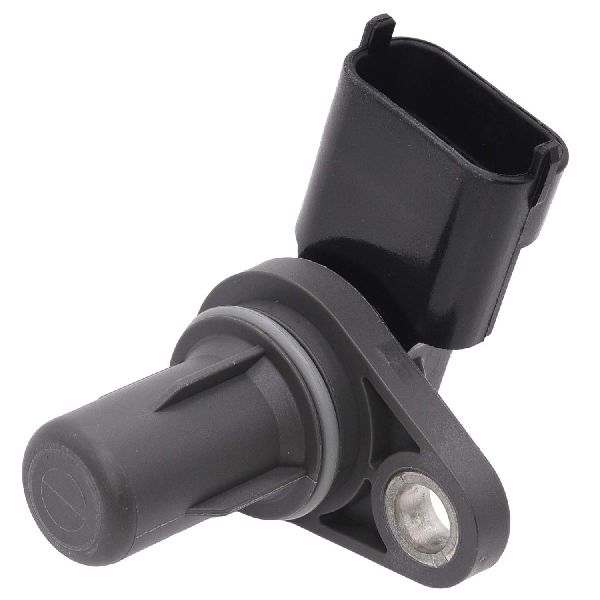
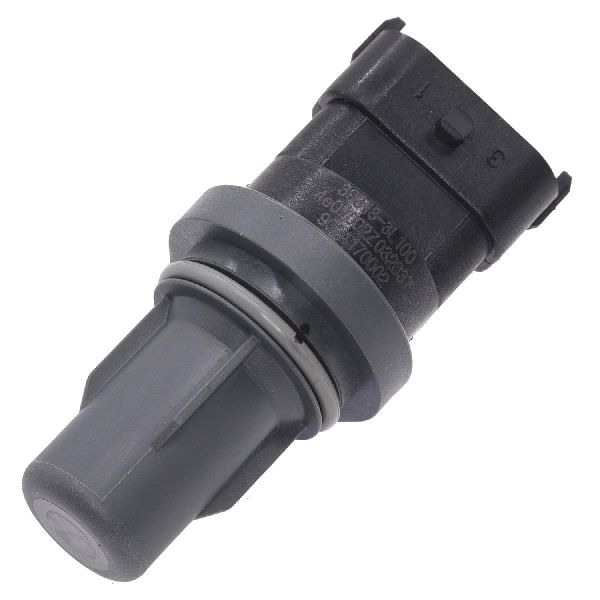
Est. part cost: $150-$220 - Faulty Bank 1 Exhaust Camshaft Position Sensor (CMP) ⚪ Low Probability → Shop Engine Camshaft Position Sensor Sensors can fail over time due to heat cycles, sending incorrect data to the ECU.
How to confirm: Swap the Bank 1 exhaust camshaft position sensor with the sensor from another position (e.g., Bank 2 exhaust, as they share the same part number). If the code changes to P0019, the sensor is the culprit. All four cam sensors on the 3.3T are the same part.
Typical fix: Replace the Bank 1 (passenger side) exhaust camshaft position sensor. OEM Part #39318-3L100.
Est. part cost: $140-$200
Rare But Worth Checking
- Stretched Timing Chain or Failed Tensioner: → Shop Engine Timing Chain This is a major mechanical failure. It is usually preceded by a distinct rattling noise from the front of the engine on cold startups that lasts for 1-3 seconds as the 🎬 Listen to an example of this engine rattle on cold startup. hydraulic tensioner bleeds down. If this is suspected, professional diagnosis is strongly recommended. Key parts include the Primary Chain (24321-3L100) and Main Tensioner (24410-3CGA3).
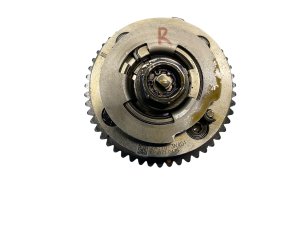
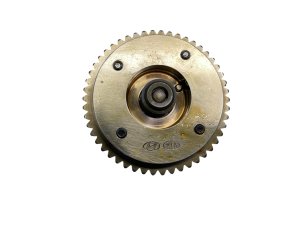
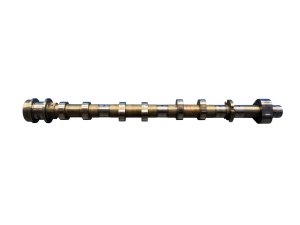
- Damaged Camshaft Phaser (CVVT Actuator): → Shop Engine Camshaft The phaser is the gear on the end of the camshaft that actually adjusts the timing. It can become clogged with sludge or fail mechanically, but this is less common than an OCV failure. A failure here often requires timing component replacement.
Diagnosis Steps
- Check Engine Oil & Recall Status: Before any other step, verify the engine oil level is full and the oil is clean. Use your VIN to check the NHTSA or Genesis website to ensure recall 24V-191 (for the turbo oil feed pipe) has been completed. If the oil is old or dirty, perform an oil and filter change.
- Scan for Other Codes: Use an OBD-II scanner to see if any other codes are present, which can help narrow down the diagnosis (e.g., P0016, P0018, P0019).
- Listen for Cold Start Rattle: Let the engine cool completely for several hours. On startup, listen for a 1-3 second metallic rattle from the front of the engine. Its presence strongly points towards a timing chain/tensioner issue.
- Inspect Wiring: Visually inspect the wiring and connector for the Bank 1 (passenger side) exhaust camshaft position sensor and Oil Control Valve for any signs of damage, corrosion, or loose connections.
- Diagnose the Camshaft Position Sensor (CMP): Swap the Bank 1 exhaust CMP sensor with the Bank 2 exhaust CMP sensor (they are identical, part #39318-3L100). Clear the codes and drive the vehicle. If the code returns as P0019, the sensor you moved is faulty and needs replacement.
- Diagnose the Oil Control Valve (OCV): If the sensor is good, perform a similar swap with the OCVs (Bank 1 exhaust with Bank 2 exhaust, part #24360-3CAA2). Clear the codes and drive. If the code changes to P0019, the OCV is the problem. You can also test the OCV's resistance with a multimeter (should be 6.9-7.9 ohms).
- Advanced Diagnostics: If the steps above do not identify the issue, the problem is likely more severe. Use a professional scan tool to graph desired vs. actual cam angles. If the actual angle doesn't respond to commands, or is consistently off by several degrees, it confirms a mechanical issue like a timing chain or phaser problem, which requires professional service.
Parts You'll Likely Need
- Engine Oil and Filter — The most common cause of P0017 is low or dirty engine oil, especially given the recall for a leaking turbo oil pipe on this engine.
Trusted brands: Quaker State (OEM Fill), Pennzoil Platinum, Hyundai/Kia OE Filter
OEM price range: $80-$120
Aftermarket price range: $60-$90 - Oil Control Valve (Exhaust)
(OEM #24360-3CAA2)— This solenoid is a frequent failure point, getting clogged with sludge or failing electrically, preventing proper cam timing adjustment.
Trusted brands: Hyundai/Kia OE, Dorman, SKP
OEM price range: $150-$220
Aftermarket price range: $80-$150 - Camshaft Position Sensor
(OEM #39318-3L100)— This sensor provides the signal to the ECU. If it fails, it can send incorrect data and trigger the code. It is used for all four cam sensor positions on the 3.3T engine, making it easy to swap for diagnosis.
Trusted brands: Hyundai/Kia OE, NTK, Delphi
OEM price range: $140-$200
Aftermarket price range: $70-$120
Related Codes That Often Appear With This One
- P0016 — This is the correlation code for the intake camshaft on the same bank (Bank 1). If both P0016 and P0017 appear together, it strongly suggests a base timing issue, like a jumped or stretched timing chain, affecting the entire bank.
- P0018 / P0019 — These are the equivalent correlation codes for Bank 2 (driver's side). Seeing codes for both banks simultaneously points to a systemic problem like severe oil sludge, low oil pressure, or a problem with the primary timing chain.
Technical Service Bulletins (TSBs) & Recalls
- Recall 019G / NHTSA 24V-191: Left Turbocharger Oil Feed Pipe Replacement.
- TSB 19-EM-003H: This TSB relates to knock sensor detection logic but is relevant as the underlying oil consumption and sludge issues it addresses can also lead to timing codes like P0017.
Platform-Specific Known Issues
- This vehicle range and engine are covered under Hyundai recall 019G (NHTSA ID: 24V-191), which supersedes recall 19V-538. It addresses a left turbocharger oil feed pipe that can crack due to heat exposure and leak oil. This leak can lead to a low oil level, which is a primary cause of code P0017. The remedy involves replacing the pipe with a more durable stainless steel version. Owners should ensure this recall has been performed on their vehicle as a first step in diagnosing any oil-related trouble codes.
Mechanic-Grade Diagnostic Values
- Live Data: Desired vs. Actual Camshaft Angle (Bank 1 Exhaust) — expected: The actual angle should closely track the desired angle with minimal delay.. Failure: A deviation of more than 5-7 degrees, or an actual angle that is stuck or responds slowly, points to a fault in the OCV, oil pressure, or the phaser itself.
- OCV Connector Voltage (Key On, Engine Off) — expected: Approximately 12V (battery voltage) at the power wire.. Failure: No voltage indicates a wiring or fuse issue upstream of the OCV.
- OCV Resistance — expected: 6.9 - 7.9 ohms. Failure: A reading outside this range (open circuit or short) indicates a failed solenoid coil.
Scan Tool Commands That Help
- Hyundai GDS (or equivalent advanced scanner): Active Test: CVVT Oil Control Valve — This bidirectional command allows a technician to manually cycle the Bank 1 Exhaust OCV while the engine is running. A corresponding change in engine idle and live cam angle data confirms the OCV is electrically and mechanically responding, helping to differentiate between a bad OCV and a clogged oil passage or faulty phaser.
- Hyundai GDS (or equivalent advanced scanner): Special Function: Resetting Adaptive Values — After replacing a CVVT component like an OCV or cam phaser, or after performing an engine oil flush, this function should be used. It clears the old learned fuel and timing trim values from the ECU, forcing it to re-adapt to the new/clean components for optimal performance.
Wiring & Ground Locations
- Bank 1 Exhaust OCV Connector — On the Bank 1 (passenger side) valve cover, connected to the exhaust Oil Control Valve.. Knowing the wire functions is critical for testing. On this connector, the Orange wire is typically the 12V power supply from the fuse box, and the Yellow wire is the control (ground) signal from the ECU. This allows for testing of power supply and ECU command signal without a full wiring diagram.
Real Owner Repair Stories
- YouTube channel 'a1mechanicaloakey' (Hyundai Tucson (with a similar Lambda engine design)) — Engine cranks but won't start, stalling, P0017 code present.
❌ Tried (didn't work) Sensor swapping (would not have found the issue).
✅ What actually fixed it The root cause was a sheared/broken locating pin on the exhaust CVVT phaser (gear). This caused the phaser sprocket to become disconnected from the camshaft itself, throwing timing off mechanically despite all sensors and solenoids working correctly. The fix required replacing the exhaust camshaft phaser assembly. - YouTube channel 'Auto Repair Tips' (Hyundai vehicle with P0017/P0014) — Check Engine Light with P0017 and P0014.
❌ Tried (didn't work) Initial diagnosis focused on wiring and sensor data.
✅ What actually fixed it The Oil Control Valve (OCV) was confirmed faulty. After applying 12V power, the solenoid did not respond correctly. Replacing the OCV and performing a 'resets and relearns' procedure with a scan tool resolved the codes.
"I Checked Everything" — The Actual Cause
- In a documented case on a similar Hyundai engine, all electrical tests for sensors and solenoids passed, and there were no oil pressure issues. The P0017 code persisted because the locating pin that aligns the CVVT phaser to the camshaft had physically sheared off. This is a purely mechanical failure that is invisible to electrical diagnosis and can only be found by using an oscilloscope to see a consistently late cam signal waveform or by physically disassembling the timing components.
OEM Part Supersession History
39350-4A400→39318-3L100— Part update/revision by the manufacturer.24360-3CAA2→24360-3CAA2— No supersession found. This part number appears to be consistent for the vehicle's production run.
Model Year Variations Within This Range
- 2017-2022: The Genesis G90 received a major cosmetic and interior technology facelift for the 2020 model year. However, the 3.3T Lambda II V6 engine and its CVVT system were carried over without significant mechanical changes that would alter the diagnosis or common causes for code P0017.
Diagnostic Flowchart
Other Known Issues on This Vehicle
Issues unrelated to this code that are worth knowing about as an owner of this generation:
- Failing Engine Oil Pressure Sensor 🔴 High — A widely reported failure. Symptoms include a flickering oil light at warm idle that disappears with acceleration. The sensor is located under the intake manifold, making replacement a labor-intensive job (6-8 hours).
- Fuel Pump Failure 🔴 High — The fuel pump may fail, resulting in a loss of drive power. This is a known issue covered by a safety recall. (Ref: NHTSA 24V-282 / Genesis Recall 022G)
- Starter Solenoid Electrical Short 🔴 High — Water can enter the starter solenoid, causing an electrical short which can lead to an engine compartment fire, even while parked. (Ref: NHTSA 24V-107 / Genesis Recall 018G)
- Panoramic Sunroof Rattle/Noise 🟡 Low — Some owners report persistent rattling or creaking noises from the panoramic sunroof assembly, which can be difficult to fully resolve.
- AWD Transfer Case Judder 🟠 Medium — A small number of owners have reported a 'judder' or shake during low-speed acceleration on AWD models. Some have resolved this by performing one or more fluid changes on the transfer case.
Used vs. New Parts: Buying Guide for This Vehicle
When a used part is the smart pick: For this specific trouble code, using used parts is generally not recommended. The primary failure components (OCV, Cam Sensor) are susceptible to sludge and electronic failure, which are risks inherent in used parts. Major mechanical components like a cam phaser could theoretically be sourced from a very low-mileage, verified-running donor vehicle, but the labor cost to install it makes a new part a much safer investment.
Donor-vehicle mileage cap: roughly under 30000 miles for the part to have meaningful remaining life.
What to inspect on the donor part:
- For a major mechanical part like a phaser, verify the donor vehicle had no timing-related codes.
- Inspect any used part for signs of heavy oil sludge or varnish.
- Ensure the donor vehicle was not in a severe front-end collision that could have damaged timing components.
OEM-only on this vehicle (don't cheap out):
- Camshaft Phaser (CVVT Actuator): Due to the complexity and precision required, OEM is strongly recommended to ensure correct operation and longevity.
- Timing Chain and Tensioners: These are critical wear items. Using new OEM parts is essential for a reliable repair.
Aftermarket brands forum-validated for this vehicle:
- NTK (for Camshaft Position Sensor)
- Delphi (for Camshaft Position Sensor)
Brands owners have reported issues with on this vehicle:
- Unbranded, low-cost OCV solenoids and sensors from online marketplaces are frequently reported to fail prematurely or be dead-on-arrival.
Real Owner Stories
Aggregated from forums and TSBs cited above. Mileages and costs reflect what owners reported in those sources.
2018 Genesis G90 3.3T
Symptoms: Owners discussed long-term reliability concerns including transfer case judder and sunroof noise, alongside general engine performance.
What fixed it: While the discussion covered various issues, timing and oil-related faults on this platform are often addressed by ensuring the turbo oil feed pipe recall (24V-191) is completed to maintain oil pressure.
Source hint: Reddit r/GenesisMotors: 2018 and 2019 G90 3.3T owners chime in
Related OBD-II Codes
Frequently Asked Questions
Could the oil leak from my turbo feed pipe be causing the P0017 code on my G90?
I hear a 2-second rattle when I start my G90 3.3T in the morning; is this related to P0017?
Can I swap parts between banks to diagnose which sensor is bad on the Lambda II V6?
What is the correct oil specification to prevent CVVT issues and P0017 codes in this engine?
Is there a specific Oil Control Valve part number for the Bank 1 exhaust side?
Does TSB 19-EM-003H apply to the issues causing my P0017 code?
Helpful Videos
Used OEM Parts in Stock
New Aftermarket Parts Available


The information in this article is provided for general reference and educational purposes only. Vehicle specifications, procedures, and part compatibility can vary by production date, trim level, and region. Always consult your vehicle's factory service manual and verify part numbers before purchasing or performing repairs. Safety-critical components such as airbags, seat belts, and braking systems should be installed by a qualified professional.
- Genesis G90:
- 🧭 Diagnostic Flowchart
- 🎬 Helpful Videos
- 🛍️ Shop This Part
- What's Unique About the 2017-2022 Genesis G90
- Symptoms You May Notice
- Most Likely Causes
- Rare But Worth Checking
- Diagnosis Steps
- Parts You'll Likely Need
- Related Codes That Often Appear With This One
- Technical Service Bulletins (TSBs) & Recalls
- Platform-Specific Known Issues
- Mechanic-Grade Diagnostic Values
- Scan Tool Commands That Help
- Wiring & Ground Locations
- Real Owner Repair Stories
- "I Checked Everything" — The Actual Cause
- OEM Part Supersession History
- Model Year Variations Within This Range
- Other Known Issues on This Vehicle
- Used vs. New Parts: Buying Guide for This Vehicle
- Real Owner Stories
- 2018 Genesis G90 3.3T
- Related OBD-II Codes
- Frequently Asked Questions
- 🎟️ Get 5% Off