

P0017 on 2012 GMC Canyon: Crank/Cam Correlation Causes and Fixes
On a 2012 GMC Canyon, P0017 is most often caused by low/dirty engine oil or a faulty exhaust camshaft actuator solenoid. Always check your oil level and condition first. Replacing the solenoid is a common, relatively inexpensive DIY fix. If those don't solve it, a loose crankshaft balancer bolt is a known issue on this platform before suspecting a stretched timing chain.
- Always check your engine oil level and condition first. Low or dirty oil is a very common cause for P0017 on the 2012 GMC Canyon.
- The most likely failed component is the exhaust camshaft actuator solenoid (VVT solenoid), part number 12615873. It is relatively easy and inexpensive to replace.
- Do not immediately assume the camshaft or crankshaft sensors are bad. They are usually just reporting the mechanical timing error.
- Be aware of the specific TSBs for this truck, which point to unusual causes like a loose crankshaft balancer bolt or excessive crankshaft end play.
What's Unique About the 2012-2012 Gmc CANYON
The first-generation GMC Canyon (2004-2012) and its sibling, the Chevrolet Colorado, use the Atlas inline-four (2.9L) and inline-five (3.7L) engines. These engines are known for being particularly sensitive to oil quality and level for proper VVT system operation. Several Technical Service Bulletins (TSBs) exist specifically for this platform, highlighting issues beyond typical sensor failure. These include problems like a loose crankshaft balancer bolt (TSB #PIP4581B) and excessive crankshaft end play (TSB #PIP3694F), which can uniquely trigger a P0017 code on these trucks. Forum users have also noted that the electrical connector for the crankshaft position sensor is located below the oil filler cap, making it susceptible to contamination from oil spills during changes, which can also cause this code.
Diagnostic Flowchart
Tap your situation to follow the diagnostic path that matches what you're seeing on this vehicle.
Symptoms You May Notice
- Check Engine Light is on
- Rough or unstable idle
- Engine stalling, especially when coming to a stop or at low RPMs
- Rattling or banging noise from the engine, particularly at idle
- Reduced engine power and slow acceleration
- Poor fuel economy
- Engine may go into "limp mode" with reduced power
- Replacing the camshaft position sensor or crankshaft position sensor. These sensors are usually reporting the problem correctly, and the fault lies in the mechanical timing components, the VVT system, or oil-related issues.
Most Likely Causes
- Low or Dirty Engine Oil 🔴 High Probability The VVT system is hydraulically operated by engine oil. Low levels or sludge from dirty oil can starve the camshaft actuator solenoid, preventing it from properly adjusting cam timing. This is the most common cause and should always be the first check. 🎬 Watch: How low or dirty oil triggers the P0017 code.
How to confirm: Check the engine oil dipstick. The oil level should be between the 'add' and 'full' marks. Inspect the oil's color and consistency; if it's black, thick, or gritty, it's overdue for a change. Use of the correct oil viscosity (5W-30) is critical.
Typical fix: Top off or change the engine oil and filter. Use the manufacturer-recommended oil, typically a 5W-30 synthetic or synthetic blend. Reset the code and test drive.
Est. part cost: $30-$70 - Faulty Exhaust Camshaft Position Actuator Solenoid 🔴 High Probability → Shop Engine Camshaft This solenoid is a very common failure point. Its small internal screens can get clogged with debris from engine oil, or the solenoid can fail electrically, causing it to stick. Original solenoids had screens that were prone to breaking; updated OEM parts have better screen protection.
How to confirm: Remove the solenoid from the front of the cylinder head (one 10mm bolt). Inspect the screens for tears or clogging. The solenoid can be tested for resistance with a multimeter (should be around 8-12 ohms) or activated with a 12v source to check for mechanical movement. A common diagnostic step is to swap the intake and exhaust solenoids (if identical) to see if the trouble code changes to P0016.
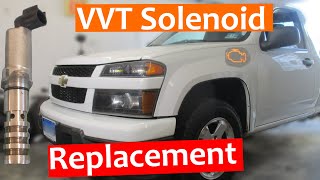
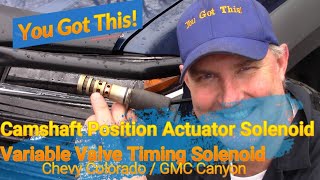
Typical fix: Replace the exhaust camshaft position actuator solenoid. It is held in by a single bolt and is accessible after removing the air intake tube. 🎬 See this walkthrough on replacing the VVT solenoid. It is highly recommended to use an OEM ACDelco part, as some aftermarket versions have caused issues.
Est. part cost: $25-$60 - Loose Crankshaft Balancer Bolt 🟡 Medium Probability → Shop Engine Crankshaft TSB #PIP4581B specifically calls out that if diagnostics don't isolate the cause, the crankshaft balancer bolt should be checked. A loose bolt allows the harmonic balancer and the timing reluctor wheel behind it to shift slightly, causing a correlation error between the crank and cam sensors. This is a well-documented issue on the Atlas engine family.
How to confirm: A definitive check requires accessing and re-torquing the bolt. The GM procedure is a multi-step torque-to-yield process: first, use an old bolt to seat the balancer to 240 lb-ft, then install a NEW bolt, torque to 37 lb-ft, and finally tighten an additional 140 degrees.
Typical fix: Re-torque the crankshaft balancer bolt to the correct specification using a new bolt. This is a labor-intensive fix as the radiator and other components must be moved for access.
Est. part cost: $10-$20 (for a new bolt) - Stretched Timing Chain or Failed Tensioner ⚪ Low Probability → Shop Engine Timing Chain While less common on lower mileage engines, the timing chains on Atlas engines are known to stretch over time (typically over 100,000 miles), causing slack that leads to timing correlation errors.
How to confirm: This is a complex diagnosis. It often involves removing the valve cover to check for chain slack by inspecting the tensioner's position or by placing a straight edge on the cam flats as per TSB #07-06-01-018. This is typically the last resort after all other common causes are ruled out.
Typical fix: Replace the timing chain, tensioner, guides, and sprockets. This is a significant and costly repair.
Est. part cost: $150-$400
Rare But Worth Checking
- Excessive Crankshaft End Play: → Shop Engine Crankshaft TSB #PIP3694F mentions this as a possible cause. If the crankshaft can move back and forth too much due to worn thrust bearings, it can trigger P0017. The TSB notes that if this is the cause, the end play will be obviously out of spec, often by as much as .050 inches or more. This indicates a serious internal engine problem requiring significant repair or engine replacement.
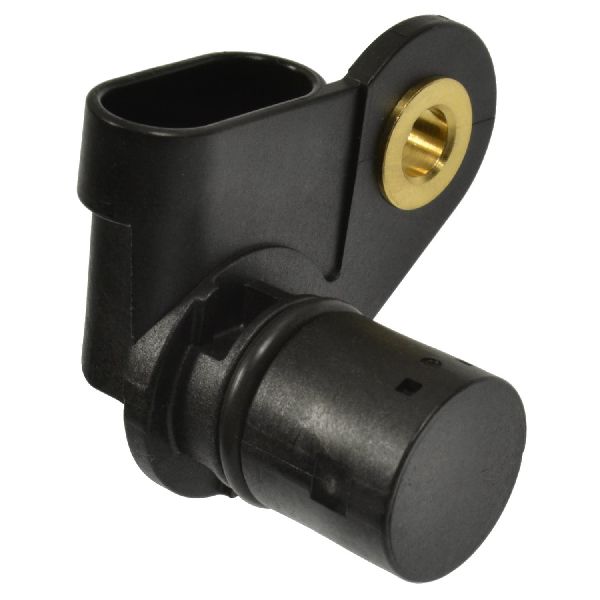
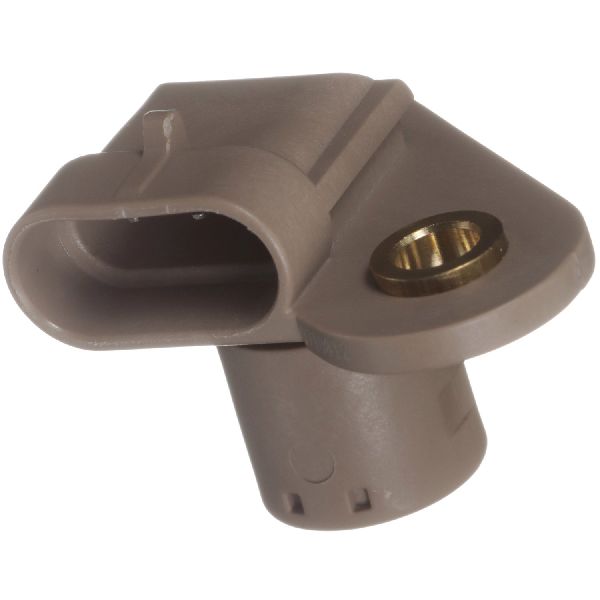
- Faulty Camshaft or Crankshaft Position Sensor: → Shop Engine Crankshaft Position Sensor While often suspected, the sensors themselves are less likely to be the cause of a correlation code than the mechanical parts they monitor. A sensor failure usually triggers a different code related to the sensor circuit itself (e.g., P0340, P0335). However, a failing sensor can sometimes provide erratic data before failing completely.
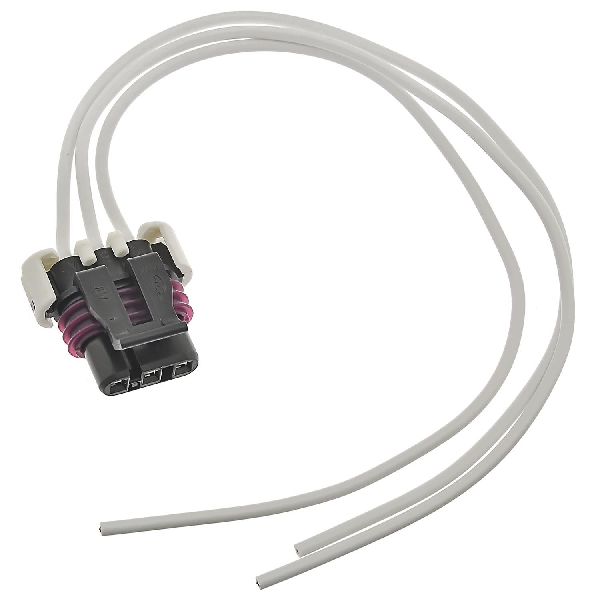
- Contaminated Crankshaft Position Sensor Connector: → Shop Engine Crankshaft Position Sensor A specific issue noted by owners is that the crankshaft position sensor is located directly below the oil filler cap. Spilled oil during an oil change can seep into the sensor's electrical connector, causing a poor connection and triggering a P0017 code. Cleaning the connector with electrical contact cleaner can resolve this.
Diagnosis Steps
- Check engine oil level and condition. Ensure the correct viscosity (5W-30) is being used. Top off or change if necessary. This is the simplest and a very common fix.
- Scan for other DTCs. Codes like P0014 can confirm the issue is with the exhaust cam VVT system.
- Inspect the wiring and connector for the exhaust camshaft actuator solenoid for damage or corrosion.
- Inspect the crankshaft position sensor connector (below the oil filler cap) for oil contamination. Clean with electrical contact cleaner if oil is present.
- Remove and inspect the exhaust camshaft actuator solenoid. Check for clogged or torn screens. Test its resistance (target 8-12 ohms) or swap it with the intake solenoid to see if the code follows (changes to P0016).
- If the solenoid seems okay, consider the possibility of a loose crankshaft balancer bolt as mentioned in TSB #PIP4581B. This requires a specific re-torquing procedure.
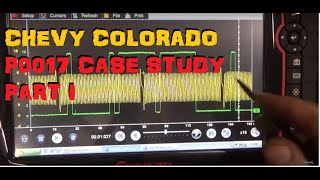
- If all the above checks out, the issue may be more severe, such as excessive crankshaft end play (check per TSB #PIP3694F) or a stretched timing chain, which requires more in-depth mechanical diagnosis. 🎬 Watch a professional mechanic's case study on diagnosing P0017.
Parts You'll Likely Need
- Exhaust Camshaft Position Actuator Solenoid
(OEM #12615873)— This is the most common part to fail and cause P0017. It gets clogged with oil debris or fails electrically, preventing proper VVT operation. It is strongly recommended to use the OEM ACDelco part. This part number supersedes 12568078, 12576768, 12597025, and 12602516.
Trusted brands: ACDelco (GM Genuine), Delphi
OEM price range: $40-$60
Aftermarket price range: $25-$45 - Engine Oil and Filter — The VVT system is entirely dependent on clean oil at the proper level and viscosity (5W-30). An oil change is a critical first step and often resolves the code.
Trusted brands: Mobil 1, Castrol, Valvoline
OEM price range: $50-$80
Related Codes That Often Appear With This One
- P0014 — This code is for "Camshaft Position B - Timing Over-Advanced or System Performance (Bank 1)". It is often seen with P0017 because both relate to the exhaust camshaft timing and can be caused by the same faulty components, like a stuck VVT solenoid. TSB #PIP3694F mentions both codes occurring together.
- P0106 — This code is for "Manifold Absolute Pressure/Barometric Pressure Circuit Range/Performance Problem". TSB #PIP3694F notes that a rough idle caused by the P0017 fault can sometimes be severe enough to trigger a P0106 code.
Technical Service Bulletins (TSBs) & Recalls
- PIP4913A
- PIP3694F
- PIP4945B
- PIP4581B
- 07-06-01-018
Platform-Specific Known Issues
- TSB #PIP4581B: Notes that a rattle noise combined with P0017 could be caused by a loose crankshaft balancer bolt that needs to be re-torqued following a specific torque-to-yield procedure.
- TSB #PIP3694F: Links P0017 with engine belt noise, rough idle, and potentially code P0106. It suggests checking crankshaft end play, which if excessive (e.g., .050 inches or more), points to a severe internal engine issue requiring engine replacement.
- TSB #PIP4913A: Advises monitoring oil pressure if standard diagnostics do not resolve the P0017 code, pointing towards potential oiling system problems or even a binding camshaft.
- TSB #PIP4945B: A general bulletin that consolidates information for P0017 on these engines, acknowledging the varied and sometimes complex causes and directing technicians to other specific TSBs.
Mechanic-Grade Diagnostic Values
- Exhaust Camshaft Position Actuator Solenoid Resistance — expected: 8 to 14 ohms. Failure: A reading outside of this range, or an open/short circuit, indicates a failed solenoid.
- Scan Tool Live Data: Camshaft Position Variance — expected: Near 0 degrees at idle.. Failure: A consistent variance greater than 2-3 degrees at idle suggests a mechanical timing or VVT system problem.
- Scan Tool Live Data: Camshaft Phase Solenoid Duty Cycle — expected: Varies with engine speed and load.. Failure: A spike to 99% duty cycle indicates the ECM is commanding the actuator to its maximum position, often in an attempt to clear a restriction.
Hidden / Shadow Codes Worth Checking
- Symptom Byte 5A: Indicates a "Signal Plausibility Failure." This means the ECM is receiving signals from both the crank and cam sensors, but their timing relationship is not logical. This helps rule out a simple circuit failure (like a broken wire) and points more toward a mechanical or hydraulic issue. (see via A professional GM-specific scan tool like a Tech2 or GDS2.)
Scan Tool Commands That Help
- GDS2 / Tech2: Camshaft Position Actuator Control — This bidirectional control allows a technician to command the exhaust VVT solenoid to a specific percentage (e.g., 0%, 10%, 25%) while monitoring the 'Camshaft Position Variance' PID. If the variance angle does not change as commanded, it confirms a problem with the solenoid, oil passages, or the phaser itself, rather than a sensor or wiring issue.
Wiring & Ground Locations
- G100, G101, G102, G103 — On the lower left side of the engine block.. These are the primary engine block grounds. A poor connection at any of these points can introduce electrical noise or incorrect ground offsets for the crankshaft and camshaft position sensors, leading to implausible signal readings and triggering a P0017.
- G104 — In the engine compartment on the left inner front wheel well, behind the battery.. This ground serves various electronic components. While less direct than the engine block grounds, corrosion here can contribute to overall electrical system issues that may affect sensor performance.
- Splice Packs SP105 / SP106 — SP105 is on the driver's side inner fender near the battery; SP106 is on the passenger side behind the airbox.. These splice packs are known weak points for corrosion on this platform. They consolidate grounds for many systems, including the EBCM and Data Link Connector. A bad ground here can cause a wide range of seemingly unrelated electrical issues.
Real Owner Repair Stories
- 355nation.net forum user (First-generation Chevy Colorado (sibling platform)) — Persistent P0017 code.
❌ Tried (didn't work) Replacing VVT solenoids with aftermarket (non-OEM) parts.
✅ What actually fixed it The code was only resolved after replacing the aftermarket solenoids with genuine ACDelco OEM parts. This highlights the sensitivity of the VVT system to the exact solenoid specification. - r/MechanicAdvice Reddit user (2011 GMC Canyon) — P0017 code, RPMs dropping to near-stall when stopping, metallic clanking from engine when revving at idle.
❌ Tried (didn't work) Oil change (symptom returned)., Replacing camshaft position sensor., Replacing VVT solenoid with an aftermarket part.
✅ What actually fixed it The user suspected a stretched timing chain due to a period of driving with low oil. The final resolution pointed towards a more serious mechanical issue after common electronic parts replacement failed. - Forum user (confirming TSB) (Chevy Colorado) — P0017 and an engine rattle.
❌ Tried (didn't work) Oil change., Replacing VVT solenoid.
✅ What actually fixed it A repair shop diagnosed and confirmed a loose crankshaft balancer bolt, as described in TSB #PIP4581B. Re-torquing the bolt with a new one according to the proper procedure resolved both the code and the rattle.
When the Usual Fixes Don't Work
- While a Crankshaft Position System Variation Learn (CASE relearn) is a common procedure for some GM engine work, it is not a fix for a P0017 code. The CASE relearn procedure calibrates the ECM to minor variations in the crankshaft reluctor wheel for the purpose of accurate misfire detection. P0017 is a correlation fault between two separate sensor inputs, which is a mechanical or VVT hydraulic/electrical issue, not a software calibration problem that a relearn would solve.
OEM Part Supersession History
12615873→12679099— The design of the VVT solenoid has been updated over the years. A key change was improving the integrated mesh screens to prevent them from tearing and allowing debris to enter the VVT system or the solenoid itself.
Heads up: While older part numbers may physically fit, using the latest superseded part (12679099) is highly recommended to get the most durable design. Aftermarket solenoids are known to cause persistent issues on this platform.
Helpful Videos
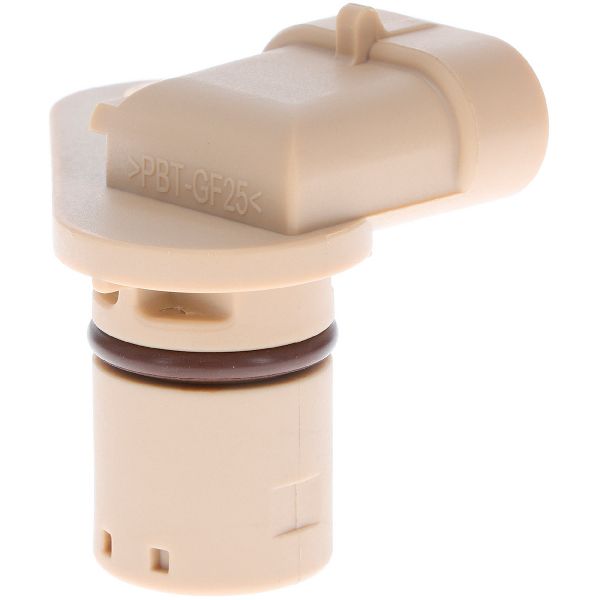
We Have This Part in Stock


The information in this article is provided for general reference and educational purposes only. Vehicle specifications, procedures, and part compatibility can vary by production date, trim level, and region. Always consult your vehicle's factory service manual and verify part numbers before purchasing or performing repairs. Safety-critical components such as airbags, seat belts, and braking systems should be installed by a qualified professional.
- Gmc CANYON:
- 🧭 Diagnostic Flowchart
- 🎬 Helpful Videos
- 🛍️ Shop This Part
- What's Unique About the 2012-2012 Gmc CANYON
- Symptoms You May Notice
- Most Likely Causes
- Rare But Worth Checking
- Diagnosis Steps
- Parts You'll Likely Need
- Related Codes That Often Appear With This One
- Technical Service Bulletins (TSBs) & Recalls
- Platform-Specific Known Issues
- Mechanic-Grade Diagnostic Values
- Hidden / Shadow Codes Worth Checking
- Scan Tool Commands That Help
- Wiring & Ground Locations
- Real Owner Repair Stories
- When the Usual Fixes Don't Work
- OEM Part Supersession History
- 🎟️ Get 5% Off