

P0017 on 2015-2016 GMC Canyon 3.6L: Exhaust Cam/Crank Correlation Causes & Fixes
On a 2015-2016 GMC Canyon with the 3.6L V6, code P0017 almost always indicates stretched timing chains, a known issue with this engine. This is a serious, complex, and expensive repair costing $2,000-$3,500+. Do not continue to drive the vehicle, as a chain failure can lead to catastrophic engine damage.
- P0017 on a 2015-2016 Canyon 3.6L is a serious code that almost always points to a stretched timing chain.
- Do not drive the vehicle. A timing chain failure can cause catastrophic engine damage.
- Do not waste money replacing the camshaft or crankshaft sensors first; they are rarely the cause.
- The repair is very expensive and labor-intensive, requiring a full timing chain service by a professional.
- Always check the engine oil level and condition first, as low or dirty oil is a major contributing factor to this failure.
What's Unique About the 2015-2016 GMC Canyon
The 3.6L LFX V6 engine family used in the GMC Canyon has a well-documented history of premature timing chain stretching, even though it was an improvement over the earlier LLT engine. While on many other vehicles P0017 might point to a simple sensor or solenoid, on this specific truck, it is very frequently the first and most direct indicator of this significant mechanical failure. Following the manufacturer's oil life monitor (OLM), which can lead to extended oil change intervals of 8,000-12,000 miles, is often cited as a primary contributing factor to the accelerated wear of the timing components due to oil degradation.
Symptoms You May Notice
- Check Engine Light is on
- Rough or unstable idle
- Engine rattling noise, especially on startup
- Hesitation or loss of power during acceleration
- Engine stalling, sometimes during heavy braking or sharp turns
- Reduced fuel economy
- Replacing the camshaft position sensor or crankshaft position sensor. These parts are rarely the root cause; they are typically just doing their job of reporting the mechanical timing error.
Most Likely Causes
- Stretched Timing Chains 🔴 High Probability → Shop Engine Timing Chain The GM 3.6L V6 LFX engine has a known design issue leading to premature timing chain wear and stretching, even in this updated engine version. The problem is often accelerated by degraded engine oil from overly long oil change intervals suggested by the Oil Life Monitor. This is the most common cause for P0017 on this platform.
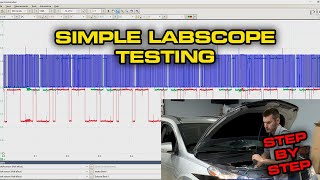
How to confirm: Definitive diagnosis requires removing the engine's front cover for a physical inspection of the chain's slack and the tensioner plunger extension. A scan tool can show camshaft deviation angles that are out of spec, and a lab scope can compare cam/crank sensor signals to a known-good waveform to confirm electronically before disassembly. 🎬 Watch: How to use a lab scope to confirm timing issues.
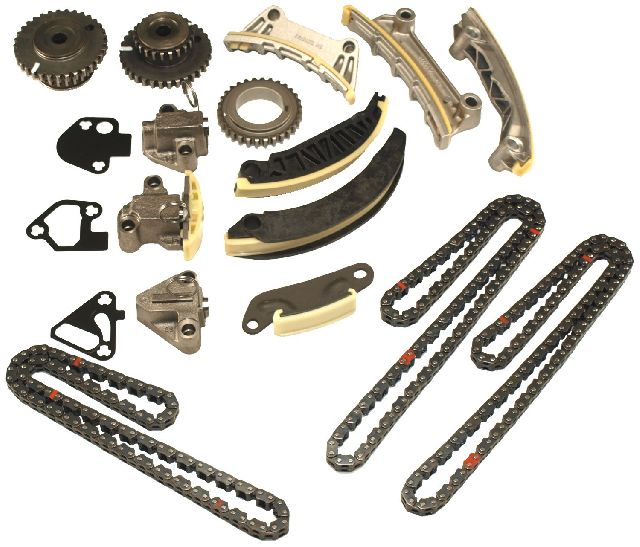
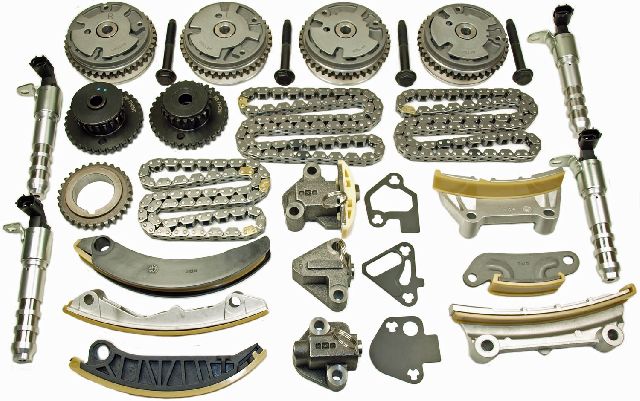
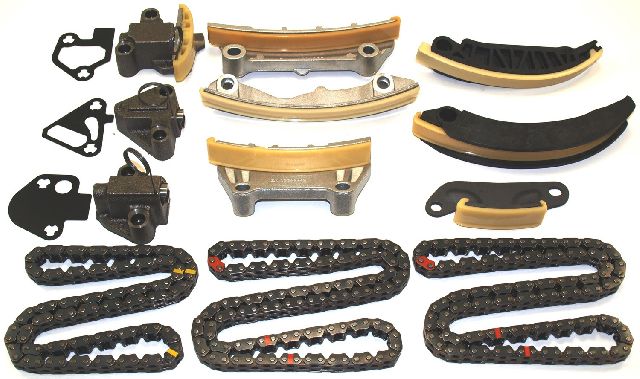
Typical fix: Replace all three timing chains, all tensioners, and all guides with an updated kit. It is also critical to replace the water pump gasket that sits behind the timing cover to prevent future coolant/oil mixing. This is a very labor-intensive job.
Est. part cost: $300-$700 - Failed Timing Chain Tensioner(s) 🟡 Medium Probability → Shop Engine Timing Chain The hydraulic tensioners can fail, lose pressure, or wear out, allowing excessive slack in the chains even if the chains themselves are not severely stretched. Low or dirty oil accelerates wear and can cause tensioner malfunction.
How to confirm: Physical inspection after removing the front engine cover is the only way to confirm a failed tensioner. A fully extended tensioner plunger is a key indicator that the chain is stretched.
Typical fix: Replace the failed tensioner(s). However, due to the high labor cost to access them, it is standard practice to replace the chains, guides, and all tensioners at the same time as a complete kit.
Est. part cost: $50-$150 - Low or Dirty Engine Oil 🟡 Medium Probability The camshaft actuators (phasers) and timing chain tensioners are hydraulically operated by engine oil. Low oil level or dirty, degraded oil can cause them to function improperly, leading to correlation codes. The LFX engine is also known for consuming oil, up to 1 quart every 2,000 miles, which GM considers normal, making it easy to run low if not checked frequently.
How to confirm: Check the oil level on the dipstick and inspect its condition. If it's low or very dark/sludgy, this is a likely contributor. In some cases, an engine flush and oil change can resolve the code if it's caused by sludge or debris in an actuator, but often the damage is already done.
Typical fix: Perform an oil and filter change with the correct viscosity oil (5W-30 full synthetic is specified). If the code returns, a more serious mechanical issue like stretched chains is present.
Est. part cost: $50-$100 - Faulty Camshaft Actuator Solenoid (VVT Solenoid) ⚪ Low Probability → Shop Engine Camshaft
How to confirm: Swap the Bank 1 exhaust solenoid with the Bank 1 intake solenoid (or the Bank 2 exhaust solenoid). If the code changes to P0016 (intake) or P0019 (Bank 2), the solenoid is faulty. Also, inspect the solenoid's screens for tears or clogging. A multimeter can be used to check the resistance of the solenoid; a reading outside the 5-15 Ohm range indicates a failure.
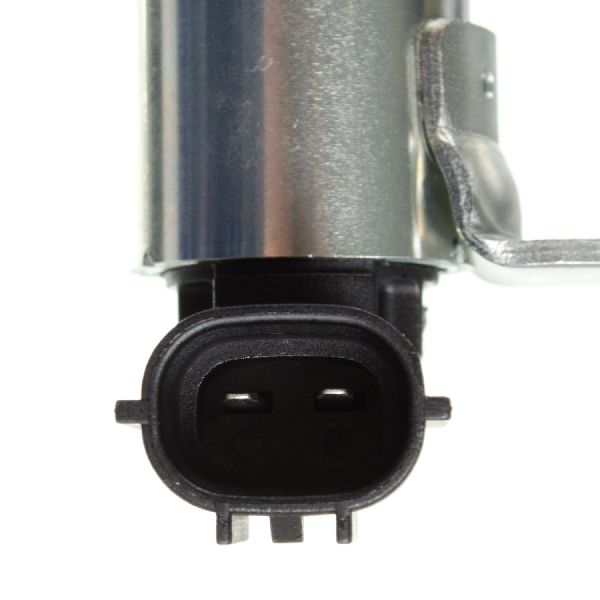
Typical fix: Replace the faulty solenoid. They are relatively easy to access on top of the valve covers. 🎬 Watch this walkthrough on how to replace the VVT solenoids. Using an OEM part is recommended as some aftermarket versions lack the updated screen design.
Est. part cost: $30-$80
Rare But Worth Checking
- Slipped Crankshaft Reluctor Wheel: → Shop Engine Crankshaft A known but uncommon issue mentioned in GM technical service bulletin PIP3423P. The reluctor wheel, which the crankshaft position sensor reads, can move slightly on the crankshaft, causing a timing correlation error even if the chains are perfectly timed. Confirmation requires visual inspection, sometimes possible with a borescope through the crank sensor hole.
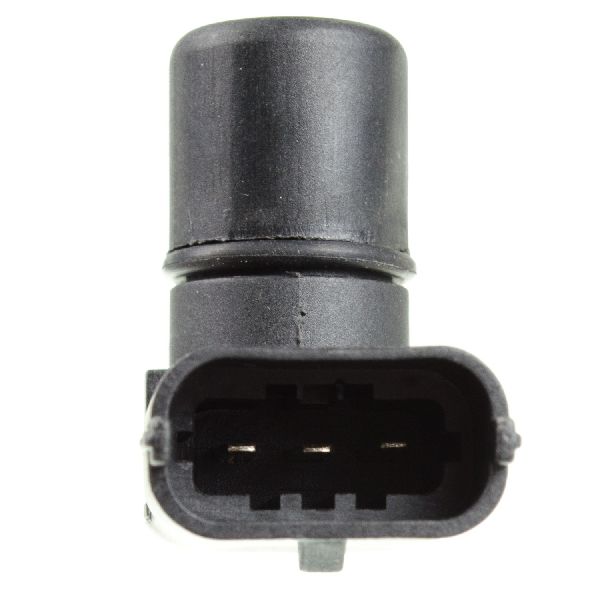
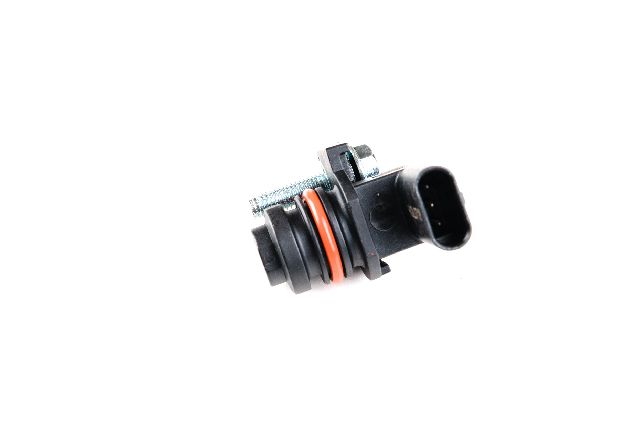
- Faulty Camshaft or Crankshaft Position Sensor: → Shop Engine Crankshaft Position Sensor While possible, a sensor failure is rare on this platform for this specific code. The sensors are usually accurately reporting a real mechanical problem.
- Oil in Crankshaft Position Sensor Connector: → Shop Engine Crankshaft Position Sensor In at least one documented case, oil spilled during an oil change dripped down into the crankshaft position sensor's electrical connector, causing a poor signal and triggering P0017. Cleaning the connector with electrical cleaner resolved the issue.
Diagnosis Steps
- Check Engine Oil: Verify the engine oil is full and the oil is in good condition. The LFX can consume oil, so check levels frequently. If low or dirty, perform an oil change with 5W-30 full synthetic oil and filter, clear the code, and see if it returns.
- Scan Tool Analysis: Use an OBD-II scanner to check for other related trouble codes (P0008, P0009, P0016, P0018, P0019). Their presence makes a timing chain issue much more likely. A professional scan tool can view 'Camshaft Position Variance' data to electronically confirm timing deviation. A consistent deviation over 4-8 degrees is a strong indicator of a mechanical fault.
- Test the VVT Solenoid: As a simple preliminary test, swap the Bank 1 exhaust VVT solenoid with another one (e.g., the intake solenoid on the same bank). Clear the codes and run the engine. If the code 'moves' to the new location (e.g., P0016), the solenoid is bad. If P0017 returns, the solenoid is not the issue.
- Inspect Sensor Wiring: Visually inspect the wiring harnesses for the camshaft and crankshaft position sensors for any signs of damage, melting, or corrosion. Specifically check the crankshaft position sensor connector for oil contamination from spills during oil changes.
- Mechanical Timing Inspection: If the above steps do not resolve the issue, the next step is a physical inspection of the timing components. This is a labor-intensive process that involves removing the engine's front cover to check for chain slack, broken guides, and failed tensioners. This step is best left to a professional.
Parts You'll Likely Need
- Engine Timing Chain Kit
(OEM #12651450 (superseded by 12700436))— This is the most common failure. A complete kit should include all three chains, all tensioners, guides, and necessary gaskets. Using an updated OEM (ACDelco) or reputable aftermarket kit is critical. The original part number 12651450 has been superseded multiple times, with 12700436 being a recent replacement.
Trusted brands: ACDelco, Cloyes
OEM price range: $400-$600
Aftermarket price range: $250-$450 - Camshaft Position Actuator Solenoid (VVT Solenoid)
(OEM #12679100 (Exhaust), 12679099 (Intake))— A possible, though less likely, cause of the code. It's a common maintenance item and relatively inexpensive to replace as a diagnostic step. Note that intake and exhaust solenoids have different part numbers.
Trusted brands: ACDelco, Delphi
OEM price range: $40-$70
Aftermarket price range: $25-$50
Related Codes That Often Appear With This One
- P0016 — This is the same correlation error but for the intake camshaft on Bank 1. Seeing P0016 and P0017 together strongly suggests a base timing issue, like a stretched chain affecting the entire bank.
- P0008 / P0009 — These are more general engine position performance codes for Bank 1 (P0008) and Bank 2 (P0009). They often accompany the more specific P0016/P0017/P0018/P0019 codes and point towards a significant timing chain problem affecting the entire engine.
- P0018 / P0019 — These are the equivalent correlation codes for Bank 2 (the driver's side). If codes for both banks are present, it's an almost certain diagnosis of a major timing chain system failure affecting all chains.
Technical Service Bulletins (TSBs) & Recalls
- PIP3423P
Platform-Specific Known Issues
- GM issued Technical Service Bulletin (TSB) #PIP3423P (and earlier versions) for the 2015-2016 GMC Canyon, which specifically directs technicians to inspect for loose timing chains or a moved crankshaft reluctor wheel when P0017 is present. Manufacturer service bulletin #PIP3423P also notes that technicians should check for loose tensioners if codes P0016, P0017, P0018, P0019, P0008, or P0009 are set.
Mechanic-Grade Diagnostic Values
- Camshaft Position Actuator (VVT) Solenoid Resistance — expected: 5.0 to 15.0 Ohms at ~68°F (20°C). Failure: A reading of 0 Ohms (short), OL/infinite (open), or a value outside the specified range indicates a faulty solenoid. One real-world failure was documented at 15 Ohms.
- Scan Tool Live Data: Camshaft Position Variance — expected: Close to 0 degrees at steady idle.. Failure: A consistent deviation greater than +/- 4 to 9 degrees indicates a mechanical timing correlation fault, such as a stretched chain.
- Camshaft Position Sensor Low Reference Circuit to Ground — expected: Less than 5.0 Ohms. Failure: A reading greater than 5.0 Ohms indicates high resistance in the sensor's ground circuit, which can cause signal issues.
- VVT Solenoid Connector Voltage (Key On, Engine Off) — expected: Battery voltage (approx. 12.6V) at the ignition supply terminal.. Failure: No voltage at the supply pin points to a wiring or fuse issue upstream of the solenoid.
Scan Tool Commands That Help
- GDS2 / Professional Scan Tool: Actuator Test: Bank 1 Exhaust Camshaft Position Actuator Solenoid — This bidirectional control allows a technician to command the VVT solenoid to a specific percentage (e.g., 0% to 25%) while monitoring the 'Camshaft Position Variance' PID. If the variance angle does not change as commanded, it confirms a problem with the solenoid, oil passages, or the phaser itself, rather than a sensor or wiring issue.
Wiring & Ground Locations
- G103 / G104 / G107 — Primary engine grounds are located on the front and sides of the engine block and cylinder heads. G103 is often on the driver's side of the engine compartment, while G107 can be on the front of the passenger side cylinder head.. The camshaft and crankshaft position sensors require a clean ground reference to send accurate signals to the ECM. A loose or corroded ground can introduce electrical noise or voltage offsets, potentially causing a false correlation code.
- ECM Connector X1 / X3 — The Engine Control Module (ECM) is in the engine bay. The connectors are identified by their colored terminal position assurance clips (e.g., Blue for X1, Gray for X3).. To definitively rule out a wiring harness issue, a technician can test for signal continuity, voltage, and ground directly at the ECM pins for the Bank 1 Camshaft Position Sensor and the Crankshaft Position Sensor. For example, on a similar platform, Pin 26 was identified as a sensor ground.
- Crankshaft Position Sensor Connector — Located on the lower part of the engine block, often directly below the oil filler cap area.. Its location makes it susceptible to oil contamination during oil changes. Spilled oil can seep into the connector, disrupting the signal and causing a P0017 code.
Real Owner Repair Stories
- Reddit user michaelfkenedy on r/chevycolorado (GMC Canyon (year not specified, but same platform), experiencing P0017 and limp mode.) — Check Engine Light, engine going into limp mode.
❌ Tried (didn't work) Replaced the camshaft position sensor, Checked VVT solenoid screens (they were clean), Inspected timing chain
✅ What actually fixed it The user discovered oil had leaked into the electrical connector for the crankshaft position sensor, which is located below the oil filler cap. Cleaning the connector with electrical cleaner and using a funnel for future oil changes resolved the problem permanently. - YouTube user comment on 'RB The Mechanic' video (GMC Canyon with 140,000 miles) — Stalling, P0017 code.
❌ Tried (didn't work) Replaced camshaft position sensor, Replaced crankshaft position sensor, Replaced Mass Air Flow (MAF) sensor, Replaced Manifold Absolute Pressure (MAP) sensor
✅ What actually fixed it Replacing the exhaust camshaft actuator solenoid (VVT solenoid) for Bank 1 finally fixed the issue.
OEM Part Supersession History
12651450→12700436— The timing chain kits for the 3.6L V6 have been updated multiple times by GM to improve durability and reduce premature stretching.
Heads up: The new part number 12700436 is the correct and recommended replacement. Using older stock or separate, non-kitted parts is not advised for warranty or long-term repairs.12655421→12679100— The exhaust VVT solenoid was updated, reportedly to improve the screen design and prevent tearing or clogging.
Model Year Variations Within This Range
- 2015-2016: No significant engine hardware differences are noted for the 3.6L LFX V6 between the 2015 and 2016 GMC Canyon. Both model years use the same LFX engine and E92 engine controller and are equally susceptible to the timing chain issues that cause P0017.
Diagnostic Flowchart
Other Known Issues on This Vehicle
Issues unrelated to this code that are worth knowing about as an owner of this generation:
- Transmission Torque Converter Shudder 🟠 Medium — Common issue on 6-speed (6L50) and 8-speed automatic transmissions. Can feel like driving over rumble strips during light acceleration. (Ref: TSB #16-NA-175, PIP5342B. The fix often involves multiple transmission fluid flushes with an updated fluid type or torque converter replacement.)
- Excessive Oil Consumption 🟠 Medium — The LFX engine is known to consume oil, with GM considering up to 1 quart per 2,000 miles as 'normal'. This can lead to low oil levels if not checked regularly, accelerating timing chain wear.
- Harsh Shifting / Transmission Logic Complaints 🟡 Low — Many owners complain about the transmission's shift logic, describing it as hesitant, slow to downshift, or jerky, particularly on 2015-2016 models. (Ref: Multiple TSBs exist for software updates (e.g., PIP5303) which may improve but not always fully resolve the feel.)
- Carbon Buildup on Intake Valves 🟠 Medium — As a direct-injection engine, the LFX is prone to carbon buildup on the back of the intake valves over time, as fuel is not sprayed over them to keep them clean. This can cause misfires and performance loss at higher mileage (typically 80,000+ miles).
Used vs. New Parts: Buying Guide for This Vehicle
When a used part is the smart pick: For this specific P0017 repair, which is overwhelmingly caused by wear items, using used parts is NOT recommended. The only exception might be a simple external sensor or connector if it's confirmed to be the sole problem, but this is rare.
Donor-vehicle mileage cap: roughly under 50000 miles for the part to have meaningful remaining life.
What to inspect on the donor part:
- For a sensor or solenoid, ensure the connector pins are clean and straight.
- Verify the donor vehicle did not have any timing-related trouble codes.
- Avoid any parts from an engine that shows signs of sludge or poor maintenance.
OEM-only on this vehicle (don't cheap out):
- Engine Timing Chain Kit: This is a critical, high-labor repair. Using anything other than an OEM (ACDelco) or a highly reputable aftermarket brand like Cloyes is a significant risk. The cost savings do not justify the potential for premature failure.
- Timing Chain Tensioners: Never reuse or use junkyard tensioners. They are a primary failure point and must be new.
- Camshaft Phasers (Actuators): If a phaser is determined to be faulty, replacement with a new OEM unit is the only reliable option.
Aftermarket brands forum-validated for this vehicle:
- Cloyes (for Timing Chain Kits)
Brands owners have reported issues with on this vehicle:
- Unknown or 'white-box' timing chain kits from online marketplaces. The quality of the chain link pins and plastic guides is paramount and often poor in low-cost kits, leading to a repeat failure in a short time.
Real Owner Stories
Aggregated from forums and TSBs cited above. Mileages and costs reflect what owners reported in those sources.
2015-2016 GMC Canyon 3.6L V6
Symptoms: A persistent P0017 code that remained even after trying multiple sensor replacements.
What fixed it: Discovering and cleaning oil that had leaked into the electrical connector for the crankshaft position sensor.
Source hint: Reddit r/chevycolorado: A user reported fixing a persistent P0017 code... URL: https://www.reddit.com/r/chevycolorado/comments/186k9g5/p0017_popping_up_again/
2015-2016 GMC Canyon 3.6L V6
Symptoms: P0017 code related to failing screens on the VVT solenoids.
What fixed it: Replacing the VVT solenoid with an OEM part that features an updated design with a spring to protect the screens.
Source hint: Reddit r/chevycolorado: Another thread discusses how failing screens on the VVT solenoids can cause issues. URL: https://www.reddit.com/r/chevycolorado/comments/x680y6/p0017/
2015-2016 GMC Canyon 3.6L V6
Symptoms: Timing chain failure symptoms leading to P0017.
What fixed it: Complete timing chain replacement.
Cost: $2,500-$4,000
Source hint: Coloradofans.com: Numerous threads on this forum corroborate that P0017 on the 3.6L V6 is almost always the timing chains
Related OBD-II Codes
Frequently Asked Questions
Is there a Technical Service Bulletin for the P0017 code on my 2015-2016 GMC Canyon?
I've already replaced the sensors on my Canyon but the P0017 code keeps coming back. What else could it be?
Can I just replace the VVT solenoids to fix this issue?
How much should I expect to pay for a timing chain replacement on a 3.6L V6 Canyon?
Does the Oil Life Monitor in my GMC Canyon accurately prevent timing chain wear?
My Canyon is stalling during heavy braking and has a rough idle; are these related to P0017?
Helpful Videos
We Have This Part in Stock

The information in this article is provided for general reference and educational purposes only. Vehicle specifications, procedures, and part compatibility can vary by production date, trim level, and region. Always consult your vehicle's factory service manual and verify part numbers before purchasing or performing repairs. Safety-critical components such as airbags, seat belts, and braking systems should be installed by a qualified professional.
- GMC Canyon:
- 🧭 Diagnostic Flowchart
- 🎬 Helpful Videos
- 🛍️ Shop This Part
- What's Unique About the 2015-2016 GMC Canyon
- Symptoms You May Notice
- Most Likely Causes
- Rare But Worth Checking
- Diagnosis Steps
- Parts You'll Likely Need
- Related Codes That Often Appear With This One
- Technical Service Bulletins (TSBs) & Recalls
- Platform-Specific Known Issues
- Mechanic-Grade Diagnostic Values
- Scan Tool Commands That Help
- Wiring & Ground Locations
- Real Owner Repair Stories
- OEM Part Supersession History
- Model Year Variations Within This Range
- Other Known Issues on This Vehicle
- Used vs. New Parts: Buying Guide for This Vehicle
- Real Owner Stories
- 2015-2016 GMC Canyon 3.6L V6
- 2015-2016 GMC Canyon 3.6L V6
- 2015-2016 GMC Canyon 3.6L V6
- Related OBD-II Codes
- Frequently Asked Questions
- 🎟️ Get 5% Off