

P0017 on 2013-2015 Jaguar XF: Crank-Cam Correlation Causes & Fixes
On 2013-2015 Jaguar XF models with the 3.0L V6 or 5.0L V8, P0017 strongly indicates a failing timing chain, a critical and expensive repair. On the 2.0L I4 engine, it often points to a faulty intake Variable Camshaft Timing (VCT) actuator, a known issue covered by a TSB. In all cases, stop driving and seek professional diagnosis.
- For a 2013-2015 Jaguar XF, P0017 is a serious code that requires immediate attention.
- The engine type is critical: on a 3.0L V6 or 5.0L V8, this code is a strong warning of timing chain failure; on a 2.0L I4, it's likely a faulty VCT actuator per a TSB.
- A rattling noise on a cold start is the key symptom of the severe timing chain issue on V6/V8 models and should not be ignored.
- Do not continue to drive the vehicle, as you risk catastrophic, non-repairable engine damage.
- Simply replacing the camshaft position sensor is highly unlikely to fix the problem on the V6 and V8 engines.
What's Unique About the 2013-2015 Jaguar XF
For the 2013-2015 Jaguar XF, the root cause of P0017 is highly dependent on the engine. The 3.0L V6 (AJ126) and 5.0L V8 (AJ133) engines are known for premature timing chain guide and tensioner failure; a cold-start rattle followed by this code is a classic symptom of this severe mechanical issue. In contrast, the 2.0L turbocharged engine has a specific known problem documented in Technical Service Bulletin (TSB) JTB00480NAS2, which points to a faulty intake VCT actuator as a common cause for this code. Therefore, diagnosing P0017 on this car requires immediate identification of the engine to determine the likely cause and severity. A Jaguar mechanic on JaguarForums.com noted that for the V8, this code indicates a bad timing chain "99.9 percent" of the time.
Diagnostic Flowchart
Tap your situation to follow the diagnostic path that matches what you're seeing on this vehicle.
Symptoms You May Notice
- Check Engine Light (Malfunction Indicator Lamp) is on.
- Engine runs rough, especially at idle.
- Noticeable loss of power and hesitation during acceleration.
- Engine enters 'Restricted Performance' mode.
- A distinct rattling or ticking noise from the front of the engine for 2-5 seconds on a cold start (critical symptom for 3.0L V6 and 5.0L V8).
- Engine may stall, particularly at low speeds.
- Reduced fuel economy.
- Replacing only the camshaft position sensor without investigating the mechanical timing system, especially on the 3.0L V6 and 5.0L V8 engines. On these platforms, P0017 is very often a mechanical fault, and a new sensor will not fix it.
Most Likely Causes
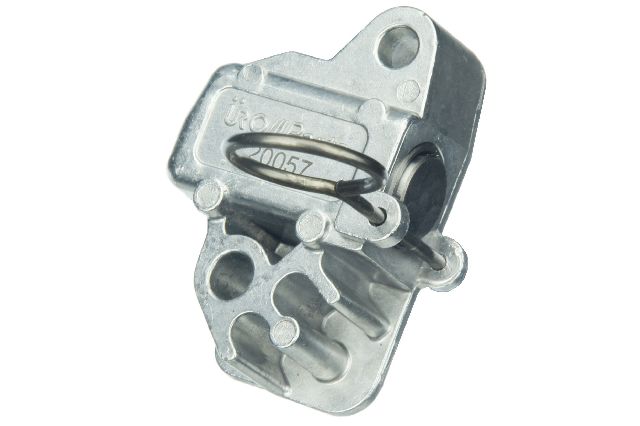
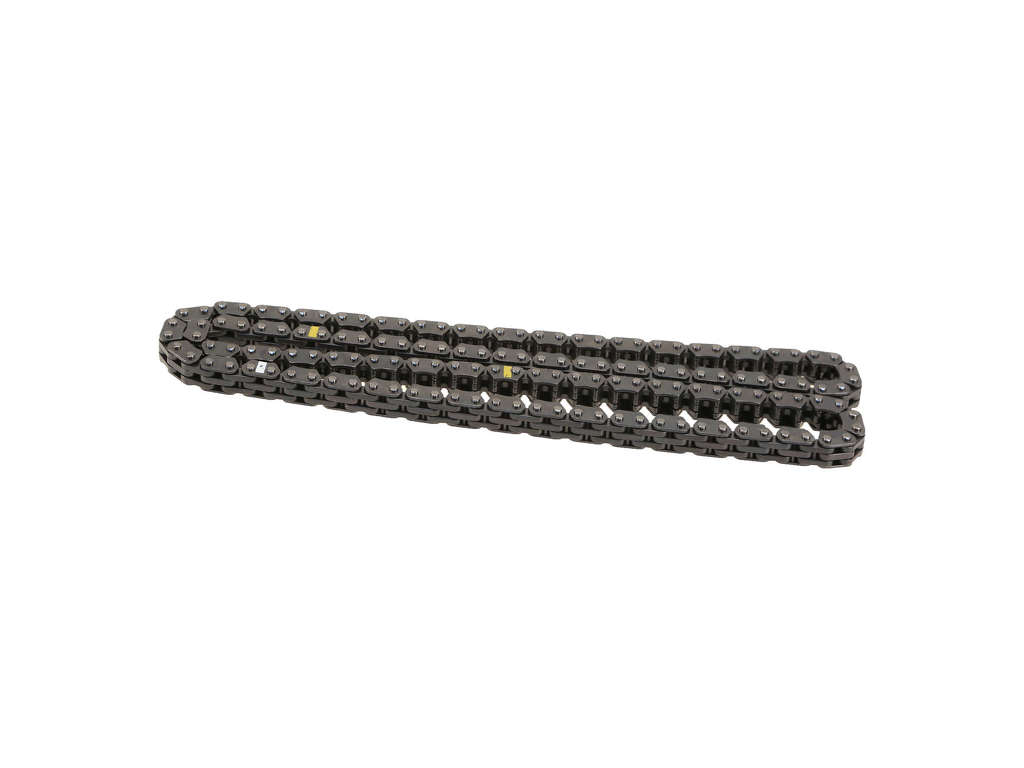
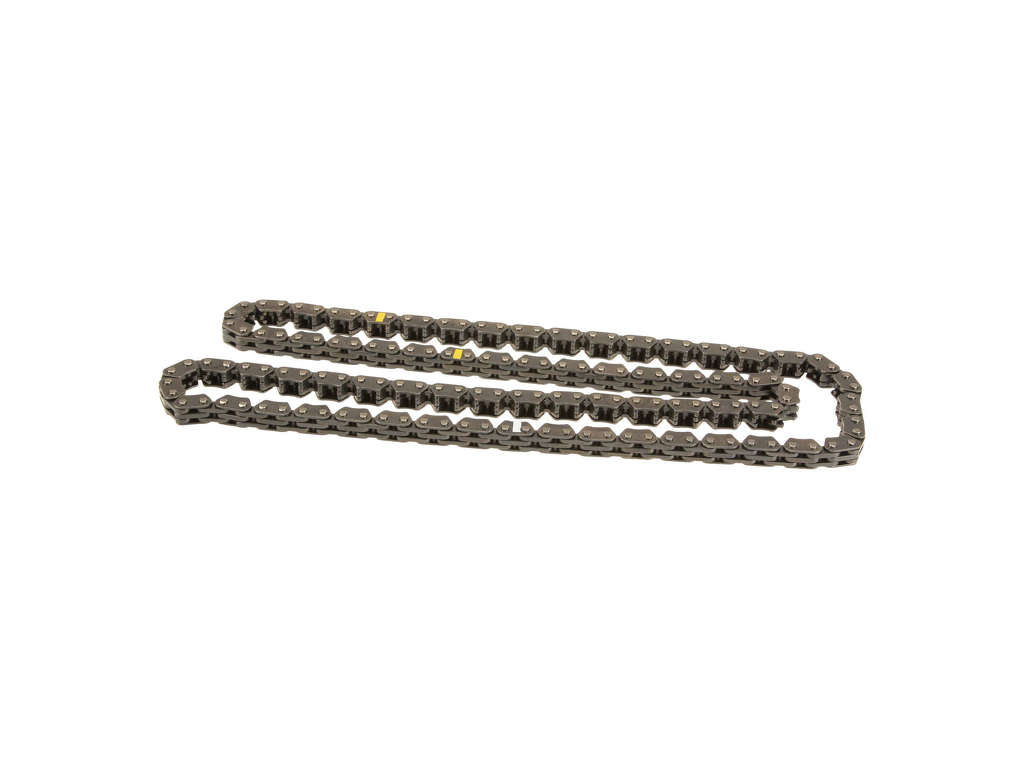
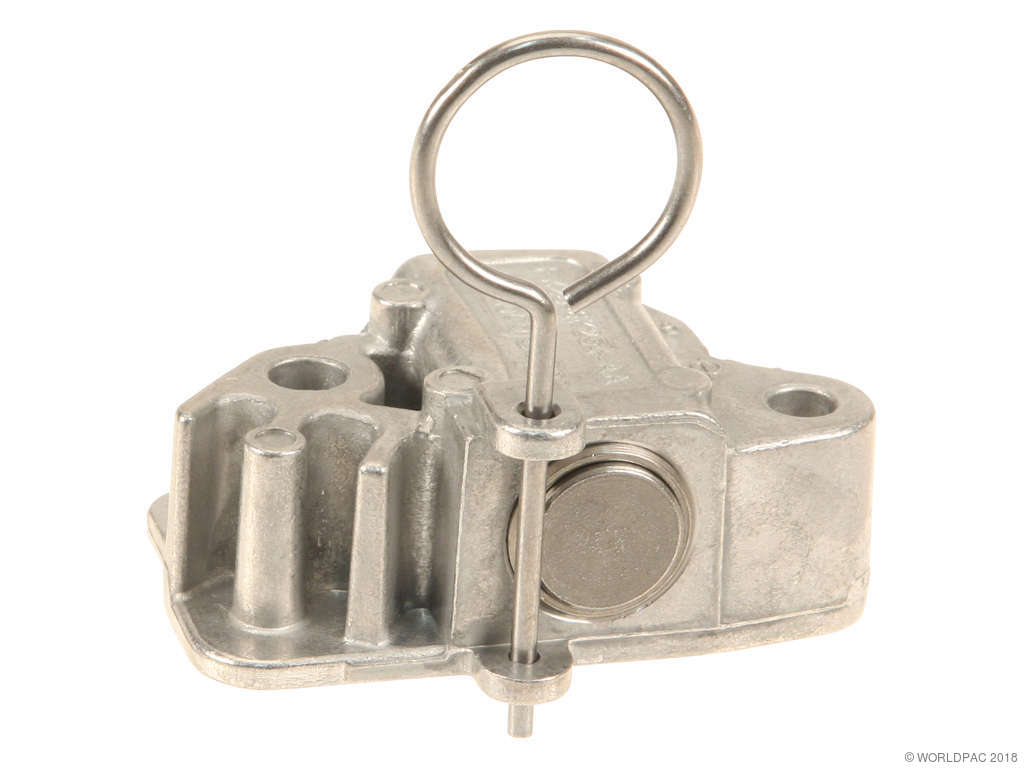
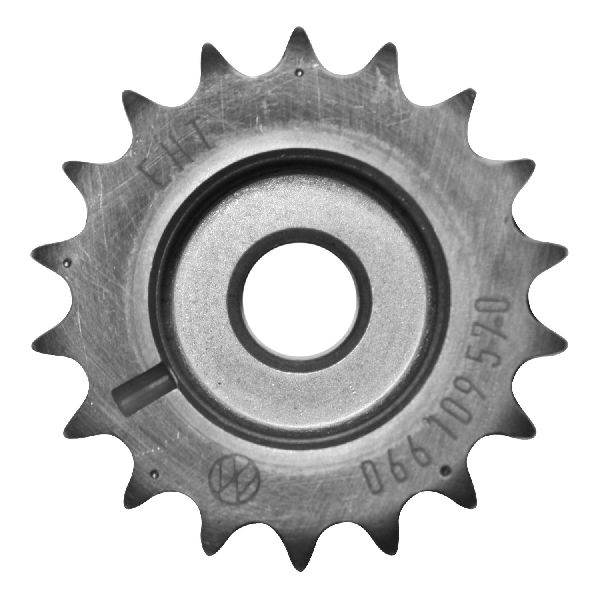
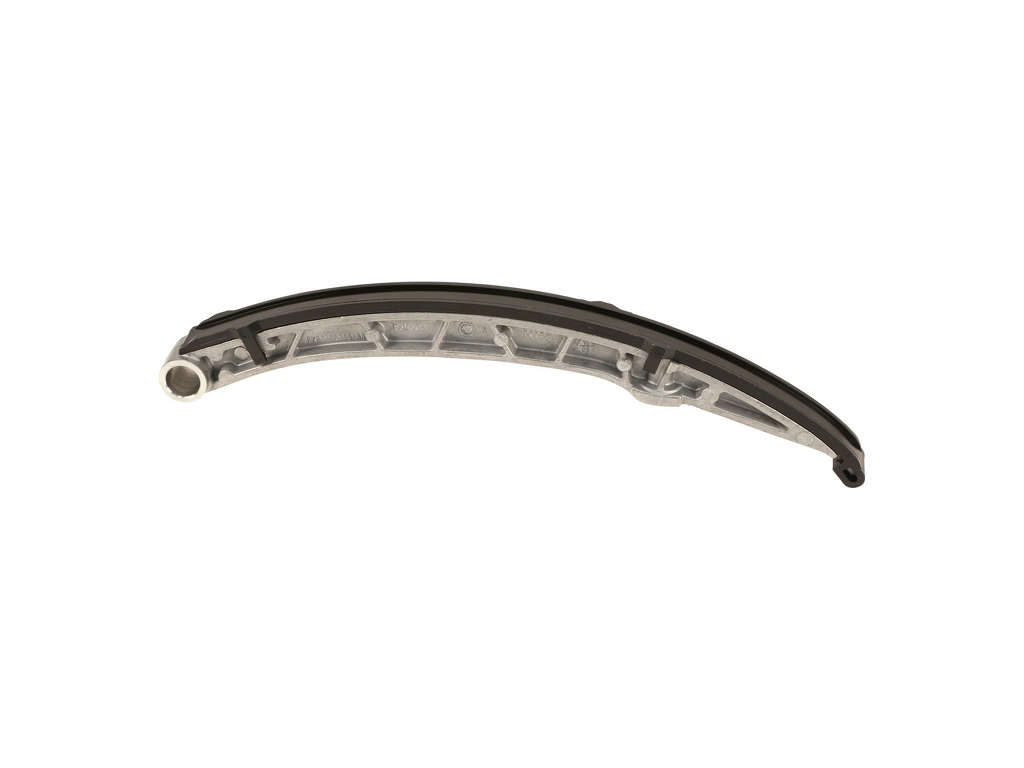
- Timing Chain Tensioner and Guide Failure (3.0L V6 & 5.0L V8 engines) 🔴 High Probability → Shop Engine Timing Chain The original timing chain guides in the AJ133 and AJ126 engines were made of a plastic/aluminum material that wears down from contact with the steel tensioner piston. This wear introduces slack into the timing chain, causing correlation errors and eventually engine failure if the chain jumps. This is a widely documented failure point across JLR platforms with these engines.
How to confirm: Listen for a distinct rattle from the front of the engine on a cold start. A professional will need to perform a physical inspection of the timing components, which is a labor-intensive process. A scope test comparing crank and cam signals can also confirm the timing deviation.
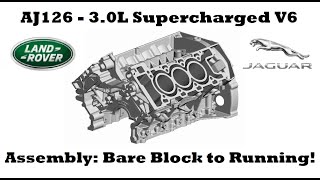
Typical fix: Complete replacement of the timing chains, tensioners, and guides with the updated parts. This is a major engine-out or front-cover-off service. 🎬 Watch: A complete AJ126 and AJ133 engine assembly walkthrough
Est. part cost: $500-$1200 for a full OEM or high-quality aftermarket kit. - Faulty Intake VCT Actuator (2.0L I4 engine) 🔴 High Probability → Shop Engine Timing Gear As identified in TSB JTB00480NAS2, the 'stopper' inside the intake Variable Camshaft Timing (VCT) actuator can detach. This prevents the actuator from functioning correctly, causing it to rotate freely and trigger correlation codes like P0017.
How to confirm: A technician can follow the diagnostic procedure in TSB JTB00480NAS2, which involves removing the valve cover and checking for free rotation of the camshaft. A rattling noise may also be present.
Typical fix: Replacement of the intake VCT actuator.
Est. part cost: $150-$250 for the actuator (Part No. C2D51307, superseded by C2Z32120). - Low or Dirty Engine Oil (All Engines) 🟡 Medium Probability The VVT/VCT systems and hydraulic timing chain tensioners rely on clean oil at the correct pressure to function. Low or sludgy oil can impede their operation and trigger timing correlation faults.
How to confirm: Check the oil level and condition. If it's low or very dirty, this should be addressed first before any parts are replaced.
Typical fix: Perform an oil and filter change using the manufacturer-specified grade of oil (e.g., 5W-20 for the V8/V6). Clear codes and see if the problem returns.
Est. part cost: $80-$150 for oil and filter - Faulty VVT/VCT Solenoid (All Engines) 🟡 Medium Probability → Shop Engine Variable Valve Timing (VVT) Solenoid The solenoid (also called an oil control valve) can become clogged with debris from old oil or fail electrically, preventing it from correctly directing oil to the cam phaser/actuator.
How to confirm: A technician can test the solenoid's resistance and function. A common diagnostic step is to swap the suspect solenoid with one from another bank and see if the fault code follows it (e.g., changes to P0019).
Typical fix: Replacement of the faulty VVT solenoid.
Est. part cost: $70-$200 per solenoid. - Faulty Camshaft or Crankshaft Position Sensor (All Engines) ⚪ Low Probability → Shop Engine Crankshaft Position Sensor
How to confirm: Test the sensor's output with an oscilloscope or multimeter. Swapping the Bank 1 exhaust cam sensor with the Bank 2 sensor is a good diagnostic step. If the code changes to P0019, the sensor is bad.
Typical fix: Replacement of the failed sensor.
Est. part cost: $50-$150 per sensor.
Rare But Worth Checking
- Damaged VVT phaser/actuator: The internal locking pin or mechanism of the phaser itself can fail, causing it to be out of position even with a functional solenoid.
- Damaged reluctor wheel on the camshaft: The toothed wheel that the camshaft sensor reads can be damaged or slip, causing incorrect readings.
- Wiring harness issue: A short or open circuit in the wiring to the camshaft sensor or VVT solenoid can mimic a component failure.
- Faulty Engine Control Unit (ECU): In very rare cases, after all mechanical and sensor issues have been ruled out, the ECU itself may be the cause. One forum user reported replacing an ECU to finally resolve a persistent P0017 after an engine rebuild.
Diagnosis Steps
- Check Engine Oil: Verify the oil level is correct and the oil is clean. Low or dirty oil is a common cause of VVT system issues and should be rectified before further diagnosis.
- Scan for Other Codes: Check for other related codes (like P0016, P0019, P0026) that can help pinpoint the problem area.
- Listen for Noise: On a cold engine start, listen carefully for a 2-5 second rattle from the front of the engine. This is a key indicator of timing chain issues on V6/V8 models.
- Isolate Components (Sensors/Solenoids): As suggested in forum discussions, swap the Bank 1 exhaust camshaft sensor and/or VVT solenoid with their counterparts on Bank 2. Clear the codes and run the engine. If the fault moves to Bank 2 (e.g., P0019), the swapped component is faulty.
- Inspect VCT Actuator (2.0L I4 Only): Follow the procedure in TSB JTB00480NAS2 to inspect the intake VCT actuator for failure by checking for excessive rotational play.
- Scope Test: A professional technician should use an oscilloscope to view the live waveform patterns from the crankshaft and camshaft position sensors. This can definitively confirm if the correlation is out of specification, pointing to a mechanical timing issue.
- Mechanical Timing Inspection: If the above steps do not resolve the issue, a professional mechanical inspection is required. This involves accessing the timing cover to check for timing chain slack, guide wear, or damage to the phasers/actuators. This is an invasive and labor-intensive step.
Parts You'll Likely Need
- Timing Chain Kit (Chains, Guides, Tensioners)
(OEM #TC4203FK (V8 Kit), TC4202FK (V6 Kit))— This is the most common fix for the 3.0L V6 and 5.0L V8 engines experiencing code P0017 due to worn guides and chain stretch.
Trusted brands: Jaguar (OEM), OE Supplier (e.g., INA, Tsubaki)
Related Codes That Often Appear With This One
- P0016 — This code indicates the same correlation error but for the intake camshaft (Sensor A) on Bank 1. Seeing both P0016 and P0017 together strongly suggests a base timing issue, like a jumped or stretched timing chain.
- P0019 — This is the equivalent of P0017 but for Bank 2. If you swap sensors or solenoids from Bank 1 to Bank 2 and the code changes from P0017 to P0019, you have identified the faulty component.
- P0026 — This code relates to the Intake Valve Control Solenoid Circuit. It is specifically mentioned alongside P0017 in the TSB for the 2.0L engine issue.
- P0341 — This code indicates a Camshaft Position Sensor 'A' Circuit Range/Performance issue. It is also mentioned in the TSB for the 2.0L engine.
Technical Service Bulletins (TSBs) & Recalls
- JTB00480NAS2: 'Intake Camshaft Variable Cam Timing Actuator - Component Failure' - Details the issue with the detached 'stopper' in the VCT actuator on 2.0L GTDi engines, causing codes P0016, P0017, P0026, or P0341.
Platform-Specific Known Issues
- 3.0L/5.0L Engine Timing Chain Failure: The most significant issue for V6/V8 models is the premature failure of the timing chain guides. The original guides wear out, causing chain slack, which leads to a cold-start rattle and sets correlation codes like P0017. This is a well-documented, widespread problem.
- 2.0L Engine VCT Actuator Failure: TSB JTB00480NAS2 specifically calls out a manufacturing defect in the intake VCT actuator for the 2.0L engine, which can cause codes P0016 and P0017 along with a rattle.
Mechanic-Grade Diagnostic Values
- VVT Solenoid Coil Resistance — expected: Approximately 7.0 - 12.0 Ohms. Failure: A reading significantly outside this range, such as 26 Ohms as reported by one user, or an open/short circuit, indicates a failed solenoid. A healthy solenoid should also produce an audible 'clack' when 9V or 12V is applied.
- Main Engine Ground Strap Voltage Drop — expected: Less than 0.5V. Failure: A voltage reading higher than 0.5V while cranking the engine (measured from the battery negative post to the engine block) indicates a poor ground connection, which can cause erratic sensor readings.
Scan Tool Commands That Help
- High-end bidirectional scanner (e.g., Autel, Snap-on, Jaguar SDD): VVT Solenoid Actuation Test / VVT Control — This command allows the technician to manually activate the VVT solenoid while the engine is running. If activating the solenoid causes a noticeable change in engine idle (e.g., makes it run rough or stall), it confirms the solenoid and VVT phaser are mechanically responding to commands. If there is no change, it points to a stuck solenoid, a clogged oil passage, or a failed phaser.
Wiring & Ground Locations
- Main Engine Ground Strap — Located on the right side (US passenger side) of the vehicle, connecting the lower frame/cross-member to the transmission bell housing or engine block, often near the starter motor.. A corroded or loose main engine ground can cause a host of electrical problems, including erratic signals from the crankshaft and camshaft position sensors, which rely on a clean ground reference for accurate readings. This can lead to false correlation codes.
- G1D120 / G1D123 — Located at the right rear of the engine compartment.. These are primary ground points for the engine control system. Official Jaguar electrical guides reference these points for multiple engine sensors and the Engine Control Module (ECM), making their integrity critical for preventing spurious codes.
- Camshaft Position Sensor Connector (V6/V8) — There are four sensors on the V6/V8. On each bank, they are located on the top/rear of the camshaft covers. Access may require removing the engine intake pipes.. Knowing the physical location is necessary for testing, inspection of the wiring, and swapping sensors for diagnosis.
Real Owner Repair Stories
- JaguarForums user 'kansanbrit' (Jaguar/Range Rover with 5.0L SC V8 (AJ133 engine)) — Persistent P0017 error code after an engine rebuild. Live data showed the Bank 1 exhaust cam timing jumping to 150 degrees at idle, while the good bank was steady at 120 degrees.
❌ Tried (didn't work) Swapping the camshaft position sensor., Verifying the signal looked clean on an oscilloscope., Manually actuating the VVT phaser with a tool (which showed it could move correctly)., Initially ruling out a mechanical phaser issue because the timing reading was advancing beyond its physical capability.
✅ What actually fixed it Replacing the Engine Control Unit (ECU). The user concluded the original ECU was faulty, causing it to misinterpret the cam sensor data and report impossible timing values, which ultimately resolved the P0017 code.
OEM Part Supersession History
C2D51307→C2Z32120— Updated part for the 2.0L I4 Intake VCT Actuator. The original part was prone to an internal 'stopper' detaching, as noted in TSB JTB00480NAS2.Aluminum-body timing chain guides (pre-2015)→Steel-body timing chain guides (post-2015)— The original aluminum guides on AJ133/AJ126 engines were prone to wear from the steel tensioner piston, leading to chain slack. The updated guides have a steel insert to prevent this wear.
Heads up: When performing a timing chain service, it is critical to use the updated steel-body guides to prevent a recurrence of the failure.
Helpful Videos
We Have This Part in Stock

The information in this article is provided for general reference and educational purposes only. Vehicle specifications, procedures, and part compatibility can vary by production date, trim level, and region. Always consult your vehicle's factory service manual and verify part numbers before purchasing or performing repairs. Safety-critical components such as airbags, seat belts, and braking systems should be installed by a qualified professional.
- Jaguar XF:
- 🧭 Diagnostic Flowchart
- 🎬 Helpful Videos
- 🛍️ Shop This Part
- What's Unique About the 2013-2015 Jaguar XF
- Symptoms You May Notice
- Most Likely Causes
- Rare But Worth Checking
- Diagnosis Steps
- Parts You'll Likely Need
- Related Codes That Often Appear With This One
- Technical Service Bulletins (TSBs) & Recalls
- Platform-Specific Known Issues
- Mechanic-Grade Diagnostic Values
- Scan Tool Commands That Help
- Wiring & Ground Locations
- Real Owner Repair Stories
- OEM Part Supersession History
- 🎟️ Get 5% Off