

P0017 on 2011-2021 Jeep Grand Cherokee 3.6L: Causes and Fixes for Cam/Crank Correlation
Code P0017 on a 3.6L Grand Cherokee is most often caused by low, dirty, or incorrect viscosity engine oil, and sometimes a collapsed oil filter. Always check your oil level and condition first. If the oil is fine, the next likely culprits are a faulty VVT solenoid or camshaft position sensor, which are relatively inexpensive parts. A persistent rattling noise from the engine, especially on startup, points to a more serious and costly possibility like a stretched timing chain or failed rocker arm
- Always start your diagnosis by checking the engine oil level and condition. This is the most common and cheapest fix.
- If the oil is good, suspect the camshaft position sensor or VVT solenoid before assuming a major mechanical failure.
- A rattling noise from the engine combined with P0017 is a strong indicator of a stretched timing chain, which requires professional repair.
- Do not ignore this code. Driving with a persistent P0017 can lead to poor performance, stalling, and potentially catastrophic engine damage if the timing chain fails completely.
What's Unique About the 2011-2021 Jeep Grand Cherokee
The 3.6L Pentastar V6 relies heavily on clean engine oil at the correct pressure to operate its sophisticated Variable Valve Timing (VVT) system. Many P0017 codes on this engine are triggered by oil maintenance issues, including collapsed aftermarket oil filters which are a known problem. While sensor failures are possible, the root cause is often either simple (oil-related) or complex (a stretched timing chain, failed rocker arms, or loose oil galley plugs), making a thorough diagnosis essential. The Pentastar engine was updated around 2016, adding a Variable Valve Lift (VVL) system, which adds some diagnostic complexity for later models, but the common causes for P0017 remain similar.
Symptoms You May Notice
- Check Engine Light is on
- Rough or uneven idle
- Engine stalling, especially at low speeds or when decelerating to a stop.
- Hesitation or loss of power during acceleration
- Poor fuel economy
- Rattling noise from the engine, especially on cold startup.
- Engine may enter a 'limp mode', limiting speed.
- Replacing the camshaft or crankshaft sensors without first checking the engine oil level, condition, and filter type.
- Replacing sensors when the underlying issue is a stretched timing chain or low oil pressure from a loose galley plug.
- Assuming the timing chain is the problem without first ruling out simpler issues like a clogged VVT solenoid or faulty sensor.
- A Reddit user reported getting a P0017 code after a rocker arm replacement, fearing they had messed up the timing. The issue persisted after checking timing marks and replacing the sensor, highlighting the diagnostic complexity.
Most Likely Causes
- Low, Dirty, or Incorrect Viscosity Engine Oil 🔴 High Probability The Pentastar's VVT system uses oil pressure to adjust cam timing and is highly sensitive to oil quality, level, and pressure. Using non-OEM or collapsed oil filters can also restrict oil flow and trigger this code.
How to confirm: Check the engine oil level via the dipstick and inspect its condition. If it's low, dark, or sludgy, it needs to be changed. Ensure a Mopar-spec oil filter is used.
Typical fix: Perform an oil and filter change using the manufacturer-specified oil viscosity (typically 5W-20 or 5W-30, check your owner's manual) and an OEM Mopar filter.
Est. part cost: $50-$100 - Faulty Camshaft Position Sensor (Bank 1, Exhaust) 🟡 Medium Probability → Shop Engine Camshaft Position Sensor Sensors can fail over time due to heat and vibration, sending incorrect data to the PCM.
How to confirm: Swap the suspected sensor (Bank 1 exhaust) with the intake sensor on the same bank. Clear the codes. If the code changes to P0016, the sensor is faulty. A multimeter can also be used to test the sensor's 5-volt supply from the PCM with the ignition on.
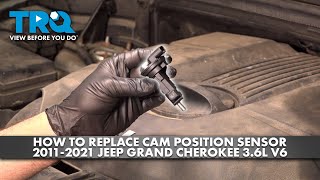
Typical fix: Replace the faulty camshaft position sensor. Using an OEM Mopar sensor is highly recommended as aftermarket sensors are known to cause issues.
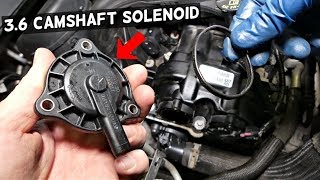
Est. part cost: $25-$75 - Faulty VVT Solenoid / Oil Control Valve (OCV) 🟡 Medium Probability → Shop Engine Variable Valve Timing (VVT) Solenoid The solenoid can get clogged with sludge from dirty oil or fail electrically, preventing it from properly directing oil to the cam phaser.
How to confirm: You can test the solenoid's resistance with a multimeter (should be 6.9-7.9 ohms) or apply 12v to see if it actuates with a clicking sound. Swapping it with the intake solenoid is also a valid diagnostic step to see if the code follows.
Typical fix: Replace the VVT solenoid for the Bank 1 exhaust camshaft. It is often recommended to replace both solenoids on the bank 🎬 See this walkthrough on how to replace the VVT solenoid. at the same time.
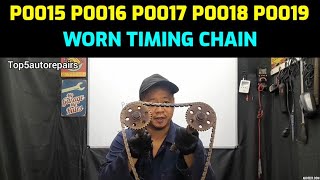
Est. part cost: $40-$100 - Stretched Timing Chain or Failed Tensioner/Guides ⚪ Low Probability → Shop Engine Timing Chain Timing chains on high-mileage Pentastars (typically over 80,000-100,000 miles) can stretch. Early production tensioners were also less robust, allowing chain slack on startup, which accelerates wear.
How to confirm: This is a major mechanical inspection requiring removal of the timing cover. A persistent rattling noise from the front of the engine on cold starts is a strong indicator. An oscilloscope can be used to compare cam and crank sensor waveforms against a known good pattern to confirm a timing misalignment.
Typical fix: Replace the timing chains, guides, and tensioners. This is a labor-intensive job often costing $1,500-$2,500.
Est. part cost: $300-$600
Rare But Worth Checking
- Failed Rocker Arm / Damaged Camshaft: → Shop Engine Camshaft A known issue on the 3.6L Pentastar is rocker arm failure, often producing a ticking or tapping noise. This can lead to camshaft damage, which in turn can trigger timing correlation codes like P0017. One owner on a forum for Jeep Gladiators (which share the engine) confirmed this sequence of failure.
- Slipped or Damaged Camshaft Tone Ring: → Shop Engine Camshaft The tone ring, which the camshaft sensor reads, is pressed onto the camshaft. In rare instances, it can shift or get damaged, causing incorrect sensor readings even if the mechanical timing is perfect.
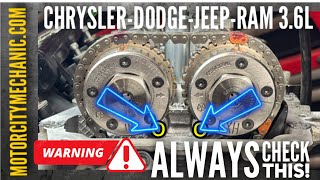
- Loose Oil Galley Plugs: There are 13mm oil galley plugs located under the valve cover behind the cam phasers. These have been known to loosen or fall out, causing a significant loss of oil pressure to the phasers and triggering timing codes like P0017. A technician on a forum noted that checking these is a routine part of any valve cover job 🎬 Watch: How to check for loose oil galley plugs. on this engine.
Diagnosis Steps
- Check Engine Oil: Before anything else, verify the engine oil is at the correct level and is clean. Ensure a quality OEM Mopar filter is installed, as collapsed filters are a known issue. An oil change may resolve the issue.
- Scan for Other Codes: Use an OBD-II scanner to confirm P0017 is present and check for any other codes that could provide more clues (e.g., P0016, P000B, P06DD). Note the freeze frame data.
- Inspect Sensor Wiring: Visually inspect the wiring harness and connector for the Bank 1 exhaust camshaft position sensor (passenger side, rear of the cylinder head) for damage, corrosion, or loose connections.
- Test the Camshaft Sensor: A common DIY test is to swap the Bank 1 exhaust sensor with the Bank 1 intake sensor. Clear the codes and drive the vehicle. If the code changes to P0016, the sensor you moved is bad.
- Test the VVT Solenoid: If sensors are good, inspect the VVT solenoid (oil control valve) for the Bank 1 exhaust cam. Check for sludge on the screens. You can test its function by applying a 12V source to listen for a click or by checking resistance with a multimeter (spec is 6.9-7.9 ohms).
- Listen for Mechanical Noise: Start the engine and listen for a distinct rattling from the front of the engine (timing chain) or a ticking/tapping from the valve covers (rocker arms).
- Mechanical Inspection: If the above steps do not resolve the issue, a deeper mechanical inspection is needed. This involves removing the valve cover to check for loose oil galley plugs, which is a known issue. If those are tight, the next step is checking for a stretched timing chain, failed tensioners/guides, or damaged cam phasers. This step often requires significant disassembly and is best left to a professional.
Parts You'll Likely Need
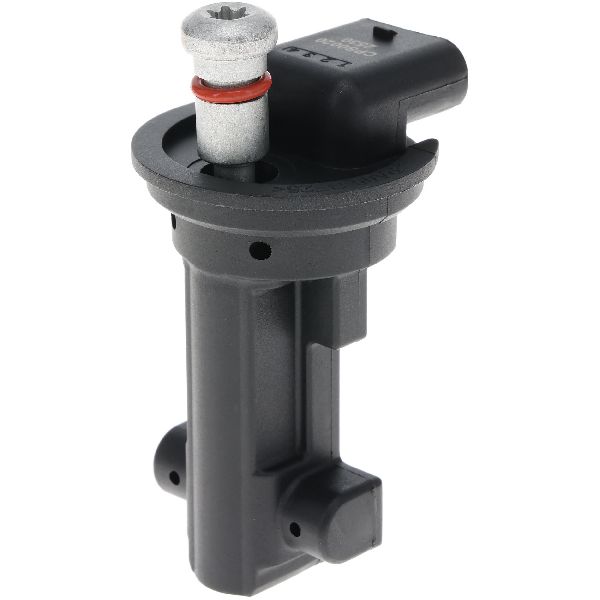
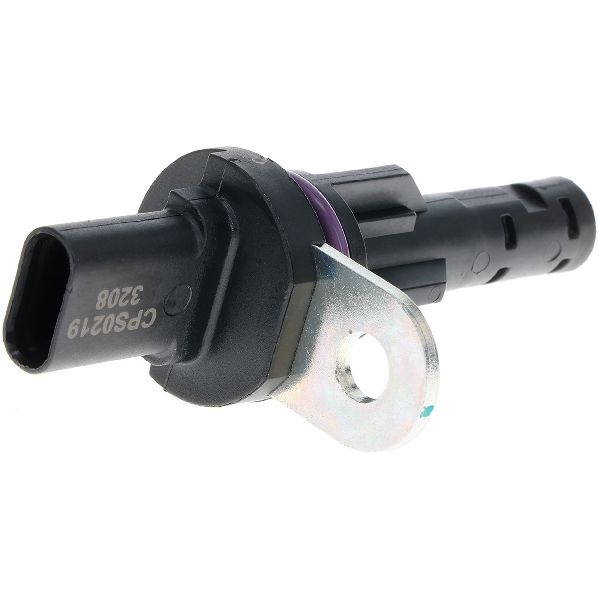
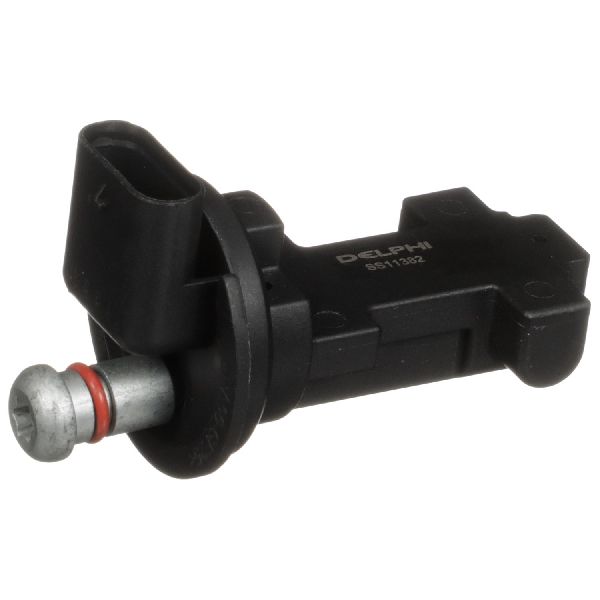
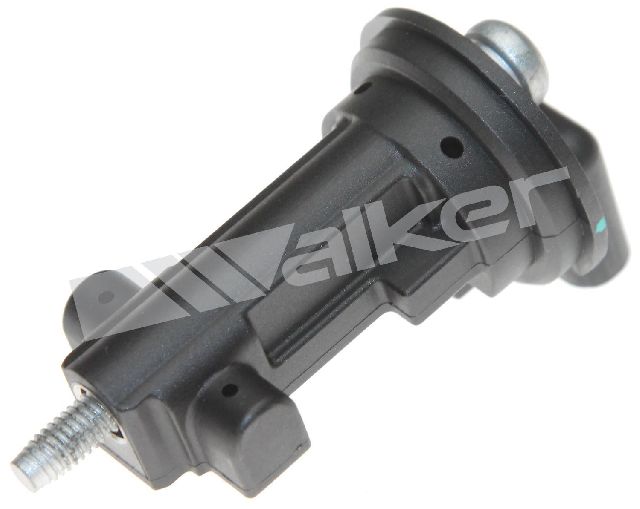
- Camshaft Position Sensor
(OEM #5149141AF)— This sensor directly measures the camshaft's position. A failure will cause the PCM to receive incorrect data, triggering the code. It is a common failure point and relatively easy to replace.
Trusted brands: Mopar, NTK/NGK
Related Codes That Often Appear With This One
- P0016 — This code is for the intake camshaft on the same bank (Bank 1). It can appear with P0017 if there's a systemic issue like a stretched timing chain or a loose oil galley plug affecting the whole bank. It will also appear if a faulty exhaust sensor is swapped to the intake position for diagnosis.
- P0018 / P0019 — These are the corresponding correlation codes for Bank 2 (driver's side). Seeing codes for both banks simultaneously strongly suggests a problem affecting the entire engine, such as low oil pressure from a collapsed filter or a failing oil pump.
- P000A / P000B — These codes indicate a slow response from the camshaft position actuator system. Seeing them with P0017 points toward an oil pressure or VVT solenoid issue, as the cam phaser isn't moving as quickly as commanded.
- P06DD — This code for 'Engine Oil Pressure Control Circuit Stuck Off' strongly indicates an underlying oil pressure problem (like a failing oil pump) is the root cause of the VVT-related P0017 code.
Technical Service Bulletins (TSBs) & Recalls
- TSB #09-002-14 REV. B - Mentions P0300 misfires on early (2011-2013) 3.6L engines due to a defective left cylinder head, which can present alongside timing codes.
- TSB #S2109000001 - Notes that non-OEM or low-quality oil filters can cause an immediate oil pressure drop and trigger related codes on the 3.6L Pentastar.
- TSB Bulletin #09-009-16 - Specifically addresses instances where the engine runs rough and the technician finds P0017 (Crankshaft/Camshaft Timing Misalignment - Bank 1 Sensor 2) or P0019 set in the PCM.
Platform-Specific Known Issues
- Rocker Arm Failure: The 3.6L Pentastar is known for potential rocker arm bearing failure, which creates a ticking sound and can lead to camshaft damage, triggering timing codes like P0017.
- Collapsed Oil Filter Cartridge: Using low-quality oil filters can lead to the filter element collapsing, which restricts oil flow and can cause oil pressure-related codes, including P0017.
Mechanic-Grade Diagnostic Values
- VVT Solenoid (Oil Control Valve) Coil Resistance — expected: 6.9 to 7.9 Ohms at 68°F (20°C). Some sources allow a broader 5 to 15 Ohms.. Failure: A reading of infinity (OL) indicates an open circuit; a very low reading (< 2 Ohms) indicates a short.
- Camshaft Position Sensor Supply Voltage — expected: 5.0 Volts (with ignition on, engine off).. Failure: Significantly lower or no voltage suggests a wiring issue or a problem with the PCM's 5V reference circuit.
- Cam/Crank Difference (Live Scan Tool Data) — expected: Close to 0 degrees at idle.. Failure: A consistent difference of more than 10-11 degrees between the desired and actual camshaft position will trigger the P0017 code.
- Oil Galley Plug Torque — expected: 13 ft-lbs (156 in-lbs).. Failure: Plugs that are loose to the touch have backed out and are causing a pressure loss.
Scan Tool Commands That Help
- wiTECH (or equivalent professional scanner): VVT Solenoid Actuation Test — This bidirectional command allows a technician to manually command the VVT solenoid on and off to test its function. If commanding the solenoid causes no change in engine idle or sound, it points to a failed solenoid, clogged oil passages, or a lack of oil pressure.
Wiring & Ground Locations
- Bank 1 Camshaft Position Sensor Connector — On the passenger side (Bank 1) cylinder head, towards the rear of the engine.. This is the direct electrical connection for the sensor in question. Oil contamination, corrosion, or loose pins at this connector can cause intermittent or failed signals, triggering P0017.
- Engine Ground Strap — On the passenger side of the engine, visible from under the hood, attaching the engine block (near the alternator) to a ground bolt on the frame.. A corroded or loose main engine ground can cause a variety of electrical issues, including erratic sensor readings. While not a direct cause, a poor ground can lead the PCM to misinterpret sensor data, potentially contributing to correlation codes.
- Oil Galley Plugs — Under the valve covers, located at the front of the cylinder heads behind the cam phasers. They are 13mm bolts.. These plugs cap the oil galleys that supply pressure to the cam phasers. If they loosen and back out, it causes a severe oil pressure drop to the phaser, preventing it from adjusting cam timing correctly and directly causing codes like P0017.
Real Owner Repair Stories
- Reddit r/AskMechanics (2015 Chrysler 300 3.6L Pentastar V6) — Code P0017 appeared immediately after a major timing and rocker arm replacement job.
❌ Tried (didn't work) The initial parts replacement (timing components, rocker arms) was the trigger.
✅ What actually fixed it The issue was traced to incorrect timing assembly during the major repair, requiring the job to be redone correctly. - Jeep Gladiator Forum (2022 Jeep Grand Cherokee L 3.6L) — Ticking noise, followed by severe mechanical failure and timing codes.
❌ Tried (didn't work) In a similar case, another shop had replaced a cylinder head but failed to tighten the oil galley plugs.
✅ What actually fixed it The root cause was diagnosed as rocker arm failure which led to subsequent camshaft damage, triggering the timing codes. The fix required replacing the failed rocker arms and damaged camshaft.
OEM Part Supersession History
5149141AE (and earlier revisions)→5149141AF— Standard part evolution for improved reliability or manufacturing process changes.
Heads up: 5149141AF is the current and widely accepted replacement for the 3.6L Pentastar across many Chrysler/Jeep/Dodge models for the specified years. No major incompatibilities are noted when using this genuine Mopar part.
Model Year Variations Within This Range
- 2011-2015: These models use the first-generation 3.6L Pentastar. Diagnostics are primarily focused on oil pressure, VVT solenoids, phasers, and timing chain wear. These earlier engines were also more known for left-bank cylinder head issues (not directly related to P0017) and rocker arm failures.
- 2016-2021: These models feature the 'Pentastar Upgrade' (PUG) engine. It adds a two-stage Variable Valve Lift (VVL) system to the intake side, has a higher compression ratio (11.3:1 vs 10.2:1), and other internal changes. This adds another layer of solenoids and complexity to the valvetrain, although the primary causes for a P0017 (exhaust cam) code remain the same.
Diagnostic Flowchart
Other Known Issues on This Vehicle
Issues unrelated to this code that are worth knowing about as an owner of this generation:
- Cracked Oil Filter Housing / Cooler Assembly 🔴 High → Shop Engine Oil Filter Adapter — Extremely common, especially on 2011-2015 models. The plastic housing is located in the engine 'V' and is prone to cracking from heat cycles, causing significant oil leaks. (Ref: No recall, but it is a widely recognized failure point.)
- Rocker Arm and Camshaft Failure 🔴 High → Shop Engine Camshaft — Common, often occurring between 75,000 and 100,000 miles. Failure of the rocker arm's needle bearings leads to a 'typewriter' ticking noise and can cause damage to the camshaft lobes.
- Faulty Totally Integrated Power Module (TIPM) 🔴 High — Widespread on 2011-2013 models. A faulty internal fuel pump relay can cause the engine to stall while driving or fail to start. Other electrical issues like random horn activation or wiper movement are also common. (Ref: Recalls #14V530000, #15V461000, #19V813000 were issued to address the fuel pump relay failure.)
- Cooling System Failures (Radiator, Water Pump, Thermostat) 🟠 Medium — Premature failure of the water pump, thermostat, and radiator are commonly reported. A stuck thermostat can lead to overheating.
- Left Cylinder Head Defect (2011-2013) 🔴 High — Affected early Pentastar engines (2011-early 2013). Excessive wear on valve guides and seats on cylinder #2 would cause misfires and check engine lights. Chrysler extended the warranty for this specific issue. (Ref: Extended Warranty (10 years/150,000 miles) was offered by Chrysler. TSB 09-002-14 REV. B is related.)
Used vs. New Parts: Buying Guide for This Vehicle
When a used part is the smart pick: For major mechanical components like a complete cylinder head assembly (if damaged by a rocker arm failure), a low-mileage used part can be a cost-effective option. However, for the direct causes of P0017, new parts are almost always recommended.
Donor-vehicle mileage cap: roughly under 75000 miles for the part to have meaningful remaining life.
What to inspect on the donor part:
- Check for signs of heavy oil sludge or varnish under the oil cap of the donor engine.
- Ask for maintenance records if possible, specifically looking for regular oil changes.
- Inspect for any visible damage, corrosion, or stripped bolts on the component itself.
OEM-only on this vehicle (don't cheap out):
- Camshaft Position Sensor
- Crankshaft Position Sensor
- VVT Solenoids (Oil Control Valves)
- Timing Chain Kit (Chains, Guides, Tensioners)
Aftermarket brands forum-validated for this vehicle:
- Dorman OE FIX (for aluminum oil filter housing upgrade)
Brands owners have reported issues with on this vehicle:
- Unnamed or 'white box' camshaft/crankshaft sensors are frequently reported as being dead-on-arrival or failing prematurely.
- Cheap, plastic aftermarket oil filter housings that replicate the failure-prone original design.
Real Owner Stories
Aggregated from forums and TSBs cited above. Mileages and costs reflect what owners reported in those sources.
2014 Dodge Durango 3.6L V6
Symptoms: Persistent P0017 code after replacing a bad rocker arm.
What fixed it: The owner detailed a struggle with diagnostic challenges following a mechanical failure of the rocker arm.
Source hint: Reddit r/MechanicAdvice
2013 Ram 1500 3.6L V6
Symptoms: Simultaneous P0016 and P0017 codes.
What fixed it: The issue was identified as a base timing problem (stretched timing chain) rather than a sensor fault.
Source hint: RamForum.com
2012 Jeep Wrangler (JK) 3.6L V6
Symptoms: Timing codes and ticking/tapping from the valve covers.
What fixed it: Inspection of loose oil galley plugs during a valve cover job.
Source hint: jeepgladiatorforum.com
Related OBD-II Codes
Frequently Asked Questions
Does TSB #09-002-14 REV. B apply to my 2012 Jeep Grand Cherokee 3.6L?
Can using a cheap oil filter cause a P0017 code on my Pentastar V6?
I hear a rattling noise on cold starts; is this related to P0017?
What is the specific resistance for the VVT solenoid on the 3.6L engine?
Is there a known issue with the oil galley plugs on the Grand Cherokee 3.6L?
Should I use 5W-20 or 5W-30 oil to prevent VVT timing issues?
Helpful Videos
We Have This Part in Stock


The information in this article is provided for general reference and educational purposes only. Vehicle specifications, procedures, and part compatibility can vary by production date, trim level, and region. Always consult your vehicle's factory service manual and verify part numbers before purchasing or performing repairs. Safety-critical components such as airbags, seat belts, and braking systems should be installed by a qualified professional.
- Jeep Grand Cherokee:
- 🧭 Diagnostic Flowchart
- 🎬 Helpful Videos
- 🛍️ Shop This Part
- What's Unique About the 2011-2021 Jeep Grand Cherokee
- Symptoms You May Notice
- Most Likely Causes
- Rare But Worth Checking
- Diagnosis Steps
- Parts You'll Likely Need
- Related Codes That Often Appear With This One
- Technical Service Bulletins (TSBs) & Recalls
- Platform-Specific Known Issues
- Mechanic-Grade Diagnostic Values
- Scan Tool Commands That Help
- Wiring & Ground Locations
- Real Owner Repair Stories
- OEM Part Supersession History
- Model Year Variations Within This Range
- Other Known Issues on This Vehicle
- Used vs. New Parts: Buying Guide for This Vehicle
- Real Owner Stories
- 2014 Dodge Durango 3.6L V6
- 2013 Ram 1500 3.6L V6
- 2012 Jeep Wrangler (JK) 3.6L V6
- Related OBD-II Codes
- Frequently Asked Questions
- 🎟️ Get 5% Off