

P0017 on 2011-2014 Kia Sedona 3.5L V6: Crank-Cam Correlation Causes and Fixes
For a 2011-2014 Kia Sedona, code P0017 is most often caused by low or dirty engine oil, or a failing Bank 1 exhaust Oil Control Valve (OCV). Start by checking your oil; if it's full and clean, the OCV is the next likely part to replace and costs around $50-$100. A startup rattle noise strongly suggests a more serious timing chain issue, a known weakness in this engine family.
- Always check your engine oil level and condition first. Low or dirty oil is the number one cause of CVVT-related codes like P0017.
- The Bank 1 (rear) exhaust Oil Control Valve (OCV) is the most common part failure. Swapping it with the intake OCV is a reliable diagnostic trick.
- A startup rattle noise is a strong indicator of a more serious timing chain tensioner or guide problem, a known weakness of this engine.
- Do not replace the camshaft or crankshaft sensors unless they have been specifically tested and failed. They are usually just reporting a mechanical problem.
What's Unique About the 2011-2014 Kia Sedona
The Kia/Hyundai Lambda V6 family of engines is known for being sensitive to oil maintenance. The Continuously Variable Valve Timing (CVVT) system, which this code relates to, is operated by oil pressure. Issues like failing timing chain tensioners that lose oil pressure on startup (causing a brief rattle) are a known weakness in this engine family, making mechanical timing issues a more probable cause for this code compared to other vehicles. Using genuine Kia/Hyundai oil filters is often recommended to ensure proper oil pressure for the CVVT system, as dirty or incorrect viscosity oil can clog the VVT solenoids and actuators.
Symptoms You May Notice
- Check Engine Light is on
- Poor or sluggish acceleration
- Rough idle
- Engine may stall, especially at low speeds
- Rattling noise from the engine for a few seconds on a cold startup
- Reduced fuel economy
- Replacing the camshaft position sensor or crankshaft position sensor without first checking the oil and OCV. The sensors are usually reporting a real timing issue, not failing themselves. 🎬 Watch: Understanding crankshaft and camshaft correlation codes on Kia engines.
Most Likely Causes
- Low or Dirty Engine Oil 🔴 High Probability The CVVT system is hydraulic and highly sensitive to oil level, viscosity, and cleanliness. Sludge can easily clog the small passages in the Oil Control Valves (OCVs) and cam phasers, disrupting timing adjustments.
How to confirm: Check the engine oil dipstick for proper level and inspect the oil's color and consistency. Ensure the correct oil viscosity is being used per the owner's manual.
Typical fix: Perform an oil and filter change using a high-quality oil of the manufacturer-specified viscosity and a genuine Kia/Hyundai oil filter.
Est. part cost: $30-$70 - Faulty Bank 1 Exhaust Oil Control Valve (OCV) 🔴 High Probability → Shop Engine Variable Valve Timing (VVT) Solenoid The OCV (also called a VVT solenoid) is a common failure point. It can become clogged with sludge or fail electrically, preventing it from correctly directing oil to the cam phaser. Bank 1 is the rear bank, closer to the firewall.
How to confirm: The Bank 1 OCVs are on the rear cylinder head (firewall side). You can test the solenoid's resistance with a multimeter (spec is often 6.9-7.9 Ohms). A common diagnostic trick is to swap the exhaust OCV with the intake OCV on the same bank; if the code changes to P0016, the OCV is faulty. An owner report for a related Kia model in NHTSA ODI #11288719 confirmed that after diagnosis for P0017, the mechanic found a faulty oil control component.
Typical fix: Replace the Bank 1 exhaust Oil Control Valve. This is a relatively simple repair, though access on the rear bank can be tight.
Est. part cost: $50-$120 - Stretched Timing Chain or Failing Tensioner 🟡 Medium Probability → Shop Engine Timing Chain The Lambda V6 engine family is known to have issues with timing chain tensioners that can fail or lose oil pressure, causing chain slack. This is often indicated by a startup rattle. A TSB for the related Sorento 3.5L explicitly mentions this 'cold engine start-up chatter' issue. NHTSA ODI #11648244 notes that P0017 could be caused by a timing chain being "stretched vigorously" alongside excessive oil consumption.
How to confirm: Listen for a distinct rattling sound from the engine for 2-3 seconds on a cold start. A physical inspection of the timing chain and guides for slack or damage is the definitive confirmation, but this requires significant labor, including removing the timing cover.
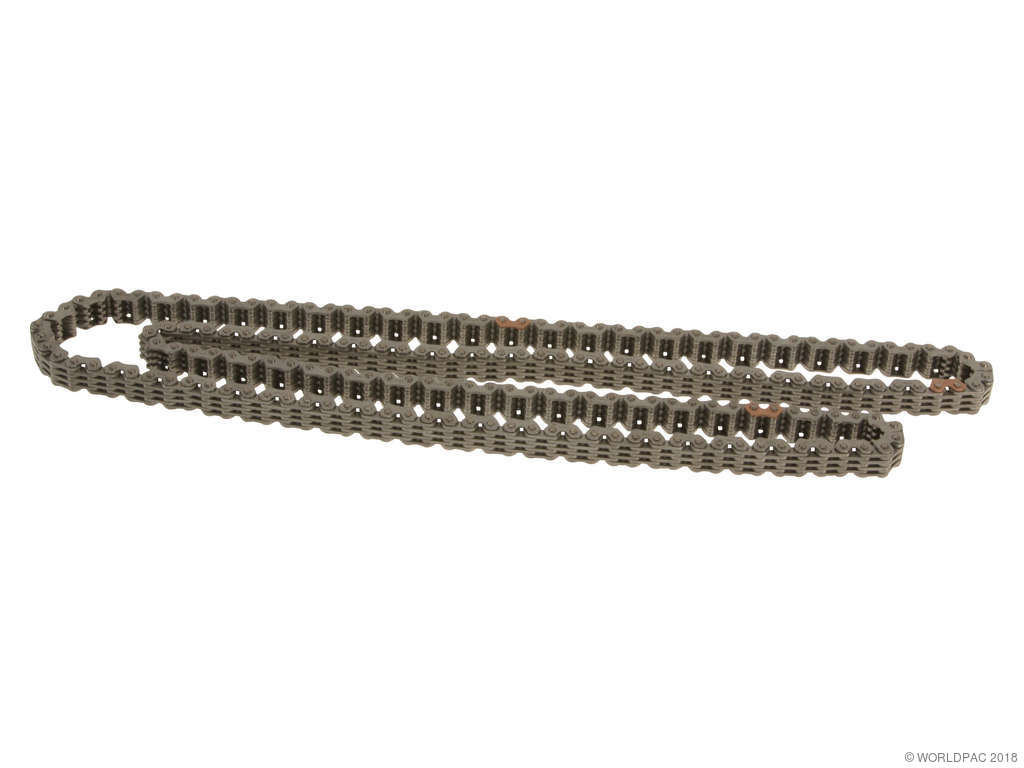
Typical fix: Replace the timing chains, guides, and tensioners. This is a labor-intensive job.
Est. part cost: $300-$600
Rare But Worth Checking
- Faulty Camshaft or Crankshaft Position Sensor: → Shop Engine Crankshaft Position Sensor This code indicates a *correlation* problem, meaning the sensors are often correctly reporting a mechanical misalignment. Replacing sensors is a common misdiagnosis and rarely fixes P0017 unless the sensor itself has failed a resistance test with a multimeter.
- Incorrectly Installed Camshaft Reluctor Wheel: → Shop Engine Camshaft According to TSB Bulletin #PS731, P0017 can occur due to an incorrect camshaft reluctor wheel configuration. This can occur after an engine replacement if the reluctor wheel (pulse wheel) on the camshaft is not clocked correctly, causing an erroneous signal. This is unlikely unless major engine work was recently performed.
- Failing CVVT Cam Phaser/Actuator: → Shop Engine Timing Gear The cam phaser itself, located at the end of the camshaft, can get stuck or fail internally. This is less common than an OCV failure but can happen, especially if the engine has a history of oil sludge. In some cases, internal engine damage may be present; NHTSA ODI #11532992 reports a instance where P0017 was triggered and metal shavings were subsequently found inside the engine.
Diagnosis Steps
- Check Engine Oil: Verify the oil level is full and the oil is clean. If the oil is old or low, perform an oil change with the correct viscosity oil and an OEM filter. Clear the code and see if it returns.
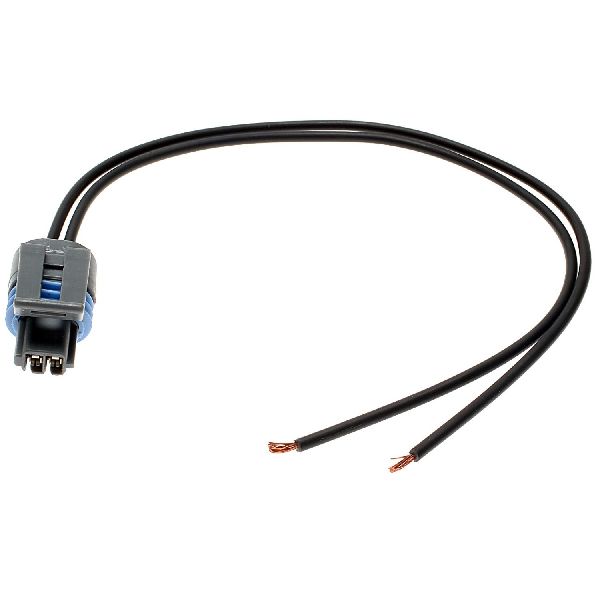
- Inspect OCV Wiring: Inspect the wiring harness and connector for the Bank 1 (rear bank) exhaust OCV for any damage, corrosion, or loose connections.
- Test the Oil Control Valve (OCV): Swap the Bank 1 exhaust OCV with the Bank 1 intake OCV. Clear the codes and drive the vehicle. If the code changes to P0016, the OCV you moved is faulty and needs to be replaced. Alternatively, test the solenoid's resistance with a multimeter.
- Test Sensors: If the OCV is not the issue, you can test the camshaft and crankshaft position sensors with a multimeter, but they are less likely to be the cause.
- Inspect Mechanical Timing: If all else fails, the issue is likely mechanical. This involves removing the engine's timing cover to inspect the timing chain for stretching and the tensioners and guides for wear or damage. This step is best left to a professional unless you are an experienced DIYer.
Parts You'll Likely Need
- Bank 1 Exhaust Oil Control Valve (VVT Solenoid)
(OEM #24360-3CAA1)— This solenoid is the most common part to fail, either by getting clogged with oil sludge or failing electrically. It controls the cam timing and is a primary cause of P0017. Bank 1 is the rear bank (firewall side), and this is the left-hand (LH) exhaust valve.
Trusted brands: Kia/Hyundai (OEM), Aisin, NTK, Dorman
OEM price range: $70-$120
Aftermarket price range: $40-$80 - Timing Chain Kit (Chains, Guides, Tensioners) — If the cause is a stretched chain or failed tensioner (often indicated by a startup rattle), a complete kit is needed to restore proper engine timing. This is a known issue on the Lambda V6 engine family.
Trusted brands: Kia/Hyundai (OEM), Melling, Cloyes
OEM price range: $400-$600
Aftermarket price range: $250-$400
Related Codes That Often Appear With This One
- P0016 — This is the correlation code for the intake camshaft on the same bank (Bank 1). If P0016 and P0017 appear together, it strongly suggests a base timing issue affecting the entire bank, such as a stretched timing chain or an issue with the primary timing components.
- P0018 / P0019 — These are the equivalent correlation codes for Bank 2 (front bank). Seeing codes for both banks simultaneously points towards a widespread problem like severe oil sludging or a primary timing chain issue affecting the crankshaft sprocket.
Technical Service Bulletins (TSBs) & Recalls
- A TSB for the 2011-2013 Sorento with the 3.5L engine (TSB #ENG123 / NHTSA ID: #10060207) addresses 'COLD ENGINE START-UP CHATTER', corroborating the known timing tensioner issue in this engine family.
- Manufacturer Bulletin #PS731 identifies that DTC P0017 can be caused by an incorrect camshaft reluctor wheel configuration.
Platform-Specific Known Issues
- The Lambda V6 engine family is known for timing chain tensioners that can lose oil pressure, leading to a rattling noise on cold startups and potential timing correlation codes like P0017. This has been addressed in TSBs for similar Hyundai/Kia models, such as TSB #ENG123 for the 2011-2013 Sorento with the 3.5L engine, which addresses 'COLD ENGINE START-UP CHATTER'.
Mechanic-Grade Diagnostic Values
- Oil Control Valve (OCV) Solenoid Resistance — expected: 6.9 - 7.9 Ohms at 68°F (20°C). Failure: A reading of 0 ohms indicates a shorted coil, while an infinite (OL) reading indicates an open coil. Readings significantly outside the expected range suggest a failing solenoid.
- Camshaft/Crankshaft Position Sensor Resistance (3-wire Hall effect type) — expected: These are Hall effect sensors and cannot be accurately tested for resistance. Testing involves checking for reference voltage (approx. 5V or 12V), ground, and a signal that switches or varies as the engine is cranked.. Failure: Absence of reference voltage (check fuses), no switching signal during cranking, or a constant signal that doesn't change.
Scan Tool Commands That Help
- Kia GDS (OEM Scan Tool): Actuation Test for CVVT Solenoid — This function allows a technician to command the OCV to activate and deactivate while monitoring live data (camshaft angle vs. desired angle). This can confirm if the solenoid is mechanically stuck or responding to commands from the ECM, helping to differentiate between a bad OCV and a wiring or PCM issue.
- Kia GDS (OEM Scan Tool): Resetting Adaptive Values — After replacing a major component like a cam phaser or performing a timing chain job, the ECM's learned adaptations for valve timing should be reset. This ensures the system relearns its baseline using the new components.
Wiring & Ground Locations
- Main Engine Ground Strap — Typically a thick, braided wire running from the engine block or cylinder head (often near the transmission) to the firewall or chassis frame rail in the engine bay.. A corroded or loose main ground can cause erratic behavior in all engine sensors, including the camshaft and crankshaft position sensors. The voltage differences can lead to incorrect signals being sent to the ECM, potentially triggering correlation codes even if the mechanical timing is correct.
- Bank 1 OCV Connectors — On the rear cylinder head (firewall side). The exhaust OCV connector is labeled as (A) and the intake is (B) in some service diagrams for the 2012 3.5L engine.. These are the primary connection points to test the OCV solenoid and its circuit. Poor connection, corrosion, or oil contamination in these connectors can mimic a failed OCV.
OEM Part Supersession History
24360-3CAA1→24360-3CAA2— Likely an internal revision or change in manufacturer for the Oil Control Valve. Functionality remains the same.
Heads up: Parts are generally interchangeable for the specified application. Aftermarket listings often show both part numbers as compatible.
Model Year Variations Within This Range
- 2011-2014: The 2011 model year introduced the 3.5L Lambda II V6 engine and 6-speed automatic transmission. The 2014 model received a minor cosmetic facelift but no significant changes to the engine or CVVT system that would alter the diagnosis of P0017. The core engine components related to this code are consistent across this range.
Diagnostic Flowchart
Other Known Issues on This Vehicle
Issues unrelated to this code that are worth knowing about as an owner of this generation:
- Alternator Failure 🟠 Medium — Common issue reported by owners, can be intermittent and difficult to diagnose. Aftermarket alternators have a high failure rate on this platform.
- Power Steering Hose Leaks 🟠 Medium — The power steering pressure and return hoses are known to develop leaks, particularly at the crimped ferrules. This can lead to fluid loss and pump damage if not addressed.
- Timing Chain Tensioner Wear / Startup Rattle 🔴 High → Shop Engine Timing Chain — A well-documented issue in the Lambda V6 family. Tensioners lose their ability to hold oil pressure, causing a 2-3 second rattle on cold starts. If ignored, it can lead to timing chain failure. (Ref: TSB #ENG123 (for Sorento) addresses this symptom.)
- Cracked Fuel Rail 🔴 High — Subject to a recall (NHTSA #20V701000) for 2011-2012 models. The fuel rail can crack due to engine heat, causing a fuel leak and fire risk. (Ref: Recall: NHTSA #20V701000)
- Corroding Front Lower Control Arms 🔴 High — Affects vehicles sold or registered in 'salt belt' states. Corrosion can cause the control arm to break. (Ref: Recall: NHTSA #16V245000)
- Faulty Air Bag Control Unit (ACU) 🔴 High — A recall was issued for the ACU, which could short circuit in a crash, preventing frontal airbags and seatbelt pretensioners from deploying. (Ref: Recall: NHTSA #18V363000)
Used vs. New Parts: Buying Guide for This Vehicle
When a used part is the smart pick: For simple electronic components like Camshaft or Crankshaft Position Sensors, a used part from a low-mileage, reputable salvage yard can be a cost-effective option, as they have no internal moving parts. However, given their relatively low cost new, many owners opt for new parts for peace of mind.
Donor-vehicle mileage cap: roughly under 80000 miles for the part to have meaningful remaining life.
What to inspect on the donor part:
- Check for a clean donor vehicle; avoid parts from engines that are covered in oil or show signs of heavy sludge.
- Ask for the VIN of the donor vehicle to verify its mileage and ensure it wasn't from a front-end collision that could have damaged engine components.
- Inspect sensor connectors for corrosion, brittleness, or broken locking tabs.
OEM-only on this vehicle (don't cheap out):
- Timing Chain Kit: This is a critical, high-labor repair. Using OEM or a top-tier OEM supplier (like Cloyes) is strongly recommended to ensure longevity and avoid premature stretching or tensioner failure.
- Oil Control Valve (OCV): While some aftermarket OCVs work, many forum users report issues with incorrect operation or premature failure. Given the moderate cost of an OEM part, it is the safer choice to avoid repeat repairs.
Aftermarket brands forum-validated for this vehicle:
- Timing Components: Cloyes, Melling
- Sensors: NTK, Denso
Brands owners have reported issues with on this vehicle:
- Unbranded, 'white-box' electronic parts (sensors, solenoids) from online marketplaces are frequently cited as being dead-on-arrival or failing shortly after installation.
Real Owner Stories
Aggregated from forums and TSBs cited above. Mileages and costs reflect what owners reported in those sources.
2012 Kia Sedona LX 3.5L — 209000 miles
Symptoms: Initially pending codes P0016 and P0017 that became permanent Check Engine Light codes. Also observed a 'rattle at start up' and a 'small misfire count on mostly 2, 4, 6'.
What fixed it: The owner replaced the intake cam actuator, but reported 'that didn't clear the codes,' suggesting the issue was deeper mechanical timing or the exhaust side component.
Source hint: BobIsTheOilGuy.com thread titled '2012 Kia Sedona LX'
Documented NHTSA Reports
NHTSA ODI #11722774
Symptoms: An owner reported the vehicle would stall out if it went over 3000 rpms and would idle hard. A code reader identified P0014 and P0017 (crankshaft/camshaft position correlation).
Related OBD-II Codes
Frequently Asked Questions
I hear a rattling noise for a few seconds when I start my 2011 Sedona in the morning. Is this related to P0017?
Does TSB #ENG123 apply to my 2011-2014 Kia Sedona 3.5L?
Can I just swap parts to see if the Bank 1 Exhaust Oil Control Valve is bad?
Is there a recall for the 2011-2012 Sedona that could be related to engine heat or safety?
Why is the oil filter choice so important for the 3.5L Lambda V6?
Where is Bank 1 located on my Sedona 3.5L V6?
Helpful Videos
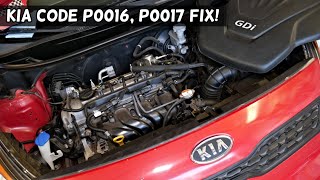
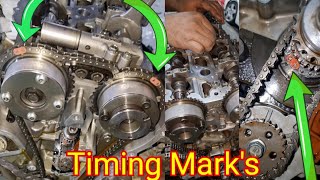

We Have This Part in Stock

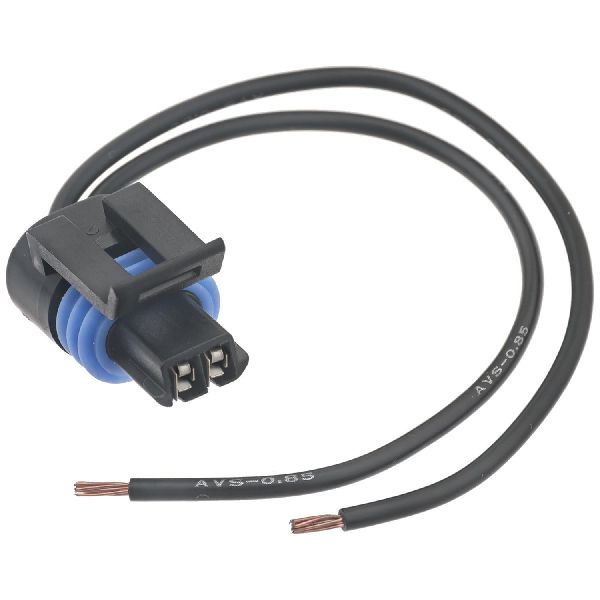
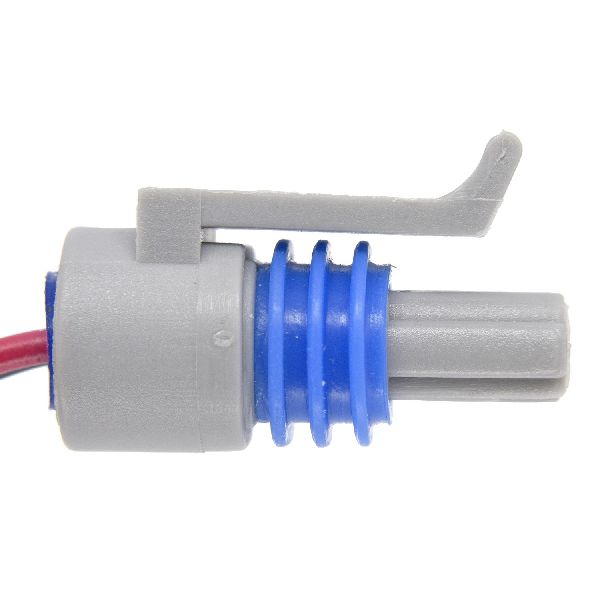

The information in this article is provided for general reference and educational purposes only. Vehicle specifications, procedures, and part compatibility can vary by production date, trim level, and region. Always consult your vehicle's factory service manual and verify part numbers before purchasing or performing repairs. Safety-critical components such as airbags, seat belts, and braking systems should be installed by a qualified professional.
- Kia Sedona:
- 🧭 Diagnostic Flowchart
- 🎬 Helpful Videos
- 🛍️ Shop This Part
- What's Unique About the 2011-2014 Kia Sedona
- Symptoms You May Notice
- Most Likely Causes
- Rare But Worth Checking
- Diagnosis Steps
- Parts You'll Likely Need
- Related Codes That Often Appear With This One
- Technical Service Bulletins (TSBs) & Recalls
- Platform-Specific Known Issues
- Mechanic-Grade Diagnostic Values
- Scan Tool Commands That Help
- Wiring & Ground Locations
- OEM Part Supersession History
- Model Year Variations Within This Range
- Other Known Issues on This Vehicle
- Used vs. New Parts: Buying Guide for This Vehicle
- Real Owner Stories
- 2012 Kia Sedona LX 3.5L — 209000 miles
- Documented NHTSA Reports
- NHTSA ODI #11722774
- Related OBD-II Codes
- Frequently Asked Questions
- 🎟️ Get 5% Off