

P0017 on 2013-2015 Land Rover LR2: Crank/Cam Correlation Causes and Fixes
On a 2013-2015 LR2 with the 2.0L turbo engine, P0017 almost always indicates a stretched timing chain or failed tensioner, a known issue for this Ford-derived engine. This is a serious, non-DIY repair that can cost between $2,000 and $4,000+. Driving should be minimized to avoid the timing chain jumping a tooth, which can cause catastrophic engine damage.
- P0017 on a 2013-2015 LR2 indicates a serious mechanical timing issue with the exhaust camshaft.
- The most likely cause is a stretched timing chain, a known weakness of the 2.0L Turbo engine.
- Always check engine oil level and condition first, as low or dirty oil can cause VVT system problems.
- This is not a DIY repair; it requires special tools and expertise. Seek professional service.
- Do not ignore this code. Driving with a faulty timing chain can lead to catastrophic engine failure.
What's Unique About the 2013-2015 Land Rover LR2
The 2013-2015 LR2 uses a 2.0L turbocharged four-cylinder engine, which is a version of the Ford 2.0L EcoBoost. This specific engine family is known for premature timing chain stretch and tensioner failure across multiple platforms, including the Range Rover Evoque and Ford Escape. As a result, P0017 on this vehicle is far more likely to be a significant mechanical issue rather than a simple sensor fault. Land Rover has issued Technical Service Bulletins (TSBs) that mention this code in relation to engine noise and potential VCT actuator failure, acknowledging a known problem with the timing system components.
Diagnostic Flowchart
Tap your situation to follow the diagnostic path that matches what you're seeing on this vehicle.
Generation note: The 2013-2015 model years are part of the second generation LR2 (L359), but they feature a different engine than earlier models. This guide is specific to the 2013-2015 LR2 equipped with the 2.0L Turbocharged I4 engine, not the pre-2013 3.2L I6.
Symptoms You May Notice
- Check Engine Light is illuminated
- Rattling or buzzing noise from the engine, especially on a cold start
- Rough or unstable idle
- Hesitation or lack of power during acceleration
- Reduced fuel economy
- Engine may stall unexpectedly
- Engine cranks but won't start
- Vehicle enters 'Restricted Performance' or 'Limp Mode'
- Replacing the camshaft position sensor or crankshaft position sensor without first verifying the engine's mechanical timing. The code indicates a correlation *problem*, which is most often mechanical, not a sensor circuit failure.
- Replacing only the VVT solenoid when the root cause is a stretched timing chain that has shed debris, clogging the new solenoid.
Most Likely Causes
- Stretched Timing Chain and/or Failed Tensioner 🔴 High Probability → Shop Engine Timing Chain This is a well-documented issue on the 2.0L EcoBoost engine family used in the LR2 and its platform mates like the Range Rover Evoque. The chain stretches and the hydraulic tensioner can fail, creating slack and causing the cam/crank correlation error. Failures are often seen between 80,000 and 120,000 miles.
How to confirm: A mechanic will need to remove the valve cover and/or timing cover to physically inspect the chain for slack and check the timing marks. A distinct rattling noise on startup is a strong audible clue. A professional scan tool can also show a persistent deviation between desired and actual cam angles.
Typical fix: Replacement of the entire timing chain kit, which includes the chain, tensioner, guides, and sprockets. It is often recommended to replace the VVT solenoids at the same time.
Est. part cost: $220-$500 - Low or Dirty Engine Oil 🟡 Medium Probability The Variable Valve Timing (VVT) system, which adjusts camshaft timing, is operated by engine oil pressure. Low or sludgy oil can cause the VVT phasers to respond slowly or not at all, triggering a correlation code. Using oil that does not meet the manufacturer's specific viscosity and standards can also cause this issue.
How to confirm: Check the engine oil on the dipstick and inspect its condition. If the oil is very dark, gritty, or below the minimum level, this could be the cause. An oil change has been reported to solve the issue in some cases, though it may be temporary if the underlying cause is mechanical wear.
Typical fix: Perform an oil and filter change using the manufacturer-specified grade of oil (e.g., 5W-30 full synthetic). If the problem was low oil, identify and repair the source of any oil leaks or consumption issues.
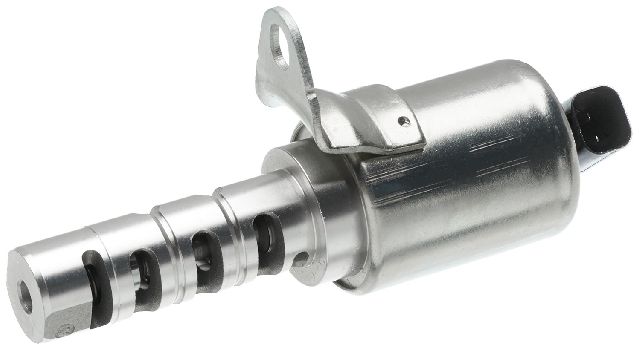
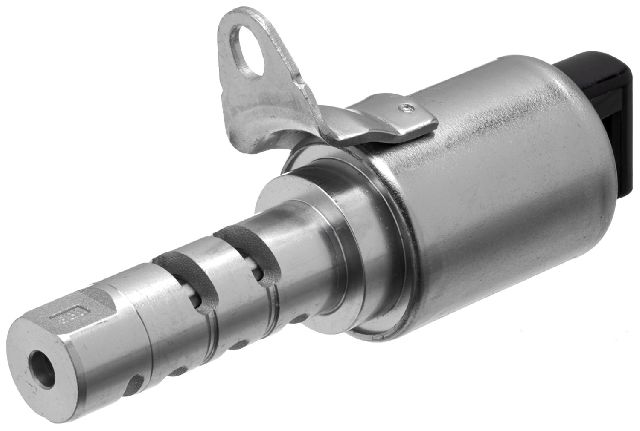
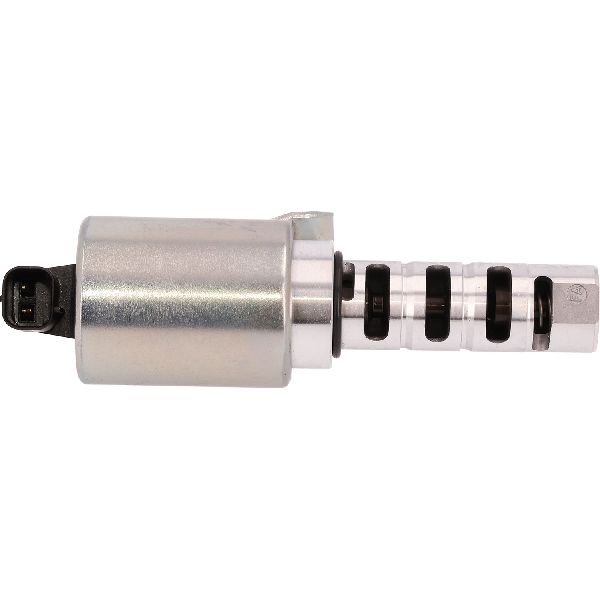
Est. part cost: $70-$120 - Faulty VVT Solenoid (Oil Control Valve) ⚪ Low Probability Debris from aging oil or a degrading timing chain guide can clog the fine mesh screens on the VVT solenoids, causing them to stick.
How to confirm: A technician can command the solenoid with a diagnostic scan tool to check its response. It can also be removed, cleaned with brake cleaner, and tested for resistance (typically 8-12 ohms). Swapping the exhaust and intake solenoids to see if the code changes to P0016 is another effective diagnostic step.
Typical fix: Replacement of the exhaust VVT solenoid. It is often wise to replace both intake and exhaust solenoids at the same time.
Est. part cost: $90-$150
Rare But Worth Checking
- Failed Camshaft Phaser (VVT Actuator): → Shop Engine Camshaft While less common than chain stretch, the phaser itself (the gear on the end of the camshaft) can fail mechanically. TSB LTB00916NAS5 specifically notes that a 'stopper' inside the intake VCT actuator can become detached, causing it to fail and trigger correlation codes.
- Faulty Camshaft or Crankshaft Position Sensor: → Shop Engine Crankshaft Position Sensor It is rare for the sensor itself to be the root cause of a correlation code. This should only be considered after all mechanical timing components and the VVT system have been verified as working correctly. Technicians often misdiagnose this, replacing sensors when the real issue is mechanical.
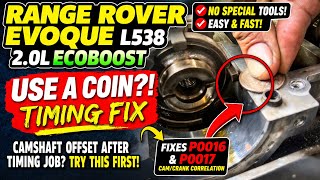
- Incorrect Timing After a Repair: If the P0017 code appears immediately after a timing chain replacement, it is highly likely that the mechanical timing was set incorrectly by one or more teeth 🎬 Watch: A clever trick to fix timing alignment issues. on the sprockets. Because the crankshaft pulley is not keyed, it is also possible for the timing to shift during the final torquing of the crank bolt if the flywheel is not properly locked.
Diagnosis Steps
- Verify engine oil level and condition. Correct as needed with manufacturer-specified oil.
- Scan for all DTCs to see if other codes, like P0016, are present, which would strengthen the case for a base timing issue.
- Listen for any rattling or abnormal noises from the right side of the engine (timing chain area), especially during a cold start.
- Using a professional scan tool, monitor the desired vs. actual camshaft position angles for the exhaust cam (Bank 1). A significant, persistent deviation points to a mechanical issue.
- Test the exhaust VVT solenoid. Command it on and off with the scan tool to check for a change in cam angle. If no change, remove, clean, and bench-test the solenoid.
- If the solenoid is functional, the next step is to perform a physical inspection of the timing chain, guides, and tensioner. This is an invasive procedure requiring partial engine disassembly, including removal of the valve cover.
- While inspecting the timing components, verify that the timing marks on the crankshaft and camshafts are correctly aligned using the appropriate special tools.
- Inspect the intake VVT actuator for a missing 'stopper' pin as detailed in TSB LTB00916NAS5.
Parts You'll Likely Need
- Timing Chain Kit
(OEM #LR025263 (chain only), full kits are often aftermarket.)— This is the most common failure point for this code on the 2.0L engine. A kit ensures all wearable components (chain, guides, tensioner) are replaced simultaneously.
Trusted brands: Febi, INA, Genuine Land Rover
OEM price range: $175 (chain only)
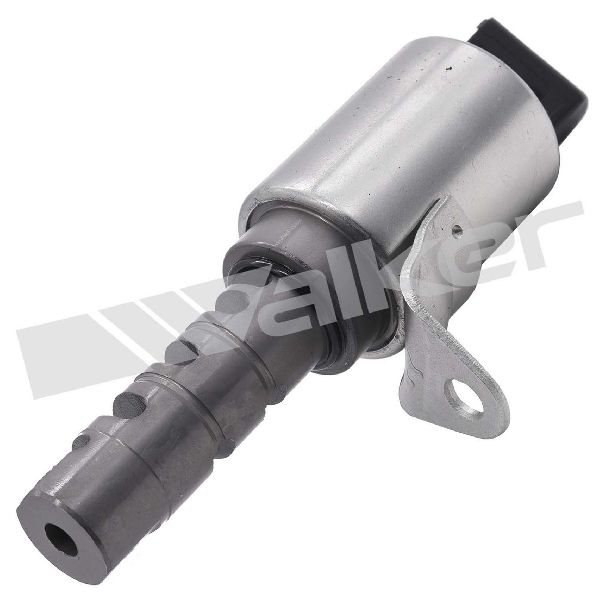
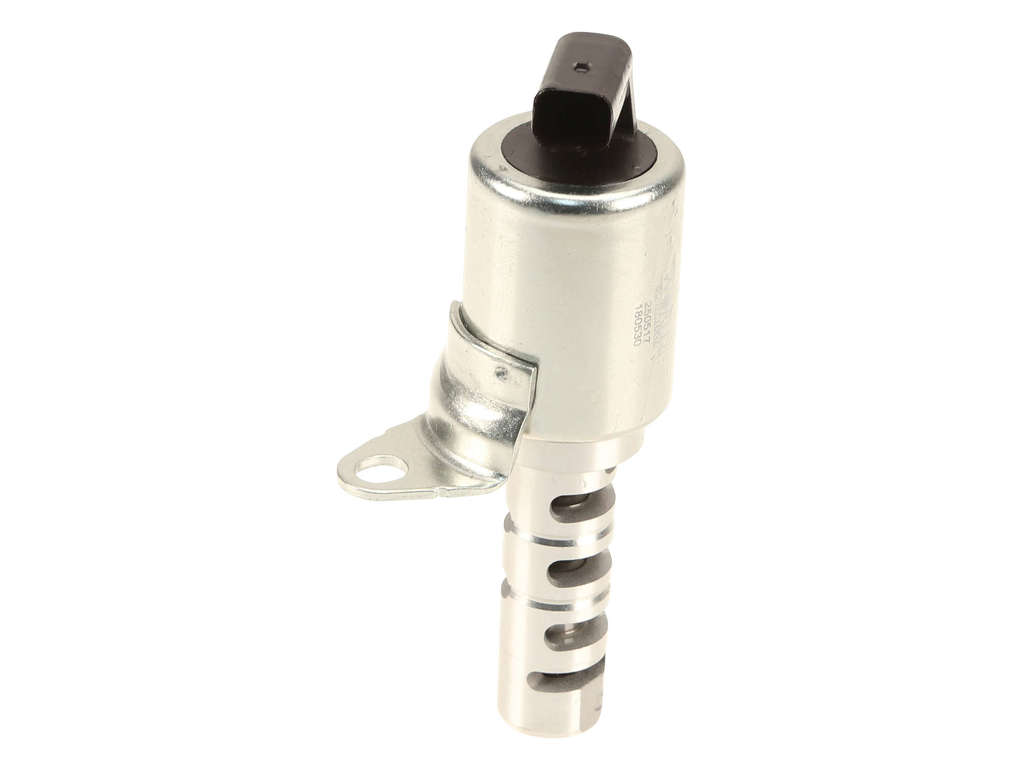
Aftermarket price range: $220-$450 (full kit) - Exhaust VVT Solenoid
(OEM #LR025652)— If the timing chain is not at fault, a sticking or failed VVT solenoid is the next most likely cause, preventing proper adjustment of the exhaust cam timing.
Trusted brands: Pierburg (OEM supplier), Genuine Land Rover, Ford (BB5Z-6M280-B - cross-reference)
OEM price range: $140-$180
Aftermarket price range: $90-$120 - Intake VVT Solenoid
(OEM #LR024995)— Often replaced as a preventative measure along with the exhaust solenoid or during a timing chain job, as it is subjected to the same oil and conditions.
Trusted brands: Pierburg (OEM supplier), Genuine Land Rover
OEM price range: $140-$180
Aftermarket price range: $90-$120
Related Codes That Often Appear With This One
- P0016 — This code indicates a correlation issue with the intake camshaft (Bank 1, Sensor A). Seeing both P0016 and P0017 strongly points to a base timing issue, like a stretched chain or jumped tooth, affecting both camshafts.
- P0341 — This code relates to the camshaft position sensor circuit performance. It can appear alongside P0017 if the timing deviation is severe enough to cause an erratic signal. This code is specifically mentioned in TSB #LTB00916NAS5.
- P052A — Cold Start 'A' Camshaft Position Timing Over-Advanced. This can be an early indicator of VVT phaser or oil pressure issues that can eventually lead to a P0017 correlation fault.
Technical Service Bulletins (TSBs) & Recalls
- LTB00916NAS5: Mentions that engine noise may be present and DTC P0017 may be stored in the PCM. It provides a specific diagnostic procedure to check for a failed intake VCT actuator 'stopper' by manually trying to rotate the camshaft.
- LTB00916NAS3: An earlier version of the same bulletin, also linking engine noise and code P0017 to a potential failure of the intake VCT actuator.
Platform-Specific Known Issues
- Land Rover issued TSB #LTB00916NAS5 and its predecessors, which state that a rattle noise from the engine compartment accompanied by DTCs P0016, P0017, P0026, or P0341 may be stored. The bulletin suggests the cause may
Mechanic-Grade Diagnostic Values
- VVT Solenoid (Oil Control Valve) Coil Resistance — expected: 8–12 ohms at approx. 20°C / 68°F.. Failure: A reading significantly outside this range (e.g., open circuit or shorted) indicates a failed solenoid winding.
- Live Scan Tool Data: Desired vs. Actual Camshaft Position at Idle — expected: Values should be within a few degrees of each other, typically near 0.. Failure: A persistent deviation greater than 3-5 degrees (e.g., actual is 10.7 degrees when desired is 0) strongly indicates a mechanical timing correlation error.
- Camshaft Position Sensor Circuit Voltage (3-wire sensor) — expected: With key on, engine off: ~5V on the reference wire, ~5V on the signal wire, and battery voltage (~12.6V) on the ground wire when tested against the battery positive terminal.. Failure: Incorrect or missing voltage on any of the pins points to a wiring or PCM issue, not necessarily a bad sensor.
Scan Tool Commands That Help
- JLR SDD/Pathfinder or advanced bidirectional scanner (e.g., Autel): VVT Solenoid Activation Test / Camshaft Position Control — This command allows the technician to manually activate the exhaust VVT solenoid while monitoring the actual camshaft position angle. It's used to confirm if the solenoid is mechanically stuck or if the oil passages are blocked, as the cam angle should change when the solenoid is commanded on/off.
- JLR SDD/Pathfinder or advanced bidirectional scanner: Reset Adaptations / Camshaft Position Relearn — After replacing a camshaft position sensor or performing a major timing job, some vehicles require this procedure for the PCM to learn the new sensor's exact position and variance. Failure to do so can sometimes cause a persistent correlation code even if the mechanical repair is correct.
Wiring & Ground Locations
- Main Engine Ground Strap — Connects from the chassis rail area under the battery tray to the gearbox/transmission housing.. A poor engine ground can cause erratic behavior in all engine sensors, including the camshaft and crankshaft position sensors. This can lead to incorrect signals and trigger false correlation codes. While less likely than a mechanical timing issue, it's a foundational check for any electrical diagnosis.
- Camshaft Position Sensor Connector — The two camshaft position sensors are located on the top, right-hand side of the engine (passenger side in US), on the valve cover. 'Sensor B' for P0017 is the exhaust camshaft sensor.. This is the primary connection point to test the sensor's circuit for power, ground, and signal integrity back to the PCM. Damage or corrosion at this connector can directly cause P0017 or related sensor codes.
Real Owner Repair Stories
- Reddit user in r/MechanicAdvice (Vehicle with 2.0L GDI engine (platform-mate to LR2's Si4)) — Car ran badly, found timing had jumped 2 teeth due to low oil from an oil consumption issue.
❌ Tried (didn't work) The user replaced the timing chain, tensioners, both VVT sprockets (phasers), and the exhaust camshaft (due to a broken dowel pin). The car ran well after the repair, but the P0017 code would not go away.
✅ What actually fixed it The user did not post a final resolution, but the scenario highlights a common problem: a persistent code after a major timing job. This often points to either a subtle timing misalignment (e.g., off by one tooth, or shifted during crank bolt torquing) or the need for a PCM adaptation reset.
OEM Part Supersession History
Not specified→LR095897— This is the updated OEM part number for the intake VVT actuator (phaser), which was redesigned to address the issue of the internal 'stopper' pin detaching, as noted in TSBs.
Heads up: Using an older stock part may lead to a repeat failure.
Helpful Videos
We Have This Part in Stock

The information in this article is provided for general reference and educational purposes only. Vehicle specifications, procedures, and part compatibility can vary by production date, trim level, and region. Always consult your vehicle's factory service manual and verify part numbers before purchasing or performing repairs. Safety-critical components such as airbags, seat belts, and braking systems should be installed by a qualified professional.
- Land Rover LR2:
- 🧭 Diagnostic Flowchart
- 🎬 Helpful Videos
- 🛍️ Shop This Part
- What's Unique About the 2013-2015 Land Rover LR2
- Symptoms You May Notice
- Most Likely Causes
- Rare But Worth Checking
- Diagnosis Steps
- Parts You'll Likely Need
- Related Codes That Often Appear With This One
- Technical Service Bulletins (TSBs) & Recalls
- Platform-Specific Known Issues
- Mechanic-Grade Diagnostic Values
- Scan Tool Commands That Help
- Wiring & Ground Locations
- Real Owner Repair Stories
- OEM Part Supersession History
- 🎟️ Get 5% Off