

P0017 on 2012-2016 Land Rover Range Rover Evoque: Crank/Cam Correlation Causes and Fixes
P0017 on a 2012-2016 Evoque indicates a timing misalignment between the crankshaft and exhaust camshaft. This is most often caused by a stretched timing chain or a failed VVT actuator, not a simple sensor failure. Expect a costly, professional repair for the timing system, often exceeding $1,500. A known defect in the VCT actuator is cited in Land Rover TSBs as a primary cause.
- P0017 on your Evoque is a serious code that points to a mechanical timing problem, not just a bad sensor.
- Do not continue to drive the vehicle, as you risk catastrophic engine failure.
- The most likely causes are a stretched timing chain or a failed VCT actuator, both of which are known issues on this engine.
- Regular, high-quality oil changes are critical to prolonging the life of the timing components.
- This is not a DIY-friendly repair. Seek a qualified technician with experience in Land Rover or Ford EcoBoost engines.
What's Unique About the 2012-2016 Land Rover RANGE ROVER EVOQUE

The 2012-2016 Range Rover Evoque uses a 2.0L turbocharged engine, which is a version of the Ford EcoBoost. This engine platform is known to be sensitive to oil quality and can develop issues with its timing components. Land Rover has issued Technical Service Bulletins (TSBs) that specifically mention P0017 in conjunction with engine rattle noises, pointing directly to failures within the Variable Camshaft Timing (VCT) system. A common documented failure is a 'stopper' detaching inside the intake VCT actuator, causing it to malfunction. This makes a mechanical failure a much higher probability than a simple sensor issue.
Diagnostic Flowchart

Tap your situation to follow the diagnostic path that matches what you're seeing on this vehicle.
Symptoms You May Notice

- Check Engine Light is on
- Rattling noise from the engine, especially on a cold start for a few seconds.
- Rough or uneven idle
- Loss of engine power and poor acceleration
- Reduced fuel economy
- Engine may hesitate or stall
- Difficulty starting the engine
- Replacing the camshaft position sensor without checking mechanical timing. The code indicates a correlation *problem*, not necessarily a faulty sensor.
- Replacing only the VCT solenoids when the timing chain has stretched or the VCT actuator has mechanically failed. A user on landroverforums.com reported a shop wanted to replace the solenoids for $650 after a $4,000 timing chain job, indicating a possible misdiagnosis or incomplete initial repair.
Most Likely Causes

- Stretched Timing Chain or Worn Timing Components 🔴 High Probability → Shop Engine Timing Chain The 2.0L engine in the Evoque is known for premature timing chain wear, sometimes occurring as early as 75,000 miles. Lack of lubrication from low or dirty oil accelerates this wear. Forum users on rangerovers.net have discussed timing chain replacement costs and the necessity of the repair on the related 5.0L V8, highlighting it as a known weak point for the brand.
How to confirm: A physical inspection is required. This involves removing the engine's valve cover and/or timing cover to check for slack in the chain and verify the timing marks on the cams and crank align correctly. A professional diagnosis is recommended.
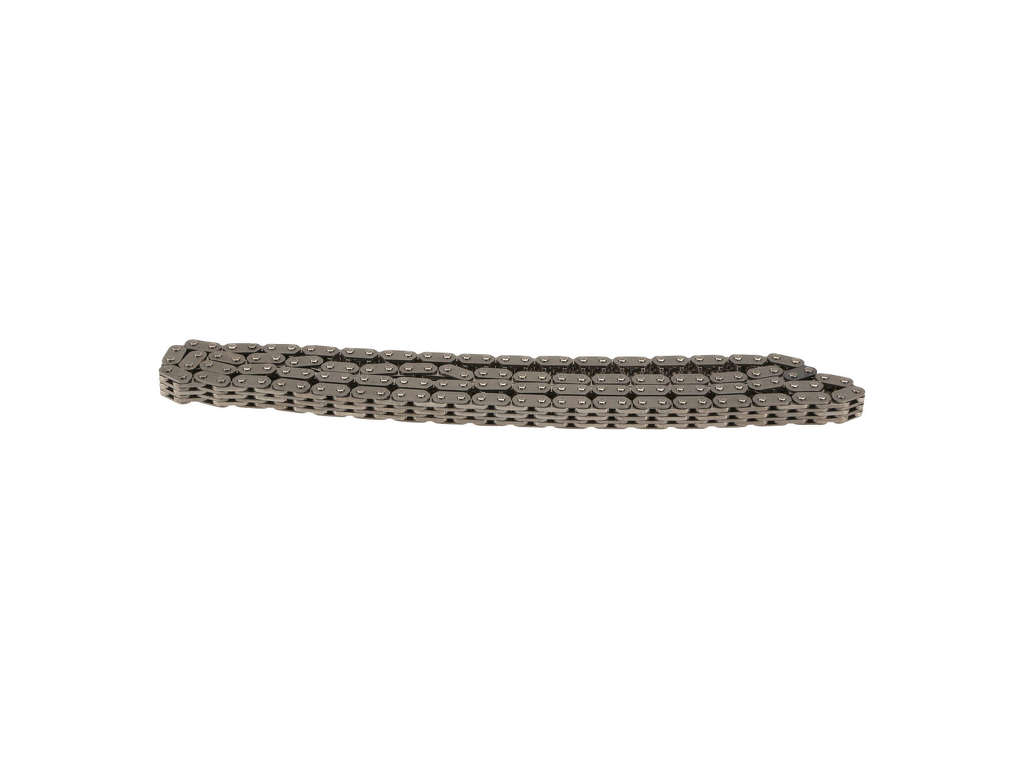
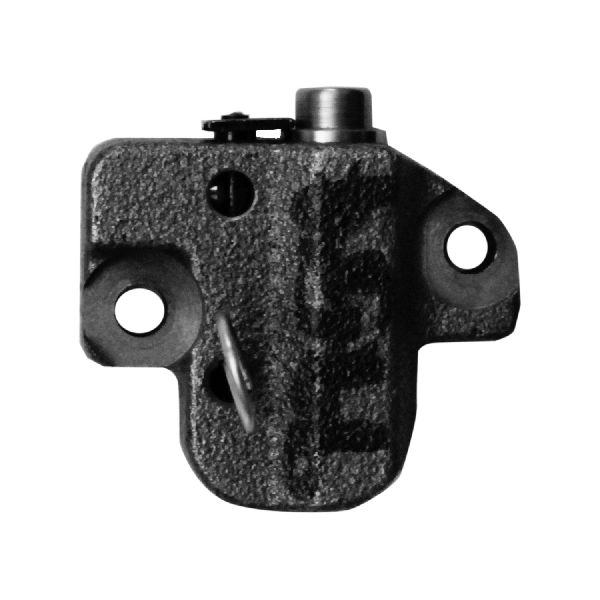
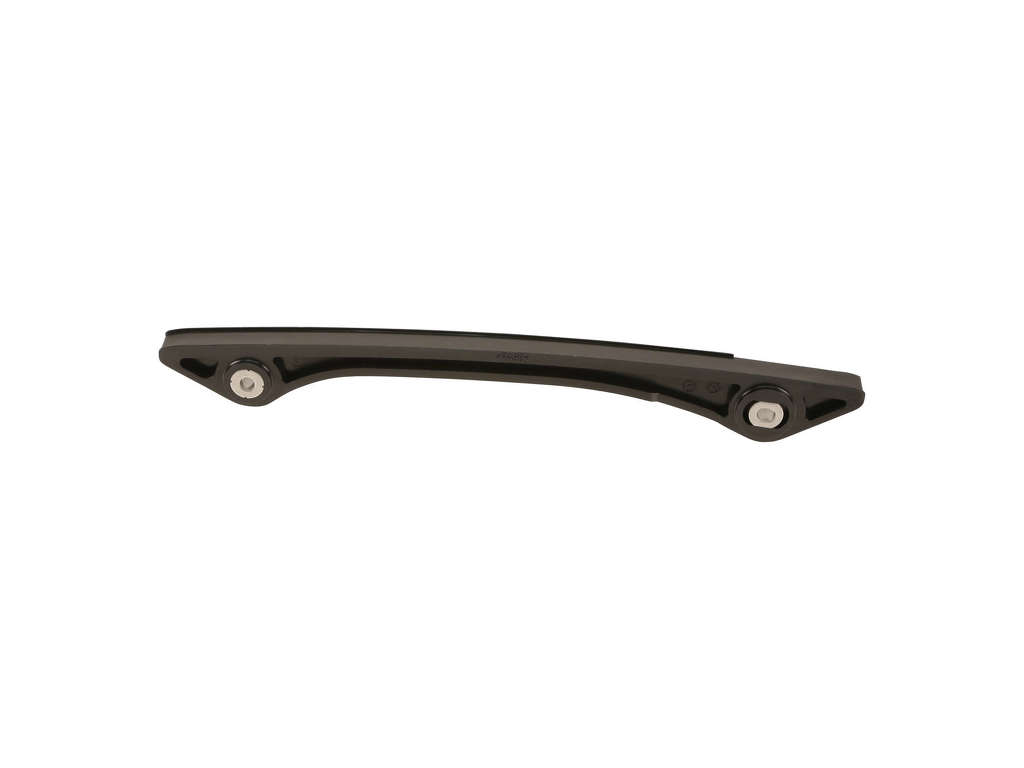
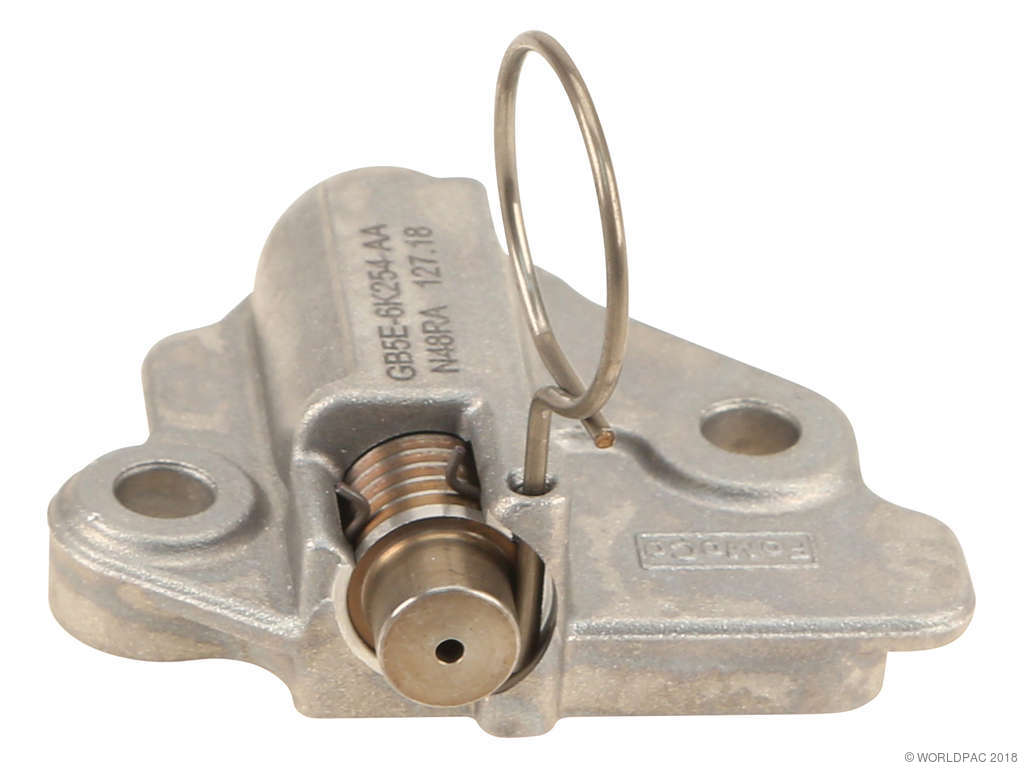
Typical fix: Replace the timing chain, tensioner, guides, and sprockets as a complete kit. 🎬 Watch: Step-by-step guide to installing a new timing chain kit. It is highly recommended to replace the VCT actuators at the same time.
Est. part cost: $300-$600 - Failed Variable Camshaft Timing (VCT) Actuator / Phaser 🔴 High Probability → Shop Engine Camshaft Land Rover TSB #LTB00916NAS5 specifically identifies a failure where a 'stopper' inside the intake VCT actuator can detach, causing a rattle and triggering codes like P0017. This is a known defect. While the TSB points to the intake actuator, a failure there can disrupt overall timing and flag the exhaust cam. A YouTube video by 'XPRESS AUTO SERVICES' shows this exact failure on a 2012 Evoque with P0016/P0017, where a small spring was found loose after removing the valve cover. 🎬 Watch: See this exact VCT actuator failure and loose spring.
How to confirm: After removing the valve cover, a technician can inspect the actuator for loose parts or test for incorrect movement as described in the TSB. The actuator may feel loose or allow the camshaft to rotate freely when it should be locked.
Typical fix: Replace the faulty VCT actuator. It is strongly recommended to replace both intake and exhaust actuators, along with the full timing chain kit, during the repair.
Est. part cost: $150-$300 per actuator - Faulty VCT Solenoid (Oil Control Valve) 🟡 Medium Probability → Shop Engine Variable Valve Timing (VVT) Solenoid These solenoids control the oil flow to the VCT actuators. They can become clogged with sludge from infrequent oil changes or fail electrically, preventing proper camshaft adjustment. On the related Ford platform, this is a very common cause.
How to confirm: A technician can test the solenoid's resistance with a multimeter (typically 6.9-7.9 ohms) and command it on/off with a professional scan tool to check for a response. Swapping the intake and exhaust solenoids to see if the code changes from P0017 to P0016 is also a valid diagnostic step.
Typical fix: Replace the faulty VCT solenoid. It is a relatively accessible part on top of the engine.
Est. part cost: $50-$150 - Low or Dirty Engine Oil ⚪ Low Probability The entire VCT system is hydraulic and depends on clean oil at the correct pressure. Low levels or sludge can starve the system, causing timing correlation faults. While this is a cause, it's often the trigger for one of the more severe mechanical failures listed above, rather than the sole problem.
How to confirm: Check the oil level on the dipstick and inspect the oil's condition. If it is low, black, or sludgy, this is a likely contributor.
Typical fix: Perform an oil and filter change with the correct specification oil (SAE 5W-30). If the code returns, a more serious mechanical issue is present.
Est. part cost: $70-$120
Rare But Worth Checking
- Faulty Camshaft or Crankshaft Position Sensor: → Shop Engine Crankshaft Position Sensor While possible, sensor failure is much less common than mechanical timing issues on this platform. Don't replace sensors without first verifying the mechanical timing is correct. A YouTube video by 'Automotive Diagnostics and Programming' on a 2016 Evoque with P0016/P0017 showed that even with new sensors, the problem persisted due to a mechanical fault. 🎬 Watch: Full diagnosis of P0016/P0017 codes and timing issues.
- Slipped Crankshaft Reluctor Wheel: → Shop Engine Crankshaft The reluctor wheel on the crankshaft pulley, which the crank sensor reads, can sometimes slip. This would cause a correlation code even if the chain and cams are perfectly timed. A technician in a YouTube video considered this a possibility on a 2016 Evoque before discovering the VCT actuator failure.
Diagnosis Steps
- Verify the engine oil level and condition. Top up or change the oil if necessary.
- Use a professional scan tool to check for any other stored DTCs, especially P0016, P0341, or P052A.
- Monitor live data from the scan tool, observing the commanded vs. actual positions for both intake and exhaust camshafts. A significant deviation points to a mechanical issue.
- Test the VCT solenoids. Check resistance (should be ~6.9-7.9 ohms) and use the scan tool to command them on and off, listening for a click and watching for a change in engine idle.
- If solenoids are functional, perform a physical inspection as outlined in TSB LTB00916NAS5. Remove the valve cover to inspect the VCT actuators for the detached 'stopper' and check for excessive rotational play.
- If no issue is found with the actuators, perform a full timing inspection by removing the front engine cover to check timing marks on the crank and cam sprockets, and inspect the chain tensioner and guides for wear or damage.
Parts You'll Likely Need
- Timing Chain Kit — This is the most common root cause of P0017 on higher-mileage Evoques. A kit ensures all wear items (chain, guides, tensioner) are replaced.
Trusted brands: Genuine Land Rover, Cloyes
OEM price range: $400-$600
Aftermarket price range: $250-$400 - Intake VCT Actuator (Phaser)
(OEM #LR095897 (supersedes LR085467, LR050849, LR024999))— A known failure point according to Land Rover TSBs, where an internal part can break and cause timing deviation. It's often replaced along with the timing chain.
Trusted brands: Genuine Land Rover
OEM price range: $200-$300
Aftermarket price range: $150-$220 - Exhaust VCT Actuator (Phaser)
(OEM #LR025628)— Although the TSB focuses on the intake side, it is best practice to replace both actuators during a timing job to prevent future failure. The P0017 code specifically points to the exhaust side.
Trusted brands: Genuine Land Rover
OEM price range: $200-$300
Aftermarket price range: $150-$220 - Exhaust VCT Solenoid (Oil Control Valve)
(OEM #LR025652)— A clogged or failed solenoid can prevent the exhaust cam from adjusting its timing correctly, triggering the code. It's a common first-step replacement before attempting a full timing job.
Trusted brands: Genuine Land Rover
Related Codes That Often Appear With This One
- P0016 — This is the correlation code for the intake camshaft. Seeing P0016 and P0017 together strongly suggests a base timing issue, like a stretched chain or jumped tooth, that has affected both camshafts.
- P0341 — This code for 'Camshaft Position Sensor 'A' Circuit Range/Performance' is cited in the same TSBs as P0017, indicating the PCM is seeing an erratic signal, likely caused by the physical timing components failing.
- P052A — This code for 'Cold Start 'A' Camshaft Position Timing Over-Advanced' often accompanies the cold start rattle symptom and points directly to a problem with the VCT phaser not locking in its base position correctly.
Technical Service Bulletins (TSBs) & Recalls
- LTB00916NAS5: Addresses engine noise and MIL illumination with DTC P0016, P0017, P0026, or P0341 due to a potential VCT actuator failure.
- LTB00916NAS2: An earlier version of the same bulletin, also pointing to VCT actuator failure as the cause for noise and codes P0016, P0017, P0026, or P0341.
Platform-Specific Known Issues
- Technical Service Bulletin LTB00916NAS5 and its predecessors address engine rattle accompanied by codes P0016, P0017, P0026, or P0341. The cause is identified as the 'stopper' in the intake VCT actuator detaching. The fix involves inspecting and, if failed, replacing the intake VCT actuator.
- Real-world repair costs can be very high. A Reddit user reported a dealer quote of $8,400 AUD for a timing chain replacement on a 2016 diesel Evoque, while another paid $4,000 USD at a dealer for the same job on a gas model. An independent shop charged a user $4,000 for a timing chain job on an LR2 with the same engine.
Mechanic-Grade Diagnostic Values
- VCT Solenoid (Oil Control Valve) Internal Resistance — expected: 5 to 15 Ohms. Failure: A reading of infinite resistance (open circuit) or near zero Ohms (short circuit).
- Scan Tool Live Data: Desired vs. Actual Camshaft Angle — expected: Actual angle should closely follow Desired angle (typically both are 0 degrees at idle).. Failure: A persistent, significant deviation (e.g., 8-11 degrees) between the actual and desired values at idle indicates a mechanical timing or VCT system fault.
- VCT Solenoid Connector Voltage — expected: Approximately 12V (battery voltage) on one pin with Key On, Engine Off.. Failure: No voltage suggests a wiring issue, blown fuse, or a fault in the PCM driver circuit.
Scan Tool Commands That Help
- Land Rover SDD / High-End Scan Tool (e.g., Autel, Launch): VVT Solenoid Actuator Test — To command the VVT solenoid on and off while the engine is running. A corresponding change in engine idle (stumble or hesitation) indicates the solenoid is mechanically functioning and oil passages are likely clear. No change suggests a stuck solenoid or clogged oil passage.
- Land Rover SDD / High-End Scan Tool: Cam/Crank Relearn (or similar service function) — After replacing timing components (chain, phasers, sensors), some JLR vehicles require a relearn procedure to synchronize the new component data with the PCM. Failure to perform this can cause correlation codes to persist even with correct mechanical timing.
Wiring & Ground Locations
- Crankshaft Position (CKP) Sensor — Lower right front of the engine block.. This sensor provides the primary reference signal for engine timing. A faulty sensor, damaged wiring, or poor connection here will directly cause a P0017 correlation code.
- Camshaft Position (CMP) Sensor (Exhaust) — On the top of the cylinder head, near the valve cover, corresponding to the exhaust camshaft.. This sensor tracks the position of the exhaust camshaft. The PCM compares its signal to the CKP sensor's signal to verify correct timing. A fault in this sensor or its circuit is a direct cause for P0017.
- G1D108 — A primary ground point located near the battery.. This is a listed ground point for the Engine Control Module (ECM). A poor or corroded ground connection here can cause erratic voltage and unpredictable behavior from the ECM, potentially leading to false sensor readings and timing-related fault codes.
Real Owner Repair Stories
- YouTube channel 'XPRESS AUTO SERVICES' (2012 Land Rover Range Rover Evoque 2.0L) — Check Engine Light with codes P0016 and P0017. Rattling noise on startup for a few seconds.
❌ Tried (didn't work) Initial diagnosis pointed towards timing chain tensioner or guides.
✅ What actually fixed it Upon removing the valve cover, a small spring and stopper pin were found loose in the cylinder head. These parts had broken off from the intake VCT actuator (phaser), causing it to fail. Replacing the VCT actuator resolved the issue. - YouTube channel 'Automotive Diagnostics & Programming' (2016 Land Rover Range Rover Evoque) — Check Engine Light with codes P0016 and P0017. Engine seemed to run fine.
❌ Tried (didn't work) The crankshaft position sensor had already been replaced by another shop, which did not fix the problem.
✅ What actually fixed it After extensive diagnosis including using a PicoScope, the technician disassembled the engine. The cause was found to be a broken piece from the VCT phaser, consistent with the known TSB issue. This confirmed a mechanical failure, not a sensor or wiring issue.
OEM Part Supersession History
LR024999, LR050849, LR085467, LR083920→LR095897— Part has been updated multiple times by the manufacturer, likely to improve durability and address the known failure of the internal stopper pin.
Model Year Variations Within This Range
- 2012-2016: The 2012-2016 Evoque uses the Ford-derived 2.0L GTDi (EcoBoost) engine. Starting in 2015 for diesel and later for petrol models, Land Rover began phasing in their own 'Ingenium' engine family. It is critical to confirm which engine is in the vehicle, as parts and known issues differ significantly. The VCT actuator failure is specific to the Ford-derived engine in this year range.
Helpful Videos


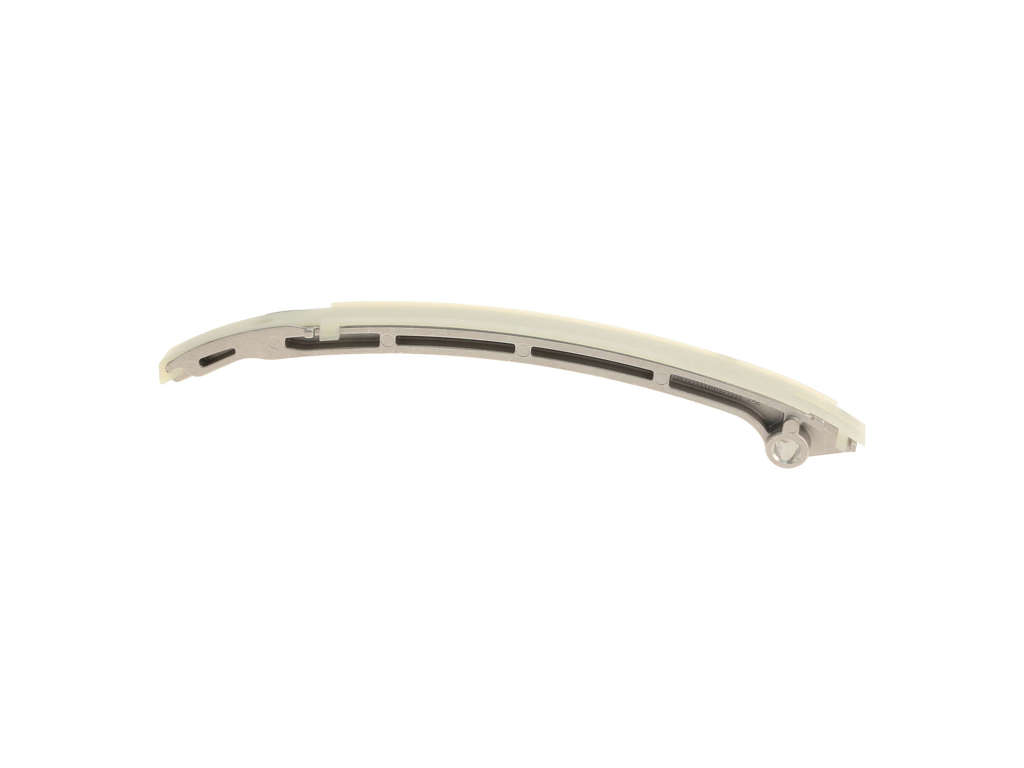
We Have This Part in Stock

The information in this article is provided for general reference and educational purposes only. Vehicle specifications, procedures, and part compatibility can vary by production date, trim level, and region. Always consult your vehicle's factory service manual and verify part numbers before purchasing or performing repairs. Safety-critical components such as airbags, seat belts, and braking systems should be installed by a qualified professional.
- Land Rover RANGE ROVER EVOQUE:
- 🧭 Diagnostic Flowchart
- 🎬 Helpful Videos
- 🛍️ Shop This Part
- What's Unique About the 2012-2016 Land Rover RANGE ROVER EVOQUE
- Symptoms You May Notice
- Most Likely Causes
- Rare But Worth Checking
- Diagnosis Steps
- Parts You'll Likely Need
- Related Codes That Often Appear With This One
- Technical Service Bulletins (TSBs) & Recalls
- Platform-Specific Known Issues
- Mechanic-Grade Diagnostic Values
- Scan Tool Commands That Help
- Wiring & Ground Locations
- Real Owner Repair Stories
- OEM Part Supersession History
- Model Year Variations Within This Range
- 🎟️ Get 5% Off