

P0017 on 2010-2015 Lexus RX350: Causes and Fixes for Cam/Crank Correlation
On a 2010-2015 Lexus RX350, code P0017 is most often caused by a failing exhaust Oil Control Valve (OCV) for Bank 1 or low/dirty engine oil. Bank 1 is the cylinder bank against the firewall. Expect to pay $50-$100 for an aftermarket OCV, and it's a relatively easy DIY fix. Cleaning or replacing a small OCV filter screen is another common, inexpensive solution.
- Before buying any parts, check your engine oil level and condition. An oil change is the cheapest and easiest potential fix.
- The most likely failed component for P0017 on this Lexus is the Bank 1 Exhaust Oil Control Valve (OCV), located on the firewall side of the engine.
- A simple and effective DIY test is to swap the rear exhaust OCV with the front exhaust OCV to see if the code changes to P0019.
- This code indicates a problem with the exhaust camshaft on the rear cylinder bank (Bank 1).
- Unless the engine has extremely high mileage or a poor maintenance history, a stretched timing chain is an unlikely cause.
What's Unique About the 2010-2015 Lexus RX350
The 2GR-FE V6 engine is known for its reliability, but its Variable Valve Timing (VVT) system is very sensitive to oil quality and pressure. Unlike some other engines where this code might immediately suggest a stretched timing chain, on the RX350, the issue is frequently a less severe, oil-related problem. The most common culprits are often a clogged or failed Oil Control Valve (OCV) or its small, associated filter screen, which are much easier and cheaper to fix than internal engine timing components.
Symptoms You May Notice
- Check Engine Light is on
- VSC and TRAC OFF lights are illuminated on the dash
- Rough or uneven idle
- Engine may hesitate or stumble on acceleration
- Potential loss of power
- Engine may be difficult to start or stall at low speeds
- Rattling noise from the engine, especially on startup
- Replacing the camshaft position sensor without first checking oil level/condition or testing the Oil Control Valve.
- Replacing the crankshaft position sensor when the issue is isolated to only one camshaft.
- Assuming a stretched timing chain on a lower-mileage, well-maintained engine.
- Replacing the battery, as low voltage can cause many unrelated codes but is not a direct cause of a persistent P0017.
Most Likely Causes
- Low or Dirty Engine Oil 🔴 High Probability The VVT system uses oil pressure to adjust cam timing. Sludge from old oil or a low oil level can disrupt this function and is a very common trigger for this code.
How to confirm: Check the oil level on the dipstick and examine its color and consistency. If it's low or looks like dark sludge, this is your starting point.
Typical fix: Perform an oil and filter change using the manufacturer-specified oil weight (typically 0W-20 or 5W-20, check your owner's manual). Clear codes and re-test.
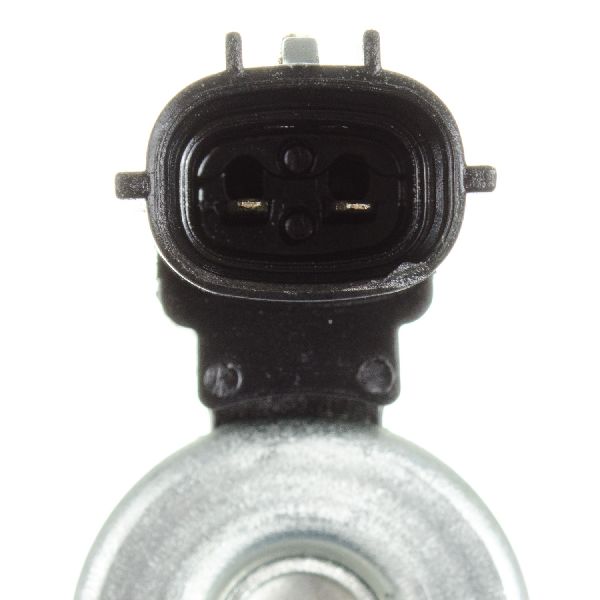
Est. part cost: $40-$80 - Faulty Oil Control Valve (OCV) for Bank 1 Exhaust 🔴 High Probability → Shop Engine Variable Valve Timing (VVT) Solenoid The OCV (or VVT solenoid) is an electronic component that can fail electrically or become clogged with debris over time, preventing it from properly directing oil flow to the VVT gear. This is a very frequent point of failure for this code.
How to confirm: A good DIY method is to swap the Bank 1 exhaust OCV (rear bank, firewall side) with the Bank 2 exhaust OCV (front bank, radiator side). Clear the codes and drive. If the code returns as P0019 (the Bank 2 equivalent), you've confirmed the OCV is bad. A professional can use a scan tool to command the valve to open and close.
Typical fix: Replace the Bank 1 exhaust OCV. The OEM part number is 15340-31030 (often designated LH).
Est. part cost: $50-$150 - Clogged Oil Control Valve (OCV) Filter 🟡 Medium Probability → Shop Engine Variable Valve Timing (VVT) Solenoid There is a small, thimble-shaped mesh filter located in the oil passage leading to the OCV. This screen can become clogged with sludge, restricting oil flow even if the OCV itself is functional.
How to confirm: The filter for Bank 1 is located on the rear cylinder head. It is often under a banjo bolt for an oil line or a separate plug. Remove it and inspect for blockage. It will be visibly clogged with dark debris.
Typical fix: Carefully remove, clean with brake cleaner, and reinstall the filter. If it is damaged or cleaning is ineffective, replace it. The OEM part number is 15678-31020.
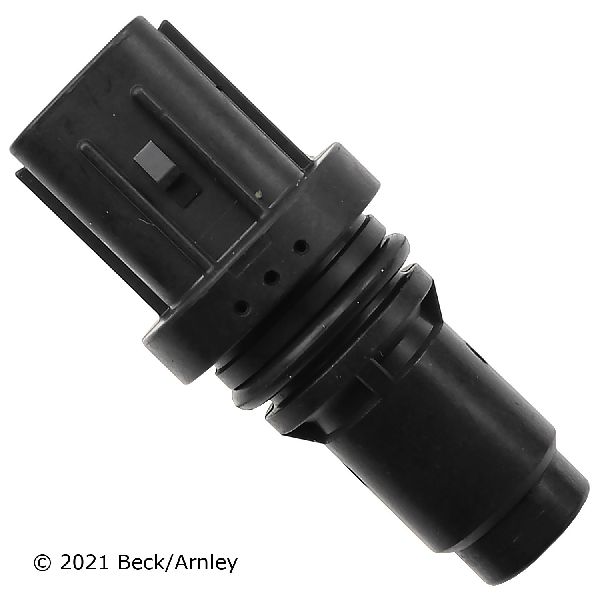
Est. part cost: $5-$20 - Faulty Camshaft or Crankshaft Position Sensor ⚪ Low Probability → Shop Engine Crankshaft Position Sensor While the code points to a correlation issue, a sensor providing incorrect data can be the root cause. However, these sensors are often replaced unnecessarily when the problem is oil-related or due to a faulty OCV.
How to confirm: This is best diagnosed with an oscilloscope to view the sensor's live waveform. A simpler, less definitive test is to check the sensor's internal resistance with a multimeter and compare it to factory specifications.
Typical fix: Replace the faulty sensor (Bank 1 exhaust camshaft sensor or the crankshaft position sensor).
Est. part cost: $40-$120
Rare But Worth Checking
- Stretched Timing Chain or Worn Timing Components: → Shop Engine Timing Chain This is a major mechanical issue, usually seen only on very high-mileage engines (200k+ miles) or those with a history of severe oil service neglect. It causes a true mechanical misalignment between the crank and cams. If codes for both banks (P0017 and P0019) are present, a stretched chain becomes more likely.
- Faulty VVT Cam Gear (Phaser): The actuator gear on the end of the camshaft can fail internally, getting stuck in one position or failing to respond to commands from the OCV. A key symptom of a failing VVT gear is a distinct rattling sound from the top of the engine for 1-2 seconds on a cold start.
Diagnosis Steps
- Check Engine Oil: Verify the oil level is full and the oil is clean. If low or dirty, perform an oil and filter change, clear the code, and see if it returns. This is the most critical first step.
- Scan for Other Codes: Note any other codes that may be present, especially P0019, which would point to a more widespread issue.
- Inspect OCV Wiring: Visually inspect the electrical connector and wiring for the Bank 1 exhaust OCV (rear bank, exhaust side) for any damage or corrosion.
- Test the OCV: The most effective method is to swap the suspected bad OCV with a known good one (like the one from Bank 2). The Bank 1 exhaust OCV is on the firewall side, and the Bank 2 exhaust OCV is on the radiator side. If the trouble code 'moves' to the other bank (P0019), the OCV is faulty and needs replacement.
- Inspect OCV Filter: If the OCV tests good, locate and inspect the small mesh filter for the Bank 1 oil control valve circuit (Part No. 15678-31020). It is on the rear cylinder head. Clean or replace it if clogged.
- Test Sensors: If the above steps do not resolve the issue, test the camshaft and crankshaft position sensors using a multimeter or, preferably, an oscilloscope to view the live signal pattern.
- Mechanical Timing Check: If all else fails, a professional should check the physical timing chain for stretching or damage. This involves removing the timing cover and is a labor-intensive job.
Parts You'll Likely Need
- Engine Oil Control Valve (VVT Solenoid), Exhaust, Bank 1
(OEM #15340-31030)— This is the most common part to fail or clog, directly causing the P0017 code by failing to regulate oil flow to the cam phaser. Bank 1 is the rear bank.
Trusted brands: Denso, Aisin, Genuine Toyota/Lexus
OEM price range: $120-$180
Aftermarket price range: $50-$100 - Oil Control Valve Filter
(OEM #15678-31020)— This small filter screen can get clogged with sludge, starving the OCV and VVT gear of oil pressure. It's a cheap part and a critical check.
Trusted brands: Genuine Toyota/Lexus
OEM price range: $10-$20
Aftermarket price range: $5-$15 - Engine Oil and Filter — Low or contaminated oil is a primary cause of VVT system faults. An oil change is the first and most important diagnostic step.
Trusted brands: Mobil 1, Castrol, Pennzoil
OEM price range: $60-$100
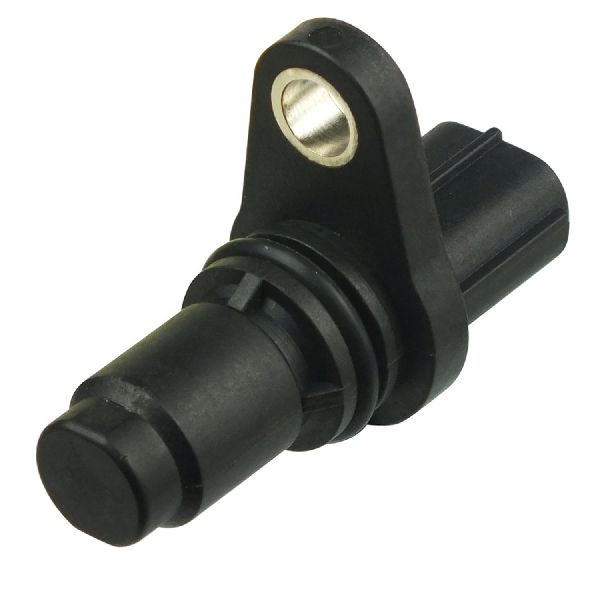
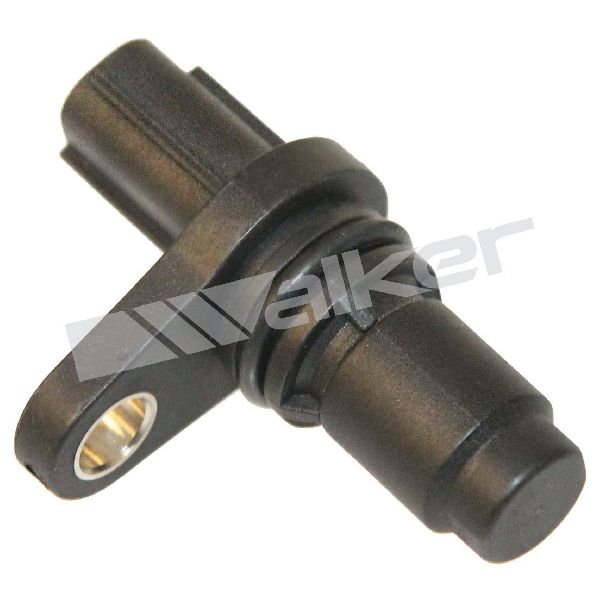
Aftermarket price range: $40-$80 - Camshaft Position Sensor
(OEM #90919-A5004)— Though less common than an OCV failure, a faulty sensor can send incorrect data to the ECM, triggering a correlation code.
Trusted brands: Denso, NTK
OEM price range: $90-$140
Aftermarket price range: $40-$80
Related Codes That Often Appear With This One
- P0019 — This is the same correlation error but for Bank 2 (front/radiator side). If P0017 and P0019 appear together, it strongly suggests a systemic problem like very low/dirty oil, low oil pressure from a failing oil pump, or a jumped timing chain affecting the whole engine.
- P0016, P0018 — These are the equivalent correlation codes for the intake camshafts (Sensor 'A'). Seeing them alongside P0017 points to a more severe timing issue, such as a stretched timing chain or major oil pressure problem, rather than an isolated component failure.
Technical Service Bulletins (TSBs) & Recalls
- T-SB-0094-09 - '2GR-FE Engine Ticking Noise and/or MIL ON...' - While this TSB officially applies to 2005-2009 models, it details the diagnosis for VVT-i related DTCs including P0017 caused by a faulty VVT gear (phaser), which is still a relevant, though rare, cause on 2010+ models. The primary symptom described is a ticking or rattling noise.
Platform-Specific Known Issues
- Owner Experience: Dealer Misdiagnosis: A ClubLexus forum member with a P0017 code and rough idle was advised by a dealer to replace the battery for a $170 diagnostic fee, despite the battery testing good. This highlights the importance of following a logical diagnostic path (oil, OCV, filter) before accepting expensive or unrelated repairs. The owner planned to next inspect the OCV filter themselves.
- Owner Experience: VSC & TRAC OFF Lights: On ClubLexus, an owner of a 2007 RX350 with 190k miles reported that the P0017 code was accompanied by the VSC and TRAC OFF lights, which is a standard safety feature for many Toyota/Lexus vehicles when a powertrain fault is detected.
Mechanic-Grade Diagnostic Values
- Oil Control Valve (VVT Solenoid) Resistance — expected: 6.9 to 7.9 Ω at 20°C (68°F). Failure: A reading outside this range, or an open/short circuit, indicates a faulty solenoid.
- Camshaft Position Sensor Supply Voltage at ECM Connector — expected: 4.5 to 5.0 V with ignition switch ON. Failure: Voltage outside this range points to a problem in the wiring harness or the ECM's power supply circuit.
Hidden / Shadow Codes Worth Checking
- Pending DTC: Before a DTC becomes 'confirmed' and turns on the Check Engine Light, it may be stored as a 'pending' code. Checking for pending codes with a scan tool like Techstream can reveal an intermittent issue before it becomes persistent. (see via Use a scan tool and navigate to the 'Pending Codes' section within the Powertrain or Engine control module menus.)
- Mode $06 Data: This is not a specific code but a diagnostic mode that shows results from the ECM's non-continuous self-tests. For VVT, it can provide raw data on camshaft angle correlation tests, showing if the system is close to its failure threshold, even if a code hasn't been set. (see via An advanced scan tool that supports OBD-II Mode $06 is required. The data is presented as Monitor IDs (MIDs) and Test IDs (TIDs) which must be cross-referenced with manufacturer-specific charts.)
Scan Tool Commands That Help
- Toyota Techstream: Active Test: Control the VVT Exhaust Linear (Bank 1) — This is a critical diagnostic step after checking oil and wiring. This command forces the OCV to operate. If the engine RPM becomes rough or stalls when the command is activated, it confirms the OCV is sending oil and the VVT phaser is mechanically able to move. If nothing happens, it points to a clogged OCV, clogged passage, or a seized VVT phaser.
- Toyota Techstream: Utility: All Readiness — After a repair (like an oil change or OCV replacement), this function can be used to check if the monitor for the VVT system has completed its self-test and passed. It helps confirm if the fix was successful without waiting for multiple drive cycles.
Wiring & Ground Locations
- Engine Harness Ground (Bank 1 Head) — On the side of the Bank 1 (rear) cylinder head, located underneath the throttle body area. This is a bundle of ground wires from the engine harness.. A poor ground at this location can cause erratic signals from the sensors on Bank 1, including the camshaft position sensor, potentially leading to a false correlation code.
- Valve Cover Grounds — There are ground wires that attach directly to the metal valve covers on both banks of the engine.. These grounds are essential for the proper operation of components mounted on or near the cylinder heads, including the OCVs and camshaft sensors. A loose or corroded connection here can introduce electrical noise.
- OCV Connector Pins — The two-wire connector on the Bank 1 exhaust OCV solenoid.. For testing, one pin is the +B (battery voltage) supply from the fuse box, and the other is the control line that the ECM uses to ground the circuit and actuate the solenoid. Checking for voltage here is a primary electrical test.
Real Owner Repair Stories
- YouTube Channel 'speedkar99' (2007 Lexus ES350 (2GR-FE engine)) — Engine failed, difficulty starting, horrible noises. Borescope inspection showed piston-to-valve contact on the rear bank.
❌ Tried (didn't work) Initial assumption was a jumped timing chain due to a large oil leak.
✅ What actually fixed it Teardown revealed the bolts for the Bank 1 intake VVT gear (phaser) had backed out and were missing, allowing the camshaft to lose timing completely, which led to bent valves. The engine internals were also heavily tarnished, indicating a history of poor oil maintenance. This was a catastrophic mechanical failure of the phaser itself. - YouTube Channel 'Merry Frankster' (Toyota with 2GR-FE engine) — VVT 'death rattle' on cold startup, which is often a precursor to VVT-related codes like P0017.
❌ Tried (didn't work) The official Toyota TSB calls for expensive replacement of VVT gears, camshafts, and solenoids.
✅ What actually fixed it The rattle was resolved by replacing hardened, leaking O-rings that seal the oil passages between the cylinder head and the valve cover. These O-rings are part of a standard valve cover gasket kit. Leaking pressure at this point was starving the VVT gear of oil on startup. This is a much cheaper fix to try before major component replacement.
Model Year Variations Within This Range
- Pre-2010 (Primarily 2005-2009): Toyota issued TSB T-SB-0094-09 for earlier 2GR-FE engines that could exhibit a ticking noise and VVT codes (including P0017) due to issues with the VVT gear assembly. Vehicles in the 2010-2015 range should have the updated parts from the factory, but this history shows a known weakness in the VVT gear design itself.
- Early 2GR-FE (e.g., pre-2008/2009): The earliest versions of the 2GR-FE engine used a VVT oil supply line that incorporated a rubber hose section. This hose was prone to rupturing, causing a sudden and massive loss of oil pressure, which could destroy the engine. This was updated to an all-metal line in later years. A 2010-2015 RX350 should have the metal line, but it's a critical check on any older 2GR-FE.
Diagnostic Flowchart
Other Known Issues on This Vehicle
Issues unrelated to this code that are worth knowing about as an owner of this generation:
- Sticky / Melting / Cracked Dashboard 🟠 Medium — Very common in vehicles exposed to heat and humidity. A Warranty Enhancement Program (ZE6/ZLD) was issued, but has since expired for most owners. (Ref: L-SB-0011-15 Rev1)
- Water Pump Failure 🔴 High → Shop Engine Water Pump — One of the most common major issues on the 2GR-FE. Often presents as a slow coolant leak (pink crusty residue near the pulley) or a grinding/howling noise from the belt area.
- VVT-i Oil Line Rupture (Early Models) 🔴 High — More prevalent on 2007-2009 models, but some early 2010 models may still have the original rubber oil line which can burst, causing rapid oil loss and catastrophic engine failure. An updated all-metal line is the fix.
- Power Liftgate Motor/Strut Failure 🟡 Low — Weakening liftgate support struts put excessive strain on the power liftgate motor, causing it to fail. The gate may struggle to open automatically but can still close.
- VVT Gear Rattle on Cold Start 🟠 Medium — A brief (1-2 second) rattle upon cold startup can indicate wear within the VVT phaser (gear). It is often caused by oil drain-down or sludge. While often just an annoyance, it can progress and contribute to timing codes. (Ref: T-SB-0094-09 (for earlier models, but describes the same mechanism))
- Timing Cover Oil Leak 🟠 Medium — A slow oil seep can develop from the timing chain cover gasket over time, particularly on higher-mileage vehicles. It is a labor-intensive repair.
Used vs. New Parts: Buying Guide for This Vehicle
When a used part is the smart pick: For this repair, used parts are generally not recommended. The primary failure components (OCVs, VVT gears) are subject to wear, sludge, and electronic failure. A used part carries a high risk of having the same issue or a short remaining life. The only exception might be a simple bracket or connector if damaged during repair.
Donor-vehicle mileage cap: roughly under 50000 miles for the part to have meaningful remaining life.
What to inspect on the donor part:
- Verify the donor vehicle had no VVT-related trouble codes.
- Ask for maintenance records showing consistent oil changes with synthetic oil.
- If inspecting in person, look for any signs of oil sludge under the oil cap as an indicator of poor maintenance.
OEM-only on this vehicle (don't cheap out):
- VVT Cam Gear (Phaser): Aftermarket phasers have a poor reputation for reliability and can fail quickly. Given the labor-intensive nature of replacing them, using a Genuine Toyota/Lexus part is critical to ensure longevity.
Aftermarket brands forum-validated for this vehicle:
- Denso: Denso is the original equipment manufacturer for many of Toyota's electronic parts, including OCVs and sensors. A Denso-branded part is often identical to the genuine dealer part without the Toyota packaging.
- Aisin: Aisin is another major OEM supplier for Toyota for mechanical and hydraulic parts. Their OCVs are also considered a high-quality alternative.
Brands owners have reported issues with on this vehicle:
- Avoid unbranded or 'white-box' electronic parts (OCVs, sensors) from major online marketplaces. While inexpensive, they often have high failure rates and may not be calibrated to the precise OEM specifications, causing persistent or new codes.
Real Owner Stories
Aggregated from forums and TSBs cited above. Mileages and costs reflect what owners reported in those sources.
2007 Lexus RX350 2GR-FE — 190000 miles
Symptoms: P0017 code accompanied by VSC and TRAC OFF lights.
What fixed it: The owner was advised to check oil and swap Bank 1 and Bank 2 exhaust OCVs to confirm if the code moved to P0019.
Source hint: ClubLexus - https://www.clublexus.com/forums/rx-2nd-gen-2004-2009/957448-2007-rx350-code-p0017.html
Lexus GS 3rd Gen (2GR-FE)
Symptoms: Persistent P0017 and rough idle; dealer incorrectly suggested replacing the battery.
What fixed it: The owner planned to inspect the OCV filter for blockages after the dealer misdiagnosis.
Cost: $170-$170
Source hint: ClubLexus - https://www.clublexus.com/forums/gs-3rd-gen-2006-2011/999881-p0017-not-diagnosed-at-dealer.html
Lexus IS350 2GR-FE
Symptoms: Car runs normally but has the Check VSC light on and P0017 code.
What fixed it: Discussion identified potential causes as oil-related issues, sensors, or a stretched timing chain.
Source hint: ClubLexus - https://www.clublexus.com/forums/is-2nd-gen-2006-2013/781190-wife-s-is350-showing-engine-code-p0017-cam-positioning-sensor-help.html
Related OBD-II Codes
Frequently Asked Questions
Does TSB-0094-09 apply to my 2010-2015 Lexus RX350?
Why are my VSC and TRAC OFF lights on along with the Check Engine light?
What is the specific part number for the Bank 1 exhaust Oil Control Valve on my RX350?
Is there a filter I should check before replacing expensive sensors?
Can I test the OCV myself without a professional scan tool?
What oil weight should I be using to prevent VVT-i issues like P0017?
We Have This Part in Stock

The information in this article is provided for general reference and educational purposes only. Vehicle specifications, procedures, and part compatibility can vary by production date, trim level, and region. Always consult your vehicle's factory service manual and verify part numbers before purchasing or performing repairs. Safety-critical components such as airbags, seat belts, and braking systems should be installed by a qualified professional.
- Lexus RX350:
- 🧭 Diagnostic Flowchart
- 🛍️ Shop This Part
- What's Unique About the 2010-2015 Lexus RX350
- Symptoms You May Notice
- Most Likely Causes
- Rare But Worth Checking
- Diagnosis Steps
- Parts You'll Likely Need
- Related Codes That Often Appear With This One
- Technical Service Bulletins (TSBs) & Recalls
- Platform-Specific Known Issues
- Mechanic-Grade Diagnostic Values
- Hidden / Shadow Codes Worth Checking
- Scan Tool Commands That Help
- Wiring & Ground Locations
- Real Owner Repair Stories
- Model Year Variations Within This Range
- Other Known Issues on This Vehicle
- Used vs. New Parts: Buying Guide for This Vehicle
- Real Owner Stories
- 2007 Lexus RX350 2GR-FE — 190000 miles
- Lexus GS 3rd Gen (2GR-FE)
- Lexus IS350 2GR-FE
- Related OBD-II Codes
- Frequently Asked Questions
- 🎟️ Get 5% Off