

P0017 on 2006-2007 Mazda 6 2.3L Turbo: Exhaust Cam/Crank Correlation Causes and Fixes
On the 2006-2007 Mazda 6 with the 2.3L Turbo engine, P0017 almost always indicates a serious mechanical timing issue, most commonly a stretched timing chain and/or a failed Variable Valve Timing (VVT) actuator. This is a complex and expensive repair, often costing between $1,200 and $2,000 at a shop. Mazda issued a warranty extension (SSP 87) for this exact problem, highlighting its prevalence.
- P0017 on a 2006-2007 Mazda 6 2.3L Turbo is a critical code that should be addressed immediately.
- The most likely cause is a stretched timing chain due to a failed VVT actuator, a known pattern failure for this engine.
- Do not simply replace the cam/crank sensors; the problem is almost certainly mechanical.
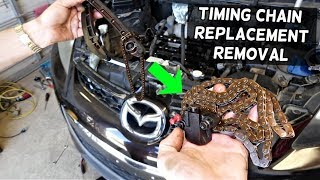
- The correct repair is to replace the timing chain, VVT actuator, tensioner, and guides as a complete kit.
- This is not a DIY-friendly job for beginners and requires special tools and significant labor, making it a costly repair.
What's Unique About the 2006-2007 Mazda 6
The MZR 2.3L DISI Turbo engine is notoriously prone to premature timing chain and Variable Valve Timing (VVT) system failures. Unlike many other vehicles where a P0017 code might point to a simple sensor issue, on this specific engine, it is highly indicative of a stretched timing chain caused by a faulty VVT actuator. A defective lock pin in the original VVT actuator design fails to hold, placing constant stress on the timing chain and causing it to stretch at an accelerated rate. This is a well-documented pattern failure for this powertrain, acknowledged by Mazda via TSB 01-012/12 and a Special Service Program (SSP 87) that extended the warranty for this specific issue to 7 years or 70,000 miles. Owners should treat this code with high urgency.
Symptoms You May Notice
- Check Engine Light is on
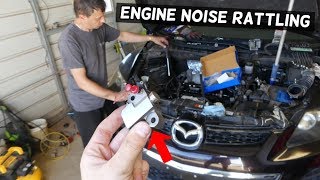
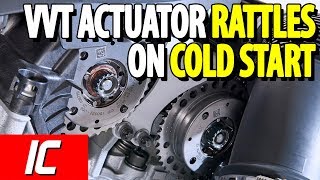
- Loud rattling or ticking noise from the passenger side of the engine, especially on a cold start for a few seconds. 🎬 Watch: Hear what a failing VVT actuator sounds like on startup.
- A knocking or diesel-like rattle from the timing cover area below 2,000 RPM when the engine is warm.
- Rough or unstable idle
- Engine stalling, especially at low speeds
- Noticeable loss of engine power and acceleration
- Reduced fuel economy
- Engine may crank but fail to start in severe cases
- Replacing only the camshaft position sensor. The sensor is reporting a real mechanical problem; it is rarely the cause of the problem itself on this engine.
- Replacing only the crankshaft position sensor. Similar to the camshaft sensor, this is usually not the root cause.
- Replacing only the timing chain without replacing the faulty VVT actuator. The bad actuator will cause the new chain to stretch prematurely, and the problem will return. A forum user on Reddit reported this exact scenario.
Most Likely Causes
- Stretched Timing Chain and Failed VVT Actuator 🔴 High Probability → Shop Engine Timing Chain This is a widely documented pattern failure on the MZR 2.3L DISI Turbo engine. A defective VVT actuator lock pin design leads to accelerated timing chain stretch. Mazda acknowledged this with TSB 01-012/12 and warranty extension SSP 87.
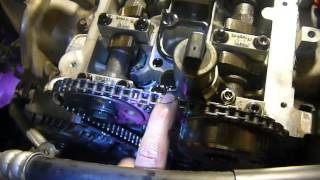
How to confirm: A visual inspection through the oil filler cap may show a loose chain that can be lifted off the sprocket. The definitive test is to remove the valve cover and front timing cover to measure chain slack and inspect the VVT actuator and guides. The service manual provides a procedure to check the actuator's locking function.
Typical fix: Replace the timing chain, VVT actuator, chain tensioner, and all guides as a complete kit. It is critical to replace all related components at the same time using the updated parts.
Est. part cost: $300-$600 for a complete OEM or high-quality aftermarket kit. - Faulty Oil Control Valve (OCV) / VVT Solenoid 🟡 Medium Probability → Shop Engine Variable Valve Timing (VVT) Solenoid The OCV can become clogged with sludge from infrequent oil changes or fail electrically. Since the VVT system is oil-operated, a bad OCV directly impacts cam timing and can cause correlation codes.
How to confirm: Check for sludge on the valve screen. Test the solenoid's resistance with a multimeter and apply 12V to see if it actuates. A scan tool can also command the solenoid on/off to check for a response in camshaft angle.
Typical fix: Remove and clean the OCV. If cleaning doesn't work or it fails electrical tests, it must be replaced. The OEM part number is L3K9-14-420A.
Est. part cost: $50-$150 - Low or Dirty Engine Oil 🟡 Medium Probability The VVT system is hydraulic and extremely sensitive to oil pressure and cleanliness. This engine is known to consume oil, and low levels can starve the VVT system, preventing proper cam phasing and accelerating wear.
How to confirm: Check the oil level on the dipstick and inspect the oil's condition. If it is low, black, or sludgy, this is a likely contributor. Mazda's warranty extension for the VVT issue could be denied if poor maintenance was evident.
Typical fix: Perform an oil and filter change using a high-quality full synthetic oil matching Mazda's specifications (5W-30).
Est. part cost: $40-$80
Rare But Worth Checking
- Failed Camshaft or Crankshaft Position Sensor: → Shop Engine Crankshaft Position Sensor While these sensors can fail, it is much less common than the mechanical timing components on this engine. They should only be replaced after all mechanical causes have been ruled out. The sensors are often just accurately reporting the mechanical fault.
- Damaged Reluctor Wheel/Tone Ring: The tone ring on the camshaft or crankshaft, which the sensor reads, can become damaged or slip, causing incorrect readings. This is rare and usually only occurs if other major engine work was performed incorrectly.
Diagnosis Steps
- Check Engine Oil: Verify the oil level is full and the oil is clean. If low or dirty, perform an oil change with the correct grade synthetic oil (5W-30), clear the codes, and re-test. This is the first and most crucial step.
- Scan Tool Data: Use a scan tool to observe the desired vs. actual camshaft angle for the exhaust cam (Bank 1 Sensor B). A significant and persistent deviation points to a problem.
- Inspect/Test Oil Control Valve (OCV): Locate and remove the exhaust OCV. Inspect its screen for sludge or debris. Test its function using a scan tool or by applying a 12V source to check for actuation.
- Mechanical Timing Inspection (Visual): Remove the oil filler cap and attempt to lift the timing chain off the camshaft sprocket with a pick or screwdriver. If there is significant slack, the chain is stretched.
- Mechanical Timing Inspection (Full): If the above steps do not resolve the issue, a full mechanical inspection is required. Remove the valve cover. Check for visible slack in the timing chain and damage to the VVT actuator stopper pin area.
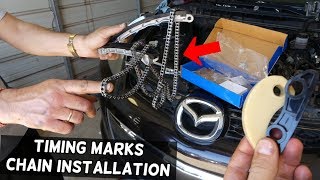
- Full Timing Service: If the chain is loose or the VVT actuator is faulty, the only proper fix is to replace the entire timing system: VVT actuator, timing chain, tensioner, and all plastic guides. This requires special tools to lock the crankshaft and camshafts in place. 🎬 Watch: How to properly align timing marks and install the chain.
Parts You'll Likely Need
- Timing Chain and VVT Actuator Kit
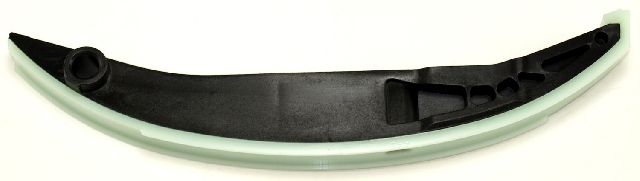
(OEM #L3K9-12-4X0C (VVT Actuator), L3K9-12-201A (Timing Chain), L3K9-12-500A (Tensioner))— This is the most common failure. A complete kit ensures all worn components are replaced to prevent a repeat failure. The VVT actuator is the primary cause of the chain stretch.
Trusted brands: Mazda OE, CorkSport, Maxpeedingrods
OEM price range: $400-$600
Aftermarket price range: $300-$500 - Oil Control Valve (VVT Solenoid)
(OEM #L3K9-14-420A)— This valve controls oil flow to the VVT actuator and can get stuck or clogged, preventing proper cam phasing.
Trusted brands: Mazda OE, Denso, Hitachi
OEM price range: $100-$180
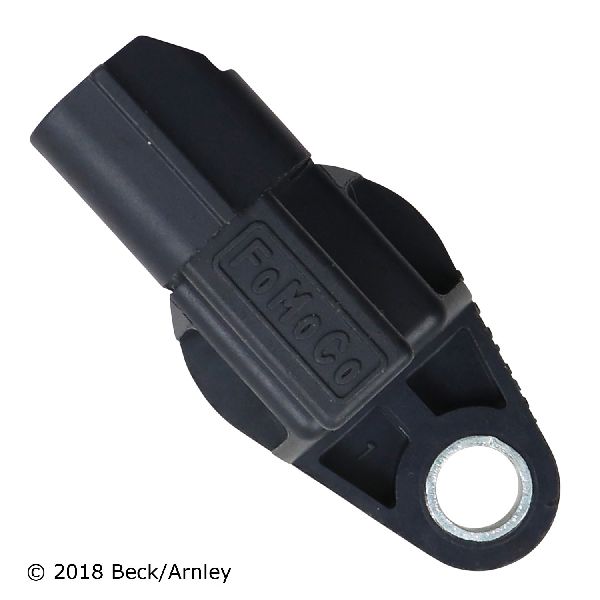
Aftermarket price range: $50-$100 - Crankshaft Position Sensor — Replaced only if it fails specific diagnostic tests, after mechanical timing has been verified as correct.
Trusted brands: Mazda OE, Bosch, NGK/NTK
OEM price range: $80-$150
Aftermarket price range: $40-$90 - Exhaust Camshaft Position Sensor — Replaced only if it fails specific diagnostic tests, after mechanical timing has been verified as correct.
Trusted brands: Mazda OE, Bosch, NGK/NTK
OEM price range: $70-$130
Aftermarket price range: $30-$80
Related Codes That Often Appear With This One
- P0016 — Crankshaft/Camshaft Position Correlation (Bank 1, Sensor A - Intake). If both P0016 and P0017 are present, it strongly points to a base timing issue like a stretched chain affecting both camshafts, rather than a single faulty component.
- P0011 — 'A' Camshaft Position - Timing Over-Advanced (Bank 1). This code relates to the intake cam and can appear with P0017 if the oil control or VVT system is failing.
- P0012 — 'A' Camshaft Position - Timing Over-Retarded (Bank 1). Similar to P0011, this points to a VVT system issue, often caused by low oil pressure or a faulty OCV.
Technical Service Bulletins (TSBs) & Recalls
- Mazda TSB 01-012/12: Addresses VVT and timing chain noise. Describes the cold start rattle and warm engine knocking symptoms. Provides diagnostic flowcharts for technicians.
- Mazda Special Service Program (SSP 87): Extends the warranty coverage for the VVT actuator and timing chain to 7 years or 70,000 miles due to the high rate of failure. Explicitly states the condition of concern is a cold-start ticking from the VVT or a rattle from the timing chain below 2,000 RPM.
Platform-Specific Known Issues
- A technical service bulletin (TSB 01-012/12) and a warranty extension program (SSP 87) were issued by Mazda specifically for this VVT and timing chain noise/stretching issue. The warranty was extended to 7 years or 70,000 miles. This officially documents the high failure rate.
- Owner Experience: A user on MazdaspeedForums.org details their DIY repair, emphasizing the difficulty and time commitment ('a loooooong weekend'). They menti
Mechanic-Grade Diagnostic Values
- Oil Control Valve (OCV) Solenoid Resistance — expected: 6.9—7.9 ohms at 20°C (68°F). Failure: A reading outside this range, or a reading that fluctuates wildly on different days, indicates a failing solenoid coil.
- Camshaft Position Sensor (3-wire Hall effect) Signal Voltage — expected: Switches between approximately 0V and 5V (or 4.8V) as a metal object (like the reluctor wheel tooth) passes by the sensor.. Failure: Voltage that is stuck at 0V, stuck at 5V, or does not switch cleanly indicates a failed sensor.
- Scan Tool Live Data: Desired vs. Actual Cam Angle — expected: The 'Actual' Cam Position PID should closely match the 'Desired' Cam Position PID when the engine is running and VVT is commanded.. Failure: A significant, persistent deviation between the desired and actual values indicates a problem with the VVT system's ability to achieve the commanded timing, often due to low oil pressure, a faulty OCV, or a mechanical timing issue.
Scan Tool Commands That Help
- Advanced Scan Tool (e.g., Mazda IDS, Autel, Snap-on): VVT Solenoid Actuation Test / OCV Duty Cycle Control — This bidirectional command allows the technician to manually command the OCV solenoid to operate while monitoring the actual camshaft position. If the cam angle does not change when the solenoid is commanded, it points to a stuck OCV, clogged oil passages, or a mechanical failure in the VVT actuator.
Wiring & Ground Locations
- G22 — Right side of the engine.. This is a primary engine ground point. A loose or corroded connection here can affect the reference ground for various sensors, including the camshaft and crankshaft position sensors, potentially causing erratic signals and correlation codes.
- PCM Ground — The Powertrain Control Module (PCM) is located behind the left side of the dash. It has multiple ground pins that must be secure.. The PCM relies on a clean ground to accurately interpret sensor data. A bad PCM ground can lead to misinterpretation of cam and crank signals, triggering false correlation codes.
- HPFP Ground — A ground point located near the high-pressure fuel pump (HPFP) area.. While primarily for the ignition and fuel system, poor grounding in this area can introduce electrical noise that may interfere with nearby sensor signals.
- OCV Connector — On the top, right-front of the engine.. The connector for the Oil Control Valve. The terminals can be tested here for resistance and voltage. The PCM sends a duty-cycled signal to this connector to control the valve.
Real Owner Repair Stories
- Mazdaspeeds.org user 'Rogi' (2007 Mazdaspeed 6) — No voltage to injectors, preventing the car from starting. This occurred during an engine replacement project.
❌ Tried (didn't work) Checking all known engine bay ground points: passenger motor mount, HPFP ground, starter ground, ground point under driver headlight.
✅ What actually fixed it The user discovered the PCM was not sending the required ground signal to the injector relay. Manually providing a ground to the relay allowed the car to start, indicating the root cause was a faulty PCM driver circuit or an issue with the PCM's own ground path.
OEM Part Supersession History
L3K9-12-4X0A, L3K9-12-4X0B→L3K9-12-4X0C— The original VVT actuators had a design flaw with the locking pin, leading to premature failure and timing chain stretch. The '4X0C' part is the updated design intended to resolve this issue.
Heads up: Using an old stock '4X0A' or '4X0B' will lead to a repeat failure. It is critical to ensure the replacement part is the 'L3K9-12-4X0C' or a reputable aftermarket equivalent based on the updated design.
Diagnostic Flowchart
Other Known Issues on This Vehicle
Issues unrelated to this code that are worth knowing about as an owner of this generation:
- Failing Turbo Seals (K04 Turbo) 🔴 High — Common on higher mileage (70k+ miles) or modified vehicles. Presents as white/blue smoke from the exhaust at idle when warm.
- High Pressure Fuel Pump (HPFP) Internals Failure 🔴 High — The stock HPFP can be insufficient, especially with performance modifications, leading to fuel cuts and potentially catastrophic lean conditions. Upgrading the pump internals is considered a mandatory first modification by the enthusiast community.
- Leaking/Failing Fuel Injector Seals 🟠 Medium — Injector seals can degrade over time, causing boost leaks or fuel leaks. Often recommended to be replaced when other engine work is being performed.
- Excessive Oil Consumption 🟠 Medium — These engines are known to consume oil, which can be exacerbated by failing turbo seals or worn piston rings. Frequent oil level checks are critical. (Ref: While for later models, TSBs like 01-012/21 for 2021 models show a history of oil consumption issues in Mazda engines due to valve stem seals.)
Used vs. New Parts: Buying Guide for This Vehicle
When a used part is the smart pick: For this specific P0017 repair, obtaining used parts is strongly discouraged. The primary failure components (timing chain, VVT actuator, tensioner, guides) are all high-wear items, and the original VVT actuator design was faulty. A used assembly from a junkyard vehicle likely has significant wear and may be the old, failure-prone design.
What to inspect on the donor part:
- Not applicable. Do not use salvaged timing components for this repair.
OEM-only on this vehicle (don't cheap out):
- VVT Actuator: While some aftermarket options exist, the Mazda OEM part (L3K9-12-4X0C) is the most proven and reliable fix for the pattern failure. Using a cheap, unverified aftermarket actuator is a significant risk.
- Timing Chain: The OEM chain is a durable roller chain designed for the turbo application. Given the critical nature, sticking with OEM is the safest bet.
Aftermarket brands forum-validated for this vehicle:
- CorkSport: Frequently recommended on enthusiast forums for their complete timing kits, which often bundle Mazda OEM parts with their own specialized tools.
Brands owners have reported issues with on this vehicle:
- Generic, unbranded timing kits from online marketplaces (e.g., eBay, Amazon). These often use lower-quality materials for the chain, guides, and tensioner, which can lead to rapid failure in the high-stress environment of the DISI turbo engine.
Real Owner Stories
Aggregated from forums and TSBs cited above. Mileages and costs reflect what owners reported in those sources.
2007 Mazdaspeed3 2.3L DISI Turbo
Symptoms: Repeated timing chain stretching and VVT actuator failure.
What fixed it: Replacement of the VVT actuator, which was identified as the root cause of the chain stretch.
Source hint: Reddit (/r/mazdaspeed3) - 'Cause of timing chain stretching'
2006-2007 Mazda 6 MZR 2.3L DISI Turbo
Symptoms: A 'loooooong weekend' DIY repair involving significant difficulty and time commitment.
What fixed it: Full VVT/Timing Chain repair.
Source hint: MazdaspeedForums.org - 'Mazdaspeed 3 VVT/Timing Chain/Etc DIY Repair'
2006-2007 Mazda 6 MZR 2.3L DISI Turbo
Symptoms: P0017 diagnostic code appearing on the dashboard.
What fixed it: Users pointed toward addressing low oil levels and potential timing system failure.
Source hint: Reddit (/r/mazda) - 'Anyone else deal with a P0017 diagnostic code?'
Related OBD-II Codes
Frequently Asked Questions
Does Mazda TSB 01-012/12 apply to my 2006-2007 Mazda 6 with the 2.3L Turbo engine?
Is there a warranty extension for the P0017 code and timing chain issues on this vehicle?
Can I just replace the Oil Control Valve (OCV) to fix P0017?
What specific oil should I use to prevent VVT system failure in my MZR 2.3L DISI Turbo?
Can I use a used VVT actuator from a salvage yard to save money on the repair?
Is the cold start rattling noise related to the P0017 code?
Helpful Videos
We Have This Part in Stock

The information in this article is provided for general reference and educational purposes only. Vehicle specifications, procedures, and part compatibility can vary by production date, trim level, and region. Always consult your vehicle's factory service manual and verify part numbers before purchasing or performing repairs. Safety-critical components such as airbags, seat belts, and braking systems should be installed by a qualified professional.
- Mazda 6:
- 🧭 Diagnostic Flowchart
- 🎬 Helpful Videos
- 🛍️ Shop This Part
- What's Unique About the 2006-2007 Mazda 6
- Symptoms You May Notice
- Most Likely Causes
- Rare But Worth Checking
- Diagnosis Steps
- Parts You'll Likely Need
- Related Codes That Often Appear With This One
- Technical Service Bulletins (TSBs) & Recalls
- Platform-Specific Known Issues
- Mechanic-Grade Diagnostic Values
- Scan Tool Commands That Help
- Wiring & Ground Locations
- Real Owner Repair Stories
- OEM Part Supersession History
- Other Known Issues on This Vehicle
- Used vs. New Parts: Buying Guide for This Vehicle
- Real Owner Stories
- 2007 Mazdaspeed3 2.3L DISI Turbo
- 2006-2007 Mazda 6 MZR 2.3L DISI Turbo
- 2006-2007 Mazda 6 MZR 2.3L DISI Turbo
- Related OBD-II Codes
- Frequently Asked Questions
- 🎟️ Get 5% Off