

P0017 on 2018-2022 Mitsubishi Eclipse Cross: Crank-Cam Correlation Causes and Fixes
For a 2018-2022 Eclipse Cross, code P0017 is frequently caused by an Engine Control Module (ECM) software issue that requires a dealer update per a Technical Service Bulletin. Other common causes include a faulty exhaust oil control valve (solenoid) or low/dirty engine oil. A key first step is checking with a dealer about TSB TIN-20-13-001REV before replacing parts.
- First, check if TSB TIN-20-13-001REV applies to your vehicle. An ECM software update at a dealer may be the only fix required.
- Ensure your engine oil is clean and at the proper level. The VVT system is sensitive to oil condition.
- The next most likely part to fail is the exhaust oil control valve (VVT solenoid).
- Do not replace the camshaft or crankshaft sensors as a first step; they are less likely to be the cause of a correlation code than other issues.
- If the issue persists, a more serious mechanical problem like a stretched timing chain could be the cause, which requires professional diagnosis.
What's Unique About the 2018-2022 Mitsubishi ECLIPSE CROSS

The 2018-2022 Eclipse Cross is unique regarding code P0017 due to manufacturer-issued Technical Service Bulletin TIN-20-13-001REV. While not mandating a reprogram specifically for P0017, the TSB acknowledges that related codes P0011 and P0014 can be set without a mechanical fault and recommends a software update for them. For P0017, the TSB's primary function is to remind dealers that extensive diagnostic data (Freeze Frame Data, etc.) is required for any warranty claim, highlighting that Mitsubishi is closely tracking this issue. This makes a dealer visit to check software status a critical first step.
Diagnostic Flowchart

Tap your situation to follow the diagnostic path that matches what you're seeing on this vehicle.
Symptoms You May Notice

- Check Engine Light is on
- Rough idle
- Reduced engine power and acceleration
- Increased fuel consumption
- Engine may be difficult to start
- Engine stalling
- Rattling noise from the engine, particularly on cold starts, which could indicate a failing VVT phaser.
- Replacing the camshaft or crankshaft position sensors immediately. The TSB and Mitsubishi's own diagnostic hints suggest that software, oil-related issues (OCV), or mechanical timing are more probable causes than a sensor failure for this specific correlation code. 🎬 Watch: Understanding the causes and fixes for the P0017 code
Most Likely Causes

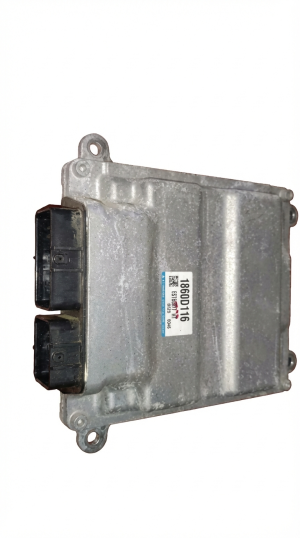
- Engine Control Module (ECM) Software Issue 🔴 High Probability → Shop Engine Control Module (ECM) Mitsubishi issued TSB TIN-20-13-001REV for 2018-2022 Eclipse Cross models, indicating a known software problem can falsely trigger related codes (P0011/P0014). While P0017 isn't explicitly included in the reprogram instruction, the TSB's existence for the VVT system as a whole points to software sensitivity being a major factor.
How to confirm: A Mitsubishi dealer can check your vehicle's VIN against TSBs and confirm if the latest ECM software is installed.
Typical fix: Reprogramming the ECM with the latest software version. This is a dealer-only procedure.
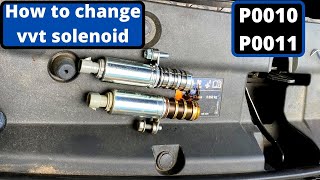
Est. part cost: $0-$250 (Cost varies by dealer; may be covered under warranty or as part of a diagnostic fee) - Faulty Exhaust Oil Control Valve (OCV) / VVT Solenoid 🟡 Medium Probability → Shop Engine Variable Valve Timing (VVT) Solenoid The VVT system is hydraulic and the OCV is the component that directs oil flow to the cam phaser. These solenoids can get clogged by dirty or low oil, or fail electrically, which is a common issue in many modern engines. Mitsubishi's own troubleshooting hints list a failed exhaust engine oil control valve as a likely cause.
How to confirm: A mechanic can test the solenoid's resistance with a multimeter (should be 6.9-7.9 ohms at 68°F/20°C) or command it on/off with a scan tool to check for an audible click and response. Visual inspection for sludge on the mesh screens is also useful.
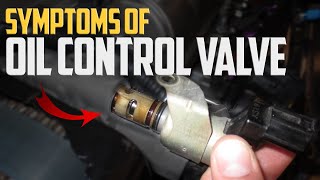
Typical fix: Replace the exhaust camshaft oil control valve (solenoid). The OEM part number is 1028A134. 🎬 See common symptoms and replacement costs for a faulty VVT solenoid After replacement, a 'Timing Chain Learned Value Reset' may be required.
Est. part cost: $150-$285 (OEM Part #1028A134) - Low or Dirty Engine Oil 🟡 Medium Probability The 4B40 engine's MIVEC (VVT) system is highly dependent on oil pressure and cleanliness to function. Incorrect oil viscosity or delayed oil changes can cause sludge to build up, clogging the fine passages in the OCV solenoids and cam phasers, leading to a correlation fault.
How to confirm: Check the oil level on the dipstick and inspect the oil's condition and service history. If it's low, excessively dark, or past its change interval, it's a likely contributor.
Typical fix: Perform an oil and filter change using the manufacturer-specified oil grade (full synthetic is recommended). In some cases, this alone can resolve the code if it was caused by a temporary pressure issue.
Est. part cost: $40-$80 - Stretched Timing Chain ⚪ Low Probability → Shop Engine Timing Chain While less common on newer vehicles, timing chains can stretch over their service life, especially if oil change intervals are extended. A stretched chain creates a permanent timing deviation between the crank and cams that the VVT system cannot compensate for, triggering P0017.
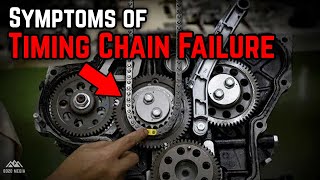
How to confirm: This is a complex diagnosis. A mechanic would use a scan tool to monitor cam/crank deviation values at idle and under load. If the values are consistently out of spec and other causes are ruled out, physical inspection is required to measure chain slack. 🎬 Watch: Learn the key signs and symptoms of timing chain failure
Typical fix: Replace the timing chain, tensioners, and guides. This is a labor-intensive and expensive job.
Est. part cost: $400-$800
Rare But Worth Checking
- Faulty Camshaft or Crankshaft Position Sensor: → Shop Engine Crankshaft Position Sensor While possible, the diagnostic logic for P0017 often assumes the sensors are working correctly, as a sensor circuit failure would typically set a different code. Mitsubishi's own diagnostic tree for P0017 on a similar engine places sensor checks after checking the OCV and mechanical timing.
- Damaged VVT Sprocket (Phaser): The mechanical sprocket on the end of the camshaft can fail internally or have a sheared dowel pin, but this is uncommon. It would typically produce a noticeable rattling noise on startup or during operation and is listed as a potential cause in service manuals.
Diagnosis Steps
- Check for Technical Service Bulletins (TSBs). Have a Mitsubishi dealer check your VIN for TSB TIN-20-13-001REV to see if a software update is available or has been performed.
- Verify Engine Oil Level and Condition. Ensure the oil is full, clean, and of the correct viscosity (full synthetic recommended). An oil change is a cheap and easy first step.
- Scan for Other DTCs. Additional codes can provide clues. Freeze frame data is critical to understand the conditions when the code was set (RPM, temp, etc.).
- Test the Oil Control Valve (Solenoid). Using a scan tool, command the exhaust OCV on and off to check for operation. Alternatively, remove it and apply 12V to see if the plunger actuates. Inspect the screens for sludge. Resistance should be 6.9-7.9 ohms.
- Inspect Wiring. Check the connectors and wiring to the camshaft position sensor and the oil control valve for any damage, corrosion, or oil contamination.
- Analyze Sensor Data. Use a scan tool with live data to observe the desired vs. actual camshaft position angles. An oscilloscope provides the most definitive test of the cam and crank sensor signal patterns.
- Inspect Mechanical Timing. If all else fails, a physical inspection of the timing chain, guides, and tensioners is necessary to check for stretching, wear, or jumped timing. After any timing component repair, the 'Timing Chain Learned Value' must be reset.
Parts You'll Likely Need
- Engine Oil Control Valve (VVT Solenoid)
(OEM #1028A134)— This solenoid controls the VVT system and is a common failure point due to clogging from dirty oil or electrical issues. It is listed as a primary suspect in Mitsubishi's own troubleshooting guide.
Trusted brands: Mitsubishi Genuine Parts, Standard Motor Products (VVT832), Delphi
OEM price range: $230-$285
Aftermarket price range: $70-$150 - ECM Reprogramming Service — A known software issue documented in TSB TIN-20-13-001REV is a primary cause for related codes on this vehicle, making a software check essential.
Trusted brands: Mitsubishi Dealer Service
OEM price range: $150-$250
Aftermarket price range: N/A - Camshaft Position Sensor
(OEM #1802A084 (verify with VIN))— Though less common for this specific code, a failing sensor can provide incorrect data, leading to a correlation fault. Often replaced as a precaution but should be tested first.
Related Codes That Often Appear With This One
- P0011 — Relates to 'Camshaft Position 'A' - Timing Over-Advanced or System Performance (Bank 1)'. This code is explicitly mentioned in TSB TIN-20-13-001REV as potentially being set due to a software issue needing a reprogram.
- P0014 — Relates to 'Camshaft Position 'B' - Timing Over-Advanced or System Performance (Bank 1)'. This is the exhaust camshaft timing performance, closely related to the P0017 correlation fault, and is also covered by the software update TSB.
- P0010 — Relates to the 'Camshaft Position Actuator Circuit (Bank 1)'. This code points specifically to an electrical issue with the intake VVT solenoid, which could appear alongside correlation codes if there's a systemic VVT problem.
Technical Service Bulletins (TSBs) & Recalls
- TIN-20-13-001REV: Instructs dealers to reprogram the Engine Control Module for DTCs P0011 and P0014. For the broader range of P0010-P0017, it requires technicians to submit detailed diagnostic data (Freeze Frame, All-DTC Data) for warranty approval, indicating a concluded investigation into these codes.
Platform-Specific Known Issues
- A primary issue for the 2018-2022 Eclipse Cross is the ECM software sensitivity. TSB TIN-20-13-001REV was issued because codes like P0011 and P0014 could appear without a mechanical problem. While P0017 isn't in the reprogram group, its inclusion in the TSB's data-gathering mandate suggests it's part of the same family of sensitive VVT system codes.
- The 1.5L 4B40 engine is the only application of this engine in the US market, making it somewhat unique. It features both direct and port fuel injection to help mitigate carbon buildup on intake valves, an issue that can affect other GDI-only engines.
Mechanic-Grade Diagnostic Values
- ECM Fault-Setting Conditions — expected: Engine speed: 594-1,500 r/min; Coolant temp: 20°C-88°C (68°F-190°F); Exhaust OCV: OFF.. Failure: These conditions must be met for the ECM to run the correlation check.
- Exhaust Camshaft Timing Deviation — expected: Within a range of approximately -7.7 to +5.4 degrees from the crankshaft's position.. Failure: If the timing is faster than -7.7 degrees or slower than +5.4 degrees for 10 seconds, the code will set. Note: Specific degree thresholds may vary slightly by software version.
- 3-Wire Camshaft Position Sensor Voltage (KOEO) — expected: With the connector unplugged and ignition on, one pin should have a 5V reference, and one should be ground. When back-probing the connected sensor, the signal wire should show ~5V.. Failure: When a metal object is passed in front of the sensor tip, the signal voltage should drop to 0V. If the voltage doesn't change, the sensor is likely faulty.
Scan Tool Commands That Help
- Mitsubishi M.U.T.-III: Timing Chain Learned Value Reset — This function must be performed after replacing the timing chain, timing components, or the engine oil control valve (OCV/solenoid) to initialize the ECM's learned value for timing chain elongation.
Wiring & Ground Locations
- B-105 — On the engine/transaxle assembly.. This is the connector identifier for the crankshaft position sensor. Inspecting this connector for damage or corrosion is a key diagnostic step.
- Factory Wiring Diagram Manual — N/A. The official manual (Part # MSSP320B2019 for 2019 models) contains the exact pinouts, wire colors, and ground point locations needed for in-depth electrical diagnosis, which are not available in public sources.
OEM Part Supersession History
1028A134→1028A134 (current)— No supersession. This part number remains the correct OEM part for the 2018-2025 Eclipse Cross.
Heads up: Other Mitsubishi oil control valves (e.g., 1028A034) may look similar but are not specified for the 4B40 engine. Using the incorrect part may result in improper oil flow and pressure, failing to resolve the P0017 code.
Model Year Variations Within This Range
- 2018-2022: The US market skipped the 2021 model year. The 2022 model received a significant facelift with new styling and interior updates. However, the 1.5L 4B40 engine and associated MIVEC timing system were unchanged, meaning the causes and diagnostic procedures for P0017 are consistent across the entire 2018-2022 range.
Helpful Videos

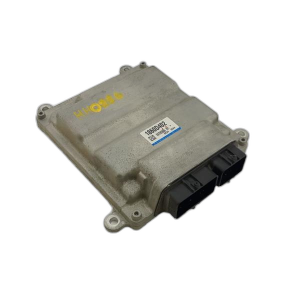
Used OEM Parts in Stock
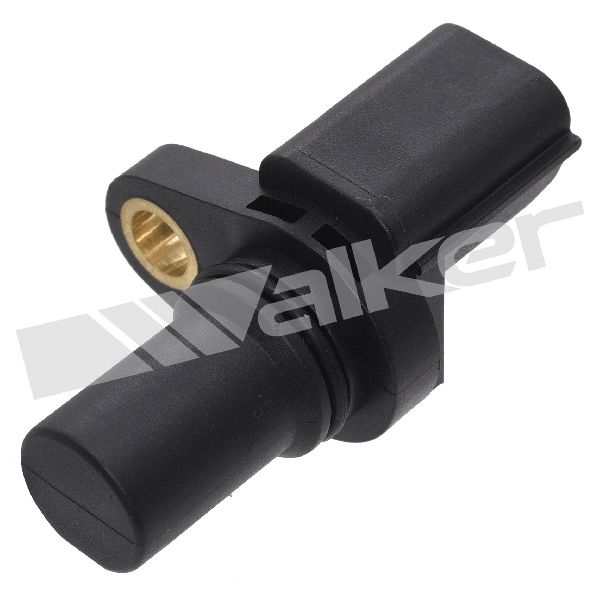
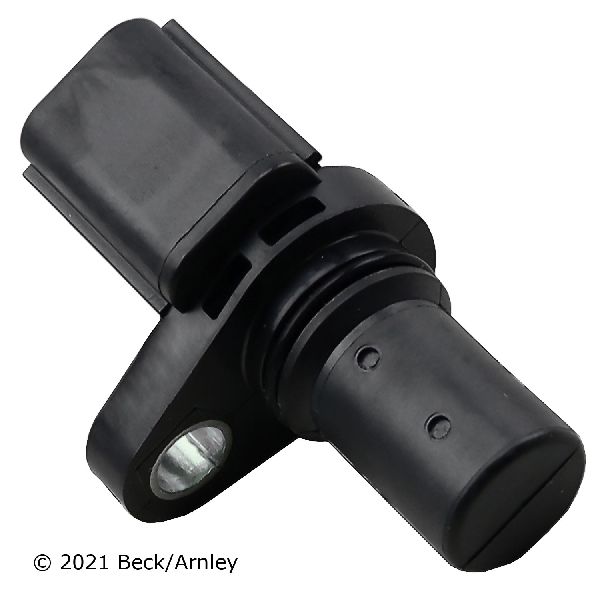
New Aftermarket Parts Available


The information in this article is provided for general reference and educational purposes only. Vehicle specifications, procedures, and part compatibility can vary by production date, trim level, and region. Always consult your vehicle's factory service manual and verify part numbers before purchasing or performing repairs. Safety-critical components such as airbags, seat belts, and braking systems should be installed by a qualified professional.
- Mitsubishi ECLIPSE CROSS:
- 🧭 Diagnostic Flowchart
- 🎬 Helpful Videos
- 🛍️ Shop This Part
- What's Unique About the 2018-2022 Mitsubishi ECLIPSE CROSS
- Symptoms You May Notice
- Most Likely Causes
- Rare But Worth Checking
- Diagnosis Steps
- Parts You'll Likely Need
- Related Codes That Often Appear With This One
- Technical Service Bulletins (TSBs) & Recalls
- Platform-Specific Known Issues
- Mechanic-Grade Diagnostic Values
- Scan Tool Commands That Help
- Wiring & Ground Locations
- OEM Part Supersession History
- Model Year Variations Within This Range
- 🎟️ Get 5% Off