

P0017 on 2009-2010 Pontiac G3: Crank/Cam Correlation Causes and Fixes
On a 2009-2010 Pontiac G3, code P0017 is often caused by low/dirty oil or a failing exhaust camshaft position actuator solenoid. If the code appears after an engine repair, a missing camshaft actuator oil sleeve is a very likely cause, as noted in GM TSB #PIP4543D. The timing belt has a 100,000-mile service interval which, if neglected, is another primary cause.
- Always check your engine oil level and condition first; low or dirty oil is a primary cause of P0017 on this engine.
- The exhaust VVT solenoid (actuator) is a very common failure point and is a relatively inexpensive and easy part to replace.
- If the Check Engine Light with code P0017 appeared immediately after an engine repair, the cause is almost certainly a missing camshaft actuator oil sleeve, as detailed in GM TSB #PIP4543D.
- Do not immediately replace the camshaft or crankshaft sensors, as they are less common failure points for this specific code than oil or VVT solenoid issues.
What's Unique About the 2009-2010 Pontiac G3
The Pontiac G3, a rebadged Chevrolet Aveo, uses a 1.6L Ecotec engine with Variable Valve Timing (VVT). A unique and critical aspect of this engine, highlighted in GM Technical Service Bulletin #PIP4543D, is a small black plastic oil sleeve that fits between the camshaft and the VVT actuator (phaser). This sleeve is often lost or forgotten during repairs like timing belt changes or head gasket work, which then directly causes code P0017 and related timing codes by disrupting oil flow to the actuator.
Diagnostic Flowchart
Tap your situation to follow the diagnostic path that matches what you're seeing on this vehicle.
Symptoms You May Notice
- Check Engine Light is on
- Rough or uneven idle
- Engine is hard to start, or cranks but won't start
- Loss of power and poor acceleration
- Engine stalling at low speeds
- Rattling noise from the engine
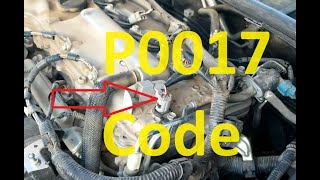
- Reduced fuel economy 🎬 Watch: A breakdown of common causes and fixes for P0017.
- Replacing the camshaft or crankshaft position sensors without first checking oil level/condition and VVT solenoid function.
- Replacing timing components without first verifying that the VVT solenoids are functional and that the camshaft oil sleeves are present (if recent work was done).
Most Likely Causes
- Low or Dirty Engine Oil 🔴 High Probability The VVT system is operated by oil pressure. The small passages in the VVT solenoids are highly susceptible to clogging from sludge or debris, which prevents the actuators from functioning correctly.
How to confirm: Check the engine oil level and condition using the dipstick. If the oil is below the 'add' mark or appears black, thick, or gritty, this is a likely cause.
Typical fix: Perform an engine oil and filter change with the correct viscosity oil (5W-30). This is the first and most important diagnostic step.
Est. part cost: $30-$70 - Faulty Camshaft Position Actuator Solenoid (VVT Solenoid) 🔴 High Probability → Shop Engine Camshaft These solenoids are a common failure point on many GM Ecotec engines. They can get clogged with debris or fail electrically, causing them to stick.
How to confirm: Swap the intake and exhaust VVT solenoids, as they are identical parts on this engine. Clear the codes and drive. If the code changes from P0017 (exhaust) to P0016 (intake), the solenoid is faulty. You can also test the solenoid's resistance with a multimeter; it should be between 6.9-7.9 Ohms.
Typical fix: Replace the faulty VVT solenoid. It is easily accessible on top of the valve cover, held by one bolt. It is best practice to replace both solenoids at the same time.
Est. part cost: $25-$60 - Stretched or Worn Timing Belt 🟡 Medium Probability → Shop Engine Timing Chain The 1.6L engine uses a timing belt with a finite service life. The recommended replacement interval is 100,000 miles or 7 years, whichever comes first. If not replaced, it can stretch or jump a tooth, causing a correlation error.
How to confirm: A physical inspection of the timing belt, its tensioner, and the timing marks is required. This is a labor-intensive check that involves removing the timing covers.
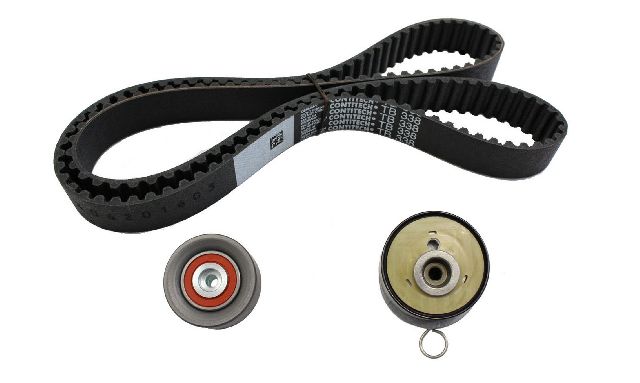
Typical fix: Replace the timing belt, tensioner, and idler pulleys as a complete kit. Since this is an interference engine, a failed belt will cause catastrophic damage, so replacement should not be delayed 🎬 Watch: Step-by-step timing belt replacement for the 1.6L engine. if it's worn or past its service interval.
Est. part cost: $100-$250 - Missing Camshaft Actuator Oil Sleeve 🟡 Medium Probability → Shop Engine Camshaft This specific issue is called out in GM TSB #PIP4543D. The small, black plastic sleeve between the camshaft and actuator can be easily lost during repairs, leading to incorrect oil flow and this code.
How to confirm: This is only a likely cause if the code appeared immediately after a repair involving the cylinder head or camshaft actuators. The actuator must be removed to inspect for the missing sleeve.
Typical fix: Reinstall or replace the missing sleeve. While the TSB states this sleeve is not sold separately, it appears to be available under GM Part #55556593. Confirm fitment before ordering.
Est. part cost: $5-$15
Rare But Worth Checking
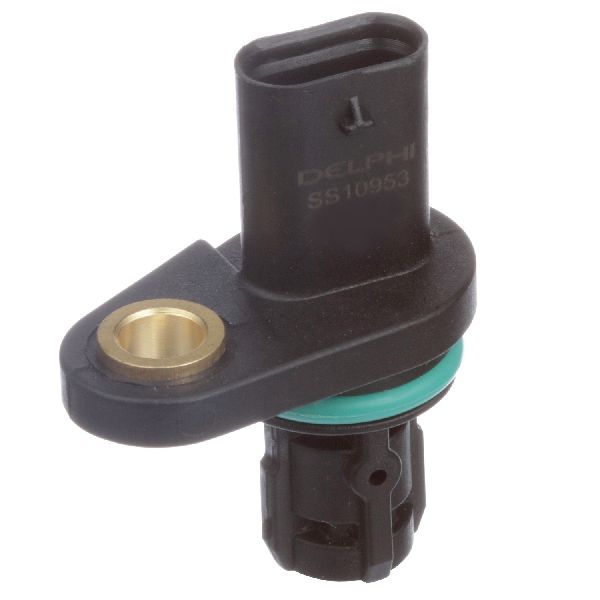
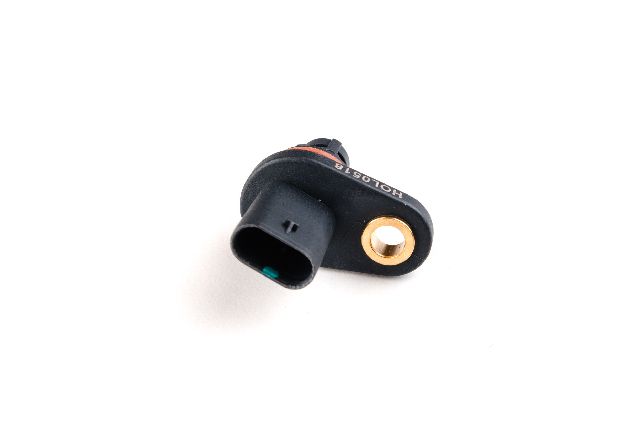
- Faulty Camshaft or Crankshaft Position Sensor: → Shop Engine Crankshaft Position Sensor While possible, sensors are less likely to be the root cause than VVT system issues or oil problems. Don't replace sensors without first checking the more common causes.
- Damaged Wiring or Connectors: Check the wiring to the camshaft actuator solenoid and the cam/crank sensors for any signs of damage, corrosion, or loose connections before replacing parts.
- Failed Camshaft Phaser (Actuator Gear): → Shop Engine Camshaft The mechanical gear itself on the end of the camshaft can fail internally or shear its locating pin, getting stuck in one position. This is a more involved mechanical repair than replacing the control solenoid.
- Damaged Reluctor Wheel: The toothed wheel that the crankshaft or camshaft sensor reads can become bent, damaged, or slip on its shaft, causing incorrect signals even with a good sensor.
Diagnosis Steps
- Check engine oil level and condition. Top off or change the oil and filter if it's low, dirty, or the wrong viscosity. Use 5W-30.
- Scan for other DTCs. Note if P0016 or P0014 are also present, as this can help pinpoint the issue.
- Inspect the wiring and connectors for the exhaust VVT solenoid and the camshaft/crankshaft position sensors.
- Swap the intake and exhaust VVT solenoids. They are identical (Part #55567050) and easily accessible. Clear the codes and drive. If P0017 disappears and P0016 appears, the solenoid you moved to the intake side is bad.
- Test the resistance of the suspect solenoid with a multimeter. It should read between 6.9 and 7.9 Ohms. 🎬 See how to test and fix the exhaust correlation code.
- If the code appeared immediately after an engine repair, follow TSB #PIP4543D and remove the exhaust camshaft actuator to inspect for the small black plastic oil sleeve (GM Part #55556593).
- If the above steps do not resolve the issue, perform a full mechanical timing check. Inspect the timing belt for correct tension, wear, and alignment of all timing marks on the crank and cam sprockets.
- If timing is correct, test the camshaft and crankshaft position sensors with a multimeter or oscilloscope.
Parts You'll Likely Need
- Camshaft Position Actuator Solenoid (VVT Solenoid)
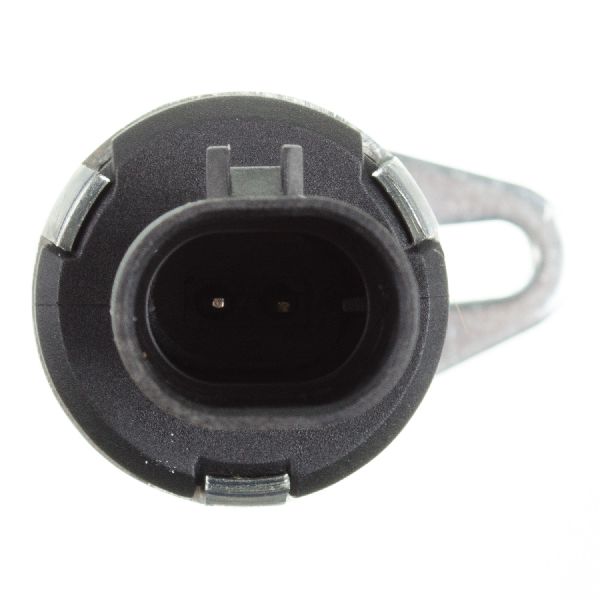
(OEM #55567050)— This is a very common failure item due to clogging or electrical failure, causing VVT system malfunctions that trigger P0017. Both intake and exhaust solenoids are the same part number on the 1.6L engine.
Trusted brands: ACDelco, Dorman, SKP, NTK
OEM price range: $55-$95
Aftermarket price range: $25-$50 - Timing Belt Kit (with Water Pump)
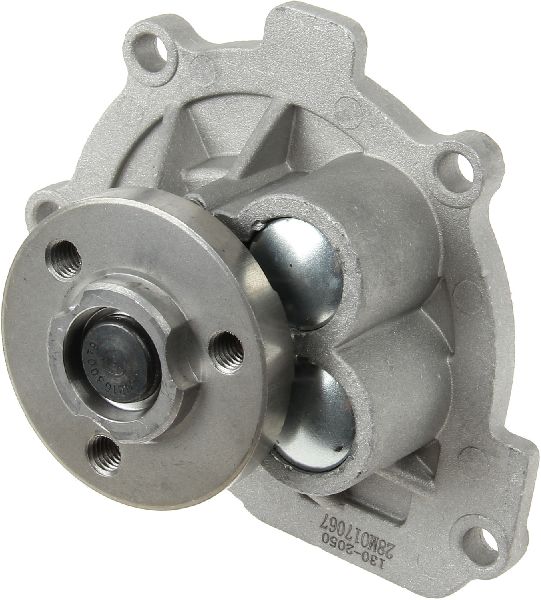
(OEM #TCKWP338)— If the timing belt is stretched, worn, or past its 100,000-mile service interval, it must be replaced to correct the base timing and prevent catastrophic engine failure.
Trusted brands: Gates, Continental, ACDelco, Dayco
OEM price range: $150-$250
Aftermarket price range: $100-$180 - Camshaft Actuator Oil Sleeve
(OEM #55556593)— This small plastic sleeve is critical for proper oil flow to the actuator. It is often lost during repairs, directly causing P0017 per TSB PIP4543D. While the TSB says it's not sold separately, this part number appears to be available.
Trusted brands: Genuine GM
OEM price range: $5-$15
Related Codes That Often Appear With This One
- P0016 — This is the correlation code for the intake camshaft. Seeing P0016 and P0017 together strongly suggests a base timing issue, like a stretched or jumped timing belt, affecting both camshafts.
- P0014 — This code indicates a performance issue with the exhaust camshaft position system (e.g., over-advanced). It often appears with P0017 and points towards a problem with the VVT solenoid or the actuator (phaser) itself.
Technical Service Bulletins (TSBs) & Recalls
- PIP4543D / PIP4543C: Addresses DTCs P0011, P0014, P0016, or P0017 setting after a repair involving the camshaft actuators. The cause is identified as a missing black plastic oil sleeve that fits between the camshaft and the actuator. The TSB notes the sleeve is not in the parts catalog and is serviced with the actuator, though it appears to be available separately.
Platform-Specific Known Issues
- Per TSB #PIP4543D, a missing black plastic oil sleeve between the camshaft and the VVT actuator is a known cause for this code, especially after engine repairs have been performed. The bulletin applies to the G3 and its platform mates like the Chevy Aveo, Cruze, and Sonic.
Mechanic-Grade Diagnostic Values
- VVT Solenoid Resistance — expected: 6.9 - 7.9 Ohms at 68°F (20°C). Failure: A reading outside this range, or an open/short circuit, indicates a faulty solenoid.
- Camshaft Position Sensor Signal Voltage (3-wire sensor) — expected: Approximately 4.8 - 5.0 Volts DC with ignition on, engine off (testing signal wire to ground).. Failure: Voltage should drop to near 0V when a ferrous metal object is passed in front of the sensor tip. If the voltage does not change or is stuck at 0V or 5V, the sensor is likely faulty.
Scan Tool Commands That Help
- GM GDS2 (Global Diagnostic System 2): Engine Control Module -> Control Functions -> Camshaft Position Actuator Solenoid Test — This bidirectional control allows a technician to command the VVT solenoid on and off to audibly and functionally verify its operation without manual wiring, confirming if the solenoid is stuck or if the control circuit from the ECM is working.
Wiring & Ground Locations
- ECM (Engine Control Module) — Left front fender area, near the battery.. The ECM is the central computer that receives signals from the cam/crank sensors and controls the VVT solenoids. A poor connection or corrosion at the ECM can cause this code.
- G103 — On the chassis, below the Engine Control Module (ECM).. This is a primary ground for the ECM. A loose or corroded G103 ground can cause a loss of communication or erratic signals for all engine management systems, directly leading to correlation codes like P0017.
- G102 — Near the left headlamp, to the left of the battery.. This is another critical engine compartment ground point. While not the primary ECM ground, poor grounding here can introduce electrical noise that may affect sensor readings.
- G104 — On the engine block, next to the starter motor.. This is a main engine-to-chassis ground. A poor connection here can cause a voltage differential between sensors mounted on the engine and the ECM, leading to incorrect signal interpretation.
Real Owner Repair Stories
- ChevroletForum.com user (2009 Chevrolet Aveo (mechanically identical to Pontiac G3)) — Check Engine Light with codes P0016, P0017, and P0106 immediately after a timing belt change. The light was not on before the service.
❌ Tried (didn't work) The owner initially suspected the camshaft or crankshaft sensors were bad.
✅ What actually fixed it The mechanical timing was incorrect. The vehicle was taken back to the shop to have the timing belt re-installed correctly, which resolved all codes. - AveoForum.com user (2011 Chevrolet Aveo, 49k miles) — Codes P0014, P0017, P0106. Very rough idle (fluctuating 900-2000 RPM then dropping) and stalling within 30 seconds.
❌ Tried (didn't work) Performing an oil and filter change, even though the oil was found to be very dirty.
✅ What actually fixed it The owner replaced one of the camshaft position actuator (VVT) solenoids because its small filter screen was missing from the tip. After replacing the solenoid, the codes were resolved and the car was drivable.
When the Usual Fixes Don't Work
- While replacing the VVT solenoid is a very common fix, a real-world repair story shows the failure may not be electrical but physical, such as a missing filter screen on the solenoid's tip. This highlights the importance of physically inspecting the part upon removal. Furthermore, if the P0017 code appears immediately after a timing belt service, the root cause is almost certainly incorrect mechanical timing, not a failed component. This contradicts the impulse to immediately replace sensors or solenoids and instead points to verifying the quality of recent repair work.
OEM Part Supersession History
12992408→55567050— Standard part update and revision by the manufacturer.
Heads up: The new part number (55567050) is the correct service replacement for the original. Using aftermarket versions with incorrect internal resistance (e.g., 4.5 ohms instead of the OEM ~7-9 ohms) can cause issues or potentially damage the ECM.
Helpful Videos

We Have This Part in Stock


The information in this article is provided for general reference and educational purposes only. Vehicle specifications, procedures, and part compatibility can vary by production date, trim level, and region. Always consult your vehicle's factory service manual and verify part numbers before purchasing or performing repairs. Safety-critical components such as airbags, seat belts, and braking systems should be installed by a qualified professional.
- Pontiac G3:
- 🧭 Diagnostic Flowchart
- 🎬 Helpful Videos
- 🛍️ Shop This Part
- What's Unique About the 2009-2010 Pontiac G3
- Symptoms You May Notice
- Most Likely Causes
- Rare But Worth Checking
- Diagnosis Steps
- Parts You'll Likely Need
- Related Codes That Often Appear With This One
- Technical Service Bulletins (TSBs) & Recalls
- Platform-Specific Known Issues
- Mechanic-Grade Diagnostic Values
- Scan Tool Commands That Help
- Wiring & Ground Locations
- Real Owner Repair Stories
- When the Usual Fixes Don't Work
- OEM Part Supersession History
- 🎟️ Get 5% Off