

P0017 on 2008-2009 Saturn Astra: Crankshaft-Camshaft Correlation Causes and Fixes
On a 2008-2009 Saturn Astra, P0017 usually points to a problem with the Variable Valve Timing (VVT) system or the base engine timing. The most common fixes are replacing a faulty exhaust VVT solenoid or addressing a stretched/jumped timing belt. A solenoid is an easy DIY fix for under $75, while a timing belt is a more complex job costing over $500 that should be done every 70,000-100,000 miles.
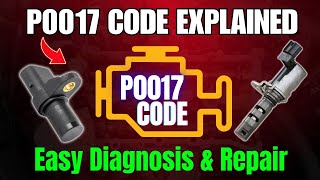
- P0017 on the 2008-2009 Astra means the exhaust camshaft is out of sync with the crankshaft.
- Before buying any parts, check the engine oil level and condition. Low or dirty oil is a common cause.
- The most likely part to fail is the exhaust VVT solenoid. Try swapping it with the intake solenoid to confirm the diagnosis before buying a new one.
- If the code appeared right after an engine repair, a missing camshaft actuator oil sleeve is a likely cause, as noted in GM TSB PIP4543D.
- Do not drive the vehicle extensively with this code, as a jumped timing belt can lead to catastrophic engine failure.
What's Unique About the 2008-2009 Saturn ASTRA
The 1.8L Ecotec engine in the Saturn Astra uses a timing belt, not a chain. While many GM P0017 issues on other models point to stretched timing chains, the Astra is more susceptible to timing belt problems or issues within the VVT system. A critical, model-specific issue is highlighted in GM Technical Service Bulletins: a small plastic oil sleeve between the camshaft and the VVT actuator can be lost or damaged during repairs, leading directly to this code. This makes incorrect reassembly after service a unique and common cause for P0017 on this vehicle. Another potential issue, though less common, is a melted plastic oil feed restrictor in the block deck if the engine has been severely overheated, which can affect oil pressure to the VVT system.
Diagnostic Flowchart
Tap your situation to follow the diagnostic path that matches what you're seeing on this vehicle.
Symptoms You May Notice
- Check Engine Light is on
- Rough or uneven idle
- Reduced engine power and poor acceleration
- Decreased fuel economy
- Engine may be hard to start or cranks but won't start
- Rattling or knocking noise from the engine
- Replacing the camshaft or crankshaft position sensors without first checking the engine oil, VVT solenoids, and mechanical timing.
- Performing a timing belt job but failing to use the proper camshaft locking tools, resulting in a slight misalignment that re-triggers the code.
Most Likely Causes
- Faulty Exhaust VVT Solenoid (Camshaft Position Actuator Solenoid) 🔴 High Probability The VVT solenoids on Ecotec engines are a known failure point, often getting clogged by old or dirty engine oil, which obstructs the fine mesh screens and impedes oil flow.
How to confirm: Swap the exhaust solenoid with the intake solenoid. If the code changes to P0016 (Intake Camshaft Correlation), the solenoid is bad. You can also test its resistance with a multimeter; it should be between 6.9 and 7.9 ohms at 68°F (20°C).
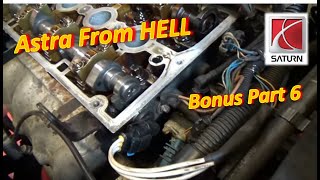
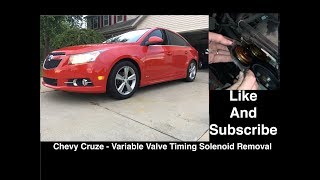
Typical fix: Replace the exhaust VVT solenoid. 🎬 Watch: A step-by-step guide to replacing the VVT solenoids. It's highly recommended to replace both intake and exhaust solenoids at the same time and perform an oil change.
Est. part cost: $25-$70 - Stretched, Slipped, or Worn Timing Belt 🟡 Medium Probability → Shop Engine Timing Chain The 1.8L engine uses a timing belt that requires replacement every 70,000-100,000 miles or 10 years. If neglected, it can stretch or jump a tooth, causing a correlation error. A user on a Reddit forum reported getting a P0017 code immediately after a timing belt change, suggesting even slight misalignments during installation can trigger it.
How to confirm: Visually inspect the timing belt, tensioner, and pulleys for wear, damage, or incorrect alignment marks. This requires partial engine disassembly and the use of camshaft/crankshaft locking tools for accurate verification.
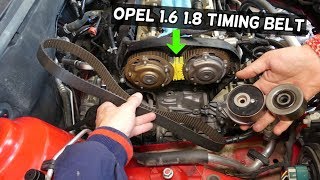
Typical fix: Replace the timing belt, tensioner, and idler pulleys as a complete kit. It is also highly recommended to replace the water pump at the same time as it is driven by the timing belt. 🎬 Watch: How to replace the timing belt and align timing marks.
Est. part cost: $100-$250 - Low or Dirty Engine Oil 🟡 Medium Probability The VVT system is hydraulic and relies on clean oil at the correct pressure. Sludge or low oil levels can cause the VVT actuators (phasers) and solenoids to stick or respond slowly, leading to a correlation fault.
How to confirm: Check the oil level on the dipstick and inspect its condition. If the oil is very dark, sludgy, or below the minimum mark, this is a likely contributor.
Typical fix: Perform an engine oil and filter change using a full-synthetic 5W-30 oil meeting GM's Dexos specification. Clear codes and see if P0017 returns.
Est. part cost: $40-$80 - Missing Camshaft Actuator Oil Sleeve After Repair ⚪ Low Probability → Shop Engine Camshaft As per TSB #PIP4543D, a unique black plastic oil sleeve fits between the camshaft and actuator to direct oil. It can be easily lost or forgotten during repairs like valve cover gasket or camshaft actuator replacement. Its absence starves the actuator of oil pressure, causing timing codes.
How to confirm: This can only be confirmed if the code appeared immediately after a major engine repair. The camshaft actuator must be removed to inspect for the presence of the sleeve.
Typical fix: Reinstall the missing sleeve. Unfortunately, the sleeve is not sold separately and is only available as part of a new camshaft actuator assembly.
Est. part cost: $100-$200
Rare But Worth Checking
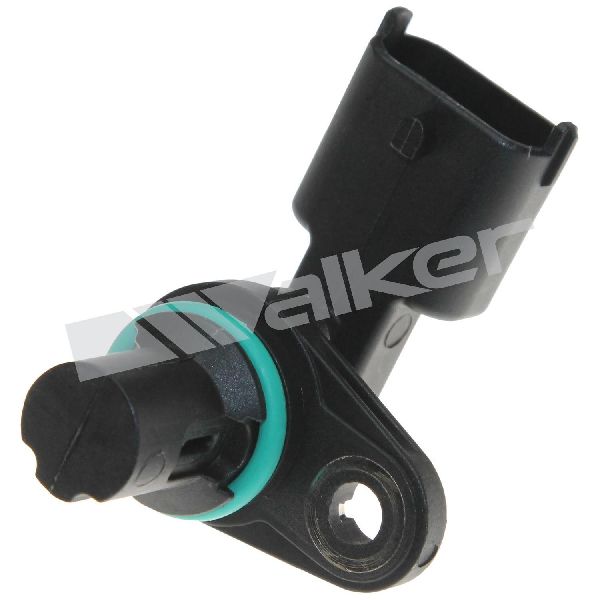
- Faulty Camshaft Position (CMP) Sensor: → Shop Engine Camshaft Position Sensor While possible, sensors are often replaced unnecessarily. Rule out mechanical timing and VVT issues first. A faulty sensor will not typically cause the engine to run rough, while a timing issue will.
- Faulty Crankshaft Position (CKP) Sensor: → Shop Engine Crankshaft Position Sensor Less common than CMP sensor or VVT issues, but a failing CKP sensor can provide an incorrect signal, leading to a correlation code.
- Damaged Camshaft Reluctor Wheel: → Shop Engine Camshaft The toothed ring on the camshaft that the sensor reads can be damaged or spin out of position, causing a persistent code even with correct mechanical timing.
- Melted Oil Feed Restrictor Orifice: Per TSB #PIP4977A, a plastic oil restrictor in the block deck can melt if the engine severely overheats, which could disrupt oil flow to the cylinder head and VVT components.
Diagnosis Steps
- Check engine oil level and condition. If low or dirty, perform an oil and filter change using 5W-30 full synthetic oil, clear the code, and re-test.
- Scan for other DTCs. Codes like P0014 or P0016 can help pinpoint the problem.
- As a simple diagnostic test, swap the intake and exhaust VVT solenoids. They are identical and easily accessible on top of the engine. Clear the codes and see if the fault moves to the intake side (P0016). If it does, the solenoid you moved is faulty.
- If the solenoid swap doesn't change the code, test the exhaust VVT solenoid's resistance with a multimeter. It should be between 6.9 and 7.9 ohms. 🎬 See how to test your VVT solenoid using a multimeter.
- If solenoids and oil are good, the next step is to inspect the mechanical timing. This involves removing the upper timing cover to check the alignment marks on the camshaft sprockets and crankshaft pulley. This procedure requires special locking tools (like EN-6340) for accuracy. Check the timing belt for wear, damage, or slack.
- If the code appeared immediately after a major repair, follow the guidance in TSB #PIP4543D and inspect for the presence of the camshaft actuator oil sleeve.
- If all mechanical timing is correct, test the camshaft and crankshaft position sensors and their wiring harnesses for proper signal and voltage.
Parts You'll Likely Need
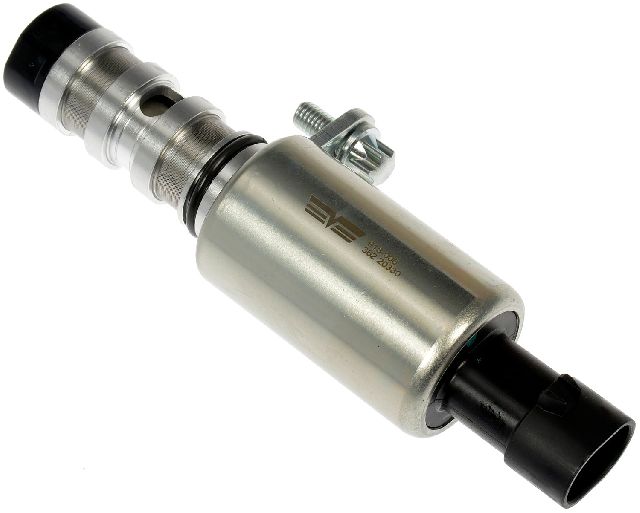
- Engine Variable Valve Timing (VVT) Solenoid
(OEM #55567050)— This is a very common failure point due to oil contamination and is often the cause of P0017. It's an inexpensive and easy part to replace.
Trusted brands: ACDelco, Delphi, Dorman, NTK
OEM price range: $50-$95
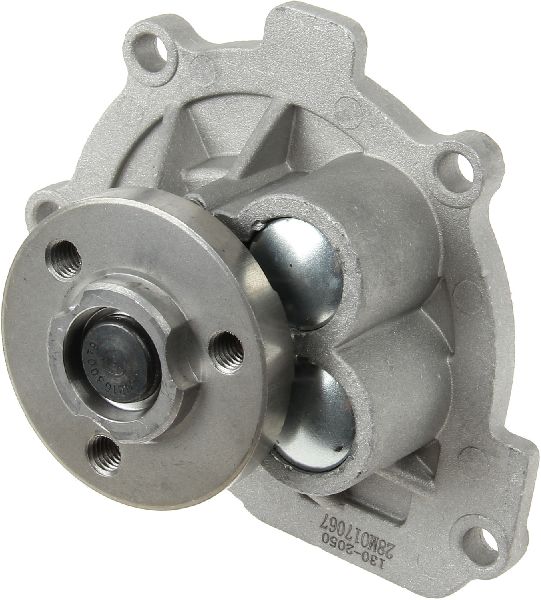
Aftermarket price range: $25-$50 - Timing Belt Kit with Water Pump
(OEM #TCKWP338 (Gates kit number))— If the timing belt has stretched, slipped, or is past its 70k-100k mile service life, it must be replaced to correct the mechanical timing correlation. A kit includes the belt, tensioner, idler pulleys, and water pump.
Trusted brands: Gates, Continental, ACDelco, Dayco
OEM price range: $200-$300
Aftermarket price range: $120-$250 - Exhaust Camshaft Position Sensor
(OEM #25192205 (ACDelco))— If the sensor itself has failed, it will need to be replaced. However, this should only be done after ruling out more common mechanical and VVT solenoid issues.
Trusted brands: ACDelco, Bosch, NTK, Standard Motor Products
OEM price range: $40-$60
Aftermarket price range: $20-$40
Related Codes That Often Appear With This One
- P0014 — This code, 'Exhaust Camshaft Position Timing - Over-Advanced', is also related to the exhaust cam and VVT system and can be triggered by a sticking VVT solenoid or phaser.
- P0016 — This is the correlation code for the intake camshaft. If both P0016 and P0017 appear, it strongly suggests a base timing issue affecting both cams, such as a slipped timing belt or an issue common to both cam actuators.
Technical Service Bulletins (TSBs) & Recalls
- PIP4543D: Diagnostic aid for P0011, P0014, P0016, or P0017 setting after camshaft actuator service due to a missing oil sleeve.
- PIP4543C: Earlier version of the same TSB, superseded by PIP4543D.
- PIP4977A: Diagnostic aid for a melted plastic oil feed restrictor orifice in the block deck after severe overheating.
Platform-Specific Known Issues
- TSB #PIP4543D and #PIP4543C highlight that P0017 can be set after a repair involving the camshaft actuators if a small, black plastic oil sleeve is not reinstalled. This sleeve is critical for directing oil to the actuator and is not sold separately from the actuator.
Mechanic-Grade Diagnostic Values
- VVT Solenoid (OCV) Internal Resistance — expected: 6.9 to 7.9 ohms at 68°F (20°C). Failure: A reading outside this range, or an open/short circuit, indicates a faulty solenoid.
- VVT Solenoid Power Supply Voltage — expected: Battery voltage (approx. 12.6V with engine off). Failure: Significantly lower or no voltage indicates a wiring or fuse issue upstream of the solenoid.
Scan Tool Commands That Help
- GM Tech2 / GDS2 or equivalent professional scan tool: VVT Actuator Test / Camshaft Position Control — Use this bidirectional control to command the exhaust VVT solenoid ON and OFF while the engine is idling. If the solenoid and phaser are working, the engine will stumble, run rough, or stall. If there is no change in engine operation, it confirms a fault in the solenoid, its wiring, oil passages, or the phaser itself.
Wiring & Ground Locations
- G104 — On the back of the engine block, above the starter and below the #4 intake runner. It is a 10mm bolt with multiple ground wires attached.. This is a primary engine harness ground. A poor connection here can cause erratic behavior from the ECM and various engine sensors, including the camshaft and crankshaft position sensors, potentially leading to correlation codes.
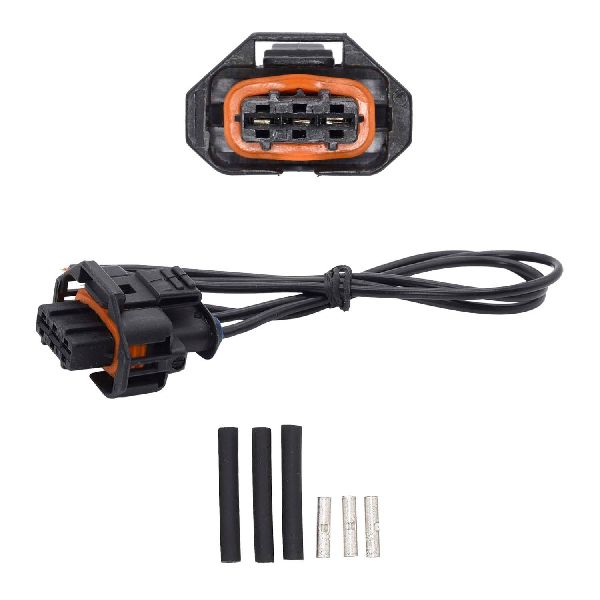
- Camshaft Position Sensor Connector — Connected to the sensor on the top of the valve cover.. The three-wire connector provides power, ground, and signal for the CMP sensor. One wire should have 5-volt reference, one is a ground, and the third is the signal wire back to the ECM. Verifying power and ground here is a key step before replacing the sensor.
Real Owner Repair Stories
- Mechanics Stack Exchange user (2013 Vauxhall Corsa 1.2L Petrol (shares engine architecture with Astra)) — Rough idle, low RPMs (500-800), and codes P0016 and P0017.
❌ Tried (didn't work) Replacing both camshaft position sensors, Replacing and swapping VVT solenoids, Performing a full oil and filter change
✅ What actually fixed it The plastic guides for the timing chain on top of the camshaft gears had broken into pieces. Replacing the timing chain kit resolved the issue. - 2CarPros Forum User (2010 Vauxhall Corsa 1.2L) — Engine light on with codes P0016 and P0017 appearing after a timing chain replacement.
❌ Tried (didn't work) Wiping the ECU (light returned), Confirming sensors were working
✅ What actually fixed it The user was advised that even if the timing chain is new, the codes indicate a mechanical timing discrepancy. The likely cause was that the new timing chain was installed incorrectly (off by a tooth) or there was an issue with the camshaft phaser or oil flow to the phaser.
OEM Part Supersession History
12992408→55567050— Standard part number update by GM. The new part is a direct replacement.
Helpful Videos

We Have This Part in Stock


The information in this article is provided for general reference and educational purposes only. Vehicle specifications, procedures, and part compatibility can vary by production date, trim level, and region. Always consult your vehicle's factory service manual and verify part numbers before purchasing or performing repairs. Safety-critical components such as airbags, seat belts, and braking systems should be installed by a qualified professional.
- Saturn ASTRA:
- 🧭 Diagnostic Flowchart
- 🎬 Helpful Videos
- 🛍️ Shop This Part
- What's Unique About the 2008-2009 Saturn ASTRA
- Symptoms You May Notice
- Most Likely Causes
- Rare But Worth Checking
- Diagnosis Steps
- Parts You'll Likely Need
- Related Codes That Often Appear With This One
- Technical Service Bulletins (TSBs) & Recalls
- Platform-Specific Known Issues
- Mechanic-Grade Diagnostic Values
- Scan Tool Commands That Help
- Wiring & Ground Locations
- Real Owner Repair Stories
- OEM Part Supersession History
- 🎟️ Get 5% Off