

P0017 on 2007-2010 Saturn Outlook: Crankshaft/Camshaft Correlation Causes and Fixes
On a 2007-2010 Saturn Outlook, code P0017 almost always indicates a stretched timing chain. This is a well-documented, widespread issue with the 3.6L V6 (LY7) engine. The primary cause is a combination of an early timing chain design and extended oil change intervals. The repair is complex and expensive, often costing between $2,300 and $3,500 for a full timing chain kit replacement at a professional shop.
- For a 2007-2010 Saturn Outlook, P0017 is a strong indicator of a stretched timing chain, a known and widespread issue with the 3.6L V6 engine.
- Do not immediately replace the camshaft or crankshaft sensors. This is a common misdiagnosis that will not fix the underlying mechanical problem.
- The first and easiest check is the engine oil. Ensure it is full and clean, as low or dirty oil can affect the VVT system and trigger this code.
- The correct repair is a full timing chain kit replacement, which is a very expensive and complex job (DIY Difficulty: 5/5).
- Ignoring this code is risky. A timing chain failure can cause severe and often terminal engine damage.
What's Unique About the 2007-2010 Saturn OUTLOOK
The 3.6L V6 engine (RPO code LY7) used in the 2007-2010 Saturn Outlook and its platform mates is notorious for premature timing chain stretching. This issue was so prevalent that General Motors issued multiple Technical Service Bulletins (TSBs) and a Special Coverage program (No. 11340C) extending the warranty to 10 years or 120,000 miles for this specific failure. The program acknowledged that the original long oil change intervals recommended by the oil life monitor contributed to premature chain wear. While the warranty has long expired for these vehicles, its existence confirms that a P0017 code on this platform is overwhelmingly likely to be a symptom of this known factory weak point, rather than a simple sensor failure.
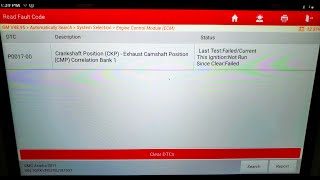
🎬 Watch: Diagnostic overview of the P0017 code on this engine.Diagnostic Flowchart
Tap your situation to follow the diagnostic path that matches what you're seeing on this vehicle.
Symptoms You May Notice
- Check Engine Light is on
- Engine running rough or idling poorly, especially after warming up
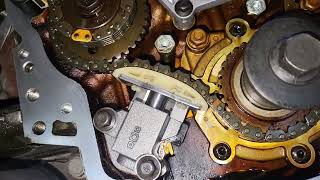
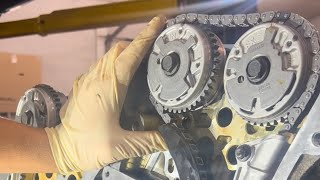
- Rattling or chain-slap noise from the engine, particularly on cold startups, that may quiet down as the engine warms 🎬 Hear the VVT clattering noise and learn how to fix it.
- Reduced engine power and poor acceleration
- Difficulty starting the engine
- Engine stalling
- Increased fuel consumption
- Finding fine metal shavings in the engine oil during an oil change, indicating chain and guide wear
- Replacing only the camshaft or crankshaft position sensors without investigating the timing chain. On this specific vehicle, P0017 is most often a mechanical timing issue, not a sensor failure.
- Replacing the gas cap, as noted in owner complaint NHTSA ODI #10744325. This has no relation to the engine timing system.
- Replacing only the VVT solenoids without addressing the underlying oil quality or timing chain stretch issues.
Most Likely Causes
- Stretched Timing Chains 🔴 High Probability → Shop Engine Timing Chain The original timing chains on the 3.6L LY7 engine were susceptible to premature wear. This was exacerbated by the original Oil Life Monitor (OLM) calibration, which allowed for excessively long oil change intervals, leading to oil degradation and inadequate lubrication of the chains.
How to confirm: A mechanic can use a scan tool to view camshaft deviation data; a significant and inconsistent lag points to a mechanical issue. Advanced diagnosis involves using a lab scope to compare the crankshaft and camshaft sensor waveforms to a known-good pattern. Physical inspection for chain slack is definitive but requires significant labor.
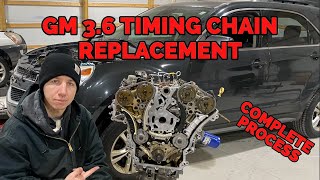
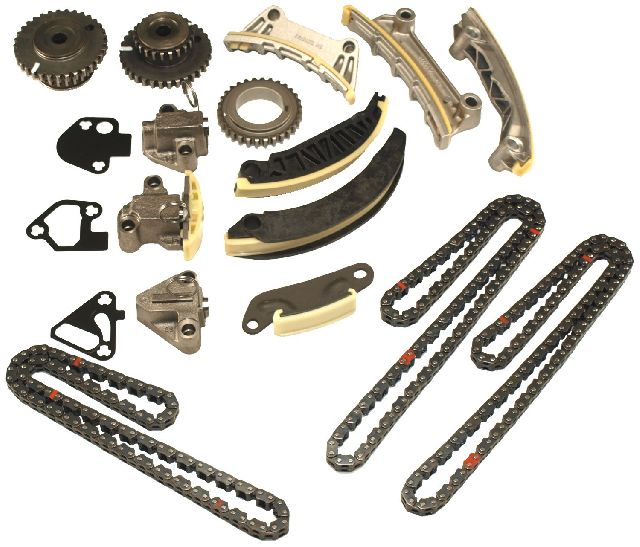
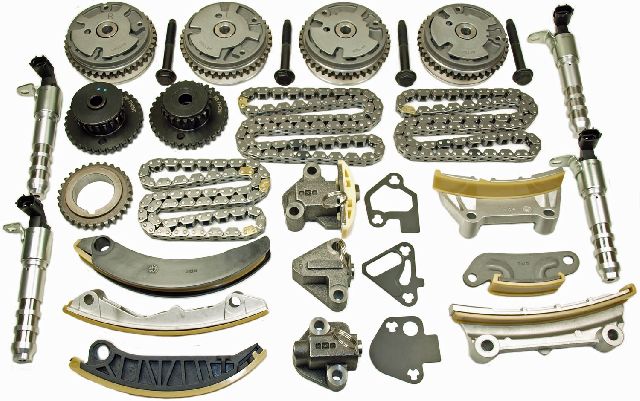
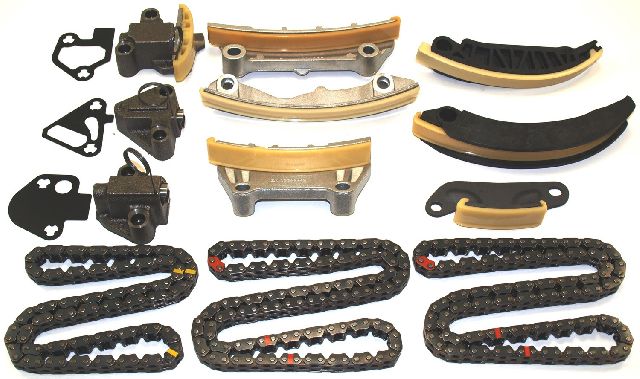
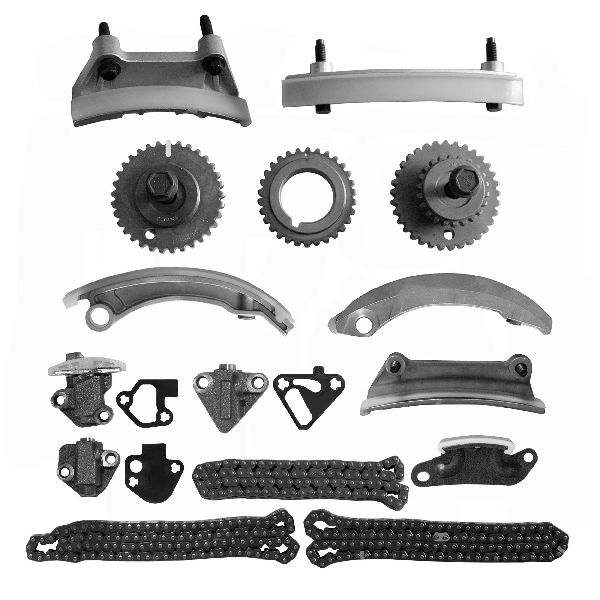
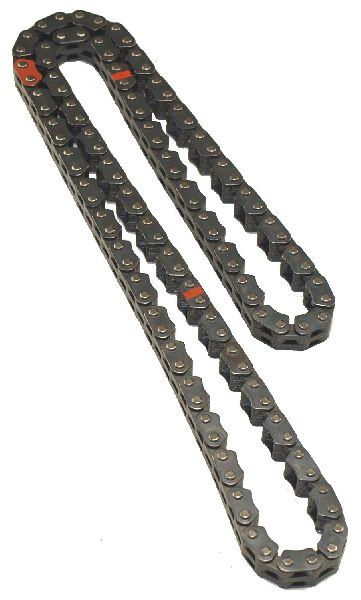
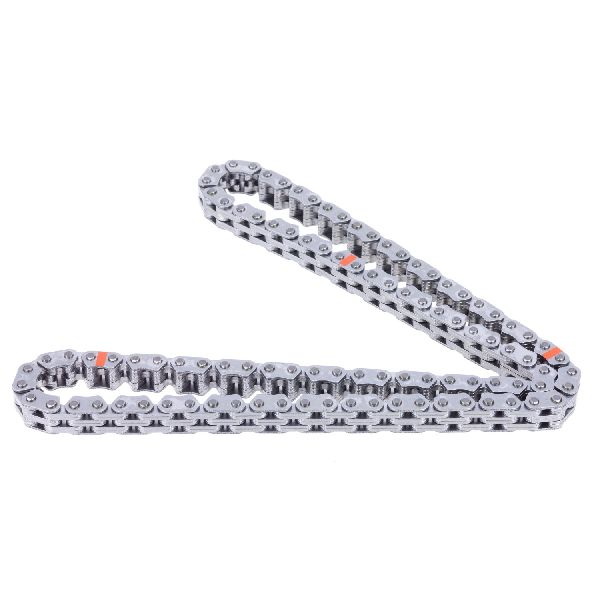
Typical fix: Replace all three timing chains, all tensioners, and all guides with an updated kit. This is a major repair requiring significant engine disassembly. 🎬 See this full step-by-step timing chain replacement walkthrough. It is also critical to perform an oil change with a quality full synthetic oil and reprogram the ECM for the updated, shorter oil life monitor interval if it hasn't been done already.
Est. part cost: $250-$500 - Low or Degraded Engine Oil 🟡 Medium Probability The Variable Valve Timing (VVT) system, including the cam phasers and solenoids, is hydraulically operated by engine oil. Low oil levels or dirty, sludgy oil can impede the function of the phasers and solenoids, causing a correlation error. This is a known contributing factor to the larger timing chain issue on these engines.
How to confirm: Check the oil level on the dipstick and inspect its condition. If the oil is very low or appears dark and sludgy, this could be the cause or a major contributing factor.
Typical fix: Perform an oil and filter change using a high-quality full synthetic oil that meets GM specifications. Some owners report success after using an engine oil flush product before the oil change to clean VVT components. Clear the code and see if it returns.
Est. part cost: $50-$100 - Failing Camshaft Actuator Solenoid (VVT Solenoid) ⚪ Low Probability → Shop Engine Camshaft These solenoids can become clogged with sludge from degraded oil, a common issue in this engine. While less likely to be the root cause than the chain itself, it's a possible and much cheaper fix to attempt first.
How to confirm: Swap the Bank 1 exhaust solenoid with another accessible solenoid (e.g., Bank 2 exhaust). If the code changes to P0019 (Bank 2 Exhaust), the solenoid is faulty. They can also be tested for resistance with a multimeter (typically 6.9-7.9 ohms) or activated with a 12v source to check for mechanical movement.
Typical fix: Replace the faulty solenoid. This is a relatively easy and inexpensive repair and a common first step in diagnosis.
Est. part cost: $30-$80 - Failing Camshaft or Crankshaft Position Sensor ⚪ Low Probability → Shop Engine Crankshaft Position Sensor
How to confirm: A diagnostic scan tool can monitor their live data for dropouts or inconsistent readings. A lab scope can provide a definitive waveform analysis. While they can be tested for resistance, intermittent failures are common, making this unreliable.
Typical fix: Replace the faulty sensor. Note that on this engine, accessing some cam sensors can be difficult. After replacement, some GM vehicles may require a Crankshaft Position System Variation Learn procedure.
Est. part cost: $25-$70 per sensor
Rare But Worth Checking
- Slipped Crankshaft Reluctor Wheel: → Shop Engine Crankshaft A GM service bulletin mentions that the reluctor wheel, which the crankshaft position sensor reads, can physically move on the crankshaft. This is a rare but possible cause if all other diagnostics fail. A scan tool may show erratic crankshaft sensor active counter data while cam sensor counters are stable. This requires crankshaft replacement to fix. A forum user on saturnfans.com mentioned their shop suspected this after a timing chain replacement did not fix the P0017 code.
Diagnosis Steps
- Check engine oil level and condition. If low or dirty, perform an oil and filter change (consider an engine flush beforehand), clear the code, and test drive.
- Use a professional scan tool to check for other timing-related codes (P0008, P0016, P0018, P0019). The presence of multiple codes strongly suggests a base timing issue (chains).
- Monitor live data on the scan tool. Watch the desired vs. actual camshaft angles for Bank 1 Exhaust. A significant, lagging deviation points to a mechanical issue. Also, check the crankshaft and camshaft active counters; erratic readings on one sensor can pinpoint a sensor issue.
- As a low-cost diagnostic step, swap the Bank 1 exhaust camshaft actuator solenoid with the Bank 2 exhaust solenoid. Clear codes and run the engine. If the code changes to P0019, the solenoid is the problem.
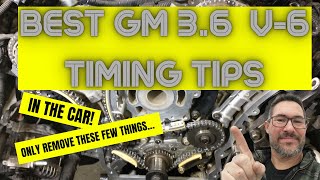
- If solenoids and oil are good, the next step is to assume a stretched timing chain. Listen for a rattling noise from the firewall side of the engine, especially on a cold start.
- The definitive diagnosis is a physical inspection of the timing chains for slack, which requires removing the engine timing cover. This is a labor-intensive process.
- If chains are confirmed to be tight and correctly timed, investigate the rare possibility of a slipped crankshaft reluctor wheel.
Parts You'll Likely Need
- Engine Timing Chain Kit
(OEM #12650230 (For 2007 Models), 12651450 (For 2009+ LLT Engines))— This is the most common fix for P0017 on the 3.6L V6 due to the high rate of premature chain stretching. A complete kit replaces all chains, tensioners, and guides. TSB 12-06-01-009F specifies using these kits.
Trusted brands: ACDelco (OEM), Cloyes (e.g., 9-0753S), Melling
OEM price range: $350-$500
Aftermarket price range: $250-$400 - Camshaft Position Actuator Solenoid (Exhaust)
(OEM #12634207 (ACDelco))— A much less common but possible cause. A stuck solenoid can mimic a timing chain issue and is a relatively cheap part to replace for diagnosis.
Trusted brands: ACDelco, Delphi, Dorman
OEM price range: $50-$80
Aftermarket price range: $30-$60
Related Codes That Often Appear With This One
- P0008 — This is a general engine position system performance code for Bank 1. It's often the first code to appear when timing chains begin to stretch, before the deviation is specific enough to isolate to an intake or exhaust cam.
- P0016 — This code indicates a correlation issue on Bank 1, but for the *intake* camshaft ('Sensor A'). It's common to see both P0016 and P0017 together when a timing chain is loose enough to affect both camshafts on the bank.
- P0018 — This is the same correlation error as P0016 (intake cam), but for Bank 2 (front of the engine).
- P0019 — This is the same correlation error as P0017 (exhaust cam), but for Bank 2 (front of the engine).
Technical Service Bulletins (TSBs) & Recalls
- PIP3423P: Notes that codes P0016, P0017, P0018, P0019, P0008, or P0009 may be set and instructs technicians to inspect for loose timing chains or tensioners.
- 12-06-01-009F: This bulletin, updated multiple times, announces the availability of specific, comprehensive timing chain kits to repair stretched chains causing codes like P0017. It lists all affected GM models with the 3.6L engine.
- 11340C: This is the final version of a Special Coverage Adjustment that extended the warranty for timing chain wear on 2007-2009 models to 10 years/120,000 miles. It explicitly states that premature wear can be caused by the original oil change intervals and instructs dealers to replace the chain and/or reprogram the ECM.
Platform-Specific Known Issues
- Premature Timing Chain Wear: The 3.6L LY7 V6 engine is widely known for this issue. GM released TSB #12-06-01-009F and Special Coverage Adjustment #11340C to address the problem by provid
Mechanic-Grade Diagnostic Values
- Camshaft Actuator Solenoid (VVT Solenoid) Resistance — expected: 8 to 12 Ohms. Failure: A reading outside of this range (e.g., 7 Ohms or 15 Ohms) indicates a faulty solenoid.
- Camshaft Position Sensor (3-wire Hall Effect) - Power Supply Voltage — expected: Approximately 5 Volts (with key on, engine off). Failure: Significantly lower or no voltage suggests a wiring or ECM issue, not a sensor failure.
- Camshaft Position Sensor (3-wire Hall Effect) - Signal Wire Voltage — expected: Approximately 5 Volts (with key on, engine off), which drops to 0V when metal passes in front of the sensor.. Failure: If the voltage does not drop to 0V when manually tested with a metal object, the sensor is likely bad. If voltage is always low or 0V, there may be a short in the wiring.
- Camshaft Position Sensor (3-wire Hall Effect) - Ground Connection — expected: Approximately 12 Volts (battery voltage) when probing the ground terminal at the connector and the positive battery terminal.. Failure: A reading significantly less than battery voltage indicates a poor ground connection, which can cause sensor malfunction.
Scan Tool Commands That Help
- Tech2 / GDS2 (GM Professional Scan Tool): Crankshaft Position System Variation Learn — This procedure is required after replacing the crankshaft position sensor or the ECM to allow the control module to learn the minor variations in the crankshaft reluctor wheel, ensuring accurate timing detection.
- Tech2 / GDS2 (GM Professional Scan Tool): Camshaft Position Actuator Solenoid Test — This bidirectional command allows a technician to manually activate the VVT solenoids to verify they are mechanically functioning and not stuck, without having to remove them from the engine initially.
Wiring & Ground Locations
- ECM (Engine Control Module) — On the 2007-2010 Saturn Outlook, the ECM is located in the engine compartment, on the firewall side of the engine (Bank 1), mounted to a bracket. Some sources suggest it may be under the driver's side kick panel near the OBD-II port on some models.. The ECM receives signals from the cam and crank sensors and controls the VVT solenoids. A poor ground connection for the ECM itself can cause erratic behavior and false codes. Some owners add a secondary ground wire to the ECM case to ensure a solid connection.
- G101 — Located on the left side of the engine compartment.. This is a primary engine ground point. A loose or corroded G101 can affect various engine sensors and control circuits, including those for the camshaft and crankshaft position sensors.
- Bank 1 Camshaft Position Sensor (Exhaust) ECM Pin — On a similar GM 3.6L LY7 engine, the signal wire for the Bank 1 Exhaust Camshaft Position sensor is located at Pin 20 (Dark Green wire) on the C1 connector of the Engine Control Module (ECM).. When diagnosing a persistent code, a technician may need to test for signal continuity directly from the sensor connector to the ECM pin to rule out a wiring harness break or short.
Real Owner Repair Stories
- Reddit user in r/MechanicAdvice (Vehicle with GM 3.6L engine) — Car ran badly, oil was very low, timing had jumped 2 teeth. P0017 code was present.
❌ Tried (didn't work) Replacing the crankshaft position sensor did not clear the code.
✅ What actually fixed it The user replaced the timing chain, tensioners, both VVT sprockets (cam phasers), and the exhaust camshaft because the dowel pin had broken off. After the mechanical repairs, the car ran well, but the P0017 code remained, indicating a potential need for a relearn procedure or a remaining electrical issue not resolved by the mechanical fix.
Model Year Variations Within This Range
- 2007-2008: These model years primarily used the port-injected 3.6L V6 (RPO code LY7). This was the first generation of this engine in this platform and is the most notorious for the timing chain stretching issues.
- 2009-2010: The 2009 model year introduced the direct-injected 3.6L V6 (RPO code LLT). While still susceptible to timing chain issues, especially in early versions, the LLT engine has different pistons (for a higher compression ratio) and fuel system components due to direct injection. Using parts from an LY7 in an LLT (or vice-versa) can cause significant problems.
Helpful Videos
We Have This Part in Stock

The information in this article is provided for general reference and educational purposes only. Vehicle specifications, procedures, and part compatibility can vary by production date, trim level, and region. Always consult your vehicle's factory service manual and verify part numbers before purchasing or performing repairs. Safety-critical components such as airbags, seat belts, and braking systems should be installed by a qualified professional.
- Saturn OUTLOOK:
- 🧭 Diagnostic Flowchart
- 🎬 Helpful Videos
- 🛍️ Shop This Part
- What's Unique About the 2007-2010 Saturn OUTLOOK
- Symptoms You May Notice
- Most Likely Causes
- Rare But Worth Checking
- Diagnosis Steps
- Parts You'll Likely Need
- Related Codes That Often Appear With This One
- Technical Service Bulletins (TSBs) & Recalls
- Platform-Specific Known Issues
- Mechanic-Grade Diagnostic Values
- Scan Tool Commands That Help
- Wiring & Ground Locations
- Real Owner Repair Stories
- Model Year Variations Within This Range
- 🎟️ Get 5% Off