

P0017 on 2003-2009 Toyota 4Runner 4.0L: Exhaust Camshaft Correlation Fixes
On a 4th Gen 4Runner, P0017 usually points to a failing Oil Control Valve (OCV) or simply low/dirty engine oil. Start by checking your oil; if that's fine, the OCV is the next likely culprit, costing around $50-$100 for the part.
- First, check your oil. Low or dirty oil is a primary cause of P0017 on this engine.
- The most likely failed part is the Bank 1 (passenger side) exhaust Oil Control Valve (OCV).
- While you are replacing the OCV, it is wise to also clean or replace the small mesh filter screen located nearby.
- Do not immediately replace the camshaft or crankshaft sensors; they are less likely to be the cause than oil-related issues.
- If simple fixes don't work, the issue could be a stretched timing chain, which requires professional diagnosis.
What's Unique About the 2003-2009 Toyota 4Runner
The 1GR-FE engine in the 4th generation 4Runner uses Toyota's VVT-i (Variable Valve Timing with intelligence) system, which relies on oil pressure to adjust camshaft timing. This system is generally reliable, but it is sensitive to oil quality and level. Many P0017 issues on this platform are not due to major mechanical failure but are often traced back to oil-related problems like a clogged Oil Control Valve (OCV) filter or a failing OCV solenoid itself, which are common maintenance items.
Symptoms You May Notice
- Check Engine Light is on
- Rough or unstable idle
- Engine hesitation or lack of power during acceleration
- Engine may be difficult to start
- Stalling at low speeds or when stopping
- Reduced fuel economy
- Rattling or ticking noise from the engine
- Replacing the camshaft or crankshaft position sensors before checking the oil and the Oil Control Valve. The OCV is a much more frequent point of failure for this specific code on this engine.
Most Likely Causes
- Low or Dirty Engine Oil 🔴 High Probability The VVT-i system is hydraulic and highly dependent on clean oil at the correct pressure to function. Sludge, debris, or low levels can prevent proper operation of the OCV and cam phaser.
How to confirm: Check the engine oil dipstick for level and inspect the oil's color and consistency. If it's low, black, or sludgy, it needs to be changed.
Typical fix: Perform an engine oil and filter change using a quality synthetic oil of the correct viscosity (5W-30). Many owners report this as the first and sometimes only step needed.
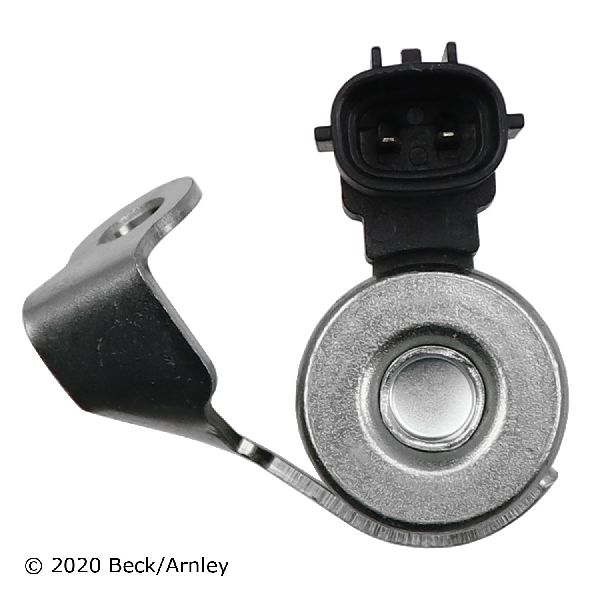
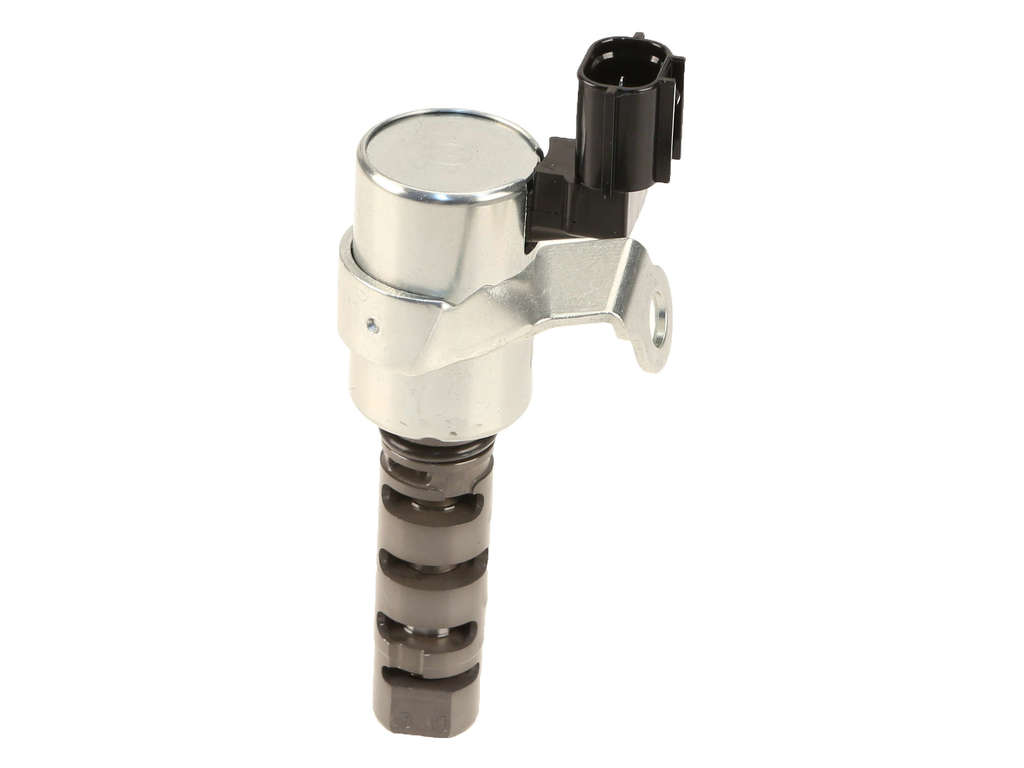
Est. part cost: $40-$80 - Faulty Oil Control Valve (OCV) / VVT Solenoid 🔴 High Probability → Shop Engine Variable Valve Timing (VVT) Solenoid The OCV is an electronic solenoid that can get clogged with debris or fail electrically over time, causing it to stick. This is a very common failure point for VVT-i correlation codes on the 1GR-FE.
How to confirm: You can test the OCV by applying 12V to its terminals to see if it clicks. Resistance can also be measured with a multimeter (should be 6.9-7.9 ohms). Often, replacement is the easiest diagnostic step due to its high failure rate and low cost.
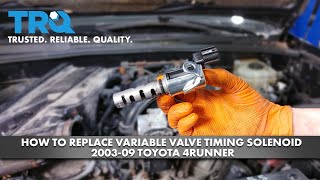
Typical fix: Replace the Bank 1 exhaust Oil Control Valve. It is located on the front of the passenger-side cylinder head. 🎬 See this step-by-step walkthrough for replacing the VVT solenoid.
Est. part cost: $50-$120 - Clogged OCV Filter Screen 🟡 Medium Probability There are small mesh filter screens in the oil passages leading to the OCVs. These can become clogged with sludge and debris, restricting oil flow even if the OCV itself is functional.
How to confirm: The filter must be removed for inspection. It is located in the cylinder head, often near or beneath the OCV, and may be under a banjo bolt.
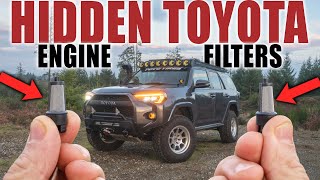
Typical fix: Remove, clean, or replace the small mesh filter. The correct part number is widely cited as 15678-31010. 🎬 Watch: How to locate and replace your OCV filters.
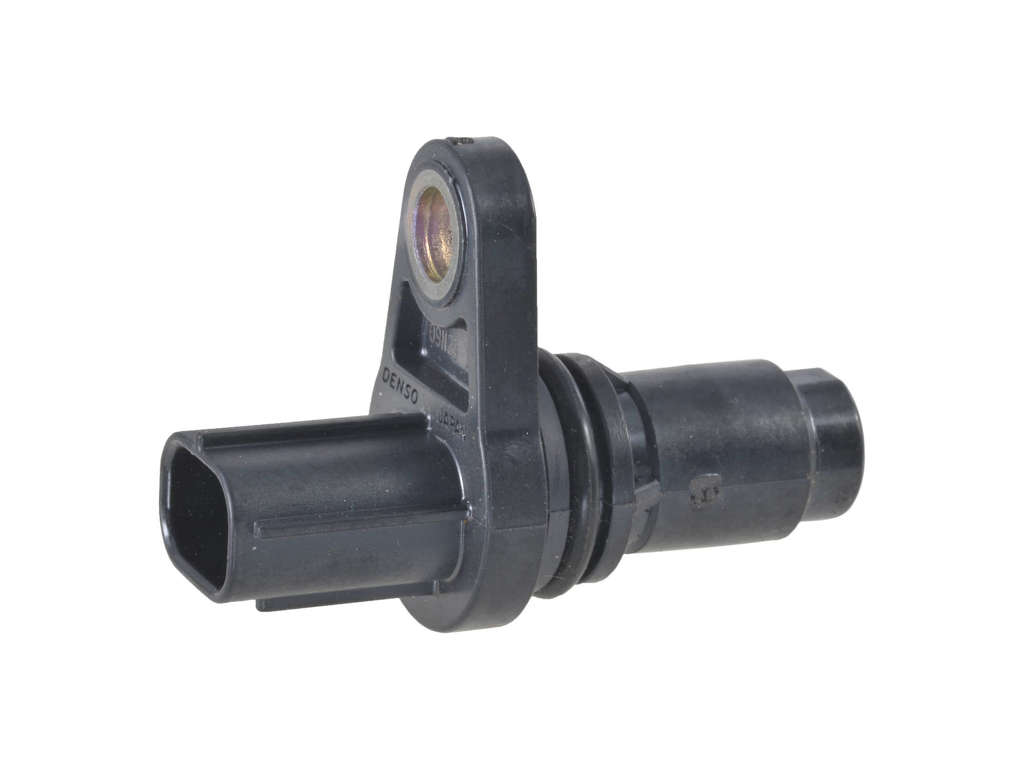
Est. part cost: $5-$15 - Faulty Camshaft Position Sensor ⚪ Low Probability → Shop Engine Camshaft Position Sensor While less common than OCV failure, the sensor that reads the camshaft's position can fail, sending incorrect data to the ECM.
How to confirm: Swap the Bank 1 exhaust sensor with the Bank 2 exhaust sensor (driver's side). If the code changes to P0019 (the Bank 2 equivalent), the sensor is bad.
Typical fix: Replace the Bank 1 exhaust camshaft position sensor.
Est. part cost: $40-$90
Rare But Worth Checking
- Stretched Timing Chain or Failed Tensioner: → Shop Engine Timing Chain This is a more serious mechanical issue. While the 1GR-FE's timing chain is robust, high mileage or severe oil neglect can cause stretch or tensioner failure, leading to a persistent correlation code that sensor/OCV replacement won't fix.
- Faulty Crankshaft Position Sensor: → Shop Engine Crankshaft Position Sensor It's rare for this sensor to cause P0017 without other codes or more severe symptoms like no-start, but it is technically possible.
- Damaged Camshaft Phaser (VVT Actuator): → Shop Engine Camshaft The mechanical gear on the end of the camshaft can fail or get clogged with debris, but this is uncommon on the 1GR-FE compared to other causes.
Diagnosis Steps
- Check Engine Oil: Verify the oil level is full and the oil is clean. If low or dirty, perform an oil and filter change, clear the code, and drive to see if it returns. This is the most common and cheapest fix.
- Scan for Other Codes: Check for any other pending or active codes that could provide more clues.
- Inspect OCV and Sensor Wiring: Visually inspect the wiring harnesses and connectors for the Bank 1 exhaust OCV and camshaft position sensor for any signs of damage, corrosion, or looseness.
- Test the Oil Control Valve (OCV): Remove the OCV from the passenger-side cylinder head. Apply 12V power to its terminals and listen for a click. You can also measure its resistance. If it fails either test or is visibly clogged, replace it.
- Inspect the OCV Filter: Locate and remove the small filter screen for the Bank 1 OCV. It is often a small cap or located under a banjo bolt. Clean it thoroughly with brake cleaner or replace it if it's damaged or heavily clogged.
- Test the Camshaft Position Sensor: Swap the Bank 1 exhaust cam sensor with the Bank 2 exhaust cam sensor. Clear the codes and drive. If the code returns as P0019, the sensor you moved is faulty and needs replacement.
- Advanced Mechanical Check: If all the above steps fail to resolve the issue, the problem is likely mechanical. This involves checking the timing chain for stretch, inspecting the tensioner, and verifying the cam phaser's condition. This is best left to a professional mechanic.
Parts You'll Likely Need
- Camshaft Timing Oil Control Valve (VVT Solenoid)
(OEM #15330-0P010)— This is the most common part to fail and cause P0017. It gets clogged with oil debris or fails electrically, preventing proper camshaft timing adjustment. Note: P0017 is for Bank 1 (Passenger Side), which uses this part number. The previously listed 15340-0P010 is for Bank 2.
Trusted brands: Denso, Aisin, Dorman
OEM price range: $80-$120
Aftermarket price range: $40-$70 - Camshaft Position Sensor
(OEM #90919-05043)— Though less common, a faulty sensor can send incorrect data, triggering the code. It's a logical next step if the OCV is confirmed good.
Trusted brands: Denso, Bosch, NGK/NTK
OEM price range: $70-$100
Aftermarket price range: $30-$60 - OCV Filter Screen
(OEM #15678-31010)— This small filter can get clogged with sludge, starving the OCV of oil pressure. It's an inexpensive part to replace during an OCV service. Multiple sources confirm this part number for the 1GR-FE.
Trusted brands: Toyota (OEM)
OEM price range: $5-$15
Aftermarket price range: $5-$10
Related Codes That Often Appear With This One
- P0016 — Crankshaft/Camshaft Correlation Bank 1 Sensor A (Intake). If seen with P0017, it points to a more significant timing issue on Bank 1, possibly a stretched chain or phaser problem, as both intake and exhaust cams are out of sync.
Technical Service Bulletins (TSBs) & Recalls
- T-SB-0094-09 Rev1: While this TSB is for the 2GR-FE engine (3.5L V6) and not the 1GR-FE, it addresses similar VVT-i codes including P0017 caused by a ticking noise from the cylinder head area, pointing to issues with the VVT-i gear actuator. It shows that VVT correlation codes are a known issue class across Toyota V6 engines.
Mechanic-Grade Diagnostic Values
- Camshaft Timing Oil Control Valve (OCV) Resistance — expected: 6.9 to 7.9 Ω at 20°C (68°F). Failure: A reading outside this range indicates a faulty solenoid coil.
- Crankshaft Position Sensor Resistance — expected: 1,850 to 2,450 Ω at 20°C (68°F). Failure: A reading outside this range suggests the sensor is faulty.
- Camshaft Position Sensor Power Supply Voltage — expected: Battery Voltage (approx. 12V) with ignition on. Failure: No voltage or low voltage points to a wiring or relay issue before the sensor.
- Camshaft Position Sensor Signal Voltage — expected: Approx. 5V (Hall effect sensor). Failure: Incorrect or no voltage indicates a faulty sensor or wiring issue.
- VVT Initial Position Learning Value (Live Data) — expected: -5 to +5 degrees at idle. Failure: A value consistently outside this range indicates a correlation problem that will trigger the DTC.
Hidden / Shadow Codes Worth Checking
- VVT Learning Value: This is not a DTC, but a specific data parameter the ECM monitors. The ECM compares the actual camshaft position to the target position at idle and stores this learned correction value. If the learning value exceeds a pre-set threshold (e.g., is outside -5 to +5 degrees), the ECM determines a correlation fault exists and sets P0017. (see via A professional scan tool like Toyota Techstream or an advanced aftermarket scanner (Autel, Launch) in the ECM's Live Data or Data List.)
Scan Tool Commands That Help
- Toyota Techstream (or equivalent advanced scanner): Active Test: Control the VVT System (Bank 1) — This bidirectional command allows you to manually activate the Bank 1 exhaust OCV solenoid while the engine is idling. If the solenoid and oil passages are working, the engine should stumble, hesitate, or stall. If there is no change in engine operation, it points to a faulty OCV, clogged filter, or blocked oil passage.
Wiring & Ground Locations
- Bank 1 Exhaust Camshaft Position Sensor — Located on the passenger side (Bank 1) cylinder head, reading the camshaft position. On 1GR-FE engines, these are on the inside walls of the cylinder heads near the front.. This sensor provides the primary signal for the exhaust camshaft's position. A bad connection or damaged wiring here will directly cause a P0017 code.
- Bank 1 Exhaust Oil Control Valve (OCV) — Located on the front of the passenger side (Bank 1) cylinder head.. This solenoid controls the oil flow that actuates the cam phaser. Damaged wiring or a loose connector will prevent the camshaft from adjusting its timing correctly.
- Engine Ground Points — General engine ground straps connect the cylinder heads and engine block to the chassis/firewall. Specific ECU ground points are detailed in the factory service manual wiring diagram.. A poor engine ground can cause floating voltages and erratic sensor readings, potentially leading to false correlation codes. While not a common cause, it should be checked if sensor readings are bizarre.
Real Owner Repair Stories
- YouTube channel 'carsntoys' (2007 Toyota FJ Cruiser (1GR-FE 4.0L V6)) — Initially P0016 (timing correlation). After timing chain replacement, code changed to P0011 (over-advanced) and the engine ran very rough after warming up.
❌ Tried (didn't work) Replacing the Bank 1 Oil Control Valve (OCV), Cleaning and inspecting the OCV filter screen
✅ What actually fixed it The camshaft phaser (VVT actuator) was mechanically faulty and stuck in the advanced position. Replacing the Bank 1 camshaft phaser with a new OEM part resolved the issue. - Tacoma World forum user (2008 Toyota Tacoma (1GR-FE 4.0L V6) with 210,000 miles) — P0012 (Camshaft Position 'A' - Timing Over-Retarded, Bank 1) and P0022 (Bank 2 equivalent). Engine ran perfectly fine despite the codes.
❌ Tried (didn't work) Initial diagnosis was ongoing.
✅ What actually fixed it The user suspected a stretched timing chain was the root cause because both banks were reporting a retarded timing condition simultaneously, which is a classic symptom of chain stretch affecting the entire system.
"I Checked Everything" — The Actual Cause
- This code is not related to vacuum leaks, so a smoke test is not applicable. The equivalent scenario is when all electrical sensors and solenoids test good, but the code persists. In a documented case involving a 1GR-FE engine, after replacing the OCV and cleaning its filter to no effect, the root cause was discovered to be a mechanical failure inside the camshaft phaser (VVT actuator), which was stuck in an advanced position.
When the Usual Fixes Don't Work
- While the most common fixes for P0017 are oil changes or OCV replacement, there are documented cases where these do not solve the problem. In one instance with a 1GR-FE, after a timing chain job, a persistent timing code was only resolved by replacing the entire camshaft phaser assembly, which had failed internally and was stuck, a problem that a new OCV could not overcome. In other high-mileage cases where timing codes appear on both banks (e.g., P0017 and P0019, or P0012 and P0022), the root cause is often a stretched timing chain, not individual VVT components.
OEM Part Supersession History
15340-31010→15340-0P010— Standard part revision by Toyota.
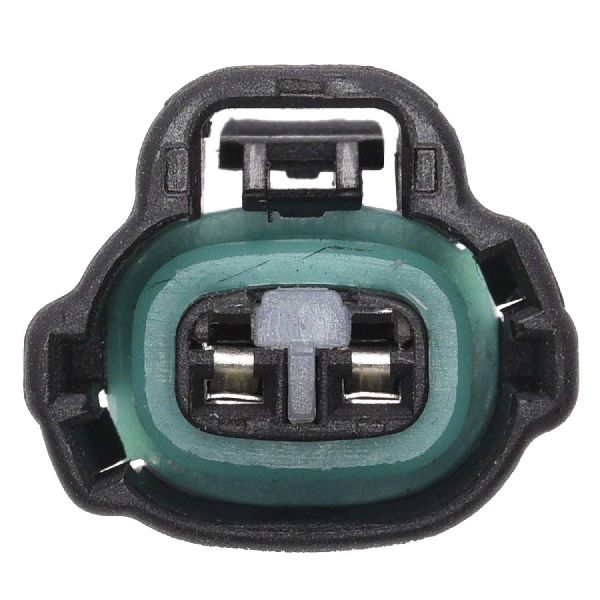
Heads up: This part is for Bank 2 (Driver's Side). It will physically fit in Bank 1 but has an opposite-facing connector and hold-down tab, making it incorrect for a P0017 fault.Unknown→15330-0P010— Standard part revision by Toyota.
Heads up: This is the correct OCV for Bank 1 (Passenger Side), which triggers the P0017 code.
Model Year Variations Within This Range
- 2009: For the 2009 model year, the 1GR-FE engine in the 4Runner was significantly updated to 'Dual VVT-i', adding variable timing to the exhaust camshafts in addition to the intake. This version also featured redesigned cylinder heads, roller rocker arms, and hydraulic lash adjusters. While P0017 can occur on all 2003-2009 models, the specific VVT components on a 2009 may differ from earlier years.
- 2003-2005: Early 1GR-FE engines were more prone to head gasket failures. While not directly related to P0017, it's a known issue for these specific model years that indicates a higher likelihood of previous major engine work, which could have introduced timing errors if performed incorrectly.
Diagnostic Flowchart
Other Known Issues on This Vehicle
Issues unrelated to this code that are worth knowing about as an owner of this generation:
- Premature Frame Rust & Corrosion 🔴 High — Very common, especially in the Rust Belt. Lawsuits were filed, but unlike the Tacoma/Tundra, the 4Runner was not included in Toyota's frame replacement/recall program. (Ref: No official recall for the 4Runner, though an investigation was opened by the NHTSA.)
- Seized Front Brake Calipers 🟠 Medium — A notorious issue for the 4th Gen 4Runner. The caliper pistons, particularly the lower ones, are prone to seizing due to corrosion, causing brake drag, pulling, and overheating.
- Cracked Dashboard 🟡 Low — Extremely common, especially on vehicles exposed to significant sun and heat. The dash material becomes brittle and develops large cracks. (Ref: Toyota had a Warranty Enhancement Program (ZE6) to replace dashes, but it expired years ago.)
- Head Gasket Failure 🟠 Medium — While the 1GR-FE is very reliable, head gasket failure is one of its few notable, albeit uncommon, engine-internal problems, often occurring at higher mileage (150k+ miles). Some reports suggest it is more common on cylinder #6.
- Cracked/Leaking Exhaust Manifolds 🟡 Low — The manifolds can develop cracks, especially in rust-prone environments, leading to an exhaust leak and a ticking noise when cold.
Used vs. New Parts: Buying Guide for This Vehicle
When a used part is the smart pick: For this repair, buying used parts is generally not recommended. The primary culprits (OCV, sensors) are relatively inexpensive to buy new. The labor to replace a higher-cost item like a camshaft phaser is significant, making the reliability of a new part a much safer investment than a used one from a junkyard.
Donor-vehicle mileage cap: roughly under 75000 miles for the part to have meaningful remaining life.
What to inspect on the donor part:
- If considering a used cam phaser, source it from a vehicle with documented low mileage and no history of sludge or timing-related codes.
- Inspect OCV screens from a donor engine; if they are full of sludge, avoid all timing components from that engine.
OEM-only on this vehicle (don't cheap out):
- Camshaft Phaser (VVT Actuator): This is a precision mechanical part that is labor-intensive to replace. Aftermarket versions have a higher reported failure rate; sticking with an OEM Toyota part is strongly advised for long-term reliability.
Aftermarket brands forum-validated for this vehicle:
- Denso: Denso is the original equipment manufacturer for many Toyota electronics, including sensors and solenoids. Their aftermarket parts are considered equivalent to OEM quality.
- Aisin: Another direct OEM supplier for Toyota, Aisin parts are trusted for critical functions.
- NTK (NGK): A well-regarded brand, particularly for sensors.
Brands owners have reported issues with on this vehicle:
- Generic/Unbranded 'White Box' Parts: Cheap solenoids and sensors from online marketplaces often have lower quality control, using inferior materials and manufacturing processes that can lead to premature failure.
Real Owner Stories
Aggregated from forums and TSBs cited above. Mileages and costs reflect what owners reported in those sources.
2003-2009 Toyota 4Runner 1GR-FE
Symptoms: Standard DIY diagnostic process of changing oil, swapping OCVs, and swapping cam position sensors to isolate the fault before suspecting a more serious issue.
What fixed it: The owner documented the process of isolating the fault through component swapping (OCVs and sensors) to determine if the issue was electronic or mechanical.
Source hint: Reddit r/MechanicAdvice - Thread titled 'Camshaft / Crankshaft Correlation Code P0017. Bad experience at the dealership...'
2003-2009 Toyota 4Runner 1GR-FE
Symptoms: The code appeared after the vehicle sat for 3 months.
What fixed it: The owner replaced the VVT solenoid with no success, leading to the suspicion of a timing chain issue.
Source hint: Reddit r/AskMechanics - Thread titled 'Engine Error Code P0017'
2003-2009 Toyota 4Runner 1GR-FE
Symptoms: The code P0017 persisted even after the owner changed the timing components.
What fixed it: The owner replaced the timing chain, sprockets, and camshaft, though the code remained, highlighting a significant diagnostic challenge.
Source hint: Reddit r/MechanicAdvice - Thread titled 'P0017 code still on after I changed timing components.'
Related OBD-II Codes
Frequently Asked Questions
Does TSB-0094-09 apply to my 2003-2009 4Runner with the 1GR-FE engine?
I have a P0017 on my 4Runner; what is the specific part number for the OCV filter screen?
Can I test the Bank 1 exhaust camshaft position sensor myself before buying a new one?
Where is the Oil Control Valve (OCV) located on my 4.0L V6 4Runner?
Is there a specific oil viscosity I should use to prevent VVT-i issues like P0017?
My 4Runner has a P0017 and a cracked dashboard; are these related?
Helpful Videos

![How to Fix P0017 Engine Code in 6 Minutes [4 DIY Methods / Only $6.81]](https://img.youtube.com/vi/Vcj-f_J2hyo/mqdefault.jpg)
We Have This Part in Stock


The information in this article is provided for general reference and educational purposes only. Vehicle specifications, procedures, and part compatibility can vary by production date, trim level, and region. Always consult your vehicle's factory service manual and verify part numbers before purchasing or performing repairs. Safety-critical components such as airbags, seat belts, and braking systems should be installed by a qualified professional.
- Toyota 4Runner:
- 🧭 Diagnostic Flowchart
- 🎬 Helpful Videos
- 🛍️ Shop This Part
- What's Unique About the 2003-2009 Toyota 4Runner
- Symptoms You May Notice
- Most Likely Causes
- Rare But Worth Checking
- Diagnosis Steps
- Parts You'll Likely Need
- Related Codes That Often Appear With This One
- Technical Service Bulletins (TSBs) & Recalls
- Mechanic-Grade Diagnostic Values
- Hidden / Shadow Codes Worth Checking
- Scan Tool Commands That Help
- Wiring & Ground Locations
- Real Owner Repair Stories
- "I Checked Everything" — The Actual Cause
- When the Usual Fixes Don't Work
- OEM Part Supersession History
- Model Year Variations Within This Range
- Other Known Issues on This Vehicle
- Used vs. New Parts: Buying Guide for This Vehicle
- Real Owner Stories
- 2003-2009 Toyota 4Runner 1GR-FE
- 2003-2009 Toyota 4Runner 1GR-FE
- 2003-2009 Toyota 4Runner 1GR-FE
- Related OBD-II Codes
- Frequently Asked Questions
- 🎟️ Get 5% Off