

P0017 on 2015-2018 Volvo V60: Crank/Cam Correlation Causes and Fixes
On a 2015-2018 Volvo V60, code P0017 is most often caused by a mechanical timing issue (stretched/jumped timing belt) or a faulty VVT solenoid due to low or dirty oil. Early 2.0L Drive-E engines are prone to oil consumption, making low oil a primary suspect. Before buying parts, check your oil level and condition. An incorrect timing belt service is also a very common cause; the VVT gears must be set correctly using special tools.
- P0017 on a V60 means the exhaust cam timing is out of sync with the crankshaft.
- Before suspecting major issues, check your engine oil level and condition, as low or dirty oil is a primary cause.
- Do NOT immediately replace the camshaft or crankshaft sensors. The code indicates they are likely working correctly and reporting a real mechanical problem.
- The most common fixes are an oil change, replacing a faulty VVT solenoid, or performing a timing belt service.
- If the code appeared after a recent timing belt change, the mechanical timing was almost certainly set incorrectly.
What's Unique About the 2015-2018 Volvo V60
The 2015-2018 V60 spans a transition for Volvo, using both the newer 2.0L 'Drive-E' four-cylinder engines and the older, well-regarded 2.5L five-cylinder engines. While both use timing belts and Variable Valve Timing (VVT), the specific components differ. On these engines, P0017 is frequently a mechanical issue, not a sensor failure. Owners often trigger this code after an incorrect timing belt service where the VVT gears were not properly set or preloaded. Furthermore, some early 2.0L Drive-E engines are known for excessive oil consumption due to piston ring issues, and Volvo has issued technical journals (like TJ 31216) and extended warranties to address this. Low oil levels or pressure directly starve the VVT system, leading to correlation codes like P0017.
Symptoms You May Notice
- Check Engine Light is on
- Rough or unstable idle
- Difficulty starting the engine, or extended cranking
- Reduced engine power and sluggish acceleration
- Increased fuel consumption
- A rattling or ticking noise from the engine, especially during startup or at idle
- Replacing the camshaft or crankshaft position sensors. This code indicates a *correlation* problem, meaning the sensors are likely reading a real mechanical timing discrepancy. Replacing them is rarely the fix. Forum threads are filled with owners who replaced sensors with no change before finding the root cause was mechanical timing or oil-related.
Most Likely Causes
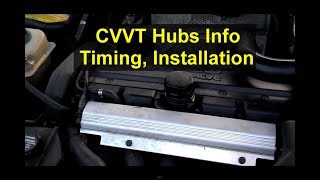
- Incorrect Mechanical Timing 🔴 High Probability The timing belt drives the camshafts. If it stretches, is installed incorrectly, or the tensioner fails, the cam/crank correlation will be off. This is a very common issue if the code appears shortly after a timing belt service. Volvo engines require specific tools (like camshaft holder 9995452) and procedures to lock the cams and correctly preload the VVT hubs 🎬 Watch: How to correctly install and adjust Volvo VVT hubs before tensioning the belt. Failure to follow this procedure is a frequent cause of P0016/P0017 codes post-service.
How to confirm: Visually inspect the timing belt, tensioner, and idlers for wear or damage. Use specialized Volvo timing tools to lock the crank and cams to verify that all timing marks align perfectly. A shop with a Volvo-specific scanner (VIDA) can check the commanded vs. actual camshaft angle, which should be within +/- 8 degrees at idle on a warm engine.
Typical fix: Perform a full timing belt service, including the belt, tensioner, and idler pulley. Ensure the VVT hubs are correctly locked or preloaded according to the specific Volvo VIDA procedure for the engine type. This is not a simple job and often requires re-doing the timing procedure correctly.
Est. part cost: $150-$300 - Low or Dirty Engine Oil 🔴 High Probability The VVT system uses oil pressure to adjust cam timing. If the oil is low, dirty, or the wrong viscosity, the VVT solenoids and actuators cannot function correctly. Early 2.0L Drive-E engines are known for oil consumption issues due to piston ring design, making low oil a frequent problem. Volvo has acknowledged this with TSBs and an extended warranty program (P10207).
How to confirm: Check the engine oil level via the electronic sensor (most Drive-E engines) or dipstick (if equipped). Note the oil's color and consistency. An oil pressure test can also be performed. If you have a 2.0L Drive-E engine, contact a Volvo dealer with your VIN to see if it's covered under the oil consumption extended warranty.
Typical fix: Perform an oil and filter change using a high-quality, fully synthetic oil that meets Volvo's specifications (e.g., ACEA A5/B5). Top up oil if low and clear codes to see if they return. If the engine has a known consumption issue, it may require new piston rings under warranty.
Est. part cost: $70-$120 - Faulty VVT Solenoid (Oil Control Valve) 🟡 Medium Probability The VVT solenoid controls the flow of oil to the cam phaser. It can get clogged with sludge from dirty oil or fail electrically, causing it to stick. Forum users report cleaning or replacing these as a potential fix, especially after finding clogged screens.
How to confirm: You can test the solenoid's resistance with a multimeter; the expected range is typically between 6.9 and 7.9 ohms, though some sources suggest a broader 5 to 25 ohms is acceptable. A more effective test is to swap the exhaust and intake solenoids (if they are identical) and see if the code changes to P0016 (for the intake cam). Inspect the solenoid's screens for metal shavings or sludge.
Typical fix: Replace the exhaust VVT solenoid. It is typically held in by one or two bolts and is relatively easy to access. Cleaning can be a temporary fix, but replacement is recommended.
Est. part cost: $50-$150 - Failed VVT Actuator (Cam Phaser/Gear) ⚪ Low Probability The VVT actuator is a mechanical gear on the end of the camshaft that can fail internally, becoming locked in one position or leaking oil pressure. This is more common on higher mileage vehicles or those with a history of infrequent oil changes.
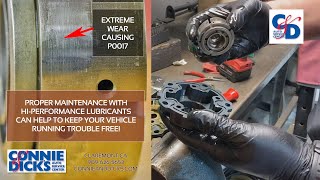
How to confirm: This is difficult to confirm without ruling out other causes first. Diagnosis often involves using a high-end scan tool to command VVT angle changes and observing the response. A persistent rattling noise from the top of the engine 🎬 See how a failed VVT actuator causes the P0017 code, even with correct oil level, is a strong indicator.
Typical fix: Replace the VVT actuator. This is a labor-intensive job that requires removal of the timing belt and the use of special cam-locking tools.
Est. part cost: $200-$400
Rare But Worth Checking
- Failed PCV/Oil Separator System: A clogged PCV system can cause excessive crankcase pressure, leading to oil leaks from cam and crank seals. This can contaminate the timing belt and potentially affect the VVT system's operation by causing sludge buildup.
- Stretched Timing Chain (T6 6-cylinder models): → Shop Engine Timing Chain While most V60s in this range have timing belts, the less common 3.0L T6 inline-6 engine uses a timing chain. While more durable, these chains can stretch over time, causing correlation codes.
Diagnosis Steps
- Check Engine Oil: This is the first and most important step. Verify the oil level is correct and the oil is clean and of the specified viscosity (e.g., ACEA A5/B5). If low or dirty, perform an oil change with a quality filter. Clear the code and see if it returns.
- Scan for Other Codes: Check for any other related codes, especially P0016, which would point towards a base timing problem.
- Inspect VVT Solenoids: Locate the intake and exhaust VVT solenoids. Check their wiring and connectors for oil contamination or damage. Consider swapping them to see if the fault code moves to the intake side (P0016).
- Test VVT Solenoid: If swapping is not an option, remove the exhaust VVT solenoid and test it by applying 12V to see if it actuates. 🎬 Watch: Step-by-step guide to testing and fixing P0017 correlation codes Inspect its screen for debris. A multimeter test should show resistance between 6.9 and 7.9 ohms.
- Verify Mechanical Timing: This is the most crucial step for this code on this platform. This requires Volvo-specific tools (cam and crank locking tools). Remove the upper timing covers and carefully rotate the engine to its timing marks. Verify that the crankshaft and both camshafts are perfectly aligned with the locking tools engaged. If they are not, the timing belt has likely jumped or was installed incorrectly.
- Inspect Timing Components: While inspecting timing, check the condition of the timing belt for fraying or contamination, the tensioner's operation, and the idler pulley.
- Inspect Sensors: As a final check, inspect the wiring and connectors for the camshaft and crankshaft position sensors for any damage or oil contamination. Use a scan tool to monitor live data from the sensors if possible.
Parts You'll Likely Need
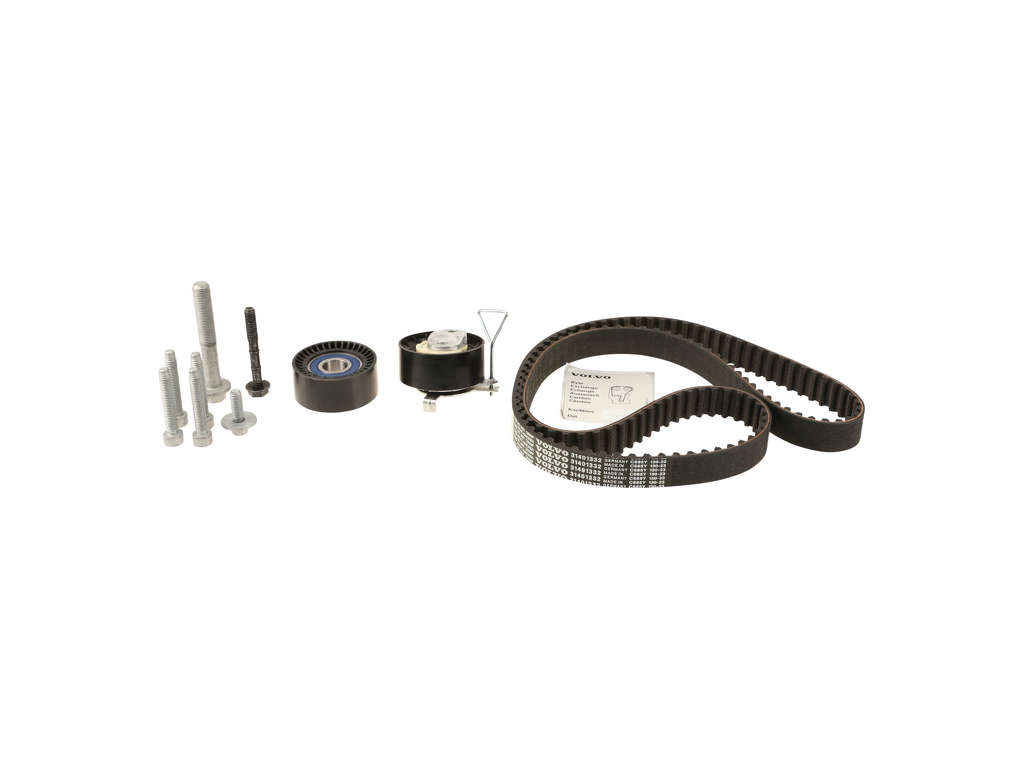
- Timing Belt Kit — This is the most common repair if the timing has jumped or the belt/tensioner is worn. A kit usually includes the belt, tensioner, and idler(s).
Trusted brands: Continental, Aisin, INA, Volvo (Genuine)
OEM price range: $250-$400
Aftermarket price range: $150-$250 - VVT Solenoid / Oil Control Valve
(OEM #36002687)— Often gets clogged or fails, preventing proper VVT operation. It's a common failure point and relatively easy to replace. It is used on both intake and exhaust sides for many models.
Trusted brands: Volvo (Genuine), Bosch, Pro Parts
OEM price range: $120-$180
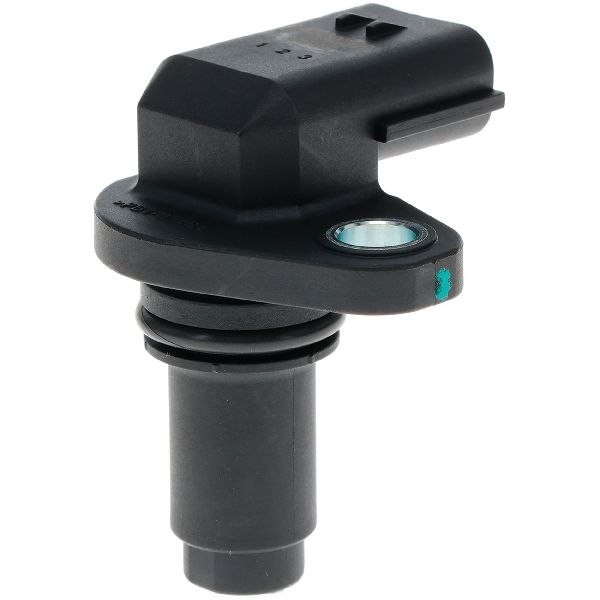
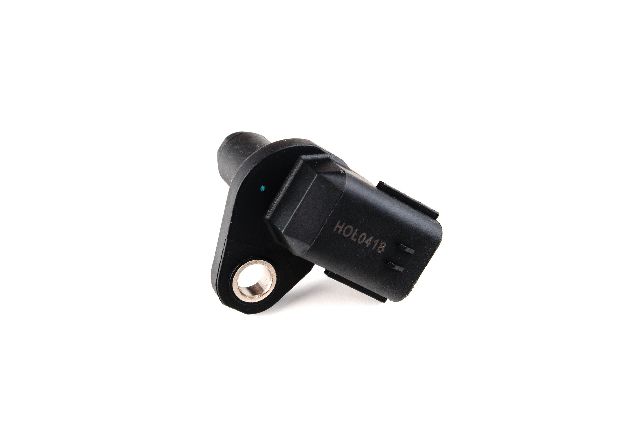
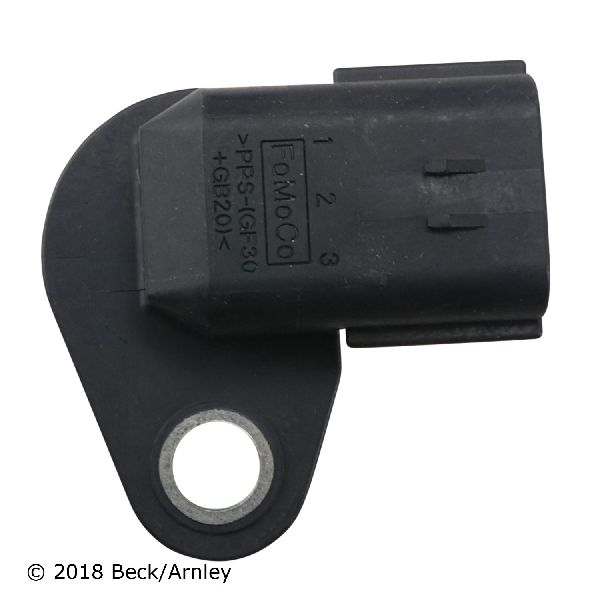
Aftermarket price range: $50-$100 - Camshaft Position Sensor
(OEM #31331882)— While rarely the cause, it can fail. It's often replaced unnecessarily. Only replace if sensor-specific codes are present or it fails a direct test.
Trusted brands: Bosch, Volvo (Genuine)
OEM price range: $80-$120
Aftermarket price range: $40-$70
Related Codes That Often Appear With This One
- P0016 — This is the correlation code for the intake camshaft (Bank 1, Sensor A). If both P0016 and P0017 are present, it strongly points to a base timing issue, like a jumped or incorrectly installed timing belt, affecting both cams.
Technical Service Bulletins (TSBs) & Recalls
- High Oil Consumption (Piston Rings): A series of related technical journals addressing excessive oil consumption in 4-cylinder Drive-E and older 5-cylinder engines, culminating in procedures to replace piston rings.
- Extended Warranty for Excessive Oil Consumption: Volvo's extended warranty program (8 years/100k miles) covering repairs for excessive oil consumption on VEP4 (Drive-E) engines, which is a primary cause of low oil levels that can trigger P0017.
Platform-Specific Known Issues
- 2015-2016 2.0L Drive-E engines were subject to an issue with high oil consumption due to piston ring design. This can lead to chronically low oil levels, which directly causes VVT-related codes like P0017. Volvo issued TSB TJ 31216 and extended warranty P10207 to address this with new piston rings.
- Incorrect timing belt replacement procedure is a major cause of this code. Many technicians, even experienced ones, may fail to properly use the Volvo-specific cam locking tools and VVT hub preloading procedure, resulting in the cams being slightly out of phase and triggering P0016/P0017 immediately after the service.
Mechanic-Grade Diagnostic Values
- VVT Solenoid (Oil Control Valve) Resistance — expected: 6.9 - 7.9 Ohms. Failure: A reading outside this range, or infinite resistance (open circuit), indicates a faulty solenoid coil.
- Crankshaft Position Sensor Resistance (Example) — expected: ~0.29 kOhms (290 Ohms). Failure: A significantly different reading or an open circuit. This value can vary, so workshop manual confirmation is ideal.
- Camshaft Angle Deviation (via VIDA scanner) — expected: +/- 8 degrees from commanded position at idle on a warm engine.. Failure: An angle deviation greater than 8 degrees points to a mechanical timing or VVT system fault.
Hidden / Shadow Codes Worth Checking
- ECM-671C / ECM-672D: These are Volvo-specific fault codes that map to the generic P0017 code. Having the specific ECM code can help narrow down the diagnostic tree within the VIDA software. (see via A Volvo-specific diagnostic tool like VIDA/DiCE is required to read these manufacturer-specific codes.)
Scan Tool Commands That Help
- Volvo VIDA: Check Camshaft Angle (Actual vs. Commanded) — This is a primary diagnostic step after checking oil. It allows a technician to see in real-time if the VVT system is responding correctly to ECM commands. If the actual angle doesn't match the commanded angle within spec (+/- 8 degrees), it confirms a fault in the VVT solenoid, actuator, or base timing.
- Volvo VIDA: Reset Transmission Adaptations — While not directly for the P0017 code, if the transmission was serviced or if drivability issues are present alongside the engine code, resetting adaptations can be necessary. This forces the transmission control module to relearn shift points and clutch pressures. A specific drive cycle is required after the reset.
Wiring & Ground Locations
- 31/4 — Engine block.. This is a primary engine ground. A poor connection here can cause erratic behavior from various engine sensors, including the crankshaft and camshaft position sensors, potentially leading to false correlation codes.
- 31/2 — Left MacPherson strut tower.. This ground point serves several components in the engine bay. While not directly tied to the cam/crank sensors in all diagrams, ensuring it is clean and tight is good practice when diagnosing any electrical fault.
- Main Cab Electrical Pass-Through — Located on the driver's side of the engine compartment firewall.. The main engine wiring harness passes through the firewall here. This area can be a potential spot for wire chafing or corrosion, which could affect signals from the cam/crank sensors to the ECM.
Real Owner Repair Stories
- volvoXC.com forum user (2003 Volvo (P2 Platform, similar VVT system)) — A cam/crank correlation code appeared suddenly. The car would run great after clearing the code, but the code would return on the next startup.
❌ Tried (didn't work) Replacing leaking VVT solenoid gaskets.
✅ What actually fixed it The user had to perform a VVT hub "reset" procedure. The timing was off due to the VVT hub not being in its correct base position. The fix required locking the cams, loosening the VVT gear, and rotating the hub to its mechanical stop before re-tightening everything and setting the timing belt correctly according to the VIDA instructions. - Reddit user on r/Volvo (2009 S60 2.5T with 179,300 miles) — P0016 and P0017 codes appeared immediately after a serpentine belt shredded.
❌ Tried (didn't work) Replacing the crank sensor., Replacing the exhaust cam sensor., Replacing the exhaust VVT solenoid.
✅ What actually fixed it The confirmed cause was that the timing belt had jumped a tooth when the serpentine belt failed and likely got tangled. The fix was to re-time the engine correctly, which involves a specific procedure of rotating the crankshaft past TDC and then back to ensure the VVT phasers are in their home position before setting the belt.
OEM Part Supersession History
30731172, 31216221→36002687— Part consolidation and potential internal improvements by the manufacturer.
Heads up: Part number 36002687 is the most current and widely used replacement for many 5-cylinder and later 4-cylinder Volvo engines in this era for both intake and exhaust positions.8670421, 36002145, 36002685→31355828— Part updates for different engine series, primarily older 5-cylinder and 6-cylinder models.
Heads up: This part (31355828) is typically listed for the 2.5L 5-cylinder intake side and is NOT interchangeable with the 36002687 used on many Drive-E engines. Always verify the correct part number by VIN.
Model Year Variations Within This Range
- 2015-2018: The 2015 model year was a major transition. Early 2015 models could still have the 2.5L 5-cylinder turbo engine, while later 2015.5 and newer models predominantly feature the 2.0L 4-cylinder 'Drive-E' engines (e.g., T5, T6). The diagnostic and repair procedures, especially for timing belt service, are different between these two engine families.
- 2016-2018: Within the 'Drive-E' family, Volvo introduced multiple power variants like the T3, T4, and T6 (twin-charged) alongside the T5. While they share the same basic 2.0L block, components like turbochargers and software are different. However, the VVT system and the causes for P0017 remain largely consistent across the Drive-E variants.
Diagnostic Flowchart
Other Known Issues on This Vehicle
Issues unrelated to this code that are worth knowing about as an owner of this generation:
- Excessive Oil Consumption (2.0L Drive-E) 🔴 High — Common on 2015-2016 models. Can start as early as 60k miles. Less common on later models after piston ring redesign. (Ref: TSB TJ 31216, Extended Warranty P10207)
- PCV / Oil Trap Clogs 🟠 Medium — Common over 80,000 miles. The diaphragm can tear or passages can clog, causing pressure issues and oil leaks.
- Jerky Automatic Transmission Shifts 🟠 Medium — Reported in some T5/T6 models between 60,000-100,000 miles, can manifest as harsh shifts or delayed gear selection. Often requires software updates or valve body replacement.
- Infotainment System Glitches 🟡 Low — Owners report issues like frozen screens, random reboots, and Bluetooth connectivity problems. Often software-related and can be intermittent.
- Electronic Parking Brake Failure 🟠 Medium — Can occur after 70,000-100,000 km due to wear on the actuator motors.
Used vs. New Parts: Buying Guide for This Vehicle
When a used part is the smart pick: Used parts can be a cost-effective option for VVT solenoids and camshaft/crankshaft position sensors, as these are often durable components that can be sourced from lower-mileage donor vehicles.
Donor-vehicle mileage cap: roughly under 80000 miles for the part to have meaningful remaining life.
What to inspect on the donor part:
- For VVT solenoids, inspect the mesh screens for any metal shavings or sludge; clean screens are a good sign.
- For sensors, check the plastic housing for cracks and the connector pins for corrosion or damage.
- Always try to source from a vehicle that was not in a front-end collision to minimize the risk of unseen damage to engine components.
OEM-only on this vehicle (don't cheap out):
- Timing Belt Kit (Belt, Tensioner, Idler): These are wear items with a defined service life. Never use a used timing belt or its components, as failure is catastrophic.
- VVT Actuator/Phaser: This is a complex, high-labor part. The risk of a used unit failing shortly after installation outweighs the cost savings. New or high-quality remanufactured is the only safe bet.
Aftermarket brands forum-validated for this vehicle:
- Timing Belt Kits: Continental, Aisin, INA
- Sensors/Solenoids: Bosch (often the OEM supplier), Pro Parts Sweden
Brands owners have reported issues with on this vehicle:
- Unnamed, no-brand 'white box' electronic parts (sensors, solenoids) from online marketplaces often have high failure rates and may not meet OEM specifications for resistance and performance.
Real Owner Stories
Aggregated from forums and TSBs cited above. Mileages and costs reflect what owners reported in those sources.
2005 Volvo S60 2.5T
Symptoms: P0017 and P0027 codes appeared immediately after a timing belt service.
What fixed it: The exhaust cam was found to be off by one tooth; the engine was re-timed correctly to resolve the issue.
Source hint: SwedeSpeed Forums: P0017 and P0027 after Timing Belt Service
2016 Volvo V60 Cross Country 2.5T
Symptoms: Vehicle triggered both P0016 and P0017 codes simultaneously.
What fixed it: Diagnosis led to a high probability of a timing belt issue, starting with an inspection of the VVT solenoids.
Source hint: Volvo Forums: p0016 p0017 on 2016 V60 Cross Country
Related OBD-II Codes
Frequently Asked Questions
Is my 2015-2016 V60 with the 2.0L Drive-E engine covered for oil consumption issues that cause P0017?
I just had my timing belt replaced and now I have a P0017 code. What happened?
Can I test the VVT solenoid on my V60 to see if it's the cause of the P0017?
What oil specification should I use for my V60 to prevent VVT-related codes?
What is the maximum allowed camshaft angle deviation at idle for the V60?
Helpful Videos


We Have This Part in Stock


The information in this article is provided for general reference and educational purposes only. Vehicle specifications, procedures, and part compatibility can vary by production date, trim level, and region. Always consult your vehicle's factory service manual and verify part numbers before purchasing or performing repairs. Safety-critical components such as airbags, seat belts, and braking systems should be installed by a qualified professional.
- Volvo V60:
- 🧭 Diagnostic Flowchart
- 🎬 Helpful Videos
- 🛍️ Shop This Part
- What's Unique About the 2015-2018 Volvo V60
- Symptoms You May Notice
- Most Likely Causes
- Rare But Worth Checking
- Diagnosis Steps
- Parts You'll Likely Need
- Related Codes That Often Appear With This One
- Technical Service Bulletins (TSBs) & Recalls
- Platform-Specific Known Issues
- Mechanic-Grade Diagnostic Values
- Hidden / Shadow Codes Worth Checking
- Scan Tool Commands That Help
- Wiring & Ground Locations
- Real Owner Repair Stories
- OEM Part Supersession History
- Model Year Variations Within This Range
- Other Known Issues on This Vehicle
- Used vs. New Parts: Buying Guide for This Vehicle
- Real Owner Stories
- 2005 Volvo S60 2.5T
- 2016 Volvo V60 Cross Country 2.5T
- Related OBD-II Codes
- Frequently Asked Questions
- 🎟️ Get 5% Off