

P0018 on 2009-2016 Audi A4 2.0T: Timing Chain & Camshaft Correlation Explained
On the 2009-2016 Audi A4 with the 2.0T EA888 engine, P0018 almost always indicates a stretched timing chain or a failed timing chain tensioner. This is a critical issue that requires immediate attention to avoid catastrophic engine failure. Expect a repair cost of $1,500-$2,500 for a full timing chain service.
- P0018 on a 2009-2016 Audi A4 2.0T is a critical warning that almost always points to a failing timing chain system.
- Do not drive the vehicle. The risk of the timing chain jumping and causing catastrophic engine failure is very high.
- The most reliable fix is a complete timing chain service, including the chain, guides, and an updated tensioner (part number 06K109467K).
- This issue is especially common and well-documented on the 2009-2012 (B8) models due to a defective original tensioner.
- Do not waste money on replacing sensors first; this is almost always a mechanical problem.
What's Unique About the 2009-2016 Audi A4
The EA888 engine (engine code CAEB in many B8 models) used in the B8 generation Audi A4 (2009-2012) is infamous for a faulty timing chain tensioner. The original tensioner design (P/N 06H109467T) could fail to maintain hydraulic pressure, allowing the timing chain to become slack, especially on startup. This slack causes the chain to stretch and can lead to the chain jumping teeth, resulting in catastrophic engine damage. While other causes are possible, P0018 on this specific platform is a very strong indicator of this well-documented and critical tensioner/chain issue. An updated tensioner (P/N 06K109467K) was used in later B8.5 models (2013-2016), but high mileage can still lead to chain stretch.
Generation note: This range covers the Audi A4 B8 (2009-2012) and B8.5 (2013-2016) generations. The B8 models are significantly more prone to P0018 due to a known defective timing chain tensioner design. The B8.5 models use an updated tensioner, but can still suffer from chain stretch at higher mileage, typically over 100,000 miles.
Symptoms You May Notice
- Check Engine Light is on
- Engine rattling noise, especially a 'clack-clack' sound on cold startup that lasts 1-3 seconds and may go away as the engine warms up.
- Rough or unstable idle.
- Loss of engine power and poor acceleration.
- Engine stalling, especially at idle.
- Reduced fuel economy
- Longer than normal crank time to start the engine.
- Replacing the camshaft or crankshaft position sensors. People often replace these first because they are cheaper and easier, but they are rarely the root cause for this code on this engine. The problem is almost always mechanical.
- Replacing only the VVT solenoid. While it can fail, it's not the primary culprit for the widespread P0018 issue on the EA888.
- Performing an oil change and assuming it's fixed. While low/dirty oil can contribute, it will not fix a stretched chain or failed tensioner. The code will return.
Most Likely Causes
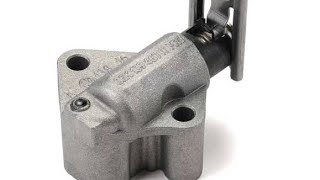
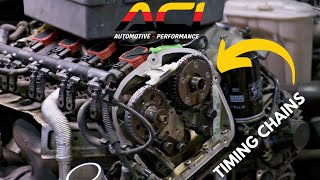
- Failed Timing Chain Tensioner 🔴 High Probability → Shop Engine Timing Chain The original tensioner in 2009-2012 (B8) models is a known defective part that fails prematurely, losing hydraulic pressure and allowing the chain to go slack. The failure is often due to a weak retaining clip on the tensioner's ratchet mechanism. 🎬 See why the original tensioner fails and how it damages your engine.
How to confirm: A technician can visually inspect the tensioner's extension through a small inspection port on the lower timing cover. If the plunger is extended past 6-7 'teeth' or ridges, the chain is considered stretched and the system needs replacement. A rattling noise on startup is also a key indicator.
Typical fix: Replacement of the timing chain, tensioner (with the updated design P/N 06K109467K), and all timing chain guides and slide rails.
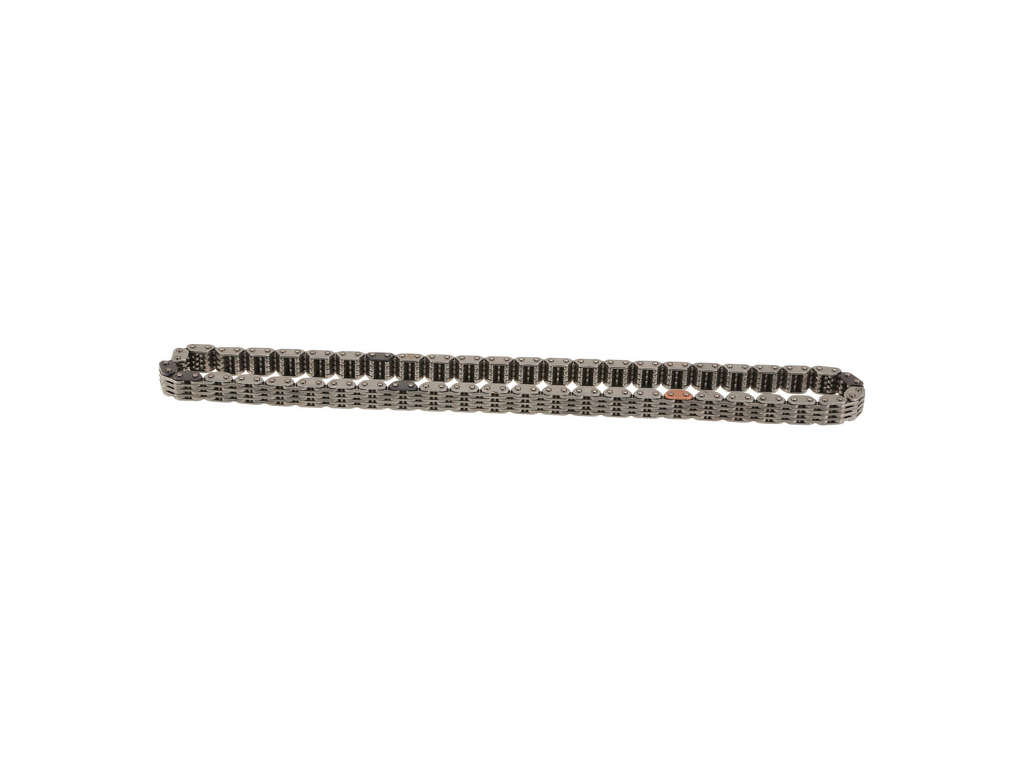
Est. part cost: $400-$700 for a complete kit - Stretched Timing Chain 🔴 High Probability → Shop Engine Timing Chain This is a direct result of a failing tensioner or simply high mileage. The chain itself wears at the pins and bushings, causing it to elongate, which is referred to as 'stretch'. This is common on the Gen 1/2 EA888 engines.
How to confirm: Confirmed during a timing service by comparing the old chain to a new one. A scan tool (like VCDS by Ross-Tech) can also measure cam phase adaptation in Measuring Value Block 93. 🎬 Watch: How to check chain stretch with a scanner and inspection port. A value greater (more negative) than -5 degrees is a strong indicator of significant chain stretch.
Typical fix: Replacement of the timing chain, tensioner, and guides as a complete set. The updated chain is part number 06H109158N or 06K109158AD.
Est. part cost: $400-$700 for a complete kit - Low or Dirty Engine Oil ⚪ Low Probability The timing chain tensioner and VVT system are hydraulically actuated. Incorrect oil viscosity, low oil level, or sludge from extended oil change intervals can impede their function and trigger timing codes.
How to confirm: Check the oil level and condition. Review service records for oil change history and type of oil used. Ensure VW 502.00 specification oil is being used.
Typical fix: Perform an oil and filter change using the correct manufacturer-specified oil. This is a good first step but rarely the final fix for a P0018 code on this engine.
Est. part cost: $70-$120
Rare But Worth Checking
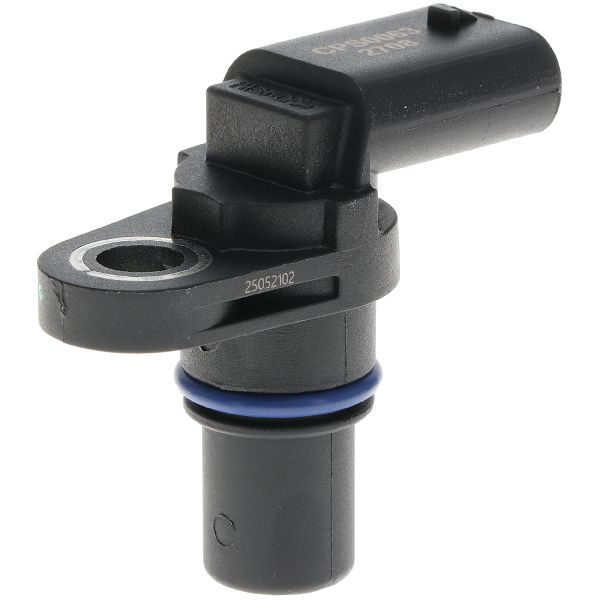
- Failed Camshaft Position Sensor (CMP) or Crankshaft Position Sensor (CKP): → Shop Engine Crankshaft Position Sensor While possible, sensor failure is much less common than mechanical timing issues on this engine. A sensor fault would likely present different codes as well. Owners often replace these first without success. Do not replace sensors without confirming the mechanical timing is perfect.
- Failed VVT Solenoid (Camshaft Adjuster Magnet): This solenoid (P/N 06L109257F is a common replacement) controls oil flow to the cam phaser. If it gets clogged with debris or fails electrically, it can cause a timing correlation issue. It's a possible cause, but far less likely than a chain/tensioner problem for P0018.
- Failed Camshaft Adjuster / Phaser: → Shop Engine Camshaft The mechanical adjuster on the end of the camshaft can become 'sticky' or fail internally, preventing it from adjusting timing correctly. This is an expensive part and a less common failure than the chain/tensioner, but has been documented as a cause after all other components were verified.
Diagnosis Steps
- Verify the oil level and condition. If low or dirty, correct this first, clear the code, and see if it returns. Ensure correct VW 502.00 spec oil is used.
- Listen for a rattling noise from the engine's front (passenger side) during a cold start. A 1-3 second rattle is a classic sign of a bad tensioner.
- Use a VAG-COM (VCDS) or other advanced scan tool to check 'Camshaft Adaptation' value (Measuring Value Block 93, Field 3). A value greater (more negative) than -5.0° indicates significant chain stretch and is a definitive sign that a timing job is needed.
- Have a qualified mechanic visually inspect the timing chain tensioner through the inspection port on the lower timing cover. This provides definitive proof of tensioner extension and chain stretch. If more than 6-7 ridges on the tensioner piston are visible, replacement is required.
- If the timing is confirmed to be off via VCDS or visual inspection, proceed with a full timing chain service, including the chain, tensioner, all guides, and the lower timing cover seal.
Parts You'll Likely Need
- Timing Chain Kit
(OEM #06K109467K (Updated Tensioner))— This is the comprehensive solution, replacing all wearable components in the system: the stretched chain, the failed tensioner, and the worn guides. It's critical to use the updated tensioner design.
Trusted brands: Iwis, INA, FCP Euro Kit, Genuine VW/Audi
OEM price range: $600-$800
Aftermarket price range: $400-$600 - Lower Timing Chain Cover
(OEM #06H103269H)— This cover is often replaced as part of the job as it can be difficult to remove without damage and ensuring a proper seal is critical to prevent oil leaks.
Trusted brands: Genuine VW/Audi, Vaico
OEM price range: $100-$150
Aftermarket price range: $50-$80 - Crankshaft Seal (Front)
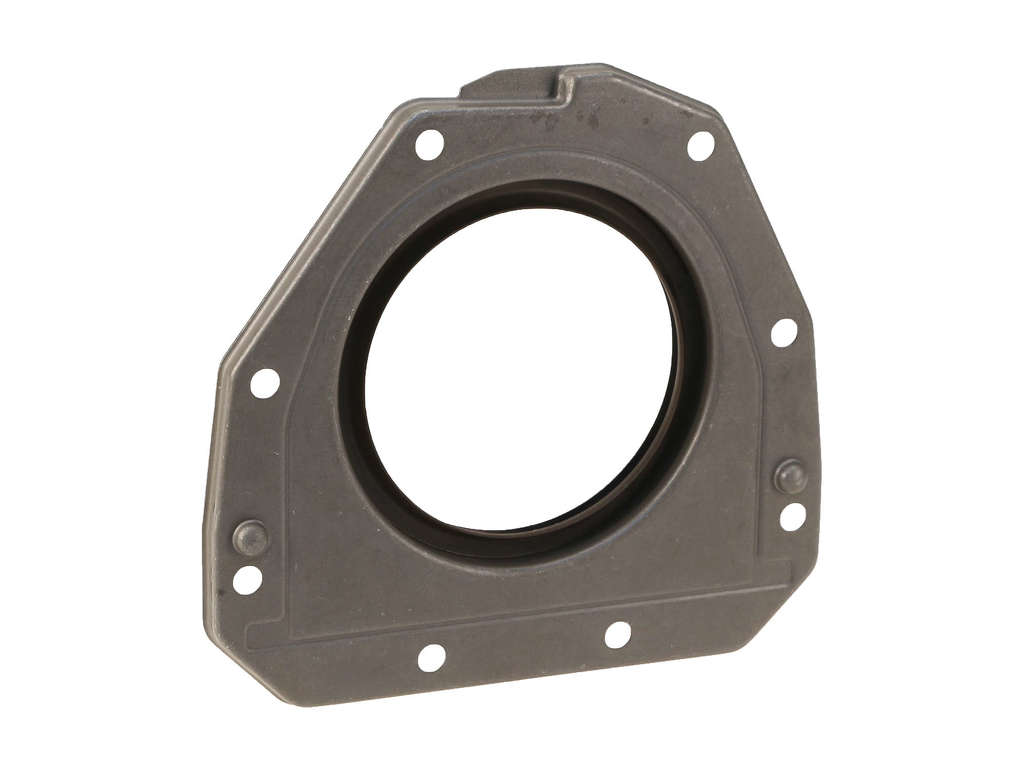
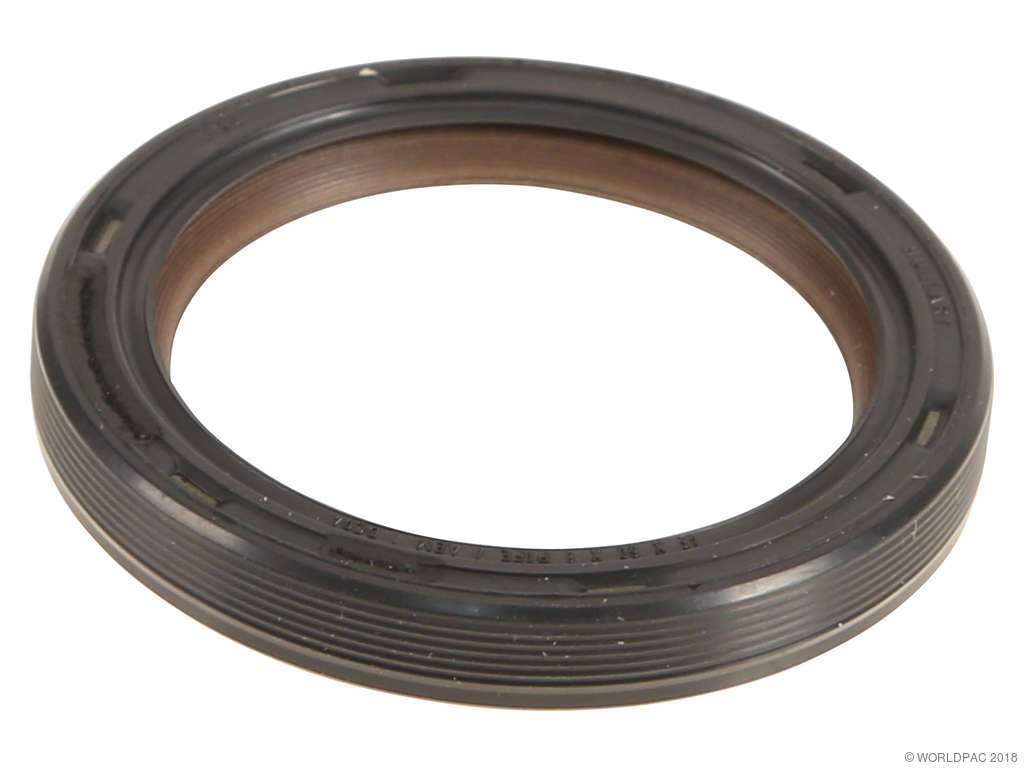
(OEM #06L103085B)— This seal is located behind the crankshaft pulley, which must be removed for the timing service. It is always recommended to replace this seal to prevent future oil leaks.
Trusted brands: Elring, Victor Reinz, Genuine VW/Audi
OEM price range: $30-$50
Aftermarket price range: $15-$25
Related Codes That Often Appear With This One
- P0016 — P0016 is 'Crankshaft/Camshaft Position Correlation Bank 1 Sensor A'. It's the same fundamental timing error. Seeing both or either points strongly to the same timing chain system failure.
- P0341 — This code is 'Camshaft Position Sensor 'A' Circuit Range/Performance'. It can be triggered as a secondary fault when the mechanical timing is so far off that the sensor's readings are deemed implausible by the ECM.
- P052E — This code relates to 'Positive Crankcase Ventilation Regulator Valve Performance'. A failed PCV valve is a very common issue on the EA888 engine and can sometimes cause erratic running conditions that might be misconstrued as timing related, though it doesn't directly cause P0018.
Technical Service Bulletins (TSBs) & Recalls
- Audi TSB 15-13-04: Addresses the timing chain tensioner issue, outlining the inspection procedure through the plug in the lower timing cover and confirming the need for replacement if the tensioner is over-extended.
Platform-Specific Known Issues
- A class-action lawsuit was filed against Volkswagen/Audi for the defective timing chain tensioner used in 2008-2013 EA888 engines, which this vehicle falls under.
- The original tensioner can fail without warning, causing the chain to jump time and destroy the engine, even at relatively low mileage (60,000-100,000 miles).
Mechanic-Grade Diagnostic Values
- Camshaft Adjustment Valve (N205) Resistance — expected: 5.0 to 8.0 ohms at approx. 20°C.. Failure: A reading outside this range, or an open circuit (infinite resistance), indicates a faulty solenoid.
- Camshaft Adjustment Valve (N205) Harness Voltage — expected: Battery Voltage. Failure: No voltage indicates a wiring or ECM power supply issue. Check for voltage at terminal 1 of the harness connector (to ground) with the ignition on.
- N205 Solenoid to ECM Wiring Resistance — expected: Max 1.5 ohms. Failure: Higher resistance indicates a problem in the wiring harness between the N205 connector (terminal 2) and the ECM connector (T60, terminal 60).
- VCDS Camshaft Phase Adaptation (MVB 93) — expected: Between 0° and -4.9°. Failure: A value greater (more negative) than -5.0° is a definitive indicator of a stretched timing chain requiring replacement.
Scan Tool Commands That Help
- VCDS or ODIS: Output Test for N205 Camshaft Adjustment Valve — After verifying wiring and resistance, this test commands the solenoid to actuate. The technician should listen for an audible click from the solenoid. A lack of a click confirms a mechanically failed (stuck) solenoid, even if its electrical resistance is within spec.
Wiring & Ground Locations
- G40 (Camshaft Position Sensor) — Located on the upper timing cover, next to the oil filler cap.. This is the primary sensor ('Sensor A') providing the camshaft position signal that is compared against the crankshaft signal. A faulty sensor or damaged wiring here is a potential, though less common, cause.
- N205 (Camshaft Adjustment Valve) — A cylindrical solenoid mounted front and center on the upper timing chain cover, just to the left of the oil dipstick tube.. This solenoid controls the oil flow that actuates the camshaft phaser. A failure in its wiring or the solenoid itself will prevent proper cam timing adjustment, which can trigger P0018.
- ECM Connector T60, Pin 60 — At the Engine Control Module (ECM).. This is the specific pin at the ECM that sends the control signal to the N205 solenoid. A continuity test from this pin to terminal 2 of the N205 connector is a definitive wiring check.
- Engine Block Ground (Point 18) — On the engine block, typically near the left side of the engine compartment.. A poor engine ground can cause erratic behavior and incorrect readings from any sensor that uses the block as a ground reference, including the camshaft and crankshaft position sensors. Verifying this ground is clean and tight is a crucial step in any electrical diagnosis.
Real Owner Repair Stories
- AudiWorld Forums (2011 Audi A4 2.0T, 94k miles) — P0018 code appeared 5,000 miles after a preventative timing chain replacement.
❌ Tried (didn't work) A second, warranty replacement of the entire timing chain system by the dealer., Replacing the camshaft position sensor.
✅ What actually fixed it The code returned even after the second timing job. The final resolution was replacing both VVT solenoids (camshaft adjusters) with genuine OEM Audi parts. The shop discovered that an aftermarket solenoid, which had been previously installed, was malfunctioning and causing the correlation error. - NHTSA ODI #11233069 (Audi Q5 with similar EA888 engine) — An owner reported that at approximately 63,000 miles, the check engine light illuminated with code P0018, which subsequently caused the vehicle to fail an emissions test.
"I Checked Everything" — The Actual Cause
- A common pattern for P0018 is not a failed smoke test, but a failure of component replacement to fix the issue. In one documented case, a vehicle had two full timing chain services performed by a dealer, yet the P0018 code kept returning. The root cause was not the mechanical timing, but faulty aftermarket VVT solenoids that were unable to adjust cam timing correctly. The fix was to replace them with OEM parts, after which the code was resolved.
OEM Part Supersession History
06H109467T (and other early revisions)→06K109467K— The original tensioner used a ratchet mechanism with a weak retaining clip that was prone to failure, allowing the tensioner piston to retract when oil pressure was absent (e.g., on startup).
Heads up: The old tensioner should never be used. The updated 06K109467K design features a much stronger metal collar and clip and is a mandatory upgrade when performing any timing service on this engine.06H109158H / 06H109158J→06K109158AD— The timing chain itself was updated to a more durable design to better resist stretching over time.
Model Year Variations Within This Range
- 2009-2012 (B8): These models were factory-equipped with the early, failure-prone timing chain tensioner (P/N ending in T). They are at extremely high risk for P0018 and catastrophic failure if the tensioner has not been updated to the revised part (P/N ending in K).
- 2013-2016 (B8.5): These models came from the factory with the updated timing chain tensioner and other revised components. While they are not immune to chain stretch at high mileage (100k+ miles), they do not suffer from the premature, low-mileage tensioner failure that plagues the B8 models. The engine for North American A4s remained the EA888 Gen 2 (often code CAEB) throughout this period.
Diagnostic Flowchart
Other Known Issues on This Vehicle
Issues unrelated to this code that are worth knowing about as an owner of this generation:
- Excessive Oil Consumption 🔴 High — Very common on 2009-2011 models. Caused by faulty piston rings and/or a failed PCV valve. Consumption can be as high as 1 quart every 300-500 miles. (Ref: Subject of a class-action lawsuit which led to an extended warranty and a multi-stage consumption test and repair process for affected vehicles.)
- PCV Valve Failure 🟠 Medium — Extremely common across all years. The diaphragm inside the PCV (oil separator) tears, causing a large vacuum leak.
- Water Pump Failure 🔴 High → Shop Engine Water Pump — Common failure item, typically between 60,000-100,000 miles. The original pump has a plastic housing that cracks or the gasket fails, causing coolant leaks. (Ref: Several revisions of the part exist. Many owners upgrade to an aftermarket pump with a metal housing for better durability.)
- Carbon Buildup on Intake Valves 🟠 Medium — An inherent issue with all direct-injection engines, including the EA888. Typically requires cleaning every 60,000-80,000 miles to prevent misfires and loss of power.
Used vs. New Parts: Buying Guide for This Vehicle
When a used part is the smart pick: For a P0018 repair, it is almost never advisable to use used parts. The only potential exception might be external sensors (Cam/Crank) or a VVT solenoid from a verified, very low-mileage donor vehicle, but this still carries significant risk.
Donor-vehicle mileage cap: roughly under 50000 miles for the part to have meaningful remaining life.
What to inspect on the donor part:
- For a sensor or solenoid, inspect for physical damage, cracks, or corrosion on the connector pins.
- Ask for proof of the donor vehicle's mileage and confirmation it was a running and driving car with no check engine lights.
- Avoid parts covered in thick sludge, indicating poor maintenance.
OEM-only on this vehicle (don't cheap out):
- Timing Chain
- Timing Chain Tensioner
- Timing Chain Guides
- VVT Solenoid (Camshaft Adjuster Magnet)
- Crankshaft Seal and other single-use seals/gaskets
Aftermarket brands forum-validated for this vehicle:
- Iwis (Often the OEM supplier for chains)
- INA (Often the OEM supplier for tensioners and guides)
Brands owners have reported issues with on this vehicle:
- Unbranded, no-name kits from marketplaces like eBay or Amazon.
- Aftermarket VVT solenoids have been documented to fail and cause repeat P0018 codes even when new.
Real Owner Stories
Aggregated from forums and TSBs cited above. Mileages and costs reflect what owners reported in those sources.
2009 Audi A4 2.0T
Symptoms: Check engine light with code P0018.
What fixed it: The community advised checking the tensioner extension and VCDS block 93 to confirm the timing chain and tensioner required replacement.
Source hint: AudiWorld Forums: P0018 - Check engine light
2010 Audi A4 2.0T — ~80000 miles
Symptoms: Timing chain failure leading to a discussion of repair options and high costs.
What fixed it: Replacement of the timing chain, tensioner, and guides.
Cost: $3000+
Source hint: Audizine Forum: B8 A4 Timing Chain Failure - What to do?
Related OBD-II Codes
Frequently Asked Questions
Does Audi TSB 15-13-04 apply to my 2.0T engine's timing issue?
Is there a specific updated part number I should use for the tensioner to prevent P0018 from returning?
What is the specific VCDS (VAG-COM) value that indicates my timing chain is stretched?
How many 'teeth' on the tensioner indicate that my Audi A4 needs a new timing chain?
Was there a legal action regarding the timing chain tensioner for the 2009-2016 Audi A4?
Can I just change the oil to fix a P0018 code on my EA888 2.0T?
Helpful Videos
Used OEM Parts in Stock
New Aftermarket Parts Available


The information in this article is provided for general reference and educational purposes only. Vehicle specifications, procedures, and part compatibility can vary by production date, trim level, and region. Always consult your vehicle's factory service manual and verify part numbers before purchasing or performing repairs. Safety-critical components such as airbags, seat belts, and braking systems should be installed by a qualified professional.
- Audi A4:
- 🧭 Diagnostic Flowchart
- 🎬 Helpful Videos
- 🛍️ Shop This Part
- What's Unique About the 2009-2016 Audi A4
- Symptoms You May Notice
- Most Likely Causes
- Rare But Worth Checking
- Diagnosis Steps
- Parts You'll Likely Need
- Related Codes That Often Appear With This One
- Technical Service Bulletins (TSBs) & Recalls
- Platform-Specific Known Issues
- Mechanic-Grade Diagnostic Values
- Scan Tool Commands That Help
- Wiring & Ground Locations
- Real Owner Repair Stories
- "I Checked Everything" — The Actual Cause
- OEM Part Supersession History
- Model Year Variations Within This Range
- Other Known Issues on This Vehicle
- Used vs. New Parts: Buying Guide for This Vehicle
- Real Owner Stories
- 2009 Audi A4 2.0T
- 2010 Audi A4 2.0T — ~80000 miles
- Related OBD-II Codes
- Frequently Asked Questions
- 🎟️ Get 5% Off