

P0018 on 2012-2018 Audi S8 4.0T: Crank-Cam Correlation Causes and Fixes
On the Audi S8 4.0T, P0018 is most often caused by a faulty Bank 2 (driver's side) intake camshaft adjuster solenoid, often due to its filter screen breaking. A replacement solenoid costs around $100-$200, and diagnosis is key before suspecting a more costly timing chain issue. This is a well-documented issue for this engine platform.
- For a P0018 code on a 2012-2018 Audi S8, immediately suspect the Bank 2 (driver's side) intake camshaft adjuster solenoid.
- Before buying any parts, remove and inspect the solenoid. A broken or missing filter screen is a very common and specific failure on this engine.
- Do not jump to the conclusion of a stretched timing chain. While possible, it is a far more expensive and less likely cause than a faulty solenoid.
- Always use the correct Audi-specified engine oil and maintain regular change intervals to protect the sensitive hydraulic timing components.
- If a solenoid screen is found to be broken, it is critical to ensure the debris is not circulating in the engine's oil passages.
What's Unique About the 2012-2018 Audi S8
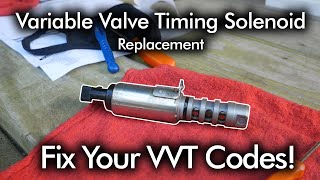
The Audi S8's EA824 4.0T engine has a specific and well-documented vulnerability related to this code. The camshaft adjuster solenoids (also called oil control valves or cam adjustment valves) are fitted with small filter screens. These screens are known to become brittle with heat and time, break apart, and get ingested by the solenoid, causing it to jam. This failure directly leads to a P0018 code and is a much more common starting point for diagnosis than assuming a major timing chain failure, which is a more intensive and expensive repair.
Symptoms You May Notice
- Check Engine Light is on
- Rough or unstable idle
- Noticeable loss of engine power, especially during acceleration
- Engine may hesitate or stall
- Rattling noise from the engine on startup or while running
- Reduced fuel economy
- Engine RPM limited (Limp Mode), sometimes to 4000 RPM
- Immediately replacing the timing chain without first diagnosing the camshaft adjuster solenoid. The solenoid is a much more common and cheaper failure point for this specific code.
- Replacing the camshaft or crankshaft position sensors without testing them first. Swapping sensors between banks is a simple and effective diagnostic step that costs nothing.
Most Likely Causes
- Faulty Bank 2 Intake Camshaft Adjuster Solenoid (VVT Solenoid) 🔴 High Probability → Shop Engine Camshaft The filter screen on the factory solenoid is known to disintegrate due to heat and age, causing the solenoid's internal spool valve to jam. This prevents it from correctly adjusting camshaft timing.
How to confirm: Remove the Bank 2 (driver's side) intake camshaft solenoid. Carefully inspect it to see if the mesh screen at its tip is intact, damaged, or missing. If it's damaged, this is almost certainly the cause. You can also swap it with the exhaust solenoid on the same bank (if identical part numbers) and see if the fault code changes to P0019 (exhaust cam correlation).
Typical fix: Replace the faulty solenoid. If the screen is missing, extreme care must be taken to locate and remove the debris from the oil passages, which may require professional help. An oil and filter change is highly recommended at the same time.
Est. part cost: $100-$200 - Low or Dirty Engine Oil 🟡 Medium Probability The camshaft adjustment system is hydraulic, operated by engine oil pressure. The 4.0T engine can consume oil, and if the level is low, the oil is dirty, or the wrong viscosity is used, the solenoids and phasers cannot operate correctly.
How to confirm: Check the engine oil level and condition using the MMI system and verify service records. Ensure the oil meets Audi's specific requirements (e.g., VW 504 00 / 507 00).
Typical fix: Perform an oil and filter change using the manufacturer-specified oil and a high-quality filter. Clear codes and re-test. This is a good baseline step for any VVT-related fault code.
Est. part cost: $80-$150 - Stretched Timing Chain or Failed Tensioner/Guides ⚪ Low Probability → Shop Engine Timing Chain While less common than solenoid failure, timing chains can stretch over time, especially on higher-mileage vehicles (>100k miles) or those with infrequent oil changes. This creates slack and alters the mechanical timing between the crank and cams.
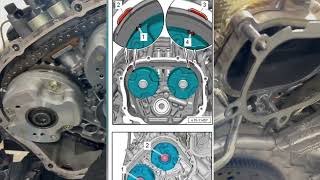
How to confirm: This requires advanced diagnostics. A technician can use a scan tool like VCDS to check camshaft adaptation values (Phase Position). A value significantly exceeding +/- 5 degrees at idle often indicates a stretched chain. A definitive diagnosis requires a physical inspection of the timing components, which is a very labor-intensive, engine-out job.
Typical fix: Replace the timing chains, tensioners, and guides. This is a major, engine-out repair on the 4.0T.
Est. part cost: $800-$1500 - Failed Bank 2 Intake Camshaft Position Sensor ⚪ Low Probability → Shop Engine Camshaft Position Sensor
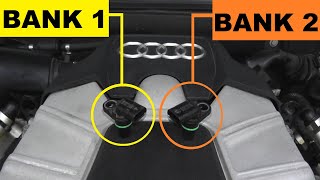
How to confirm: Swap the Bank 2 intake camshaft position sensor with the Bank 1 intake sensor. Clear the codes and drive the vehicle. If the fault code changes to P0016 (Bank 1), the sensor is bad. This is a simple 🎬 See this guide on testing Audi camshaft position sensors and effective diagnostic step.
Typical fix: Replace the faulty camshaft position sensor.
Est. part cost: $50-$100
Rare But Worth Checking
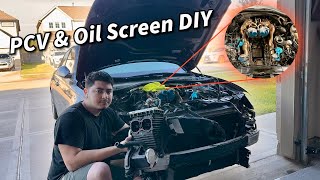
- Damaged or Clogged Turbocharger Oil Strainer: The 4.0T engine has a fine mesh oil strainer located in the engine block valley that filters oil for the turbochargers. If this clogs or fails, it can cause widespread oil pressure issues that may affect the VVT system and trigger correlation codes. This was subject to a TSB (2044640) and later 🎬 Watch: DIY walkthrough for the 4.0T oil screen service a recall (21H7). While this failure typically leads to turbo damage first, it can impact overall engine oiling.
- Wiring Harness Damage: Damage to the wiring or connectors for the camshaft position sensor or adjuster solenoid can cause an intermittent or lost signal and trigger the code. A visual inspection of the harness near the front of the engine is warranted.
Diagnosis Steps
- Verify Engine Oil: Check the oil level and condition. Ensure the correct oil (e.g., VW 504 00 spec) is being used. An oil change is a good first step if the oil is old or low.
- Scan for Other Codes: Use an OBD-II scanner to check for any other related trouble codes that could provide more clues.
- Inspect Camshaft Adjuster Solenoid: Remove the Bank 2 (driver's side) intake solenoid. It is located on the front of the cylinder head and held by one Torx bolt. Carefully inspect the tip for the presence and condition of its filter screen. If the screen is broken or missing, you have found the problem.
- Test the Solenoid: If the screen is intact, you can test the solenoid's function. Swap it with the exhaust solenoid on the same bank (if they are the same part). Clear the codes and see if the fault moves to P0019. If it does, the solenoid is faulty.
- Test the Camshaft Position Sensor: Swap the Bank 2 intake camshaft position sensor with the identical sensor from Bank 1. Clear codes and see if the fault moves to P0016. If it does, the sensor is faulty.
- Check Camshaft Adaptation Values: Using an advanced scan tool (like VCDS), monitor the camshaft phase adaptation values at idle (e.g., Measuring Value Block 'IDE00185' - Phase position bank 2 intake). Values that are consistently off by more than 5-6 degrees strongly suggest a mechanical timing issue (stretched chain).
- Mechanical Timing Inspection: If all other steps fail to identify the cause, a physical inspection of the timing chain, guides, and tensioners is necessary. This is a complex, engine-out job best left to a professional.
Parts You'll Likely Need
- Camshaft Adjuster Solenoid (Oil Control Valve)
(OEM #06M115243F)— This is the most common failure point for P0018 on the 4.0T engine, specifically due to its filter screen breaking and jamming the valve.
Trusted brands: Audi (OEM), Bosch
OEM price range: $150-$220
Aftermarket price range: $80-$150 - Camshaft Position Sensor
(OEM #06E905163B)— If the sensor itself fails, it will send incorrect data to the ECM, causing a correlation code. It's a less common but possible cause.
Trusted brands: Bosch, NTK
OEM price range: $70-$110
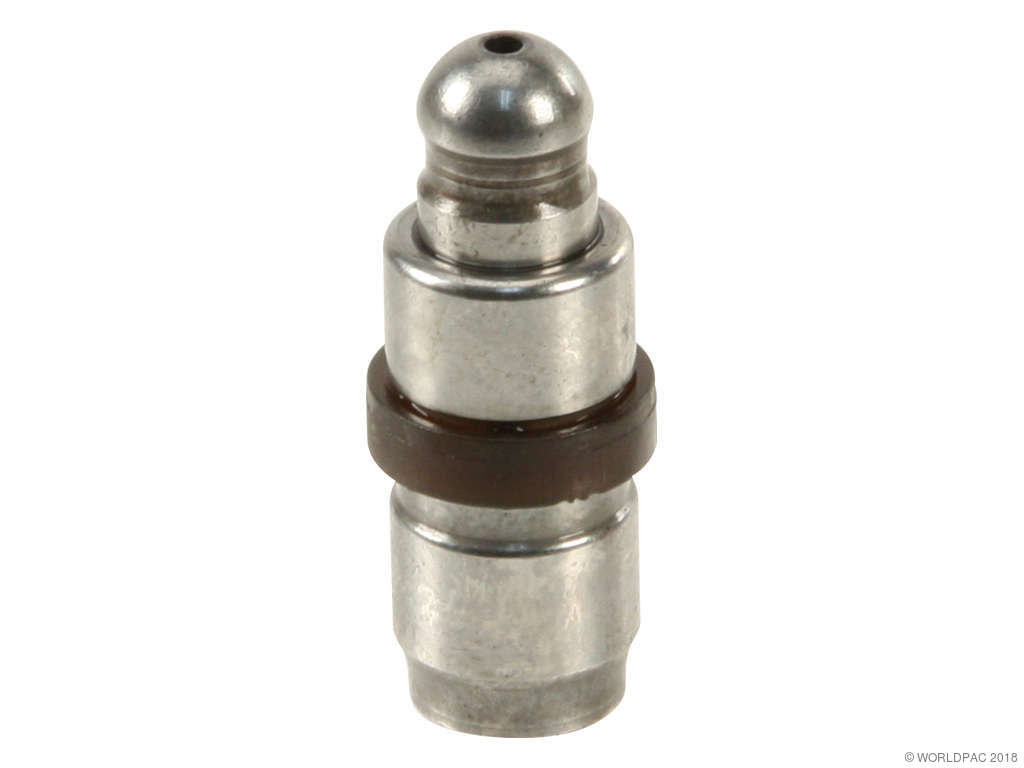
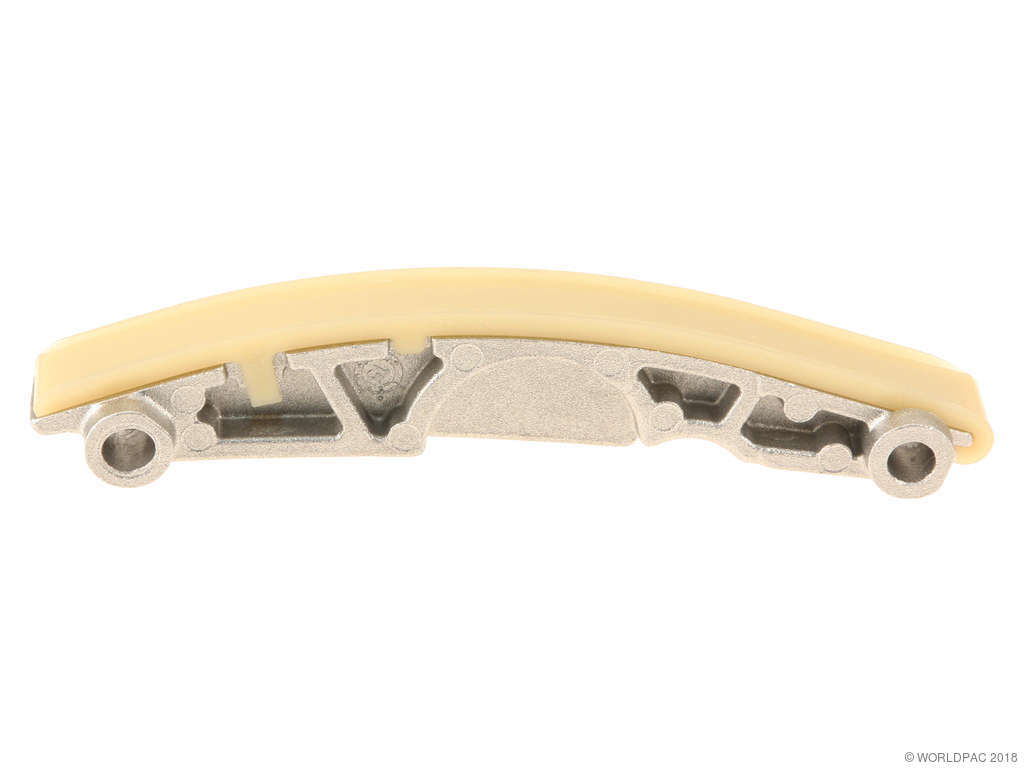
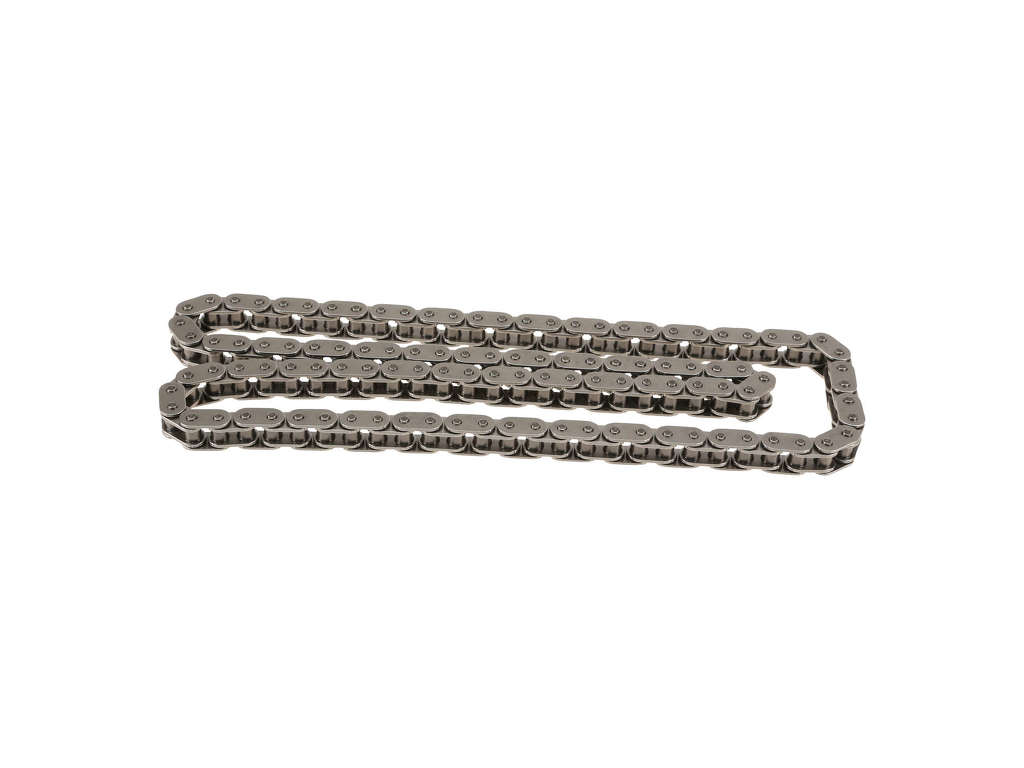
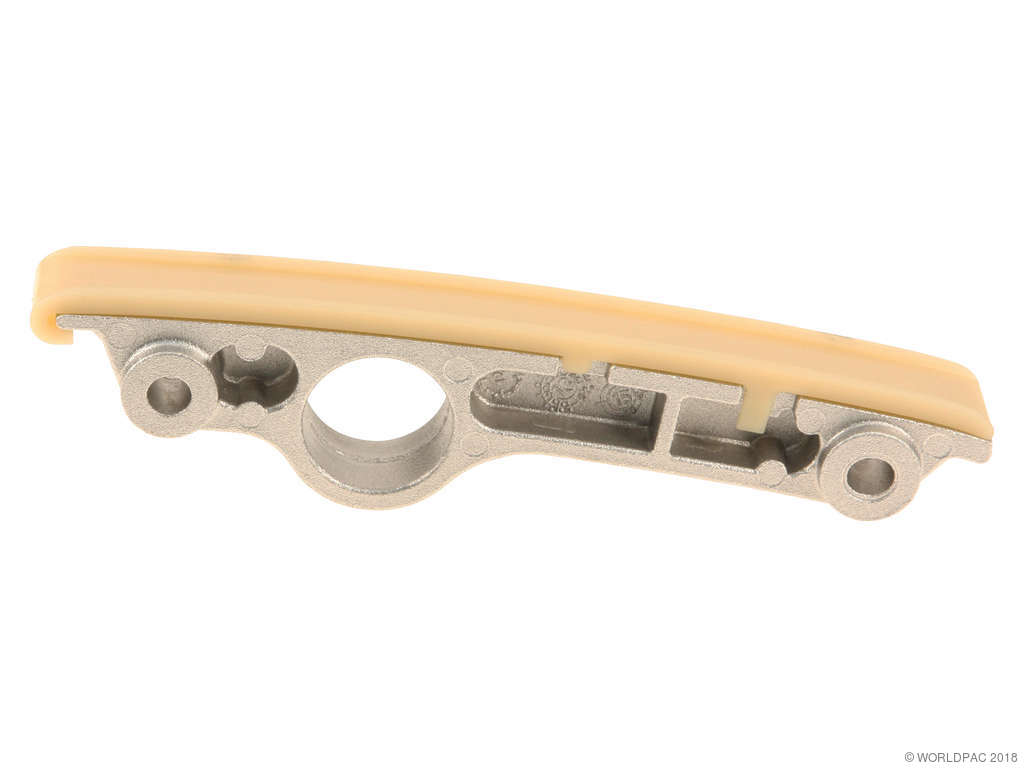
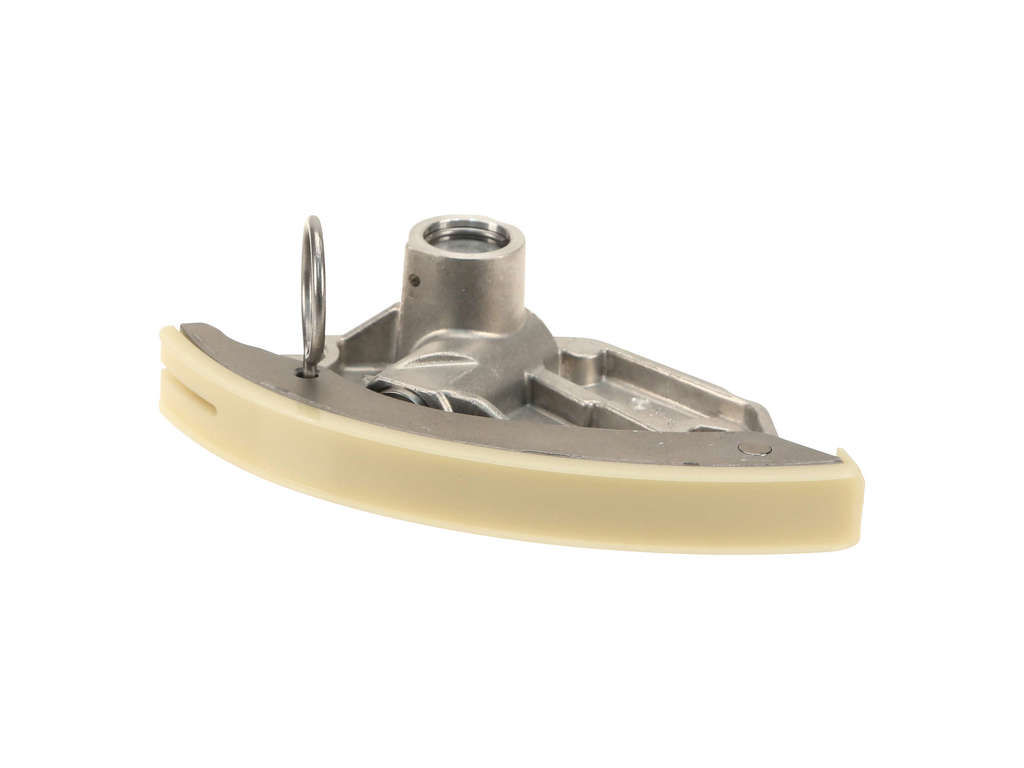
Aftermarket price range: $40-$80 - Timing Chain Kit — In cases of high mileage or poor maintenance, the timing chain can stretch, requiring a full replacement of the chains, tensioners, and guides to restore correct mechanical timing.
Trusted brands: iWis (OEM supplier), Audi (OEM)
OEM price range: $1000-$1600
Aftermarket price range: $700-$1200
Related Codes That Often Appear With This One
- P0019 — Crankshaft - Camshaft Position Correlation (Bank 2 Sensor B). If this code appears with P0018, it indicates a timing issue affecting both the intake and exhaust cams on Bank 2, pointing more strongly towards a base timing issue like a stretched chain or a problem with the main bank 2 chain tensioner.
- P0348 — Camshaft Position Sensor 'A' Circuit High (Bank 2). This indicates an electrical problem with the sensor circuit itself (e.g., bad sensor, wiring short) rather than a mechanical correlation fault.
- P0016 — Crankshaft - Camshaft Position Correlation (Bank 1 Sensor A). If this code appears after swapping components (like sensors or solenoids) from Bank 2 to Bank 1 for diagnosis, it confirms the swapped part is faulty.
Technical Service Bulletins (TSBs) & Recalls
- TSB A211829 2044640: Addresses issues where the engine is difficult to start, has unusual noises, or reduced performance, which can be related to timing components.
- TSB ATU Powertrain (AUG 13, 2018): Specifically titled '4.0T Camshaft diagnosis', indicating official procedures for diagnosing these faults.
Platform-Specific Known Issues
- A known issue involves the filter screens on the camshaft adjuster solenoids breaking. Audi has released TSBs related to camshaft diagnosis and irregular engine running that point to these components.
- The oil strainer for the turbochargers, located under the intake manifold, can become clogged and cause oil pressure problems throughout the engine, potentially affecting the VVT system. TSB 2044640 addresses related issues like engine noises and performance loss.
Mechanic-Grade Diagnostic Values
- Camshaft Adaptation Phase Position (Intake Bank 2) — expected: -5.0 to +5.0 degrees at warm idle. Failure: A consistent reading beyond +/- 5 or 6 degrees strongly indicates a stretched timing chain or other mechanical timing issue. Readings can be as high as -20 degrees in cases of a jumped tooth.
- Camshaft Adjuster Solenoid (N205) Resistance — expected: 12 to 20 Ω at 20°C (68°F). Failure: A reading outside this range indicates a faulty solenoid coil. Note: Some owners have measured new and old parts closer to 8 Ω, but the official spec from Ross-Tech is higher. A generic video suggests 6.9-7.9 Ω, highlighting a data conflict.
- Camshaft Position Sensor (G163) Voltage Test — expected: Approximately 5V reference from the ECU with key on, engine off.. Failure: No voltage, or voltage that does not change/drop when a piece of metal is passed in front of the sensor tip, indicates a faulty sensor or wiring issue.
Hidden / Shadow Codes Worth Checking
- Symptom 9040 (with P0021) or Symptom 10541 (with P052C): These are Audi-specific 'symptom codes' or extended fault data that accompany primary DTCs. They are logged in response to specific failure conditions, such as the camshaft adjuster filter screen breaking. (see via Dealer-level diagnostic tools like ODIS (Offboard Diagnostic Information System).)
Scan Tool Commands That Help
- VCDS or OBDeleven: Live Data > Engine > Camshaft adaptation intake bank 1/2 phase position — This is the primary diagnostic step to determine if a correlation code is caused by a stretched timing chain. After checking sensors and solenoids, monitoring this value at warm idle provides a direct measurement of how much the ECM is compensating for timing slack.
Wiring & Ground Locations
- Bulkhead Ground Points — In the electrical junction box located on the vehicle's bulkhead/firewall, behind the engine. There are two ground connectors secured by 10mm and 13mm nuts.. Poor grounds for the engine harness can cause erratic sensor readings and intermittent faults for components like camshaft sensors and solenoids.
- Engine Block Ground — On the right side of the engine compartment, near the alternator.. This is a primary engine ground. Corrosion or a loose connection here can lead to a wide range of electrical issues, including sensor circuit performance codes.
- Camshaft Position Sensor Connector (G163) — A 3-pin oval connector on the front of the Bank 2 (driver's side) cylinder head. Pin 1 is typically +5V, Pin 2 is the signal, and Pin 3 is ground.. Allows for direct testing of the sensor's power, ground, and signal wires at the component to rule out harness damage.
Real Owner Repair Stories
- YouTube user 'AUDI 4.0T EA824 CODE P0018' (Audi 4.0T (model not specified, but same engine)) — Recurring P0018 code, scan tool showing timing advanced by ~30 degrees.
❌ Tried (didn't work) The user notes this was the third time this happened in six months.
✅ What actually fixed it The owner found the screen on the camshaft adjuster solenoid had broken off and jammed the adjuster. His final, unconventional fix was to remove the screens entirely from a replacement (used) solenoid to prevent the issue from happening again. - YouTube user 'AUDI 4.0TFSI Timing Chain Adjustment' (Audi 4.0T (model not specified, but same engine)) — Misfires on startup, timing correlation codes present.
❌ Tried (didn't work) Replacing O2 sensors and other components did not fix the misfire.
✅ What actually fixed it The mechanic discovered the cam phasers (adjusters) had physically slipped on the camshafts, as they are not keyed and held only by friction. The timing was off by a full tooth. The fix was a complete re-timing of the engine, and the mechanic torqued the central adjuster bolts slightly above spec (95 Nm vs 80 Nm spec, plus 90 degrees) to prevent future slippage.
Model Year Variations Within This Range
- 2012-2018 (EA824 Engine): The camshaft adjusters (phasers) are not physically keyed to the camshafts, relying only on friction from the center bolt. This allows them to potentially slip, throwing off base timing. Later Audi V8 engines (EA825 series) corrected this design by adding grooves to lock the phaser to the camshaft, preventing this failure mode.
Diagnostic Flowchart
Other Known Issues on This Vehicle
Issues unrelated to this code that are worth knowing about as an owner of this generation:
- Turbocharger Failure via Clogged Oil Strainer 🔴 High — Very common, especially on vehicles over 60k miles or with infrequent oil changes. Can happen as early as 30-40k miles. (Ref: TSB 2044640; Recall 21H7 (NHTSA 22V178000).)
- PCV Valve Failure 🟠 Medium — Common failure item due to heat exposure in the engine's 'hot-vee'. Often leads to lean codes and excessive oil consumption.
- Excessive Oil Consumption 🟠 Medium — Frequently reported, often due to worn valve stem seals (from heat), piston rings, or a failing PCV system. (Ref: Audi has acknowledged the issue and introduced updated piston rings in later production.)
- Coolant Leaks from Valley Pan / Turbo Lines 🟠 Medium — Gaskets and seals around the turbos and in the engine valley degrade from heat, leading to coolant leaks that are labor-intensive to repair. (Ref: TSB 2036167/1 addresses coolant pipe seepage on the turbocharger.)
- Carbon Buildup on Intake Valves 🟡 Low — A universal issue for direct-injection engines. Typically requires cleaning every 60k-80k miles to prevent misfires and rough running.
Used vs. New Parts: Buying Guide for This Vehicle
When a used part is the smart pick: A used camshaft adjuster solenoid can be a cost-effective choice ONLY if you first remove the mesh filter screens from its tip. Given the high failure rate of these screens, installing a used part without this modification is very risky. Used camshaft position sensors are generally acceptable if sourced from a low-mileage vehicle.
Donor-vehicle mileage cap: roughly under 60000 miles for the part to have meaningful remaining life.
What to inspect on the donor part:
- For solenoids, check for any physical damage to the body or connector.
- Verify the solenoid's resistance is within the 12-20 Ohm spec if possible.
- For any used part, check for signs of heavy oil sludge or varnish, which indicates poor maintenance of the donor vehicle.
OEM-only on this vehicle (don't cheap out):
- Timing Chain Kit (Chains, Tensioners, Guides): This is a high-labor, engine-out job. The risk of premature failure from a low-quality aftermarket kit is too high. Use OEM or a known OEM supplier like iWis.
- Camshaft Adjusters (Phasers): Due to their complexity and the extreme labor required to access them, only new OEM parts should be used if a replacement is needed.
Aftermarket brands forum-validated for this vehicle:
- Bosch (for sensors and solenoids)
- NTK (for sensors)
- iWis (for timing chains)
Brands owners have reported issues with on this vehicle:
- Unbranded, low-cost camshaft adjuster solenoids from online marketplaces, as the quality of their internal components and screens is highly suspect.
Real Owner Stories
Aggregated from forums and TSBs cited above. Mileages and costs reflect what owners reported in those sources.
2012 Audi S8 4.0T
Symptoms: Owner reported a P0018 code and performed diagnostic steps including swapping solenoids and checking VCDS measuring blocks for phase position.
What fixed it: After checking adaptation values and swapping components, the owner suspected a mechanical timing chain issue.
Source hint: https://www.audiworld.com/forums/a8-s8-d3-platform-discussion-60/engine-code-p0018-3046779/
2015 Audi S8 4.0T — ~60000 miles
Symptoms: Engine noises and performance loss; potentially leading to turbocharger failure.
What fixed it: Addressing the clogged oil strainer located under the intake manifold as per TSB 2044640.
Source hint: TSB 2044640; Recall 21H7 (NHTSA 22V178000)
Documented NHTSA Reports
Audi Owner Report
Symptoms: An owner reported that at approximately 63,000 miles, the check engine light illuminated with code P0018, subsequently causing the vehicle to fail an emissions test during license renewal (NHTSA ODI #11233069).
What fixed it: The owner took the vehicle to a dealership for diagnosis after the code appeared.
Source: NHTSA ODI #11233069
Related OBD-II Codes
Frequently Asked Questions
Does TSB 2044640 apply to my Audi S8 if I'm hearing engine noises and losing power?
Is there a specific diagnostic procedure for P0018 on the 4.0T engine?
Can I check if my timing chain is stretched using VCDS before committing to an engine-out repair?
Is the P0018 code on my S8 related to the turbocharger oil strainer recall?
What is the most common reason the VVT solenoid fails on the Audi S8?
If my solenoid screen is missing, can I just replace the solenoid?
Helpful Videos
![How to Fix AUDI P0018 Engine Code in 6 Minutes [4 DIY Methods / Only $6.81]](https://img.youtube.com/vi/WXpN2bFmYFI/mqdefault.jpg)
We Have This Part in Stock

The information in this article is provided for general reference and educational purposes only. Vehicle specifications, procedures, and part compatibility can vary by production date, trim level, and region. Always consult your vehicle's factory service manual and verify part numbers before purchasing or performing repairs. Safety-critical components such as airbags, seat belts, and braking systems should be installed by a qualified professional.
- Audi S8:
- 🧭 Diagnostic Flowchart
- 🎬 Helpful Videos
- 🛍️ Shop This Part
- What's Unique About the 2012-2018 Audi S8
- Symptoms You May Notice
- Most Likely Causes
- Rare But Worth Checking
- Diagnosis Steps
- Parts You'll Likely Need
- Related Codes That Often Appear With This One
- Technical Service Bulletins (TSBs) & Recalls
- Platform-Specific Known Issues
- Mechanic-Grade Diagnostic Values
- Hidden / Shadow Codes Worth Checking
- Scan Tool Commands That Help
- Wiring & Ground Locations
- Real Owner Repair Stories
- Model Year Variations Within This Range
- Other Known Issues on This Vehicle
- Used vs. New Parts: Buying Guide for This Vehicle
- Real Owner Stories
- 2012 Audi S8 4.0T
- 2015 Audi S8 4.0T — ~60000 miles
- Documented NHTSA Reports
- Audi Owner Report
- Related OBD-II Codes
- Frequently Asked Questions
- 🎟️ Get 5% Off