

P0018 on 2016-2023 Chevrolet Camaro 3.6L: Crankshaft/Camshaft Correlation Causes and Fixes
On the 2016-2023 Camaro with the 3.6L V6, code P0018 almost always indicates a stretched timing chain. This is a serious mechanical issue requiring a complex repair. Less common but notable causes include a faulty Intake Camshaft Position Actuator Park Lock Solenoid (per GM TSB PIP5730B), low/dirty engine oil, or swapped electrical connectors after a previous repair (per GM TSB 23-NA-091). A timing chain replacement can cost $1,800-$3,000+.
- P0018 on a 2016-2023 Camaro 3.6L is a serious code that most often points to a stretched timing chain.
- Always check the engine oil level and condition first; low or dirty oil can cause this code and is an easy fix.
- Do not immediately replace the camshaft position sensor. The problem is rarely the sensor itself.
- Due to the high probability of a major mechanical failure (timing chain), professional diagnosis is strongly recommended.
- Driving with this code can lead to severe engine damage if the timing chain fails completely.
What's Unique About the 2016-2023 Chevrolet Camaro
The GM 3.6L V6 engine family (High Feature V6) has a well-documented history of premature timing chain wear. While the LGX engine in the sixth-generation Camaro features a quieter, improved timing system, it is not immune to stretch. Crucially, GM has issued specific Technical Service Bulletins (TSBs) for the LGX that point to other causes besides chain stretch. TSB PIP5730B identifies a sticking 'Intake Camshaft Position Actuator Park Lock Solenoid' as a frequent cause, while TSB 23-NA-091 warns that identical electrical connectors can be swapped during repairs, immediately triggering this code. Therefore, diagnosis on this platform must include these specific checks before defaulting to a costly timing chain replacement.
Symptoms You May Notice
- Check Engine Light is on.
- Reduced engine power, especially during acceleration.
- Rough or erratic idle.
- Engine may hesitate or stall.
- Decreased fuel economy.
- Rattling noise from the front of the engine, especially on a cold start for 2-3 seconds.
- Replacing the camshaft position sensor without proper diagnosis. The code indicates a correlation *error*, which is more often a mechanical timing problem than a sensor problem.
- Assuming timing chain stretch without first inspecting the 'Intake Camshaft Position Actuator Park Lock Solenoids' as per TSB PIP5730B, which is a much cheaper and easier repair.
- Swapped electrical connectors after a repair. TSB 23-NA-091 explicitly warns that the connectors for the Bank 1 intake cam actuator solenoid and the intake actuator park lock solenoid are identical and easily swapped, which will set P0016 and/or P0018 immediately.
Most Likely Causes
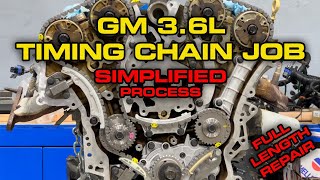
- Stretched Timing Chain(s) 🔴 High Probability → Shop Engine Timing Chain GM's 3.6L V6 engines have a history of timing chain issues, often linked to oil maintenance intervals and component wear. 🎬 Learn why these GM 3.6L V6 timing chains fail so often. While improved in the LGX, it remains the most probable cause for this code, especially on higher mileage vehicles. TSB 20-NA-085 notes some 2019-2020 engines may have been built with a missing timing chain guide insert, causing the chain to become loose.
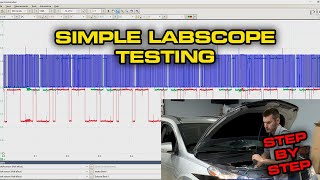
How to confirm: A technician can use a scan tool (like GM's GDS2) to monitor desired vs. actual camshaft position angles. A significant, persistent deviation (often >9 degrees) points to a mechanical timing problem. 🎬 Watch: How to test for timing chain stretch using a labscope. The ultimate confirmation is a physical inspection of the timing chains, which requires significant engine disassembly.
Typical fix: Replacement of all three timing chains, along with the tensioners, guides, and sometimes phasers. This is a major, labor-intensive job. 🎬 See this full-length timing chain removal and installation walkthrough.
Est. part cost: $300-$800 - Faulty Intake Camshaft Position Actuator Park Lock Solenoid 🟡 Medium Probability → Shop Engine Camshaft This is a known issue documented by GM in TSB #PIP5730B for the 3.6L LGX engine. The bulletin states the solenoid can stick or come apart internally, causing P0018, often with no other symptoms.
How to confirm: Follow the procedure in TSB #PIP5730B: Remove the park lock solenoids for Bank 1 and Bank 2. Inspect them for physical damage or sticking. Swap the solenoids between the banks, reinstall, and clear codes. If the trouble code changes to P0016 (Bank 1), the solenoid is confirmed as the faulty part.
Typical fix: Replacement of the faulty solenoid. The TSB recommends replacing both solenoids if one is found to be bad.
Est. part cost: $45-$90 - Low or Dirty Engine Oil 🟡 Medium Probability The entire Variable Valve Timing (VVT) system, including the cam phasers and all solenoids, is operated by engine oil pressure. Incorrect oil viscosity, low oil level, or dirty/sludgy oil can impede the function of these components and trigger timing codes. TSB 19-NA-020 highlights the importance of using the correct UPF63R oil filter to meet the high oil pressure demands of the LGX engine.
How to confirm: Check the engine oil level and condition using the dipstick. Note the oil change history. One owner reported the code appeared when the dipstick was completely dry.
Typical fix: Perform an oil and filter change using the correct specification oil (ACDelco dexos-approved 5W-30 synthetic) and the correct ACDelco UPF63R filter. Clear the codes and see if P0018 returns.
Est. part cost: $50-$100 - Faulty Camshaft Actuator Solenoid (Standard VVT Solenoid) ⚪ Low Probability → Shop Engine Camshaft These solenoids control oil flow to the cam phasers. They can become clogged with sludge from dirty oil or fail electrically. While a possible cause, they are often misdiagnosed when the real issue is the 'Park Lock Solenoid' mentioned in TSB PIP5730B.
How to confirm: A common diagnostic step is to swap the Bank 2 intake solenoid with the Bank 1 intake solenoid (or the exhaust solenoid on the same bank if part numbers match). If the code changes (e.g., to P0016 or P0019), the solenoid is faulty. A technician can also command the solenoid with a scan tool to check its response.
Typical fix: Replacement of the Bank 2 intake VVT solenoid. It is often recommended to replace them in pairs or as a full set of four.
Est. part cost: $40-$100
Rare But Worth Checking
- Slipped Crankshaft Reluctor Wheel: → Shop Engine Crankshaft GM TSB PIP3423K (and its successors) notes that the reluctor wheel pressed onto the crankshaft can physically move. This causes a persistent timing correlation code even if the timing chains are perfectly tight. Diagnosis can sometimes be done with a borescope through the crank sensor hole to check a specific measurement (25-26mm from the crank throw to the reluctor opening). The fix requires crankshaft replacement.
- Faulty Camshaft Position Sensor: → Shop Engine Camshaft Position Sensor While possible, a sensor failure is much less common than the mechanical issues listed above for this specific code. The code indicates a correlation *error*, which is more often a mechanical timing problem than a sensor problem. Testing the sensor or swapping it with one from another bank can confirm if it's the cause.
- Faulty Crankshaft Position Sensor: → Shop Engine Crankshaft Position Sensor A failure of the crankshaft position sensor can also cause correlation codes. However, it would likely be accompanied by other codes and more severe drivability issues, like no-start conditions.
- Failed Camshaft Phaser: → Shop Engine Camshaft The mechanical gear on the camshaft itself can fail or become stuck due to debris or oil pressure issues. This is less common than chain stretch but produces the same code. Phasers are typically replaced during a full timing chain service.
Diagnosis Steps
- Check the engine oil level and condition. If low, dirty, or the wrong viscosity, perform an oil change with a full synthetic 5W-30 oil meeting dexos1 Gen 2 spec and an ACDelco UPF63R filter. Clear codes and re-test.
- Scan for any other DTCs. Codes like P0016, P0019, P0008, or P0009 strongly suggest a mechanical timing issue.
- If the code appeared immediately after an engine repair, inspect the connectors for the Bank 1 intake cam actuator and park lock solenoid. Per TSB 23-NA-091, these are identical and often swapped. Verify correct wire colors.
- Per TSB PIP5730B, inspect the Intake Camshaft Position Actuator Park Lock Solenoids. Swap the Bank 1 and Bank 2 solenoids, clear codes, and drive. If the code changes to P0016, the solenoid is the confirmed fault.
- Using a professional scan tool, monitor the desired vs. actual camshaft position for Bank 2. A large and consistent difference (e.g., >9 degrees) at idle or steady RPM indicates a mechanical fault (chain stretch).
- If scan tool data is inconclusive, inspect for a slipped crankshaft reluctor wheel with a borescope through the crank sensor hole, as detailed in TSB PIP3423K.
- If all other tests fail to identify the issue, a mechanical timing problem is highly likely. This requires engine disassembly to inspect the timing chains, guides, tensioners, and phasers. On 2019-2020 models, specifically check for a missing guide insert per TSB 20-NA-085.
Parts You'll Likely Need
- Timing Chain Kit
(OEM #12713649)— This is the most common cause of P0018 on the 3.6L V6 engine. A complete kit includes all chains, tensioners, and guides needed for the repair.
Trusted brands: ACDelco, Cloyes
OEM price range: $400-$600
Aftermarket price range: $250-$400 - Intake Camshaft Position Actuator Park Lock Solenoid
(OEM #12697027 or 12681275 (Verify by VIN))— A known failure point identified in GM TSB PIP5730B that can cause P0018, often without other symptoms. A crucial diagnostic check before attempting a timing chain job.
Trusted brands: ACDelco
OEM price range: $45-$90
Aftermarket price range: $30-$60 - Camshaft Position Actuator Solenoid (VVT Solenoid)
(OEM #12681018 or 12662736 (Intake, Verify by VIN))— This standard VVT solenoid can get clogged or fail, causing timing issues. It's a possible, but less specific, cause than the park lock solenoid.
Trusted brands: ACDelco, Delphi
OEM price range: $50-$80
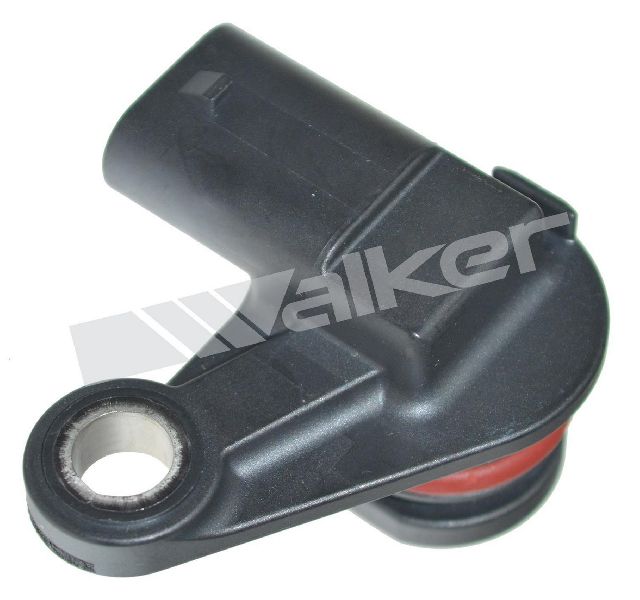
Aftermarket price range: $30-$60 - Camshaft Position Sensor
(OEM #12688942)— Though a less common cause, a faulty sensor can send incorrect data. It's sometimes replaced during diagnosis but is rarely the root cause of a correlation code.
Trusted brands: ACDelco, Bosch
OEM price range: $40-$70
Aftermarket price range: $25-$50
Related Codes That Often Appear With This One
- P0016 — This is the identical correlation code for Bank 1 (driver's side). If both P0018 and P0016 are present, it strongly points to an issue with the primary timing chain, a slipped crankshaft reluctor wheel, or swapped connectors per TSB 23-NA-091.
- P0019 — This is the correlation code for the exhaust camshaft on Bank 2. If seen with P0018, it indicates a more widespread timing issue on Bank 2, likely related to the secondary chain for that bank or the primary chain.
- P0008 / P0009 — These are general engine position performance codes. Their presence alongside P0018 reinforces the high probability of a significant mechanical timing chain problem, as noted in multiple GM TSBs.
Technical Service Bulletins (TSBs) & Recalls
- TSB 23-NA-091: Information on MIL illumination with P0016/P0018 after engine repairs, caused by swapped electrical connectors for the cam actuator and park lock solenoids.
- TSB PIP5730B: Diagnostic aid for P0016/P0018 caused by a sticking or broken Intake Camshaft Position Actuator Park Lock Solenoid Valve.
- TSB 20-NA-085: Details a potential missing timing chain guide insert on some 2019-2020 engines that causes loose chains and sets P0018/P0019.
- TSB PIP3423K/L/P: Addresses multiple timing codes (P0016-P0019) and points to a possible slipped crankshaft reluctor wheel as a root cause if chains are found to be tight.
- TSB 19-NA-256: Provides diagnostic tips for engine noises which can be related to timing chain or internal engine wear issues, helping determine if engine replacement is necessary.
Platform-Specific Known Issues
- Premature timing chain stretch is a known issue on the GM High Feature (HFV6) engine family, including the LGX. While GM made improvements over the years, it can still occur, especially with extended oil change intervals or use of incorrect oil.
- TSB PIP5730B: A sticking or internally broken 'Intake Camshaft Position Actuator Park Lock Solenoid' is a specific known cause for P0018 on this engine and should be checked before assuming chain failure.
- TSB 23-NA-091: Warns that P0018 can be triggered immediately after a repair due to the accidental swapping of two identical electrical connectors near the front of the engine.
- TSB 20-NA-085: Affects some engines built between Jan 2019 and Mar 2020, which may be missing a timing chain guide insert from the factory, leading to a very loose chain and setting P0018/P0019.
Mechanic-Grade Diagnostic Values
- Camshaft Position Actuator Solenoid (VVT Solenoid) Resistance — expected: 6.9 to 7.9 Ohms at 68°F (20°C). Failure: A reading of 0 Ohms (short), infinite/O.L. (open), or a value outside the expected range indicates a faulty solenoid coil.
- Camshaft Position Sensor (CMP) Reference Voltage — expected: 4.9V. Failure: Significantly lower voltage or no voltage points to a wiring issue, a poor ground, or a problem with the ECM.
- Scan Tool Live Data: Camshaft Position Variance — expected: Close to 0 degrees at idle and steady RPM.. Failure: A consistent deviation greater than 8-9 degrees will trigger the code and strongly suggests a mechanical timing fault (e.g., stretched chain).
Scan Tool Commands That Help
- GDS2 (GM Global Diagnostic System): Camshaft Position Actuator Solenoid Control/Test — This bidirectional control is used to command the VVT solenoid on and off while the engine is running. A noticeable change in engine idle (e.g., a stumble) confirms the solenoid is mechanically functioning and that oil passages are likely clear. No change in engine behavior points to a failed solenoid, clogged oil passage, or a stuck phaser.
- GDS2 (GM Global Diagnostic System): Crankshaft Position Variation Learn — This function is not for diagnosing P0018 directly, but it is a required procedure after replacing the crankshaft, crankshaft position sensor, or the ECM itself. It allows the ECM to compensate for minor manufacturing variances in the crankshaft reluctor wheel.
Wiring & Ground Locations
- Cam Actuator & Park Lock Solenoid Connectors — On the front of the cylinder heads, near the camshaft actuators.. Per GM TSB 23-NA-091, the electrical connectors for the standard camshaft actuator solenoid and the intake actuator park lock solenoid are identical and can be easily swapped during reassembly after a repair. This will immediately set P0016 and/or P0018. Verifying the correct connector is attached to the correct solenoid is a critical post-repair diagnostic step.
- G101 / G106 Engine Grounds — General GM documentation suggests primary engine block grounds are often located on the front lower block, sometimes jumpered to the frame cross rail under the crank pulley.. A poor engine ground can cause erratic sensor readings. While not a primary cause for a persistent correlation code like P0018, verifying the main engine-to-chassis ground is clean and tight is a fundamental step in any electrical diagnosis. Specific locations for the 2016+ Camaro were not definitively identified in searches.
Real Owner Repair Stories
- Technical forum discussion (GM vehicle with 3.6L V6 (LGX/LLT family)) — P0018 code returned immediately after a complete timing chain and phaser replacement job.
❌ Tried (didn't work) Verifying mechanical timing marks were perfectly aligned., Checking sensor wiring and connectors.
✅ What actually fixed it The technician discovered the reluctor wheel on the brand-new replacement camshaft for Bank 2 was not clocked correctly from the factory. Replacing the faulty new camshaft with another new one resolved the code. - YouTube diagnostic video (Vehicle with 3.6L engine) — P0018 code started appearing randomly about six months after a complete timing chain and phaser replacement.
❌ Tried (didn't work) Replacing the VVT oil control solenoids with new AC Delco parts.
✅ What actually fixed it The video is diagnostic in nature and the final fix was not shown, but it highlights that the code can return even after a full timing job and that VVT solenoids are not always the next logical failure point. - Reddit user post (Unknown vehicle, likely GM) — P0018 and P0018pd codes appeared. No drivability issues or noises.
❌ Tried (didn't work) An oil change, which only made the light go away for a few days.
✅ What actually fixed it The user was still in the diagnostic process, but the initial cause was discovering the engine had no oil on the dipstick. This shows a direct link between critical low oil level and the P0018 code, and that simply refilling the oil may not fix underlying damage or a persistent problem. - Manufacturer Service Bulletin #23-NA-091 — A technician reported rough idle and MIL illumination with DTCs P0016 and/or P0018 set immediately after engine repairs were performed.
✅ What actually fixed it The bulletin identifies that the electrical connectors for the camshaft actuator solenoid and the intake actuator park lock solenoid were swapped during reassembly.
"I Checked Everything" — The Actual Cause
- The diagnostic equivalent for this code is 'Timing marks are perfect, but the code persists.' A documented case occurred after a full timing chain and phaser replacement. Despite the timing being physically correct upon inspection, the P0018 code would not clear. The root cause was a manufacturing defect in a brand-new camshaft, where the sensor reluctor wheel was pressed on in the wrong orientation. This caused the cam sensor to send a signal that was out of phase with the crankshaft, even though the valve timing was mechanically perfect.
When the Usual Fixes Don't Work
- While stretched timing chains are the most common cause, it is critical not to assume this is the fault. There are multiple documented cases where the code persisted even after a complete, and costly, timing chain service. One such case was ultimately traced to a brand-new camshaft that had a manufacturing defect (incorrectly clocked reluctor wheel). Another instance saw the code appear months after a timing job, pointing to a different, yet-to-be-diagnosed issue. These cases underscore the importance of following the full diagnostic tree, including checking the park lock solenoids (TSB PIP5730B) and verifying wiring (TSB 23-NA-091), before committing to or repeating a timing chain replacement.
Model Year Variations Within This Range
- 2016-2023 (LGX Engine): The LGX V6 engine introduced the 'Intake Camshaft Position Actuator Park Lock Solenoid.' This component did not exist on older GM 3.6L engines (LLT/LY7) and is a specific, documented cause of P0018 on this platform per TSB PIP5730B.
- 2019-2020: Per TSB 20-NA-085, a batch of 3.6L engines manufactured during this period may be missing an insert on the left primary timing chain guide. This can cause premature chain slack and trigger timing codes like P0018.
Diagnostic Flowchart
Real Owner Stories
Aggregated from forums and TSBs cited above. Mileages and costs reflect what owners reported in those sources.
2016 Chevrolet Camaro 3.6L — 132000 miles
Symptoms: The vehicle presented with both P0016 and P0018 codes simultaneously.
What fixed it: The technician followed GM bulletin procedures to check the park lock solenoids first, ensuring they weren't the cause before committing to a full timing chain replacement job.
Source hint: ScannerDanner.com forum thread titled '2016 Chevy Camaro 3.6L P0016/P0018'
2020 Chevrolet Camaro 3.6L
Symptoms: The owner experienced intermittent P0016 and P0018 diagnostic trouble codes appearing at the same time.
What fixed it: Diagnosed as a base engine timing issue, which forum members noted was potentially covered under the vehicle's powertrain warranty.
Source hint: Camaro6.com forum thread titled 'Question about an intermittent p0016 and P0018 DTC'
Related OBD-II Codes
Frequently Asked Questions
I just had engine work done on my Camaro and now I have a P0018 code. What happened?
Does the missing timing chain guide insert issue apply to my Camaro?
Before paying for a timing chain replacement, is there a cheaper part that causes P0018 on the 3.6L LGX?
What kind of oil and filter does GM recommend to prevent VVT and timing codes on this engine?
My timing chains are tight, but I still have P0018. What else could it be?
How can a mechanic confirm if my Camaro's timing chain is actually stretched?
Helpful Videos
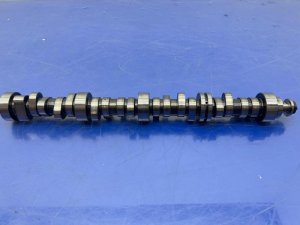
Used OEM Parts in Stock
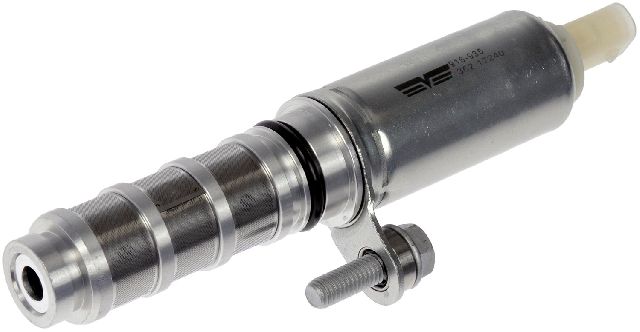
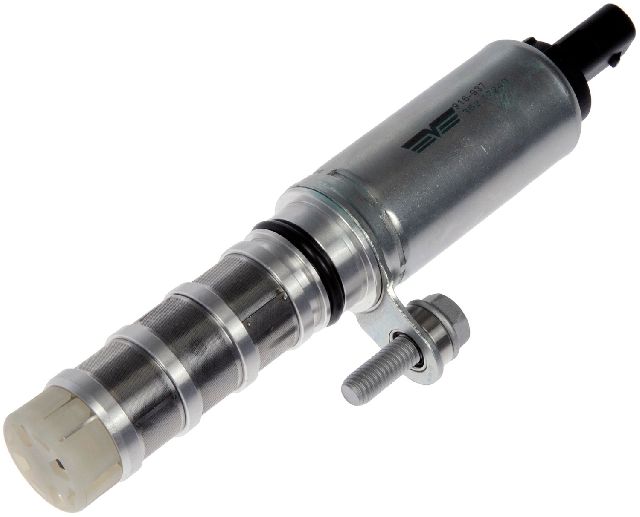
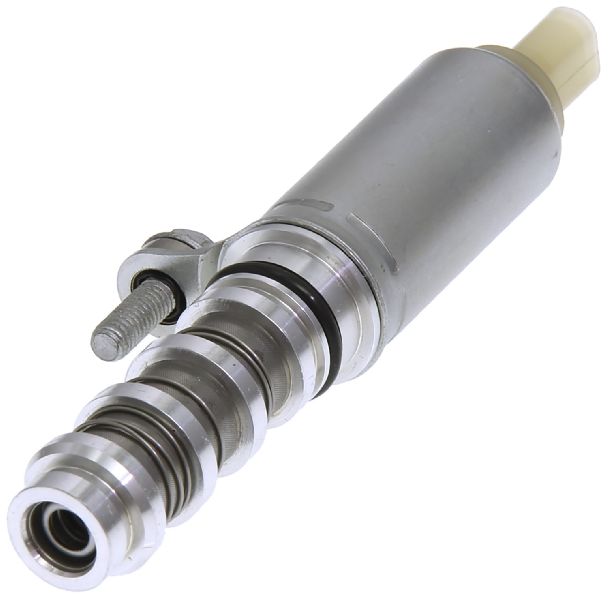
New Aftermarket Parts Available


The information in this article is provided for general reference and educational purposes only. Vehicle specifications, procedures, and part compatibility can vary by production date, trim level, and region. Always consult your vehicle's factory service manual and verify part numbers before purchasing or performing repairs. Safety-critical components such as airbags, seat belts, and braking systems should be installed by a qualified professional.
- Chevrolet Camaro:
- 🧭 Diagnostic Flowchart
- 🎬 Helpful Videos
- 🛍️ Shop This Part
- What's Unique About the 2016-2023 Chevrolet Camaro
- Symptoms You May Notice
- Most Likely Causes
- Rare But Worth Checking
- Diagnosis Steps
- Parts You'll Likely Need
- Related Codes That Often Appear With This One
- Technical Service Bulletins (TSBs) & Recalls
- Platform-Specific Known Issues
- Mechanic-Grade Diagnostic Values
- Scan Tool Commands That Help
- Wiring & Ground Locations
- Real Owner Repair Stories
- "I Checked Everything" — The Actual Cause
- When the Usual Fixes Don't Work
- Model Year Variations Within This Range
- Real Owner Stories
- 2016 Chevrolet Camaro 3.6L — 132000 miles
- 2020 Chevrolet Camaro 3.6L
- Related OBD-II Codes
- Frequently Asked Questions
- 🎟️ Get 5% Off