

P0018 on 2009-2016 Chevrolet Traverse: Crankshaft-Camshaft Correlation Causes and Fixes
On a 2009-2016 Traverse, P0018 almost always indicates a stretched timing chain, a well-documented issue with the 3.6L V6 engine. This is a serious, complex, and expensive repair, often costing between $1,500 and $2,500+. The root cause is often linked to extended oil change intervals and the design of the original chains, particularly in 2009-2012 models.
- P0018 on a 2009-2016 Traverse is a strong indicator of a stretched timing chain, not just a bad sensor.
- This is a serious issue that should be addressed immediately to avoid the risk of catastrophic engine failure.
- The repair is expensive and complex, requiring the replacement of the chains, tensioners, and guides.
- Regular oil changes (every 5,000 miles) with full synthetic 5W-30 oil may help prolong the life of the timing components.
- Always check for related codes like P0008, P0017, and P0019, as they reinforce the timing chain diagnosis.
What's Unique About the 2009-2016 Chevrolet TRAVERSE
The first-generation Traverse uses the GM 'High Feature' 3.6L V6 engine (LLT and LFX variants), which is widely known for premature timing chain stretching. This isn't a random part failure; it's a pattern issue linked to the design of the original timing chains and tensioners, especially on earlier models (2009-2012). The issue was so prevalent that GM issued Special Coverage Adjustment #11340C, extending the warranty for this specific repair to 10 years or 120,000 miles for certain model years. As a result, P0018 on a Traverse is much more likely to be a major mechanical problem (the chains) than a simple sensor failure.
Diagnostic Flowchart
Tap your situation to follow the diagnostic path that matches what you're seeing on this vehicle.
Symptoms You May Notice
- Check Engine Light is on
- Reduced engine power, sometimes triggering a 'Reduced Engine Power' message.
- Poor fuel economy.
- Engine running rough, hesitating, or stalling.
- Rattling or whining noise from the engine, especially on cold startup. 🎬 See a video of a Traverse with loud engine noise.
- Stability control warnings on the dash, as seen in owner complaints.
- Difficulty starting the engine.
- Replacing only the camshaft position sensor or crankshaft position sensor without verifying the mechanical timing. This rarely fixes the issue on the Traverse and leads to wasted money and time.
- Replacing only the VVT solenoids. While an easier and cheaper repair, it is not the primary cause of P0018 on the 3.6L V6 and usually results in the code returning.
Most Likely Causes
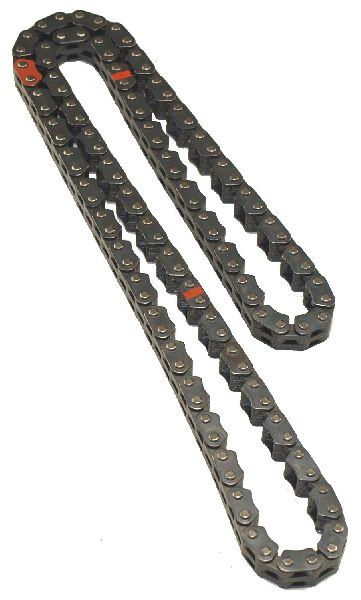
- Stretched Timing Chains 🔴 High Probability → Shop Engine Timing Chain The 3.6L V6 engines in this era are notorious for premature timing chain wear. This is attributed to a combination of factors: the original chain design, long oil change intervals recommended by the Oil Life Monitor, and oil breakdown. GM issued TSBs #PIP3423P and #12-06-01-009F directly citing stretched or loose timing chains as the cause for P0018.
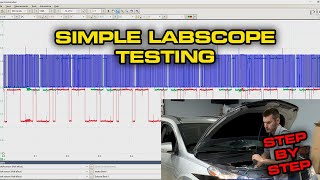
How to confirm: A mechanic uses an advanced scan tool to compare desired vs. actual camshaft position angles. A significant, lagging deviation on Bank 2 points to a stretched chain. An oscilloscope can also be used to compare crankshaft and camshaft sensor waveforms to a known-good pattern to confirm timing electronically without major disassembly. 🎬 Watch: How to test timing chain issues with a labscope. The ultimate confirmation is a physical inspection, which is labor-intensive.
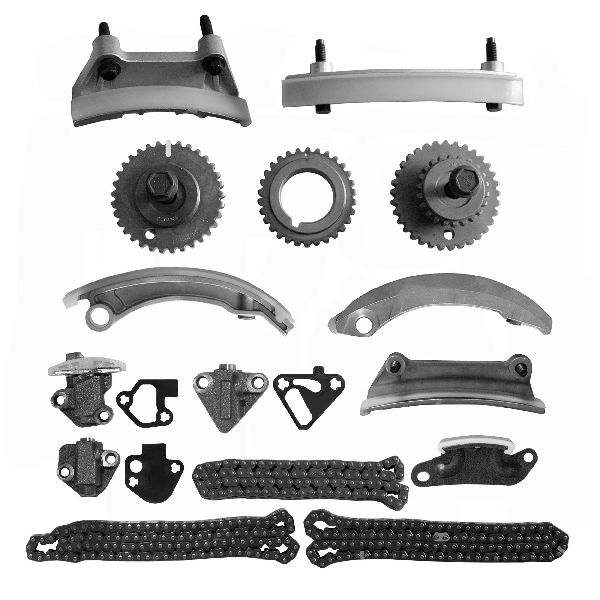
Typical fix: Replace all three timing chains, all tensioners, and all guides with an updated kit. This is a major repair. TSB #12-06-01-009F notes that idler sprockets and camshaft actuators should not be replaced unless they are visibly worn.
Est. part cost: $250-$500 for a complete, quality aftermarket kit. - Worn Timing Chain Tensioners or Guides 🔴 High Probability → Shop Engine Timing Chain The tensioners are hydraulically operated and can weaken, while the plastic guides can wear or break. A failed tensioner causes slack, leading to the correlation error. TSB #PIP3423P specifically mentions inspecting for loose tensioners.
How to confirm: Diagnosed during a physical inspection for a stretched timing chain. A rattling noise is a strong indicator. A technician may also be able to push on the guide with a screwdriver (with valve cover off) to feel for excessive slack.
Typical fix: Always replaced as part of a complete timing chain service. It is considered best practice to replace all wear components at the same time.
Est. part cost: $0 (Included in timing chain kits). - Low or Dirty Engine Oil 🟡 Medium Probability The camshaft phasers (VVT system) are hydraulically operated by engine oil. Low oil levels, incorrect viscosity, or sludge from infrequent oil changes can impede phaser operation, causing a timing correlation fault. Extended oil change intervals allowed by the factory oil life monitor are cited as a primary contributor to accelerated timing chain wear.
How to confirm: Check the oil level and condition on the dipstick. Review vehicle service records for oil change history. An engine flush may be recommended for sludged engines before further mechanical diagnosis.
Typical fix: Perform an oil and filter change using the correct specification oil (ACDelco dexos-approved 5W-30). If the code returns, the problem is almost certainly mechanical.
Est. part cost: $40-$80 - Faulty Camshaft Position Actuator Solenoid (VVT Solenoid) ⚪ Low Probability → Shop Engine Camshaft These solenoids can get clogged with sludge or fail electrically, causing them to stick. This prevents the cam phaser from adjusting timing correctly. While a possible cause, it is far less common than the chain itself on this engine.
How to confirm: A mechanic can command the solenoid on and off with a scan tool to check its response. They can also be removed, cleaned, and tested for resistance. Swapping the Bank 2 intake and exhaust solenoids is a common diagnostic step; if the code changes to P0019, the solenoid is confirmed as the fault.
Typical fix: Replace the Bank 2 intake VVT solenoid.
Est. part cost: $25-$60
Rare But Worth Checking
- Failed Camshaft Phaser: → Shop Engine Camshaft The phaser itself, which is the gear on the end of the camshaft, can fail mechanically. This is less common than chain stretch but is a possible cause. It is typically replaced during a timing chain job, though GM's TSB advises against replacing it unless necessary.
- Faulty Camshaft or Crankshaft Position Sensor: → Shop Engine Crankshaft Position Sensor While a sensor can fail, it is an uncommon cause for P0018 on this specific vehicle compared to the mechanical timing components. It's often misdiagnosed as the primary issue.
- Slipped Crankshaft Reluctor Wheel: → Shop Engine Crankshaft Extremely rare, but documented in TSB PIP3423P. The reluctor wheel, which the crankshaft sensor reads, is pressed onto the crank. If it moves, it throws off the timing reading for all camshafts. The fix is to replace the entire crankshaft.
Diagnosis Steps
- Verify the engine oil level and condition. If low or dirty, perform an oil change with the correct 5W-30 synthetic oil and see if the code returns.
- Scan for all DTCs to see if other correlation codes (P0008, P0016, P0017, P0019) are present, which strengthens the timing chain diagnosis.
- Using an advanced scan tool (or oscilloscope), monitor the desired vs. actual camshaft position angles for Bank 2 Intake. A value that lags, is unresponsive, or is consistently off by several degrees is a key indicator of a mechanical timing issue.
- If scan tool data is inconclusive, test the Bank 2 intake camshaft actuator solenoid. Command it on and off and check for a change in engine sound or cam angle.
- Swap the Bank 2 intake and exhaust solenoids to see if the code changes to P0019. If it does, the solenoid is faulty.
- If all other steps fail, a physical inspection of the timing chains is required to confirm they are stretched or that a tensioner has failed. This is a labor-intensive step.
- In very rare cases where new timing components do not resolve the code, inspect the crankshaft reluctor wheel for movement as per TSB PIP3423P.
Parts You'll Likely Need
- Timing Chain Kit
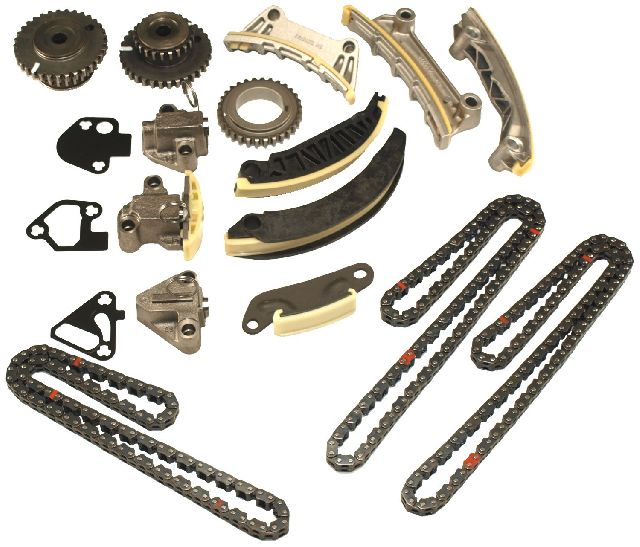
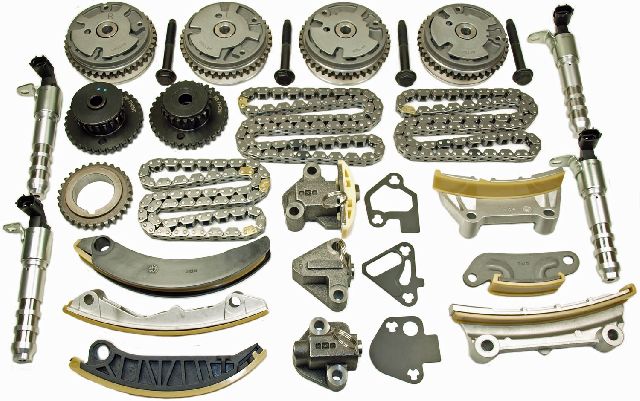
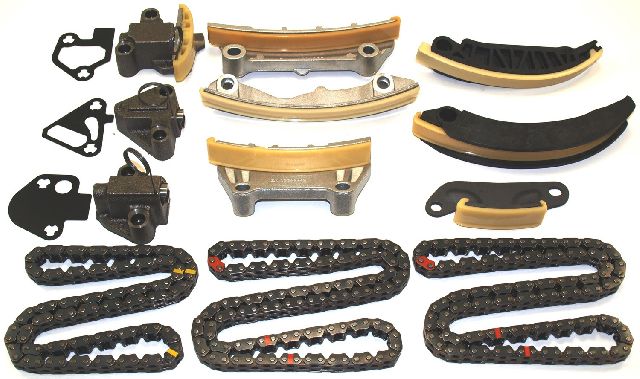
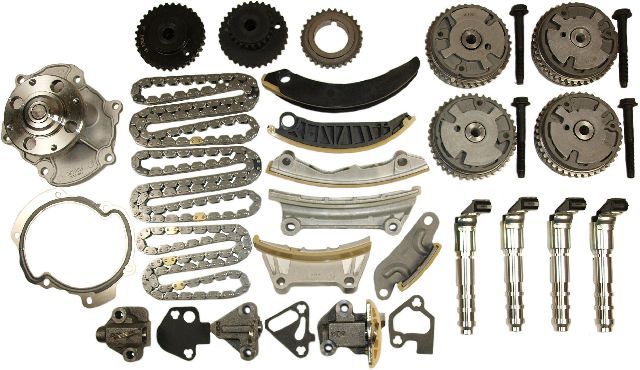
(OEM #12650230 (For 2007-2011 Models, check specific application))— This is the most common fix. A complete kit should include three chains, three tensioners, four guides, a crank sprocket, and associated gaskets/seals.
Trusted brands: ACDelco (GM OE), Cloyes
OEM price range: $400-$600
Aftermarket price range: $250-$450 - Camshaft Position Actuator Solenoid
(OEM #12655420 (Intake))— A possible, though less common, cause. It can get clogged with debris or fail electrically, causing timing adjustment issues. Often replaced as a 'while you're in there' part during a timing job.
Trusted brands: ACDelco, Delphi
OEM price range: $40-$60
Aftermarket price range: $25-$50
Related Codes That Often Appear With This One
- P0008 — Indicates a general engine position system performance error, often the first code to appear when timing chains begin to stretch.
- P0016 — Same correlation error as P0018, but for Bank 1 (front bank).
- P0017 — Correlation error for the exhaust camshaft on Bank 1.
- P0019 — Correlation error for the exhaust camshaft on Bank 2. Often appears with P0018.
Technical Service Bulletins (TSBs) & Recalls
- PIP3423P: Instructs technicians to inspect for loose timing chains or tensioners. If the cause is not found, it directs them to inspect the crankshaft reluctor wheel for movement, which would require crankshaft replacement.
- 12-06-01-009F: Announces the availability of updated timing chain service kits for repairing stretched chains causing codes P0008, P0009, P0016-P0019. It advises against replacing non-wear items like phasers or sprockets unless visibly damaged.
- 11340C: A Special Coverage Adjustment for 2009 models (and other years/platforms) that extended the warranty for timing chain replacement to 10 years/120,000 miles and included an ECM reprogram to shorten the oil life monitor interval.
Platform-Specific Known Issues
- Premature Timing Chain Failure: The 3.6L V6 engines used from 2009-2012 were particularly susceptible to stretched timing chains, sometimes failing in as little as 70,000-100,000 miles. GM issued TSBs acknowledging the problem and later updated the chain design.
- Oil Life Monitor & Special Coverage #11340C: Following the factory oil life monitor, which could suggest long intervals between changes, is believed to contribute to oil breakdown and accelerated chain wear. GM acknowledged this link in a special coverage program that extended the warranty for timing chain replacement on affected 2009 models to 10 years/120,000 miles and included an ECM reprogram to shorten oil change intervals.
- Slipped Crankshaft Reluctor Wheel: A very rare but documented issue in TSB PIP3423P where the crankshaft position sensor reluctor wheel moves on the crankshaft, causing persistent timing codes even with new chains. The only fix is crankshaft replacement.
Mechanic-Grade Diagnostic Values
- Camshaft Position Actuator Solenoid Resistance — expected: 7-12 ohms between the two terminals.. Failure: A reading outside this range (e.g., kilo-ohms or open loop) indicates a failed solenoid. Wiggling the connector pins while measuring can reveal intermittent internal connection failures.
- Camshaft Position Sensor Signal Voltage (Key On, Engine Off) — expected: 4.8-5.2 V between the signal circuit and ground.. Failure: Voltage significantly higher or lower than this range points to a short or open in the wiring, or a faulty ECM.
- Camshaft Position Sensor Low Reference Circuit — expected: Less than 5 ohms between the low reference circuit terminal and a known good ground.. Failure: High resistance indicates a poor ground connection for the sensor, which can corrupt its signal.
Scan Tool Commands That Help
- GDS2 / Tech2 (or equivalent professional scanner): Camshaft Position Actuator Solenoid Control — This bidirectional command allows a technician to manually command the solenoid ON and OFF while the engine is running. A change in engine idle sound or a corresponding change in the actual cam position PID on the scan tool confirms the solenoid is mechanically responding to commands. No change suggests a stuck solenoid or clogged oil passage.
Wiring & Ground Locations
- Engine Block Grounds — On the 3.6L V6, there are typically three smaller ground wire connections on the engine itself, plus one large ground cable from the battery. One common location for a primary engine ground is on the front of the right cylinder head (G107 on similar LFX engines).. The crankshaft and camshaft position sensors rely on a clean ground reference. A loose or corroded engine ground can introduce electrical noise or voltage offsets, potentially causing the ECM to misinterpret the sensor signals and set a false correlation code.
- Engine Control Module (ECM) — Located in the right front of the engine compartment. The camshaft position sensors and actuators connect directly to the ECM via connectors X1 and X2.. All diagnostic tests for sensor signals, reference voltages, and actuator control circuits culminate at the ECM connectors. Probing specific pins is necessary to differentiate between a faulty component, a wiring issue, or a failed ECM driver.
Real Owner Repair Stories
- NHTSA ODI #11361158 (2011 Chevrolet Traverse with 111,000 miles) — Check engine light on, loss of power, and terrible gas mileage.
❌ Tried (didn't work) The complaint was filed after the initial diagnosis.
✅ What actually fixed it The owner was diagnosed with needing a timing chain replacement to fix codes P0009 and P0018, which is the standard and expected repair for this combination of codes and symptoms on this vehicle.
OEM Part Supersession History
12628348, 12646784, 12655421→12679100— Part revision and update by GM to improve reliability and address failures.
Heads up: These part numbers are for the exhaust camshaft actuator solenoid. While P0018 is for the intake solenoid (PN 12655420), the frequent revisions on the exhaust side demonstrate a pattern of updates to VVT components on this engine family. Always verify the latest part number with a dealer based on VIN.
Model Year Variations Within This Range
- 2009-2012: These earlier models primarily used the 3.6L LLT V6 engine. While powerful, the LLT is the version most associated with the premature timing chain stretching issue. The original timing chain design and longer oil life monitor intervals are considered key factors.
- 2013-2016: These models used the updated 3.6L LFX V6 engine. The LFX featured design improvements, including changes to the timing chain components, intended to increase durability. While more robust than the LLT, the LFX is not immune to timing chain wear, especially if oil changes are neglected. The horsepower ratings also varied slightly, with the LTZ trim getting a dual exhaust and a slight power bump.
Helpful Videos


We Have This Part in Stock

The information in this article is provided for general reference and educational purposes only. Vehicle specifications, procedures, and part compatibility can vary by production date, trim level, and region. Always consult your vehicle's factory service manual and verify part numbers before purchasing or performing repairs. Safety-critical components such as airbags, seat belts, and braking systems should be installed by a qualified professional.
- Chevrolet TRAVERSE:
- 🧭 Diagnostic Flowchart
- 🎬 Helpful Videos
- 🛍️ Shop This Part
- What's Unique About the 2009-2016 Chevrolet TRAVERSE
- Symptoms You May Notice
- Most Likely Causes
- Rare But Worth Checking
- Diagnosis Steps
- Parts You'll Likely Need
- Related Codes That Often Appear With This One
- Technical Service Bulletins (TSBs) & Recalls
- Platform-Specific Known Issues
- Mechanic-Grade Diagnostic Values
- Scan Tool Commands That Help
- Wiring & Ground Locations
- Real Owner Repair Stories
- OEM Part Supersession History
- Model Year Variations Within This Range
- 🎟️ Get 5% Off