

P0018 on 2015-2021 Ford Edge: Crankshaft/Camshaft Correlation Causes and Fixes
This code means the crankshaft and Bank 2 intake camshaft are out of sync. The most common causes on the Ford Edge are a sticking VCT solenoid due to dirty oil, or a stretched timing chain. A VCT solenoid replacement can cost $292-$421, while a timing chain job is much more expensive, often over $1,500.
- P0018 on a Ford Edge is a serious code indicating a timing mismatch between the crankshaft and the Bank 2 intake camshaft.
- The most frequent culprits are sticking VCT solenoids due to oil contamination and stretched timing chains, especially on V6 models.
- Regular, high-quality oil changes (5,000-mile intervals recommended by some) are the best preventative measure.
- Diagnosis should follow a logical path: check oil, test solenoids/sensors, then inspect mechanical timing. Do not replace sensors without proper diagnosis.
- Repair can range from a relatively simple VCT solenoid swap to a very complex and expensive timing chain replacement.
What's Unique About the 2015-2021 Ford EDGE
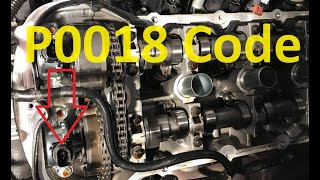
The second-generation Ford Edge, particularly those with V6 engines like the 3.5L and 2.7L EcoBoost, can be prone to timing chain and VCT phaser issues. Multiple Ford Technical Service Bulletins (TSBs) for this vehicle range point to the Variable Camshaft Timing (VCT) solenoids sticking due to small debris, which is a very common trigger for P0018. 🎬 Watch: A mechanic explains the causes and fixes for P0018. This suggests that oil quality and maintenance are especially critical on these engines to prevent timing-related DTCs. Forum discussions confirm that owners who adhere to shorter oil change intervals (e.g., 5,000 miles) report fewer issues with the VCT system.
Diagnostic Flowchart
Tap your situation to follow the diagnostic path that matches what you're seeing on this vehicle.
Symptoms You May Notice
- Check Engine Light is on
- Rough or uneven idle
- Reduced engine power and poor acceleration
- Engine may hesitate or stall, especially when coming to a stop
- Decreased fuel economy
- Rattling noise from the engine, especially on startup
- Replacing the camshaft or crankshaft position sensors when the root cause is a mechanical timing issue (stretched chain) or a hydraulic issue (sticking VCT solenoid). Always diagnose the VCT system and check oil condition before replacing sensors.
- Confusing a VCT solenoid-induced rattle with a cam phaser rattle. A 2019 F-150 with a 3.5L EcoBoost had a cold start rattle and P0018 that was resolved by replacing only the VCT solenoid.
Most Likely Causes
- Sticking or Failed VCT Solenoid 🔴 High Probability → Shop Engine Variable Valve Timing (VVT) Solenoid Multiple Ford TSBs (#SSM 50067, #SSM 47170, #SSM 48423) state this code can be caused by small debris causing the VCT solenoid to stick. This is a known issue on this platform and a frequent topic in owner forums.
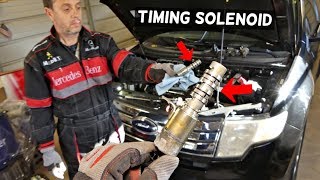
How to confirm: A technician can command the solenoid on and off with a diagnostic scan tool to see if it responds. The solenoid can also be removed and tested for mechanical binding and resistance. A failed solenoid may also cause a cold start rattle that disappears after replacement.
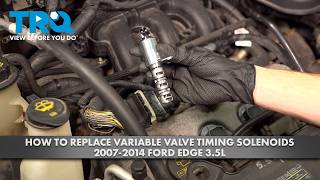
Typical fix: Replace the VCT solenoid for Bank 2. It's recommended to change the engine oil and filter at the same time. On V6 models, the Bank 2 (front) solenoids are accessible by removing the valve cover.
Est. part cost: $85-$117 - Low, Dirty, or Incorrect Viscosity Engine Oil 🔴 High Probability The VCT system is hydraulically operated by engine oil. Ford engines are sensitive to oil quality, and dirty oil can clog the small passages in the VCT solenoids and phasers. Some owners report codes appearing after switching to full synthetic, suggesting the new oil cleaned out sludge that then clogged the solenoids.
How to confirm: Check the oil level on the dipstick and review the vehicle's service history. If the oil is low, black, or sludgy, it's a likely contributor. Many owners recommend oil change intervals of 5,000 miles or less to prevent this.
Typical fix: Perform an engine oil and filter change using the manufacturer-specified grade of oil (e.g., Motorcraft). In some cases, this alone can resolve the code if it was caused by low oil pressure or flow.
Est. part cost: $50-$100 - Stretched Timing Chain 🟡 Medium Probability → Shop Engine Timing Chain The 3.5L and 2.7L EcoBoost V6 engines, in particular, are known for timing chain stretch over time, which directly causes correlation codes like P0018. The long chain design on the 3.5L makes it susceptible to elongation.
How to confirm: This is a complex diagnosis. A technician may notice the timing is off by a tooth or more. A visual inspection after removing the valve cover may show excessive slack or a fully extended tensioner. A scan tool can also show the degrees of deviation.
Typical fix: Replace the timing chain, tensioners, and guides. On the 3.5L engine, this is often done at the same time as the internal water pump, as it is a similarly labor-intensive job.
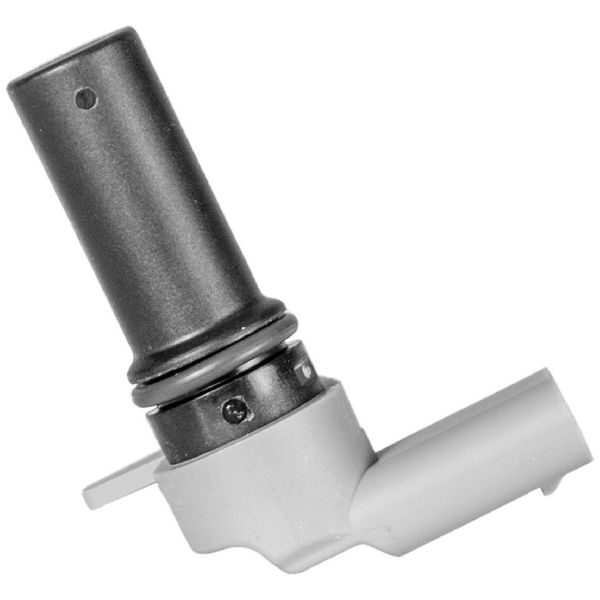
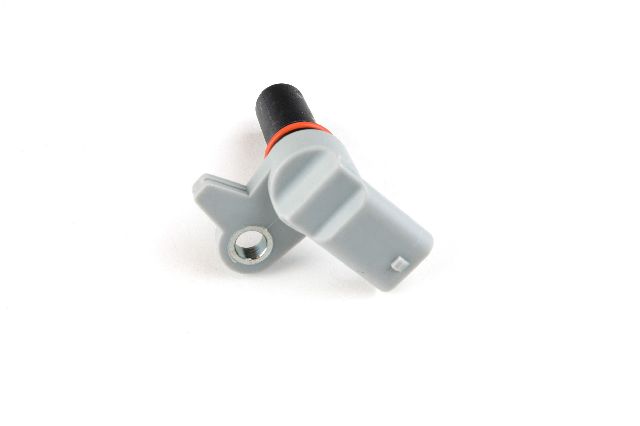
Est. part cost: $300-$600 for a full kit - Failed Camshaft Position Sensor ⚪ Low Probability → Shop Engine Camshaft Position Sensor
How to confirm: The sensor's signal can be monitored with an oscilloscope or a high-end scan tool. The sensor's resistance can also be checked with a multimeter. Sometimes the sensor can be covered in metallic gunk.
Typical fix: Replace the Bank 2 intake camshaft position sensor. This is often attempted as a first step due to its low cost and ease of access, but it is less commonly the root cause.
Est. part cost: $30-$80
Rare But Worth Checking
- Failed Camshaft Phaser: → Shop Engine Camshaft The phaser is the gear on the end of the camshaft that actually adjusts the timing. While less common than a solenoid failure, the phaser itself can get stuck or fail internally, requiring a timing chain job to replace.
- Damaged Crankshaft Tone Ring: → Shop Engine Crankshaft The tone ring is what the crankshaft position sensor reads. If it gets damaged or slips, it will send an incorrect signal, causing correlation codes. This is rare but can happen.
- Faulty Powertrain Control Module (PCM): → Shop Engine Control Module (ECM) In very rare cases, the PCM itself can be the source of the problem. This should only be considered after all other mechanical and electrical possibilities have been exhaustively ruled out.
Diagnosis Steps
- Check Engine Oil: Verify the oil level is correct and the oil is clean. If low or dirty, perform an oil and filter change with the correct viscosity oil. This simple step resolves the issue in some cases.
- Scan for Codes: Use an OBD-II scanner to confirm P0018 and look for any other related codes. Freeze frame data can show the engine conditions when the code was set.
- Inspect Wiring: Check the wiring and connectors for the Bank 2 intake camshaft position sensor and the Bank 2 VCT solenoid for any damage, corrosion, or loose connections.
- Test the VCT Solenoid: Using a capable scan tool, command the Bank 2 VCT solenoid on and off to verify it is functioning. If it fails to respond, it is likely faulty. On V6 engines, Bank 2 is the front bank, closer to the radiator.
- Test the Camshaft Position Sensor: Monitor the sensor's output with a scan tool or oscilloscope to ensure it is sending a consistent and clear signal.
- Check Mechanical Timing: If the solenoids and sensors test okay, the next step is to check the base engine timing. This is an advanced procedure that involves accessing the timing chain to check for slack and verify the alignment of the timing marks on the camshafts and crankshaft. If the chain is stretched or has skipped a tooth, it must be replaced.
Parts You'll Likely Need
- Variable Camshaft Timing (VCT) Solenoid
(OEM #HL3Z-6M280-A (for 2.0L/3.5L), 7T4Z-6M280-C (for 3.5L), AT4Z-6M280-A (for 3.5L/3.7L))— This is the most common failure point according to Ford's TSBs. It gets stuck due to oil debris, preventing proper camshaft adjustment.
Trusted brands: Motorcraft, Dorman, NTK
OEM price range: $80-$120
Aftermarket price range: $35-$90 - Timing Chain Kit — If the timing chain has stretched, it is the root cause of the correlation error. A full kit includes the chain, guides, and tensioners.
Trusted brands: Motorcraft, Cloyes
OEM price range: $400-$600
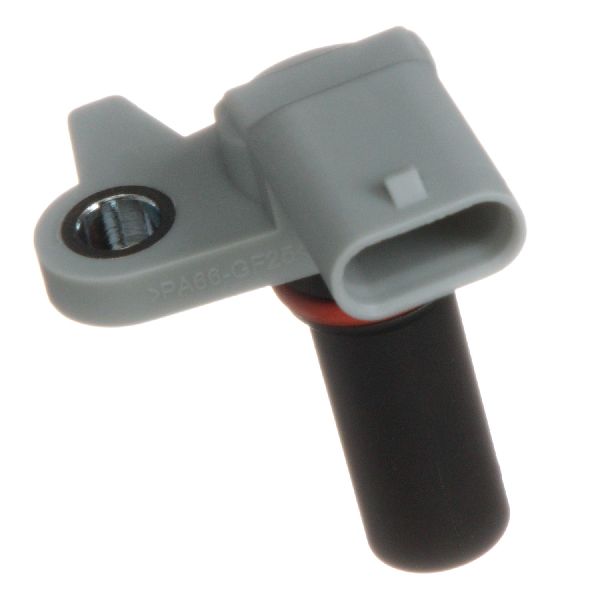
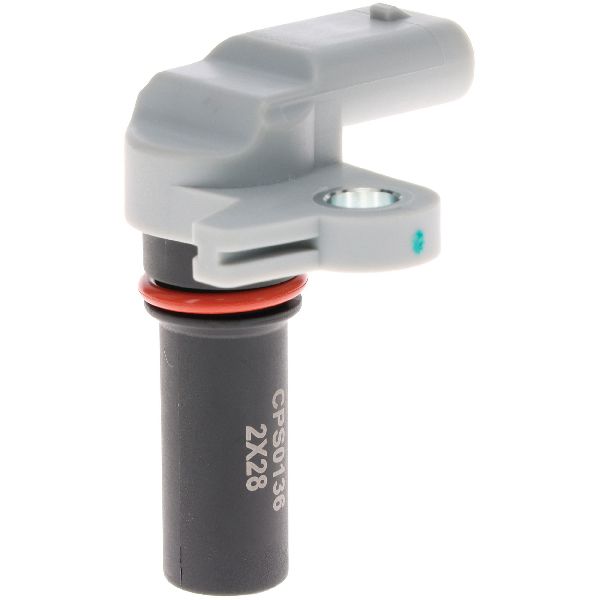
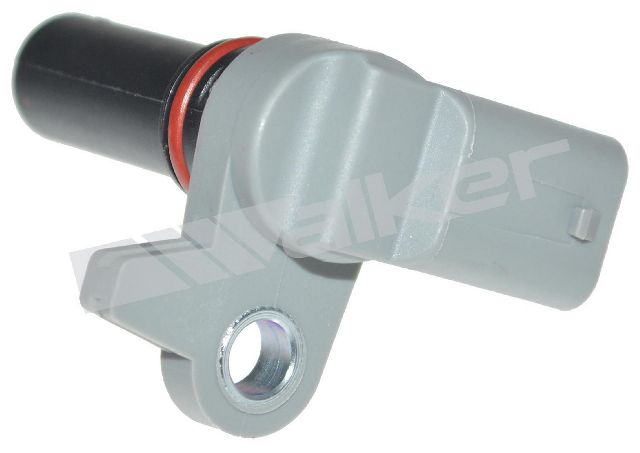
Aftermarket price range: $250-$450 - Camshaft Position Sensor
(OEM #DU-103 (replaces AS7Z-6B288-A), DU-102)— While less common, the sensor itself can fail. It's a relatively inexpensive part to replace as part of the diagnostic process.
Trusted brands: Motorcraft, Bosch, NGK
OEM price range: $50-$90
Aftermarket price range: $25-$60
Related Codes That Often Appear With This One
- P0016 — This is the same correlation error but for Bank 1. If both appear, it strongly suggests a common cause like a stretched timing chain or systemic oil pressure/quality issues.
- P0017 — This is a correlation error for the exhaust camshaft on Bank 2. Seeing it with P0018 points to a problem affecting the entire Bank 2 timing system.
- P0021 — This code indicates the Bank 2 intake cam is over-advanced. It often appears with P0018 as it's related to the same VCT components failing to control cam position correctly.
- P0022 — This code indicates the Bank 2 intake cam is over-retarded. Like P0021, it points to a VCT control problem.
Technical Service Bulletins (TSBs) & Recalls
- SSM 54366
- SSM 50067
- SSM 47170
- TSB-16-0093
- SSM 48423
Platform-Specific Known Issues
- A user on the Ford Edge Forum with a 2011 model experienced rough idle and codes P0018 and P0021. Other members noted the repair is an exhaustive process. Another user on Reddit with a 2011 Edge had similar codes and symptoms (RPMs dropping when stopping) and was advised that Ford had an updated part number for the VCT solenoids.
- On the Ford Edge Sport, the 2.7L EcoBoost shares timing system architecture with the larger 3.5L EcoBoost found in the F-150. A detailed YouTube video on a 2019 F-150 with a 3.5L EcoBoost showed P0018 and P0021 with a cold start rattle. The issue was traced to a failed VCT solenoid, not the cam phasers, and the mechanic stressed the importance of 5,000-mile oil changes. This experience is highly relevant to Edge 2.7L owners.
- A Reddit user who performed a water pump replacement (which requires timing chain removal) on their Edge subsequently got a P0018 code, highlighting the complexity of the job and the ease with which timing can be set incorrectly by one tooth, even when cam lock tools are used.
Mechanic-Grade Diagnostic Values
- Camshaft Position (CMP) Sensor Resistance (2-pin sensor) — expected: 586 - 2,033 Ohms. Failure: A reading outside this range (including open or short) indicates a faulty sensor.
- Variable Camshaft Timing (VCT) Solenoid Resistance — expected: 6 - 12 Ohms. Failure: A reading outside this range suggests the solenoid's internal coil is faulty.
- Camshaft Position (CMP) Sensor Signal Voltage (3-wire Hall-effect type) — expected: ~5 Volts DC on the signal wire, which drops to 0V when metal passes by the sensor tip.. Failure: Voltage that does not switch or is consistently at 0V or 5V indicates a failed sensor or wiring issue.
Scan Tool Commands That Help
- Ford IDS (or equivalent professional scan tool): VCT Solenoid On/Off Command (part of Pinpoint Test HK) — This bidirectional control is used to test the mechanical function of the VCT solenoid. When the engine is idling, commanding the solenoid on should cause a noticeable change in engine performance (e.g., rough idle or stall), confirming the solenoid is mechanically actuating.
Wiring & Ground Locations
- Engine Ground Points — Two easily accessible grounds are located on the frame behind the front bumper cover, one on each side. Another primary ground bolts to the side of the engine block and may require battery removal for access.. A poor ground connection for the PCM or engine sensors can cause erratic signals and trigger false correlation codes.
- PCM Connector Pins (CMP Sensor) — At the Powertrain Control Module (PCM) connector.. For diagnosing a P0340-series code (often related to P0018), Pin 85 is the CMP signal and Pin 76 is the Signal Return (SIGRTN). These pins can be tested for continuity and shorts.
Real Owner Repair Stories
- Reddit r/AskMechanics (Ford Edge (year not specified, but relevant engine family)) — Check Engine Light with code P0018 appeared immediately after a major service including water pump and timing chain replacement.
❌ Tried (didn't work) The mechanic initially could not find the fault, as the car was running perfectly with no idle issues or misfires, which made the timing correlation code confusing.
✅ What actually fixed it After taking the engine apart again under supervision from a master tech, it was discovered that the main timing chain was installed one tooth off. Correcting the timing chain alignment resolved the P0018 code.
OEM Part Supersession History
7T4Z-6M280-A, 7T4Z-6M280-AA, 7T4Z-6M280-B→7T4Z-6M280-C— Part revision and improvement by the manufacturer.
Heads up: The newer part number 7T4Z-6M280-C is the correct replacement for the older versions on applicable 3.5L and 3.7L engines.
Model Year Variations Within This Range
- 2019-2021: For the 2019 model year refresh, Ford discontinued the naturally aspirated 3.5L V6 engine. The available engines became the standard 2.0L EcoBoost I4 and the 2.7L EcoBoost V6 (exclusive to the ST trim). A new 8-speed automatic transmission also replaced the previous 6-speed.
Helpful Videos
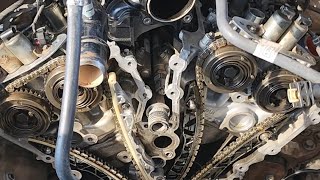
![How to Fix P0018 Engine Code in 6 Minutes [4 DIY Methods / Only $6.99]](https://img.youtube.com/vi/Q5hH0fs65Y8/mqdefault.jpg)
We Have This Part in Stock


The information in this article is provided for general reference and educational purposes only. Vehicle specifications, procedures, and part compatibility can vary by production date, trim level, and region. Always consult your vehicle's factory service manual and verify part numbers before purchasing or performing repairs. Safety-critical components such as airbags, seat belts, and braking systems should be installed by a qualified professional.
- Ford EDGE:
- 🧭 Diagnostic Flowchart
- 🎬 Helpful Videos
- 🛍️ Shop This Part
- What's Unique About the 2015-2021 Ford EDGE
- Symptoms You May Notice
- Most Likely Causes
- Rare But Worth Checking
- Diagnosis Steps
- Parts You'll Likely Need
- Related Codes That Often Appear With This One
- Technical Service Bulletins (TSBs) & Recalls
- Platform-Specific Known Issues
- Mechanic-Grade Diagnostic Values
- Scan Tool Commands That Help
- Wiring & Ground Locations
- Real Owner Repair Stories
- OEM Part Supersession History
- Model Year Variations Within This Range
- 🎟️ Get 5% Off