

P0018 on 2015-2021 Ford Expedition: Crank/Cam Correlation Causes and Fixes
On a 2015-2021 Ford Expedition with the 3.5L EcoBoost, P0018 is most often caused by a faulty VCT solenoid, a stretched timing chain, or failed cam phasers. Start by checking your engine oil; if the oil is clean and full, the next logical step is often replacing the VCT solenoids for Bank 2.
- P0018 on your Expedition is a serious code that points to a timing issue on the driver's side of the engine.
- Always check your oil level and condition first. Use only the Ford-specified full synthetic oil.
- The most common causes are sticking VCT solenoids, failed cam phasers, or a stretched timing chain.
- Replacing the VCT solenoids is a good first mechanical step as it's much cheaper and easier than a full timing job.
- If a full timing job is needed, it is critical to replace the phasers, chain, guides, and tensioners all at once with updated parts to prevent a recurrence.
What's Unique About the 2015-2021 Ford EXPEDITION

The 3.5L EcoBoost engine in this generation of Expedition is known for timing system issues. The Variable Camshaft Timing (VCT) system, which adjusts cam timing for performance and efficiency, is highly sensitive to oil quality and maintenance schedules. Multiple Ford Technical Service Bulletins (TSBs) point specifically to VCT solenoids sticking from small debris in the oil, causing this and related codes. Furthermore, premature timing chain stretch is a well-documented problem on this platform, making a full timing job a common, albeit expensive, repair for these symptoms.
Diagnostic Flowchart

Tap your situation to follow the diagnostic path that matches what you're seeing on this vehicle.
Generation note: This range covers the end of the 3rd generation (2015-2017) and the start of the 4th generation (2018-2021). Both generations use the 3.5L EcoBoost V6 engine, and the timing system issues that cause code P0018 are common to both. The 2017+ models feature the 'Gen 2' 3.5L EcoBoost with significant changes including a dual port and direct injection system and a revised dual-chain timing system, though timing issues can still occur.
Symptoms You May Notice
- Check Engine Light is on
- Rough or shuddering idle
- Reduced engine power and poor acceleration
- Engine may run erratically or stall
- Rattling noise from the engine, especially on a cold startup
- Decreased fuel economy
- Replacing only the camshaft or crankshaft position sensors without investigating the mechanical timing system.
- Replacing the cam phasers but not the timing chain and tensioners, which may be the root cause of the failure.
- Replacing timing components without first replacing the VCT solenoids, which is a cheaper and less invasive potential fix.
Most Likely Causes


- Sticking or Failed VCT Solenoids 🔴 High Probability → Shop Engine Variable Valve Timing (VVT) Solenoid Multiple Ford TSBs (including SSM 50067 and SSM 48423) state this is a common issue caused by small debris in the oil. The VCT system is oil-pressure driven and sensitive to contamination.
How to confirm: After checking oil, this is a common first part to replace as it's less invasive than a timing job. A technician can also use a scan tool to command the Bank 2 solenoids and monitor their response.
Typical fix: Replace the two VCT solenoids on Bank 2 (driver's side). It's recommended to replace all four at the same time.
Est. part cost: $80-$150 for a set of four Motorcraft solenoids. - Stretched Timing Chain 🔴 High Probability → Shop Engine Timing Chain The primary timing chain on the 3.5L EcoBoost is known to stretch prematurely, which directly causes a mechanical misalignment between the crank and cams.
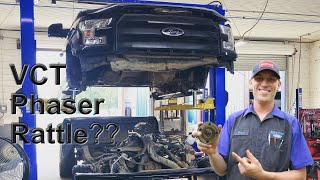
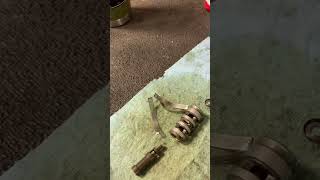
How to confirm: A rattling noise on cold starts is a classic symptom. 🎬 Watch: Hear the classic cold start rattle and learn why phasers fail. Diagnosis requires a significant teardown to physically inspect the chain, tensioners, and guides.
Typical fix: Replace the timing chain, tensioners, and guides. This is a major repair and is almost always done along with the cam phasers.
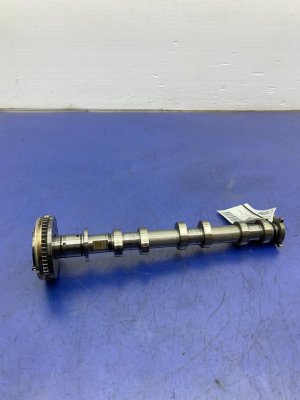
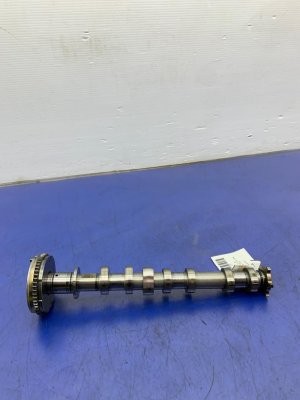
Est. part cost: $400-$800 for a complete timing kit. - Failed Camshaft Phasers 🟡 Medium Probability → Shop Engine Camshaft Cam phasers are another well-known failure point on this engine, often causing a rattling noise. They can get stuck or their internal locking pins can fail, preventing proper timing adjustments.
How to confirm: Often diagnosed along with a stretched timing chain. A scan tool may show the actual cam angle for Bank 2 not matching the desired angle.
Typical fix: Replace all four cam phasers. This is done during a full timing job.
Est. part cost: $500-$1000 for a set of four updated Motorcraft phasers. - Low or Dirty Engine Oil 🟡 Medium Probability The VCT system relies entirely on oil pressure. Incorrect oil viscosity or oil that is dirty or broken down can cause the solenoids to stick and phasers to respond slowly or not at all.
How to confirm: Check the oil level on the dipstick and inspect its condition. Check maintenance records for the last oil change.
Typical fix: Perform an oil and filter change using the correct OEM-specified full synthetic oil and a high-quality filter (like Motorcraft FL-500S).
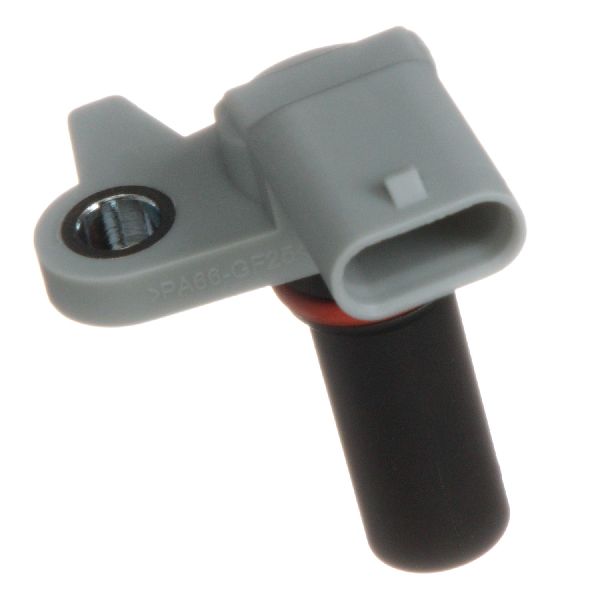
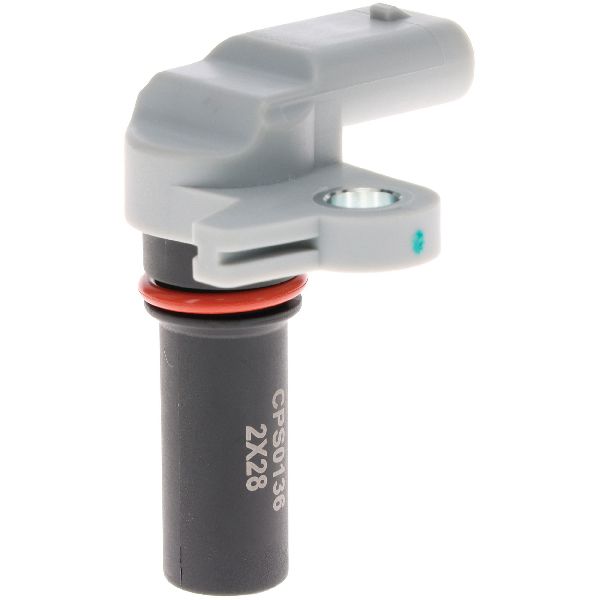
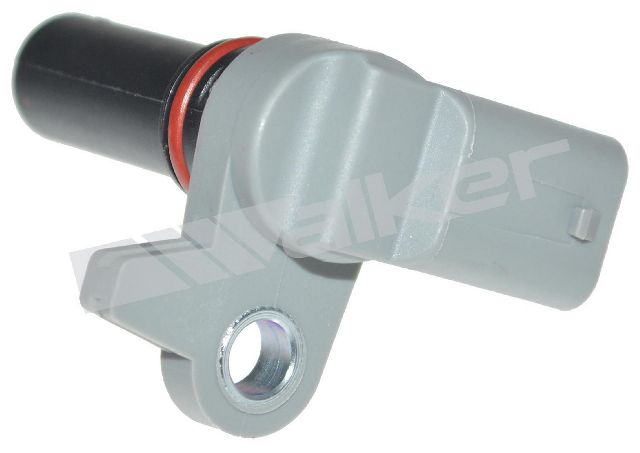
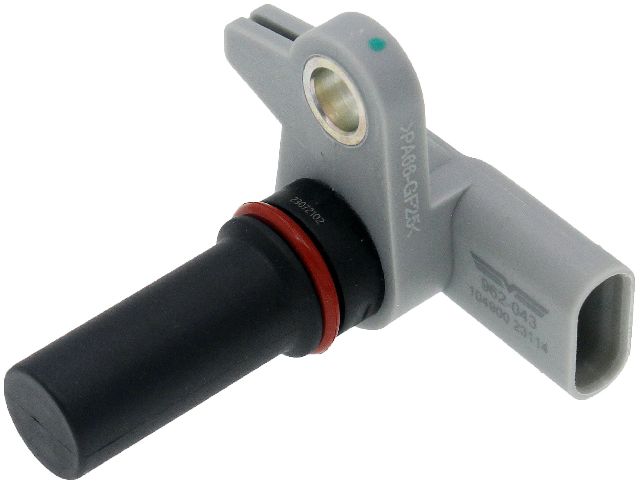
Est. part cost: $60-$100 - Faulty Camshaft Position Sensor ⚪ Low Probability → Shop Engine Camshaft Position Sensor While not as common as timing components, a sensor can fail and send incorrect data to the PCM.
How to confirm: Swap the Bank 2 intake cam sensor with the Bank 1 intake cam sensor. If the code changes to P0016 (for Bank 1), the sensor is bad.
Typical fix: Replace the faulty camshaft position sensor for Bank 2.
Est. part cost: $25-$50
Rare But Worth Checking
- Damaged Crankshaft Reluctor Wheel: → Shop Engine Crankshaft The tone ring that the crankshaft position sensor reads can be damaged or shift, causing correlation errors. This is rare and usually only happens during other major engine work if it is mishandled.
- PCM or Wiring Issue: A damaged wire or faulty pin in the connector for the cam sensor or VCT solenoid can cause this code. It's unlikely but should be checked before replacing major components.
Diagnosis Steps
- Check Engine Oil: Verify the oil level is correct and the oil is clean. If it's low or dirty, perform an oil change with the manufacturer-specified grade and a Motorcraft filter. Clear the codes and see if P0018 returns.
- Scan Tool Analysis: Use a diagnostic scan tool to monitor the live data for Camshaft Position Desired vs. Actual angles for Bank 2. If the actual angle doesn't match the desired angle or is slow to respond, it points to a problem in the VCT system.
- Inspect VCT Solenoids: Remove the valve cover for Bank 2 (driver's side). Inspect the VCT solenoids for sludge or debris. Given their high failure rate and relatively low cost, it's often wise to replace them as a diagnostic step.
- Test Camshaft Position Sensor: Swap the Bank 2 intake camshaft position sensor with the Bank 1 sensor. If the code follows the sensor and changes to P0016, the sensor is faulty.
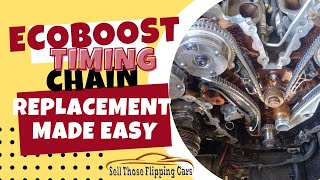
- Inspect Mechanical Timing: If the above steps do not resolve the issue, the problem is likely mechanical. This requires removing the front timing cover to inspect the timing chain 🎬 Watch this walkthrough of the full timing chain replacement process. for slack, and checking the condition of the guides, tensioners, and cam phasers. This is a labor-intensive step.
- Perform Full Timing Service: If a stretched chain or faulty phasers are found, replace all timing components as a kit, including chains, phasers, guides, and tensioners.
Parts You'll Likely Need
- Variable Camshaft Timing (VCT) Solenoid
(OEM #HL3Z-6M280-A)— These are a very common failure point noted in Ford TSBs. They control oil flow to the phasers and can get stuck, causing timing correlation errors.
Trusted brands: Motorcraft
OEM price range: $20-$40 each
Aftermarket price range: $15-$30 each - Timing Chain and Phaser Replacement Kit — Stretched chains and failed phasers are the other primary cause of P0018. It is highly recommended to replace all timing components (chain, phasers, guides, tensioners) at the same time.
Trusted brands: Motorcraft
OEM price range: $1000-$1800 for a complete kit
Aftermarket price range: $600-$1200 - Camshaft Position Sensor — Though less common, a faulty sensor can send incorrect data. It's a relatively inexpensive part to replace during diagnosis.
Trusted brands: Motorcraft, Bosch, Delphi
OEM price range: $25-$50
Aftermarket price range: $15-$40
Related Codes That Often Appear With This One
- P0021 — This code means 'Intake Camshaft Position Timing - Over-Advanced (Bank 2)'. It often appears with P0018 because a stuck VCT solenoid or phaser can cause the cam to be both misaligned (P0018) and stuck in an advanced position (P0021).
- P0016, P0017, P0019 — These are the corresponding correlation codes for Bank 1 intake, Bank 1 exhaust, and Bank 2 exhaust, respectively. Seeing multiple timing codes together strongly suggests a base timing issue like a stretched chain affecting the entire engine.
Technical Service Bulletins (TSBs) & Recalls
- SSM 50067: Mentions DTCs including P0018 may be due to small debris causing the VCT solenoid to stick on 2015-2021 models.
- SSM 54366: References P0018 among other DTCs and points to specific diagnostic tests in the workshop manual for 2015-2021 models.
- SSM 48423: Similar to SSM 50067, notes sticking VCT solenoids from debris as a cause for P0018 on 2015-2020 models.
- TSB-16-0093: Notes P0018 and other codes can appear on low-mileage 2016 models.
- SSM 47170: Again points to sticking VCT solenoids from debris as a potential cause for P0018 on 2017 models.
Platform-Specific Known Issues
- The 3.5L EcoBoost engine is subject to several Technical Service Bulletins (TSBs) related to VCT codes, including P0018. TSBs like SSM 50067 and SSM 48423 specifically mention that debris can cause VCT solenoids to stick, leading to these codes.
- Cold start rattle is a very common symptom that points directly to failing cam phasers and/or a stretched timing chain on this engine.
Mechanic-Grade Diagnostic Values
- VCT Solenoid (Oil Control Valve) Resistance — expected: 6 to 12 Ohms. Failure: A reading outside this range (open circuit or short) indicates a faulty solenoid.
- Camshaft Position (CMP) Sensor Signal Wire Voltage — expected: Switches between ~0V and ~5V (or battery voltage) as a metal object passes by the sensor.. Failure: A constant voltage or constant 0V reading during engine cranking indicates a failed sensor or circuit issue.
- Ford IDS Scan Tool VCT_ERROR PID — expected: Near 0 degrees at idle and should respond quickly during commanded tests.. Failure: A persistent non-zero value indicates a correlation error. A large or slow-to-change value during a bidirectional test points to a sticking phaser or solenoid.
Hidden / Shadow Codes Worth Checking
- Mode $06, Test ID $53: This is not a DTC, but a non-continuous monitor test result for Camshaft-Crankshaft correlation. A failing value here can indicate a developing problem before the P0018 code is set permanently. (see via A professional scan tool capable of reading Mode $06 data. Ford's IDS will show this in the VCT statistical data.)
Scan Tool Commands That Help
- Ford IDS (Integrated Diagnostic System): VCT Solenoid On/Off Command — This bidirectional control allows a technician to command the Bank 2 intake solenoid (VCT21) on and off while monitoring the camshaft angle PID. If the angle doesn't change as commanded, it confirms a fault in the solenoid, oil passage, or phaser.
- Ford IDS (Integrated Diagnostic System): Datalogger with VCT PIDs (VCT_ADV, VCT_ERR, VCT_DC) — Used to record live data during a road test to capture intermittent issues. Graphing the desired vs. actual cam angle (VCT_ADV), the error (VCT_ERR), and the solenoid duty cycle (VCT_DC) can reveal if the PCM is commanding changes that the mechanical system isn't performing.
Wiring & Ground Locations
- CMP Sensor Connector (Bank 2 Intake) — On the driver's side (Bank 2) valve cover, typically towards the rear of the engine. It is a 3-wire connector.. This is the primary sensor for this code. The connector and its wiring are a potential point of failure due to heat and vibration. A poor connection here will cause a P0018.
- VCT Solenoid Connector (Bank 2 Intake) — On the front of the driver's side (Bank 2) valve cover. It is a 2-wire connector.. This connector provides power and control to the solenoid responsible for moving the cam phaser. A bad connection will prevent the phaser from adjusting timing correctly.
- PCM Ground — There are multiple grounds, but a key engine-related ground is often located on the firewall or inner fender in the engine bay. Referencing a specific wiring diagram for the model year is crucial.. A poor ground for the Powertrain Control Module (PCM) can introduce electrical noise into sensor signals, causing the PCM to misinterpret the data from the crank and cam sensors, potentially leading to a false correlation code.
Real Owner Repair Stories
- Ford F150 Forum thread 555774 (2018 Ford F-150 3.5L EcoBoost with 48k miles) — Cold start rattle and tapping at idle, but no codes initially. After repair, rough idle and P0018.
❌ Tried (didn't work) The owner replaced all 4 cam phasers to fix the rattle, but did NOT replace the timing chain, assuming it was fine at 48k miles.
✅ What actually fixed it The thread was created after the phaser replacement caused the P0018 code. The immediate suspicion from other forum members was that either the timing was set incorrectly during the phaser job, a new phaser was faulty out of the box, or the original chain had stretched just enough to cause a correlation issue with the new phasers. The resolution was not posted, but the story is a cautionary tale about not replacing the chain and phasers together.
OEM Part Supersession History
Various older part numbers→HL3Z-6M280-A (VCT Solenoid)— Ford has updated the VCT solenoids to improve durability and resistance to sticking from oil debris.Various older part numbers for Cam Phasers→ML3Z-6C525-A (Intake), ML3Z-6256-A (Exhaust) for Gen 2 EcoBoost— The cam phasers have been redesigned multiple times to address the 'cold start rattle' and internal locking pin failures. Using the latest revision is critical for a lasting repair.
Heads up: It is critical to use the correct phasers for the specific engine generation (Gen 1 vs Gen 2). While they may look similar, their operation and control are different.
Model Year Variations Within This Range
- 2015-2017: These models use the 'Gen 1' 3.5L EcoBoost. This engine uses a single, long primary timing chain which was more prone to stretching. The fuel system is direct injection only.
- 2018-2021: These models use the 'Gen 2' 3.5L EcoBoost. The timing system was redesigned to use two shorter primary chains (one per bank) to improve durability. The engine also features a dual fuel system with both port and direct injection. While more robust, this system can still experience phaser and tensioner issues.
Helpful Videos

Used OEM Parts in Stock
New Aftermarket Parts Available


The information in this article is provided for general reference and educational purposes only. Vehicle specifications, procedures, and part compatibility can vary by production date, trim level, and region. Always consult your vehicle's factory service manual and verify part numbers before purchasing or performing repairs. Safety-critical components such as airbags, seat belts, and braking systems should be installed by a qualified professional.
- Ford EXPEDITION:
- 🧭 Diagnostic Flowchart
- 🎬 Helpful Videos
- 🛍️ Shop This Part
- What's Unique About the 2015-2021 Ford EXPEDITION
- Symptoms You May Notice
- Most Likely Causes
- Rare But Worth Checking
- Diagnosis Steps
- Parts You'll Likely Need
- Related Codes That Often Appear With This One
- Technical Service Bulletins (TSBs) & Recalls
- Platform-Specific Known Issues
- Mechanic-Grade Diagnostic Values
- Hidden / Shadow Codes Worth Checking
- Scan Tool Commands That Help
- Wiring & Ground Locations
- Real Owner Repair Stories
- OEM Part Supersession History
- Model Year Variations Within This Range
- 🎟️ Get 5% Off