

P0018 on 2015-2019 Ford Explorer 3.5L EcoBoost: Timing Chain & VCT Causes
P0018 on a 2015-2019 Explorer with the 3.5L engine most often indicates a stretched timing chain, a major repair costing $2,500-$4,500. A less common but cheaper possibility is a faulty VCT solenoid, which costs around $50-$100 for the part. Due to the risk of severe engine damage from the internal water pump failing and contaminating the oil, professional diagnosis is strongly recommended.
- P0018 on the 3.5L EcoBoost is a serious code that should be diagnosed immediately.
- Always check engine oil level and condition first, as the entire VCT system depends on it.
- The most likely cause is a stretched timing chain, which is an expensive repair that should also include replacing the internal water pump.
- A faulty VCT solenoid is a possible, and much cheaper, alternative cause that should be ruled out before undertaking a timing chain replacement.
- A rattling noise from the engine on cold starts is a major warning sign that points directly to a failing timing chain or cam phasers.
What's Unique About the 2015-2019 Ford Explorer
The 3.5L EcoBoost engine family has a well-documented history of timing chain and VCT (Variable Camshaft Timing) system issues. A critical design feature is the internal, timing-chain-driven water pump. When this pump's seals fail, it can leak coolant directly into the engine oil, degrading the oil's lubricating properties. This contamination accelerates wear on the timing chain and can cause VCT solenoids to stick, making P0018 a common symptom of this much larger potential problem. The transverse mounting in the Explorer makes accessing Bank 1 (firewall side) more difficult than Bank 2 (radiator side).
Symptoms You May Notice
- Check Engine Light illuminated
- Rough or uneven idle
- Engine rattling noise, especially on cold starts for 2-5 seconds
- Reduced engine power and poor acceleration
- Engine hesitation or stalling
- Decreased fuel economy
- Engine knocking noises
- Replacing the camshaft position sensor when the root cause is a mechanical timing issue (stretched chain) or a hydraulic issue (bad VCT solenoid or low oil pressure).
- Replacing cam phasers without addressing a stretched timing chain or a failing water pump, leading to a quick return of the problem.
Most Likely Causes
- Stretched Timing Chain 🔴 High Probability → Shop Engine Timing Chain The 3.5L engine family is known for premature timing chain stretch, often accelerated by a failing internal water pump contaminating the oil or by extended oil change intervals.
How to confirm: A mechanic will use a scan tool to observe cam/crank correlation data. A persistent rattle on cold starts is a very strong indicator. Physical confirmation requires removing the timing cover to inspect chain slack and timing marks, a significant labor investment.
Typical fix: Replace the primary timing chain, all guides, tensioners, and cam phasers. The internal water pump MUST be replaced at the same time to prevent a repeat failure. This is a 12-15 hour job.
Est. part cost: $800-$1200 for a complete OEM kit - Faulty Variable Camshaft Timing (VCT) Solenoid 🟡 Medium Probability → Shop Engine Camshaft Ford TSBs (like SSM 50067) note that small debris in the oil can cause VCT solenoids to stick or fail, leading to timing correlation codes.
How to confirm: Swap the Bank 2 intake solenoid with the Bank 1 intake solenoid. If the trouble code changes to P0016 (Bank 1), the solenoid is faulty. A scan tool can also be used to command the solenoid and check its response; Ford recommends cycling it 10 times to try and clear debris before replacement. Resistance can be checked with a multimeter and should be between 5 and 14 Ohms.
Typical fix: Replace the Bank 2 intake VCT solenoid. It is often recommended to replace all four solenoids at once. This requires removing the valve cover.
Est. part cost: $40-$80 per solenoid - Low or Dirty Engine Oil 🟡 Medium Probability The VCT system is hydraulic and relies on clean oil at the correct pressure. Extended oil change intervals lead to sludge and debris that can clog solenoid screens and oil passages, causing them to stick.
How to confirm: Check the oil level on the dipstick and inspect the oil's condition and viscosity. If the oil is low, dark, sludgy, or milky (indicating coolant contamination), this is a likely contributor.
Typical fix: Perform an oil and filter change using the manufacturer-specified grade of oil (e.g., Motorcraft SAE 5W-30) and an OEM filter (e.g., FL-500S).
Est. part cost: $50-$90 - Failed Camshaft Phaser (VCT Unit) ⚪ Low Probability → Shop Engine Camshaft Phasers can fail mechanically or become clogged with debris, preventing them from adjusting cam timing correctly. A cold start rattle is a common symptom, often addressed by TSB 18-2305.
How to confirm: This is typically diagnosed during a timing chain inspection. A scan tool may show the commanded versus actual angle for the phaser is consistently off.
Typical fix: Replace the phaser. This is almost always done as part of a complete timing chain service, which includes replacing all four phasers, the chain, guides, and tensioners.
Est. part cost: $150-$250 per phaser
Rare But Worth Checking
- Faulty Camshaft Position Sensor: → Shop Engine Camshaft Position Sensor While possible, it's less common for the sensor itself to fail than for mechanical issues to cause the code. It's often replaced unnecessarily, as seen in some DIY videos and forum posts where the problem returned.
- Wiring Harness Damage: Damage or corrosion on the wiring for the VCT solenoid or camshaft position sensor can cause intermittent signals and trigger the code.
- Damaged Crankshaft Reluctor Wheel: → Shop Engine Crankshaft The reluctor wheel on the crankshaft can be damaged, shift, or have a sheared alignment key, causing a persistent correlation error that new sensors or timing components won't fix.
Diagnosis Steps
- Check the engine oil level and condition. If low, dirty, or overdue for a change, correct this first, clear the code, and see if it returns.
- Use an OBD-II scanner to confirm P0018 and check for other codes like P0021, P0016, etc.
- Inspect the wiring and connectors for the Bank 2 (radiator side) camshaft position sensor and VCT solenoid for damage or oil contamination.
- With a capable scan tool, monitor live data for desired vs. actual camshaft position for the Bank 2 intake cam. A significant, persistent deviation suggests a mechanical or hydraulic fault.
- If a VCT solenoid is suspected, swap the Bank 2 intake solenoid with the Bank 1 (firewall side) intake solenoid. Clear codes and drive the vehicle. If the code returns as P0016, the solenoid is confirmed bad.
- If solenoids and sensors test good, suspect a mechanical timing issue. Listen for a cold start rattle. The next step is a physical inspection of the timing chain, guides, and phasers, which requires significant engine disassembly.
Parts You'll Likely Need
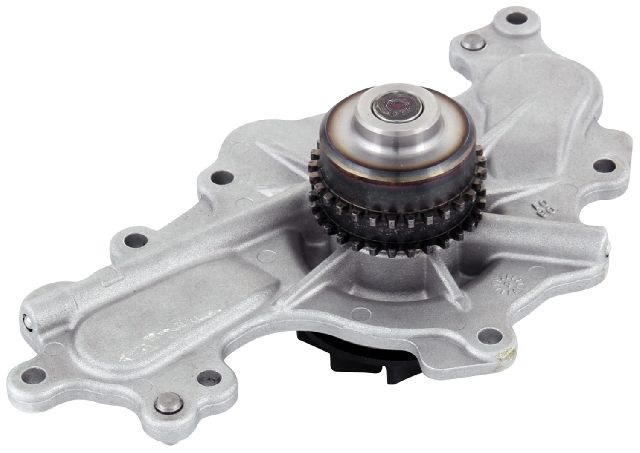
- Timing Chain and Water Pump Kit
(OEM #BL3Z-6D256-C (Reference kit for earlier 3.5L, verify specific parts for 2015+))— This is the most common comprehensive fix, addressing the stretched chain, worn guides/tensioners, and the failure-prone internal water pump all at once.
Trusted brands: Motorcraft
OEM price range: $800-$1200
Aftermarket price range: $400-$700 - Variable Camshaft Timing (VCT) Solenoid
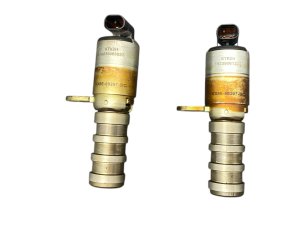
(OEM #BL3Z-6M280-B (Intake))— A sticking solenoid is a common cause due to oil debris and is a key diagnostic step before committing to a full timing job.
Trusted brands: Motorcraft, Dorman
OEM price range: $60-$90
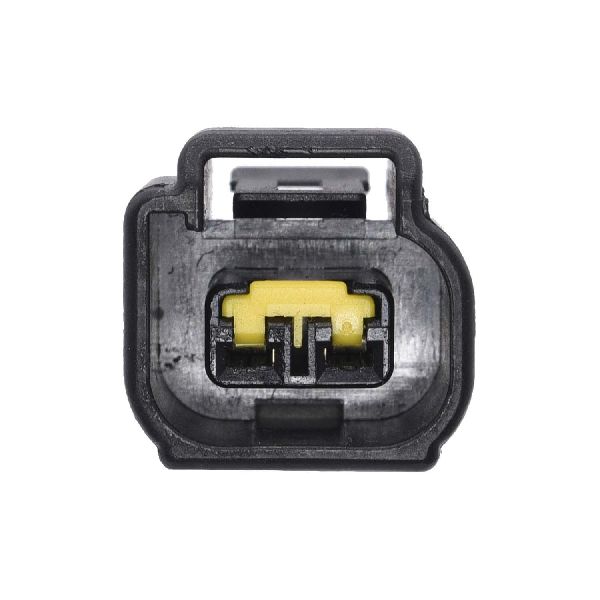
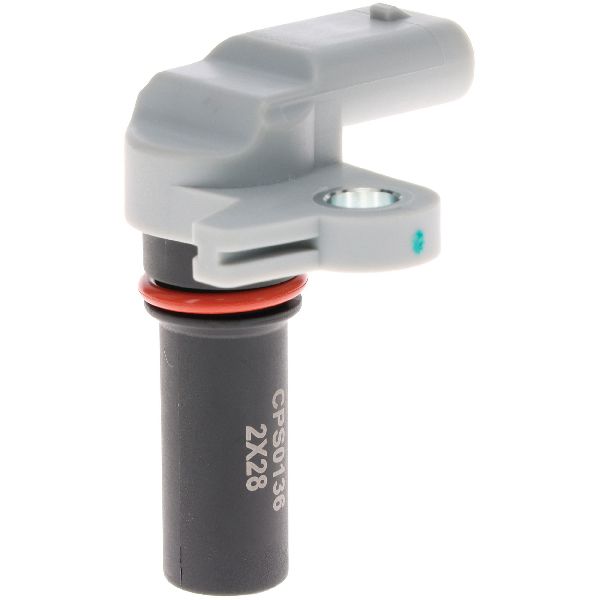
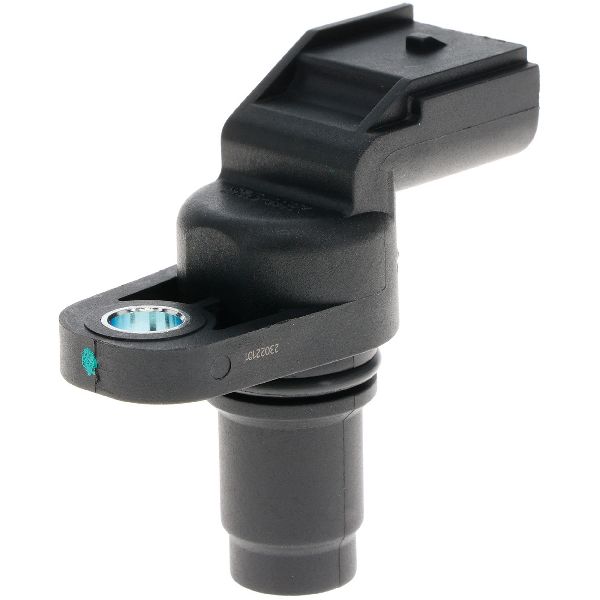
Aftermarket price range: $30-$50 - Camshaft Position Sensor
(OEM #DY-1135 (Motorcraft))— Replaced if diagnostic tests confirm the sensor itself is faulty, though this is less common than other causes.
Trusted brands: Motorcraft, Bosch, NTK
OEM price range: $30-$50
Aftermarket price range: $15-$30
Related Codes That Often Appear With This One
- P0021 — This code ('Intake Camshaft Position Timing - Over-Advanced Bank 2') is often caused by the same sticking VCT solenoid that triggers P0018.
- P0016 — This is the equivalent code for Bank 1. If both P0016 and P0018 appear, it strongly suggests a systemic issue like a stretched primary timing chain or severe oil contamination affecting both banks.
- P0019 — This is the correlation code for the exhaust camshaft on Bank 2 ('Crankshaft Position - Camshaft Position Correlation Bank 2 Sensor B'). If seen with P0018, it points to a more severe timing issue on that bank.
Technical Service Bulletins (TSBs) & Recalls
- TSB 16-0093: Addresses various VCT codes, including P0018, on low-mileage 2016 3.5L engines, pointing to a faulty VCT solenoid.
- TSB 18-2305: Pertains to 3.5L EcoBoost engines (F-150 focus, but relevant) with a cold start rattle for 2-5 seconds. The fix is to replace all four VCT units and the primary timing chain.
- SSM 50067 / 49821: For 2015-2021 vehicles, suggests that codes like P0018 may be from debris in the VCT solenoid and recommends attempting to clear it via scan tool actuation before replacement.
Platform-Specific Known Issues
- The internal water pump is driven by the timing chain. A pump failure will leak coolant into the oil pan, contaminating the oil and rapidly destroying the entire timing system.
- A cold start rattle lasting 2-5 seconds is a classic symptom of a stretched timing chain and/or failing cam phasers on this engine, as described in TSB 18-2305.
- TSB 16-0093 was issued for some 2016 models with low mileage (<2000 miles) that could exhibit P0018 due to a faulty VCT solenoid from the factory.
- TSB SSM 50067 / 49821 advises that for various VCT codes, including P0018, a technician should first attempt to cycle the solenoid with a scan tool to clear debris before replacing it.
Mechanic-Grade Diagnostic Values
- VCT Solenoid Internal Resistance — expected: 5 - 14 Ohms. Some sources state a tighter range of 6.9 - 7.9 Ohms at 68°F (20°C).. Failure: A reading of 0 Ohms (short circuit) or infinite/OL (open circuit) indicates a failed solenoid.
- Scan Tool PID: VCT_ADV_ERR (VCT Advance Error) — expected: Should be close to 0 degrees at idle in closed-loop operation.. Failure: A consistent deviation greater than +/- 5 degrees for an excessive time indicates a timing problem.
- Camshaft Position Sensor (3-wire Hall-effect) Signal Voltage — expected: The signal wire should switch between approximately 5V and 0V as the engine is cranked or running.. Failure: Voltage does not switch, is stuck high, or is stuck low, indicating a faulty sensor or wiring issue.
- Engine Oil Pressure (Hot Idle) — expected: Ford's minimum specification is often cited as 30 psi at 1500 RPM, with hot idle pressure being lower, potentially under 20-25 psi.. Failure: Persistently low oil pressure (e.g., below 7 psi at idle which may trigger the dummy light) can starve the VCT system and cause timing codes.
Hidden / Shadow Codes Worth Checking
- Mode 6, Test ID for VVT Monitor: Mode 6 data can show the raw test results for the cam/crank correlation monitor. A technician can see if the measured value is close to the failure threshold, indicating a borderline or intermittent problem before the P0018 code is consistently set. (see via A professional-level scan tool with Mode 6 capability is required, such as Ford IDS, FORScan, or high-end consumer models.)
Scan Tool Commands That Help
- Ford IDS (or FORScan): VCT Solenoid On/Off State Control (Bidirectional Test) — This command manually cycles a specific VCT solenoid. A technician can listen for an audible click and watch for a change in engine idle quality. If the engine stumbles, the solenoid is likely working mechanically. If nothing happens, the solenoid is likely stuck. This is a primary step to isolate a bad solenoid.
- Ford IDS (or FORScan): Datalogger with VCT PIDs (e.g., VCT_ADV_ERR, RCAM, RCAM_ACT) — Used to monitor the requested camshaft angle (RCAM) versus the actual camshaft angle (RCAM_ACT) in real-time. A significant and persistent difference, reflected in the VCT_ADV_ERR PID, confirms a correlation fault and helps differentiate between a slow phaser and a non-responsive solenoid.
Real Owner Repair Stories
- Ford F150 Forum (2011 Ford F-150 5.0L (Different engine, but identical P0018 code principle and diagnostic outcome)) — Loud ticking from driver's side, P0018 code, and misfires on cylinders 2 and 4 after a full timing job.
❌ Tried (didn't work) Initial visual inspection of timing marks seemed correct.
✅ What actually fixed it The mechanic discovered the secondary timing chain on Bank 2 was off by one tooth. Despite appearing correct at a glance, using a ruler across the sprocket midpoints revealed the misalignment. Correcting the secondary chain timing resolved the P0018 code. - Reddit r/AskMechanics (2014 Ford Explorer 3.5L (non-EcoBoost, but similar timing setup)) — P0018, multiple misfire codes (P0300, P0301, P0302, P0303), and camshaft sensor codes (P0365, P0369). Stalling, rough running, and loss of power.
❌ Tried (didn't work) Replacing the camshaft position sensor (CMP) initially seemed to work but the problem returned quickly., Swapping sensors to see if the code followed the sensor.
✅ What actually fixed it After removing the intake manifold and valve covers for a better view, the owner discovered the secondary timing chain on Bank 1 had failed ("deleted itself"). The final fix was a complete timing job. - Reddit r/AskMechanics (Vehicle year/model not specified, but had a P0018 code after a major timing job.) — P0018 code returned immediately after a water pump and timing chain replacement, though the engine ran fine with no idle issues.
❌ Tried (didn't work) The mechanic had to disassemble the front of the engine three times.
✅ What actually fixed it A Ford master mechanic supervised the third attempt and found two issues: 1) The main timing chain was off by one tooth, which was nearly impossible to tell visually since the engine ran smoothly. 2) An aftermarket VCT solenoid was not functioning correctly and was replaced with an OEM part.
OEM Part Supersession History
AT4Z-6M280-A→AT4Z-6M280-B— Updated VCT solenoid design for 3.3L/3.5L/3.7L applications.
Heads up: Part fitment can be specific to intake/exhaust positions and model; VIN verification is critical when ordering.
Model Year Variations Within This Range
- 2017-2019: For the 2017 model year, Ford introduced the second-generation 3.5L EcoBoost in some platforms (like the F-150), which featured significant changes including a dual-injection system, new turbochargers, and a revised cam drive with two shorter chains instead of one long one. While the Explorer largely retained the first-generation design through 2019, parts compatibility should always be verified by VIN, as running changes can occur.
Diagnostic Flowchart
Other Known Issues on This Vehicle
Issues unrelated to this code that are worth knowing about as an owner of this generation:
- PTU (Power Transfer Unit) Failure 🔴 High — Common on AWD models, often after 60,000 miles. The sealed-for-life fluid overheats and breaks down, leading to gear failure.
- Exhaust Odor / Carbon Monoxide In Cabin 🔴 High — Widespread issue, especially under hard acceleration. Addressed by multiple TSBs and a NHTSA investigation. (Ref: TSB 16-0166, TSB 17-0044, NHTSA Action Number: EA16002)
- Cracked Rear Suspension Toe Links 🔴 High — Common in regions with road salt, can lead to loss of steering control. Affects 2017-2019 models specifically. (Ref: NHTSA Recall 26S08 (supersedes 21V537))
- Cracked Exhaust Manifold 🟠 Medium — Can occur on the 3.5L engines, leading to ticking noises and potentially contributing to the exhaust odor in cabin issue.
- Wheel Bearing Failure 🟠 Medium — Front and rear wheel bearings are a common replacement item, often showing signs of failure (humming/grinding noise) around 80,000-120,000 miles.
Used vs. New Parts: Buying Guide for This Vehicle
When a used part is the smart pick: Used parts are generally not recommended for the core components related to a P0018 fix due to the high-wear nature of the timing system. A used valve cover or sensor wiring harness from a low-mileage donor could be a cost-effective choice if the original is damaged.
Donor-vehicle mileage cap: roughly under 50000 miles for the part to have meaningful remaining life.
What to inspect on the donor part:
- For any used engine component, look for a donor vehicle with a documented service history, specifically regular oil changes.
- Avoid parts from vehicles that show signs of heavy sludge in the oil filler cap or valve cover.
- Check for any signs of coolant contamination (milky residue), which would indicate a failed internal water pump and compromised timing components.
OEM-only on this vehicle (don't cheap out):
- Timing Chain Kit: Given the high labor cost and critical nature, using an OEM (Motorcraft) kit is strongly advised to prevent premature stretch or guide failure.
- Water Pump: The internal water pump is a known failure point; an OEM part is the safest bet to avoid catastrophic engine failure from coolant contamination.
- VCT Solenoids: While some aftermarket brands work, forum stories indicate that some can be faulty out of the box or fail prematurely. Using OEM Motorcraft solenoids minimizes the risk of having to re-do the labor-intensive valve cover removal.
Brands owners have reported issues with on this vehicle:
- Unbranded or 'white-box' timing kits and VCT solenoids from online marketplaces are a significant gamble and have been cited as causing repeat failures.
Real Owner Stories
Aggregated from forums and TSBs cited above. Mileages and costs reflect what owners reported in those sources.
2016 Ford Explorer 3.5L EcoBoost — ~1500 miles
Symptoms: Check engine light illuminated with VCT-related codes shortly after purchase.
What fixed it: Replacement of a faulty VCT solenoid as per TSB 16-0093.
Source hint: TSB 16-0093
Ford Explorer 3.5L EcoBoost
Symptoms: P0018 code; crankshaft and camshaft position correlation error on Bank 2.
What fixed it: The owner discovered the timing had jumped a tooth after a previous repair attempt.
Source hint: Explorer forum discussion on P0018 titled 'Crankshaft Position - Camshaft Position Correlation Bank 2 Sensor A Code'
Ford Explorer 3.5L EcoBoost
Symptoms: P0018 and other codes present; deeper inspection required engine disassembly.
What fixed it: Discovery and replacement of a failed secondary timing chain.
Source hint: Reddit r/MechanicAdvice thread 'Ford Explorer cam shaft sensor issues'
Ford F-150 3.5L EcoBoost — ~100000 miles
Symptoms: Cold start rattle and timing correlation issues.
What fixed it: Complete timing chain replacement including all four VCT units (phasers) and the primary chain.
Cost: $3,800-$6,000
Source hint: F-150 forum thread 'Timing chain replacement cost'
Related OBD-II Codes
Frequently Asked Questions
Does TSB 18-2305 apply to my Ford Explorer if I hear a rattle when I first start the engine?
My 2016 Explorer has very low mileage but just threw a P0018 code. Is there a specific issue for this year?
Can I try to fix the P0018 code without replacing parts immediately?
How does the internal water pump affect the timing chain on the 3.5L EcoBoost?
What specific oil and filter should I use to prevent VCT issues on my Explorer?
Is there a way to test if the Bank 2 VCT solenoid is actually bad before buying a new one?
Helpful Videos
Used OEM Parts in Stock
New Aftermarket Parts Available


The information in this article is provided for general reference and educational purposes only. Vehicle specifications, procedures, and part compatibility can vary by production date, trim level, and region. Always consult your vehicle's factory service manual and verify part numbers before purchasing or performing repairs. Safety-critical components such as airbags, seat belts, and braking systems should be installed by a qualified professional.
- Ford Explorer:
- 🧭 Diagnostic Flowchart
- 🎬 Helpful Videos
- 🛍️ Shop This Part
- What's Unique About the 2015-2019 Ford Explorer
- Symptoms You May Notice
- Most Likely Causes
- Rare But Worth Checking
- Diagnosis Steps
- Parts You'll Likely Need
- Related Codes That Often Appear With This One
- Technical Service Bulletins (TSBs) & Recalls
- Platform-Specific Known Issues
- Mechanic-Grade Diagnostic Values
- Hidden / Shadow Codes Worth Checking
- Scan Tool Commands That Help
- Real Owner Repair Stories
- OEM Part Supersession History
- Model Year Variations Within This Range
- Other Known Issues on This Vehicle
- Used vs. New Parts: Buying Guide for This Vehicle
- Real Owner Stories
- 2016 Ford Explorer 3.5L EcoBoost — ~1500 miles
- Ford Explorer 3.5L EcoBoost
- Ford Explorer 3.5L EcoBoost
- Ford F-150 3.5L EcoBoost — ~100000 miles
- Related OBD-II Codes
- Frequently Asked Questions
- 🎟️ Get 5% Off