

P0018 on 2015-2019 Ford Fusion Energi: Crank-Cam Correlation Causes and Fixes
On a 2015-2019 Fusion Energi, code P0018 is most often caused by a sticking Variable Camshaft Timing (VCT) solenoid due to low or dirty engine oil. Before replacing parts, check your oil and ask a mechanic to perform the diagnostic procedure in Ford TSB #SSM 50067, which involves cycling the solenoid with a scan tool to clear debris and may resolve the issue without new parts.
- Always check your engine oil level and condition first; low or dirty oil is a primary cause of P0018.
- Reference Ford TSB #SSM 50067. A simple diagnostic step of cycling the VCT solenoid can potentially fix the issue without replacing any parts.
- The most likely failed part is the intake VCT solenoid, not the camshaft position sensor itself.
- Replacing the VCT solenoid or camshaft sensor is a manageable DIY job for those with some experience. However, diagnosing and replacing a timing chain is a complex job best left to a professional.
- Ignoring this code can lead to poor fuel economy, stalling, and potentially severe engine damage if the timing is significantly off.
What's Unique About the 2015-2019 Ford FUSION ENERGI
The Fusion Energi uses a 2.0L inline 4-cylinder (I4) Atkinson-Cycle engine, which only has one cylinder bank. The 'Bank 2' in the code definition can be confusing, but for this Ford engine, the PCM uses V8/V6-style logic to differentiate between the two camshafts. 'Bank 2, Sensor A' refers to the intake camshaft. A key issue for this platform is documented in Ford Technical Service Bulletin (TSB) #SSM 50067, which states that small debris in the engine oil can cause the VCT solenoids to stick, triggering this code across many 2015-2021 Ford and Lincoln models. The Fusion Energi, C-Max, and Lincoln MKZ Hybrid all share this same powertrain and are susceptible to this issue.
Diagnostic Flowchart
Tap your situation to follow the diagnostic path that matches what you're seeing on this vehicle.
Symptoms You May Notice
- Check Engine Light is on 🎬 Watch: Understanding crankshaft and camshaft correlation codes
- Rough or unstable idle
- Reduced engine power and poor acceleration
- Engine may hesitate or stall, especially at low speeds
- Decreased fuel economy
- Engine may be hard to start
- Rattling or ticking noise from the engine, especially on startup.
- Replacing the camshaft position sensor without first checking the engine oil and VCT solenoid. Many owners and even some shops replace the sensor only to have the code return because the root cause was oil quality or a sticking solenoid.
Most Likely Causes
- Low or Dirty Engine Oil 🔴 High Probability The VCT system is hydraulic and highly sensitive to oil pressure and cleanliness. Sludge, debris, or low oil levels can easily clog the small passages in the VCT solenoids or prevent them from actuating correctly.
How to confirm: Check the oil level on the dipstick and examine its condition. If the oil is very dark, gritty, or below the minimum level, this is a likely contributor. A Reddit user with a similar engine noted their P0018 appeared after finding no oil on the dipstick.
Typical fix: Perform an engine oil and filter change using the manufacturer-specified grade (5W-20 Synthetic Blend for the 2.0L Atkinson). Clear codes and see if the issue returns.
Est. part cost: $30-$70 - Sticking/Failing VCT Solenoid (Oil Control Valve) 🔴 High Probability → Shop Engine Variable Valve Timing (VVT) Solenoid Ford TSB #SSM 50067 specifically identifies this as a common issue across many 2015-2021 models due to small debris in the oil causing the solenoid to stick. The solenoid controls oil flow to the phaser, and if it's stuck, timing cannot be adjusted.
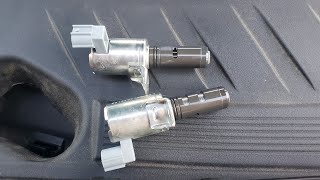
How to confirm: A technician can use a diagnostic scan tool to perform pinpoint test HK12, which cycles the solenoid 10 times to attempt to clear debris. If the code returns, the solenoid is likely faulty. A common DIY method is to swap the intake and exhaust solenoids (they are identical parts) and see if the code changes to P0019 (exhaust cam correlation). On the 2.0L engine, the intake solenoid is closer to the front of the vehicle, and the exhaust solenoid is toward the firewall.
Typical fix: First, attempt the cleaning procedure from TSB #SSM 50067. If that fails, replace the intake VCT solenoid. 🎬 See this walkthrough on replacing the VVT solenoid The Motorcraft OEM part number is CM5Z-6M280-C.
Est. part cost: $40-$120 - Stretched Timing Chain or Failed Tensioner 🟡 Medium Probability → Shop Engine Timing Chain Over time, especially with extended oil change intervals, the timing chain can stretch, or the hydraulic tensioner can weaken, causing slack and altering the mechanical timing. While less common than a solenoid issue, it's a significant potential repair.
How to confirm: This is a complex diagnosis. It often involves listening for rattling noises on startup. A definitive diagnosis requires partial engine disassembly 🎬 Watch: How to remove the timing cover for inspection to physically inspect the chain, guides, and tensioner for slack or wear. A Reddit user with a P0018 code ultimately found a stretched timing chain was the cause, leading to a $4,000 repair.
Typical fix: Replacement of the timing chain, tensioner, and guides. This is a labor-intensive job.
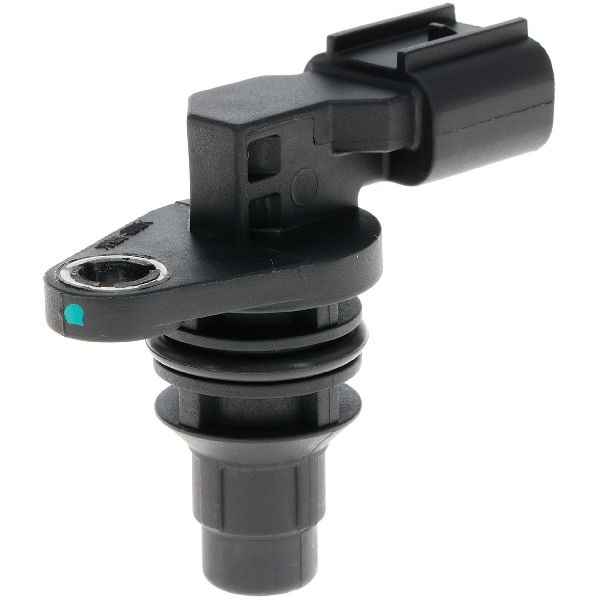
Est. part cost: $200-$500 - Faulty Camshaft Position Sensor ⚪ Low Probability → Shop Engine Camshaft Position Sensor While sensors can fail, they are less common culprits for this specific correlation code than oil-related or mechanical timing issues. Many owners replace this sensor first, only to have the code return.
How to confirm: Use a multimeter or oscilloscope to test the sensor's output signal against specifications. A scan tool can also monitor live data from the sensor to check for dropouts or erratic readings. A user on a Subaru forum replaced this sensor for a P0018 code, but it did not fix the issue, leading them to take it to a dealer.
Typical fix: Replace the intake camshaft position sensor ('Bank 2, Sensor A').
Est. part cost: $30-$80
Rare But Worth Checking
- Failed VCT Phaser (Camshaft Sprocket): The VCT phaser is the mechanical gear that actually adjusts the camshaft timing. It can fail internally, get stuck, or have a sheared alignment pin, but this is less common than a solenoid failure.
- Faulty Crankshaft Position Sensor: → Shop Engine Crankshaft Position Sensor While possible, a faulty crankshaft sensor usually causes more severe running problems, a no-start condition, or different codes entirely.
- Damaged Reluctor Wheel/Tone Ring: The sensors read notches on a tone ring (or reluctor wheel) on the camshaft and crankshaft. If a ring is damaged, cracked, or has shifted, it will send incorrect timing information to the PCM.
Diagnosis Steps
- Check Engine Oil: Verify the oil level is correct and the oil is clean. If low or dirty, perform an oil and filter change using Ford-specified 5W-20 oil, clear the code, and see if it returns. This is the cheapest and easiest first step.
- Scan for Codes: Use an OBD-II scanner to confirm P0018 and check for any other related timing codes (e.g., P0016, P0019, P0011).
- Follow TSB #SSM 50067: Have a qualified technician use a Ford-compatible scan tool to run the VCT solenoid cleaning routine (pinpoint test HK12). This cycles the solenoid 10 times to dislodge debris and may fix the problem without replacing parts.
- Inspect VCT Solenoid Wiring: Check the connector and wiring going to the intake VCT solenoid for any damage, corrosion, or loose connections.
- Test the VCT Solenoid (Swap Test): A highly effective DIY test is to swap the intake solenoid with the exhaust solenoid. They are located on top of the valve cover and are held by one 8mm bolt each. The intake solenoid is toward the front bumper, the exhaust is toward the firewall. Clear the codes and drive. If the code changes to P0019 ('Bank 2, Sensor B'), the solenoid you moved is faulty and needs replacement.
- Test the Camshaft Position Sensor: If solenoids are confirmed to be good, test the camshaft position sensor and its wiring to ensure it's sending a correct signal to the PCM.
- Inspect Mechanical Timing: If all else fails, the problem is likely mechanical. This requires a professional inspection of the timing chain, guides, and tensioner for wear or damage. This is an advanced, labor-intensive step that often follows reports of a startup rattle.
Parts You'll Likely Need
- Engine Variable Valve Timing (VVT) Solenoid (Intake)
(OEM #CM5Z-6M280-C)— This is the most common point of failure for P0018 on this engine, often due to oil contamination, as noted in Ford TSB #SSM 50067.
Trusted brands: Motorcraft, Dorman, Standard Motor Products, NGK
OEM price range: $80-$150
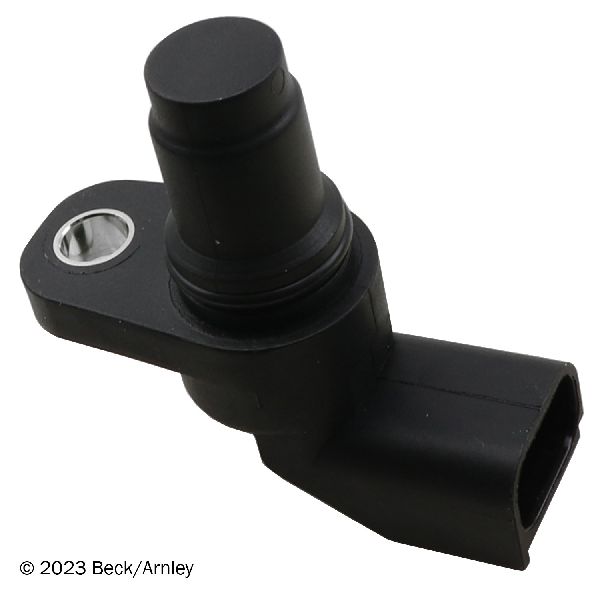
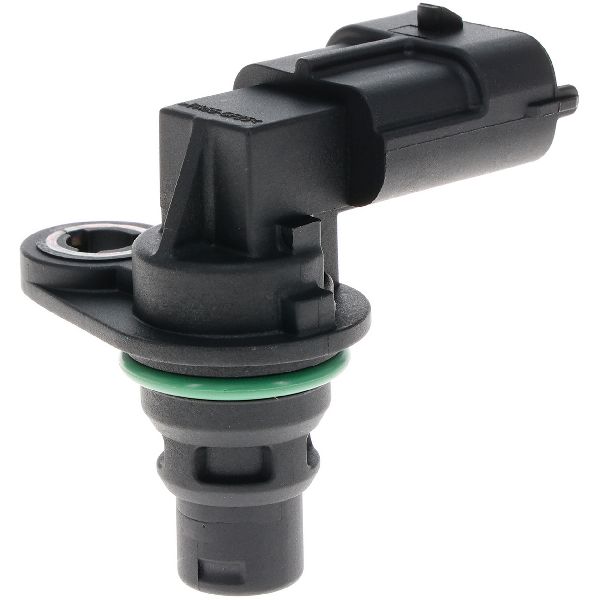
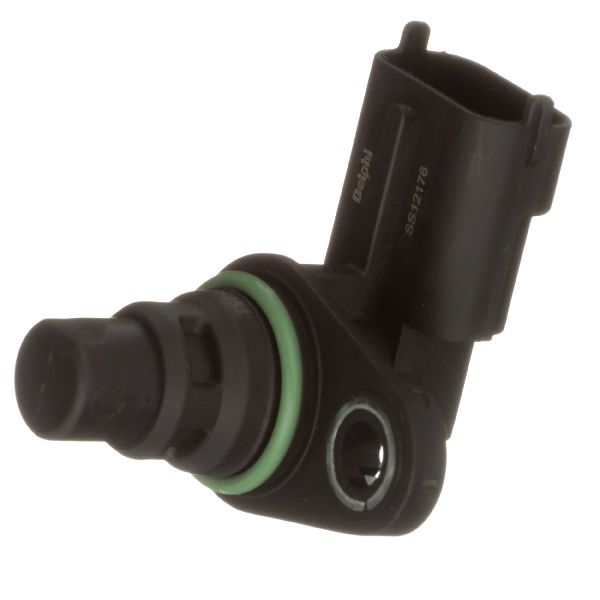
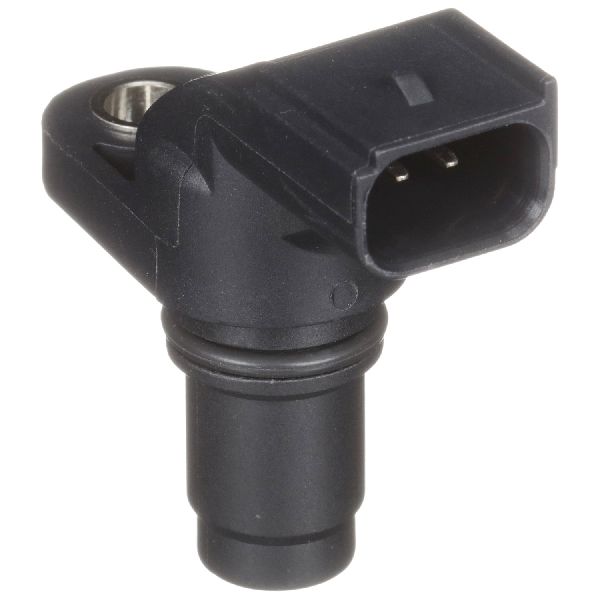
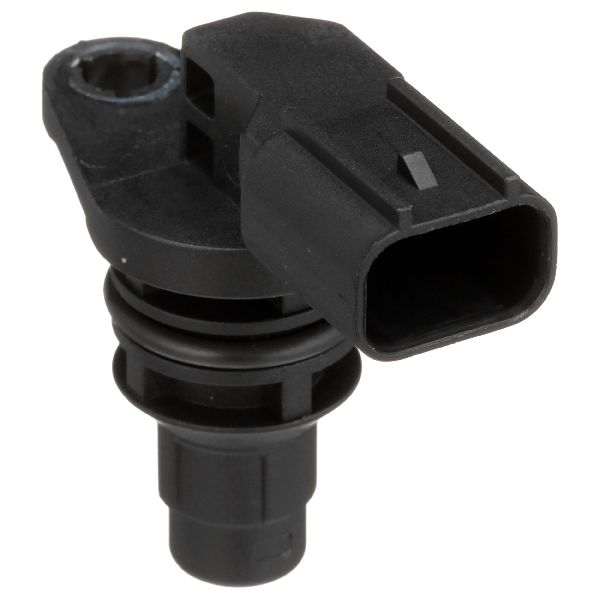
Aftermarket price range: $40-$120 - Camshaft Position Sensor
(OEM #G2MZ-6B288-A)— If the VCT system is working correctly, the sensor providing the position data to the PCM may be faulty. The part number is from a video for a 2.0L Hybrid, cross-reference for exact fit.
Trusted brands: Motorcraft, Bosch, Delphi
OEM price range: $50-$90
Aftermarket price range: $30-$80 - Timing Chain Kit — If the code persists after addressing the VCT system and sensors, a stretched timing chain is the next likely cause, requiring a full replacement kit (chain, guides, tensioner).
Trusted brands: Motorcraft, Cloyes
OEM price range: $300-$500
Aftermarket price range: $150-$300
Related Codes That Often Appear With This One
- P0016 — This is the same correlation error but for 'Bank 1, Sensor A' (exhaust camshaft on this engine). Seeing both P0016 and P0018 together strongly suggests a base timing issue, like a stretched timing chain affecting both cams, or a problem with the crankshaft position sensor itself.
- P0019 — This is the correlation error for 'Bank 2, Sensor B' (exhaust camshaft). If you swap the intake and exhaust VCT solenoids and the P0018 code is replaced by P0019, you have confirmed the solenoid you moved is faulty.
- P0011 — This code means 'Camshaft Position 'A' - Timing Over-Advanced (Bank 1)'. It relates to the VCT system's inability to control timing, often pointing back to the same faulty VCT solenoid or oil pressure issues.
Technical Service Bulletins (TSBs) & Recalls
- SSM 50067: Illuminated Malfunction Indicator Lamp (MIL) With Variable Cam Timing (VCT) DTCs - Diagnostic Information.
Platform-Specific Known Issues
- TSB #SSM 50067: Ford issued this bulletin for various 2015-2021 vehicles, including the Fusion, noting that VCT-related DTCs (including P0018) can be caused by small debris causing the VCT solenoid to stick. The bulletin advises cycling the solenoid with a scan tool to attempt to clear it before replacement.
- Owner Experience: Solenoid Swap Confirms Failure: A common diagnostic story found in forums involves owners who first replace the cam sensor with no luck. They then swap the easily accessible intake and exhaust VCT solenoids. When the trouble code changes from P0018 to P0019, it definitively confirms the solenoid is the failed component, saving time and money on further diagnostics.
Helpful Videos

We Have This Part in Stock

The information in this article is provided for general reference and educational purposes only. Vehicle specifications, procedures, and part compatibility can vary by production date, trim level, and region. Always consult your vehicle's factory service manual and verify part numbers before purchasing or performing repairs. Safety-critical components such as airbags, seat belts, and braking systems should be installed by a qualified professional.
- Ford FUSION ENERGI:
- 🧭 Diagnostic Flowchart
- 🎬 Helpful Videos
- 🛍️ Shop This Part
- What's Unique About the 2015-2019 Ford FUSION ENERGI
- Symptoms You May Notice
- Most Likely Causes
- Rare But Worth Checking
- Diagnosis Steps
- Parts You'll Likely Need
- Related Codes That Often Appear With This One
- Technical Service Bulletins (TSBs) & Recalls
- Platform-Specific Known Issues
- 🎟️ Get 5% Off