

P0018 on 2015-2019 Ford Taurus: Crank/Cam Correlation Causes and Fixes
On a 2015-2019 Ford Taurus with a V6 engine, code P0018 is most often caused by a stretched timing chain or a sticking Variable Camshaft Timing (VCT) solenoid. A solenoid is an affordable fix, but a timing chain replacement is a major repair costing over $2,000. Prompt diagnosis is crucial to avoid severe engine damage, as the root cause is often a failing internal water pump contaminating the oil.
- P0018 on a V6 Taurus means the engine's timing is off on the front cylinder bank (Bank 2).
- The most likely causes are a stretched timing chain or a sticking VCT solenoid.
- Always check the engine oil level and condition first, as low or dirty oil is a common culprit.
- Due to the internal water pump design, a timing chain issue may be linked to a coolant leak into the oil, requiring a comprehensive repair.
- Do not ignore this code; it can lead to serious and expensive engine damage if the timing chain fails completely.
What's Unique About the 2015-2019 Ford TAURUS
The Ford 3.5L V6 engines (both naturally aspirated and EcoBoost) used in the Taurus are known for timing chain issues. A critical design element is the internal, timing-chain-driven water pump. When this pump's seals fail, it can leak coolant directly into the engine oil, severely degrading the oil's lubricating properties. This coolant contamination accelerates wear on all timing components, leading to stretched chains, guide failure, and sticking VCT solenoids. Multiple Ford Technical Service Bulletins (SSM 50067, SSM 47170, SSM 48423) confirm that even small debris in the oil can cause VCT solenoids to stick, making oil condition paramount in this engine.
Diagnostic Flowchart
Tap your situation to follow the diagnostic path that matches what you're seeing on this vehicle.
Symptoms You May Notice
- Check Engine Light is on
- Rough or erratic idle
- Reduced engine power and poor acceleration
- Engine stalling or hesitation
- Decreased fuel economy
- Rattling noise from the engine, especially on cold startup, which may indicate failing phasers or a loose timing chain.
- Replacing the camshaft position sensor when the actual fault is a stretched timing chain or sticking VCT solenoid.
- Replacing only the VCT solenoid when the root cause is oil contamination from a failing water pump or a stretched timing chain.
- Performing a full, expensive timing chain job when the only issue was a simple, sticking VCT solenoid that could have been fixed with a replacement and an oil change.
Most Likely Causes
- Stretched Timing Chain 🔴 High Probability → Shop Engine Timing Chain The 3.5L V6 engines are known for premature timing chain wear. This is often a secondary failure caused by coolant contamination from a failing internal water pump, which compromises oil lubrication. Long oil change intervals exacerbate this wear.
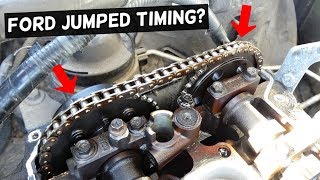
How to confirm: A technician can use a scan tool to view cam/crank deviation PIDs; significant and persistent error indicates a mechanical timing issue. Definitive confirmation requires physical inspection for chain slack by removing the timing cover, which is labor-intensive. 🎬 Watch: How to identify a jumped or stretched timing chain.
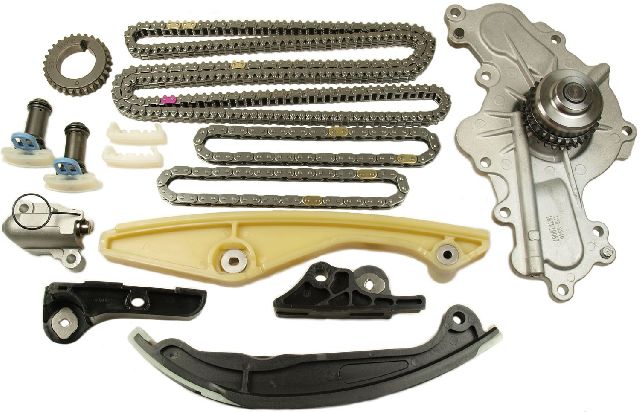
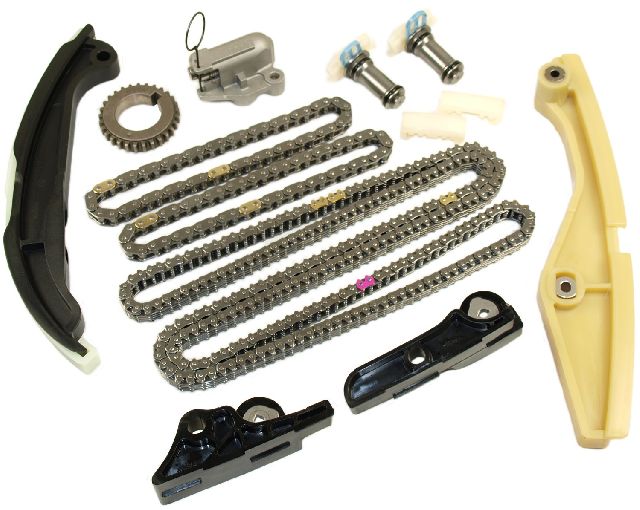
Typical fix: Replace the timing chain, tensioners, guides, and phasers as a complete kit. It is critical to also replace the internal water pump and change the oil and filter.
Est. part cost: $300-$800 - Sticking or Failed VCT Solenoid 🔴 High Probability → Shop Engine Variable Valve Timing (VVT) Solenoid Ford TSBs SSM 50067, SSM 47170, and SSM 48423 specifically state that small debris in the oil can cause the VCT solenoid to stick, triggering this code. This is a very common first point of failure.
How to confirm: Use a scan tool to command the solenoid on and off and monitor the camshaft angle's response. Another effective method is to swap the Bank 2 intake solenoid with the Bank 2 exhaust solenoid. If the code changes to P0019 (exhaust cam correlation), the solenoid is confirmed to be faulty.
Typical fix: Replace the Bank 2 intake VCT solenoid. 🎬 Watch: See how a failed VCT solenoid behaves during testing. Per TSBs, an oil and filter change should be performed simultaneously. Some TSBs even suggest cycling the new solenoid with a scan tool to clear any residual debris before starting the engine.
Est. part cost: $50-$100 - Low, Dirty, or Incorrect Viscosity Engine Oil 🟡 Medium Probability The VCT system is entirely hydraulic and relies on clean oil at the correct pressure. Ford TSBs repeatedly cite oil debris as a cause for VCT-related codes. Coolant contamination from a failing water pump is a major source of oil degradation in this engine.
How to confirm: Check the oil level on the dipstick. Inspect its condition for a milky appearance (coolant contamination), dark color, or sludgy texture. An oil change is the first step recommended by Ford TSBs for these codes.
Typical fix: Perform an engine oil and filter change using the Ford-specified 5W-20 or 5W-30 (depending on engine) synthetic blend oil meeting WSS-M2C946-A spec. Clear codes and re-evaluate.
Est. part cost: $40-$80 - Failed Camshaft Phaser (VCT Actuator) 🟡 Medium Probability → Shop Engine Camshaft The phasers can fail mechanically, with internal locking pins breaking or vanes getting stuck. This is a well-known issue on the 3.5L EcoBoost, often causing a distinct 'cold start rattle'.
How to confirm: This is typically diagnosed after confirming the VCT solenoid is working and the base timing is correct. A rattling noise on startup that goes away after a few seconds is a strong indicator of a failing phaser.
Typical fix: Replace the camshaft phaser on the Bank 2 intake camshaft. This is a labor-intensive job that requires removing the valve cover and is often done during a full timing chain service.
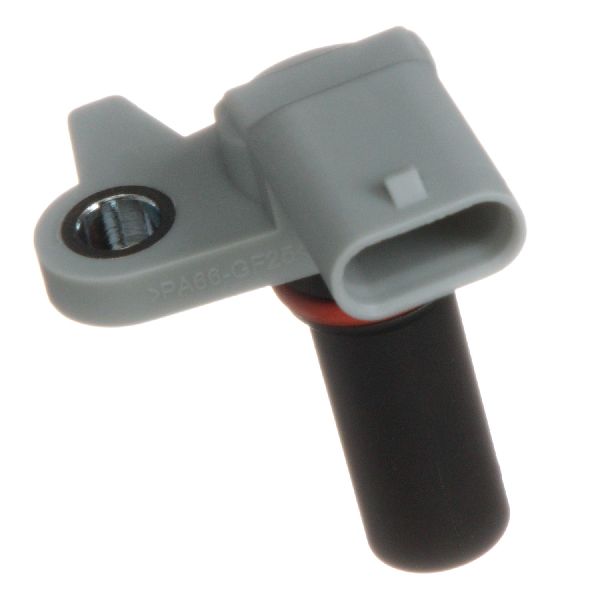
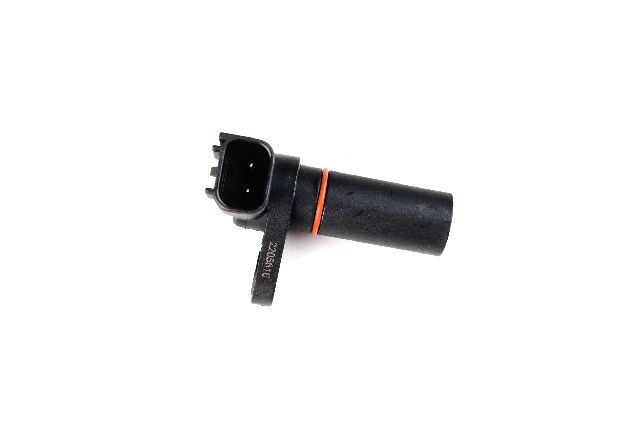
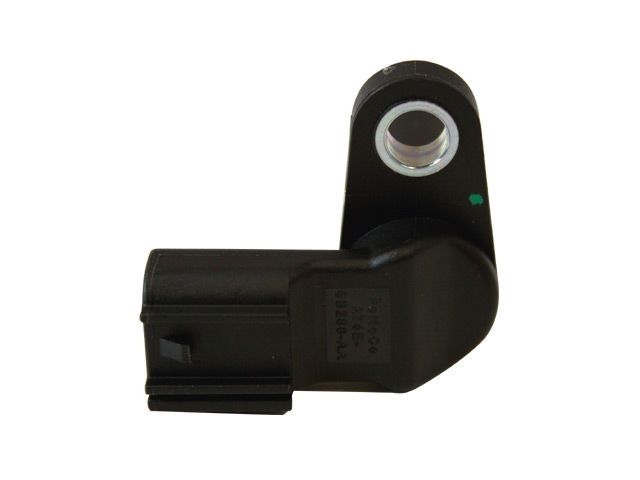
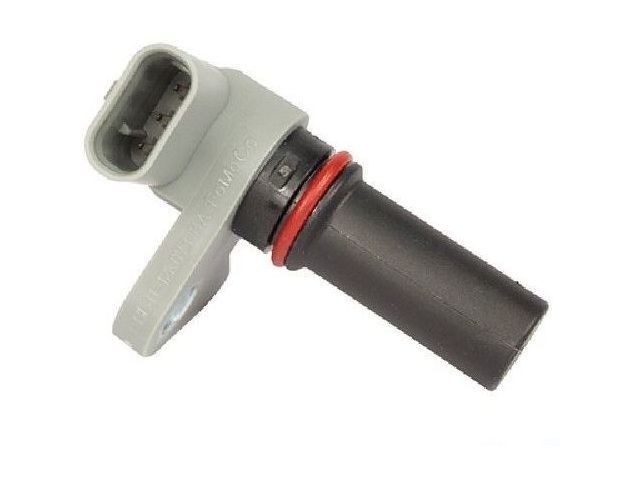
Est. part cost: $150-$400 per phaser - Faulty Camshaft Position Sensor ⚪ Low Probability → Shop Engine Camshaft Position Sensor
How to confirm: Test the sensor's output signal with an oscilloscope or multimeter. Swapping the sensor with an identical one from another position (e.g., exhaust cam) can also help diagnose, if they are interchangeable.
Typical fix: Replace the Bank 2 intake camshaft position sensor.
Est. part cost: $25-$75
Rare But Worth Checking
- Failed Crankshaft Position Sensor: → Shop Engine Crankshaft Position Sensor While less common to fail than a cam sensor, a faulty crankshaft sensor can cause a variety of correlation codes, including P0018.
- Damaged Reluctor Wheel: The tone ring on the crankshaft or camshaft that the sensor reads can be damaged or shift, causing incorrect signals. This is rare and usually only happens during major engine work or a catastrophic failure.
- Wiring Issues: Damaged wires or corroded connectors for the camshaft sensor or VCT solenoid can cause an intermittent signal and trigger the code. Check the harness where it may rub against other components.
Diagnosis Steps
- Check the engine oil level and condition. Look for a milky/creamy consistency indicating coolant contamination. If low, dirty, or contaminated, perform an oil and filter change using the correct oil type, clear codes, and re-test. This is the first step advised by Ford TSBs.
- Use a professional scan tool to check for other DTCs and view live data for desired vs. actual camshaft angles for Bank 2 (
CAM_ERRPIDs). A large, persistent deviation points to a mechanical issue. - As per TSB SSM 50067, use the scan tool's bidirectional controls to command the Bank 2 intake VCT solenoid on and off (or cycle it 10 times) to see if it can be unstuck. A lack of change in cam angle indicates a sticking solenoid or oil flow problem.
- Inspect the wiring and connector for the Bank 2 camshaft sensor and VCT solenoid for any damage, corrosion, or loose connections.
- If the solenoid is suspected, swap it with the Bank 2 exhaust solenoid (if they are identical parts) and clear codes. If the code changes to P0019 (exhaust cam correlation), the solenoid is definitively bad.
- If solenoids and sensors check out, and the oil is clean, the next step is to suspect a mechanical timing issue. This requires inspecting the timing chain, guides, and tensioners for wear or slack, which is a labor-intensive process that includes removing the valve and timing covers.
Parts You'll Likely Need
- Timing Chain Kit
(OEM #Motorcraft TK-428 (example kit, confirm with VIN))— A stretched timing chain is a primary cause of this code on the Ford 3.5L V6, often due to water pump failure. A full kit is required.
Trusted brands: Motorcraft, Cloyes
OEM price range: $350-$500
Aftermarket price range: $200-$350 - Variable Camshaft Timing (VCT) Solenoid
Related Codes That Often Appear With This One
- P0016 — This is the same correlation error but for Bank 1. Seeing both P0016 and P0018 together strongly points to a base timing problem affecting the entire engine, like a severely stretched timing chain or jumped timing.
- P0021 — This code means 'Intake Camshaft Position Timing - Over-Advanced (Bank 2)'. It often appears with P0018 because both codes are related to the VCT system's inability to control the Bank 2 intake cam, often pointing to a stuck solenoid or phaser.
- P0017 — This is a correlation fault for the exhaust camshaft on Bank 2. Seeing it with P0018 suggests a timing issue affecting the entire bank, such as a failed phaser, jumped timing on that bank's secondary chain, or an issue with the main timing chain.
Technical Service Bulletins (TSBs) & Recalls
- SSM 54366: Notes that various 2015-2021 Ford vehicles may exhibit P0018 and other VCT codes, pointing to a specific diagnostic test.
- SSM 50067 / SSM 47170 / SSM 48423: State that P0018 and related codes may be due to small debris causing the VCT solenoid to stick, and advise against immediate component replacement.
Platform-Specific Known Issues
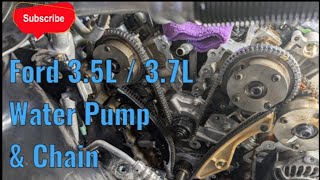
- Internal Water Pump Failure: → Shop Engine Water Pump The most significant issue for the 3.5L V6 is the timing-chain-driven water pump located inside the engine. When its bearing or seal fails, it leaks coolant directly into the crankcase. This contaminates the engine oil, reducing its viscosity and lubricity, which in turn rapidly wears out the timing chain, guides, tensioners, and VCT system components. A P0018 code is often one of the first symptoms of this cascading failure. Any major timing work on this engine must include replacing the water pump as a preventative measure.
Mechanic-Grade Diagnostic Values
- VCT Solenoid Internal Resistance — expected: 6.9 - 7.9 Ohms at 68°F (20°C).. Failure: A reading of infinite resistance (open circuit) or zero (short circuit) indicates a failed solenoid.
- VCT Solenoid Connector Voltage (Key On, Engine Off) — expected: Approximately 12V (battery voltage) on Pin 1 (power supply wire).. Failure: No voltage suggests a problem in the power supply circuit, likely the F16 fuse in the underhood fuse box or a wiring fault.
- Scan Tool PID: VCT_ERR (or VCT_ADV_ERR) — expected: Should be close to 0° at a stable, warm idle.. Failure: A consistent, non-zero value indicates a correlation error between the PCM's command and the actual camshaft position. A large, persistent error points directly to a mechanical timing issue or a completely stuck VCT component.
- Engine Oil Pressure (at warm idle) — expected: A minimum of 15-25 PSI.. Failure: Pressure below this minimum can starve the hydraulic VCT system, preventing phasers from moving correctly and potentially setting correlation codes.
Hidden / Shadow Codes Worth Checking
- Mode $06, Test ID $53: This is a non-continuous monitor test result for Camshaft-Crankshaft correlation. A scan tool capable of reading Mode 6 data can access this test result, which may show a failure or a value approaching the failure threshold before the PCM sets a hard code like P0018. (see via A scan tool capable of reading Mode 6 data, such as Ford IDS, FORScan, or other high-end professional scanners.)
- Mode $06, Test ID $82: This is an on-board diagnostic test for the Variable Camshaft Timing (VCT) system's position. It stores statistical data on how well the cam phasers are performing, which can indicate a sticking component or slow response time that leads to correlation codes. (see via A scan tool capable of reading Mode 6 data.)
Scan Tool Commands That Help
- Ford IDS, FORScan, or equivalent professional scanner: VCT Solenoid On/Off Test or VCT Solenoid Cycle — As recommended by Ford TSBs (like SSM 48423), this command cycles the suspected VCT solenoid rapidly (e.g., 10 times) to dislodge small debris that may be causing it to stick. If the engine idle changes or the VCT_ERR PID responds during the test, it confirms the solenoid is capable of moving but may be intermittently sticking. If there is no response, the solenoid is likely seized or has an electrical fault.
- Ford IDS: Reset All Adaptations — After a major repair like a timing chain or phaser replacement, resetting the PCM's learned adaptations is recommended. In some cases, if old adaptive values are retained, the system may not correctly interpret the new, properly timed components, potentially causing false codes.
Wiring & Ground Locations
- Bank 2 Intake VCT Solenoid Connector — On the front of the Bank 2 (driver's side, near radiator) valve cover. It is a 2-wire connector.. This is the primary connection point for the solenoid that controls the Bank 2 intake camshaft. Pin 1 (often a Blue/Green wire) is the 12V+ power supply, and Pin 2 is the control wire that the PCM provides a ground to. A poor connection here will directly cause P0018.
- Fuse F16 — Located in the Battery Junction Box (the fuse box in the engine bay).. This fuse provides the 12V+ power to the VCT solenoids. If this fuse is blown, none of the VCT solenoids will have power, likely causing multiple timing codes, including P0018.
- Bank 2 Camshaft Position Sensor Connector — Located on the Bank 2 (front) valve cover, near the VCT solenoid. It is typically a 2-pin or 3-pin connector.. This connector sends the camshaft's position signal back to the PCM. Corrosion or damage to these wires can corrupt the signal, causing the PCM to believe there is a correlation error when the mechanical timing is actually correct.
Real Owner Repair Stories
- Reddit user in r/AskMechanics (2013 Ford Taurus 3.5L V6) — P0018 code appeared immediately after a massive repair job (water pump, timing chains, plugs). The car seemed to run perfectly with no rough idle or misfires.
❌ Tried (didn't work) Replacing VCT solenoids, Replacing the solenoid wire harness, Replacing 'many sensors', Performing two additional oil changes, Having the mechanics re-do the entire timing job a second time
✅ What actually fixed it The shop brought in a Ford master mechanic from a dealership to supervise the third attempt at the timing job. They discovered the main timing chain was off by a single tooth. This was reportedly impossible to detect from engine performance alone, as it ran smoothly, but was enough to set the P0018 correlation code. - Ford F150 Forum user (2013 Ford F-150 3.5L EcoBoost (same engine family)) — After a $6,000 dealer timing job (all 4 phasers, chains, guides, VCT solenoids), a startup rattle returned within two weeks. Later, codes P0131, P0175, and finally P0018 appeared.
❌ Tried (didn't work) The dealer replaced a belt tensioner, which did not fix the noise., The owner replaced an O2 sensor and cleaned MAP sensors to address the other codes.
✅ What actually fixed it The resolution was not posted, but the story is a critical example of P0018 appearing shortly after a complete timing service. Forum consensus was that the code directly pointed to an error in the dealer's work, such as an incorrectly installed component or a faulty new part, and was not related to the turbos as the dealer had suggested.
OEM Part Supersession History
AT4Z-6M280-C / FL3Z-6M280-D (Gen 1 / early Gen 2 3.5L parts)→HL3Z-6M280-A (current OEM part for many 2017+ applications)— Ford updated the VCT solenoid design to improve durability and resistance to sticking from oil contamination.
Heads up: It is critical to verify the correct part number with the vehicle's VIN. While physically similar, solenoids for different generations (e.g., Gen 1 vs Gen 2 EcoBoost) or positions (intake vs. exhaust) are not always interchangeable and can cause performance issues.HL3Z-6256-CD (Intake Cam Phaser)→ML3Z-6256-A— The original phasers were prone to failure of the internal locking pin, causing the common 'cold start rattle'. The updated ML3Z part is a revised, more durable design.
Heads up: Some parts catalogs or dealer systems may incorrectly show that the newer ML3Z-6256-A phaser does not fit 2017-2020 models that originally came with the HL3Z part. However, Ford documentation and repair forums confirm the ML3Z part is the correct, updated replacement that should be used.
Model Year Variations Within This Range
- 2015-2019: While the base 3.5L Duratec engine in the Taurus remained fundamentally the same during this period, Ford continuously updated service parts for the larger Cyclone engine family (which includes the 3.5L EcoBoost in other models). Therefore, when replacing parts like VCT solenoids or cam phasers, it is crucial to use the latest superseded part number (e.g., ML3Z-series phasers) even if the vehicle is an earlier model year, as these parts contain durability improvements.
Helpful Videos
We Have This Part in Stock

The information in this article is provided for general reference and educational purposes only. Vehicle specifications, procedures, and part compatibility can vary by production date, trim level, and region. Always consult your vehicle's factory service manual and verify part numbers before purchasing or performing repairs. Safety-critical components such as airbags, seat belts, and braking systems should be installed by a qualified professional.
- Ford TAURUS:
- 🧭 Diagnostic Flowchart
- 🎬 Helpful Videos
- 🛍️ Shop This Part
- What's Unique About the 2015-2019 Ford TAURUS
- Symptoms You May Notice
- Most Likely Causes
- Rare But Worth Checking
- Diagnosis Steps
- Parts You'll Likely Need
- Related Codes That Often Appear With This One
- Technical Service Bulletins (TSBs) & Recalls
- Platform-Specific Known Issues
- Mechanic-Grade Diagnostic Values
- Hidden / Shadow Codes Worth Checking
- Scan Tool Commands That Help
- Wiring & Ground Locations
- Real Owner Repair Stories
- OEM Part Supersession History
- Model Year Variations Within This Range
- 🎟️ Get 5% Off