

P0018 on 2012-2018 Jeep Wrangler 3.6L: Crank-Cam Correlation Causes and Fixes
On a 2012-2018 Jeep Wrangler with the 3.6L Pentastar engine, code P0018 is most often caused by low or incorrect engine oil, a failing camshaft phaser, a stretched timing chain, or a bad VVT solenoid on the driver's side (Bank 2). Always check your oil first before buying parts, as the VVT system is highly dependent on oil pressure and cleanliness.
- Always check your engine oil level and condition first. An oil change with the correct 5W-20 oil might fix the problem.
- P0018 on the 3.6L Pentastar is more often a mechanical or hydraulic problem (bad cam phaser, VVT solenoid) than a bad sensor.
- Do not immediately replace the cam or crank sensors; this is a common misdiagnosis that wastes money.
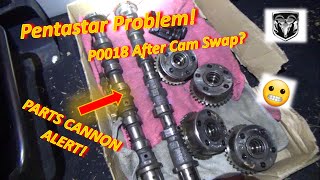
- If the code appeared immediately after an engine repair, suspect a mechanical timing error or a shifted camshaft reluctor wheel.
- Driving with this code can lead to stalling and potential engine damage, so it should be addressed promptly.
What's Unique About the 2012-2018 Jeep Wrangler

The 3.6L Pentastar V6 engine, used across the entire 2012-2018 JK Wrangler generation, relies heavily on clean, correct-viscosity engine oil to operate its Variable Valve Timing (VVT) system. Many P0018 issues on this specific platform can be traced back to oil pressure or oil quality problems affecting the camshaft phasers and hydraulic chain tensioners. While sensor failures are possible, owners and technicians frequently find the root cause to be mechanical or hydraulic, such as a stuck cam phaser, loose oil galley plugs behind the phasers, or a stretched timing chain, rather than a simple bad sensor.
Symptoms You May Notice
- Check Engine Light is on
- Engine runs rough or has an unstable idle
- Reduced engine power and poor acceleration
- Engine may hesitate or stall, especially at low speeds
- Decreased fuel mileage
- Rattling or ticking noise from the engine, particularly on the driver's side
- Engine is hard to start
- Vehicle may enter a 'fail-safe' or 'limp' mode where VVT is disabled and power is severely limited
- Replacing the camshaft position sensor or crankshaft position sensor without first checking for oil-related issues or diagnosing the mechanical VVT system (phasers, solenoids). Many owners replace sensors only to have the code return. 🎬 Watch: Why replacing sensors often fails to fix P0018.
- Replacing timing components without checking for a shifted reluctor wheel on the camshaft, especially if the code appeared immediately after other engine work was performed.
Most Likely Causes


- Low, Dirty, or Incorrect Viscosity Engine Oil 🔴 High Probability The Pentastar's VVT system uses oil pressure to adjust cam timing. Low or sludgy oil, or using a weight other than the recommended 5W-20, can starve the phasers and solenoids, causing a correlation fault. Using the wrong type of oil filter can also cause oil pressure issues.
How to confirm: Check the oil dipstick for level and inspect the oil's condition. An oil change with the correct grade of oil and a quality Mopar or equivalent filter is a low-cost first step.
Typical fix: Change the engine oil and filter using the manufacturer-specified grade (5W-20).
Est. part cost: $40-$80 - Failed Bank 2 (Driver's Side) Camshaft Phaser 🔴 High Probability → Shop Engine Camshaft The cam phasers on the 3.6L engine are a known failure point. They can become clogged with debris or mechanically fail, getting stuck in one position and preventing proper timing adjustments.
How to confirm: Requires advanced diagnostics with a scan tool to monitor desired vs. actual cam angle. A mechanic will likely need to remove the valve cover for physical inspection.
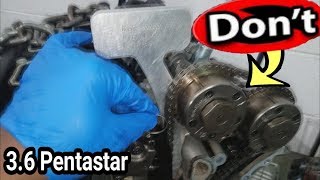
Typical fix: Replace the faulty camshaft phaser(s) on Bank 2. It is often recommended to replace all timing components (chain, guides, tensioners) at the same time.
Est. part cost: $80-$200 per phaser - Stretched Timing Chain or Failed Tensioner/Guides 🔴 High Probability → Shop Engine Timing Chain Over time, especially with high mileage or infrequent oil changes, the timing chains can stretch, or the plastic guides can wear out or break. This creates slack and directly impacts the mechanical timing between the crank and cams, and is a very common cause of P0018 on this engine.
How to confirm: This is a mechanical issue confirmed by physically inspecting the timing components, which requires significant engine disassembly (removing the timing cover). A rattling noise on startup is a common symptom.
Typical fix: Replace the timing chains, tensioners, and guides as a complete kit.
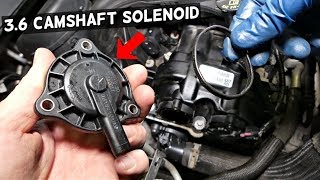
Est. part cost: $150-$400 for a kit - Failed VVT Solenoid / Oil Control Valve (OCV) 🟡 Medium Probability → Shop Engine Variable Valve Timing (VVT) Solenoid The solenoid that controls oil flow to the Bank 2 phaser can get clogged by oil sludge or fail electrically. This prevents the phaser from moving as commanded by the PCM.
How to confirm: A mechanic can command the solenoid on and off with a scan tool to check for a response. A simpler DIY test is to swap the Bank 2 intake solenoid with the Bank 1 intake solenoid and see if the trouble code moves to the other bank (e.g., P0016).
Typical fix: Replace the Bank 2 intake VVT solenoid.
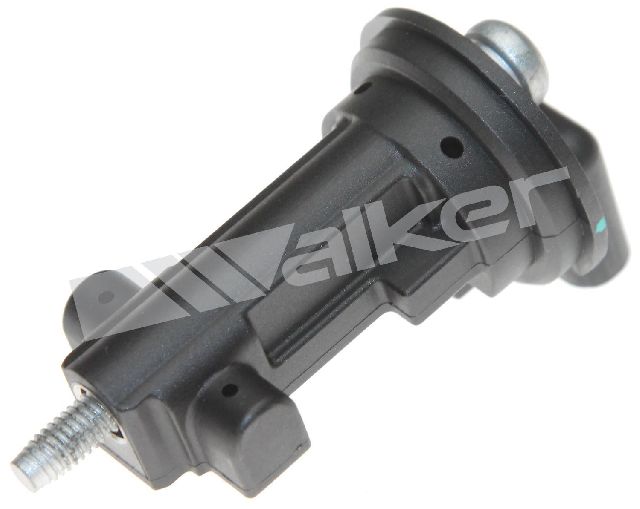
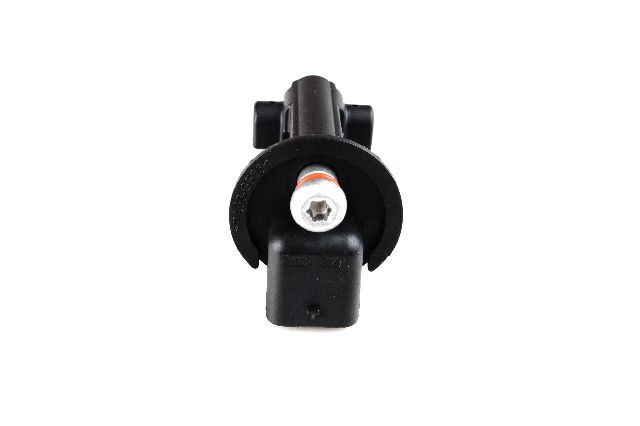
Est. part cost: $30-$90 - Failed Camshaft or Crankshaft Position Sensor ⚪ Low Probability → Shop Engine Crankshaft Position Sensor While sensors can fail, they are less likely to be the root cause of a P0018 code on this engine compared to mechanical or oil-related issues. Many owners replace sensors unnecessarily.
How to confirm: Test the sensor's output with an oscilloscope or multimeter. Swapping the Bank 2 cam sensor with the Bank 1 sensor is a common diagnostic step to see if the fault follows the sensor.
Typical fix: Replace the faulty sensor (Camshaft Position Sensor for Bank 2 or the Crankshaft Position Sensor).
Est. part cost: $25-$75
Rare But Worth Checking
- Shifted Camshaft Reluctor/Tone Wheel: → Shop Engine Camshaft This issue almost always occurs after a previous engine repair where a technician may have mishandled the camshaft. The magnetic ring that the cam sensor reads can physically rotate on the camshaft, sending incorrect timing data to the PCM even if the mechanical timing is perfect. This is a notorious and difficult-to-diagnose problem on the Pentastar.
- Loose or Missing Oil Galley Plugs: Inside the cylinder heads, behind the cam phasers, small 13mm bolts act as oil galley plugs. These are known to work themselves loose, causing a significant drop in oil pressure to the VVT system and leading to timing correlation codes. They should be checked for tightness any time the valve covers are off.
- Failed Rocker Arms / Lifters: The 3.6L Pentastar is known for the 'Pentastar tick' caused by failed rocker arm bearings. While this more commonly causes misfire codes, a catastrophic failure can sometimes lead to camshaft damage and subsequent timing correlation codes like P0018.
Diagnosis Steps

- Verify Oil Level and Condition: Check the dipstick. Is the oil level low? Is the oil dark and sludgy? If in doubt, perform an oil and filter change using 5W-20 synthetic oil and a Mopar filter.
- Scan for Codes: Use an OBD-II scanner to confirm P0018 is the active code and check for any other related codes. Note the freeze frame data.
- Analyze Live Data: Use an advanced scan tool to monitor the 'desired' vs. 'actual' camshaft angles for Bank 2. A significant, persistent deviation (e.g., more than 5-10 degrees at idle) points to a mechanical/hydraulic issue.
- Test the VVT Solenoid (OCV): Swap the Bank 2 intake VVT solenoid with the Bank 1 intake solenoid. Clear the codes and drive the vehicle. If the code changes to P0016 (Bank 1), the solenoid is faulty. 🎬 See this walkthrough on replacing the VVT solenoid.
- Inspect Mechanicals (Advanced): Remove the Bank 2 valve cover. Check for loose oil galley plugs behind the phasers. Inspect for obvious damage to camshaft lobes or rocker arms.
- Inspect Timing Chain (Advanced): This requires removing the front timing cover. Visually inspect the timing chain for slack, and check guides and tensioners for wear or damage. Verify timing marks are aligned.
- Inspect Camshaft Reluctor Wheel (Advanced): If recent engine work was done, carefully inspect the tone wheel on the Bank 2 intake camshaft to ensure it has not shifted. Compare its orientation to a known-good 🎬 Watch: How a shifted reluctor wheel causes timing puzzles. camshaft if possible.
- Test Sensors with Oscilloscope (Advanced): As a final step, use a lab scope to graph the crankshaft sensor signal against the Bank 2 camshaft sensor signal. Compare the waveform to a known-good pattern to definitively identify a timing discrepancy.
Parts You'll Likely Need

- Camshaft Phaser (VVT Actuator)
(OEM #5184101AH (Supersedes 5184101AG))— This is a very common failure point that directly causes timing correlation codes. - Timing Chain Kit (Chains, Guides, Tensioners) — Stretched chains or broken guides are a primary mechanical cause of this code, especially on higher-mileage engines.
- VVT Solenoid (Oil Control Valve)
(OEM #53022338AB (or aftermarket 916-957))— A stuck or failed solenoid is a frequent and relatively easy-to-replace cause. - Engine Oil and Filter
(OEM #Mopar Filter 68191349AC)— Incorrect or dirty oil is a leading cause of VVT system faults and should be the first step in diagnosis. - Camshaft Position Sensor — Though less common than other causes, a failed sensor can be the culprit and is often replaced during diagnosis.
Related Codes That Often Appear With This One
- P000D — This code indicates 'B' Camshaft Position Slow Response on Bank 2, which points directly to a sluggish or stuck exhaust cam phaser or VVT solenoid on the same bank as P0018.
- P0300 — A Random/Multiple Cylinder Misfire code can be triggered because the incorrect cam timing from the P0018 fault disrupts the engine's combustion process, leading to misfires across multiple cylinders.
- P0016 — This is the equivalent correlation code for Bank 1 (passenger side). Seeing both P0016 and P0018 together strongly suggests a systemic problem like low oil pressure or a stretched primary timing chain affecting both banks.
- P0430 — Catalyst System Efficiency Below Threshold (Bank 2). A persistent timing issue can lead to unburnt fuel entering the exhaust, damaging the catalytic converter on the same bank over time.
Technical Service Bulletins (TSBs) & Recalls
- TSB 09-009-16: While for 2016 models and not listing P0018 specifically, it addresses rough running and other cam/crank codes (P0017, P0019) caused by faulty intake VVT solenoids on the 3.6L engine, indicating a known issue with these components.
Mechanic-Grade Diagnostic Values
- VVT Solenoid (OCV) Coil Resistance — expected: 6.9 to 8.0 Ohms at 68°F (20°C).. Failure: A reading of OL (open/infinity) or near zero (short) indicates a failed solenoid.
- VVT Solenoid Harness Voltage (Key On, Engine Off) — expected: Battery Voltage (approx. 12.0 - 12.6V) on the supply pin.. Failure: No voltage points to a problem in the wiring harness or the PCM, not the solenoid itself.
- Camshaft Position Sensor Circuit Voltage — expected: 5V reference from the PCM.. Failure: Significantly lower or no voltage indicates a wiring or PCM issue.
- Engine Oil Pressure (Warm Engine) — expected: Minimum 5 PSI at idle, but typically 25-30 PSI. Minimum 30 PSI at 1200 RPM. Minimum 62 PSI at 3500 RPM.. Failure: Pressure significantly below these minimums indicates a mechanical or oil pump issue that will starve the VVT system.
- Scan Tool Cam/Crank Correlation Angle Difference — expected: Less than 6-10 degrees of deviation between desired and actual cam position at idle.. Failure: A persistent deviation greater than 10 degrees will trigger the P0018 fault.
Scan Tool Commands That Help
- wiTECH or equivalent advanced scanner: VVT System Test / Oil Control Valve 'Clean' Function — To cycle the VVT solenoids and attempt to dislodge debris or free a sticky spool valve, which can sometimes resolve an intermittent fault without replacing parts.
- wiTECH or equivalent advanced scanner: Monitor Desired vs. Actual Camshaft Position — This is the primary data screen for diagnosing P0018. Raise engine RPM quickly and hold, then let it drop, watching to see if the 'actual' value lags, overshoots, or fails to return to its base position at idle, which indicates a mechanical phaser or hydraulic issue.
Wiring & Ground Locations
- G101 / G104 — On the engine block, under the heat shield near the catalytic converter on the passenger (right) side.. These are main engine grounds. A poor connection here can introduce electrical noise into sensor signals, potentially affecting the cam and crank sensors and causing correlation issues.
- G102 — Located in the engine bay just to the left of the passenger side headlamp assembly, near the power steering reservoir.. A body ground point in the engine bay that has been noted to corrode, causing various electrical problems. Ensuring it's clean is good practice when diagnosing electrical faults.
- PCM Connector C2 — The second large harness connector at the Powertrain Control Module (PCM).. This connector contains the driver circuits for the VVT solenoids and the input circuits from the cam position sensors. Probing for resistance and voltage often happens at this connector.
Real Owner Repair Stories
- Reddit user /r/MechanicAdvice (2013 Jeep Grand Cherokee 3.6L) — Initial lifter tick, followed by P0018 immediately after a large repair job (cams, lifters, rockers, phasers, chains).
❌ Tried (didn't work) Initial full replacement of timing components and valvetrain.
✅ What actually fixed it The P0018 code was resolved by a combination of two things: replacing an aftermarket Bank 2 exhaust camshaft that had an incorrectly angled reluctor wheel, AND tightening a loose oil gallery plug behind the phaser that was causing an oil pressure leak. - YouTube channel 'Pine Hollow Auto Diagnostics' (2014 Jeep Wrangler, 140,000 miles) — P0018 and P0430, engine enters limp mode. Appeared after a shop replaced timing chains and driver's side rockers.
❌ Tried (didn't work) The vehicle was brought for diagnosis after a previous shop's repair failed.
✅ What actually fixed it Diagnosis with a lab scope and live data showed Bank 2 cam timing was off by over 10 degrees. The definitive cause pointed to a mechanical timing error from the previous job, most likely a shifted reluctor wheel on the new camshaft or swapped intake/exhaust cams. The fix is to tear down the timing and install the correct, non-defective camshafts. - YouTube channel 'G Automotive' (2018 Jeep Wrangler 3.6L) — P0018 correlation code, radio and power window issues.
❌ Tried (didn't work) Initial diagnosis was unclear.
✅ What actually fixed it The reluctor wheel (tone ring) on the Bank 2 camshaft had physically spun out of position. A side-by-side comparison with a new camshaft showed the wheel was off by approximately 60 degrees. Replacing the entire camshaft with a new one resolved the P0018 code.
"I Checked Everything" — The Actual Cause
- A common scenario for a persistent P0018 on the 3.6L Pentastar is that all standard checks (oil pressure, sensor swaps, solenoid tests) pass, but the code remains. The actual cause is often a physically shifted reluctor wheel on the end of the camshaft. The mechanical timing marks on the chains and phasers can be perfectly aligned, but because the wheel that the sensor reads has moved, the PCM receives incorrect position data and flags a correlation fault. This is especially common after a previous repair where an aftermarket camshaft was installed or an original one was mishandled.
OEM Part Supersession History
Various early part numbers for the left-side cylinder head→RL141353AC— Redesigned with hardened valve guides and seats to prevent the 'Pentastar tick' from failed rocker arm bearings.
Heads up: Heads produced before the 206th day of 2012 (date stamp '2062') are prone to the failure.53022338AA→53022338AB— Standard part revision for the VVT Solenoid / Oil Control Valve.
Heads up: Aftermarket part 916-957 is a common cross-reference for these OEM numbers.
Model Year Variations Within This Range
- 2012-2013: Early 3.6L Pentastar engines, particularly in 2012 and some 2013 models, were prone to failure of the left-side (Bank 2) cylinder head due to excessive wear on rocker arms and valve guides. This often presented as a ticking noise and misfire codes, but severe wear could lead to cam damage and timing codes like P0018. Chrysler issued an extended warranty (10 years/150,000 miles) for this specific issue. The updated head (PN RL141353AC) was introduced into production in mid-2012.
- 2016-2018: Starting in 2016, the 3.6L Pentastar was upgraded with a two-stage variable valve lift (VVL) system and cooled EGR to improve efficiency. While the fundamental VVT system that causes P0018 is similar, the addition of VVL adds another layer of complexity to the valvetrain on these later models.
Diagnostic Flowchart
Real Owner Stories
Aggregated from forums and TSBs cited above. Mileages and costs reflect what owners reported in those sources.
Jeep Wrangler
Symptoms: Experienced an intermittent P0018 code that appeared shortly after an oil change in cold weather.
What fixed it: Diagnosed as an oil and temperature-related issue affecting the VVT system.
Source hint: JK-Forum.com thread titled 'Intermittent P0018 - 347599'
Jeep Wrangler
Symptoms: Persistent P0018, P000D, and P0300 codes that would not clear despite multiple repairs.
What fixed it: Replaced sensors, solenoids, timing chain, and phasers; ultimately suspected a bad replacement camshaft or reluctor ring issue.
Source hint: JK-Forum.com thread titled 'P0018, P000D, P0300 Tried Multiple Fixes - 367689'
2016 Jeep Wrangler
Symptoms: Check engine light came on for P0018 but then turned off by itself. Owner was advised that diagnosis is still needed due to the risk of stalling.
What fixed it: Pending diagnosis for potential stalling risks.
Source hint: Reddit r/MechanicAdvice thread '2016 Jeep Wrangler P0018 code'
Jeep Grand Cherokee 3.6L Pentastar
Symptoms: Difficult P0018 diagnosis with persistent camshaft/timing correlation issues.
What fixed it: Discovered the root cause was a combination of a shifted reluctor wheel on a new camshaft and a loose oil gallery plug.
Source hint: Reddit r/MechanicAdvice thread '3.6L Pentastar Cam/Timing issues. Reluctor wheels?'
Related OBD-II Codes
Frequently Asked Questions
Does TSB 09-009-16 apply to my Jeep Wrangler for code P0018?
What type of oil and filter should I use to prevent or fix a P0018 code on my 3.6L Pentastar?
I have a P0018 code and hear a rattling noise on startup from the driver's side. What does this mean?
Can I test the VVT solenoid on my Wrangler myself before replacing parts?
My mechanic mentioned a 'shifted reluctor wheel' causing my P0018. Is this common on the 3.6L engine?
Why did my Jeep Wrangler go into 'limp mode' with a P0018 code?
Helpful Videos
Used OEM Parts in Stock
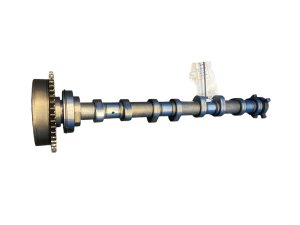
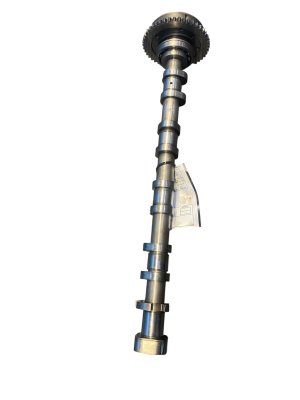
New Aftermarket Parts Available

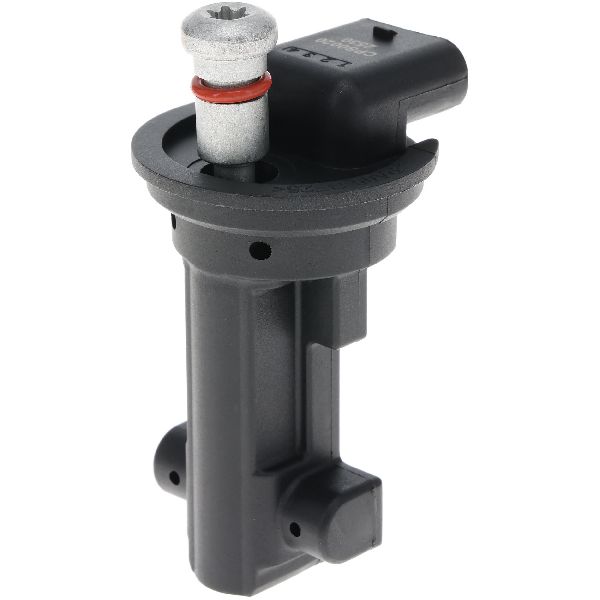
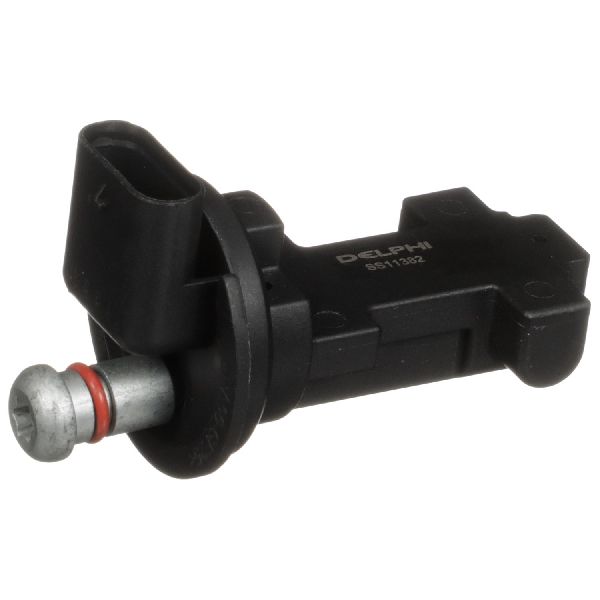

The information in this article is provided for general reference and educational purposes only. Vehicle specifications, procedures, and part compatibility can vary by production date, trim level, and region. Always consult your vehicle's factory service manual and verify part numbers before purchasing or performing repairs. Safety-critical components such as airbags, seat belts, and braking systems should be installed by a qualified professional.
- Jeep Wrangler:
- 🧭 Diagnostic Flowchart
- 🎬 Helpful Videos
- 🛍️ Shop This Part
- What's Unique About the 2012-2018 Jeep Wrangler
- Symptoms You May Notice
- Most Likely Causes
- Rare But Worth Checking
- Diagnosis Steps
- Parts You'll Likely Need
- Related Codes That Often Appear With This One
- Technical Service Bulletins (TSBs) & Recalls
- Mechanic-Grade Diagnostic Values
- Scan Tool Commands That Help
- Wiring & Ground Locations
- Real Owner Repair Stories
- "I Checked Everything" — The Actual Cause
- OEM Part Supersession History
- Model Year Variations Within This Range
- Real Owner Stories
- Jeep Wrangler
- Jeep Wrangler
- 2016 Jeep Wrangler
- Jeep Grand Cherokee 3.6L Pentastar
- Related OBD-II Codes
- Frequently Asked Questions
- 🎟️ Get 5% Off